
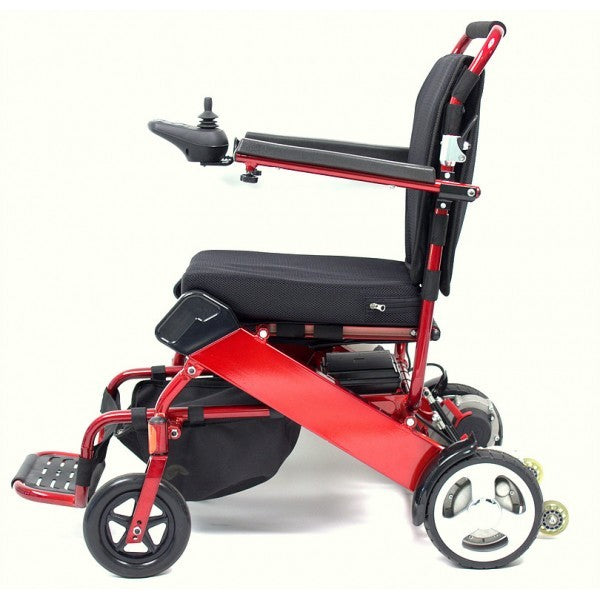
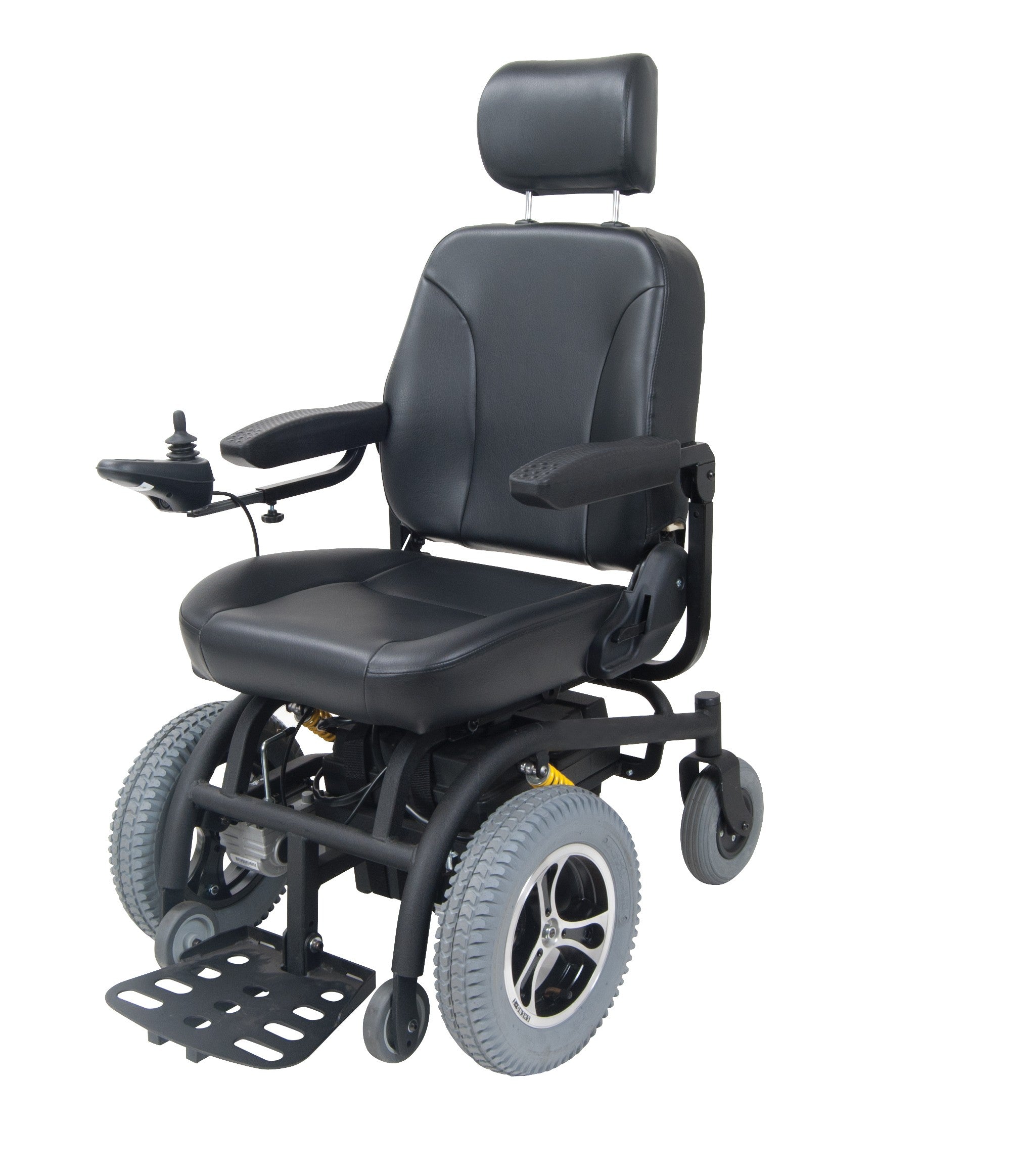
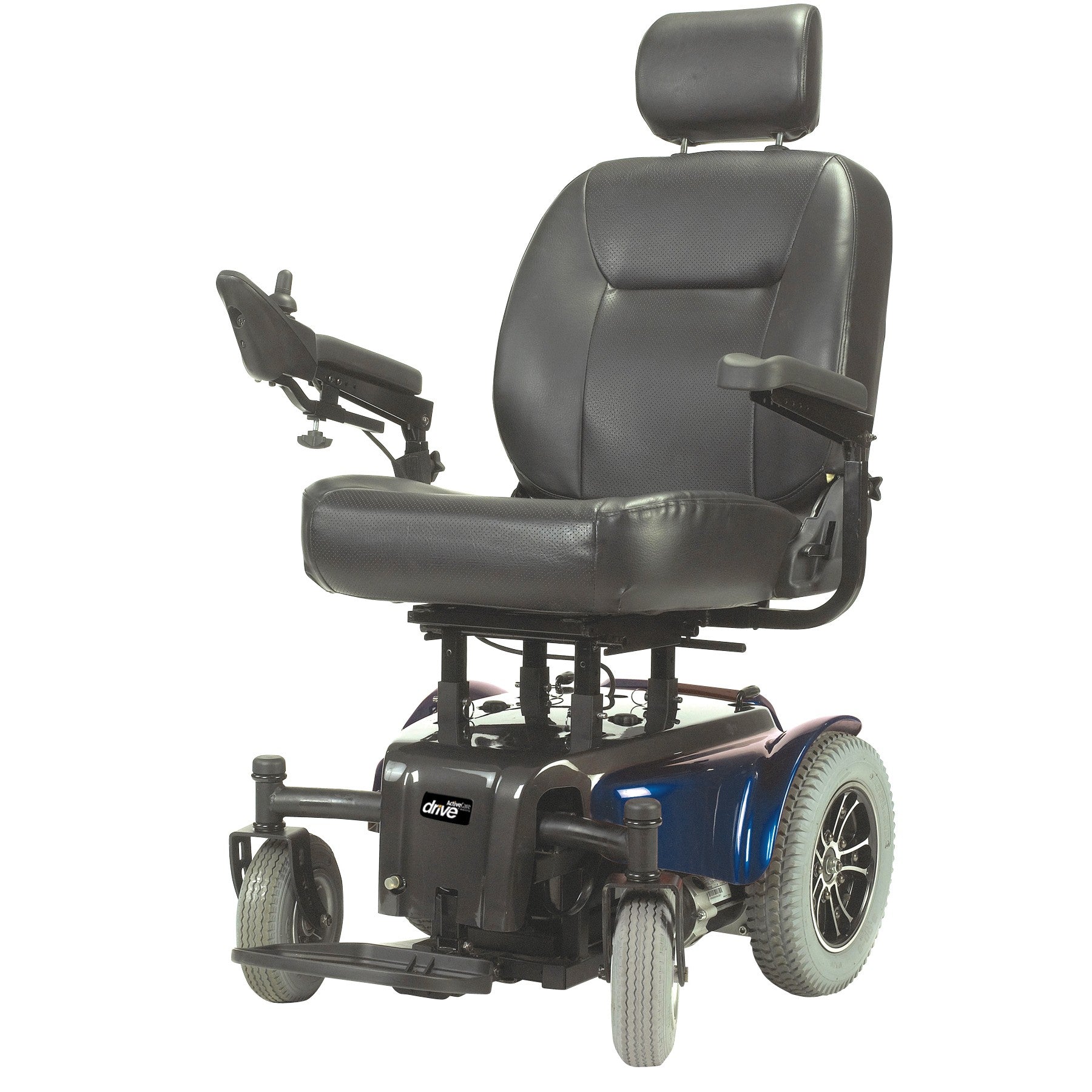
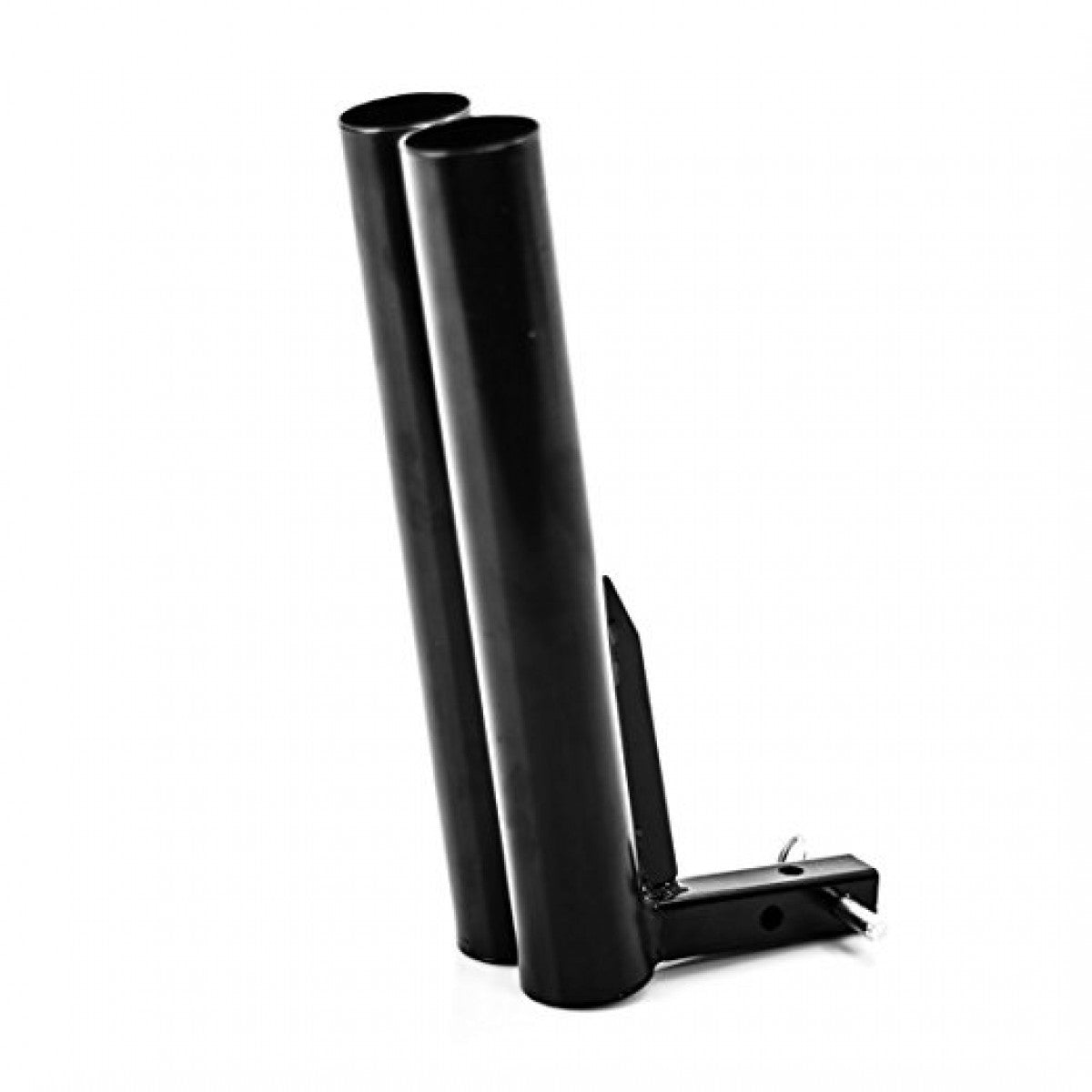
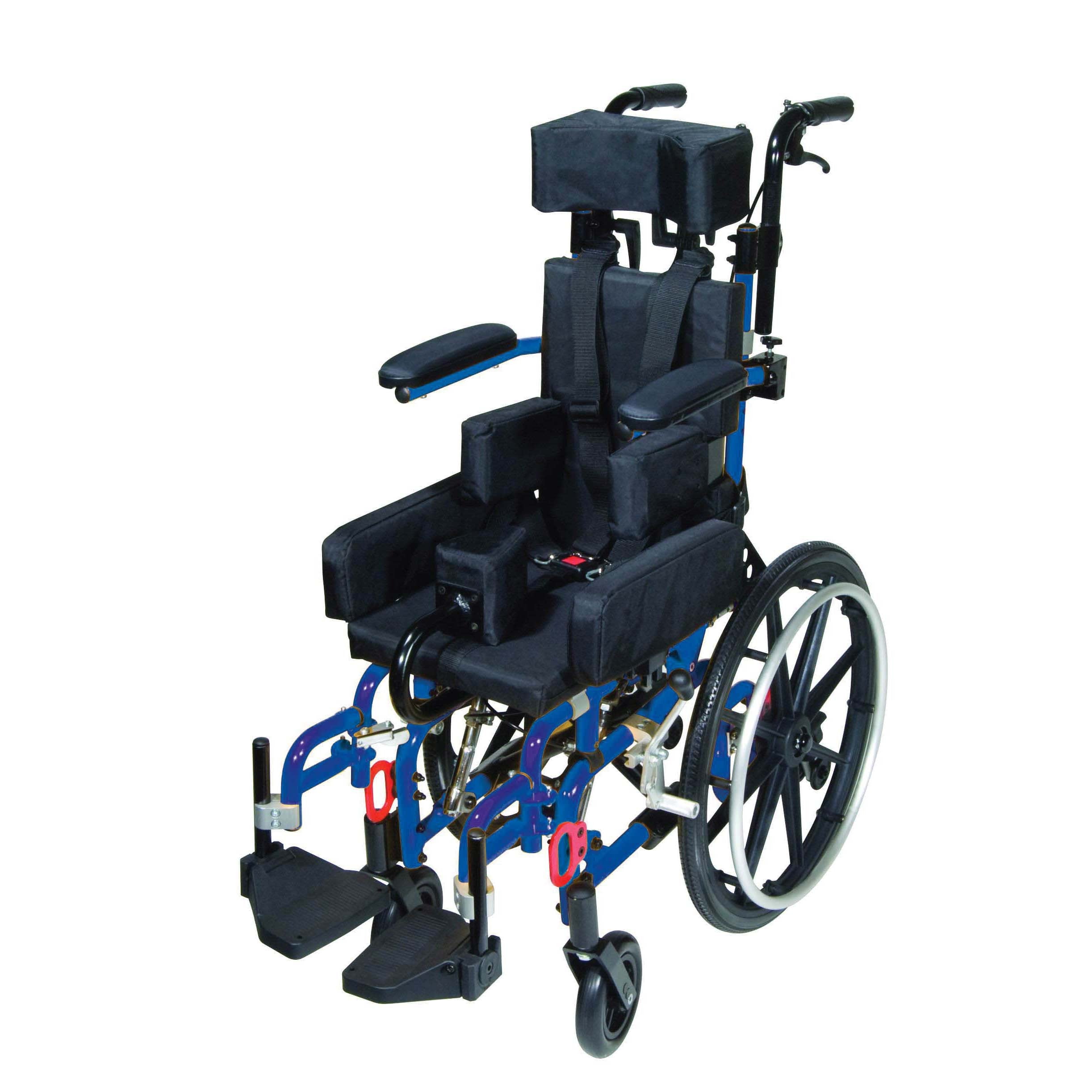
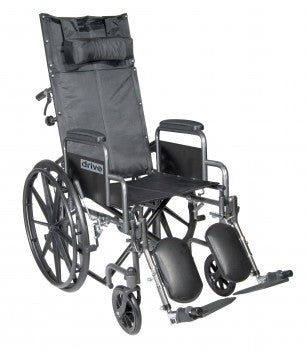
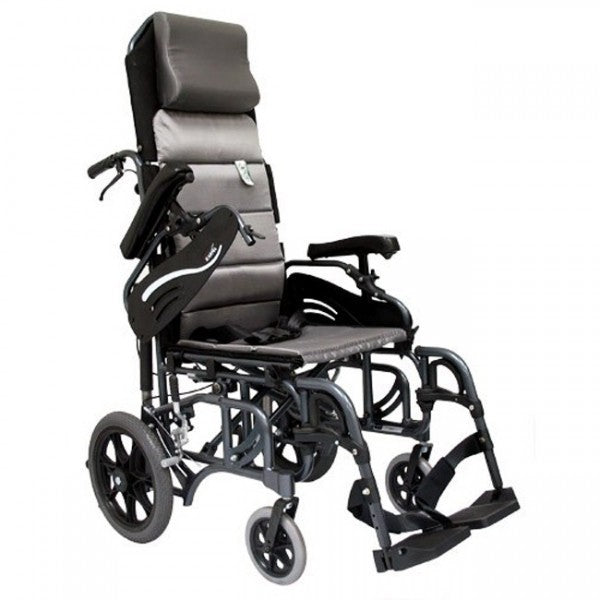
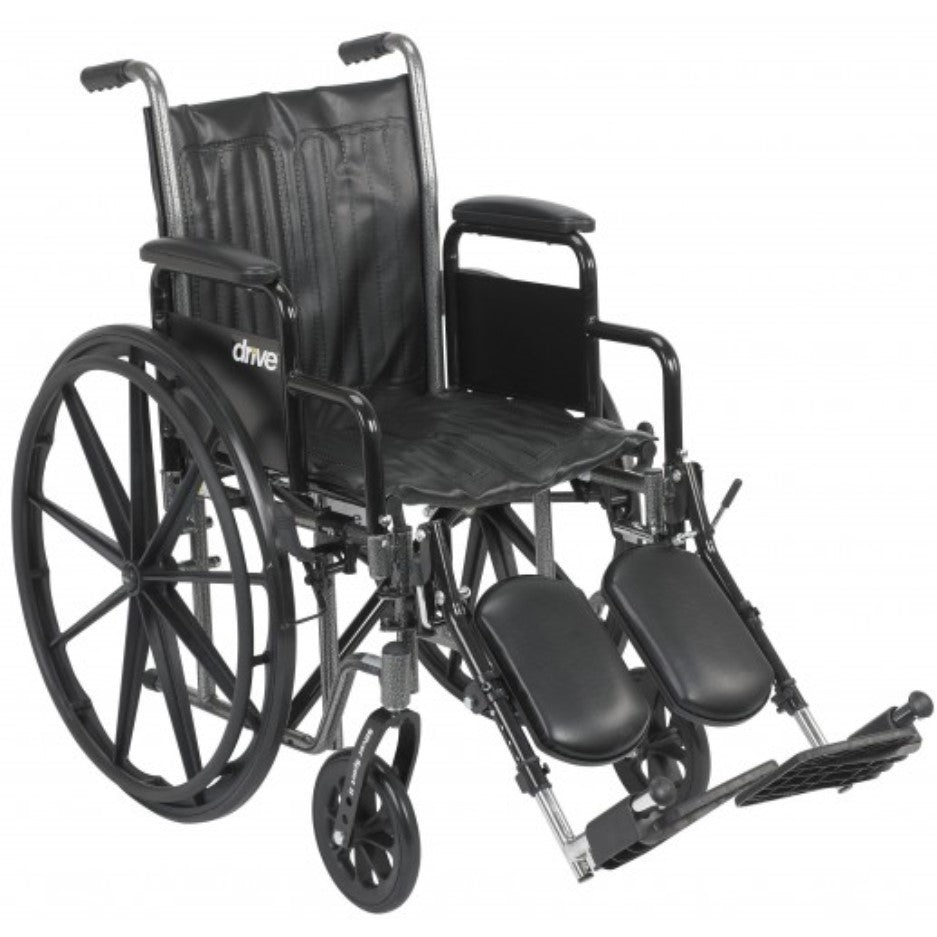
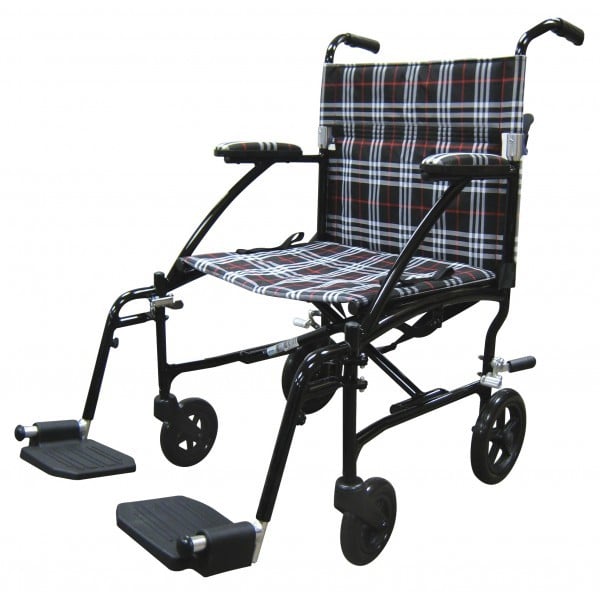
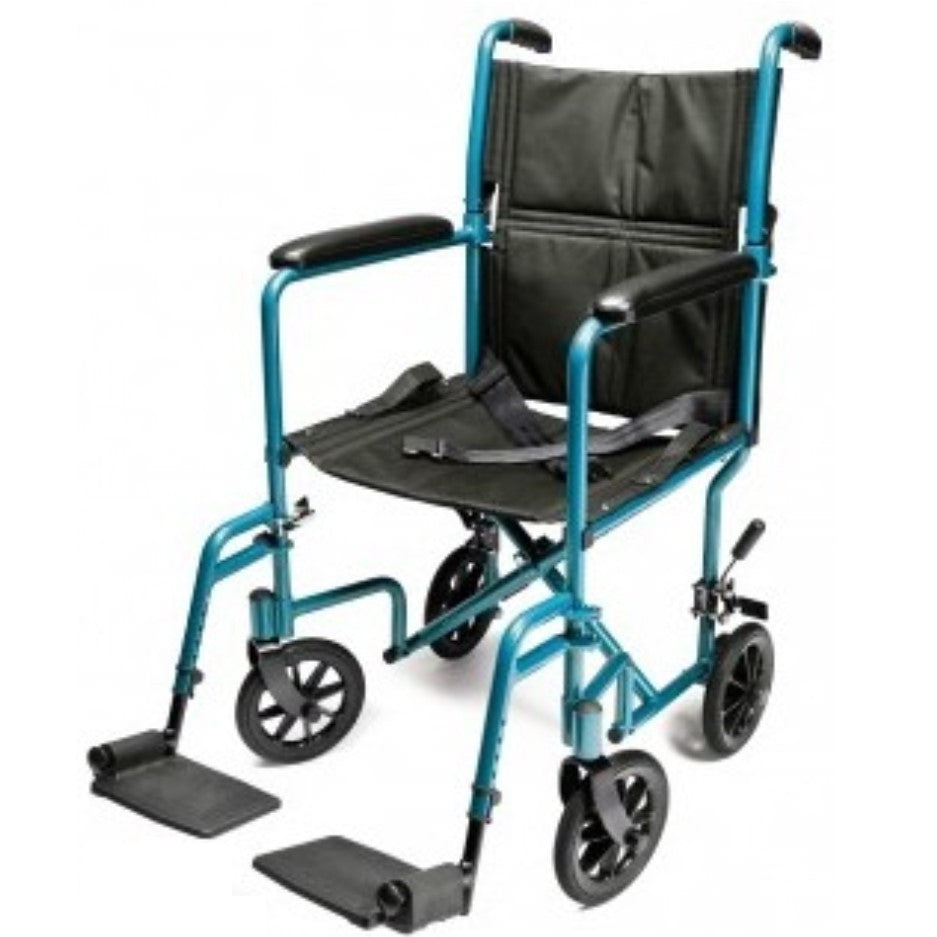
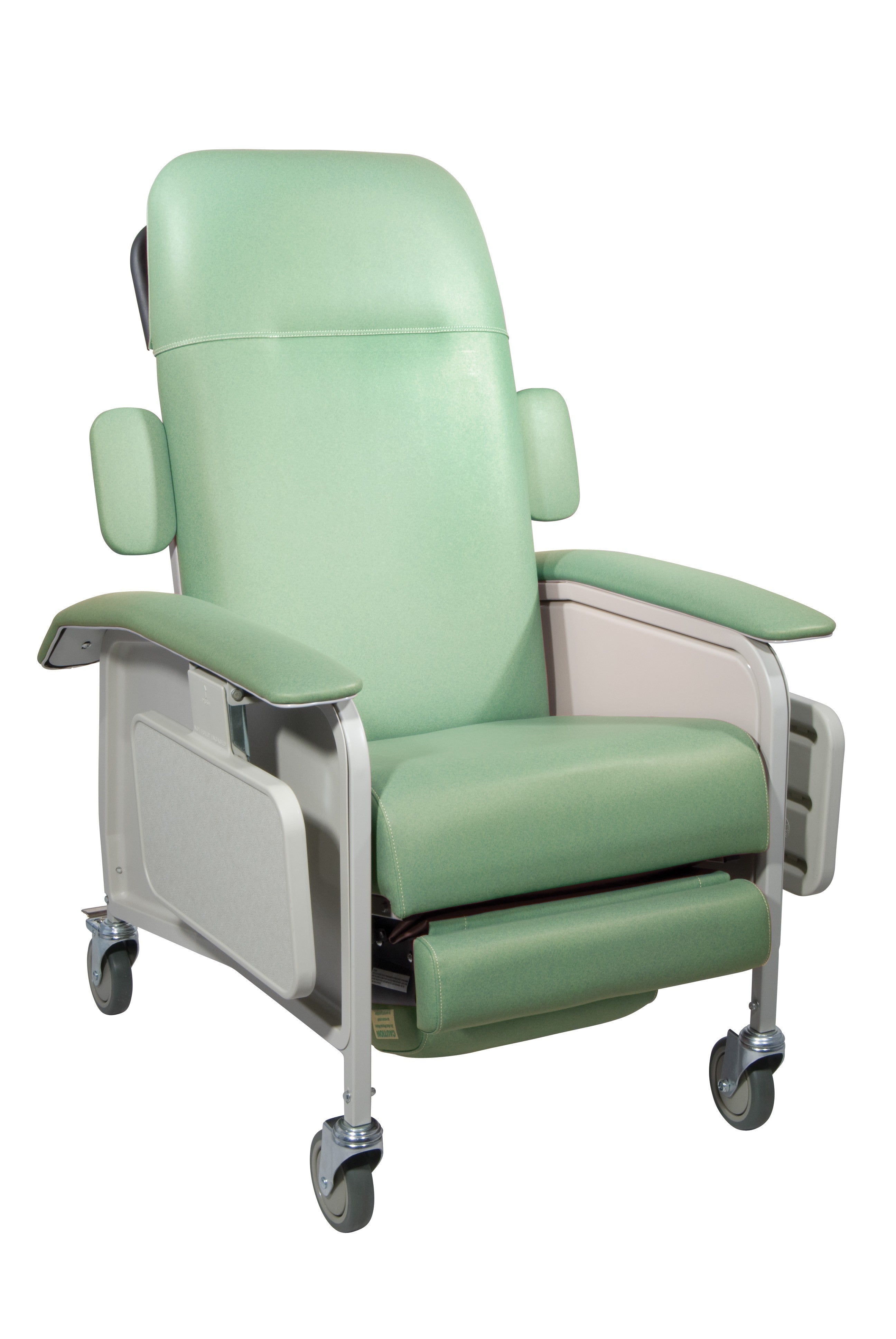

A wheelchair should support the way you actually live - not force you to work around it. The right wheelchair accessories can make a meaningful difference in comfort, safety, convenience, and independence, whether you use a manual chair full time, rely on a power wheelchair, or need extra support during recovery.
The best choice is rarely the accessory with the most features. It is the one that fits your wheelchair, your body, your home, and the places you need to go. A cup holder may be a small addition, but it can prevent repeated reaching or asking for help. A properly sized cushion may help make a full afternoon out more comfortable. Those practical details add up.
Start With Your Daily Routine
Before choosing accessories, think about the moments that cause the most frustration. Is it carrying a phone, wallet, medication, or water bottle? Is it staying comfortable through a long appointment? Is it being seen clearly when crossing a parking lot? Or is it getting through a narrow doorway at home?
Your routine should guide the purchase. Someone who uses a wheelchair mostly indoors may benefit most from storage, a lap tray, and protective floor-friendly features. Someone who travels outdoors or uses public transportation may place a higher value on visibility, weather protection, secure bags, and flat-free tire options.
It also helps to consider whether the chair is self-propelled, caregiver-propelled, or powered. An accessory that is easy to reach from a power chair may sit too far back on a manual wheelchair. Similarly, an item mounted on the frame must not interfere with folding, transfers, joystick controls, brakes, or swing-away footrests.
Wheelchair Accessories for Comfort and Support
Comfort is more than a convenience. Poor positioning can lead to fatigue, pressure discomfort, sliding, and reduced tolerance for sitting. The right support products can make everyday activities feel more manageable.
Cushions and back support
A wheelchair cushion is often one of the most valuable upgrades. Cushions are available in foam, gel, air-cell, and combination designs, with different levels of contouring and pressure management. A basic cushion can add comfort for shorter periods of use, while a more specialized model may better suit someone who spends much of the day in the chair or has skin-protection concerns.
Fit matters as much as material. A cushion that is too wide, too narrow, or too thick can affect posture and make transfers more difficult. It may also change seated height, which can matter for foot placement, desk access, and reaching counters. For people with a history of pressure injuries, changing sensation, or significant positioning needs, guidance from a qualified clinician is especially worthwhile.
Back cushions, lumbar supports, armrest pads, and padded wheelchair gloves can also reduce strain. These additions are often helpful for users who experience shoulder fatigue while propelling a manual chair or who need more stable trunk support.
Leg, foot, and weather comfort
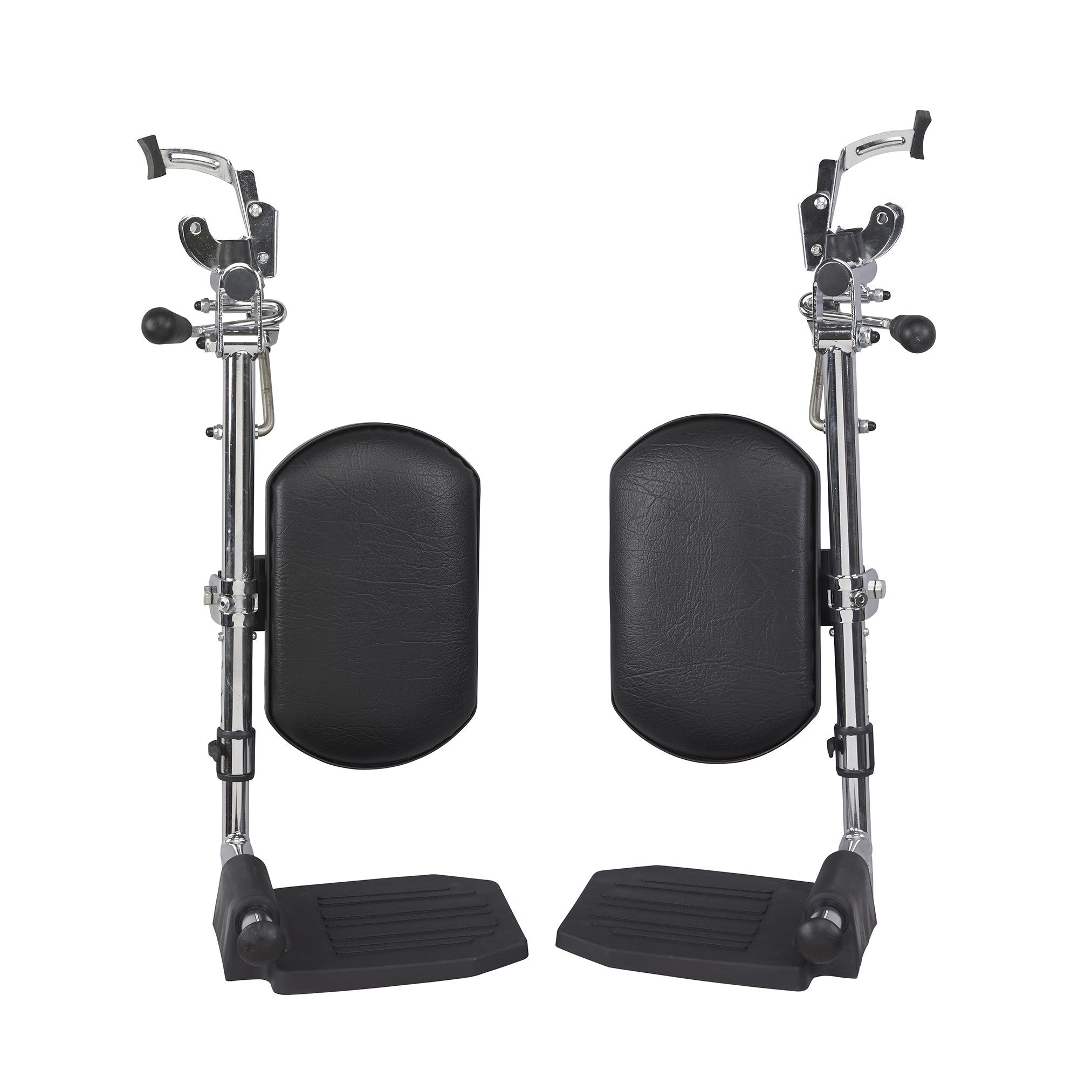
Elevating leg rests may help users who need supported leg positioning, but they should be selected carefully because they add length to the wheelchair and may make tight turns more difficult. Heel loops can help keep feet properly positioned, while calf straps can add stability when feet tend to slide backward.
For outdoor use, a wheelchair poncho, lap blanket, or weather-resistant leg cover can make errands and appointments more comfortable in cold or wet conditions. Choose designs that do not drag near the wheels or create a transfer hazard.
Storage That Keeps Essentials Within Reach
A good storage accessory reduces the need to balance belongings on your lap, hang bags from handles, or ask someone else to carry necessities. Wheelchair bags, under-seat organizers, armrest pouches, and backpacks each serve a different purpose.
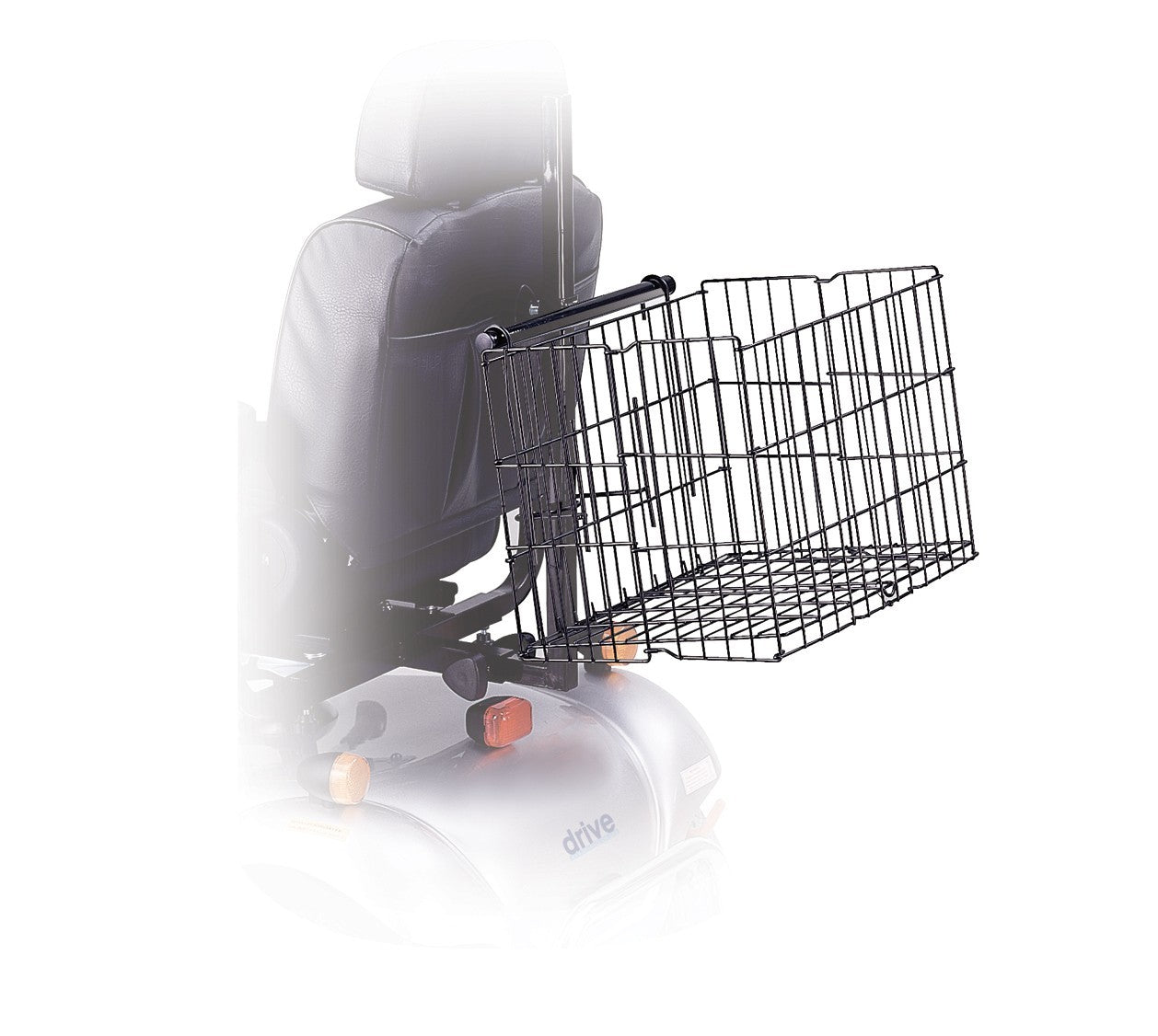
A rear-mounted wheelchair bag can carry larger personal items, but it may be difficult to reach independently and can affect balance if overloaded. Side bags and armrest pouches keep smaller essentials close by, making them useful for a phone, keys, glasses, hand sanitizer, or a small notebook. Under-seat storage can be convenient, provided it does not interfere with folding mechanisms or foot clearance.
Avoid placing heavy bags on wheelchair push handles. This is a common shortcut, but it can make the chair more likely to tip backward when the user leans or transfers. If a caregiver will push the chair, leave enough handle space for a secure grip.
Cup holders, cane or crutch holders, oxygen tank holders, and tray tables can also improve day-to-day function. Make sure each holder is designed for the size and weight of the item you plan to carry. An unsecured oxygen cylinder or large drink container can create a real safety issue.
Safety-Focused Wheelchair Accessories
Safety accessories are especially valuable for people who travel outside the home, use ramps, move through low-light areas, or have reduced visibility around traffic and driveways.
Wheelchair lights, reflective strips, bright safety flags, and spoke reflectors can help others see the chair. Lights should be mounted where they are visible without shining directly into the user's eyes or obstructing moving parts. Reflective details are useful even during daytime when weather is overcast or a chair is used near vehicle traffic.
Anti-tippers are another practical option, particularly for manual wheelchairs used on uneven surfaces or by people who may lean back to reach items. They can improve rear stability, although they may limit curb-climbing ability and can catch on steep transitions. The right setup depends on the wheelchair's design and where it will be used.
Seat belts and positioning belts can provide added security, but they should support safe posture rather than restrain a person. A properly fitted belt should be easy to release and should not replace assessment for more complex positioning needs.
Accessories That Help at Home and on the Go
Some of the most useful wheelchair accessories are not mounted to the chair at all. Threshold ramps, portable ramps, transfer aids, and wheelchair covers can make daily use easier while protecting the equipment.
A ramp must match the rise, available space, wheelchair type, and user strength. A ramp that is too steep can be difficult or unsafe to navigate, especially in rain or when a caregiver is assisting. Measure carefully and account for door swing, landing space, and the total weight of the wheelchair and rider.
For travel, consider a wheelchair cover or protective bag if the chair will be stored in a vehicle, transported, or exposed to dust and moisture. For folding wheelchairs, confirm that any attached pouch, tray, or holder can be removed easily or stays clear of the folding frame.
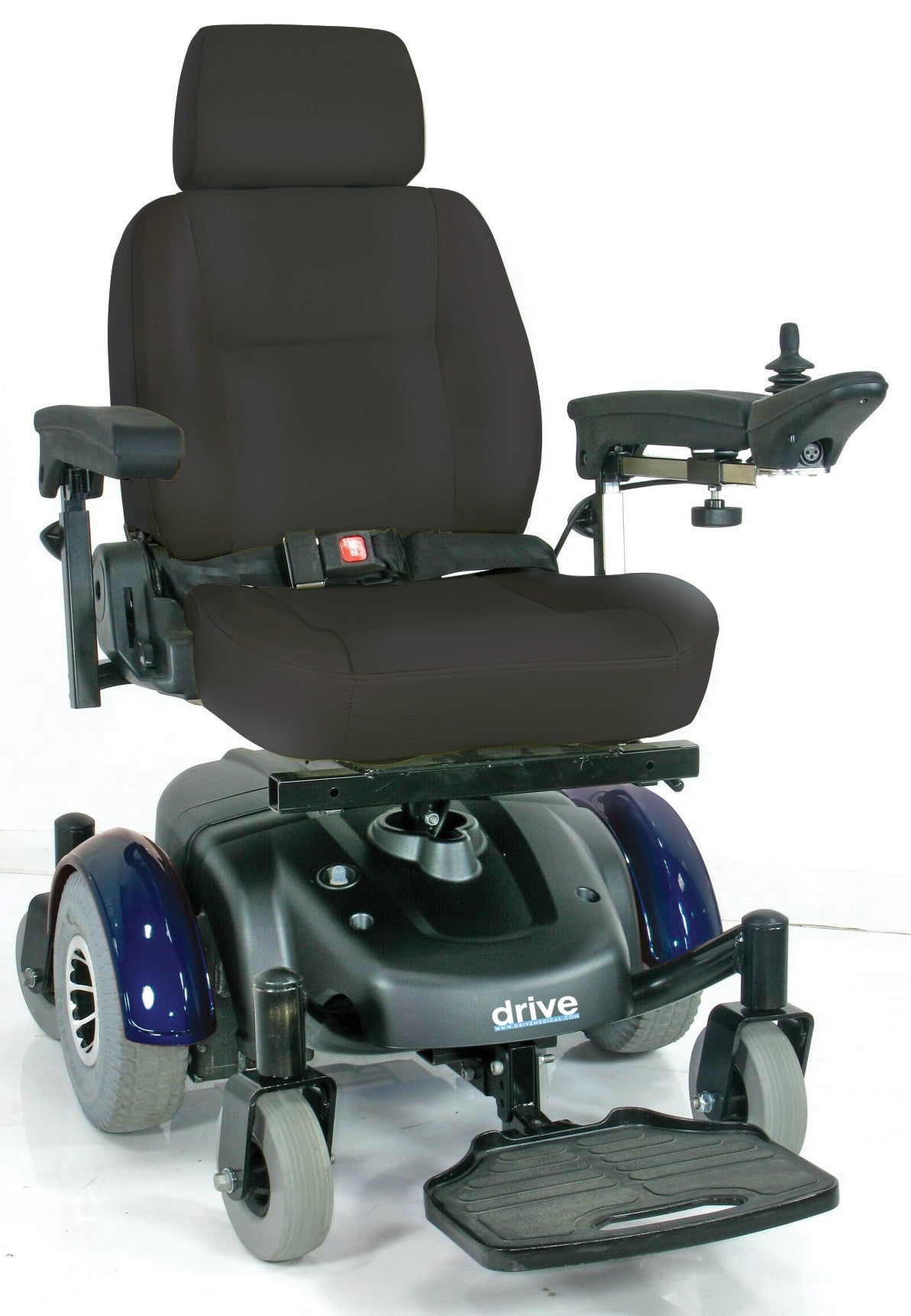
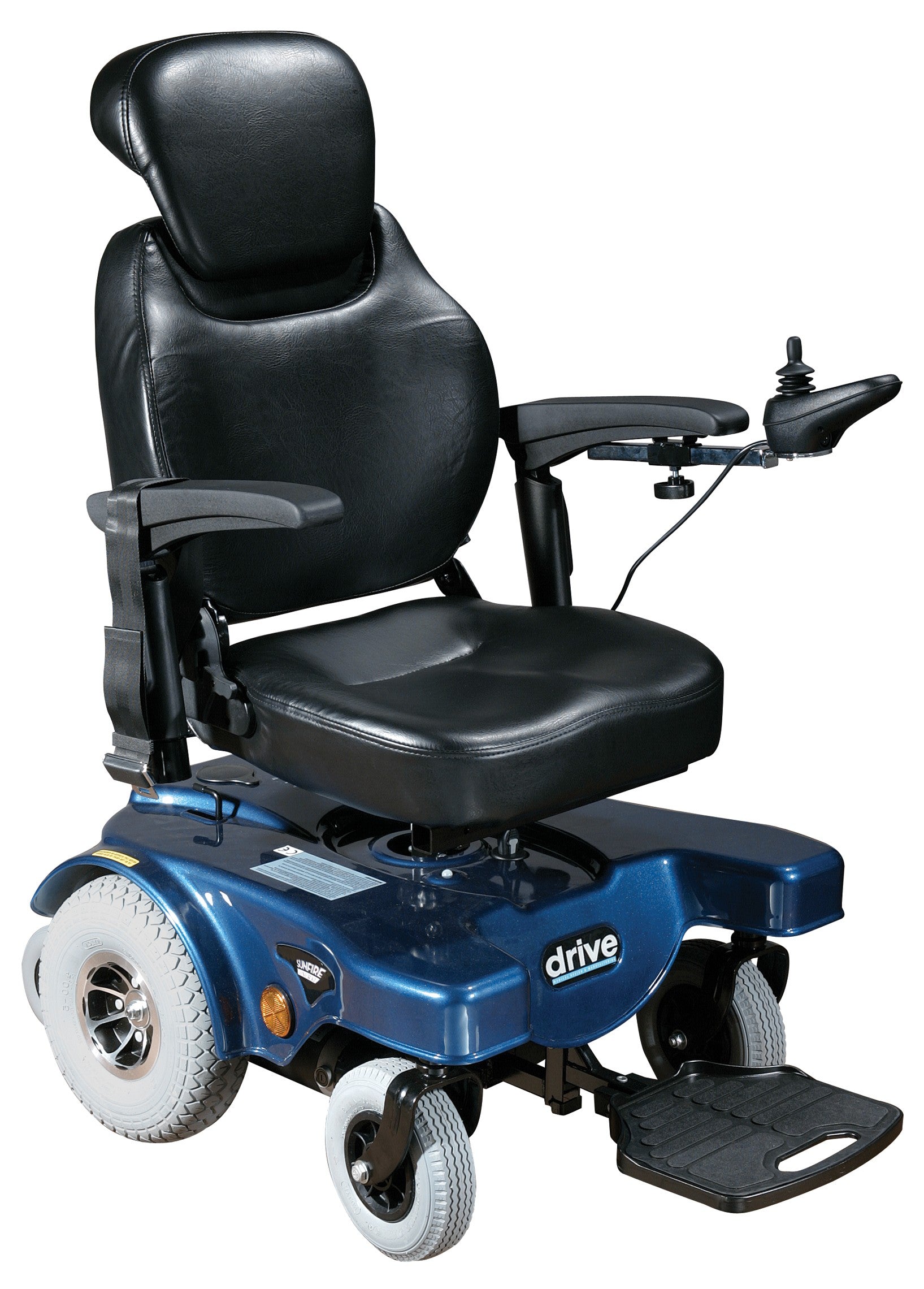
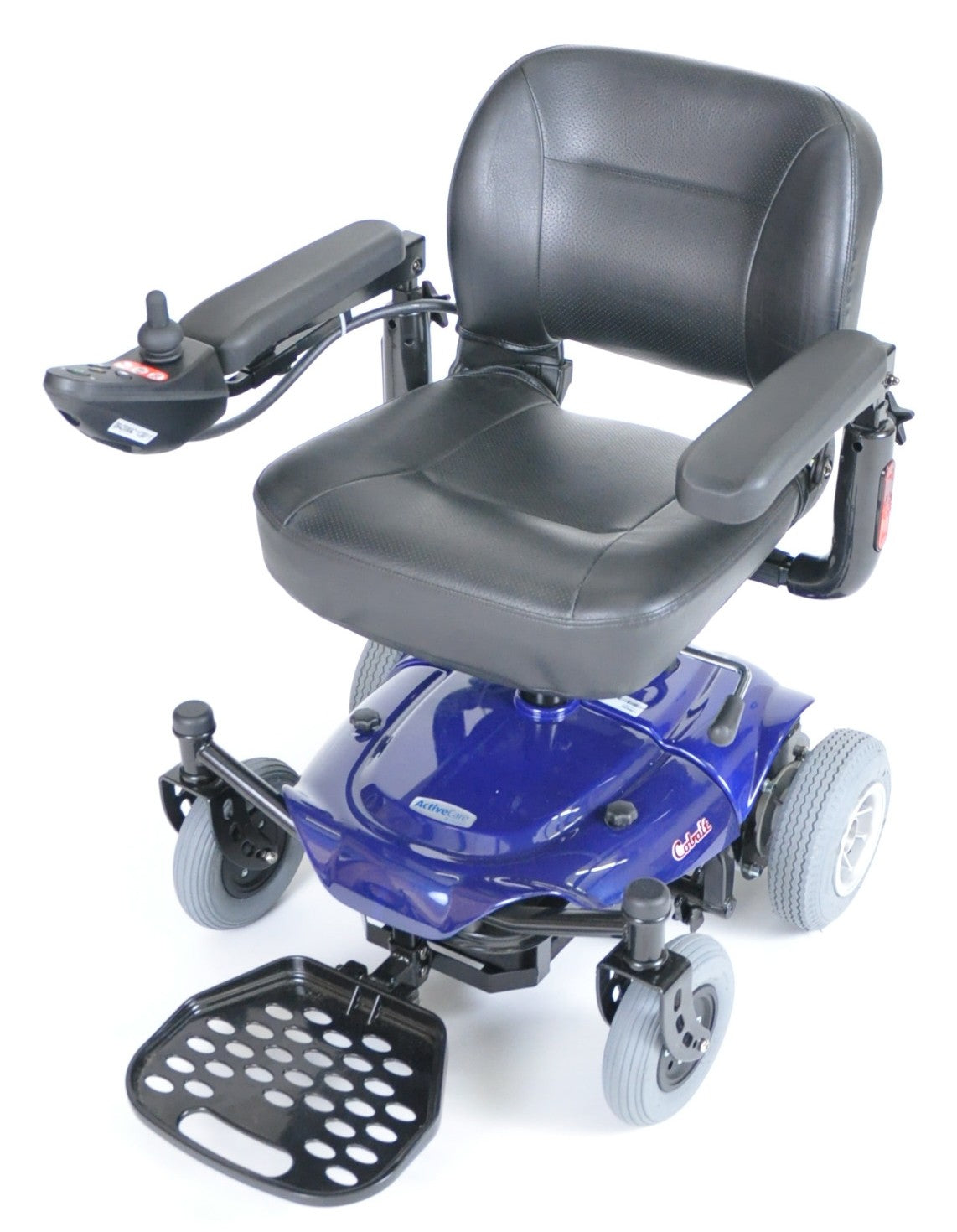
Power wheelchair users should pay close attention to accessory placement around joysticks, charging ports, and seating controls. An added bag or tray should never block access to the controller, emergency functions, or battery charging connection.
How to Choose the Right Wheelchair Accessories
Compatibility should come first. Check the wheelchair's frame shape, tubing diameter, seat width, weight capacity, and folding design before ordering a mounted accessory. Universal products can be convenient, but "universal" does not always mean ideal for every chair.
Next, consider the user's reach, hand strength, vision, and transfer method. A storage pouch only helps if it can be opened and reached safely. A tray may be useful for meals or activities, but it must be easy to remove before a transfer. A heavier cushion may provide excellent support while making it harder for some users to lift the seat or fold the chair.
Durability matters, too. Look for secure mounting hardware, easy-clean materials, and products built for the environment where the wheelchair is used. Indoor accessories may not need the same weather resistance as equipment used on sidewalks, parks, or vehicle ramps.
If you are buying for a parent, spouse, or another loved one, involve the wheelchair user whenever possible. Their day-to-day preferences are often the clearest guide. American Quality Health Products can also help shoppers compare mobility equipment and accessories based on fit, intended use, and comfort needs.
The most helpful accessory is the one that removes a repeated obstacle without creating a new one. Start with the challenge that affects the day most often, choose a product that fits safely, and let each improvement support more comfortable, confident movement.


