









Pressure injuries can develop faster than many families expect, especially after surgery, during illness, or when someone spends long hours in bed or a chair. Learning how to prevent bed sores means building a consistent daily routine around movement, skin checks, moisture control, nutrition, and the right support equipment. Small adjustments made early can protect comfort, independence, and skin health.
Why Bed Sores Develop
Bed sores, also called pressure sores or pressure injuries, happen when steady pressure limits blood flow to an area of skin and the tissue beneath it. They most often develop over bony areas, including the tailbone, hips, heels, ankles, elbows, shoulder blades, and the back of the head.
Pressure is the main cause, but friction, sliding in bed, moisture, poor nutrition, reduced sensation, and fragile skin can all raise the risk. A person may not feel discomfort or be able to shift position independently, particularly after a stroke, surgery, or a change in mobility. That is why prevention should be planned, not left to chance.
Risk varies from person to person. Someone who can change position without help may need simple reminders and a comfortable seating surface. Someone with limited mobility, diabetes, incontinence, weight changes, or a prior pressure injury may need a more structured care plan from their health care provider.
How to Prevent Bed Sores With Regular Repositioning
The most effective daily habit is relieving pressure before skin becomes irritated. For a person in bed, caregivers are often advised to help with position changes on a schedule set by the clinical care team. Every two hours is a common starting point, but it is not a universal rule. Skin condition, body size, support surface, ability to move, and medical needs all affect the right schedule.
Try to avoid leaving a person directly on a hip for long periods. A gentle 30-degree side-lying position, supported with pillows or positioning wedges, can spread weight more comfortably than a full side position. Place a pillow between the knees and ankles to prevent them from pressing together. When possible, float the heels by placing a pillow under the calves, keeping the heels clear of the mattress rather than resting them on a pillow.
Use a draw sheet or transfer aid when moving someone in bed. Pulling a person across sheets can create friction and shear, which occurs when the skin stays in place while deeper tissue moves. Raising the head of the bed only as much as needed can also reduce sliding toward the foot of the bed.
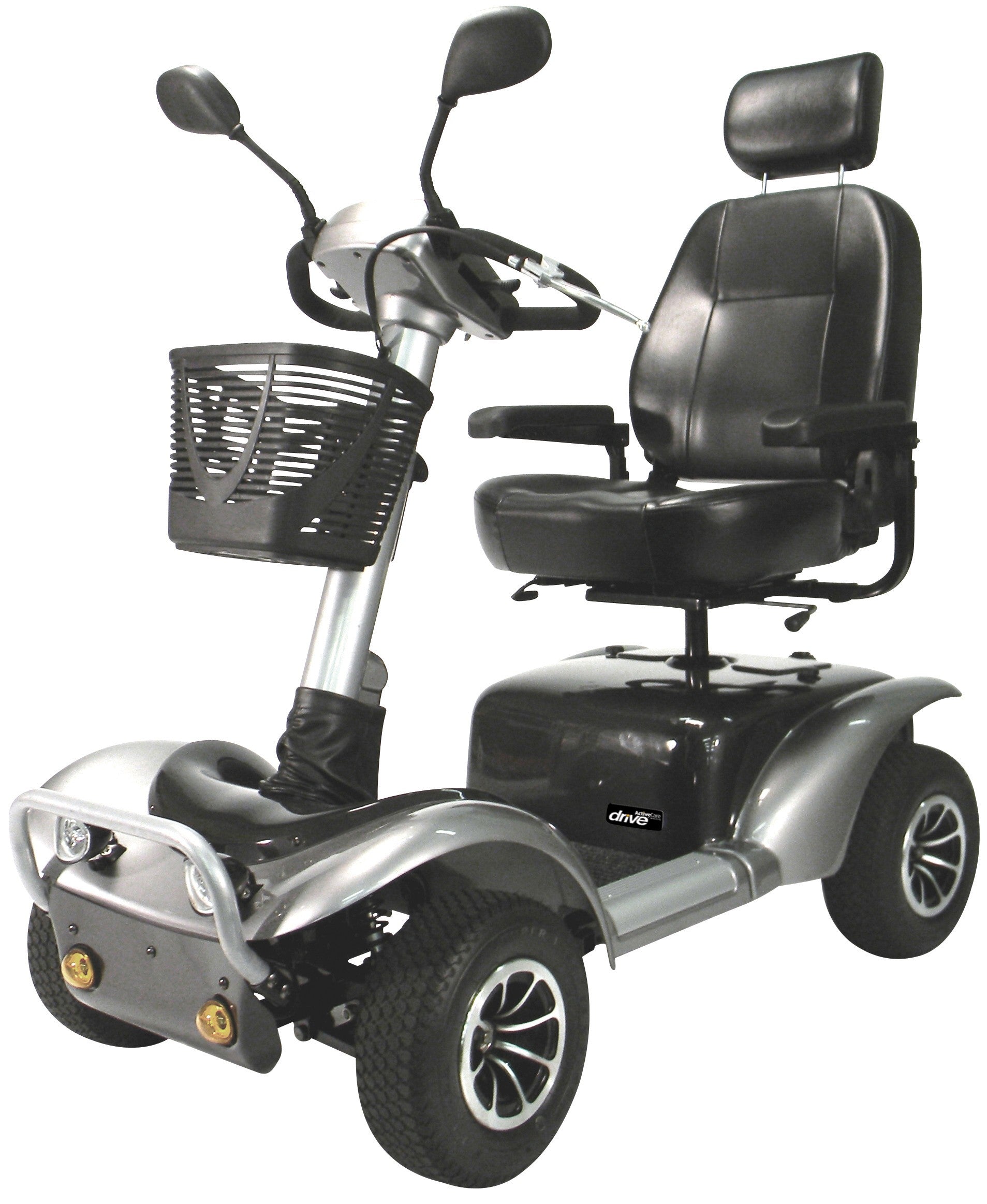
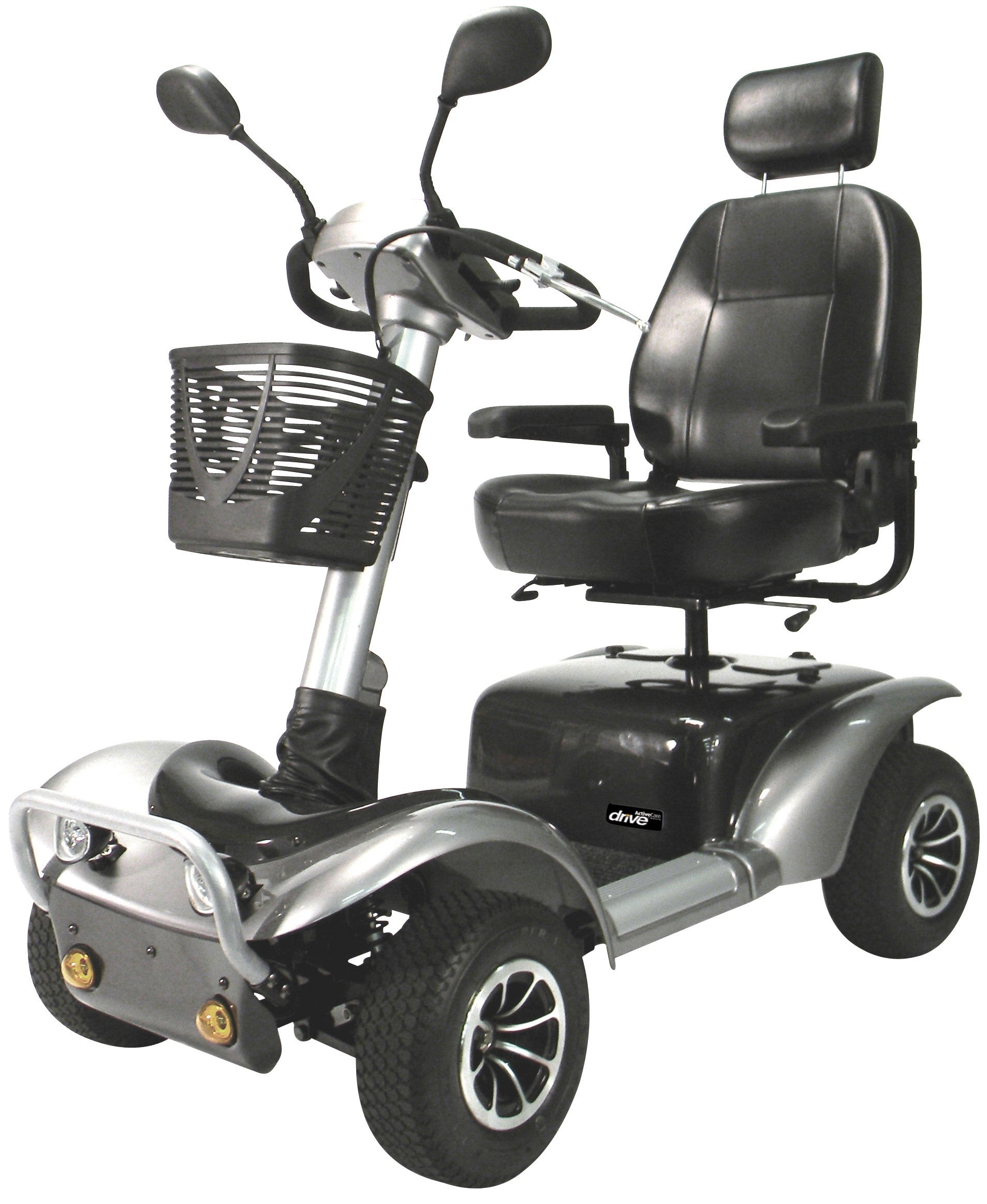
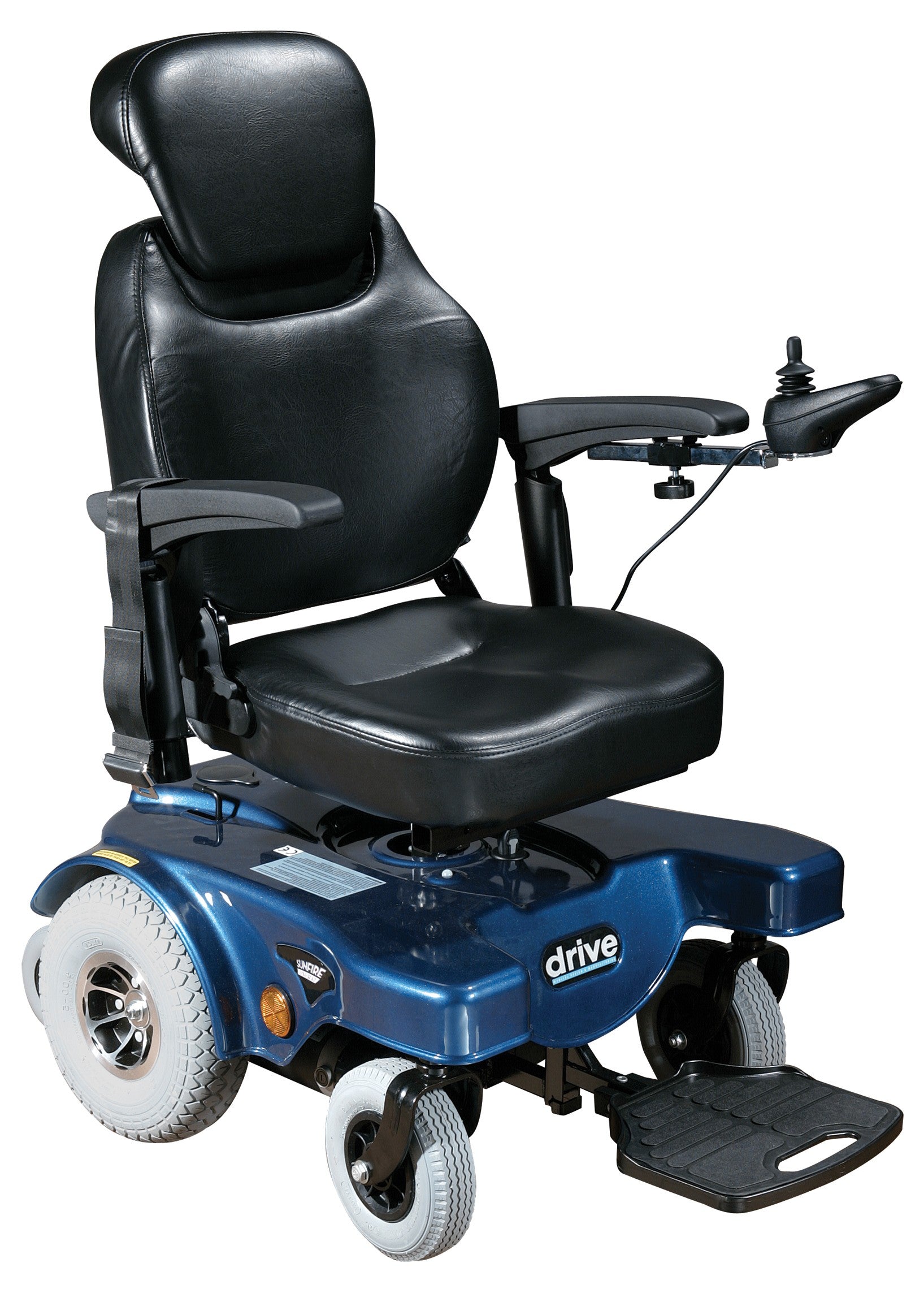
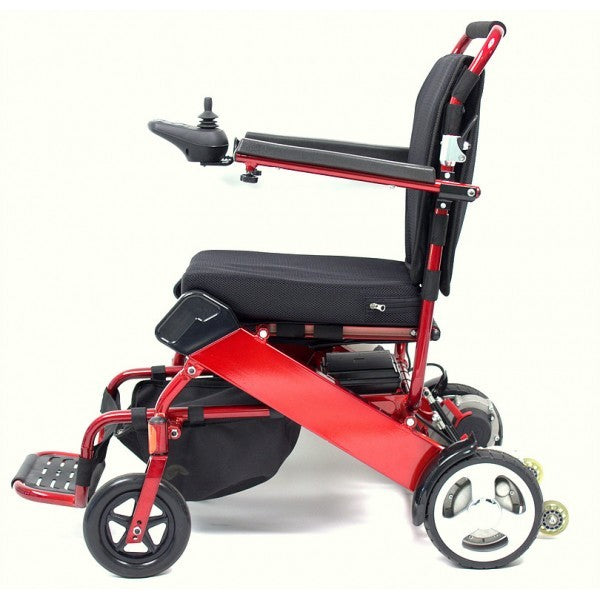
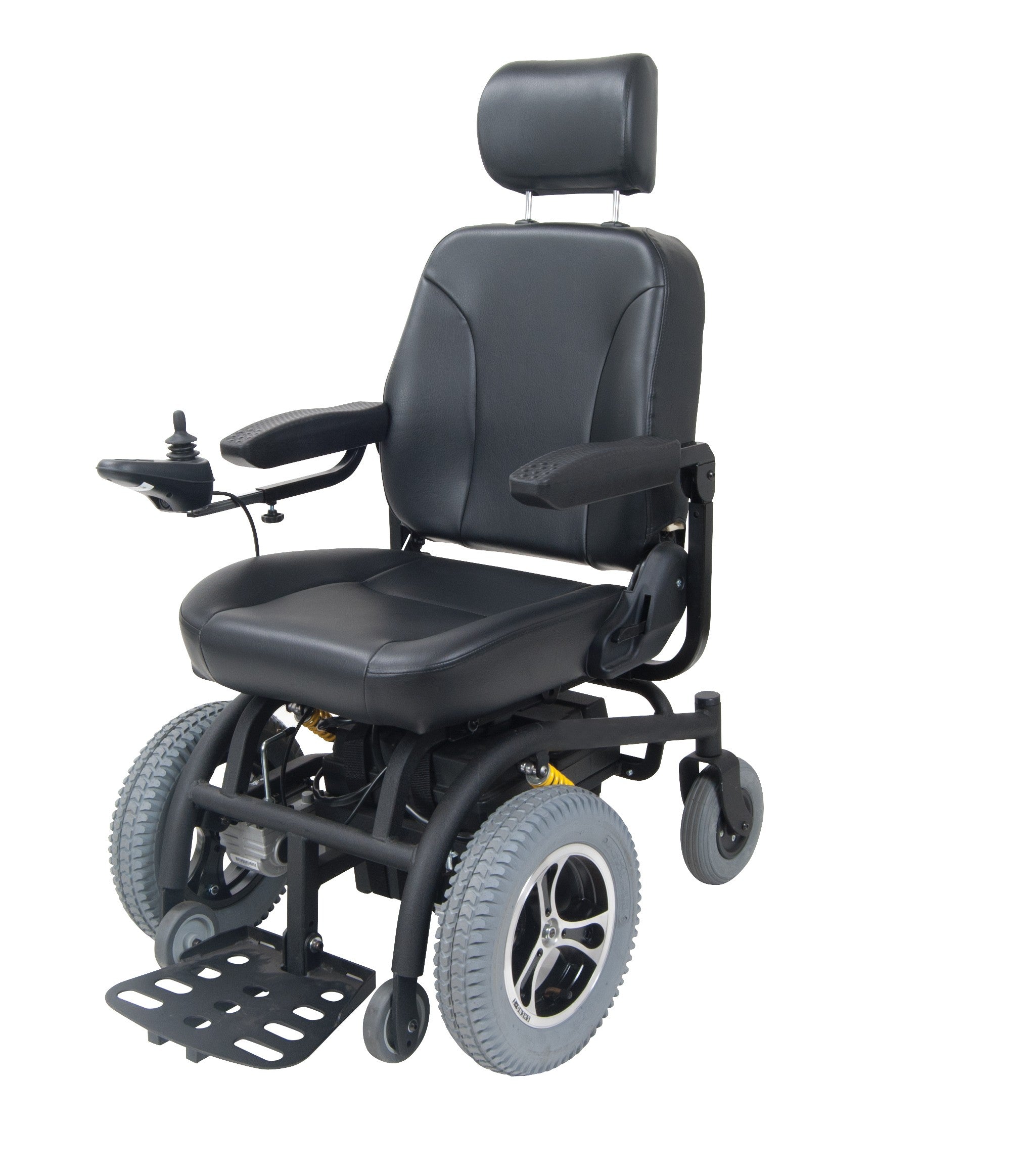
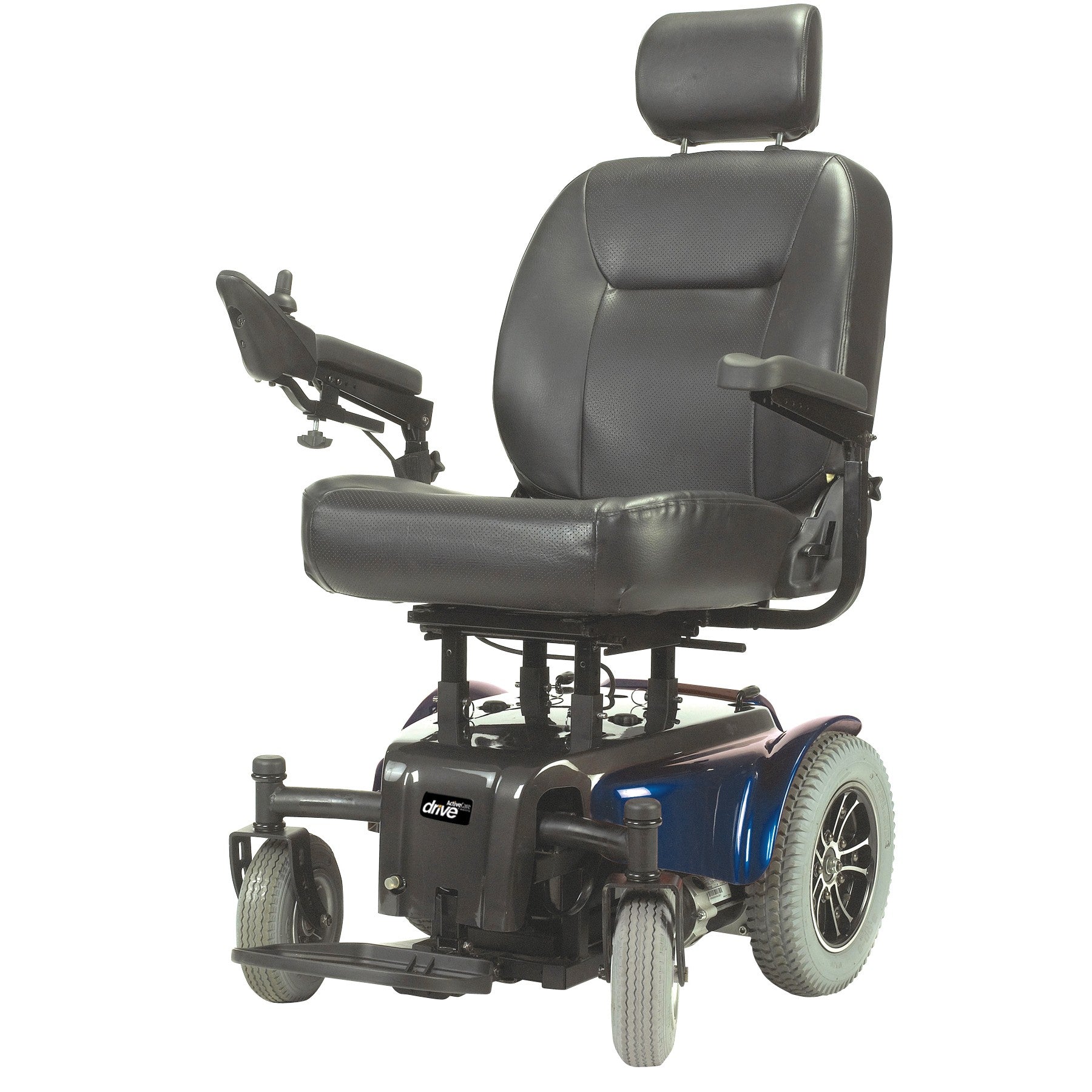
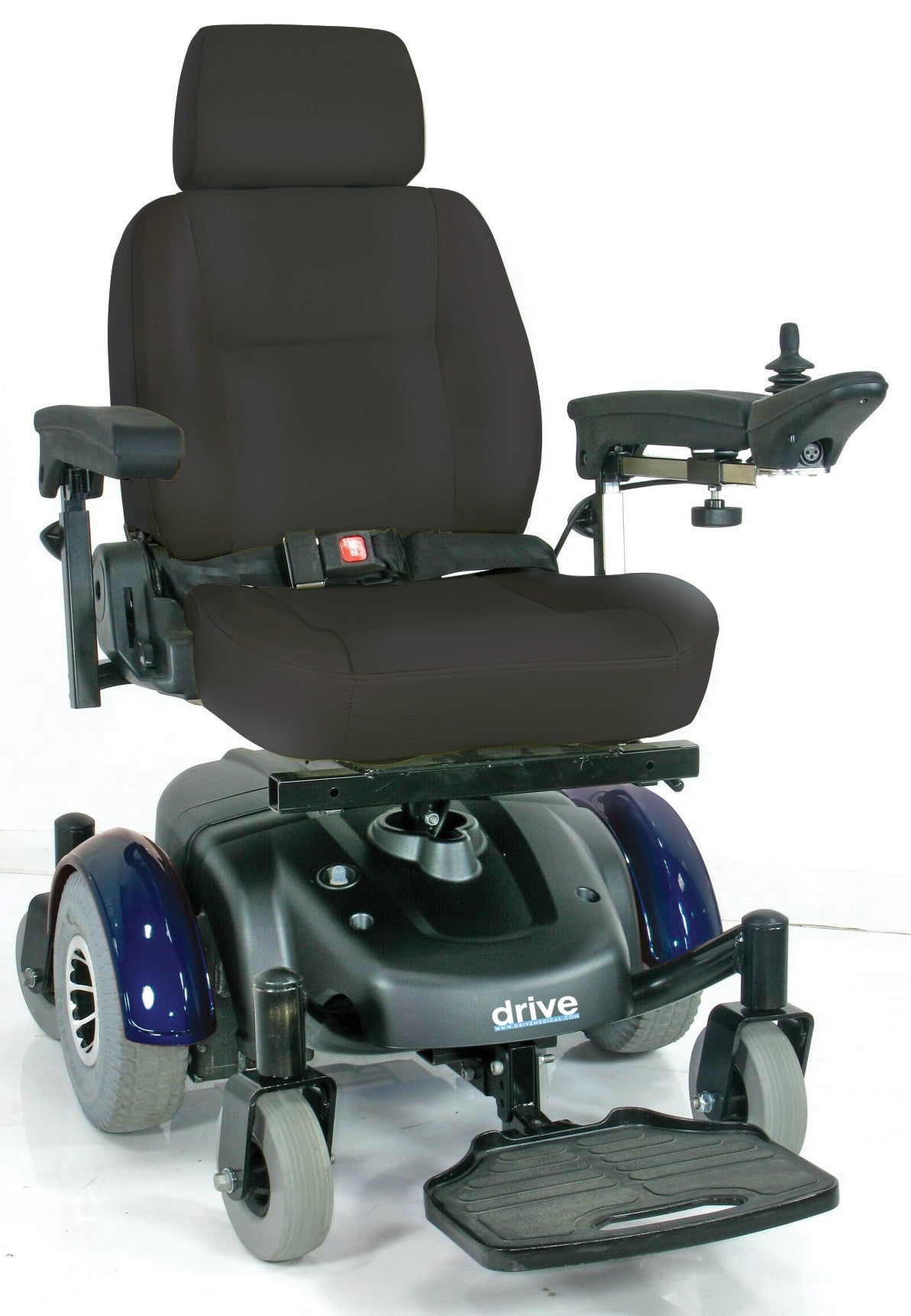
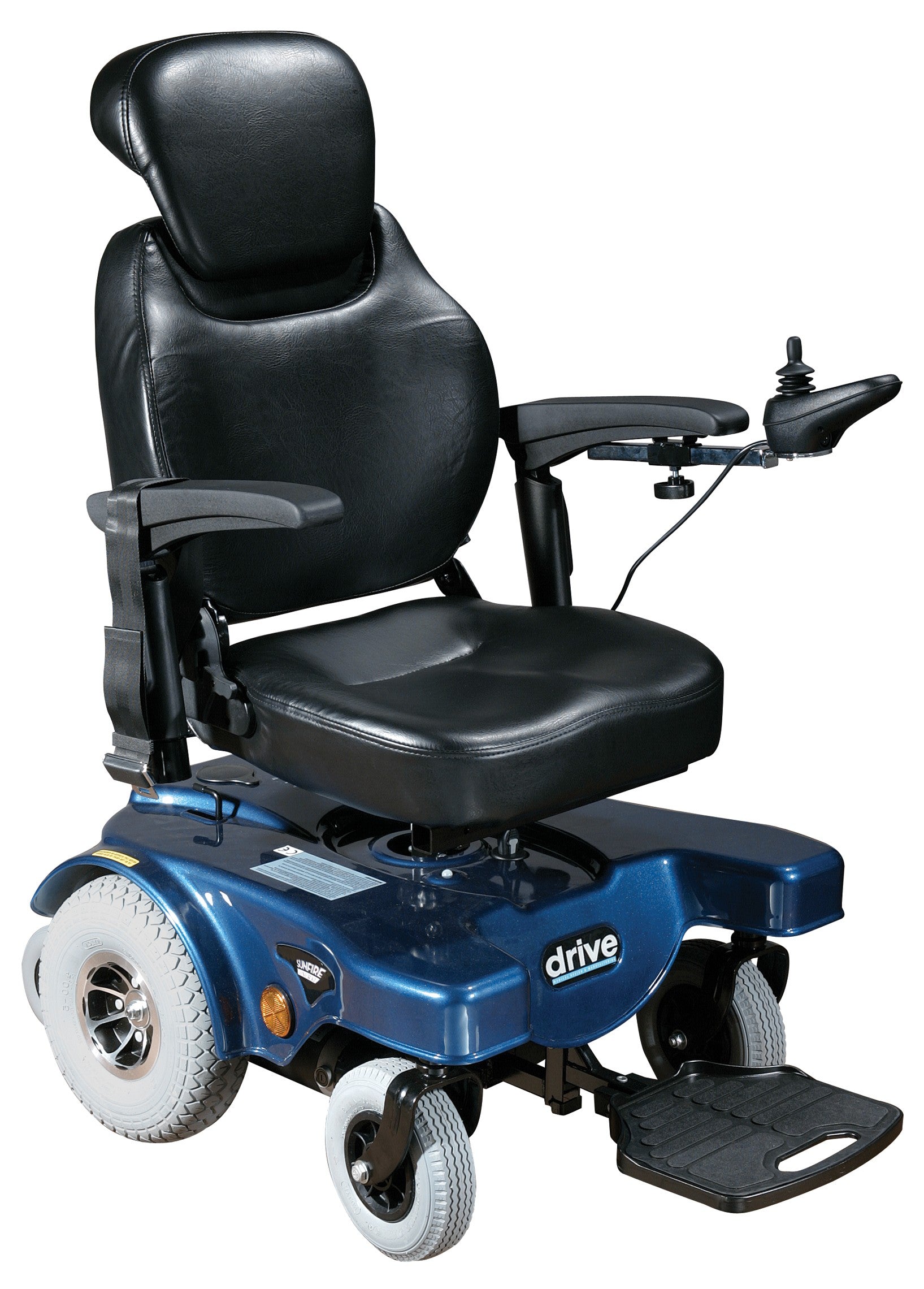
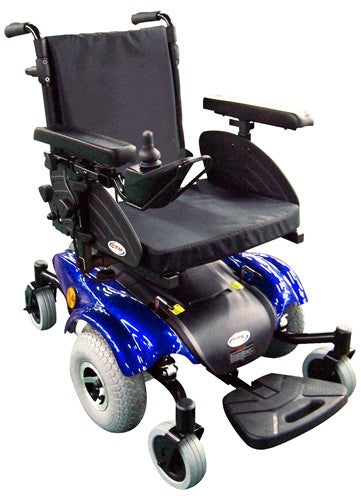
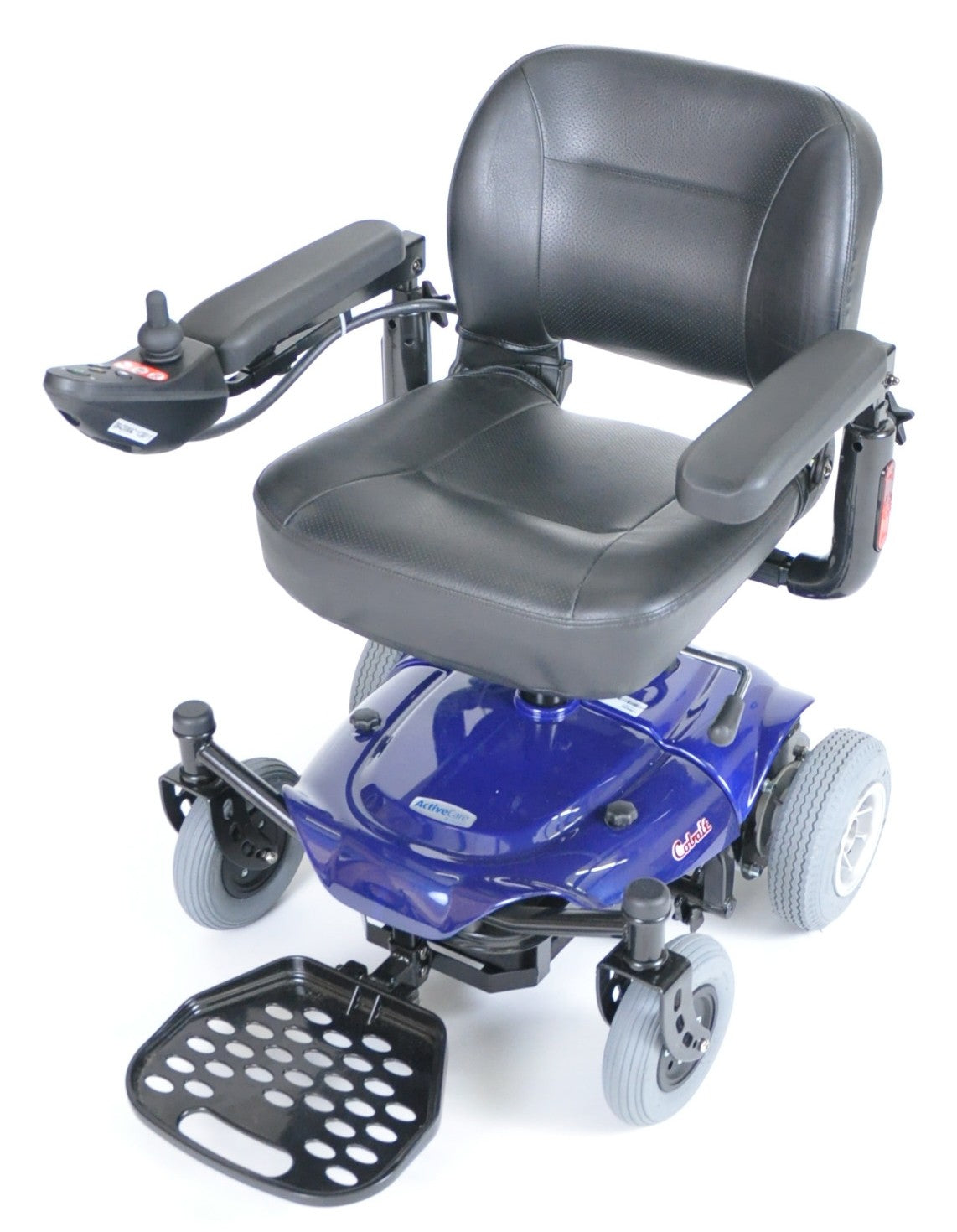
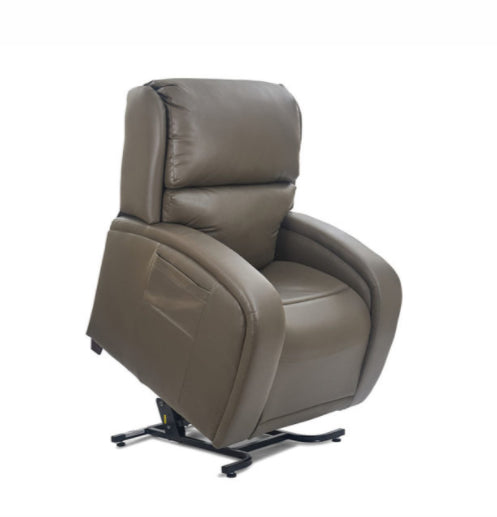
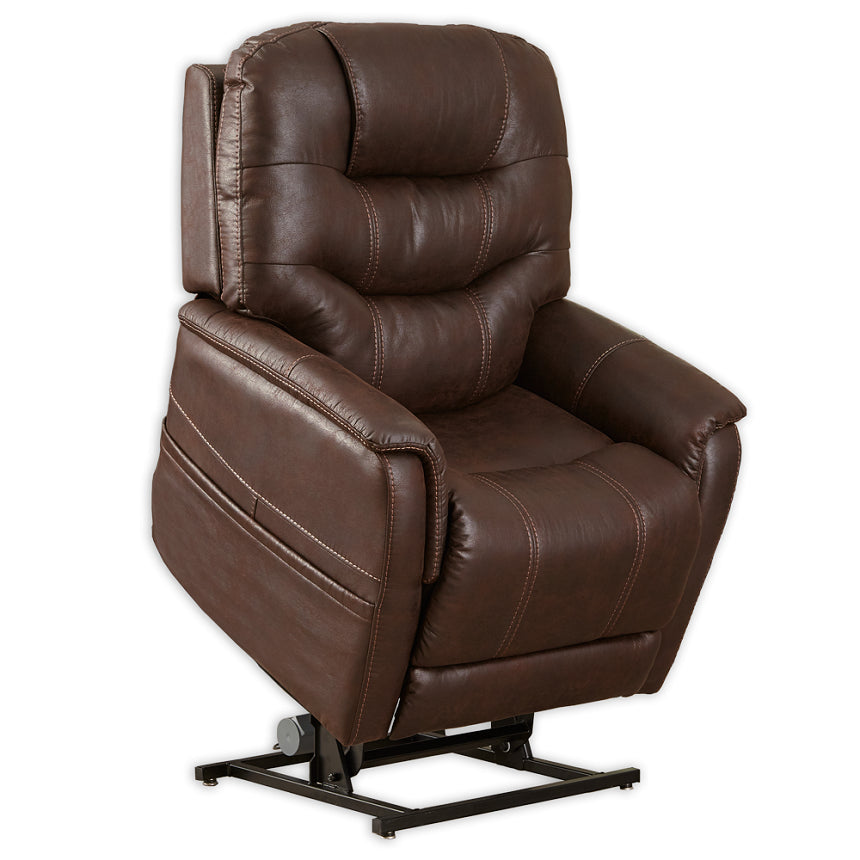
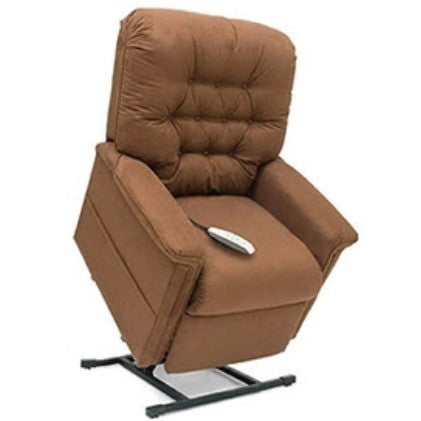
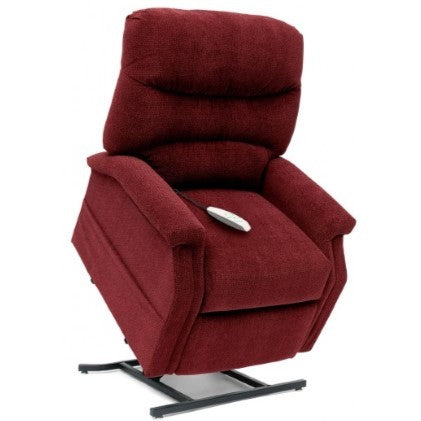
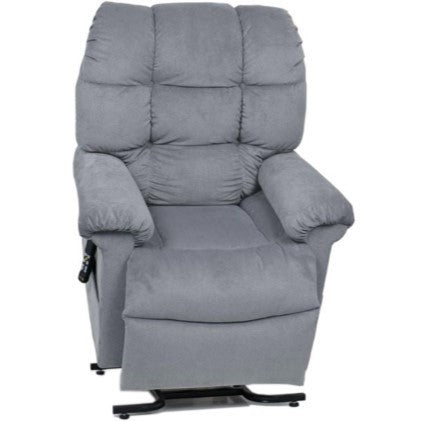
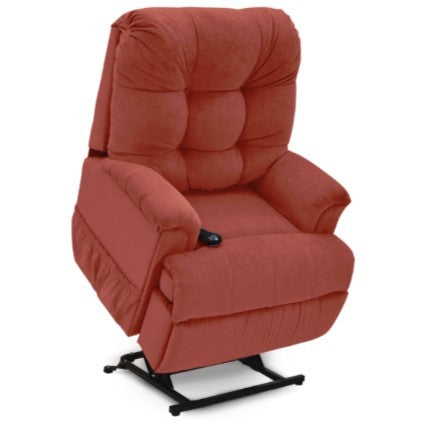
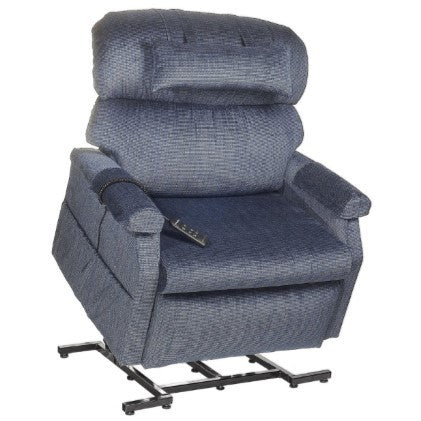
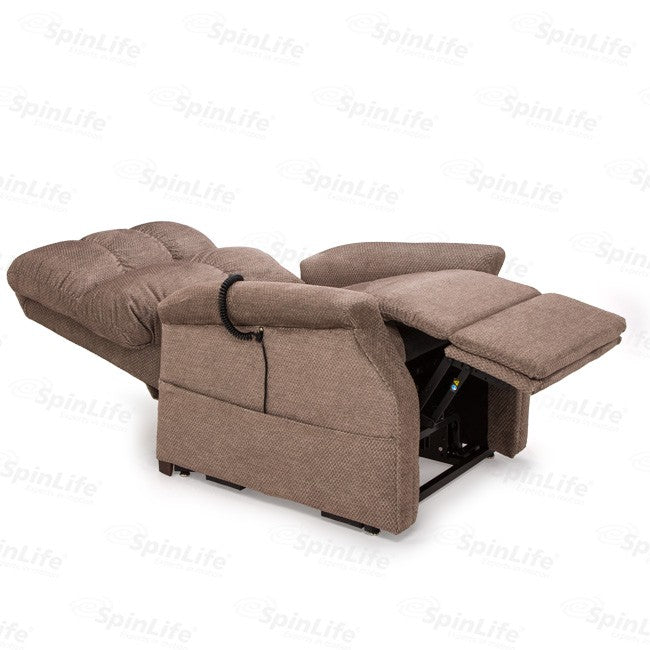
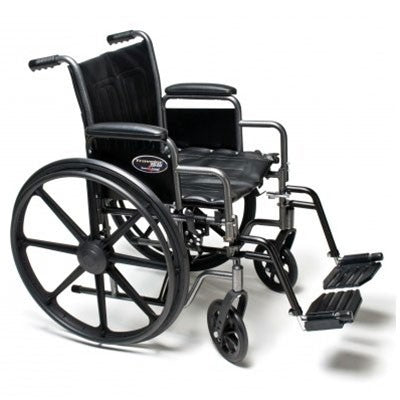
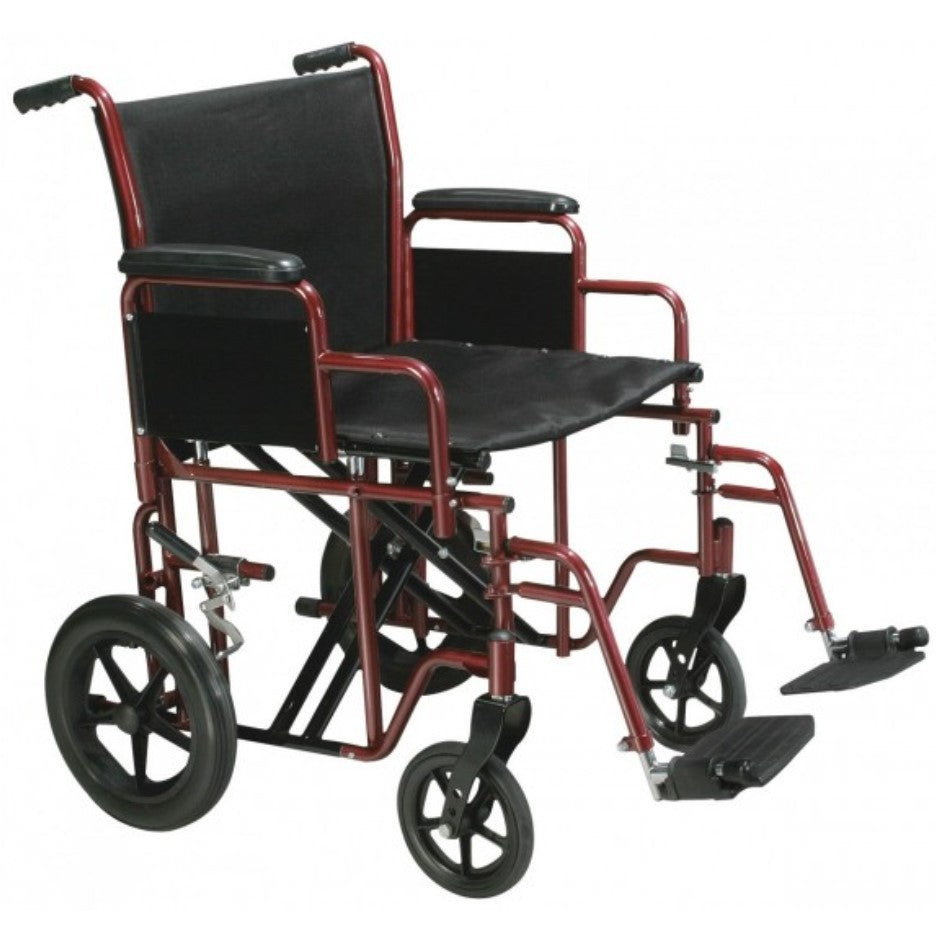
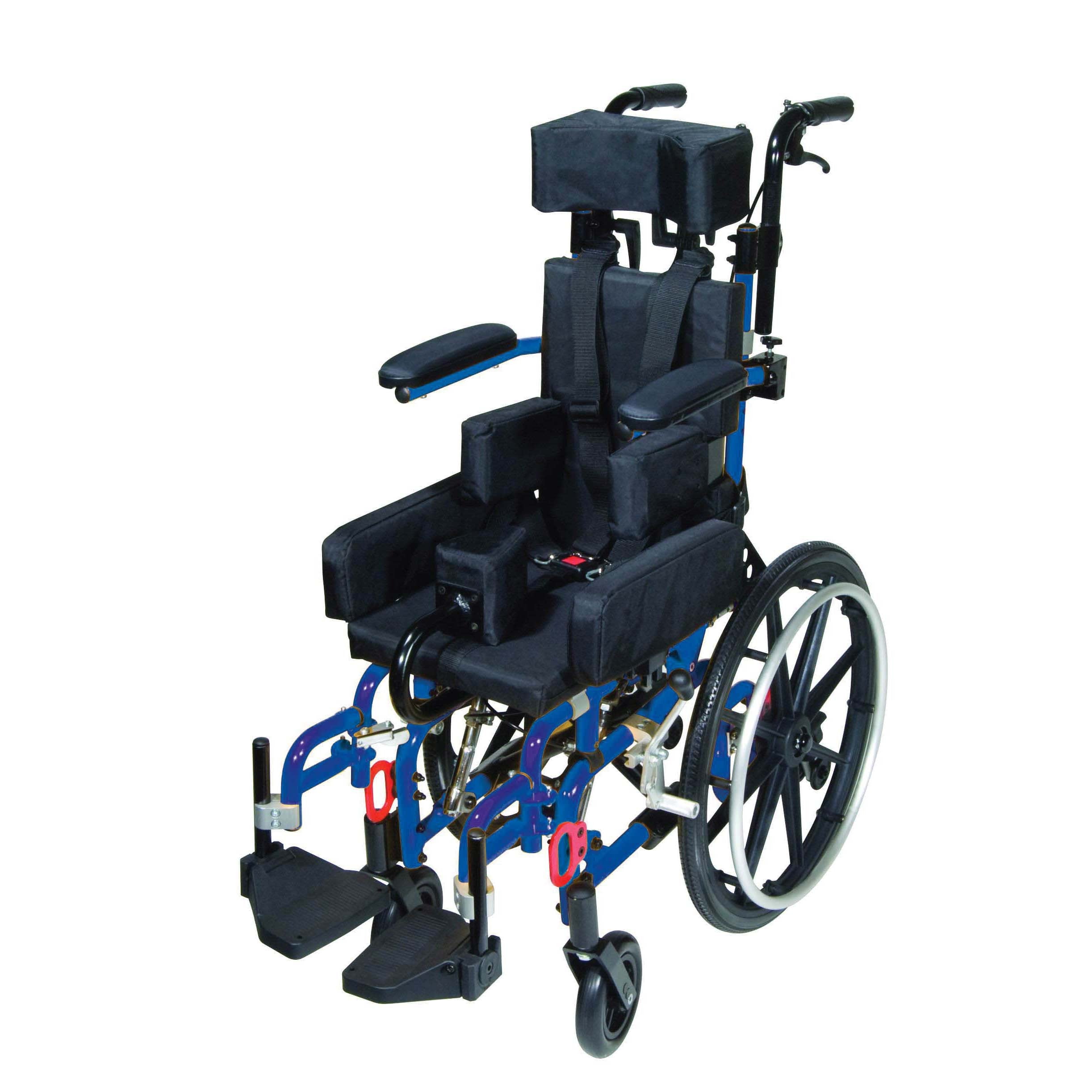
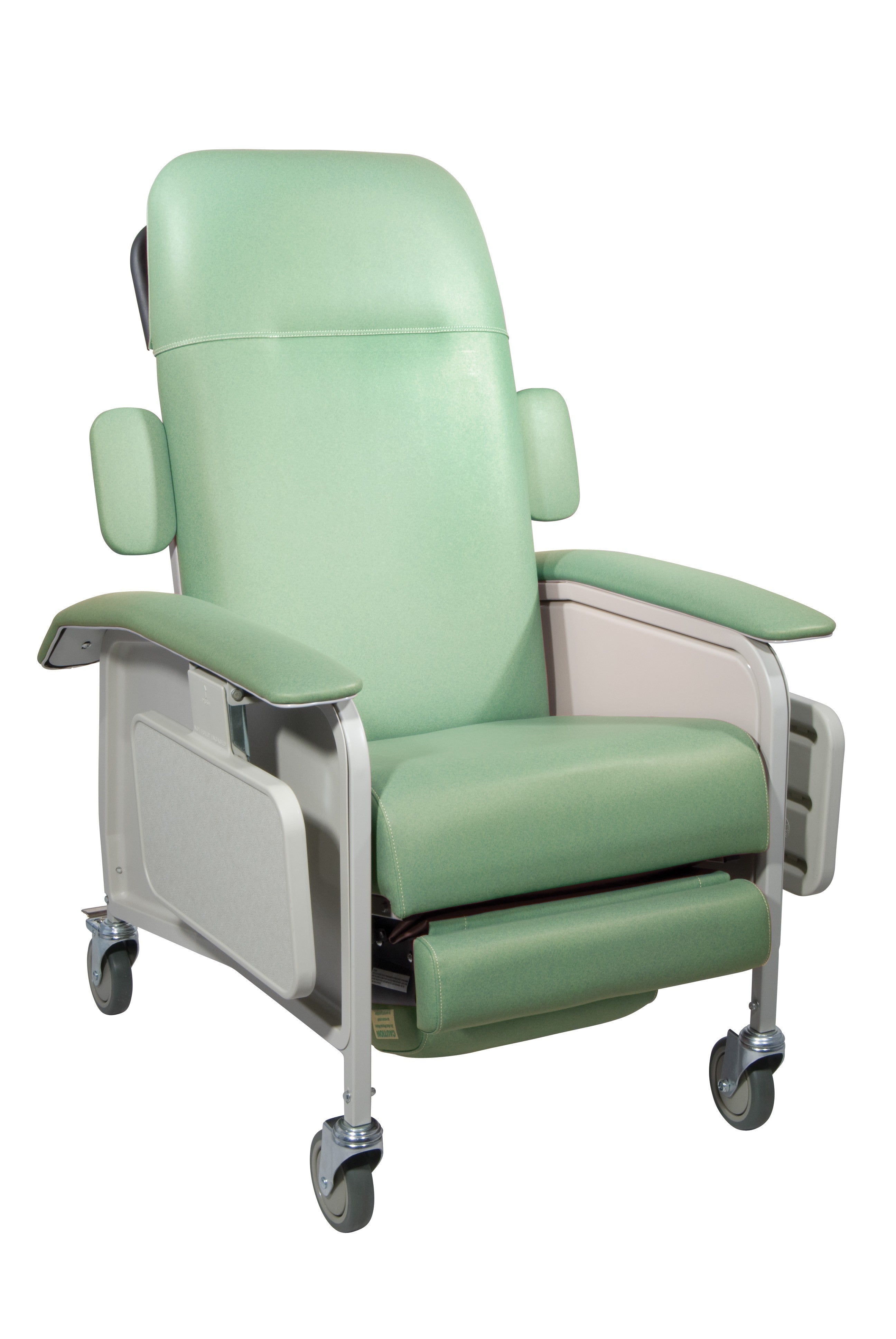
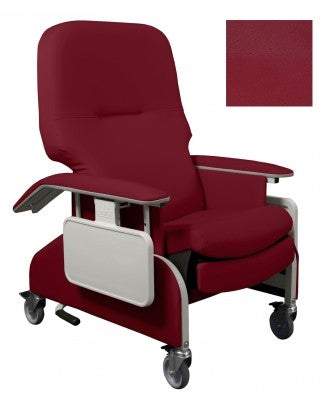
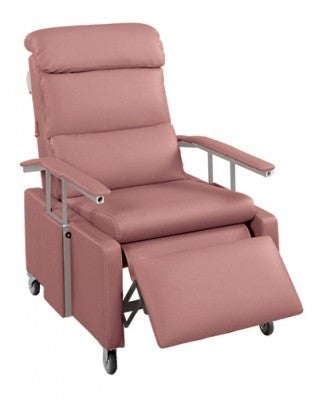
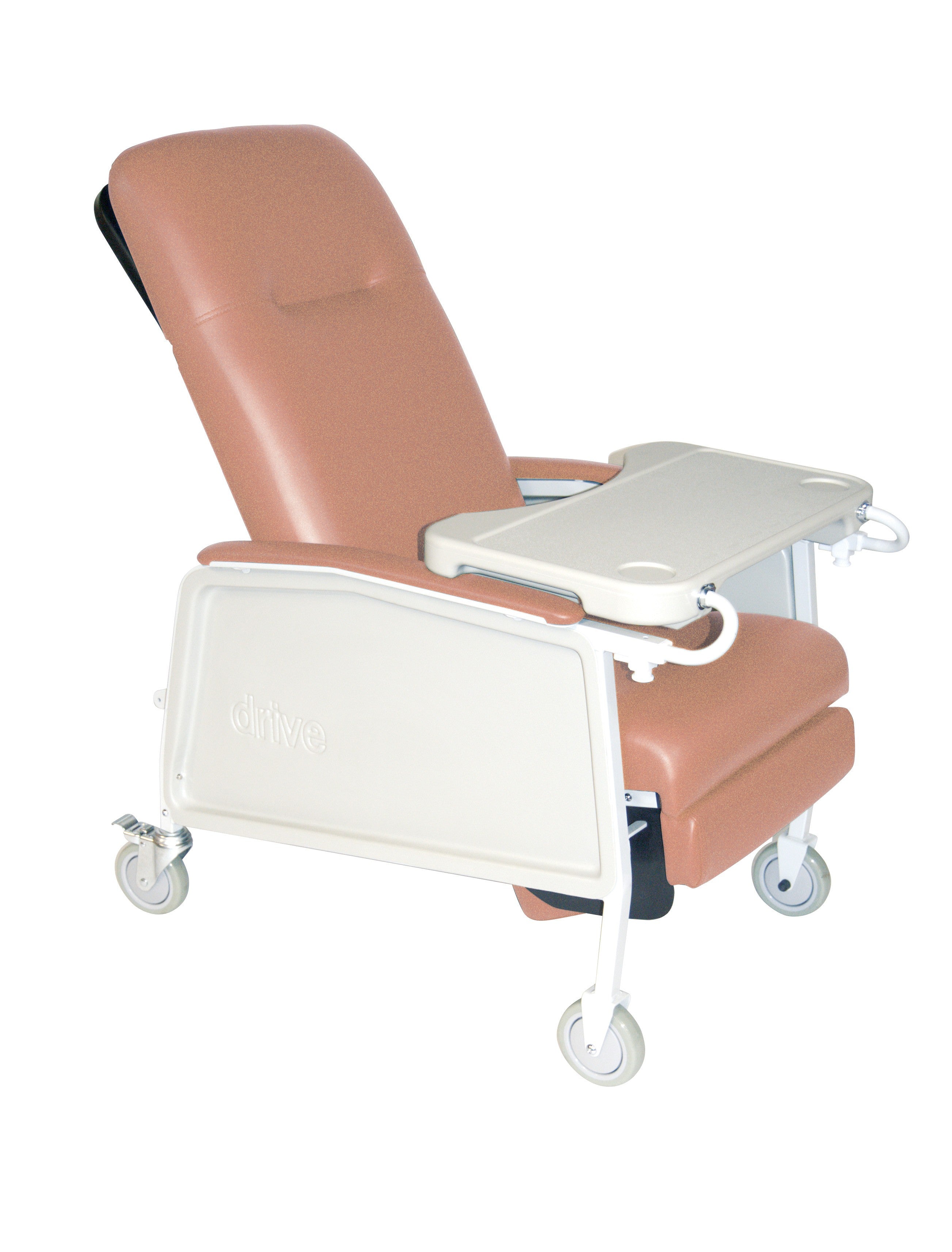
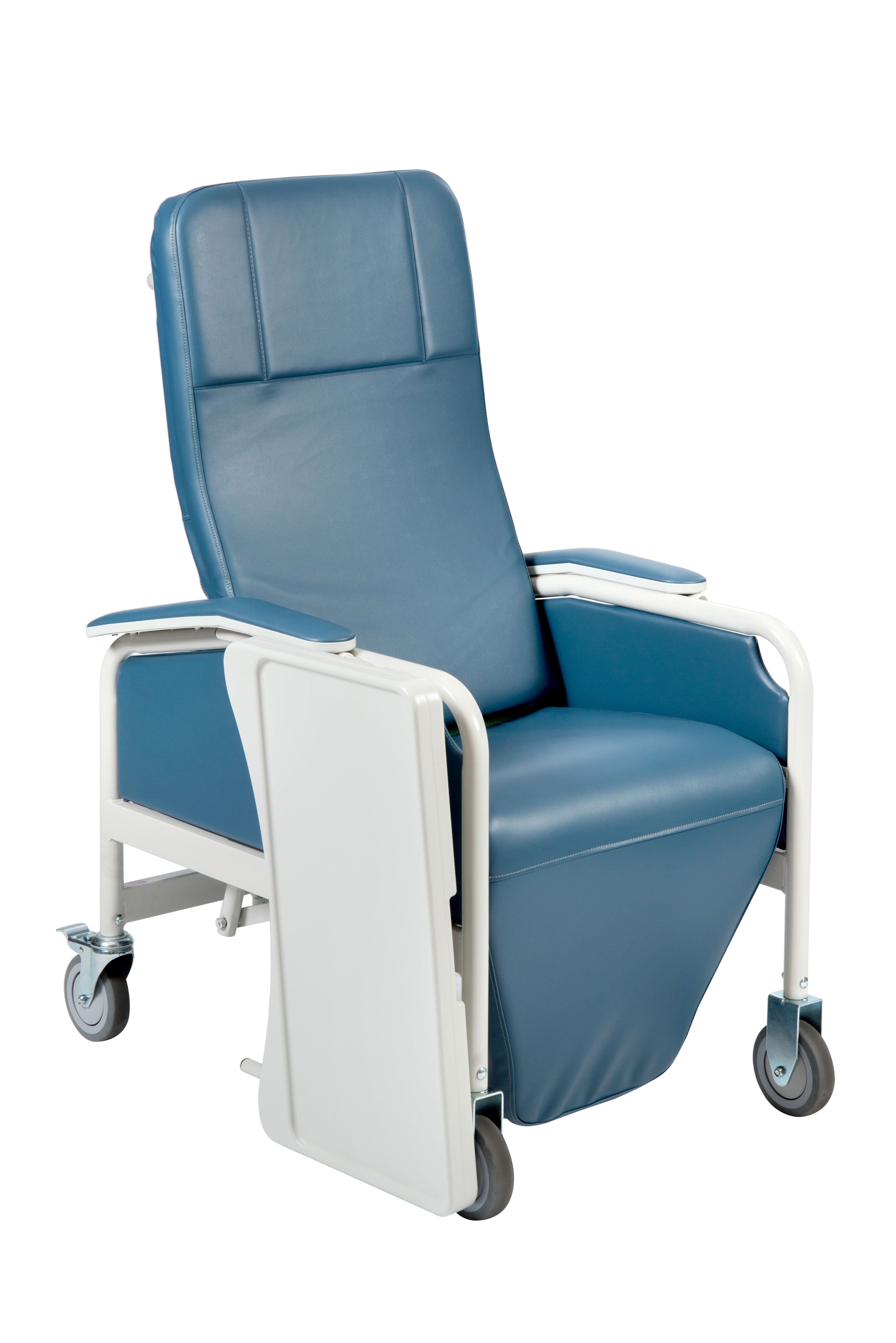
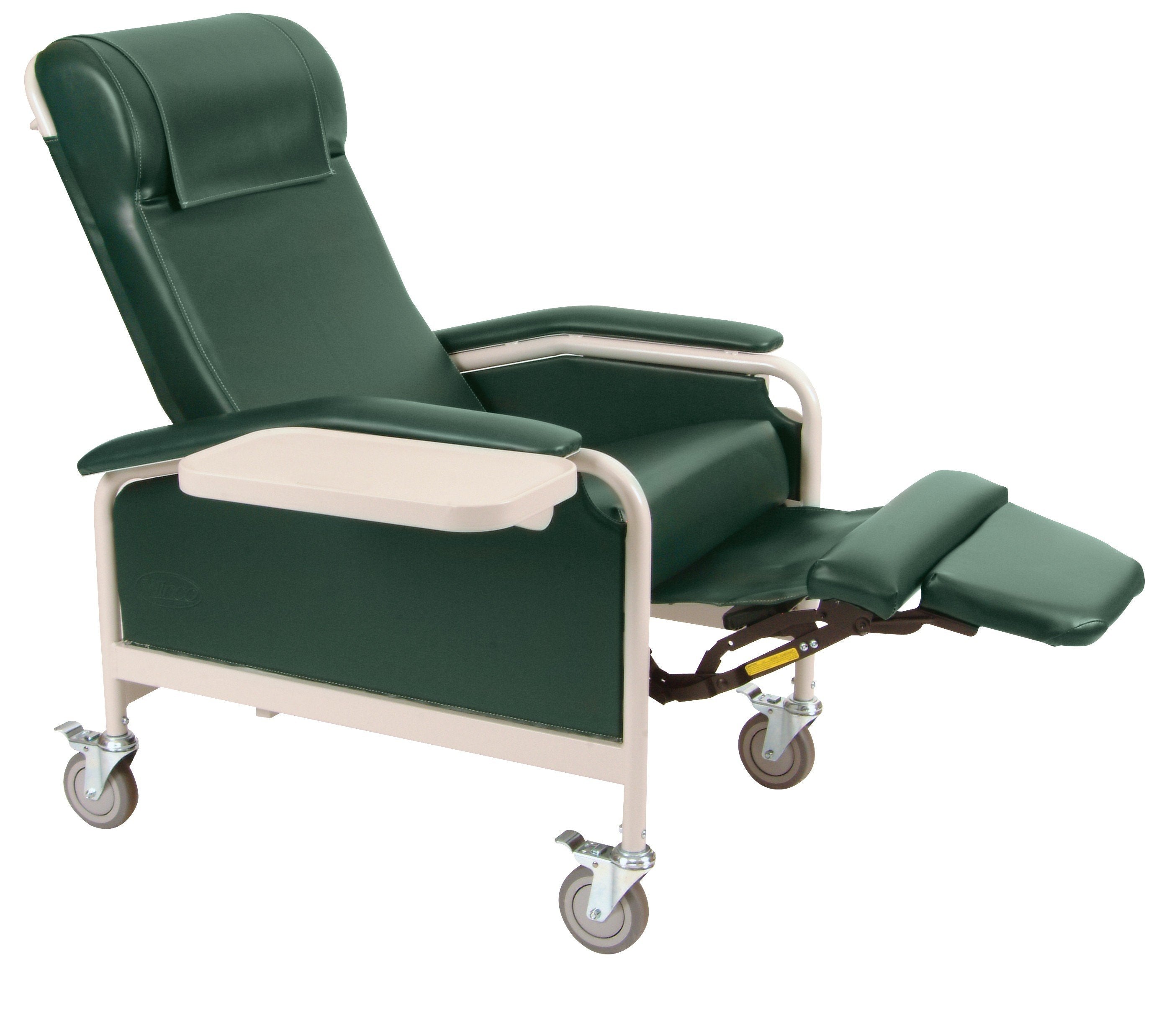
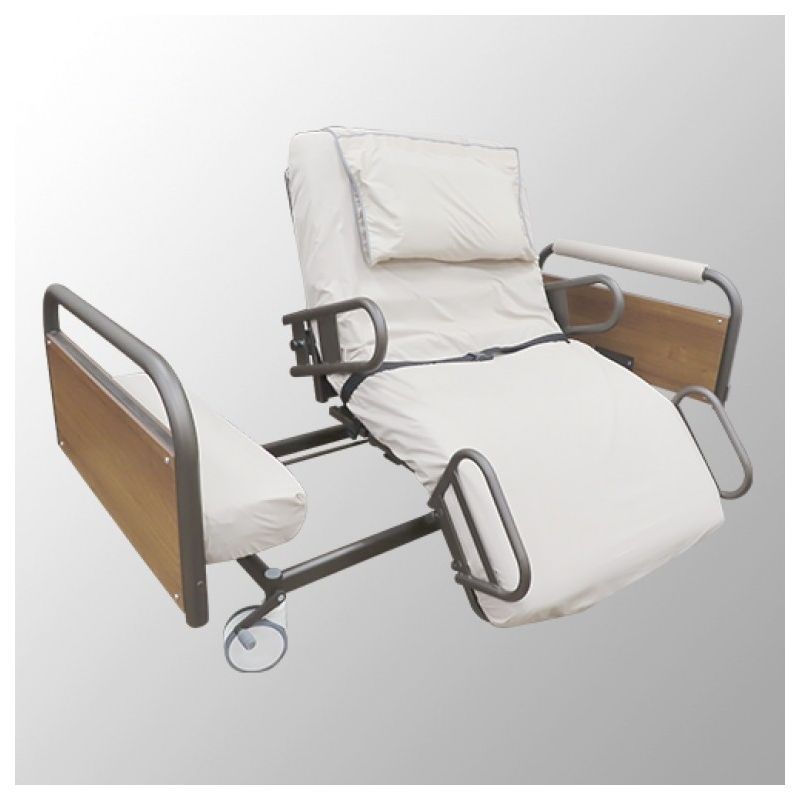
For people who use wheelchairs, scooters, geriatric recliners, or other seating for extended periods, pressure relief matters just as much. If they can do so safely, encourage a weight shift, lean, or brief stand at regular intervals. A clinician or therapist can demonstrate the safest method, especially for someone with poor balance or limited upper-body strength.
Make Skin Checks Part of Daily Care
A daily skin check is one of the simplest ways to catch a problem early. Look closely at pressure-prone areas during bathing, dressing, toileting, or a position change. On lighter skin, early pressure damage may look red or pink. On darker skin, it may appear purple, blue, darker than surrounding skin, shiny, or unusually warm.
Pay attention to skin that is tender, firm, swollen, itchy, numb, or painful. A red area that does not turn lighter briefly when pressure is removed needs prompt attention. Do not massage red or discolored skin, as this can further damage vulnerable tissue.
Skin should be kept clean and dry, but over-washing can strip away natural protection. Use a gentle cleanser, pat the skin dry, and apply a moisture barrier product when incontinence or perspiration is a concern. Change wet clothing, briefs, or bedding promptly. Smooth sheets and remove crumbs, cords, wrinkles, or small objects that can create concentrated pressure.
Call a health care professional promptly if you notice an open area, blister, drainage, blackened tissue, spreading redness, fever, or increasing pain. A pressure injury can worsen quickly, and home treatment should be guided by a qualified clinician once skin has broken down.
Choose a Bed and Mattress That Support Safer Positioning
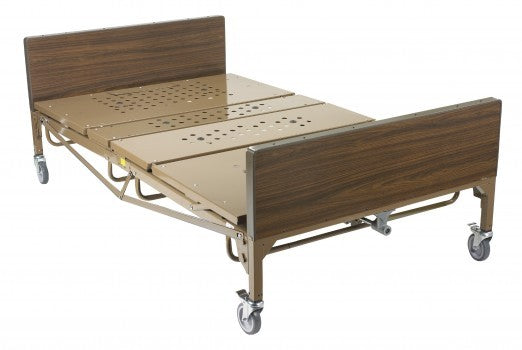
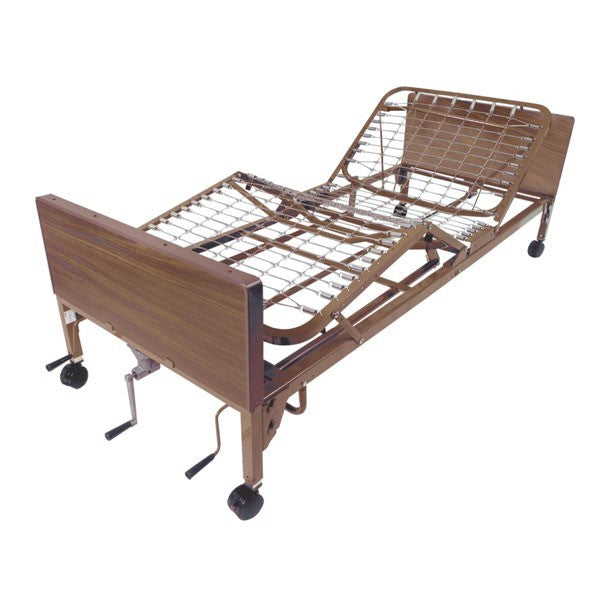
A standard mattress may be comfortable for short-term use but may not provide enough pressure redistribution for a person who is largely bed-bound. A pressure-relieving mattress, mattress overlay, or adjustable home care bed can help distribute body weight more evenly and make daily care easier.
The right equipment depends on the person and the care setting. Foam surfaces can work well for some users, while alternating-pressure or low-air-loss systems may be recommended for people at higher risk. The mattress should fit the bed frame correctly, support the user's weight, and allow caregivers to reposition the person safely. A support surface is helpful, but it does not replace regular movement and skin inspections.
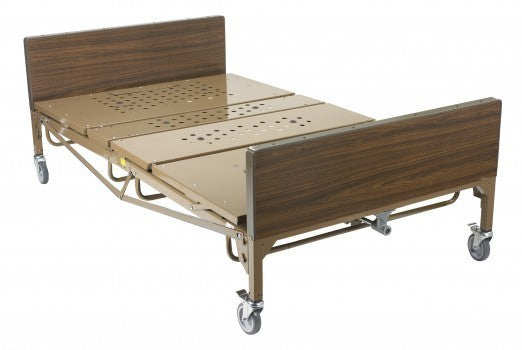
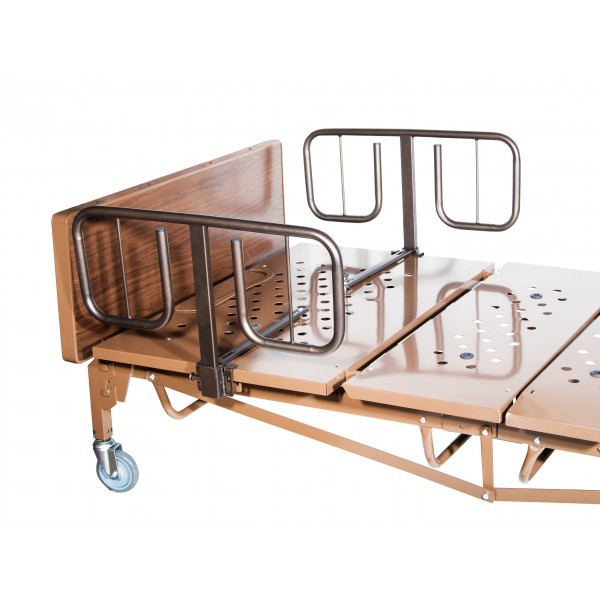
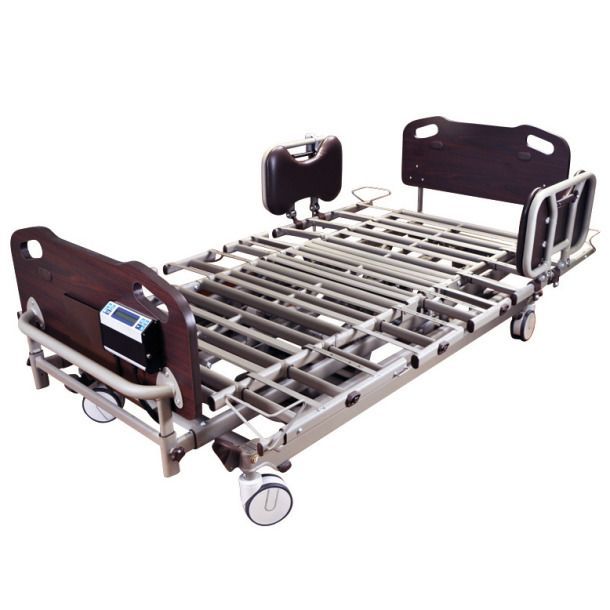
An adjustable or hospital-style bed can also make a practical difference at home. Height adjustment can reduce caregiver strain during transfers and personal care. Head and knee positioning can improve comfort, but the bed should be adjusted carefully to limit sliding and pressure on the tailbone. For a loved one who spends much of the day in bed, the ability to reposition safely is often as valuable as the mattress itself.
American Quality Health Products helps families compare home care beds, pressure-management options, and mobility equipment based on individual needs. Product fit, weight capacity, transfer needs, and the amount of daily assistance available should all be considered before choosing equipment.
Do Not Overlook Seating and Transfer Surfaces
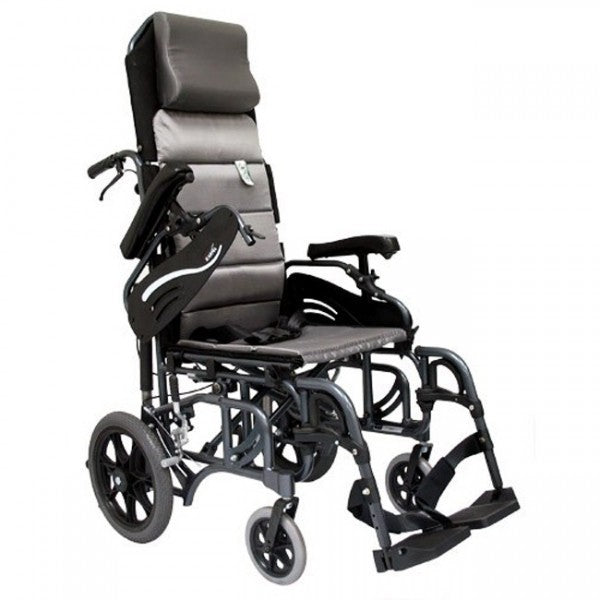
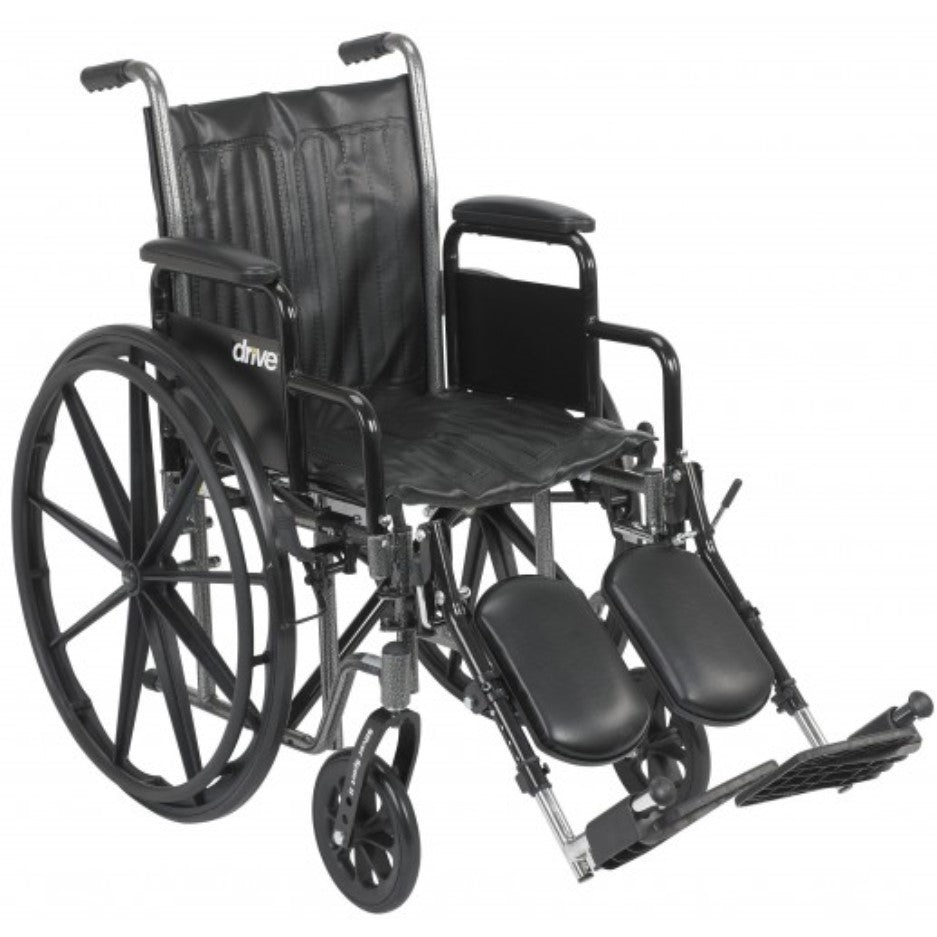
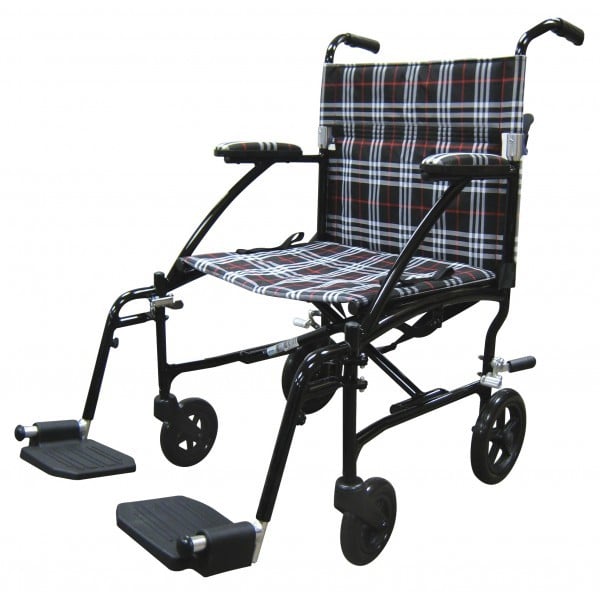
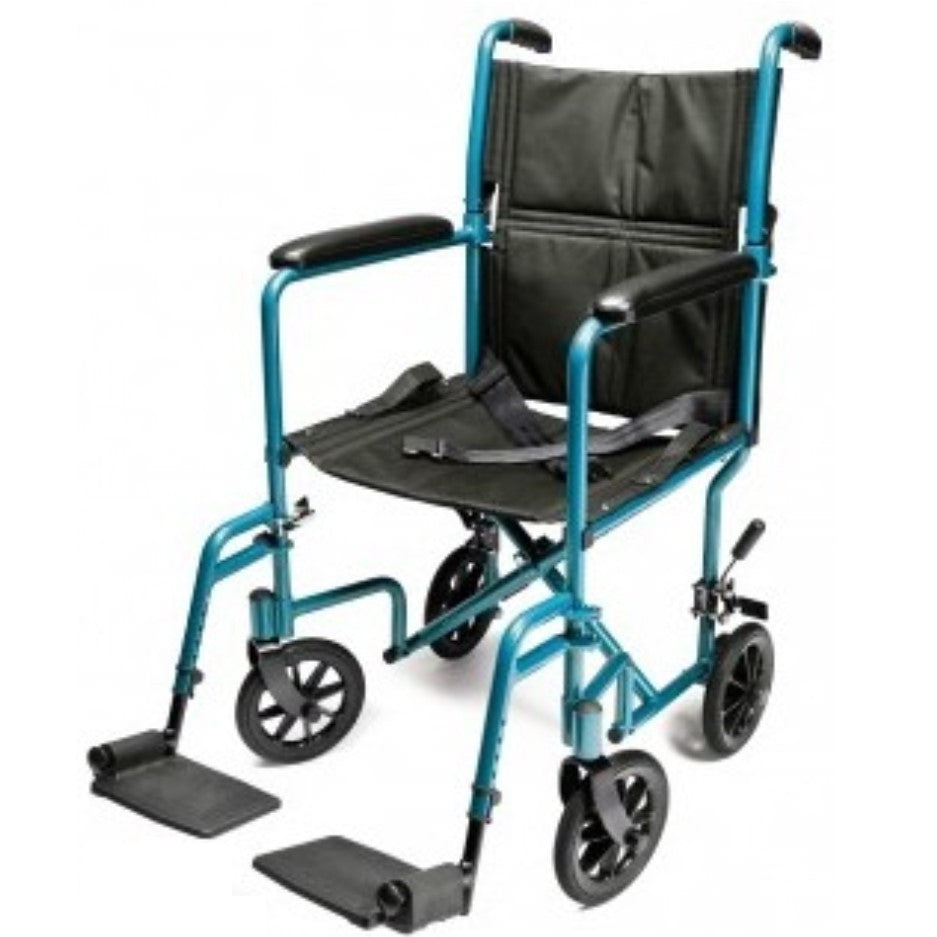
Pressure injuries are not limited to the bed. A person can develop skin damage while sitting in a wheelchair, lift chair, recliner, or car seat for prolonged periods. A properly fitted wheelchair cushion can help distribute pressure, but cushion selection is not one-size-fits-all. The user's posture, pelvic position, ability to shift weight, and skin risk all matter.
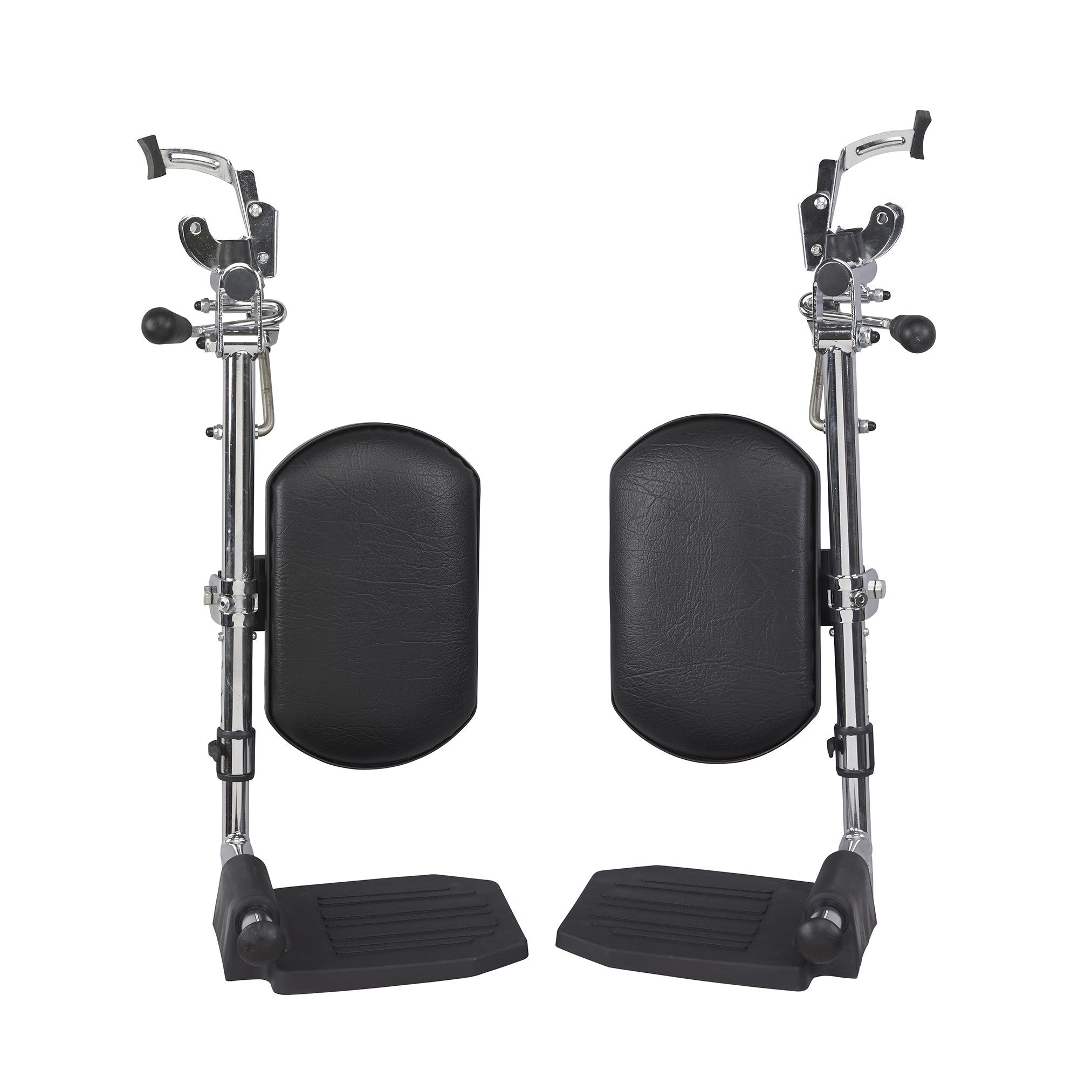
Avoid using donut-shaped cushions unless a clinician specifically recommends one. They can concentrate pressure around the area being protected. Instead, consider a pressure-redistributing cushion designed for the person's seating needs. Check that footrests, armrests, and leg supports are adjusted appropriately so the person is not sliding forward or leaning to one side.
Transfers deserve attention, too. A poorly supported transfer can cause skin tears or bruising, while repeated sliding can create shear. If transfers are difficult or unsafe, ask a therapist or care professional to assess the situation and recommend techniques or equipment.
Support Skin Health From the Inside
Healthy skin needs enough fluid, calories, protein, vitamins, and minerals to stay resilient and repair itself. Appetite can decline after illness or with age, so watch for unplanned weight loss, dehydration, difficulty chewing, or meals that are regularly skipped. A physician or registered dietitian can provide individualized nutrition guidance, particularly for people with diabetes, kidney disease, swallowing challenges, or dietary restrictions.
Encourage regular fluids if they are medically appropriate. Offer protein-rich foods that suit the person's diet, and make meals easier to manage when fatigue or limited hand strength gets in the way. Nutrition will not cancel out prolonged pressure, but poor intake can make skin more vulnerable.
Create a Routine Caregivers Can Follow
Prevention works best when everyone involved in care follows the same plan. Keep a simple written schedule near the bed or in a care notebook. Record position changes, skin concerns, meals, fluids, toileting, and any changes in mobility. This can help family members, professional caregivers, and clinicians recognize patterns before a small issue becomes a larger one.
Be especially watchful after a hospital stay, a fall, a new medication, or an illness that changes how much a person can move. These are common moments when an established routine needs to be adjusted.
The goal is not to make home care feel clinical. It is to create a comfortable, dependable rhythm that protects skin while helping the person feel clean, supported, and included in their own care. When mobility or skin needs change, acting early and getting the right guidance can make everyday care safer for everyone.


