


When a Walker Is No Longer Enough
Here's something most families don't expect to hear: a 2023 peer-reviewed study in Assistive Technology found that walker users experience fall rates similar to non-users. Walkers can actually introduce destabilizing biomechanical effects, contributing to an estimated 41,000 US emergency room visits every year.
The bigger picture is sobering. In 2024, 43,020 adults aged 65 and older died from preventable falls, a 51% increase over the past decade. These numbers aren't meant to frighten you. They're meant to reframe the conversation.
If you're a family caregiver or adult child watching a loved one struggle with their walker, know this: transitioning to a power chair is not surrendering independence. It's a proactive decision to restore it.
5 Signs Your Loved One May Be Ready for a Power Chair
Recognizing the right time matters. You don't need to see all five of these signs before having a conversation with your loved one's doctor. Even one warrants a discussion.
1. Increased falls or near-falls, even with the walker. If your loved one is stumbling, catching themselves on furniture, or losing balance while using their walker, the device may no longer be providing adequate support. As the research above shows, walkers themselves can contribute to instability.
2. Shorter distances and fewer outings. Pay attention if your loved one can no longer cover the distances they once managed. Frequent stops, visible fatigue halfway through a grocery store, or refusing to leave the house are all red flags.
3. Persistent pain or exhaustion during and after walking. Conditions like Parkinson's disease, multiple sclerosis, COPD, arthritis, and post-stroke weakness progressively reduce the ability to bear weight and maintain balance. Sarcopenia (age-related muscle loss) affects 10% to 16% of adults over 60, climbing as high as 27% by age 85. When the body's reserves are depleted, pushing harder isn't the answer.
4. Growing dependence on others for previously independent tasks. If grocery runs, medical appointments, or visits with friends now require a companion, your loved one's world is shrinking. That shrinkage is often gradual enough that families don't notice until it's significant.
5. A physician has recommended a higher level of mobility support. When a doctor raises the topic, take it seriously. Physician documentation is also the critical first step toward Medicare coverage for a power chair.
How to Have the Conversation
This is often the hardest part, and it has nothing to do with logistics. Many seniors experience real grief when the topic comes up. There's a sense of identity loss, fear of how others will perceive them, and frustration at a body that won't cooperate. These feelings are completely valid and deserve to be acknowledged out loud.
Lead with independence, not decline. "This chair lets you go where you want, when you want" lands very differently than "You're not safe with the walker anymore." The most important shift a caregiver can make is framing the power chair as a tool, not a symbol.
Timing matters. Bring it up after a doctor's visit where limitations were discussed, or after a fall or near-fall, not during a moment of frustration for either of you. Involve your loved one in every decision: chair style, color, controls. Ownership of the choice reduces resistance to the change.
One more thing: your own emotions count too. The worry, guilt, and grief that caregivers carry through this process are real and often overlooked. Give yourself the same grace you're extending to your loved one.
Step-by-Step: Navigating Medicare Coverage for a Power Chair
Medicare Part B covers power wheelchairs as Durable Medical Equipment (DME) when they're medically necessary for use in the home. Here's how the process works:
Step 1: Schedule a face-to-face exam. Your loved one must have an in-person evaluation with the prescribing physician. This exam must take place within 45 days before the prescription is written. Don't skip this window; it's a hard requirement.
Step 2: Verify Medicare enrollment. Both the prescribing physician and the DME supplier must be enrolled in Medicare. If the supplier isn't enrolled, the entire claim is disqualified. Confirm this before placing any order.
Step 3: Obtain written documentation of medical necessity. The physician must document the diagnosis, functional limitations, and a clear explanation of why lesser devices (cane, walker, manual wheelchair) are insufficient. Thorough documentation is the backbone of a successful claim.
Step 4: Understand the cost structure. Once the Part B deductible is met ($257 in 2025), Medicare covers 80% of the approved amount. The chair is typically rented for 13 months, after which your loved one owns it outright.
Important: Medicare covers only one mobility aid for home use at a time. The transition from walker to power chair must be formally documented. Families should work closely with their physician and DME supplier to ensure the paperwork reflects this change.
Our US-based product specialists at American Quality Health Products can help you understand DME supplier requirements and walk you through financing options for any out-of-pocket costs. We're available six days a week by phone.
Choosing the Right Power Chair: Key Decisions to Make Together
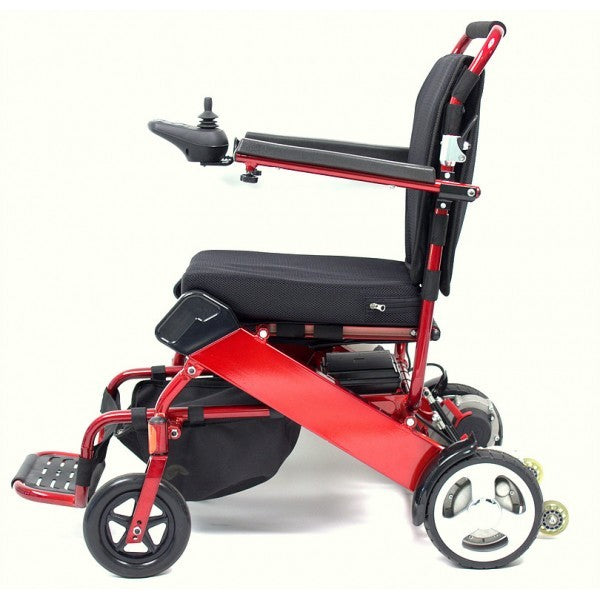
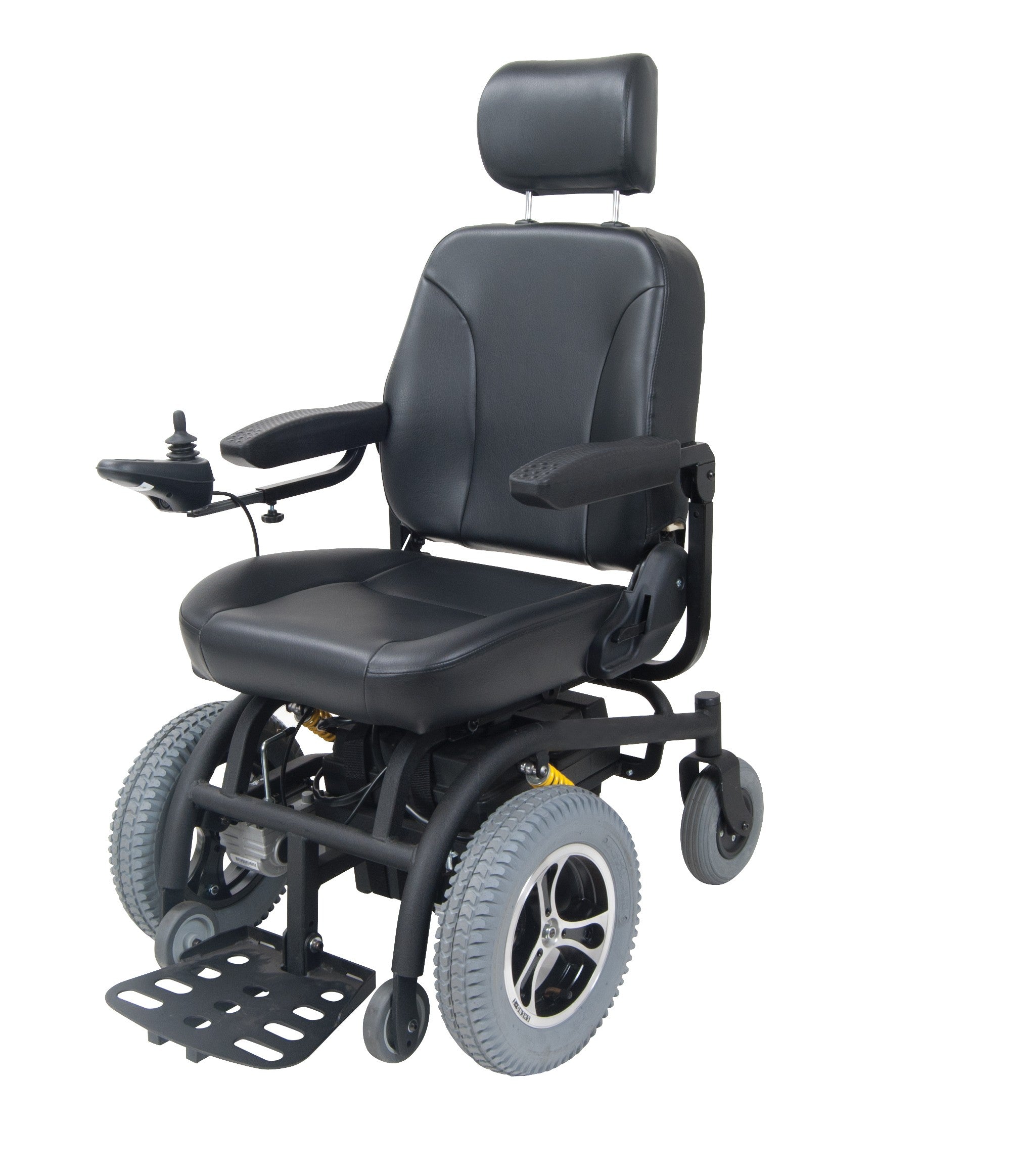
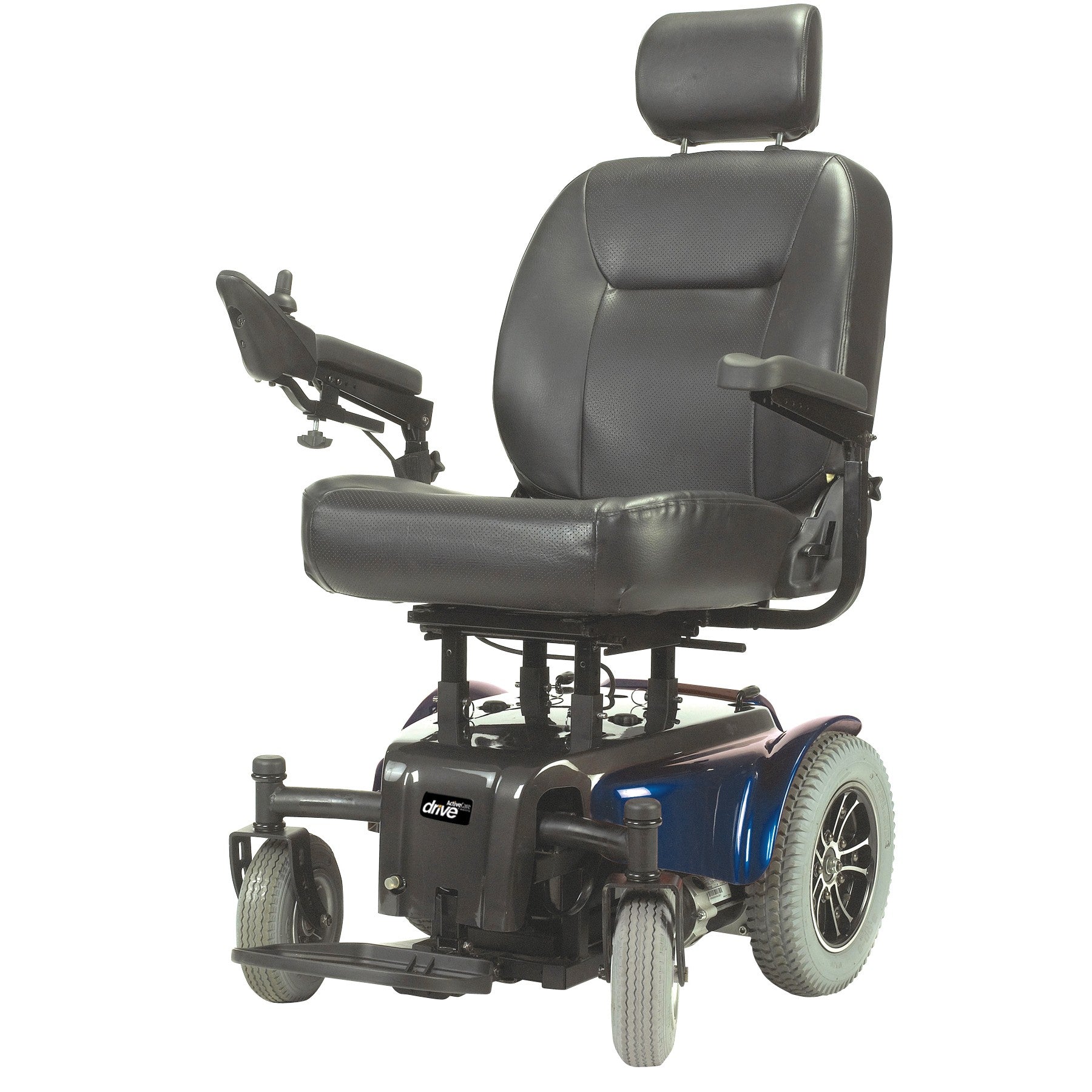
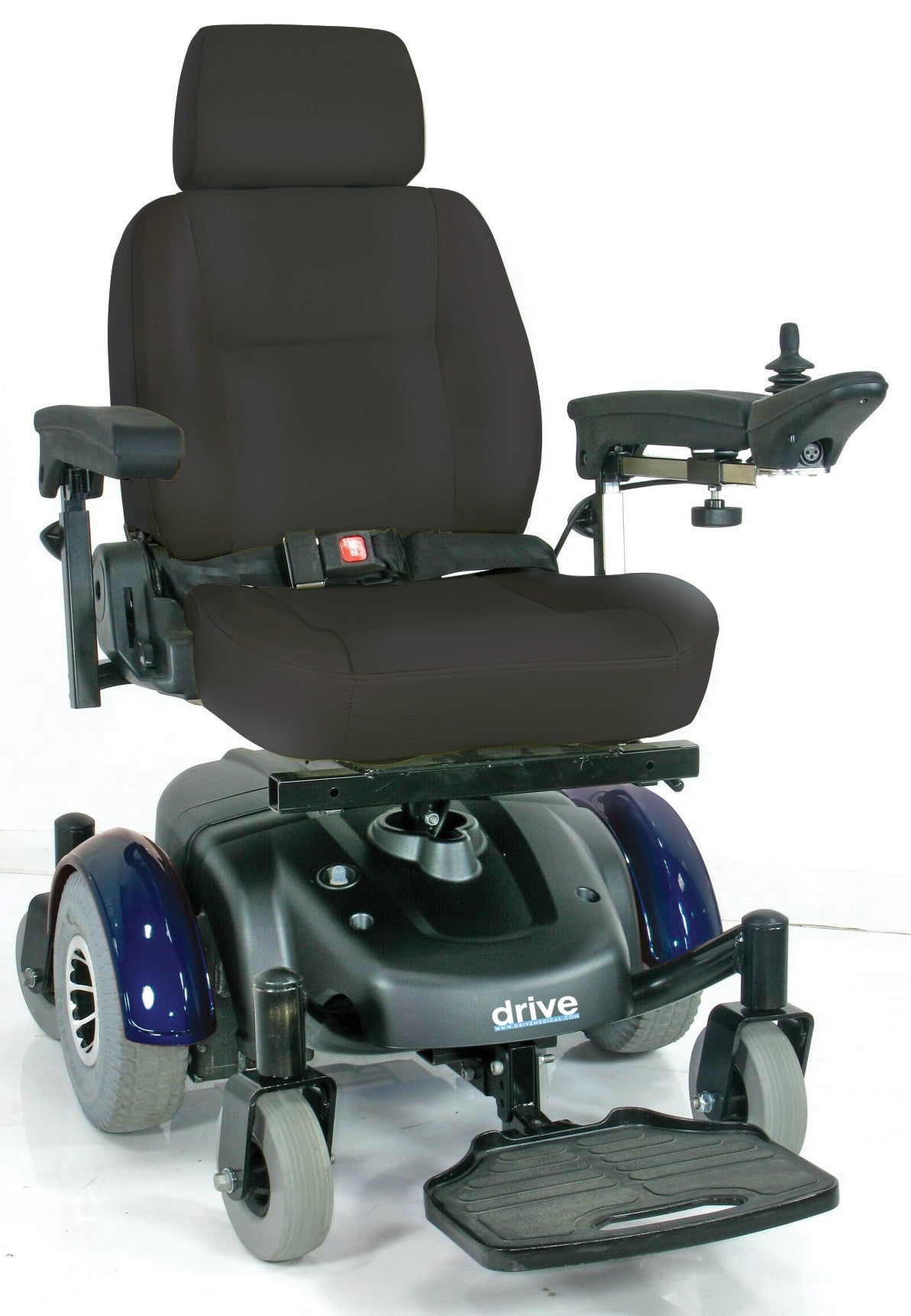
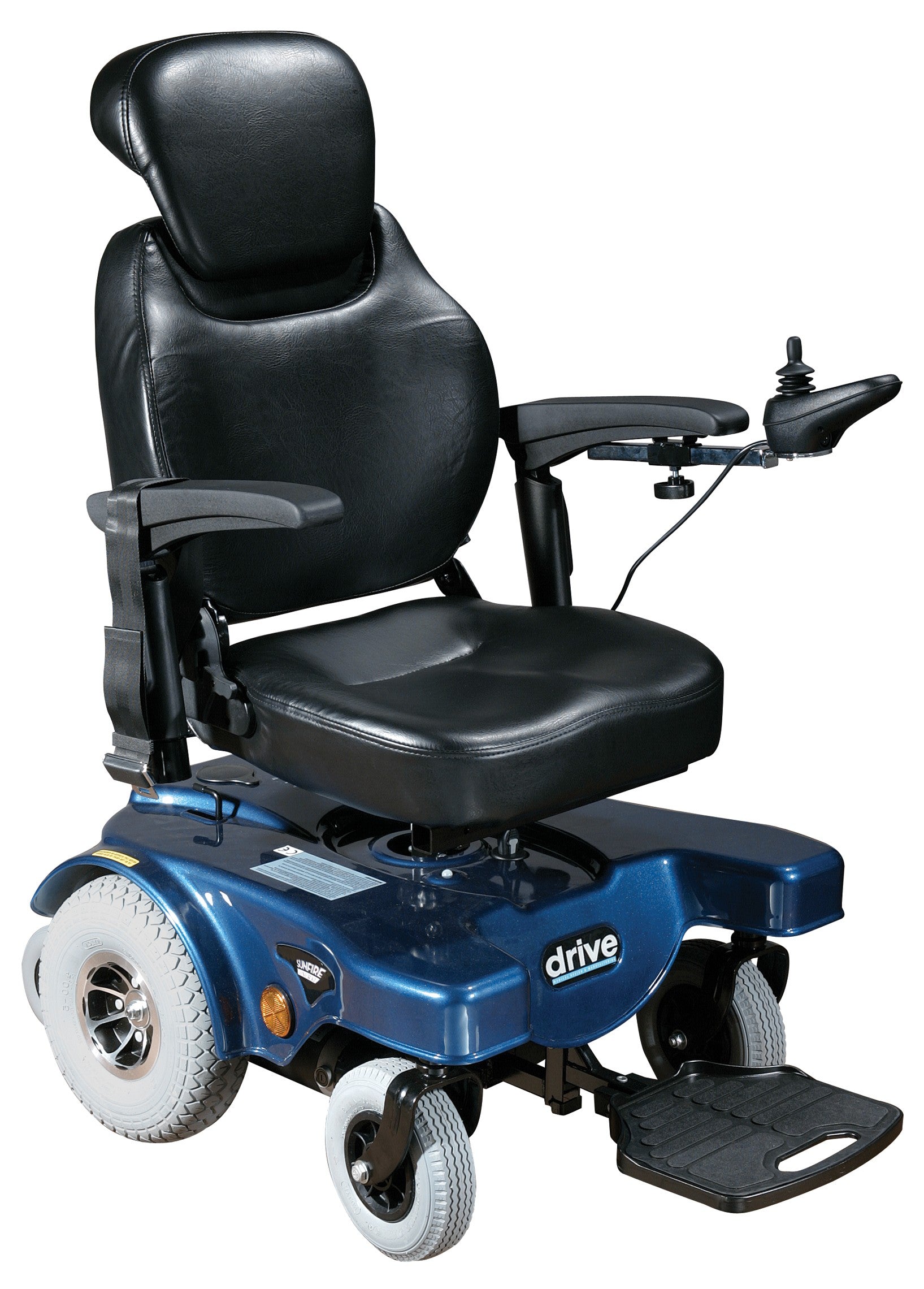
Power chairs come in three main drive configurations, and the right one depends on where your loved one will use it most:
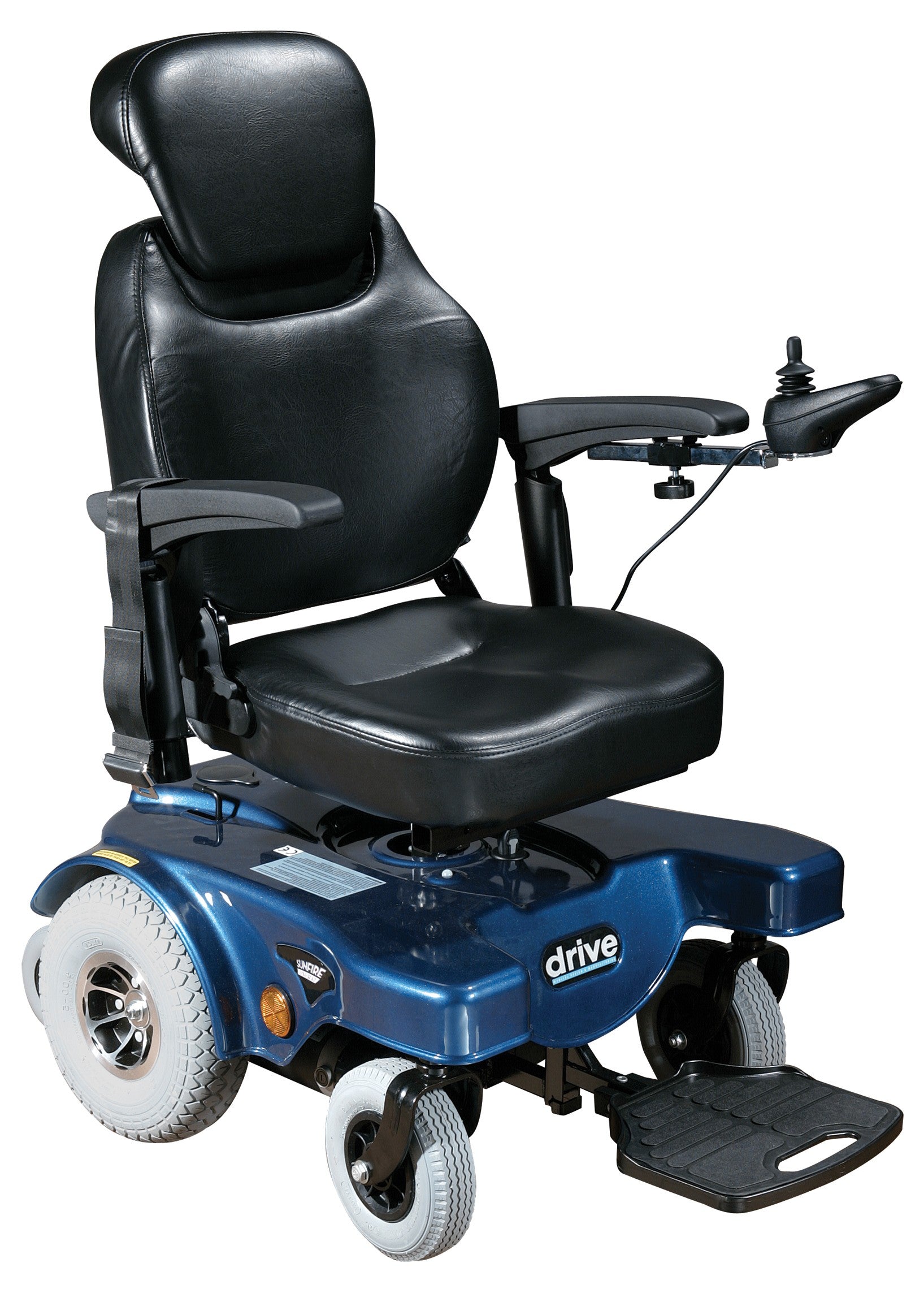
- Mid-wheel drive offers the tightest turning radius, making it ideal for navigating hallways, kitchens, and other indoor spaces.
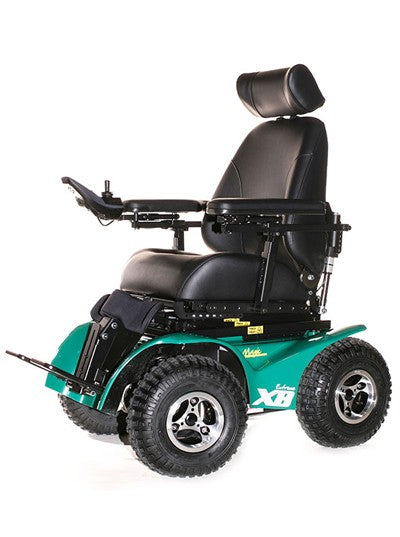
- Front-wheel drive handles outdoor terrain well, including grass, gravel, and uneven sidewalks.
- Rear-wheel drive provides the most stability at higher speeds and performs best in outdoor settings.
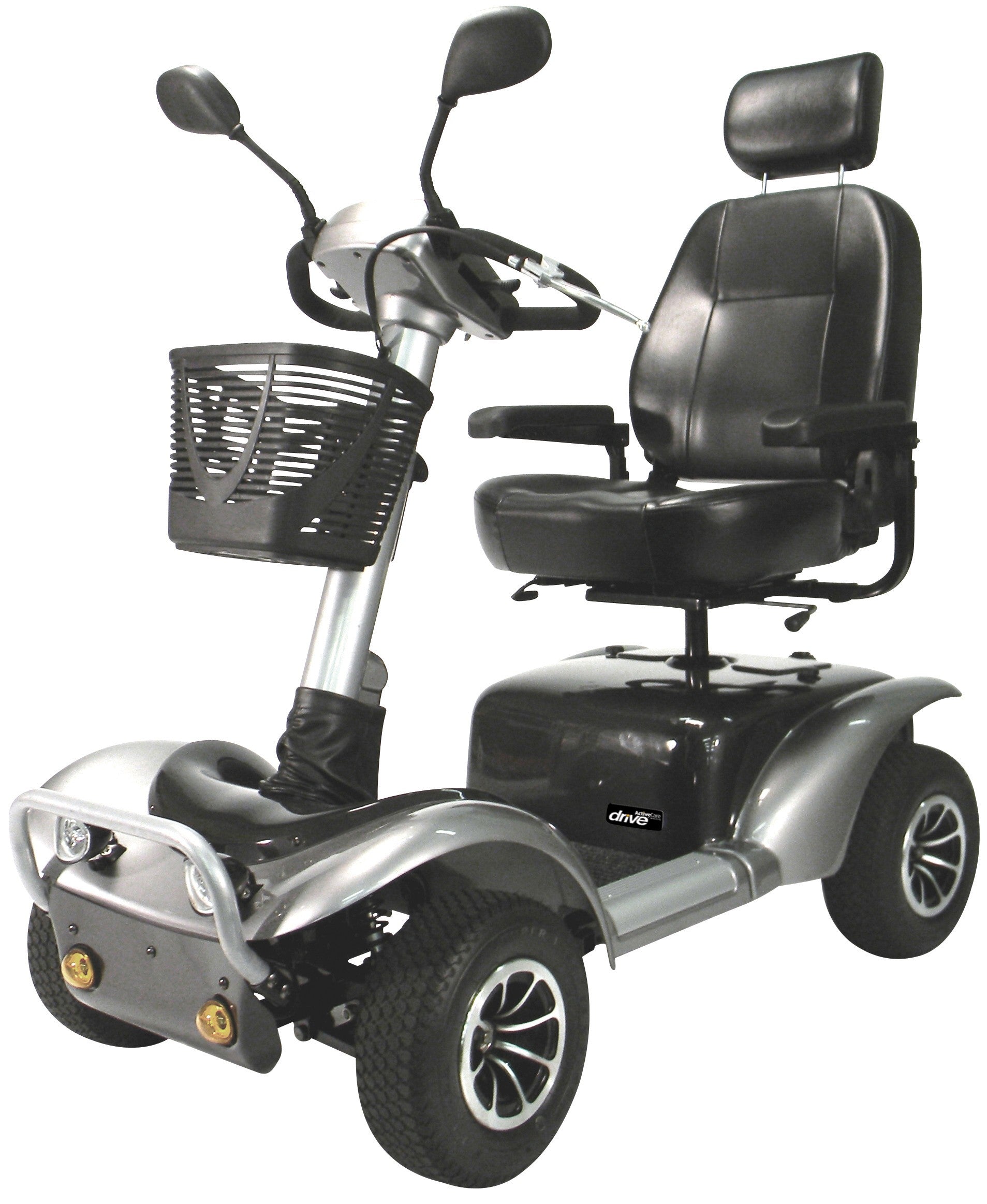
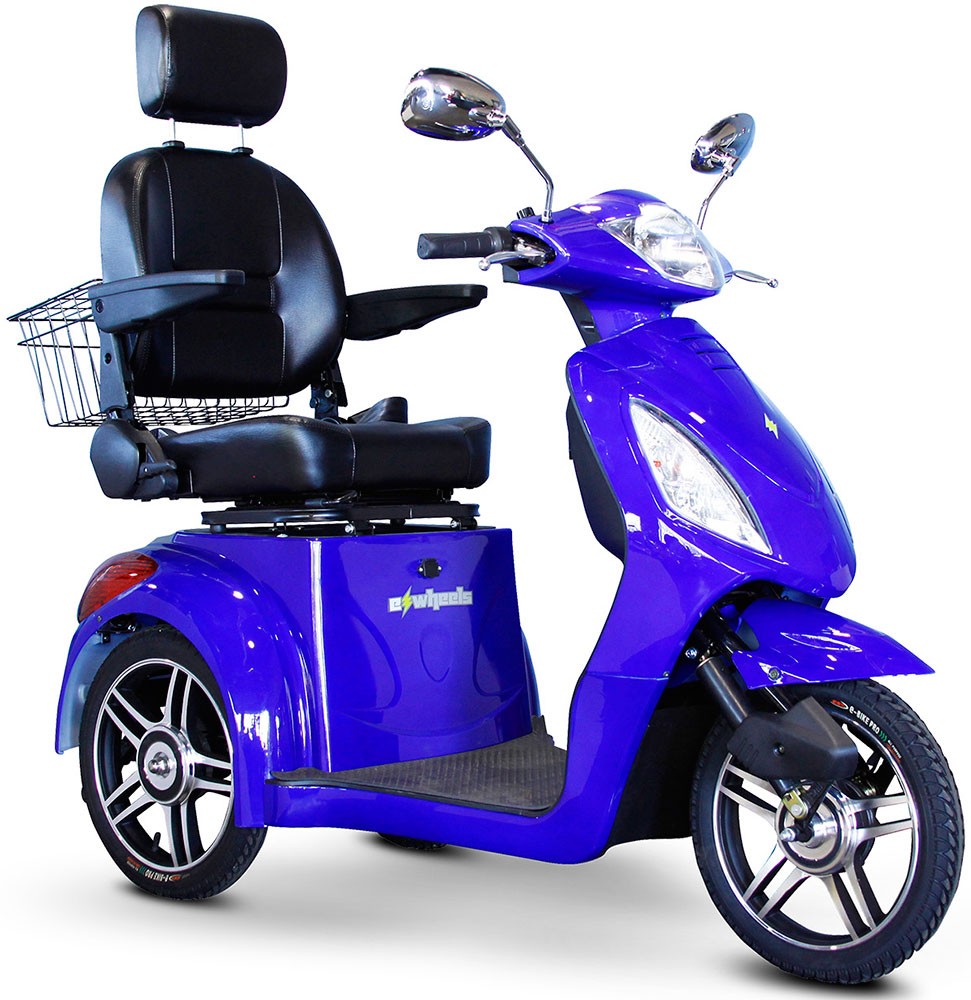
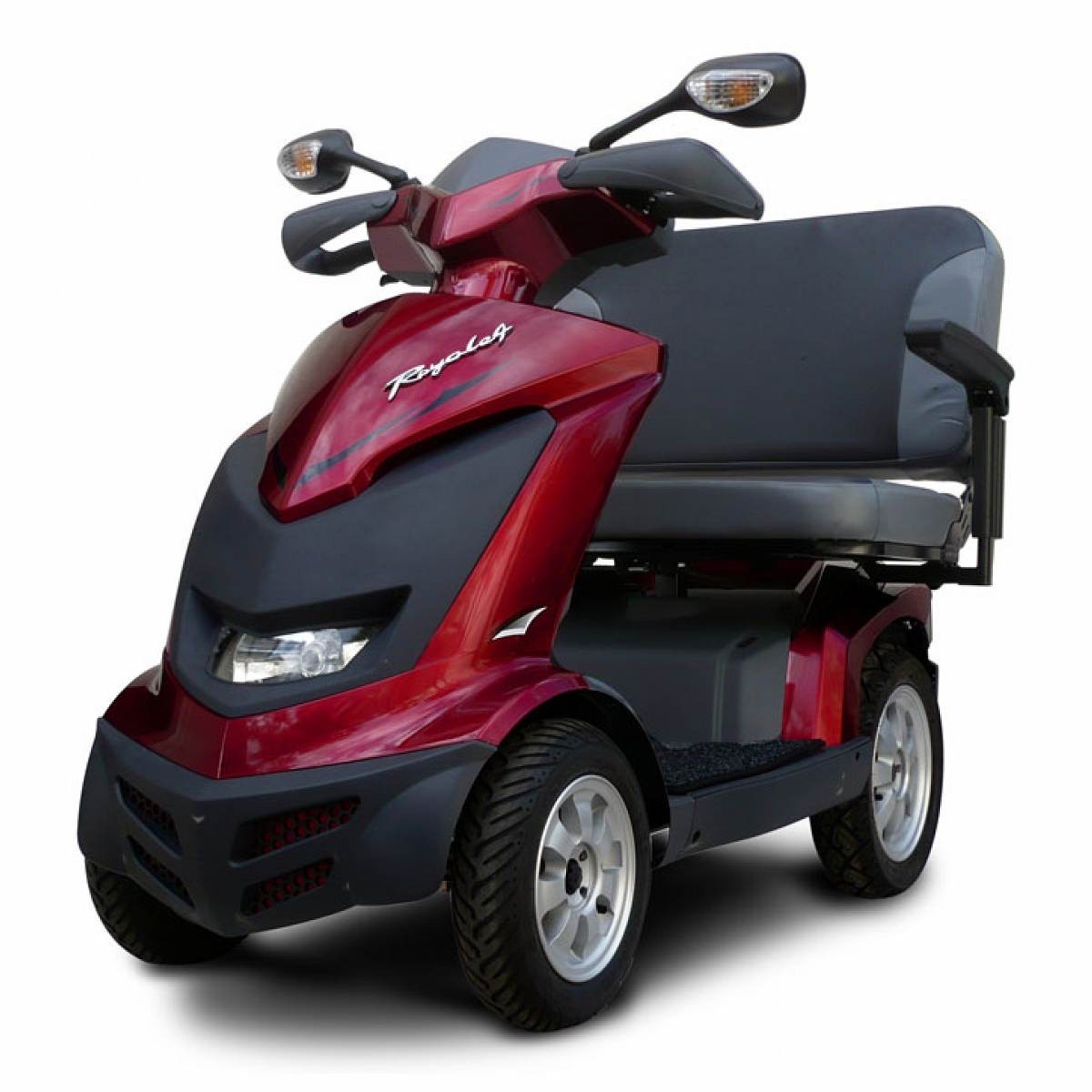
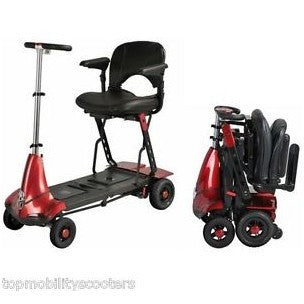
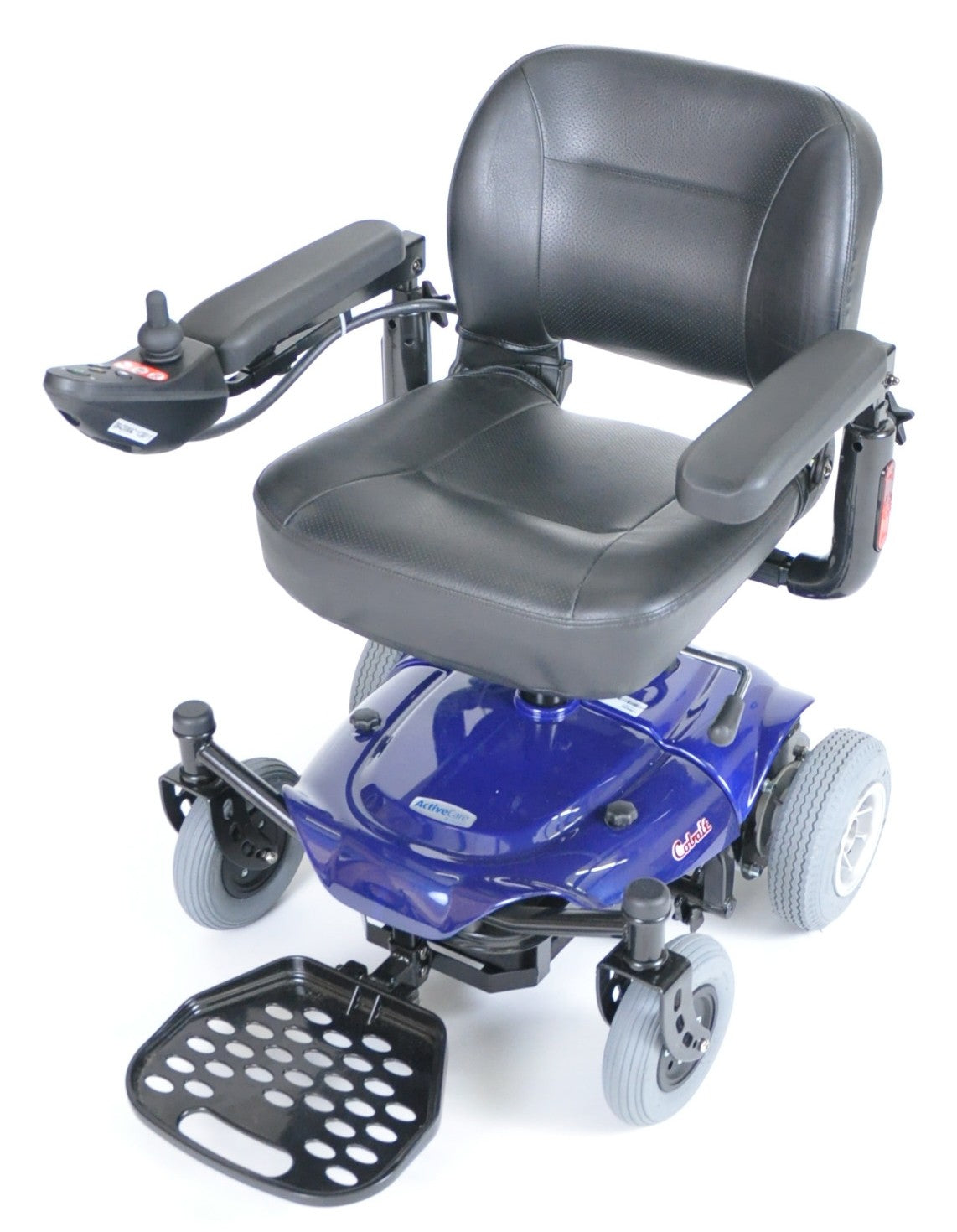
A common question: what's the difference between a power chair and a mobility scooter? Power chairs use joystick controls and are better suited for individuals with limited upper body strength or fine motor challenges. Scooters use tiller steering and require more trunk stability and hand grip strength.
An occupational therapist (OT) assessment is highly valuable here. An OT evaluates seating needs, control system compatibility, home environment, and functional goals. Their documentation can also support your Medicare approval.
Don't overlook bariatric power chairs for higher weight capacity needs. This option matters for a significant number of seniors and is frequently left out of the conversation.
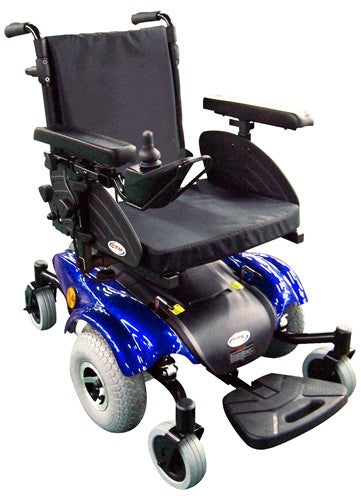
Today's power chairs feature intuitive joystick controls, compact footprints, and folding designs for transport — a far cry from the bulky models many people picture. American Quality Health Products carries an extensive selection across drive types and weight capacities, and our live specialists can help match the right chair to your loved one's specific needs and budget, drawing on over 22 years of DME experience.
Preparing Your Home Before the Chair Arrives
A few practical changes can make all the difference between a smooth first day and a frustrating one. Complete these modifications before the chair is delivered.
- Measure doorways. Most power chairs require a minimum 32 to 36 inches of clear opening. Measure every doorway your loved one will use regularly.
- Remove obstacles. Area rugs, raised door thresholds, and low furniture can catch wheels or block turning paths. Clear them out.
- Plan ramp installation. For any entry steps, the standard recommendation is 1 inch of rise per 12 inches of ramp length. A 6-inch step needs a 6-foot ramp.
- Rearrange furniture. Create clear turning paths in the bedroom, bathroom, and kitchen. Your loved one needs room to maneuver without asking for help.
- Consider complementary modifications. Bathroom grab bars, a roll-in shower, or a raised toilet seat can work alongside the power chair to support full independence at home.
- Set up a charging station. Choose an accessible, low-traffic area where the chair can charge overnight without blocking pathways.
The goal is simple: arrival day should feel empowering, not stressful.
The Dual-Use Phase: Using Both a Walker and Power Chair
The transition does not have to be all-or-nothing. A gradual adoption period is both medically sound and psychologically easier for most people.
A practical approach: use the power chair for longer outings, outdoor trips, and community activities. Continue using the walker for short indoor distances where your loved one feels confident and steady. This dual-use phase builds familiarity with the chair's controls and lets your loved one experience its benefits firsthand, without the pressure of a hard cutoff from their walker.
An occupational therapist can help design a structured dual-use plan tailored to your loved one's specific environment and condition. This is especially helpful for progressive conditions where needs may shift over weeks or months.
One important clarification: Medicare's "one mobility aid at a time" rule applies to coverage, not to physical use. Your loved one can absolutely use both devices. Confirm the specifics with your DME supplier and physician to keep documentation in order.
Most people who try a power chair for community outings quickly recognize the independence it gives back. The resistance fades when the experience speaks for itself.
What to Expect in the First Weeks
There's a learning curve, and that's perfectly normal. Most new power chair users need one to two weeks to get comfortable with joystick sensitivity and spatial awareness in tight spaces.
Start with short practice sessions in a familiar, open indoor area before tackling crowded stores or outdoor terrain. Build confidence gradually. There's no rush.
Expect emotional ups and downs. Some days the chair will feel liberating. Others may bring renewed frustration or sadness. Both responses are valid, and they often alternate for a while before settling.
Track the wins. Note distances traveled, activities resumed, and tasks completed independently. These concrete improvements reinforce the decision on harder days. Schedule a follow-up with the OT or prescribing physician at 30 days to assess fit, comfort, and any needed adjustments to seating or controls.
For caregivers, your role shifts here. You move from physical assistant to encourager. Stepping back and letting your loved one operate independently is one of the most powerful things you can do, even when the instinct is to hover.
Moving Forward with Confidence
Choosing a power chair is an act of self-advocacy — a decision to stay engaged with the world rather than retreat from it.
Consider this: 57.1% of adults 65 and older with travel-limiting disabilities made zero trips on a given survey day. A power chair directly addresses that isolation, putting your loved one back in control of where they go and when.
The next steps are straightforward: speak with your loved one's physician, request an occupational therapy referral, and consult with a knowledgeable DME specialist who can walk you through options and coverage. At American Quality Health Products, our US-based product specialists are here six days a week to help you find the right chair at the right price, backed by our Lowest Price Guarantee and over two decades of experience in home medical equipment.
The right chair, the right support, and the right information make all the difference. We're here to move you forward.
Sources
- Circumstances of Falls Among Older Adult Walker Users (Assistive Technology, 2023) | PMC
- Older Adult Falls – Injury Facts | National Safety Council
- Common Reasons for Wheelchair Use | RetirementLiving.com
- Medicare Coverage of Wheelchairs & Scooters | Medicare.gov
- Does Medicare Pay for Wheelchairs? | Medicare.org
- How to Smooth the Transition from a Walker to a Wheelchair | Positive Health Online
- How Many Wheelchair Users in the US | RetirementLiving.com


