




A favorite chair can become frustrating when getting out of it takes several attempts, a pull on a nearby table, or help from another person. When comparing a lift chair vs recliner, the main question is not simply which one feels softer. It is whether the chair supports safe, comfortable sitting and standing for the person who will use it every day.
Both options can provide a relaxing place to read, watch television, nap, or recover after a long day. The difference is in how they move, how much assistance they provide, and whether they match changing mobility needs. For older adults aging in place, people recovering from surgery, and caregivers planning ahead, that distinction can make a meaningful difference at home.
Lift Chair vs Recliner: The Main Difference
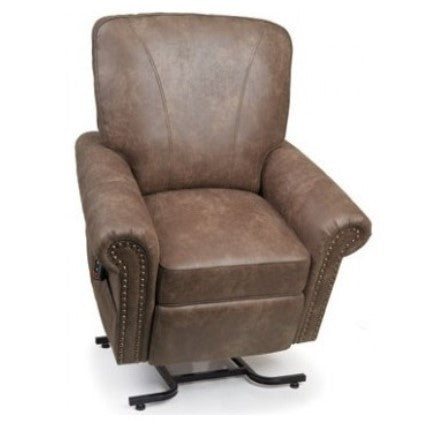
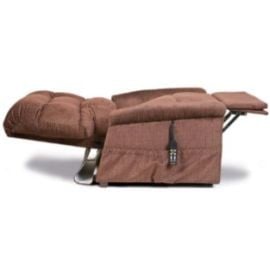
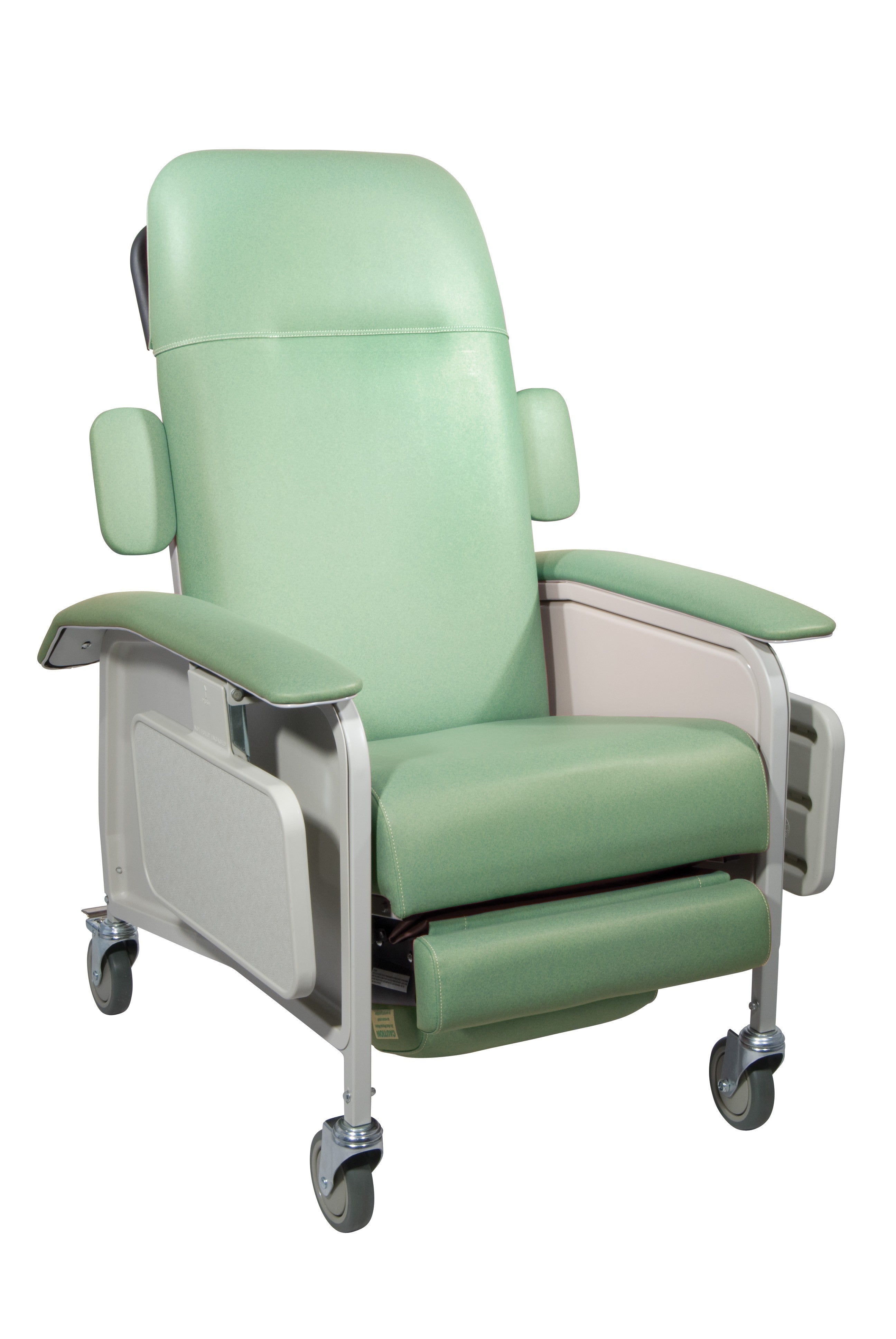
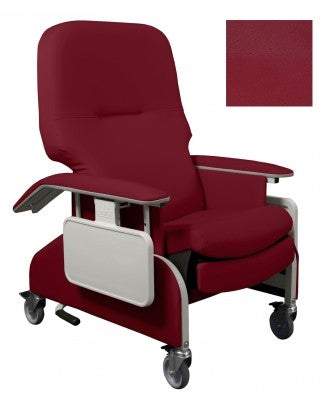
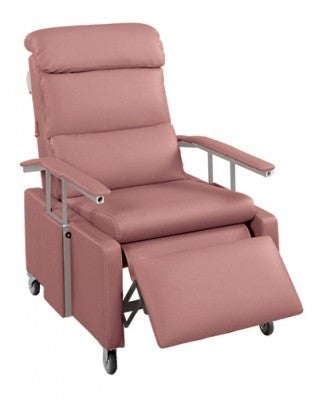
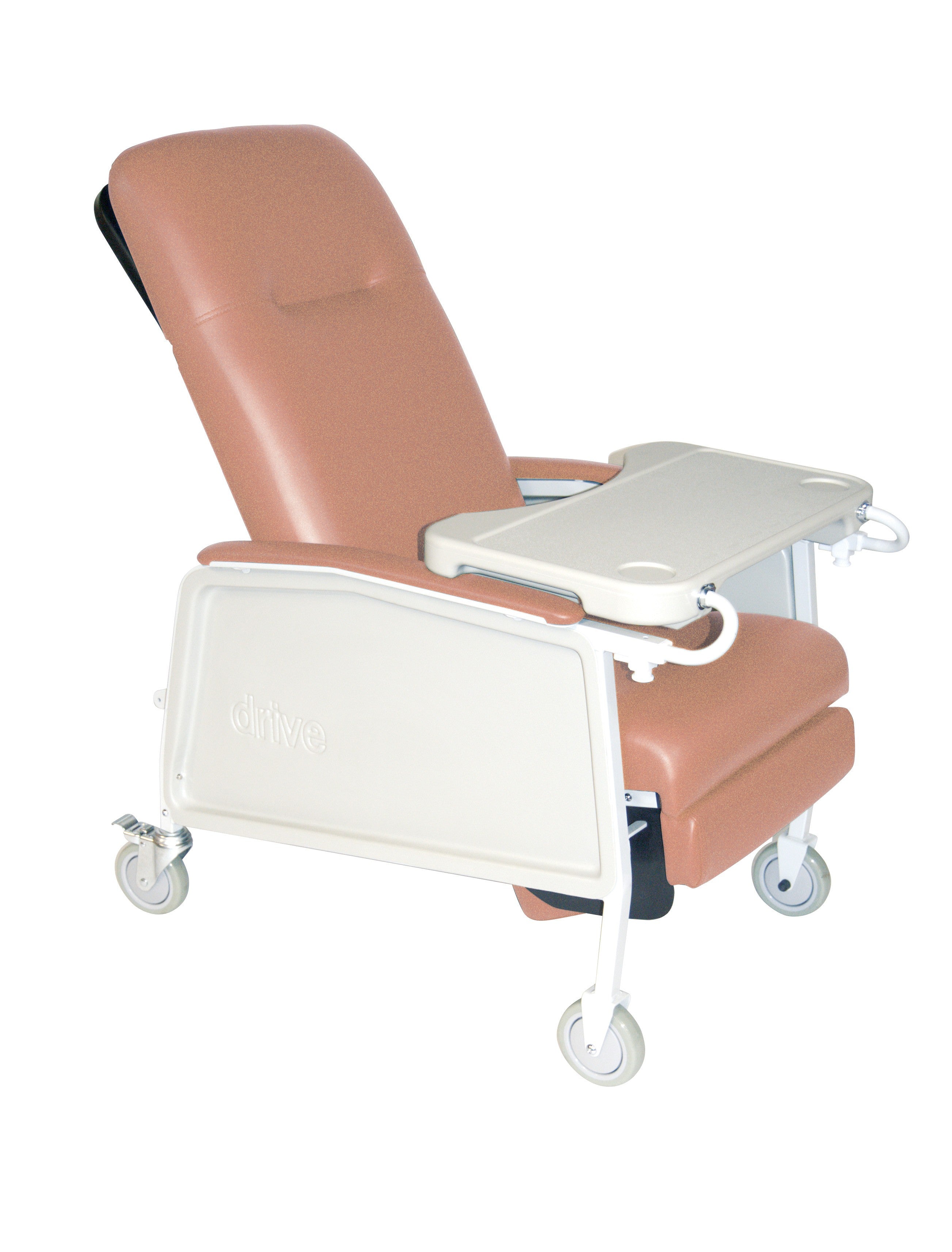
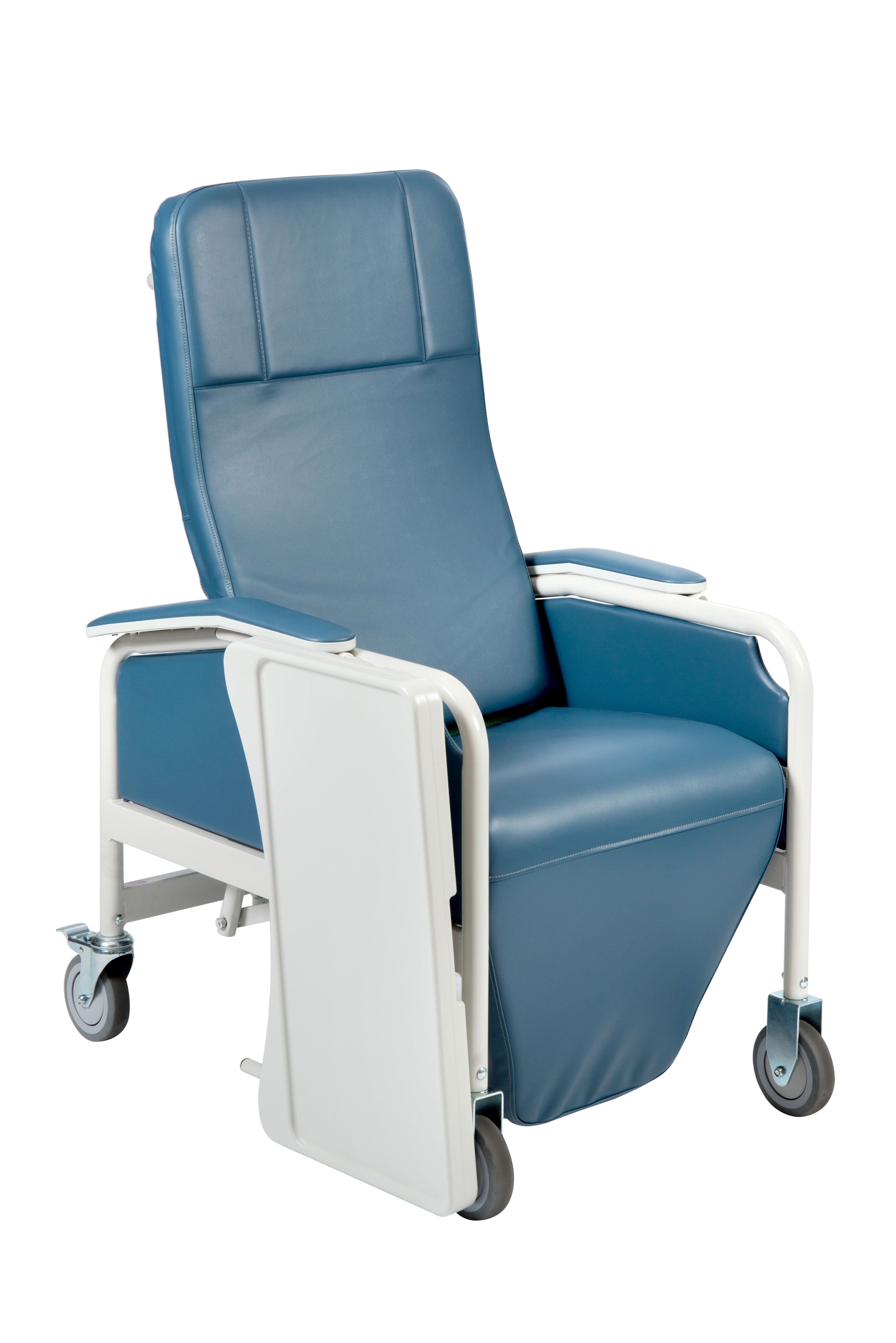
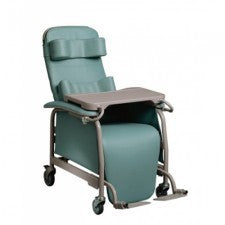
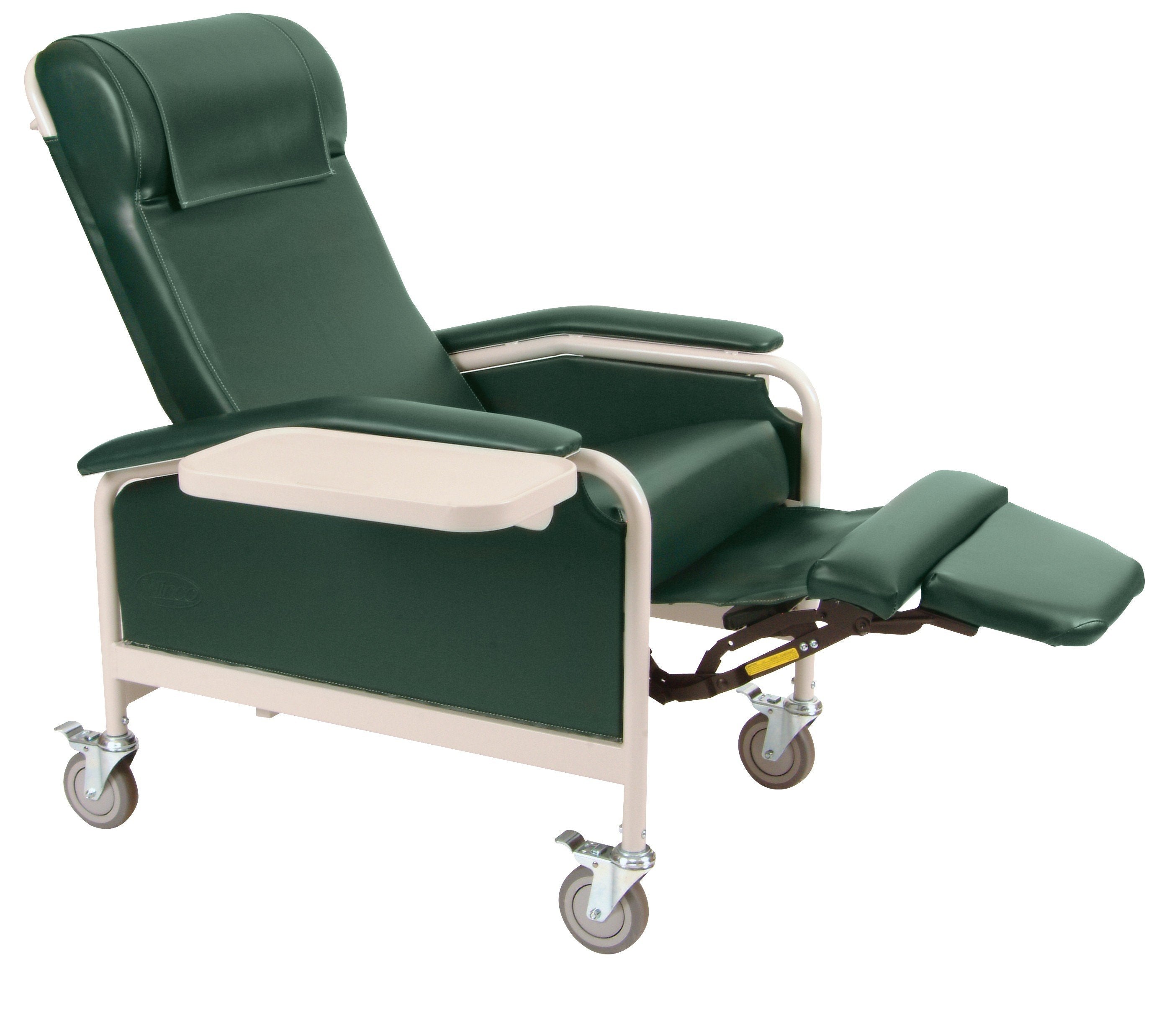
A standard recliner is designed primarily for comfort. It has a reclining back and a raised footrest, usually operated by a side lever, a pull handle, body pressure, or a power control. It can reduce pressure on the legs and provide a more restful position than a traditional armchair.
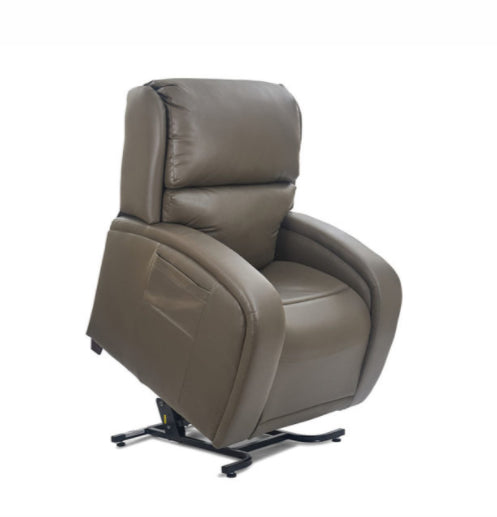
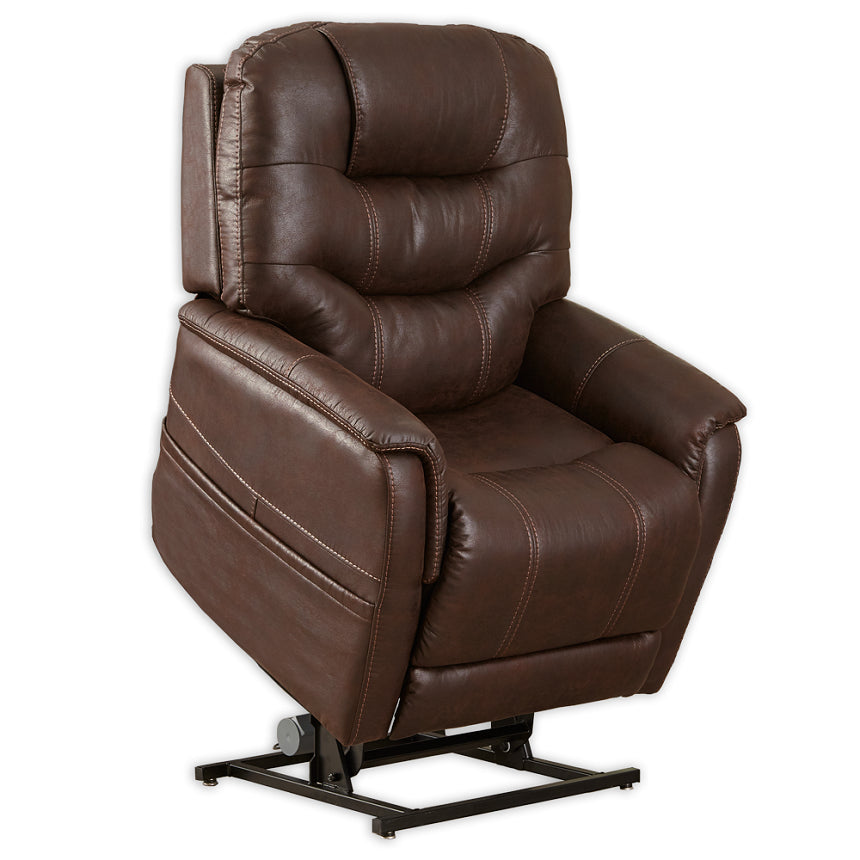
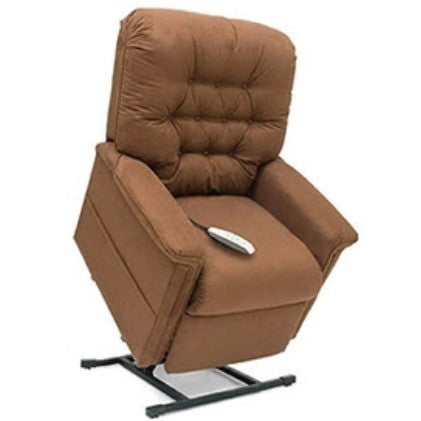
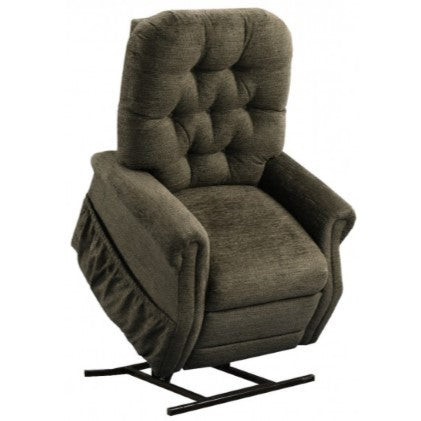
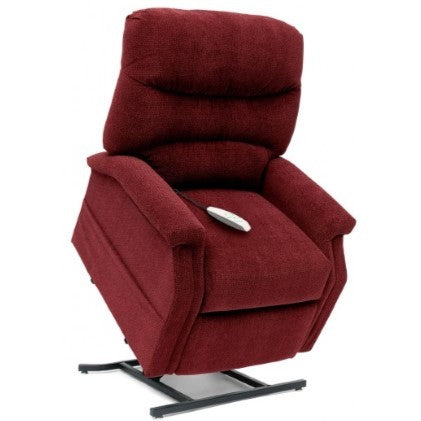
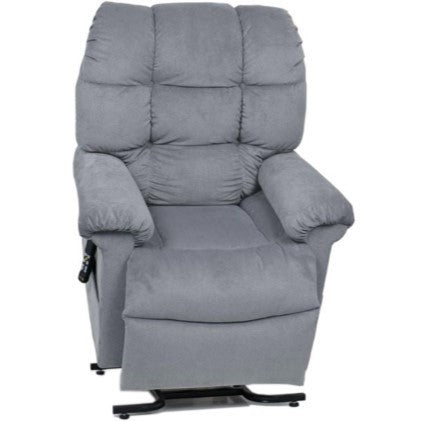
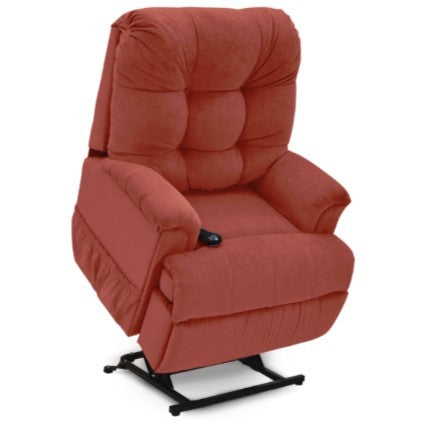
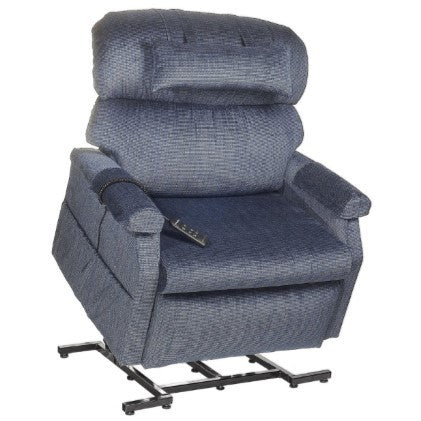
A lift chair is a powered recliner with an added lifting mechanism. At the touch of a hand control, the entire seat tilts forward and upward to bring the user closer to a standing position. Rather than requiring someone to push up from a low seat, the chair does much of the lifting work.
That lifting feature is the central reason many people choose a lift chair. It can help a person transition between sitting and standing with more confidence while reducing strain on the knees, hips, back, shoulders, and wrists. It also gives caregivers a safer alternative to repeatedly helping someone rise from a chair.
A lift chair is not just for someone who cannot stand at all. It can be a practical choice for a person who still walks independently but feels unsteady after sitting, has arthritis pain, experiences leg weakness, or is recovering from a procedure that limits bending and pushing.
When a Recliner May Be the Better Fit
A recliner can be an excellent choice when the user can stand from a seated position safely and consistently. Many households choose a recliner because they want a comfortable chair for relaxing, elevating their feet, or taking an occasional nap without needing mobility assistance.
For someone with good leg strength, stable balance, and enough upper-body strength to push off the armrests, a traditional recliner may meet the need. It also tends to offer a familiar feel and may be easier to place in a smaller room, depending on the model.
Still, a recliner can become harder to use as mobility changes. Soft cushions, deep seat wells, and low seat heights may make it more difficult to get upright. A person who has to rock forward several times or use a cane, walker, or nearby furniture to stand should consider whether a lift function would offer better day-to-day support.
When a Lift Chair Makes More Sense
A lift chair is often a worthwhile investment when sitting down and getting up have become the hardest part of the day. The lift mechanism allows the user to move slowly and deliberately instead of making a sudden effort to stand.
It may be especially helpful for people managing arthritis, Parkinson's disease, multiple sclerosis, chronic back pain, joint replacement recovery, edema, reduced balance, or general lower-body weakness. Bariatric lift chair models can also provide higher weight capacities and roomier seating for users who need a more supportive fit.
For caregivers, the benefit is practical as well as personal. Assisting someone out of a chair can place stress on both people and increase the risk of a fall. A properly fitted lift chair helps the user participate in the transfer while reducing the physical demands placed on a family member or home caregiver.
A lift chair should not replace professional guidance when a person needs hands-on transfer assistance or has been instructed to use specific mobility equipment. If falls, dizziness, or major weakness are concerns, discuss seating and transfer needs with the person's healthcare professional.
Comfort Is About Fit, Not Just Cushioning
Whether you choose a lift chair or recliner, the right dimensions matter. A chair can be well made and still feel uncomfortable or unsafe if the seat is too deep, too wide, too high, or too low for its user.
Seat depth is particularly important. When sitting all the way back, the user's feet should rest flat on the floor or on the footrest when it is raised. If the seat is too deep, the person may slide forward or struggle to reach the floor. If it is too shallow, the chair may not support the thighs comfortably.
Armrests should be firm enough to provide a stable place for the hands when sitting or standing. The back should support the head, neck, and lower back in the positions the user will actually use. For someone who naps in the chair, a model with better head support and a fuller recline may be more appropriate than a basic two-position design.
Fabric and padding matter, too. Soft fabrics can feel cozy, while easy-clean performance materials may be more practical for daily care. Some shoppers prefer firmer cushions because they are easier to rise from, while others need a more plush feel for long periods of sitting. The best choice depends on comfort, transfer ability, and how many hours the chair will be used.
Consider the Recline Positions You Need
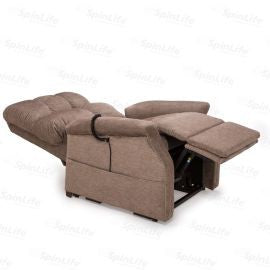
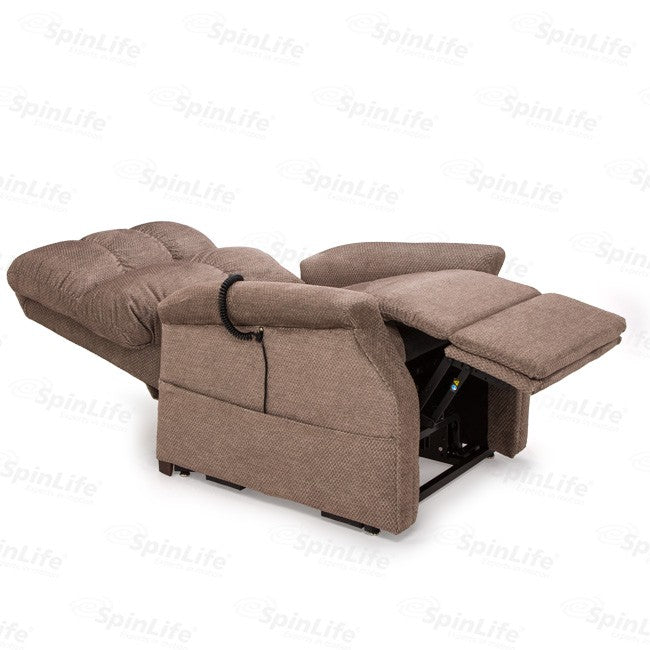
Not all lift chairs recline the same way. Some are two-position models that recline comfortably but do not lie nearly flat. Others offer three positions, with a deeper recline for resting. Infinite-position lift chairs use separate motors for the back and footrest, allowing more customized positioning and, in many cases, a near-flat sleep position.
If the chair will be used mostly for television and afternoon rest, a two-position or three-position model may be enough. If the user sleeps in the chair, needs frequent leg elevation, or benefits from changing the back and footrest independently, an infinite-position model can offer more flexibility.
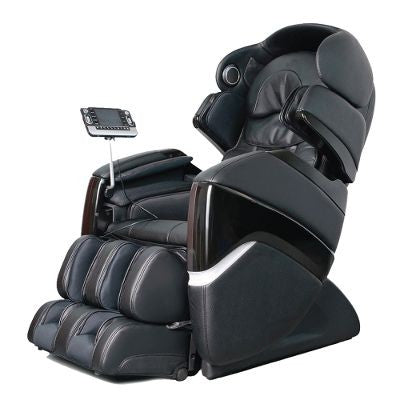
Certain lift chairs also include comfort features such as heat, massage, adjustable headrests, lumbar support, cup holders, or battery backup. These extras can be useful, but they should not distract from the essentials: correct fit, reliable lift support, appropriate weight capacity, and a recline range that matches the user's routine.
Plan for Space, Power, and Daily Use
Before selecting either type of chair, measure the intended room and the clear space behind and in front of the chair. A wall-hugger design needs less room behind it as it reclines, which can be helpful in apartments, bedrooms, and compact living rooms. A full recline model needs more clearance and should not block walking paths.
Lift chairs require a nearby electrical outlet because the lift and reclining functions are motorized. Consider where the power cord will run so it does not create a tripping hazard. A battery backup can be a valuable feature during a power outage, allowing the chair to return to an upright position.
Think about the person's normal routine as well. Will they use a walker when getting up? Is there enough room to approach the chair safely? Can a caregiver stand nearby when needed? These details matter more than selecting a chair based on appearance alone.
Key Buying Factors to Review
When narrowing down a lift chair or recliner, focus on these four practical details:
- Weight capacity: Choose a model that safely supports the user and allows for durable daily use.
- Seat dimensions: Match seat width, depth, and height to the user's body size and transfer needs.
- Recline style: Select two-position, three-position, or infinite-position movement based on resting and sleeping habits.
- Room clearance: Confirm the chair has enough space to lift and recline without interfering with furniture, walls, or walkways.
Choosing With Confidence
The right chair should make everyday life feel less demanding. A recliner may be all that is needed for someone seeking a comfortable place to rest. A lift chair is often the better answer when standing has become difficult, painful, or uncertain.
If you are buying for yourself or someone you care for, do not guess at fit. Measure the space, consider the user's mobility today and likely needs ahead, and ask questions about seat size, weight capacity, and recline function. The right support can turn a chair from a place to sit into a safer, more independent part of daily life.


