

The Reality of Caregiving From a Distance
Your parent is 450 miles away, and they just told you they grabbed the kitchen counter to keep from falling. That phone call changes everything. Suddenly, you're searching for solutions you never expected to need, and you're doing it from a distance.
You're far from alone. According to AARP and the National Alliance for Caregiving, roughly 63 million family caregivers live in the U.S. as of 2025. More than 10% live an hour or more from their loved one, with the Family Caregiver Alliance reporting an average distance of 450 miles. Long-distance caregivers spend approximately $8,728 per year out-of-pocket (the highest of any caregiver category), and 47% report emotional distress.
Fortune Business Insights reports that online home healthcare equipment purchases have increased 39% from 2024 to 2026, driven by caregiver convenience and necessity. This guide gives you a practical, step-by-step workflow for ordering the right equipment remotely, including how to handle the guilt, the fear of choosing wrong, and the worry about how your parent will react, because those barriers are just as real as the logistical ones.
Start With a Remote Assessment: Questions to Ask Before You Order Anything
The number-one mistake long-distance caregivers make is ordering equipment without understanding their parent's actual daily patterns. That leads to equipment sitting unused in a corner, or worse, creating a new safety hazard. Before you browse a single product page, pick up the phone or start a video call.
Ask these questions directly:
- What routes do you walk most inside the house? Kitchen to bathroom? Bedroom to living room?
- Are you using walls, counters, or furniture for support when you move around?
- Would you use equipment mostly indoors, outdoors, or both?
- What does your morning look like? How do you get out of bed and into a chair? Do you need help in the bathroom?
Be honest with yourself about cognitive ability. Can your parent safely operate a power wheelchair or scooter, or would a manual aid like a rollator or lift chair be more appropriate? This is a safety call, not a judgment call.
Ask about the home itself: What type of flooring do they have? Thick carpet affects scooter and wheelchair performance very differently than hardwood. Are there steps at any entrance? What does the bathroom layout look like?
If your parent will use equipment outdoors, body measurements matter more than you might think. Many compact travel scooters are not recommended for users over 5'10" or 300 lbs. Choosing the wrong category wastes money and creates frustration.
One more thing: involve your parent in the decision. Seniors who feel ownership over their equipment use it more consistently. That's both a safety argument and a return-on-investment argument. Equipment that stays in the closet helps no one.
The 6 Measurements You Must Gather Before Clicking 'Buy'
Here's the challenge unique to long-distance caregivers: you can't walk through the home yourself. You need precise data gathered remotely, by guiding a parent, neighbor, local aide, or a staff member at your parent's doctor's office with a tape measure and a phone camera.
Measurement 1: Doorway widths. Standard interior doors are 30 to 32 inches wide. Most manual wheelchairs require at least 32 inches of clear opening, and power chairs may need 36 inches. Measure every doorway your parent uses regularly.
Measurement 2: Hallway turning space. Power wheelchairs and scooters typically need a turning radius of 55 to 60 inches. Have your helper measure the widest open area available for turning, especially where hallways meet rooms.
Measurement 3: Threshold heights. Raised door thresholds can stop wheels cold. Measure the height of every threshold and note whether a small threshold ramp will be needed.
Measurement 4: Seat width. Measure the user's hip width at the widest point and add 2 inches on each side. This ensures comfort and a safe fit without being so loose that posture suffers.
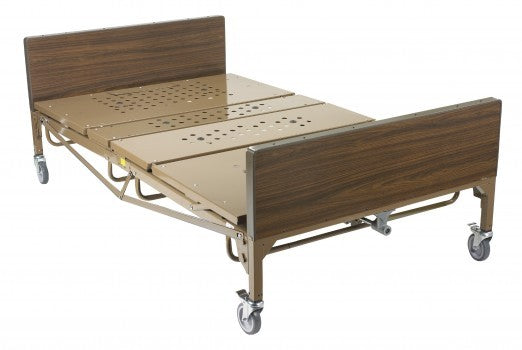
Measurement 5: User height and weight. Height affects footrest and armrest positioning. Weight determines the capacity tier: standard models typically support up to 350 lbs, while bariatric models support 500 to 700 lbs or more. Never assume a standard model is sufficient without confirming weight first.
Measurement 6: Bed and chair height. For lift chairs and hospital beds, measure the current seat height and the user's knee-to-floor distance. Proper transfer positioning prevents falls and reduces strain on anyone helping.
Practical tip: Send a simple numbered checklist to whoever can physically be in the home. Ask them to take photos alongside each measurement. A photo of a tape measure against a doorframe tells you more than a verbal estimate ever will.
On weight capacity: always choose equipment whose rated capacity exceeds the user's actual weight by a comfortable margin. Selecting a model that just barely meets the limit shortens the equipment's lifespan and compromises safety.
Understanding Payment Options: Medicare, HSA/FSA, and Financing
If you've heard confusing news about Medicare and durable medical equipment this year, you're not imagining things. In February 2026, CMS announced a six-month moratorium on new Medicare enrollment for certain DMEPOS supplier categories. This caused widespread concern among families who assumed Medicare had stopped covering wheelchairs and hospital beds entirely. It didn't. Medicare coverage itself was not eliminated. Only new supplier enrollments in specific categories were paused.
How Medicare Part B works for DME: After meeting the 2026 annual deductible of $283, Medicare pays 80% of the approved amount. You pay the remaining 20%. The equipment must be prescribed by a doctor and obtained from a Medicare-enrolled supplier. Most DME follows a 13-month rental period before ownership transfers to the patient. Some items must be purchased outright. Hospital beds and power wheelchairs fall into different categories, so confirm the rules for the specific item you need.
HSA and FSA funds can be used for most mobility aids when documented as medically related. This is often the fastest path for families who need equipment quickly without waiting weeks or months for Medicare approval.
According to Home Medical Inc., only 28% of eligible caregivers utilize available financial assistance programs. If your parent has a Medicare Advantage plan, check those benefits carefully. Coverage varies by plan and may include additional items not covered under original Medicare.
Financing options can also make a real difference. 100% financing through third-party providers spreads the cost of higher-priced equipment like power wheelchairs and hospital beds into manageable payments, with no large upfront expense. For long-distance caregivers already spending nearly $8,728 a year, that flexibility matters.
The practical takeaway: if Medicare timelines are too slow or the equipment you need isn't covered, HSA/FSA funds or financing from a trusted online DME retailer with a lowest-price guarantee is often the faster, more tailored path.
How to Order, Coordinate Delivery, and Arrange Setup Without Being There
Once you've completed your assessment and gathered measurements, here's the remote ordering workflow that works.
Choose the right retailer. Look for an online DME retailer with US-based product specialists you can actually call. Live phone support is critical when you can't physically evaluate equipment yourself. Before ordering, confirm the retailer's shipping policy: free shipping thresholds (for example, free on orders over $100), estimated delivery windows, and whether the item ships assembled or requires setup.
Coordinate the delivery. Identify a trusted person who can be present when the equipment arrives: a neighbor, a local home health aide, or a family friend. Share the delivery confirmation number and your contact information with them ahead of time.
For larger items like power wheelchairs, hospital beds, and lift chairs, ask the retailer about white-glove delivery or setup services. This is especially important when you can't be there for assembly.
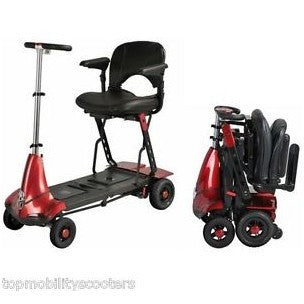
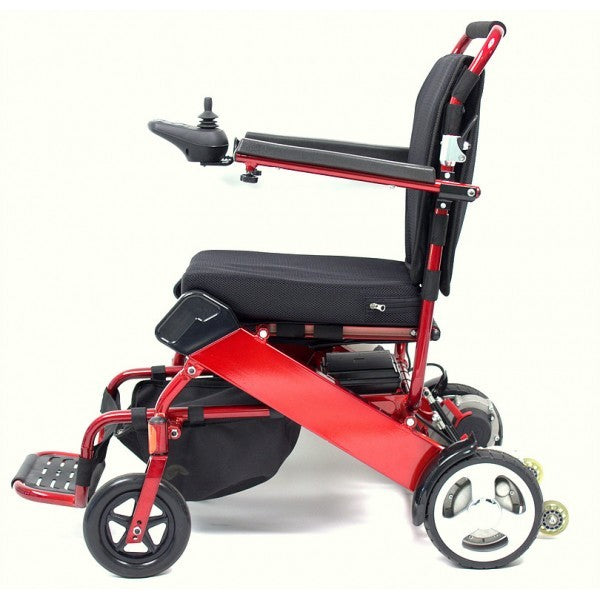
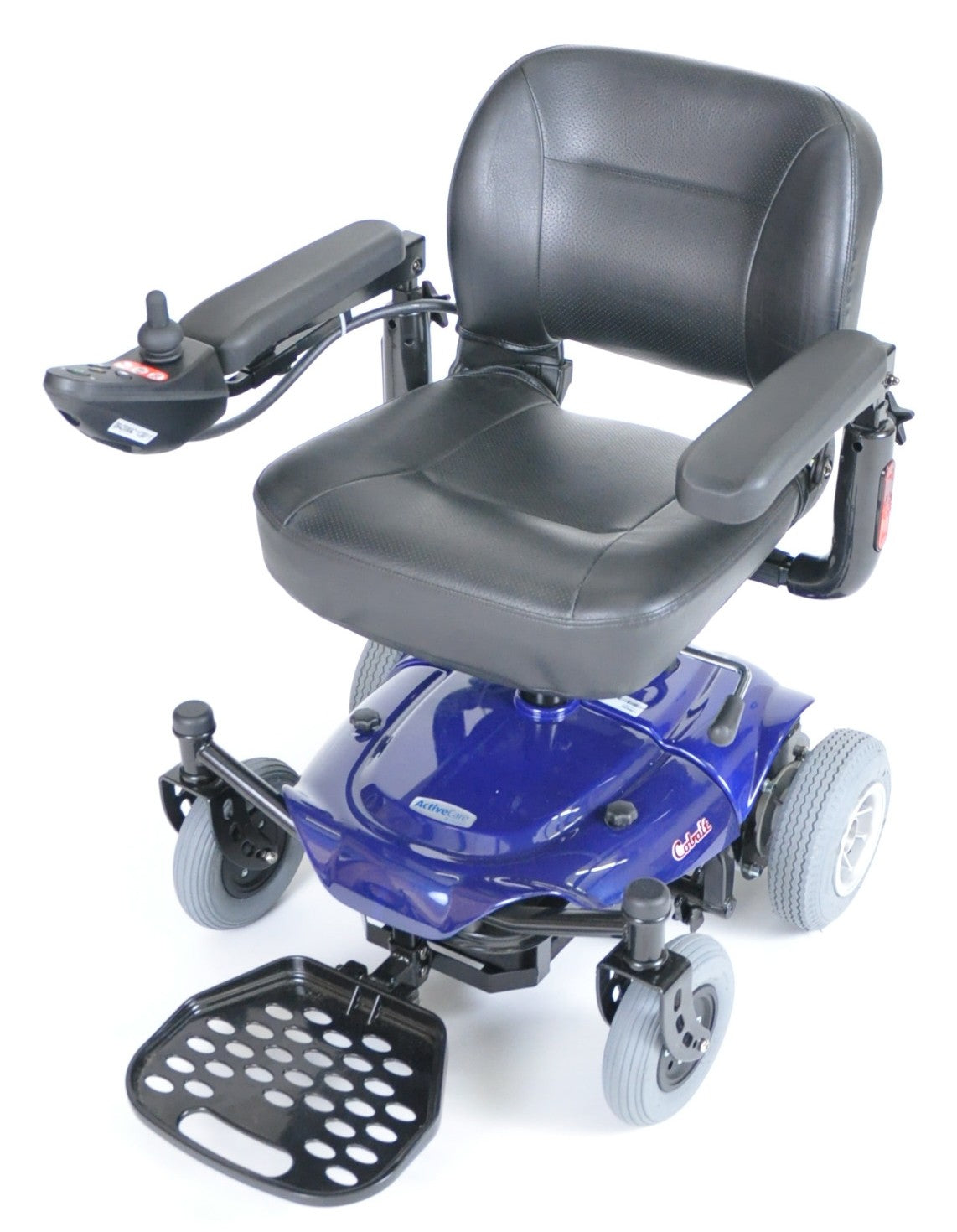
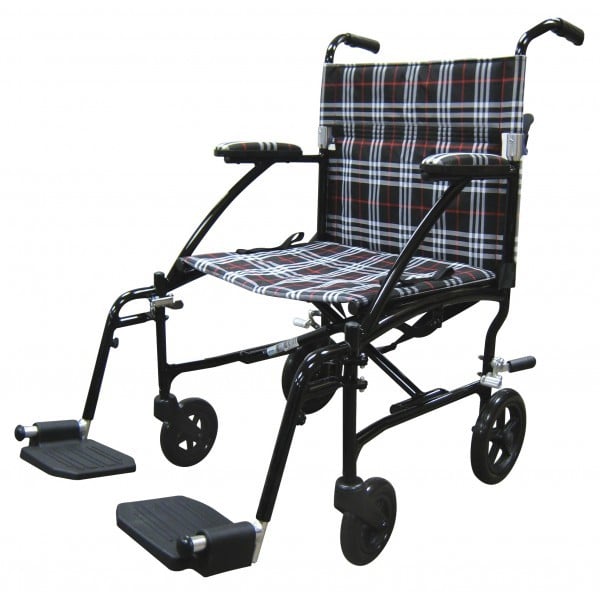
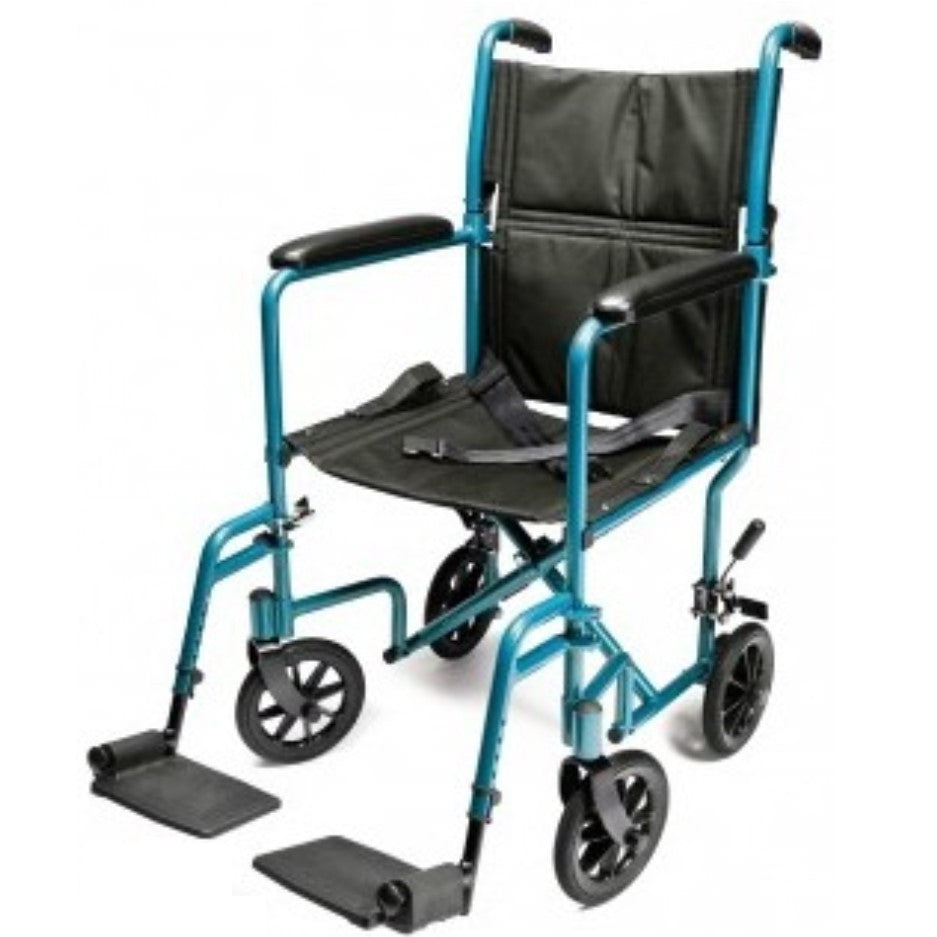
Consider folding and travel-ready equipment. Folding power wheelchairs and folding scooters are particularly well-suited to long-distance situations. They arrive more compactly, require minimal assembly, and can be stored or transported easily without in-person help.
After delivery, schedule a video call with your parent. Walk through operation together. This is also the moment to confirm fit, comfort, and whether all those measurements translated correctly to the real environment. If something isn't right, you'll catch it while the return window is still open.
Working with a retailer that has over 22 years of experience and live US-based product specialists available six days a week means you can call before, during, and after the order with questions. With more than 5,000 verified customer reviews backing that track record, you're reducing the risk of a costly return or wrong-size purchase. That single phone call before you click "buy" prevents the most common and expensive mistakes long-distance caregivers make.
Equipment Most Commonly Needed by Aging Parents, and What to Look For
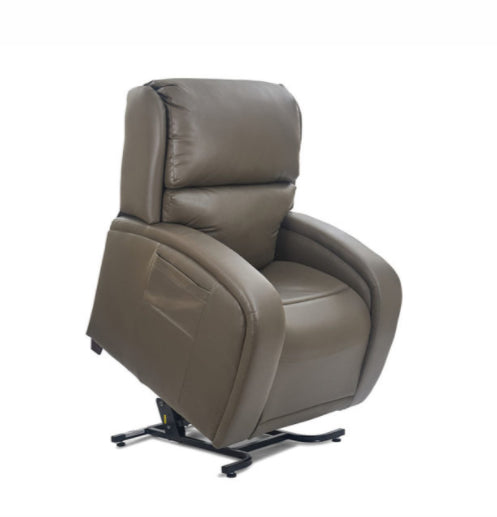
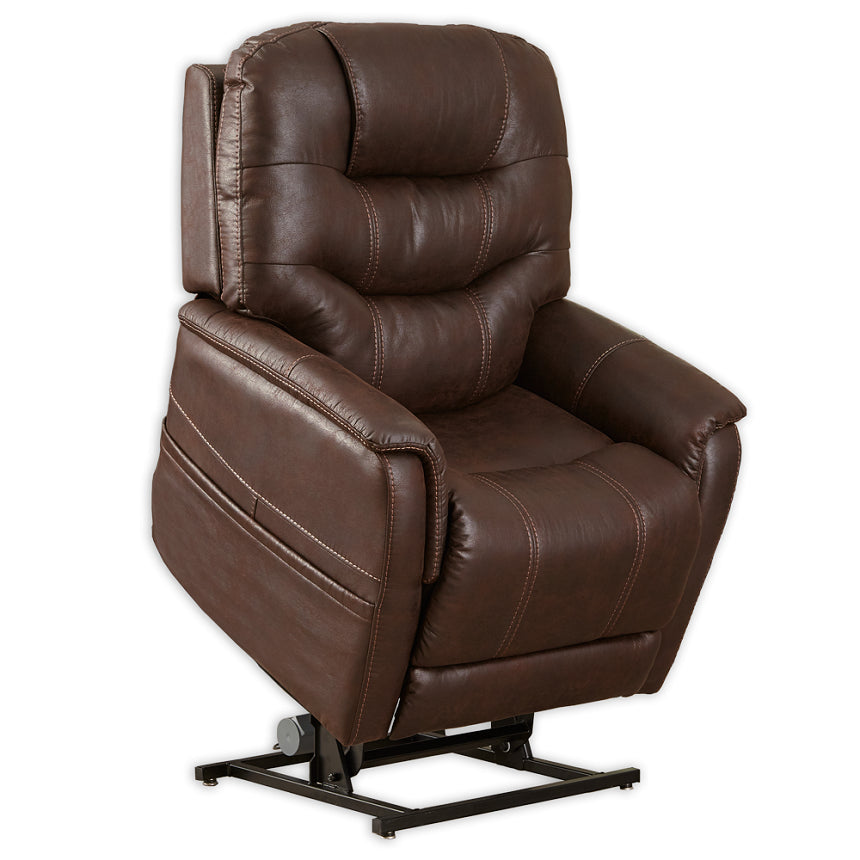
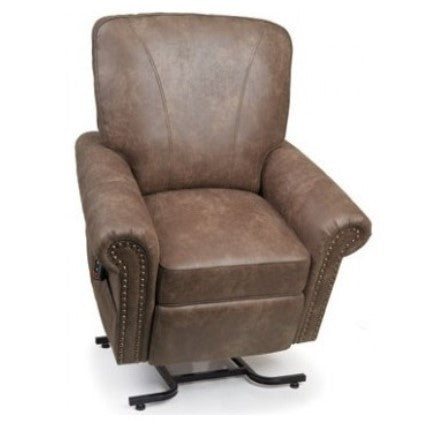
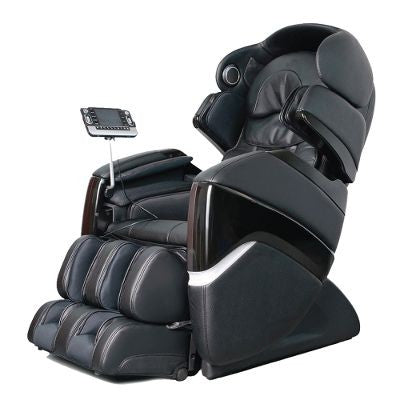
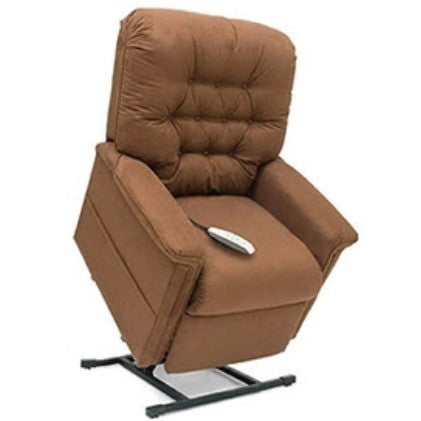
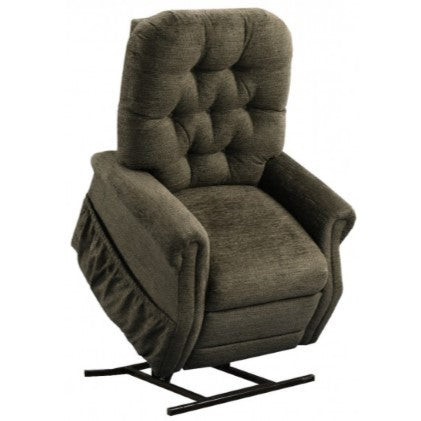
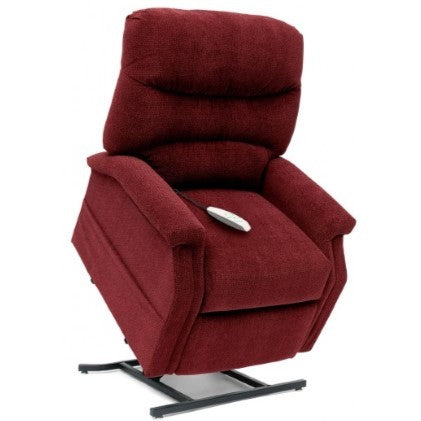
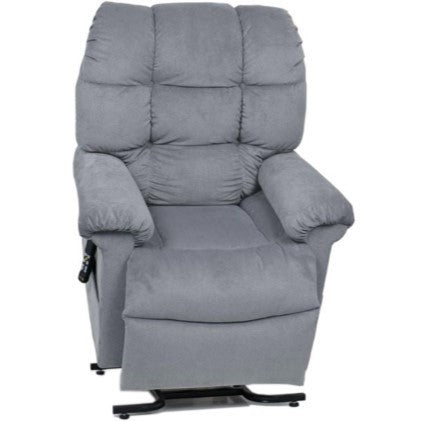
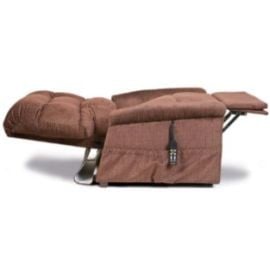
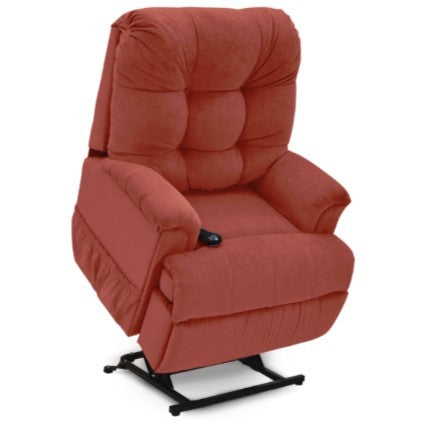
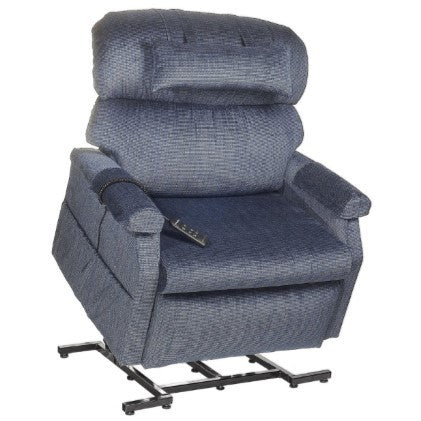
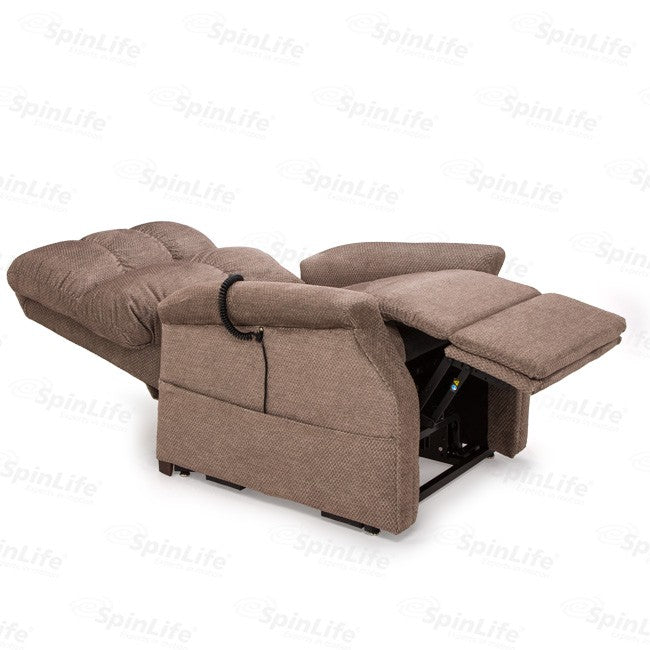
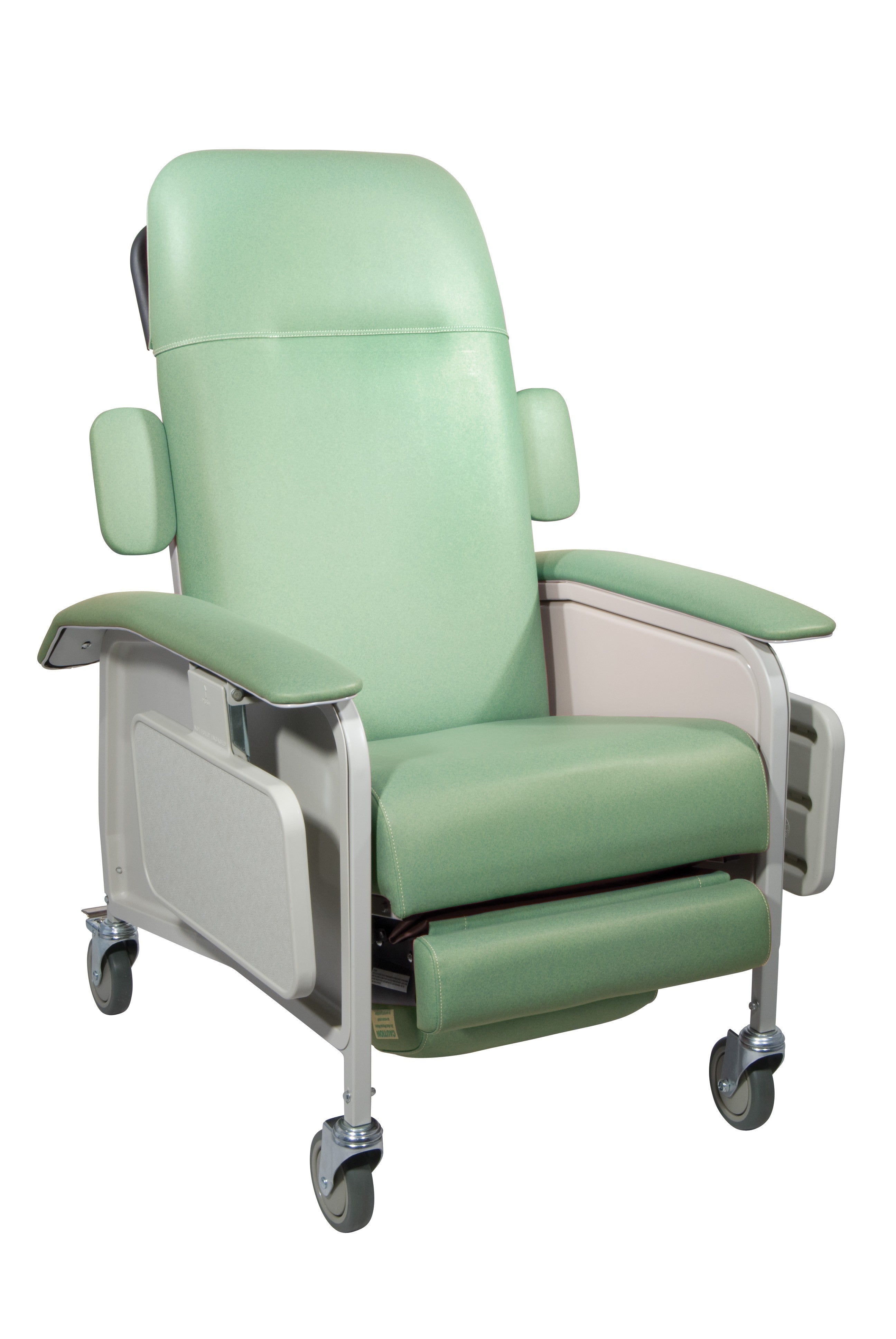
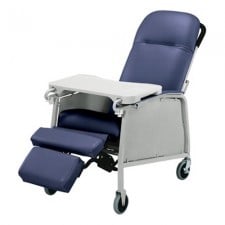
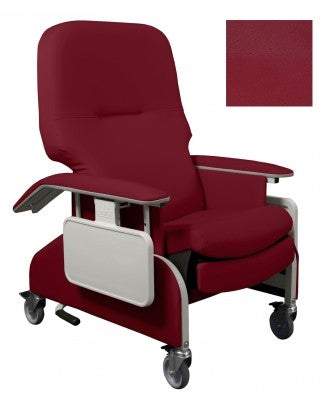
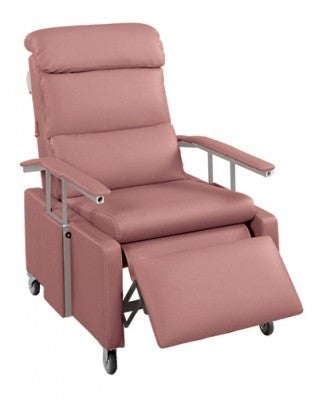
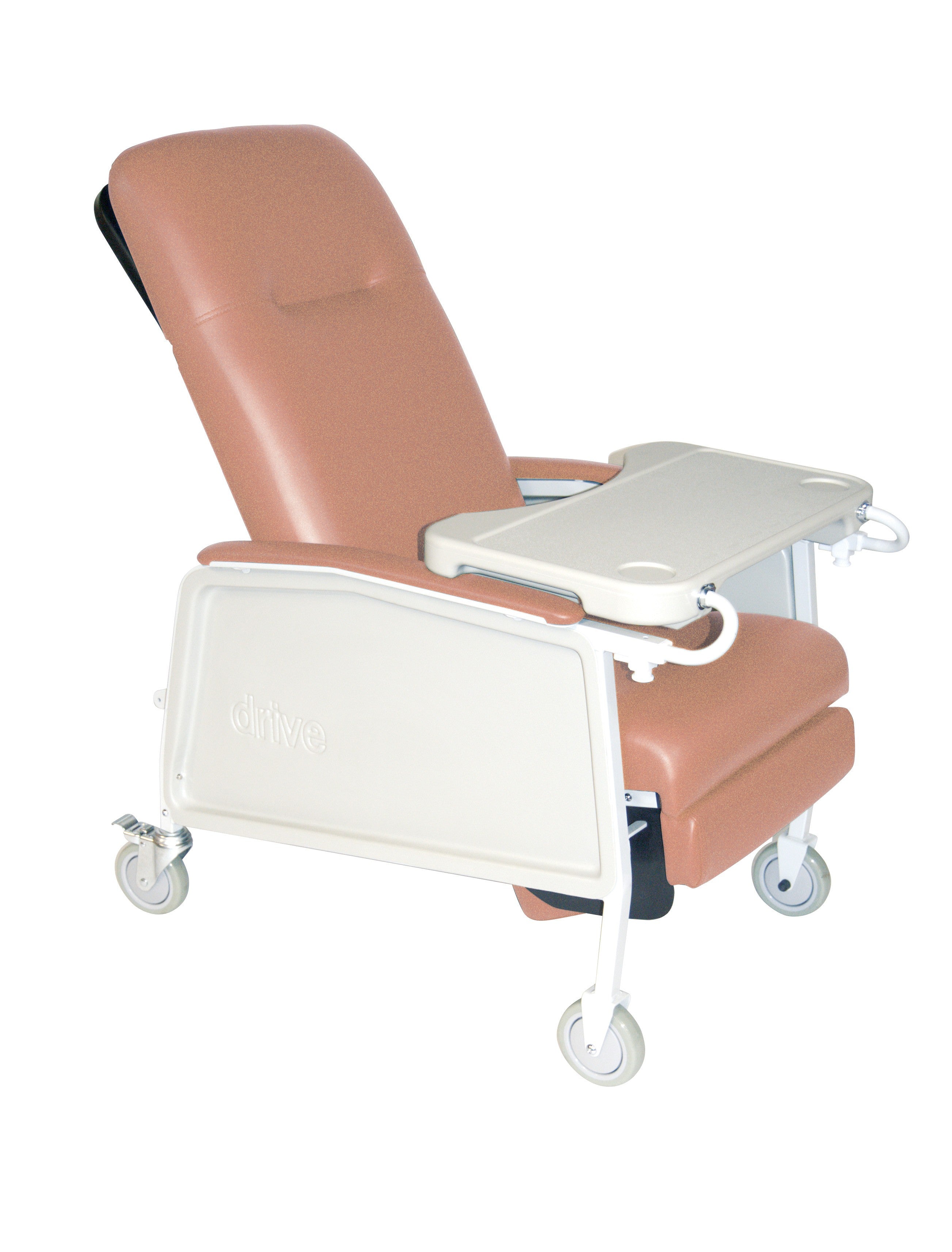
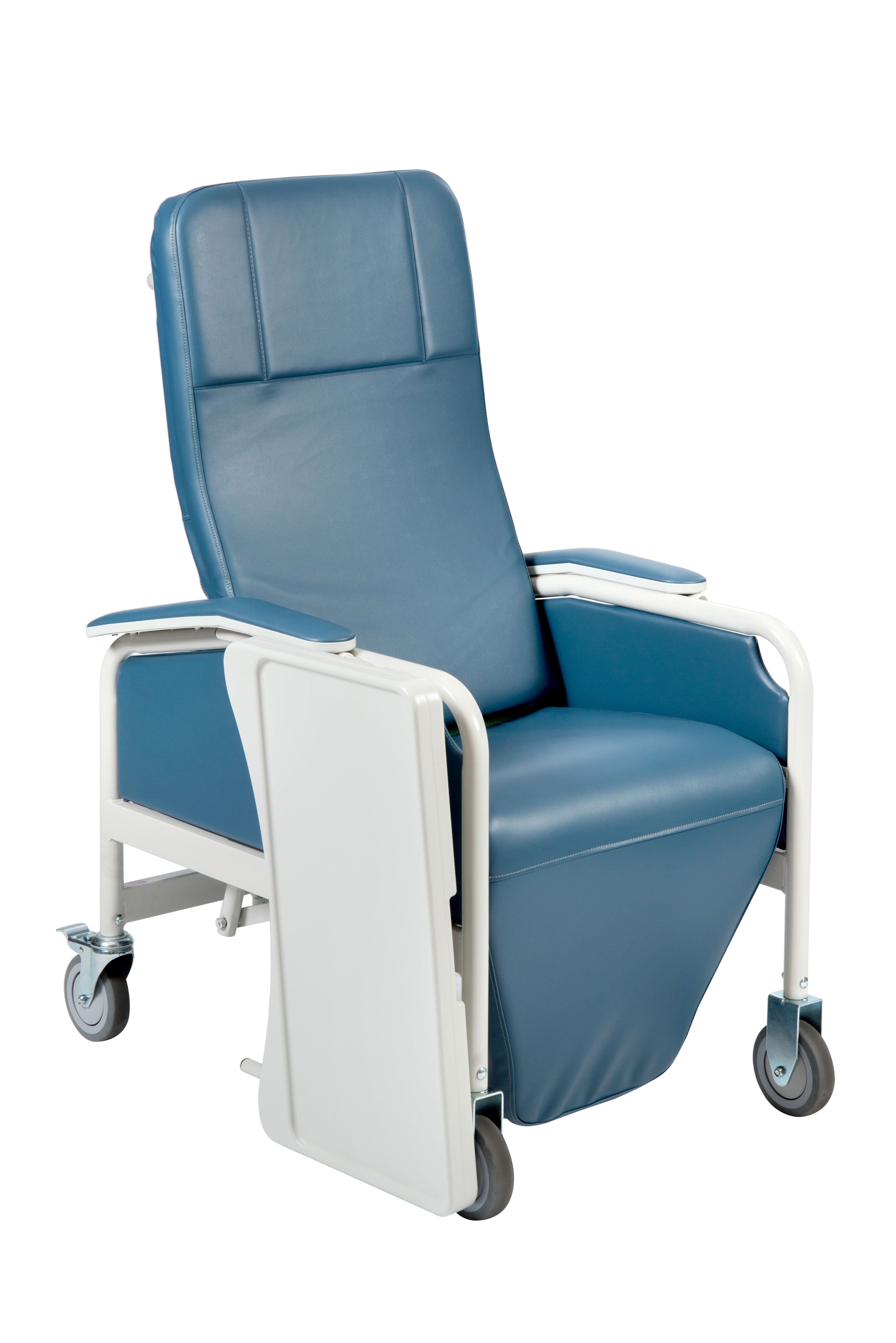
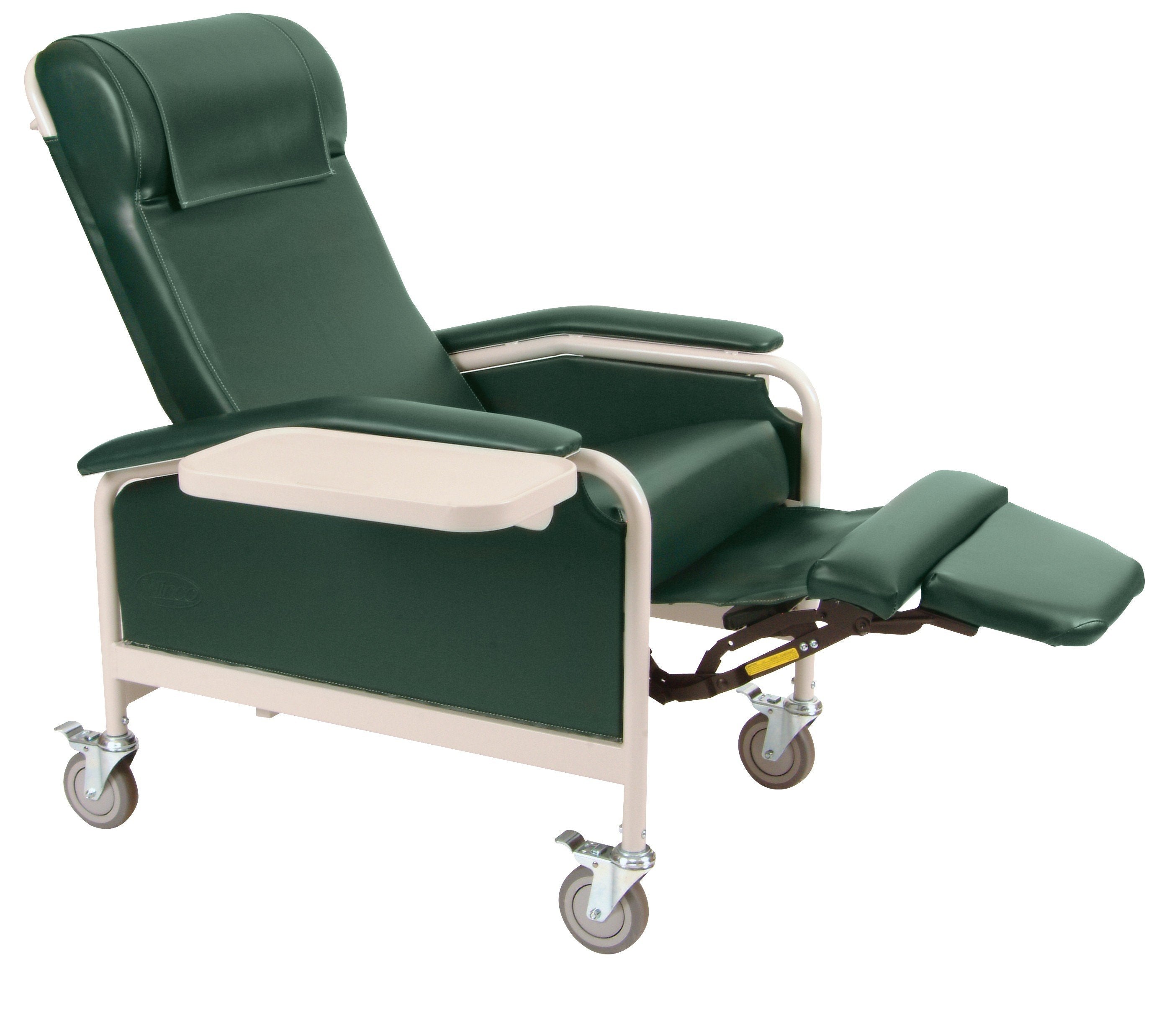
Lift chairs and geriatric recliners: Among the most-needed items for parents with mobility or recovery challenges. Look for appropriate weight capacity, heat and massage features, and seat height compatibility with the measurements you gathered earlier.
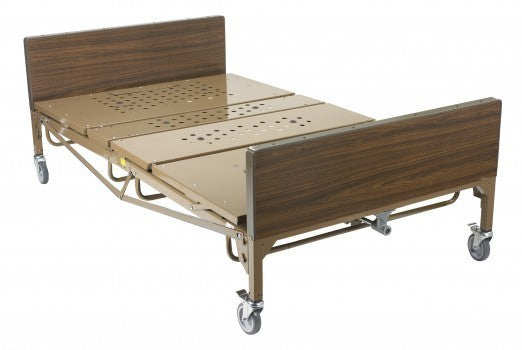
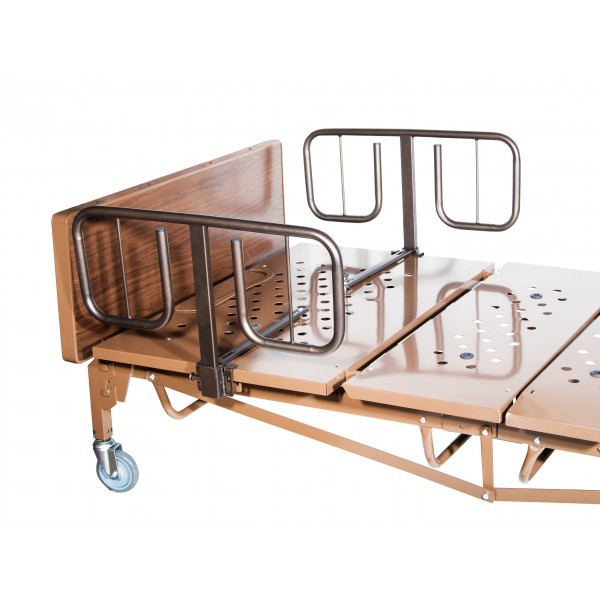
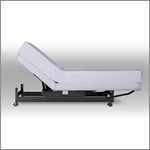
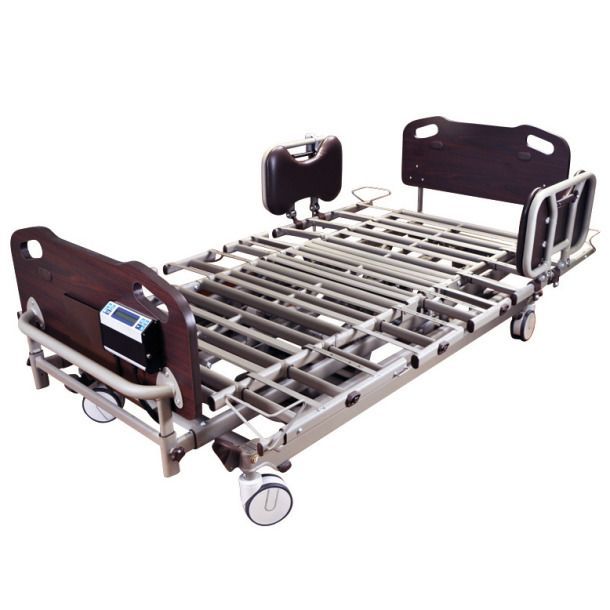
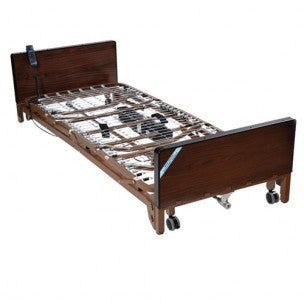
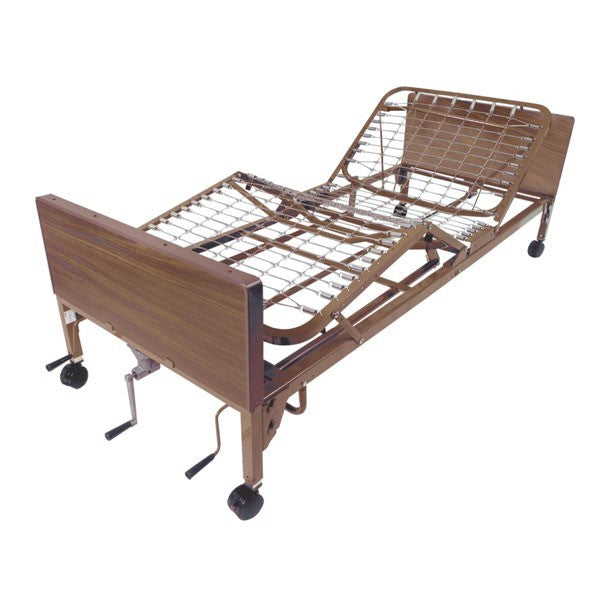
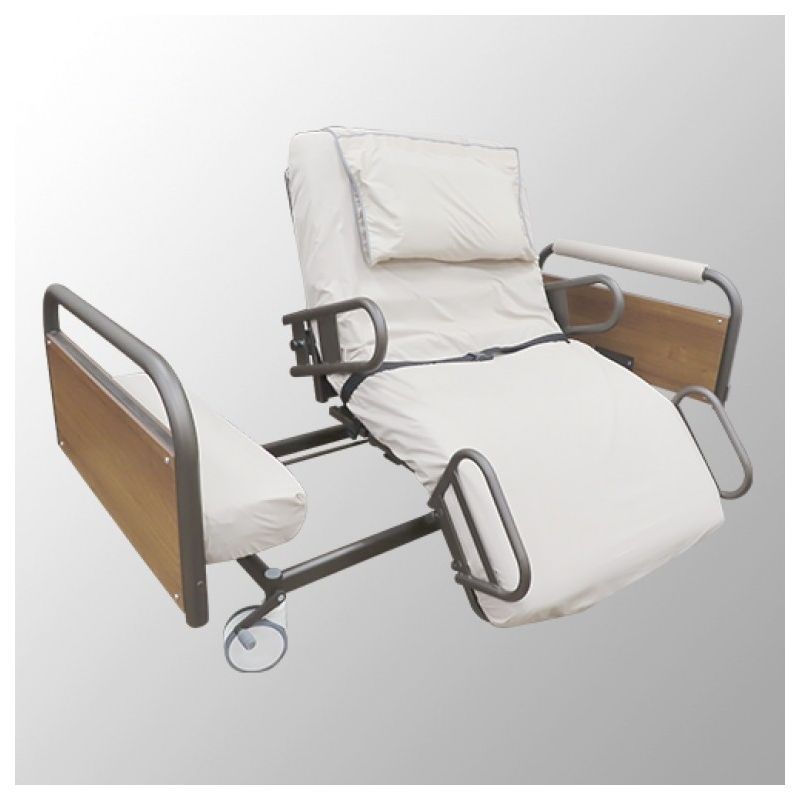
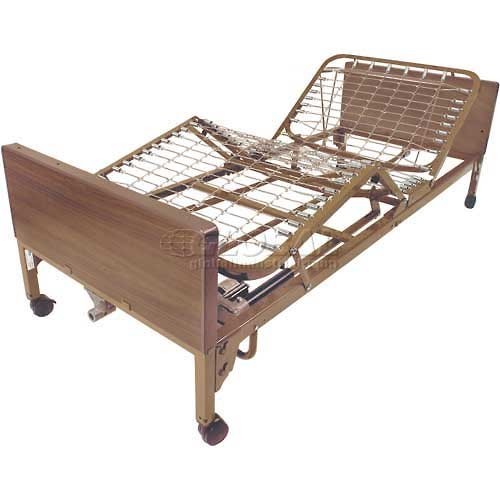
Hospital beds for home use: Adjustable height and head/foot positioning reduce fall risk during transfers. Proper transfer equipment can reduce caregiver injury rates by 40%.
Rollators and walkers: Lightweight, folding models are easiest to ship and store. Confirm wheel size matches the flooring type in the home; small wheels can catch on thick carpet.
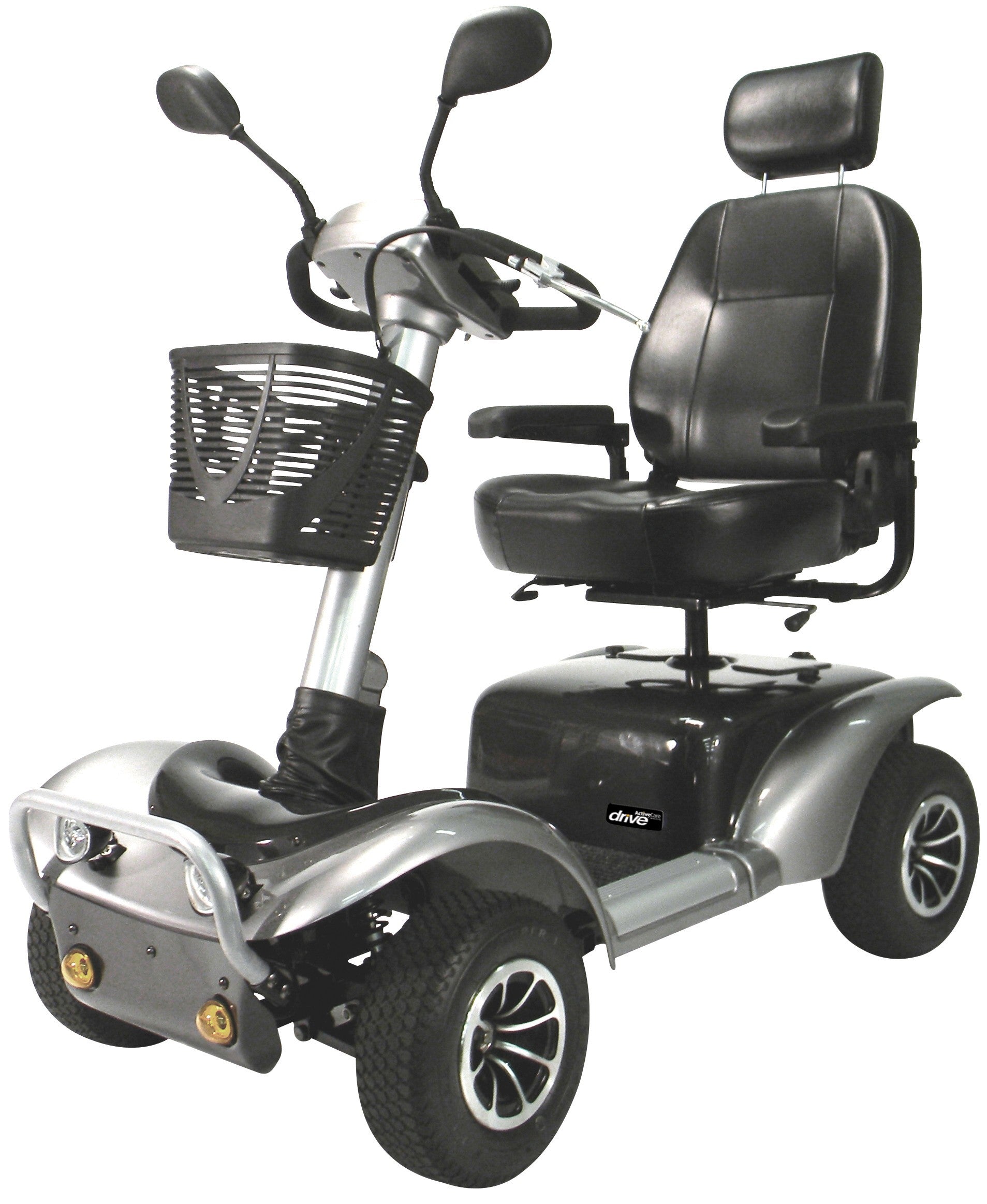
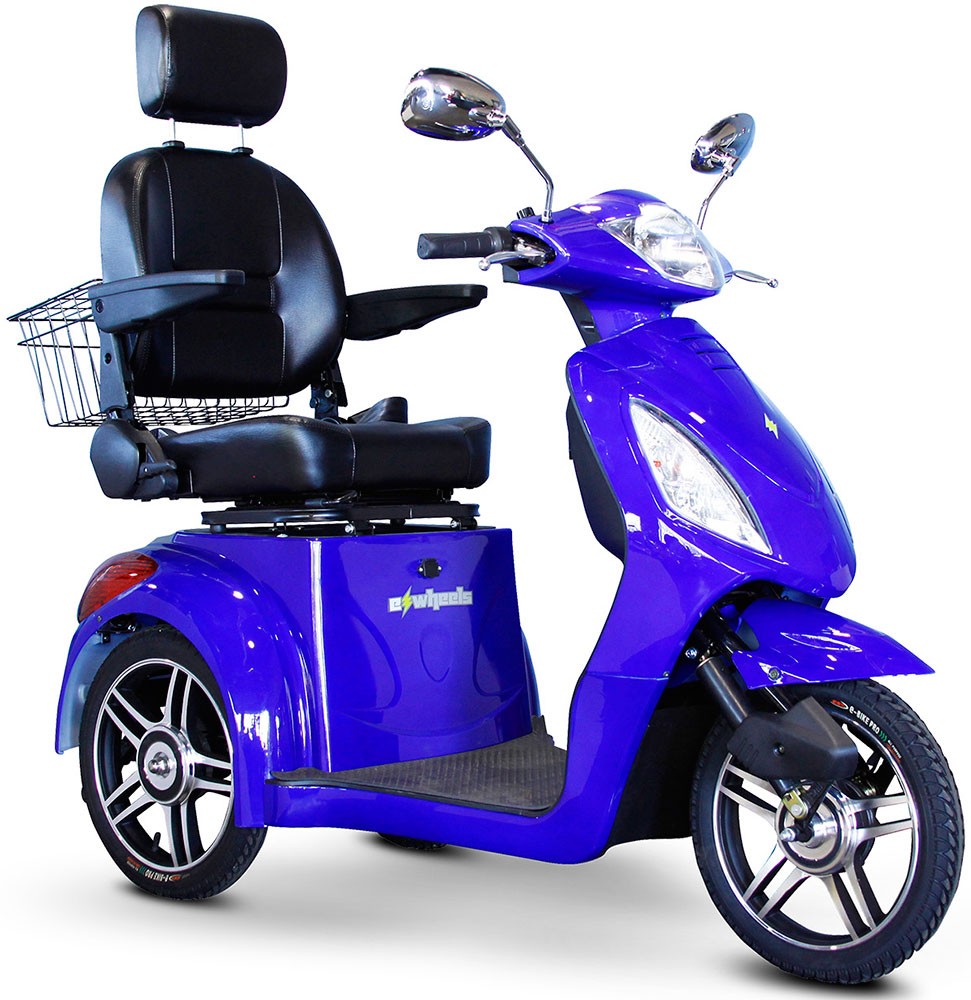
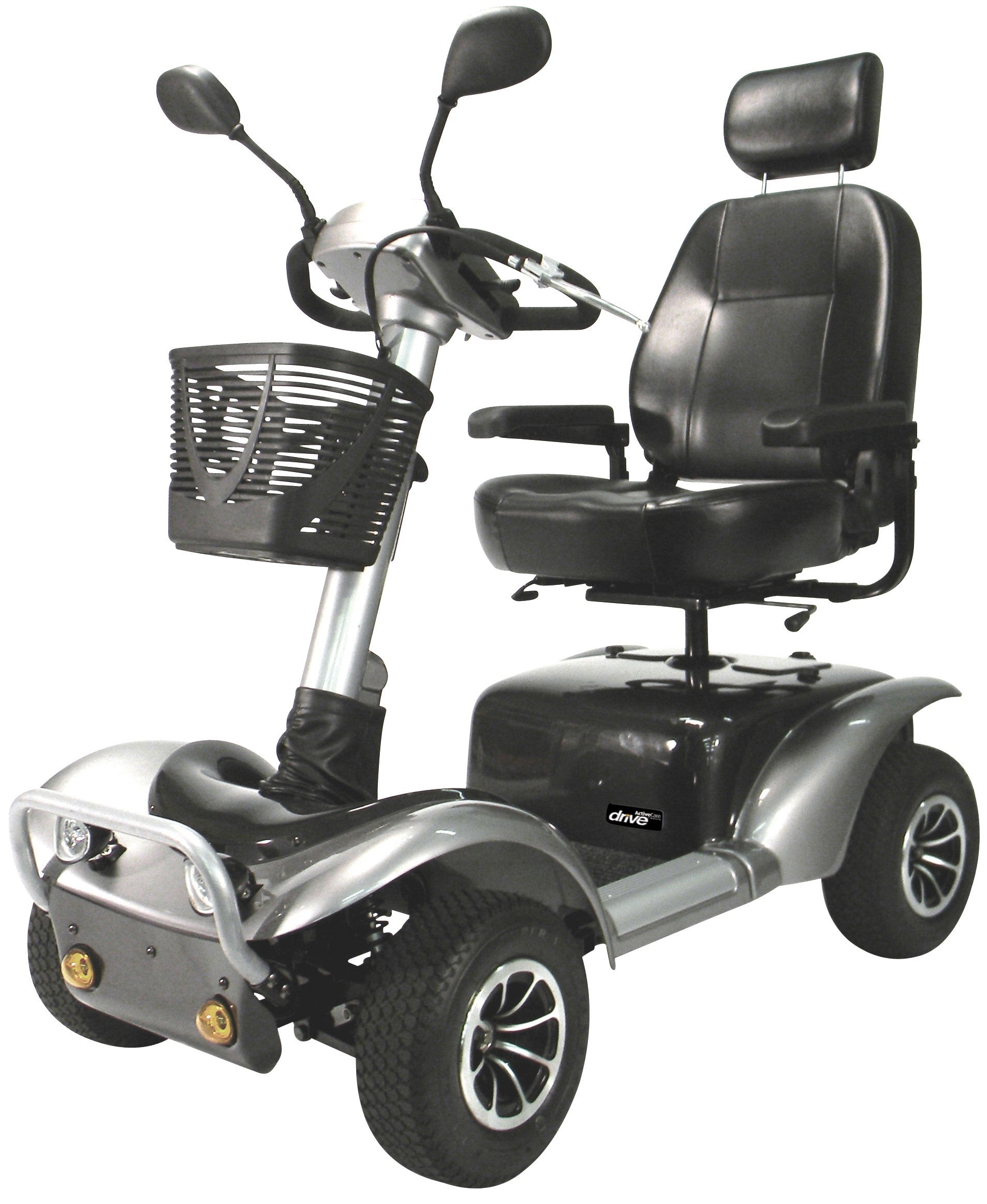
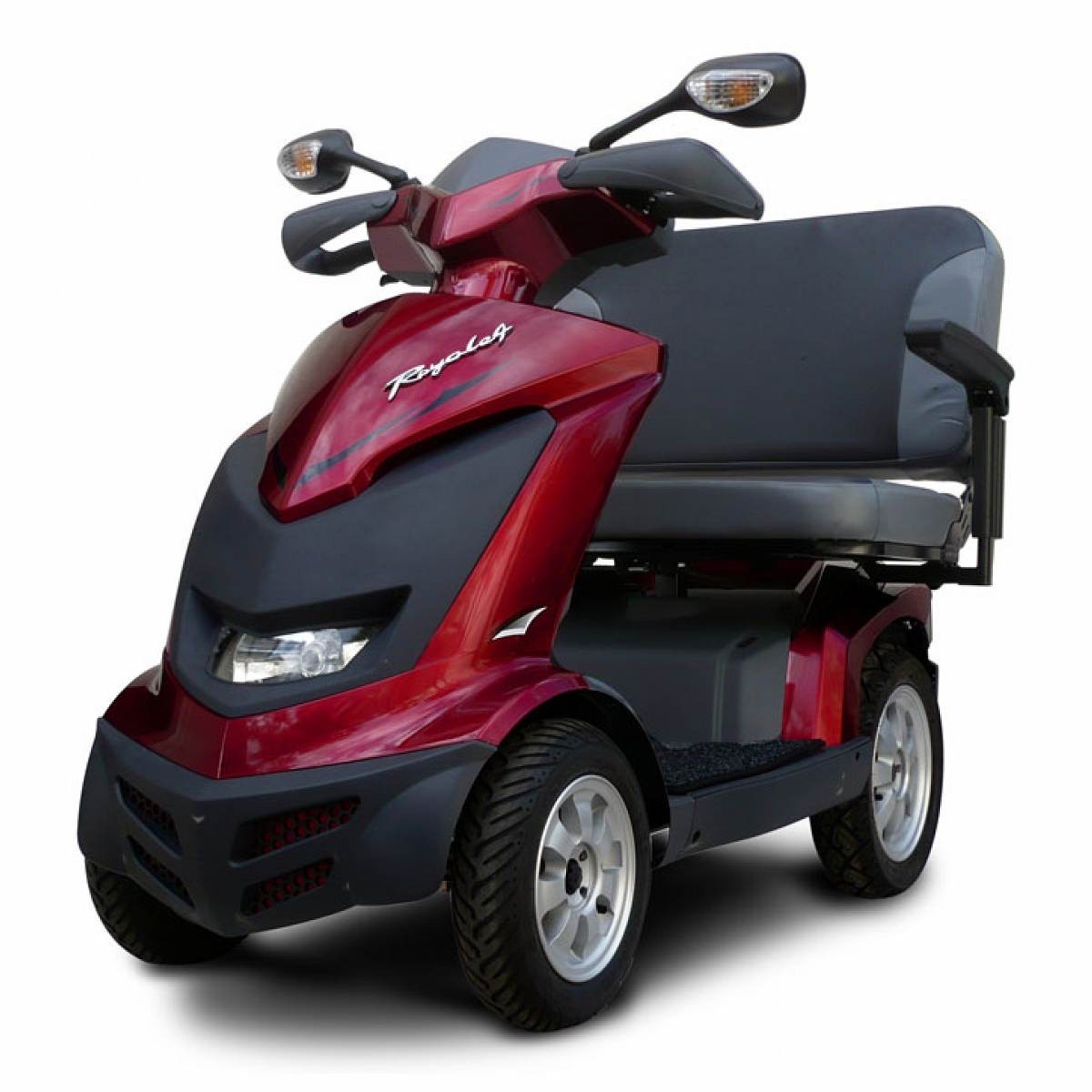
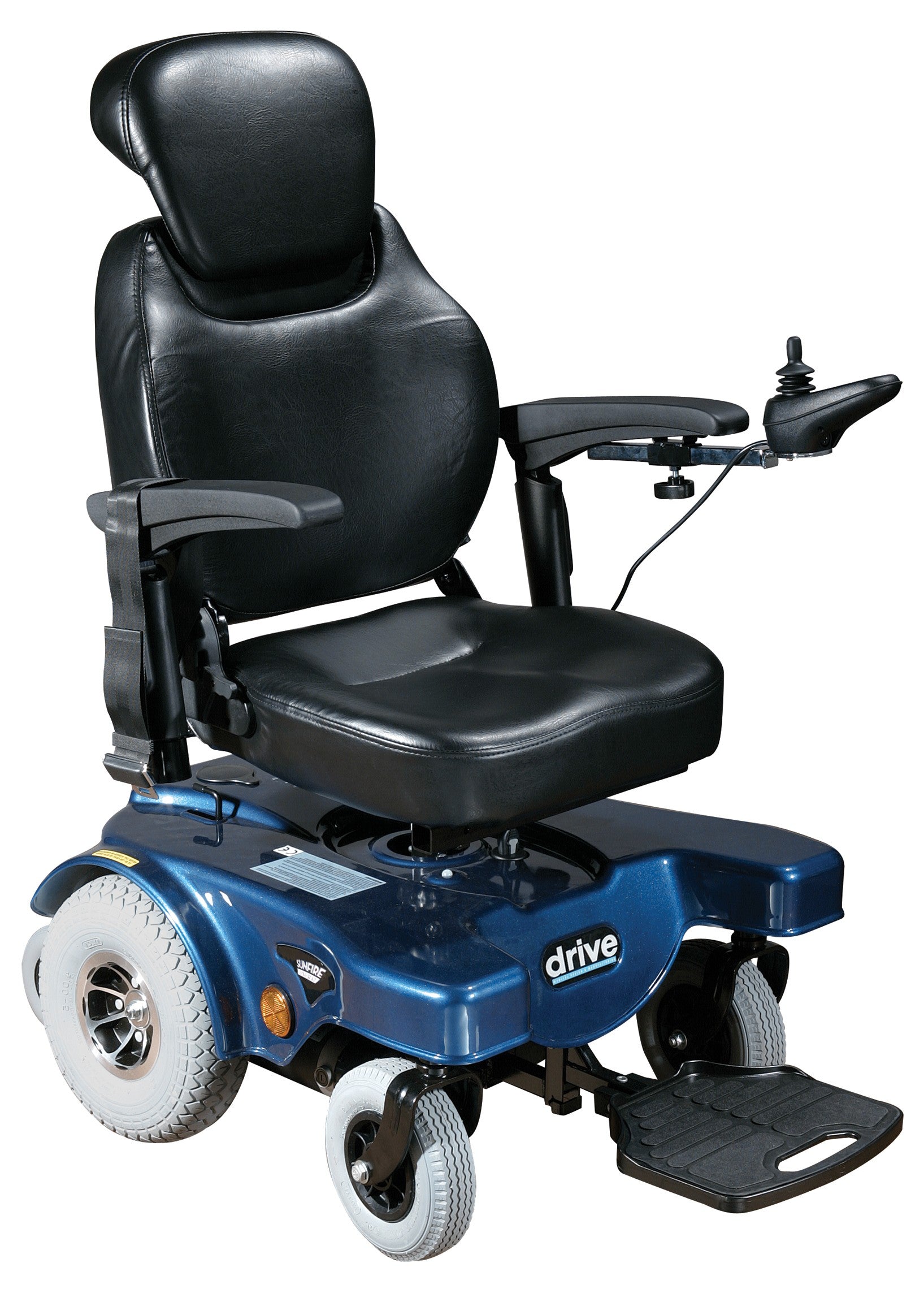
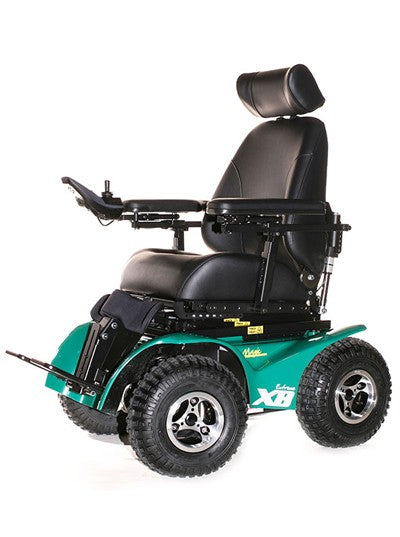
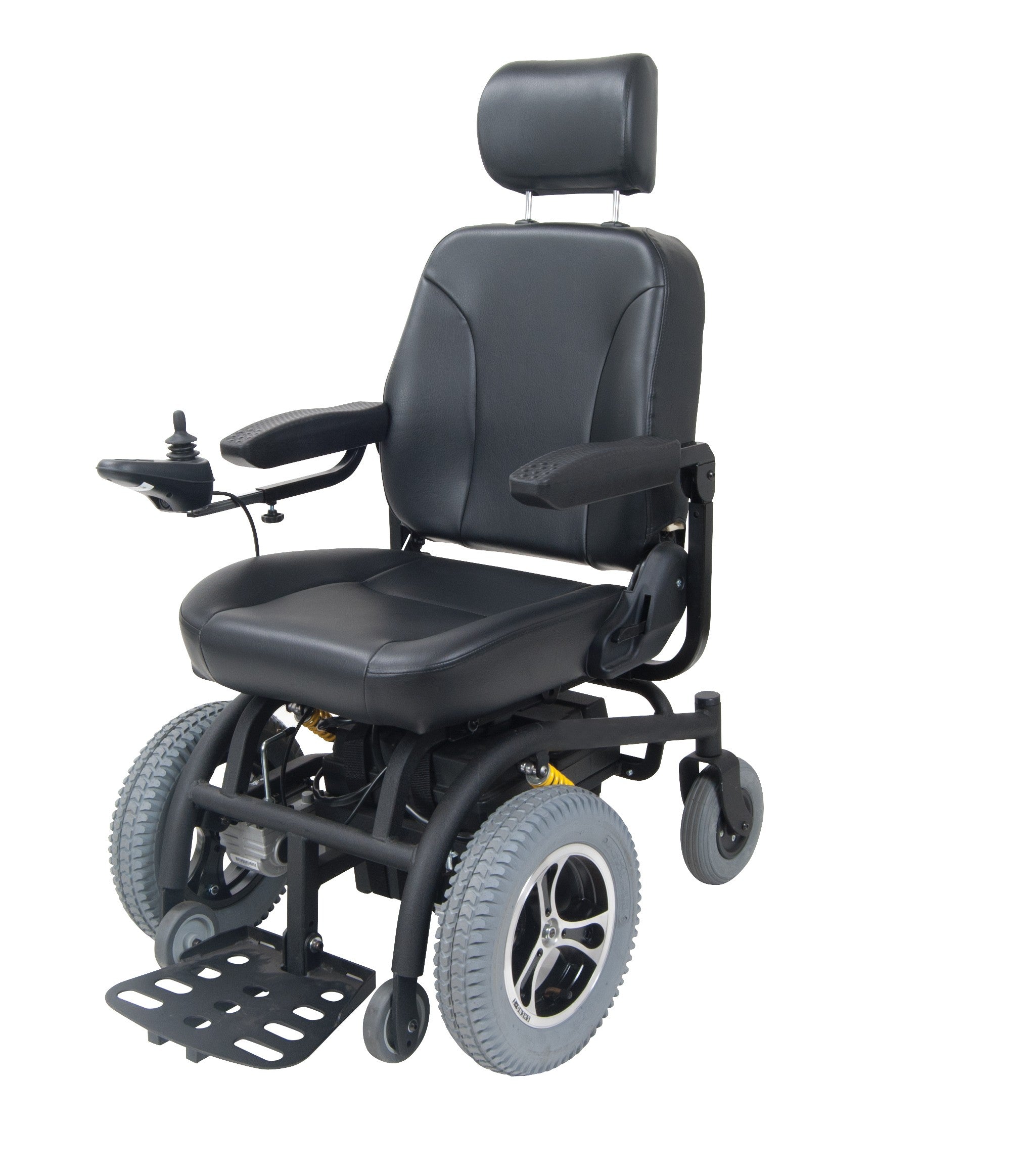
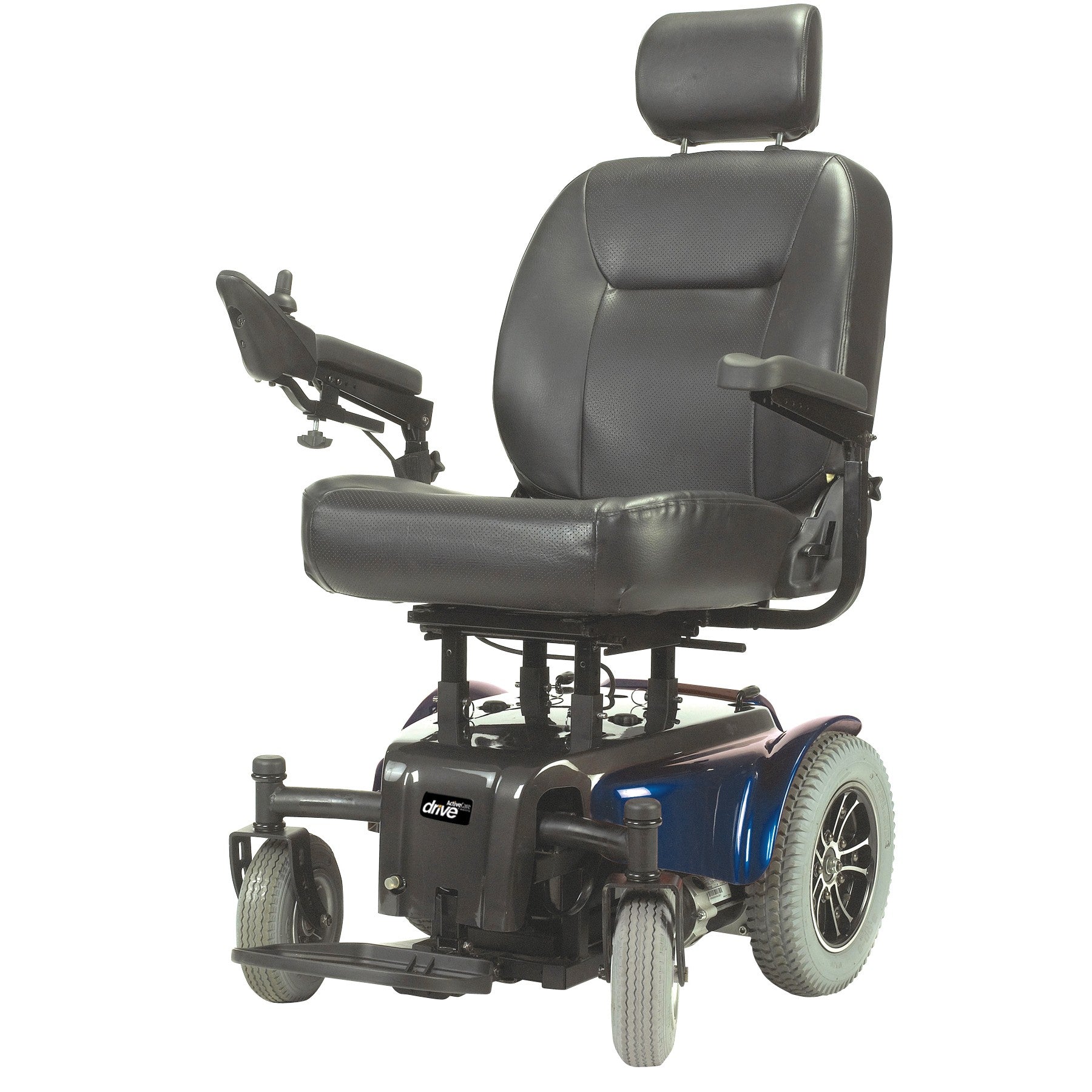
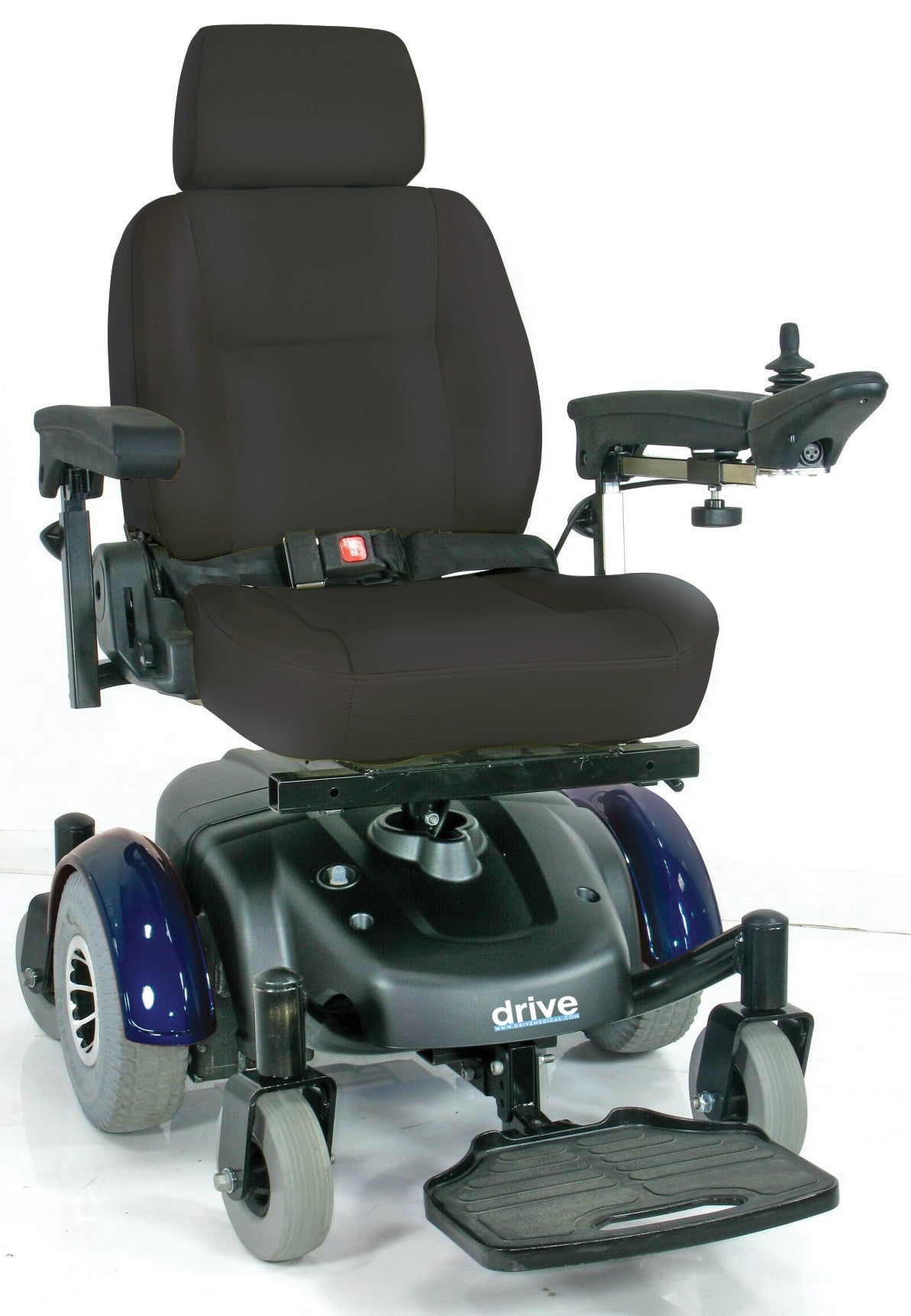
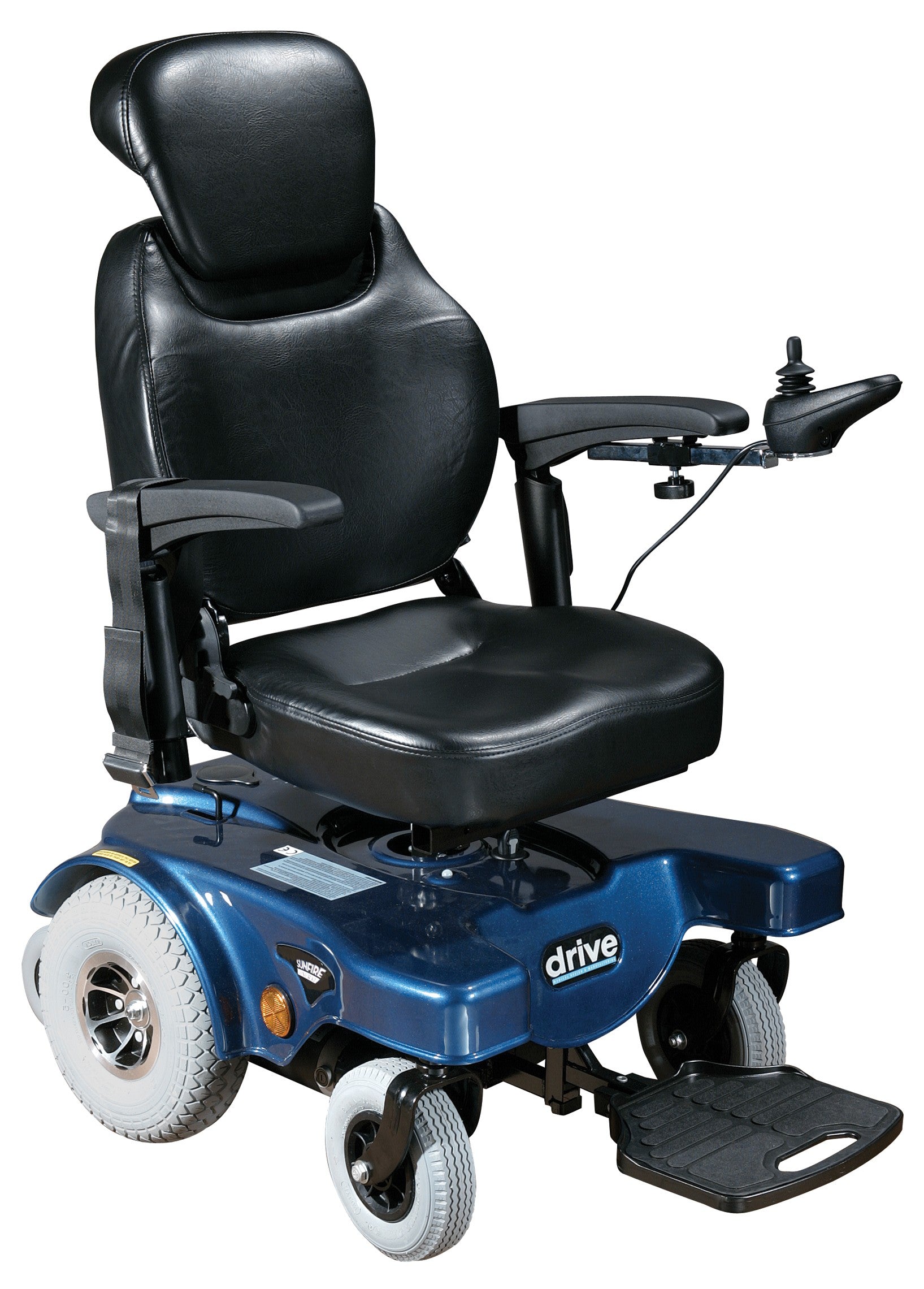
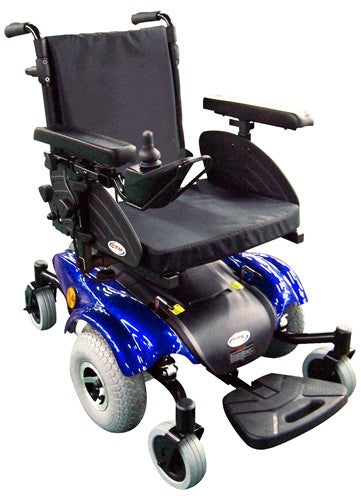
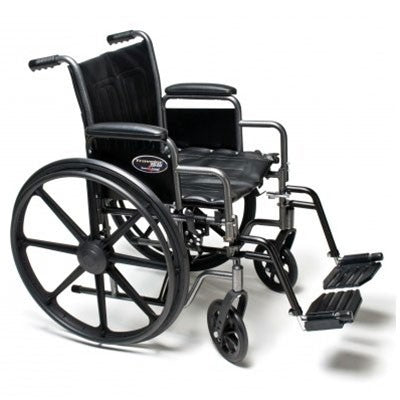
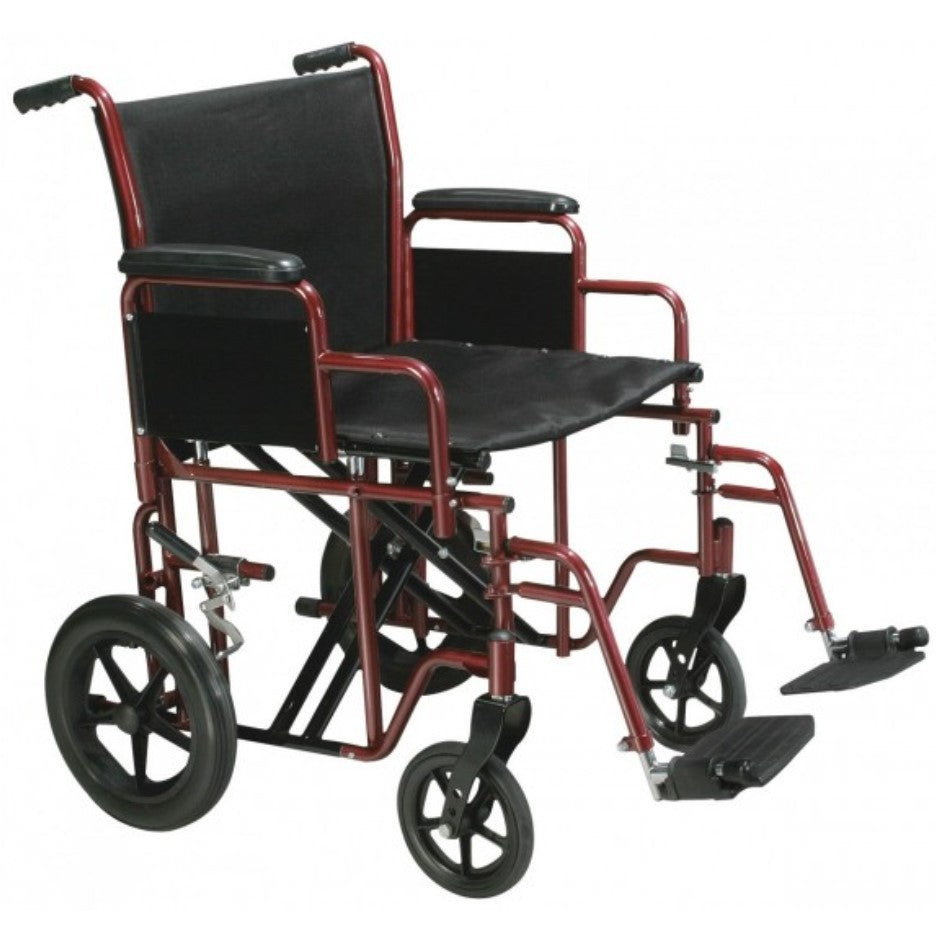
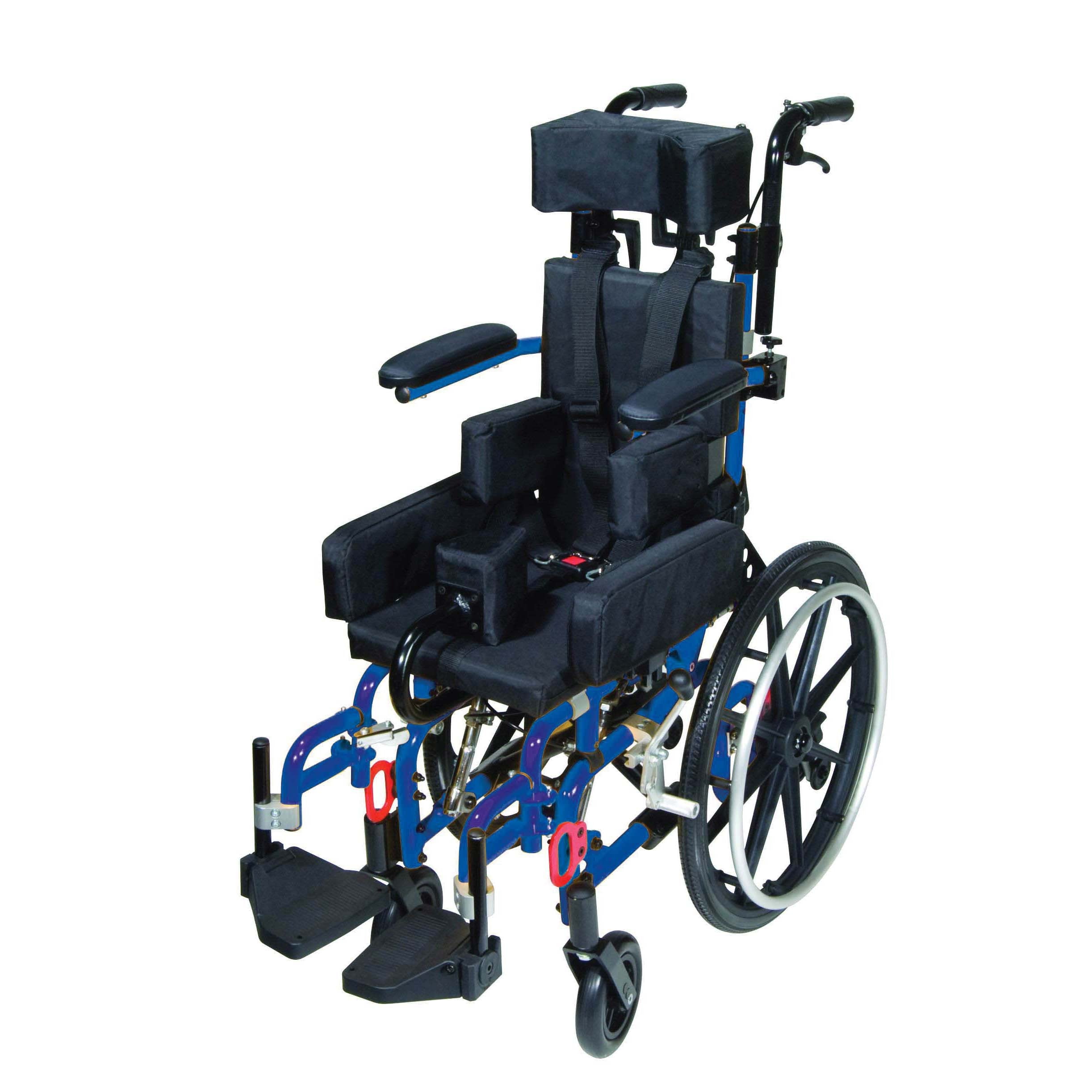
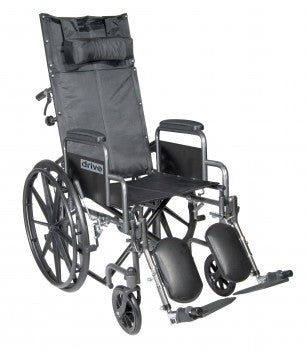
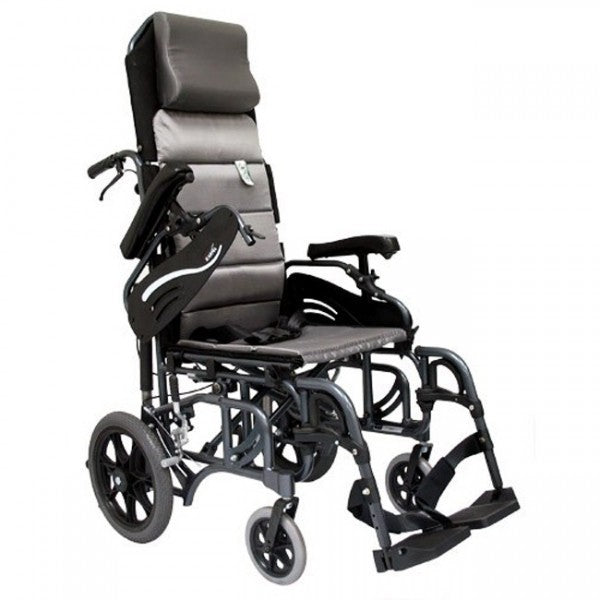
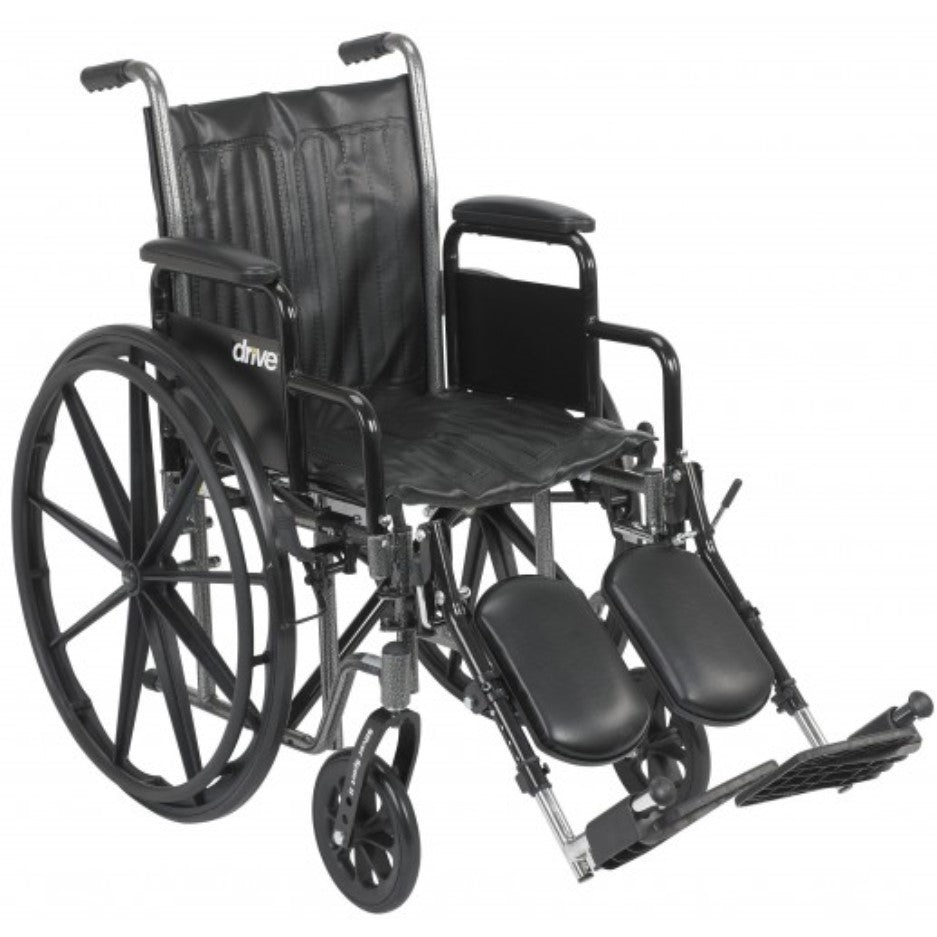
Power wheelchairs and scooters: Standard models support up to 350 lbs; bariatric models handle 500 to 700 lbs or more. Never assume a standard model is sufficient without confirming weight and body measurements first.
Bathroom safety equipment: Grab bars, shower chairs, and raised toilet seats are high-impact, low-cost items that address the most common fall locations in the home. According to RubyHome, more than 14 million seniors fall each year.
A 2025 systematic review of 20 studies found that strategic home equipment can reduce informal caregiver hours by up to 42% and decrease caregiver back injuries by up to 60%. Think of equipment not as an expense, but as an investment in both your parent's safety and your own wellbeing.
Your Before-You-Order Checklist: Putting It All Together
Before you place your order, confirm you've completed each of these steps:
- Remote assessment questions answered (daily routine, mobility patterns, cognitive ability, indoor vs. outdoor use)
- All 6 measurements gathered (doorways, hallway turning space, thresholds, seat width, user height/weight, bed and chair height)
- Payment method confirmed (Medicare, HSA/FSA, financing, or direct purchase)
- Delivery coordinator identified and briefed
- Retailer's return policy and support availability reviewed
Ordering equipment from a distance is an act of care, not a shortcut. The right equipment, chosen carefully, protects your parent's independence and reduces your own stress and financial burden.
Consider the numbers. According to AllHeart Home Care, assisted living averages $54,000 per year. Basic home modifications and equipment typically cost $3,000 to $15,000. For most families, home-based equipment is dramatically more cost-effective.
Your parent likely wants to stay home, too. According to Retirement Living, 93% of adults 65 and older currently live in their own home, and about 60% say they'd rather stay home and receive care there than move to a facility. The equipment you order supports that wish.
Our recommendation: Call a live US-based product specialist before you order. Confirm sizing, compatibility, and payment options. At American Quality Health Products, our specialists are available six days a week and have been helping families navigate these exact decisions since 2001. That one conversation prevents the most common and costly mistakes long-distance caregivers make.
Sources
- AARP & National Alliance for Caregiving — Caregiving in the US 2025
- Family Caregiver Alliance — Caregiver Statistics: Demographics
- Fortune Business Insights — Home Healthcare Equipment Market
- Center for American Progress — Does Medicare Still Cover Durable Medical Equipment?
- MedicareResources.org — Does Medicare Cover Durable Medical Equipment?
- Home Medical Inc. — Top Medical Supplies to Make Home Care Easier for Caregivers
- RubyHome — Aging in Place Statistics
- AllHeart Home Care — Aging in Place in 2026
- Retirement Living — Aging In Place Statistics 2026


