



A single threshold, front step, or vehicle entry can turn an otherwise accessible day into a difficult one. Portable wheelchair ramps create a practical path over those barriers without permanent construction, helping wheelchair users, scooter riders, caregivers, and recovering patients move with greater confidence. The right ramp can support independence at home and make errands, appointments, family visits, and travel more manageable. The wrong ramp length or capacity, however, can create a serious safety concern.
Choosing a ramp is not just about finding one that reaches from Point A to Point B. It requires matching the ramp to the mobility device, the user, the rise being crossed, and the place where it will be used. A lightweight folding ramp may be ideal for a few steps at a relative's home, while a multi-fold ramp may be a better choice for a power wheelchair entering a vehicle.
Start With the Rise, Not the Ramp Length
The most common purchasing mistake is choosing a ramp that is too short. Short ramps create steep inclines, which can make a manual wheelchair difficult to propel and increase the risk of a scooter or power chair losing traction or bottoming out.
Measure the vertical rise from the ground to the top of the threshold, step, porch, or vehicle floor. Measure straight up and down, not along the slope of an existing surface. As a general planning guideline, one inch of rise for every 12 inches of ramp length provides a gradual slope. For example, a 6-inch rise may call for approximately 6 feet of ramp length.
That guideline is a useful starting point, not a replacement for evaluating the real situation. A user who operates a heavy power wheelchair, has limited upper-body strength, or relies on a caregiver may benefit from a longer, gentler ramp. Available space also matters. If a 10-foot ramp is safest but there is only room for 6 feet, a different access solution may be needed rather than forcing a steep ramp into the area.
Match Portable Wheelchair Ramps to the Mobility Device
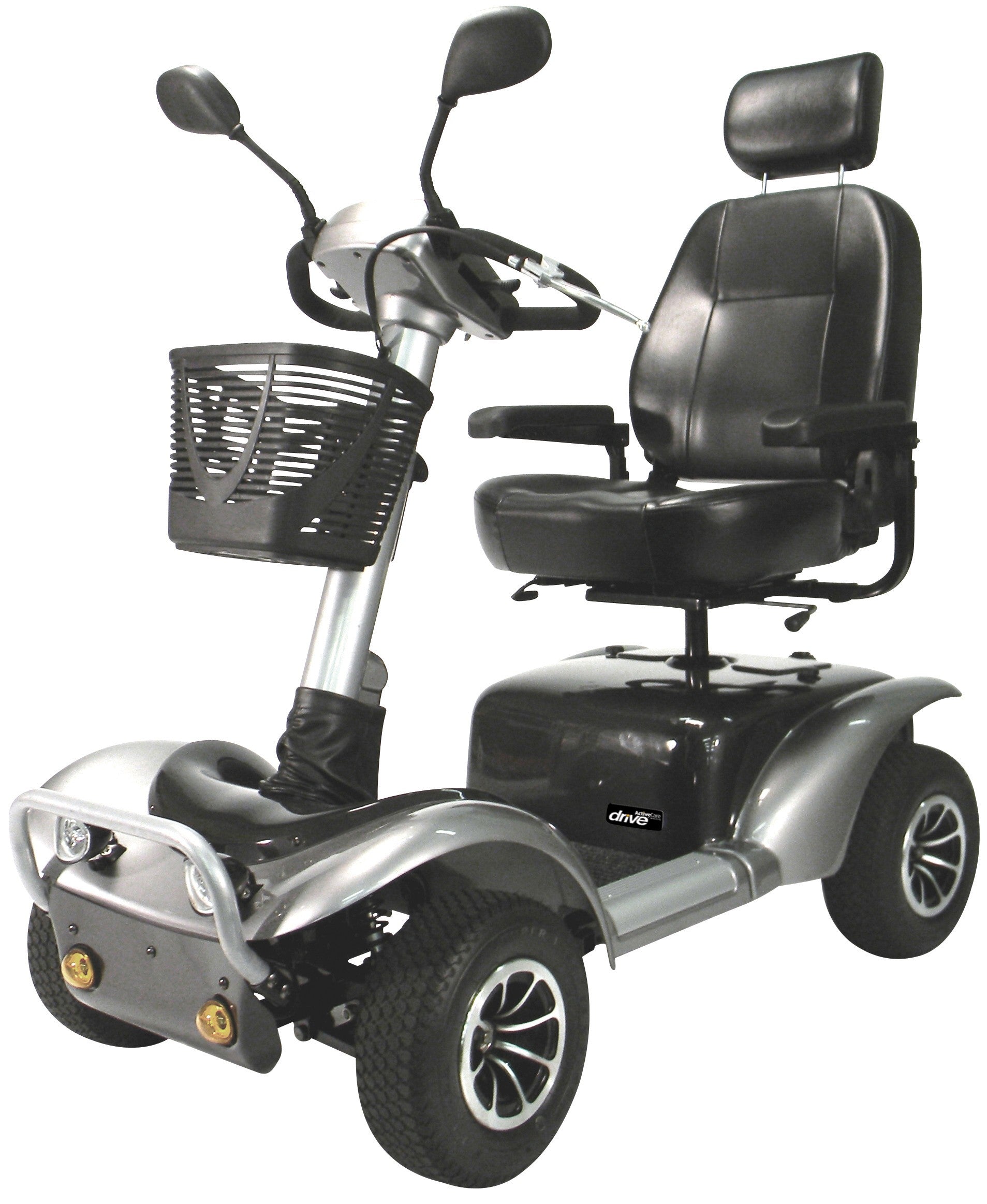
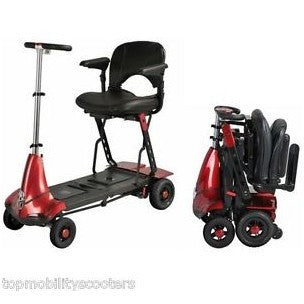
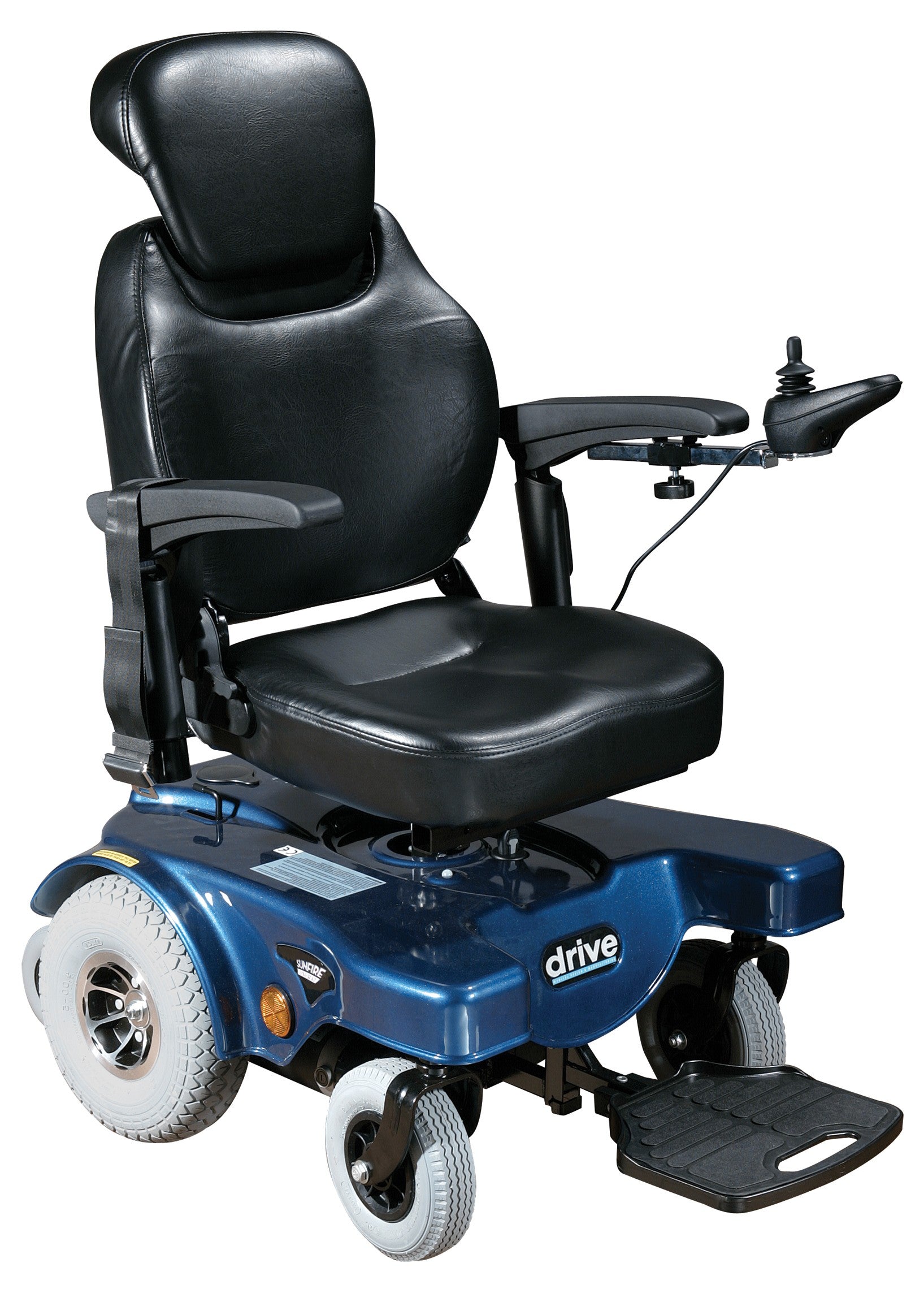
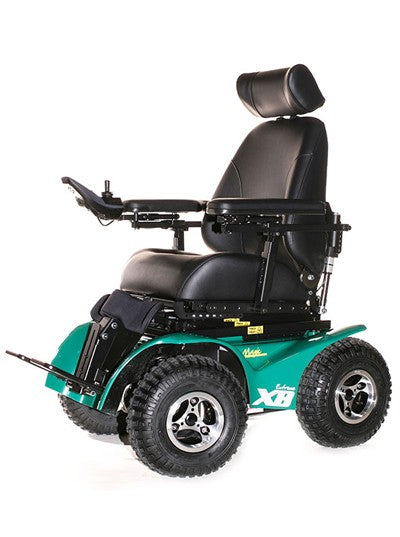
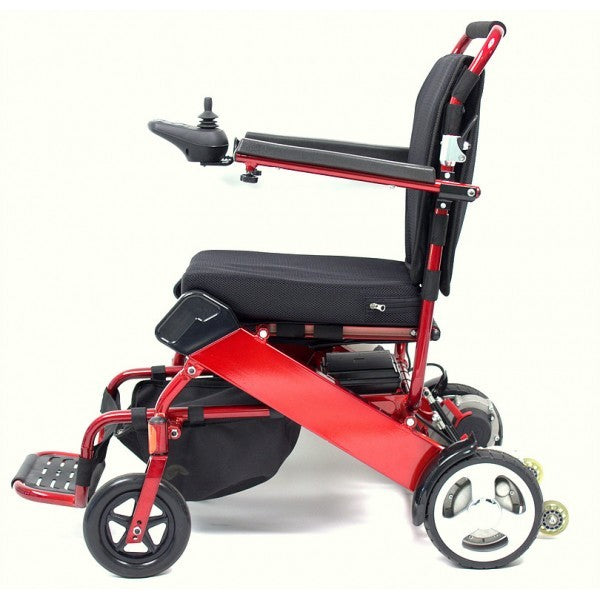
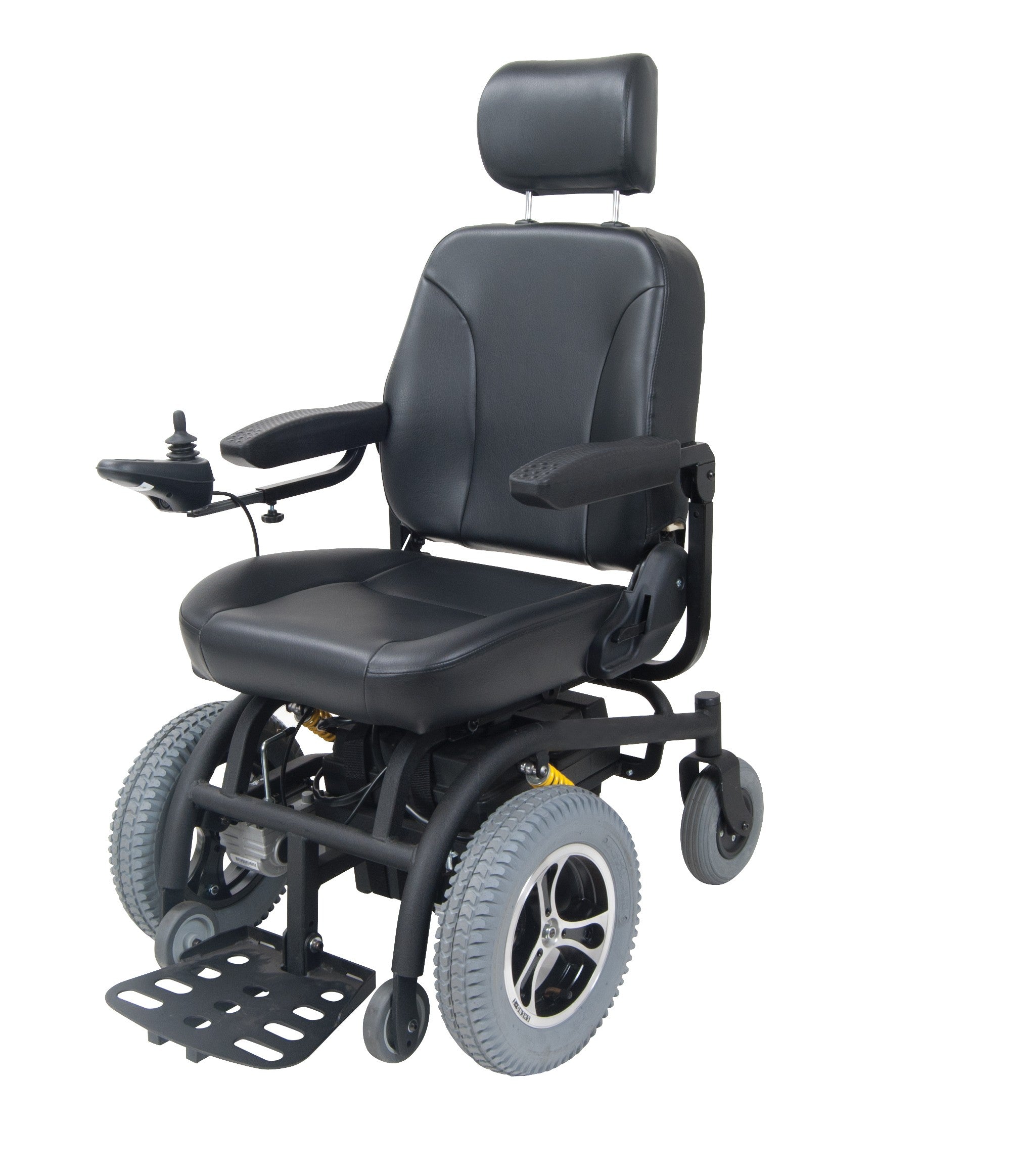
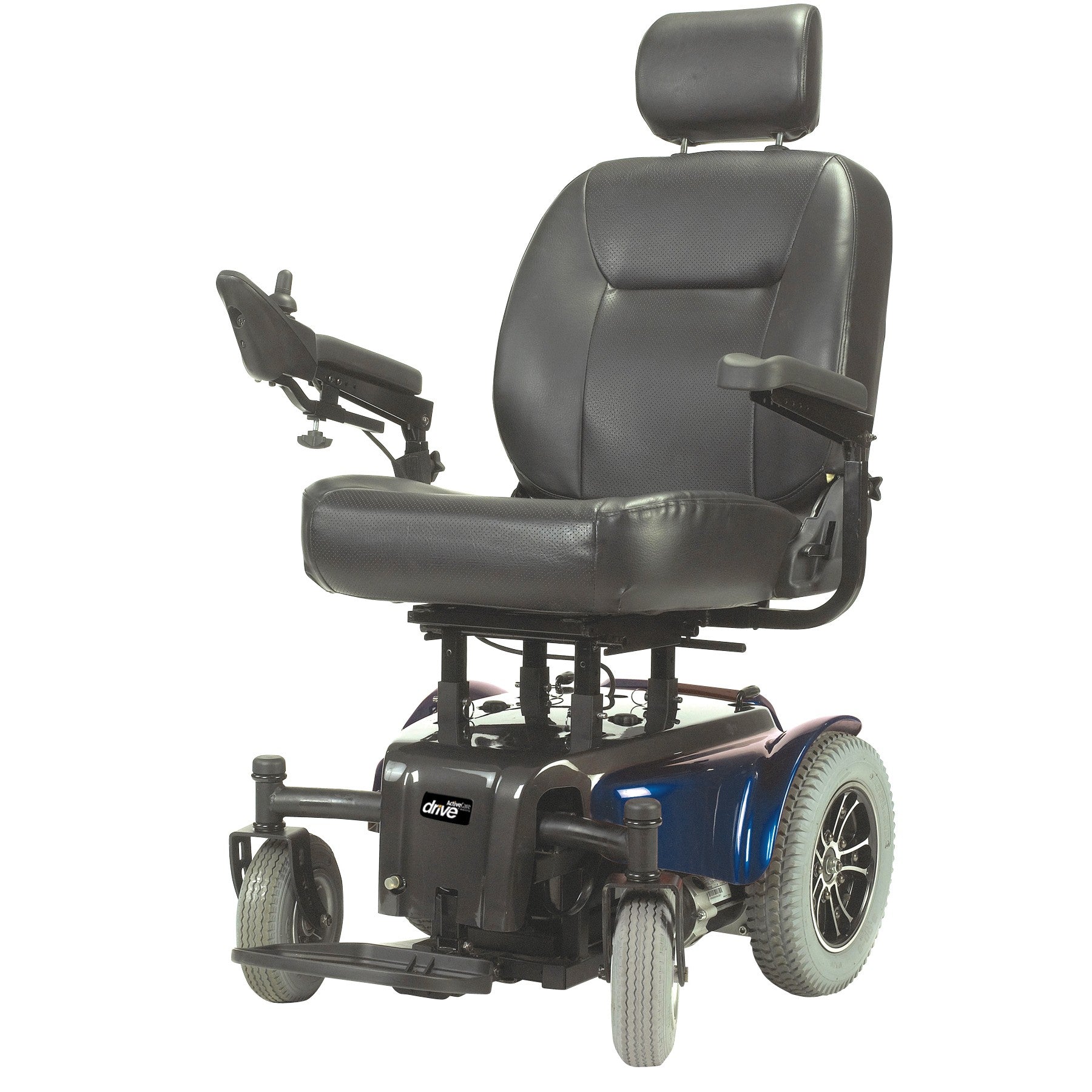
A ramp must work with the equipment being used every day. Manual wheelchairs, travel scooters, power wheelchairs, and bariatric mobility devices can have very different dimensions, weights, and wheel configurations.
First, confirm the ramp's usable width. The mobility device's overall width should fit comfortably between any raised edges or side rails, with enough room to travel straight without wheels riding too close to the sides. This is especially important for users who may need assistance steering up the ramp.
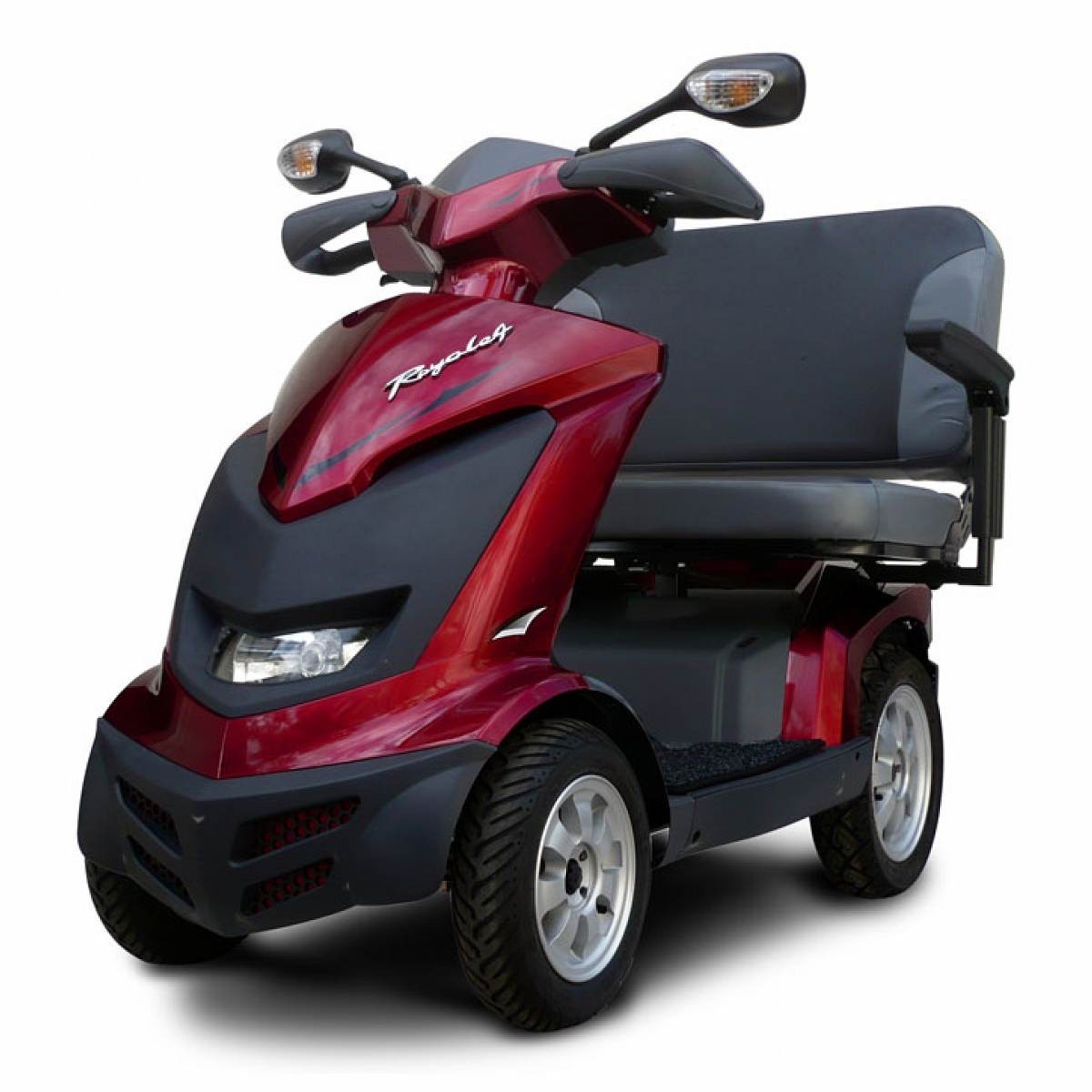
Next, consider ground clearance and wheelbase. Some scooters and power chairs have low undercarriages that can scrape at the top or bottom transition of a ramp. A ramp with a smooth, gradual lip can reduce that issue. Longer devices may also need more clearance so the frame does not catch at the crest of the incline.
Weight capacity deserves the same careful attention. Add the user's weight to the full weight of the wheelchair or scooter, plus accessories, medical equipment, oxygen, groceries, or anything else likely to be carried. The total should remain below the ramp's stated capacity, with a comfortable margin rather than operating at the limit.
Choose the Right Style for Where You Need Access
Portable ramps come in several designs because access needs are rarely identical. The best style depends on whether the ramp will stay in one location, move between homes, travel in a vehicle, or be carried by one person.
Single-Fold Ramps
Single-fold ramps typically open in half lengthwise for carrying and storage. They provide a continuous, stable platform that works well for wheelchairs and many scooters. This design is a practical choice for steps, curbs, and vehicle access when you want solid footing and straightforward setup.
Their trade-off is size. Longer single-fold models can be awkward to carry, even when folded, so check the folded dimensions and ramp weight before choosing one for frequent travel.
Multi-Fold Ramps
Multi-fold ramps fold into smaller sections, making longer lengths easier to store in a vehicle or closet. They are often a strong option when a longer ramp is needed for a safer incline but portability remains a priority.
Because these ramps have more folding points, proper setup is essential. Make sure every section is fully opened, locked as designed, and resting securely on stable surfaces before use.
Threshold Ramps
Threshold ramps are designed for small rises at doorways, sliding-door tracks, or raised interior transitions. They can help a wheelchair or walker pass over an entry lip without a jolt and may remain in place for regular use.
They are not intended to solve a full set of stairs or a high porch entrance. Measure both the threshold height and the available landing space so the ramp sits flat and does not create a new trip hazard.
Telescoping Track Ramps
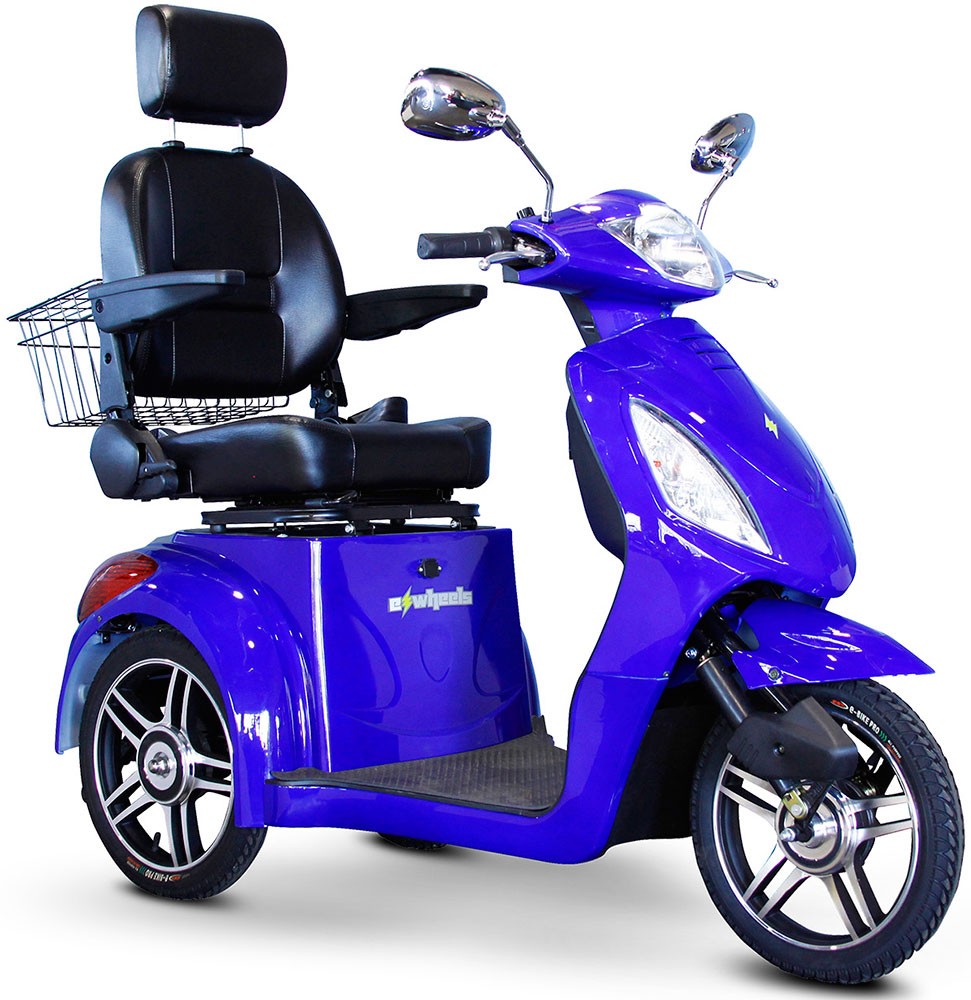
Track ramps use two separate rails rather than one solid platform. They can be compact and flexible, but they require careful placement to match the wheel spacing of the device. They are usually better suited to wheelchairs than three-wheel scooters or devices with a narrow, variable, or unusual wheelbase.
For users who need a simple, consistent setup, a full-width ramp is often easier to position correctly.
Look Closely at Safety Features
A portable ramp should feel stable under the wheels, even when the user stops, starts, or changes direction. A textured, slip-resistant surface helps provide traction in dry conditions and can be particularly valuable around entryways where shoes and tires may be wet.
Raised edges can help prevent wheels from drifting off the side of the ramp. Secure top lips or attachment points help keep the ramp from shifting away from the landing. For vehicle use, confirm that the top of the ramp has solid contact with the vehicle floor or bumper area specified for use by the ramp manufacturer.
Before every use, check for dirt, water, ice, loose hardware, damage, or an uneven landing surface. Never place a ramp on loose gravel, soft ground, stacked boards, or a surface that can shift under load. If the ramp moves when pressed down by hand, it is not ready for a wheelchair or scooter.
Caregivers should also think through the direction of travel. Going down a ramp can require just as much control as going up. A user with limited hand strength, poor balance, or reduced ability to control a mobility device may need a caregiver nearby, particularly on unfamiliar ramps or slopes.
Plan for the Full Route
The ramp itself is only one part of safe access. A clear route before and after the ramp matters just as much. At the bottom, there should be enough level space for the wheelchair or scooter to approach the ramp straight on. At the top, there should be enough room to exit without turning sharply on an incline.
Check doorway width, door swing, and any screen doors or storm doors that could interfere with entry. If the ramp will be used for a vehicle, account for where the user will park, how the ramp will be carried, and whether there is enough room to deploy it safely in common destinations.
For repeated home access, take weather into account. Rain, snow, leaves, and mud can reduce traction. A portable ramp may still be the right fit, but it should be kept clean, inspected regularly, and stored where it is protected when not in use.
Questions to Answer Before You Buy
Before selecting a ramp, have these details ready: the rise you need to cross, the available space for ramp length, the mobility device's width and total loaded weight, and whether the ramp will be used at home, in a vehicle, or in several locations. It also helps to know who will carry and set up the ramp.
If you are buying for a parent, spouse, or patient after surgery, avoid making assumptions based only on their current equipment. A temporary manual wheelchair may later be replaced with a heavier power chair or scooter. Choosing with future use in mind can prevent an unnecessary second purchase.
American Quality Health Products offers mobility equipment designed around real-world independence needs, and knowledgeable assistance can help clarify which ramp style and capacity suit a specific setup. A few accurate measurements and an honest assessment of the user's abilities can make the selection process far simpler.
The best portable ramp is the one that makes everyday movement feel less like a calculated risk and more like a normal part of the day. Measure carefully, choose a manageable slope, and give safety features the same priority as portability.


