
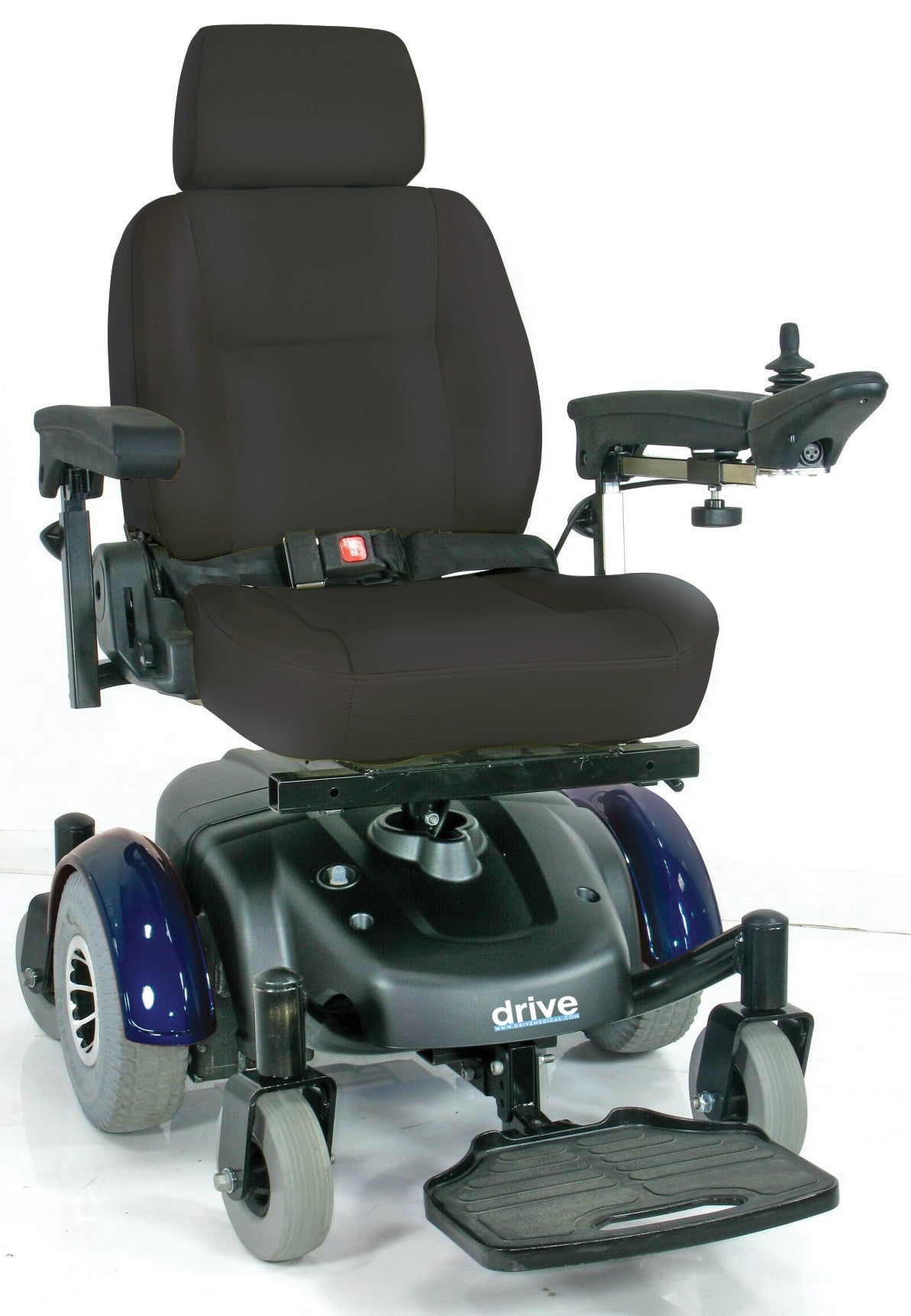
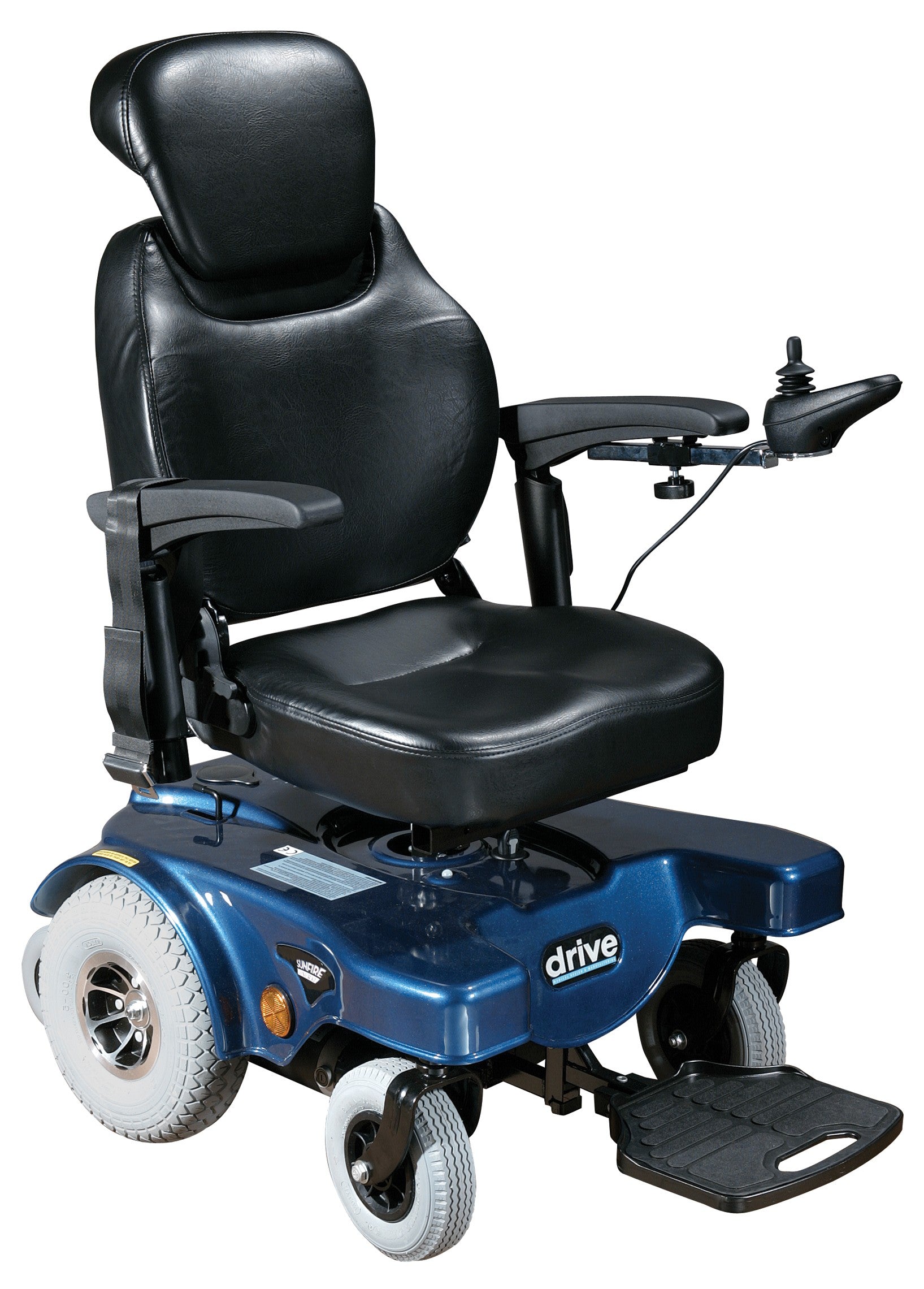
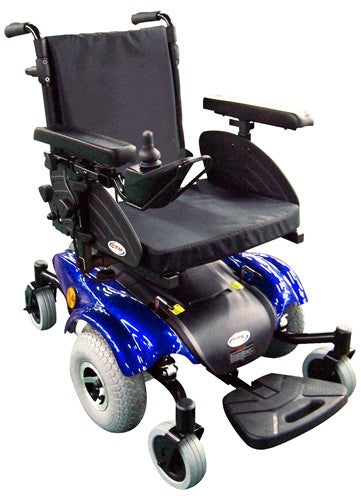
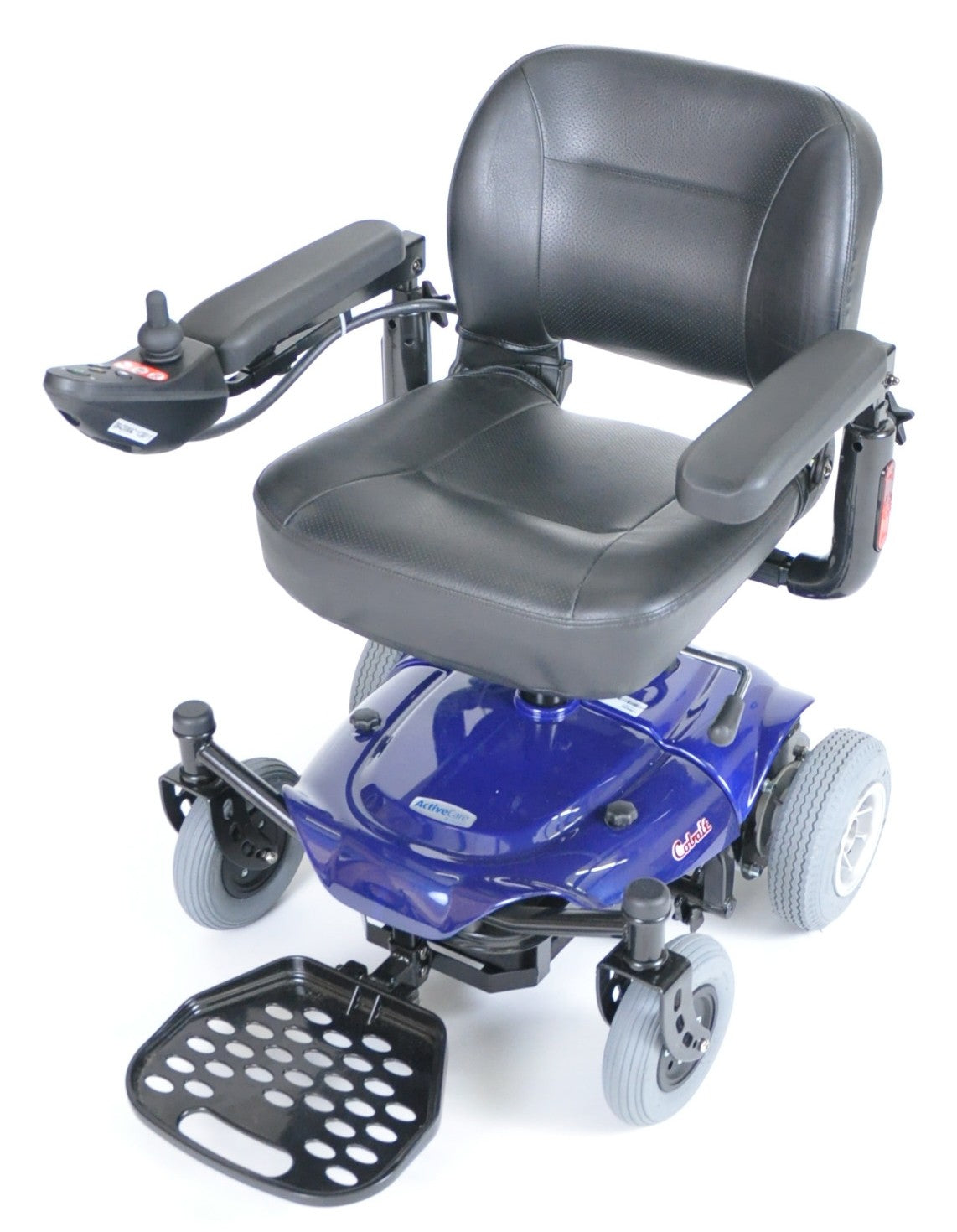


A mobility scooter should make everyday outings feel more manageable, not create a new set of concerns about tight hallways, uneven sidewalks, or getting it into the car. The three wheel vs four wheel scooter decision usually comes down to where you will ride most, how much stability you need, and whether easy maneuvering or outdoor confidence matters more.
Both designs can support greater independence for shopping, appointments, family visits, and time outside. Neither is automatically better for every rider. The right choice is the one that matches the user’s body, environment, transportation needs, and comfort preferences.
Three Wheel vs Four Wheel Scooter: The Key Difference
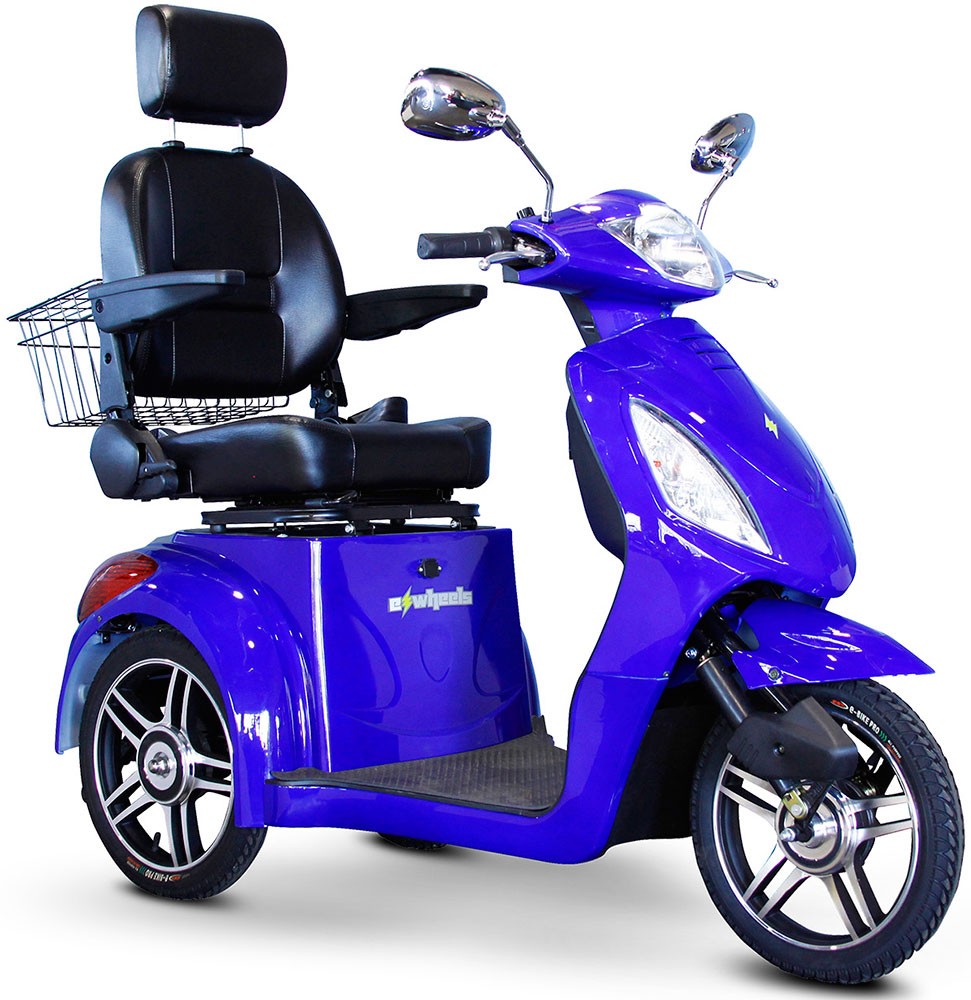
A three-wheel mobility scooter has two rear wheels and one front wheel. Its single front wheel allows a tighter turning radius, which can be especially helpful inside homes, apartments, senior living communities, and busy stores. Most three-wheel models also have more open space around the foot platform, giving riders extra room to position their legs or get closer to a table or counter.
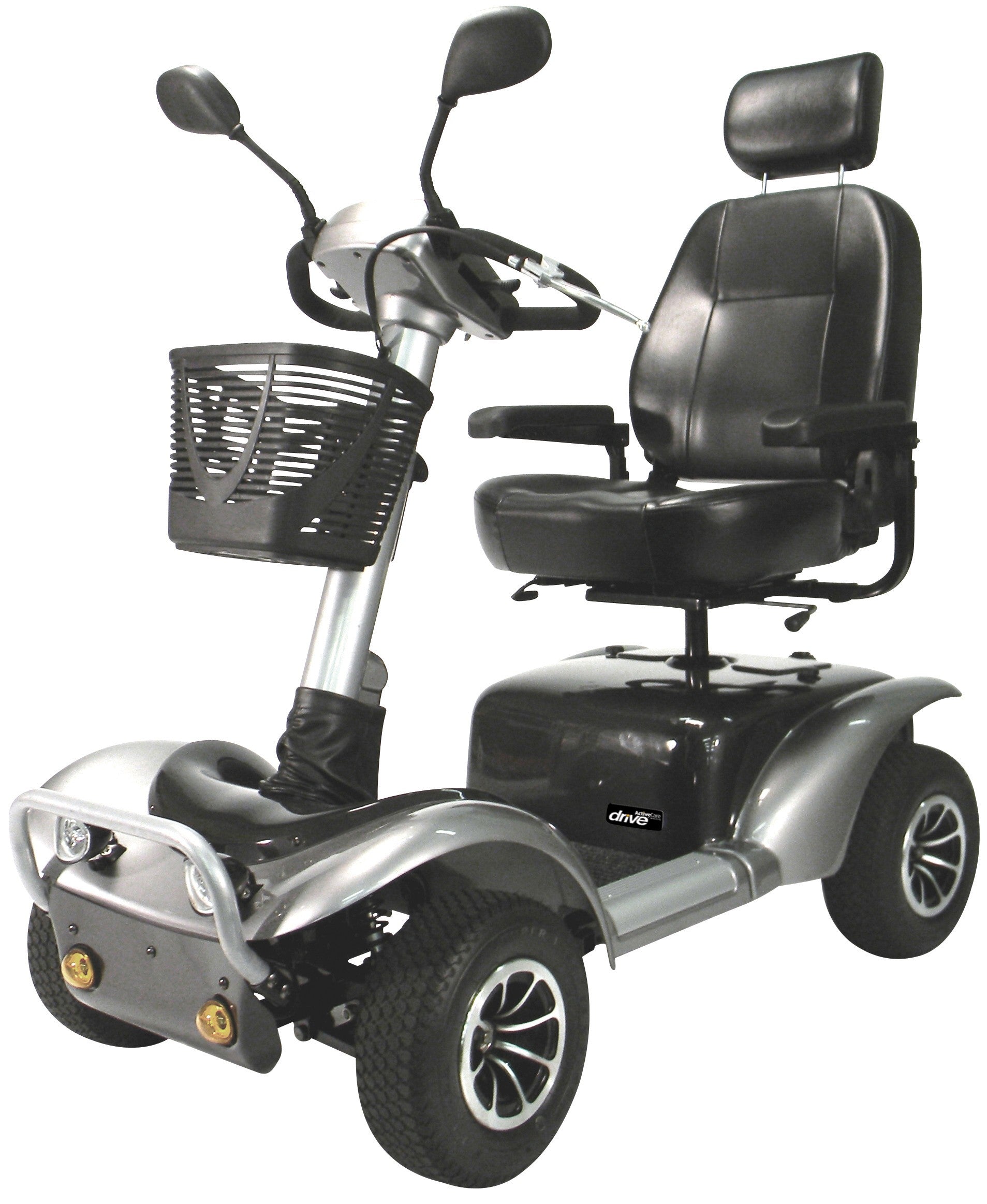
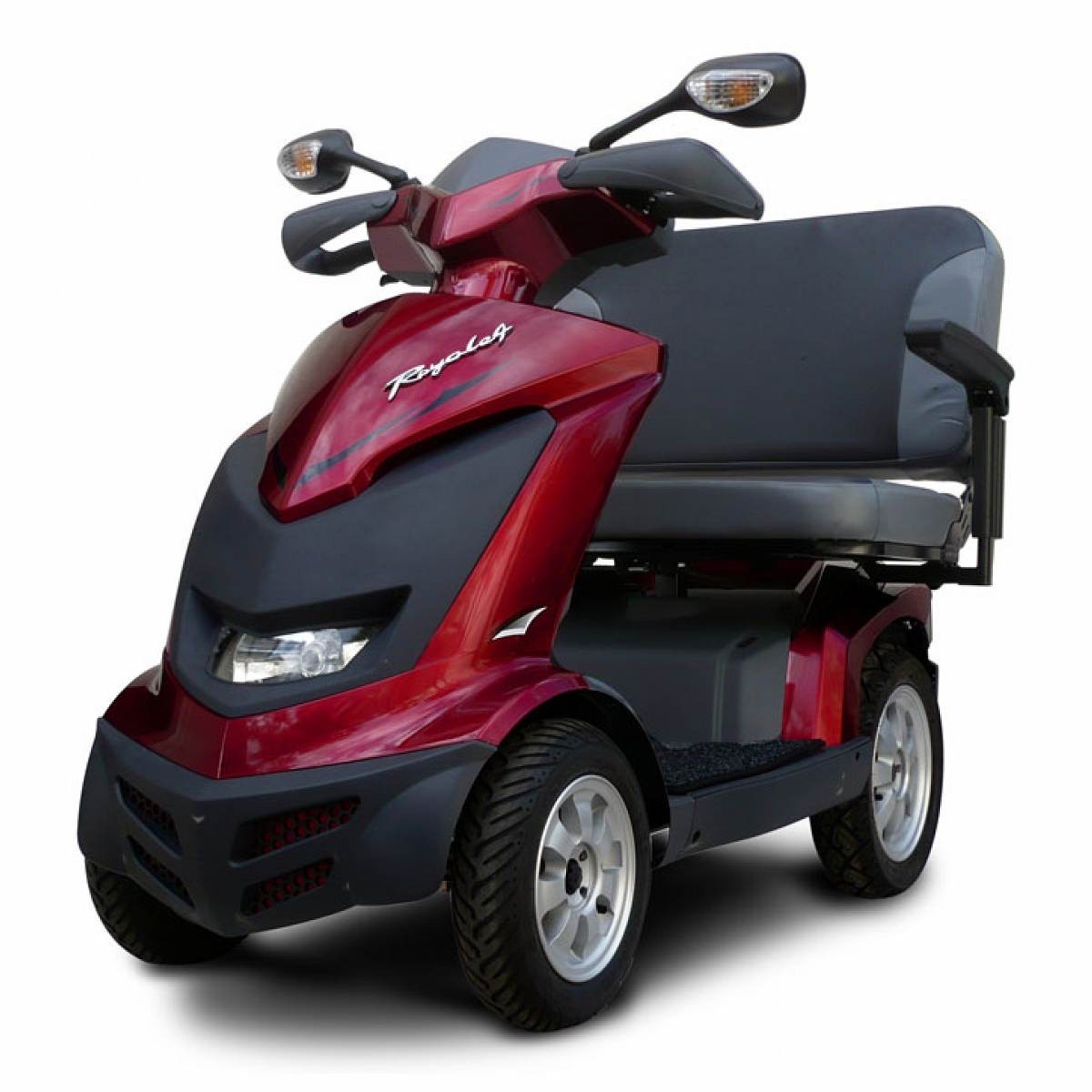
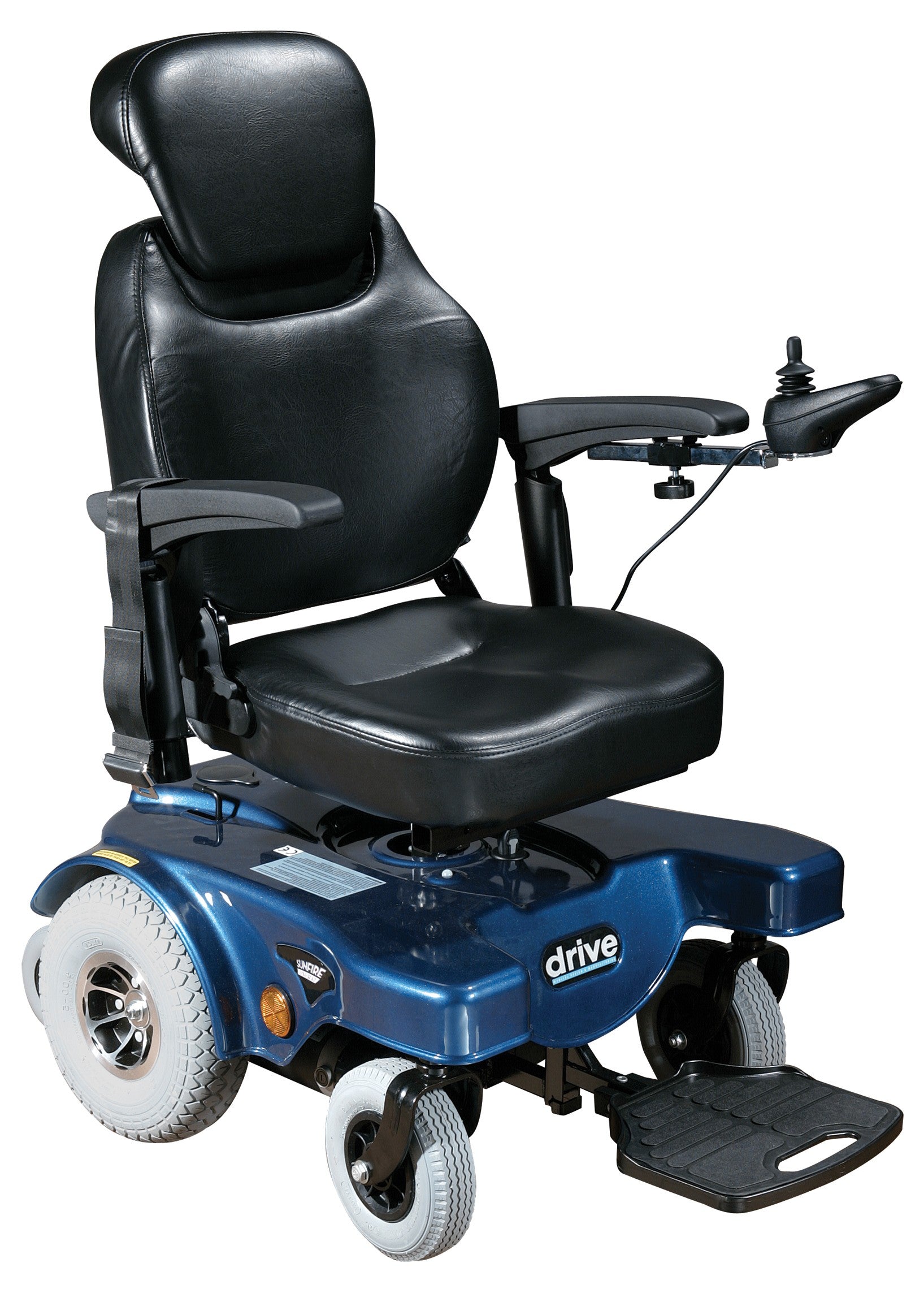
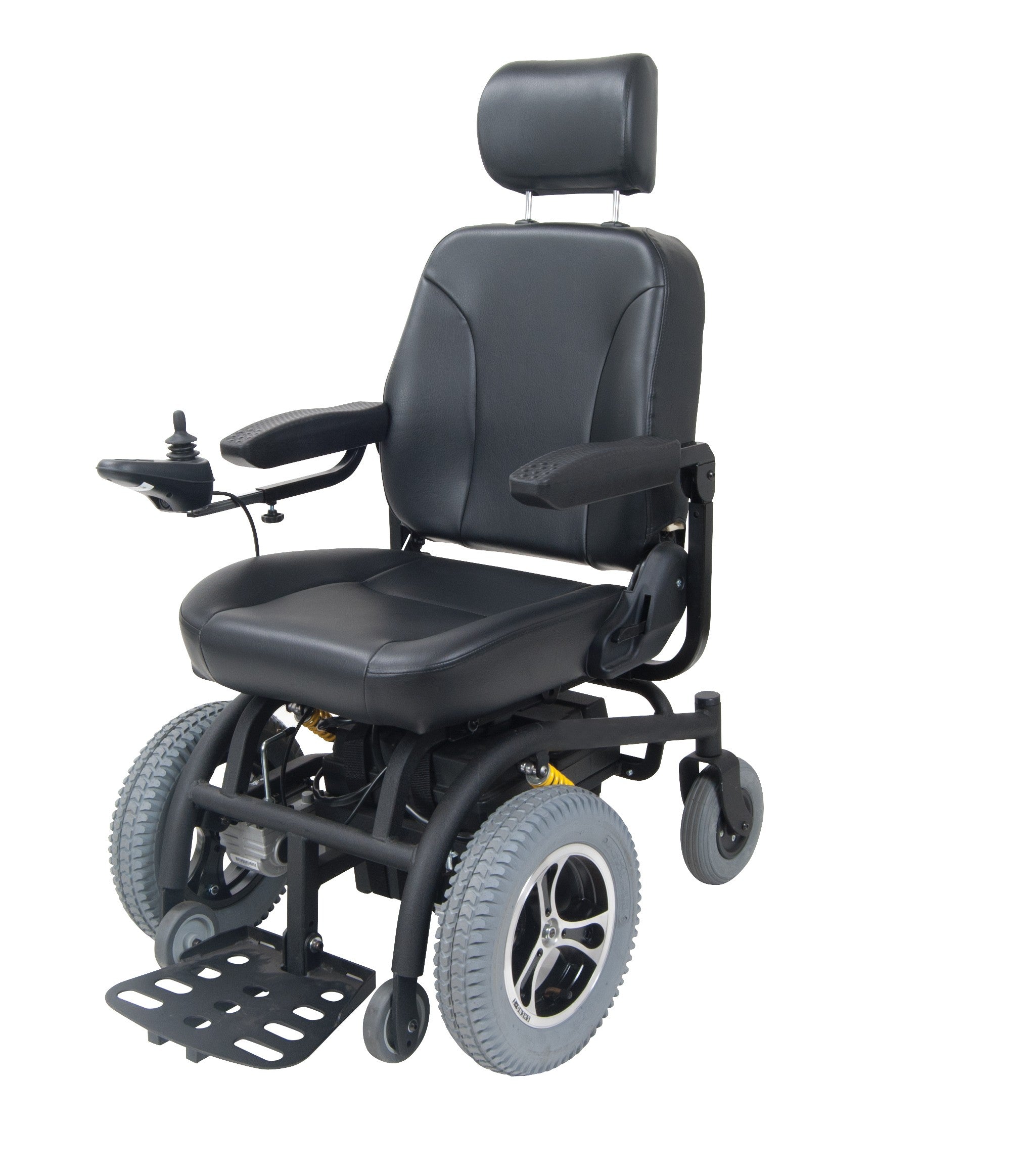
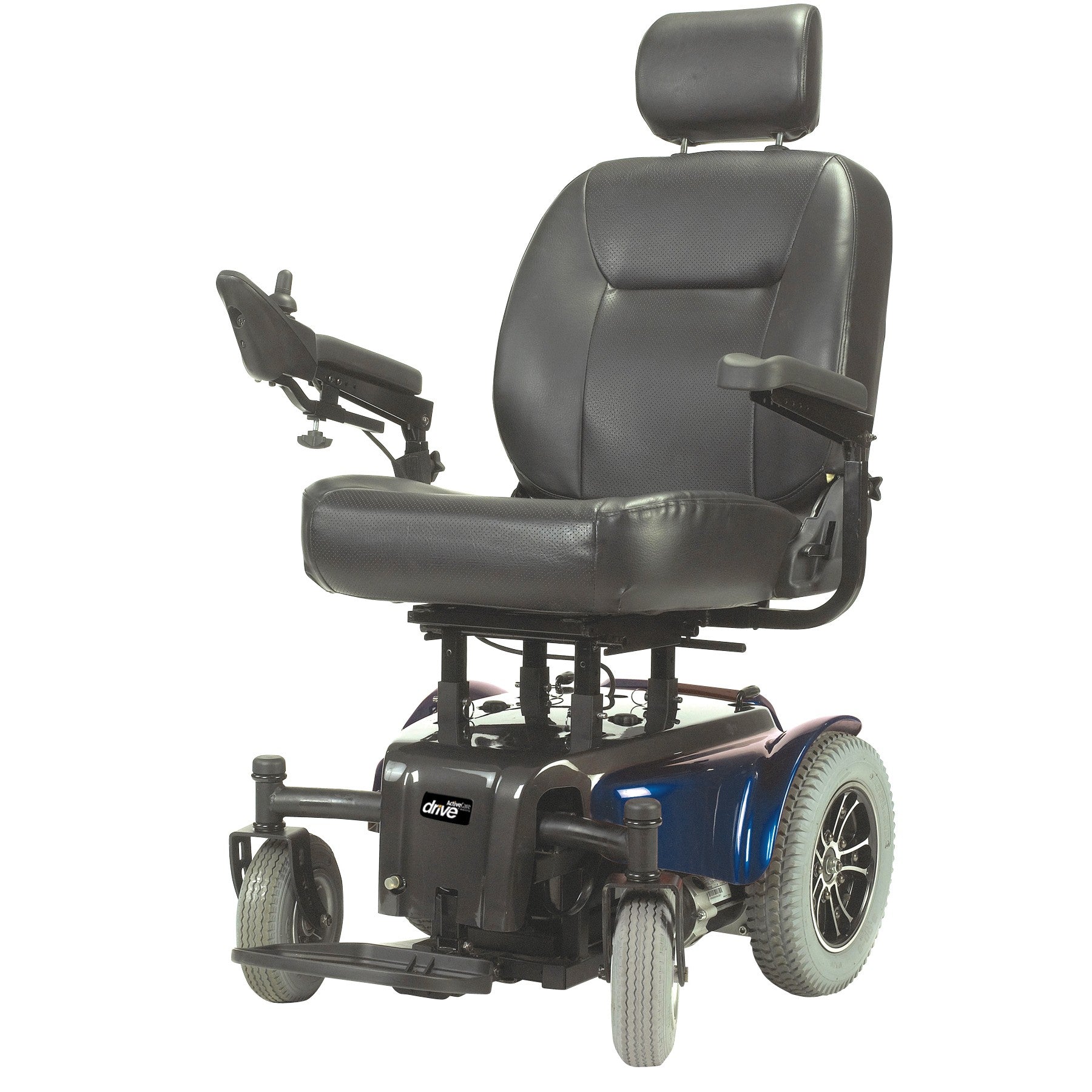
A four-wheel scooter has two wheels in front and two in back. The wider front stance generally provides a more planted feel, particularly on outdoor surfaces and during longer trips. Riders who feel uneasy on ramps, cracked pavement, grass, or sloped driveways often prefer the added confidence of four wheels.
The difference is not simply about the number of wheels. Scooter size, tire type, suspension, speed, weight capacity, seat design, and ground clearance all affect how a model performs. Still, wheel configuration is a smart place to begin narrowing the choices.
When a Three-Wheel Scooter Makes Sense
Three-wheel scooters are often the practical choice for people who spend most of their time indoors or need to navigate compact spaces. Their tighter turning radius can make a real difference when moving between furniture, turning into a bedroom, using narrow store aisles, or entering an elevator.
The open front design may also be more comfortable for riders with knee stiffness, limited range of motion, or larger feet. With fewer front components around the footwell, some users find it easier to step on and off the scooter and adjust their foot position during a ride.
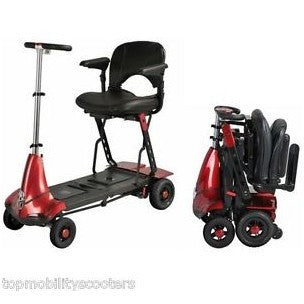
A three-wheel scooter can be a strong fit if you need maneuverability but still want enough power for errands and local outings. Many full-size three-wheel models provide comfortable seating, useful driving range, and practical carrying capacity. Travel-friendly versions can also be appealing for users who need a scooter that comes apart into manageable pieces or folds for transportation.
There is a trade-off. A three-wheel scooter can feel less secure when making sharp turns at higher speeds or traveling over uneven terrain. This does not mean it is unsafe when used correctly. It means the rider should slow down on turns, avoid steep side slopes, and choose a model designed for the surfaces they expect to encounter.
Best uses for a three-wheel model
A three-wheel scooter is often worth considering for indoor use, smooth paved paths, shopping centers, medical offices, and homes where turning room is limited. It can also suit a rider who values extra legroom and can comfortably manage a scooter with careful, controlled driving habits.
When a Four-Wheel Scooter Is the Better Choice
Four-wheel scooters are built for riders who put stability first. The two front wheels create a broader base, which can feel more secure on outdoor paths, parking lots, ramps, and uneven sidewalks. This is why four-wheel models are frequently chosen for neighborhood use, larger properties, and trips that involve varied terrain.
For many caregivers and family members, that steadier feel brings peace of mind. A rider who has reduced balance, feels nervous when turning, or is new to using mobility equipment may appreciate the additional stability of a four-wheel design. It can be especially useful for someone who will regularly cross driveway transitions, sidewalk seams, or grassy areas.
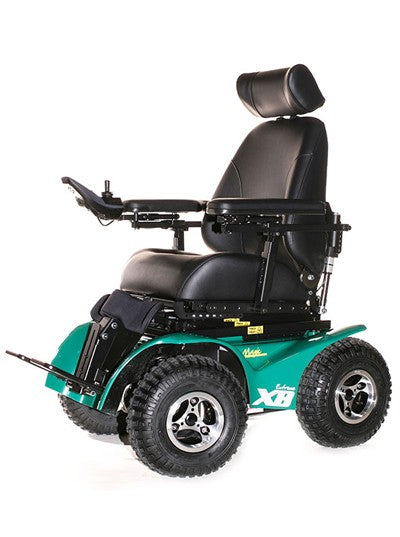
Four-wheel scooters are available in several categories. Compact travel models can work well for trips and errands, while heavy-duty scooters offer larger seats, higher weight capacities, stronger motors, and features intended for more demanding outdoor use. The largest models may also include suspension, pneumatic tires, extended battery capacity, and higher ground clearance.
The compromise is maneuverability. A four-wheel scooter usually needs a wider turning path than a comparable three-wheel model. In a smaller home, it may be difficult to turn around in a hallway, bathroom entrance, or crowded kitchen. Measuring your space before ordering is essential.
Best uses for a four-wheel model
A four-wheel scooter is usually the better option for outdoor travel, longer drives, uneven pavement, and riders who want the most stable platform possible. It is also a sensible choice when the user is heavier, needs a more substantial seat, or expects to ride over surfaces that are less predictable than indoor flooring.
Consider the Rider, Not Just the Scooter
The most useful comparison begins with the person who will use the scooter. A model that works beautifully for one individual may be frustrating or uncomfortable for another.
Start with seat fit. The seat should provide enough width and depth without feeling restrictive, while armrests should support easy transfers. Check the seat height, swivel function, and whether the armrests flip up. These details can make getting on and off the scooter far easier for someone with arthritis, weakness, or limited hip mobility.
Weight capacity deserves close attention as well. Choose a scooter rated above the rider’s actual body weight, especially if the user will carry an oxygen tank, shopping bags, a cane, or other personal items. The stated capacity is not a target to reach. It is a safety limit that should leave room for regular use.
Also consider hand strength and control. Most scooters use a tiller with forward and reverse controls, but grip style, control placement, and steering effort vary. A person with hand pain or reduced dexterity should look for controls that feel comfortable and easy to operate during a test or consultation.
Measure Your Home, Vehicle, and Usual Routes
Before selecting between three and four wheels, take measurements. This simple step prevents the common disappointment of bringing home a scooter that cannot fit through a doorway or into a vehicle.
Measure the narrowest doorways, hallway width, elevator entry, and any turns required inside the home. Compare those dimensions with the scooter’s overall width and turning radius. If the scooter will be stored in a garage or near an entryway, make sure there is enough room to park, charge, and walk safely around it.
Transportation matters just as much. Some scooters disassemble into sections for loading into an SUV or van, while others fold or require a vehicle lift. Full-size and heavy-duty scooters can be excellent for comfort and outdoor performance, but they are not always practical for frequent car transport. Be realistic about who will lift components, install a lift, or secure the scooter for travel.
Finally, think about the route, not only the destination. A trip to the grocery store may involve a sloped curb cut, uneven parking lot, automatic doors, and narrow checkout lanes. A four-wheel scooter may handle the parking lot more confidently, while a three-wheel scooter may be easier at the checkout. Your regular routine should guide the decision.
Features That Can Matter More Than Wheel Count
Once you have chosen the right general configuration, compare the features that affect daily comfort and reliability. Battery range should cover your typical trip with a comfortable margin, since hills, rider weight, temperature, and terrain can reduce real-world range. Ground clearance is valuable for outdoor routes, while a suspension system can reduce vibration on rough pavement.
Tire choice also matters. Solid, flat-free tires are convenient and require less maintenance, making them a practical option for smooth indoor and paved use. Pneumatic tires can provide a softer ride and better traction outdoors, but they need periodic pressure checks and can be punctured.
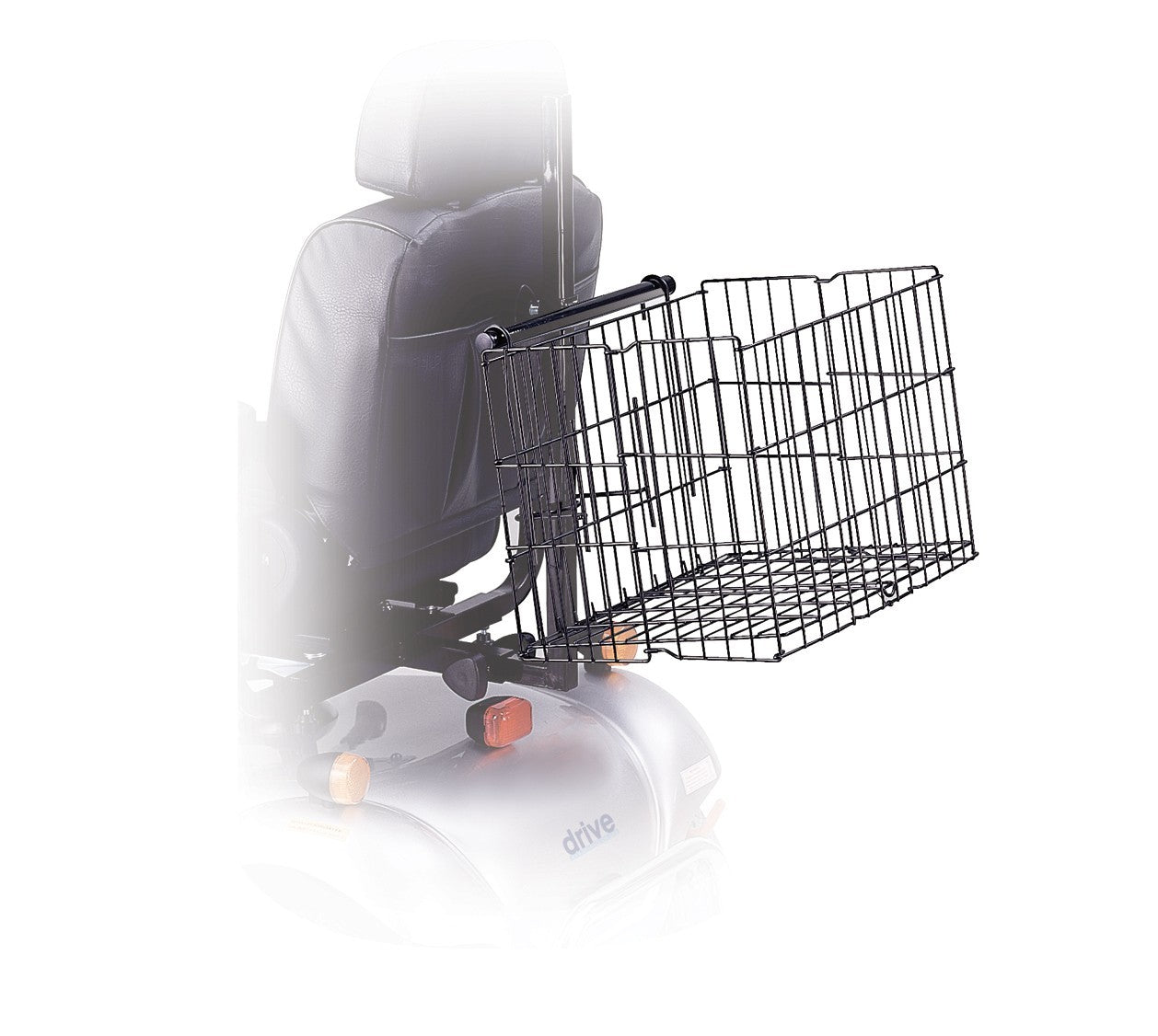
Useful accessories can make a scooter more personal and more practical. A front basket, rear bag, cane holder, cup holder, weather cover, or upgraded lighting may improve daily use. Accessories should support the rider’s needs without adding excessive weight or interfering with safe operation.
Get Help Matching the Scooter to Daily Life
A mobility scooter is a long-term comfort and independence purchase, so it is worth asking detailed questions before you buy. Be ready to discuss the rider’s height and weight, indoor and outdoor use, terrain, vehicle transportation, doorway measurements, and any transfer or balance concerns. These answers help identify whether a nimble three-wheel model or a stable four-wheel model will serve the rider best.
At American Quality Health Products, experienced product support can help shoppers compare mobility scooters by fit, capacity, portability, and intended use. The goal is not to choose the biggest scooter or the one with the most features. It is to choose equipment that feels dependable every time the rider heads out the door.
The best next step is to picture a normal week of use, from moving through the home to crossing a parking lot and visiting family. That everyday picture will usually point you toward the scooter that offers the right balance of freedom, comfort, and confidence.


