







A red area over the tailbone or heel can become a serious concern faster than many families expect. If you are asking which mattress prevents pressure ulcers, the most accurate answer is that no mattress can guarantee prevention by itself. The right pressure-relief mattress can greatly reduce risk, but it works best as part of a complete care plan that includes repositioning, skin checks, moisture management, and guidance from a healthcare professional.
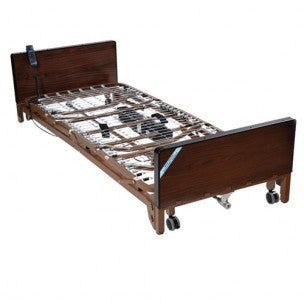
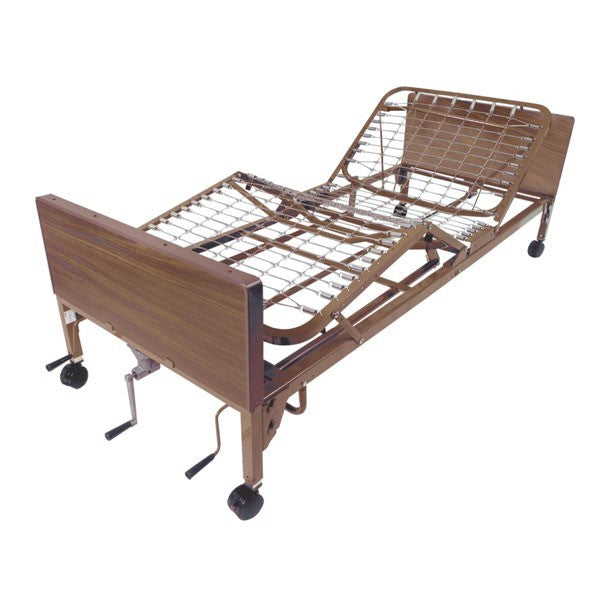
For home care, the best choice depends on the person's mobility, weight, skin condition, time spent in bed, and whether an ulcer is already present. A standard household mattress is rarely designed for someone who spends long periods lying in one position. Medical support surfaces are built to spread body weight more evenly, reduce pressure at bony areas, and, in some cases, change pressure automatically throughout the night.
Which Mattress Prevents Pressure Ulcers for Home Care?
For many people at risk of pressure ulcers, a high-quality pressure-redistributing foam mattress is a practical starting point. For people who cannot reposition themselves, have a history of skin breakdown, or are at very high risk, an alternating-pressure mattress may be the more appropriate option. A low-air-loss mattress may also be recommended when moisture and heat are major concerns.
The key is matching the surface to the person, rather than assuming the most complex mattress is always best. A mattress that is too soft, too firm, incorrectly sized, or incompatible with the bed can create new problems with comfort, transfers, or safety.
High-density foam mattresses
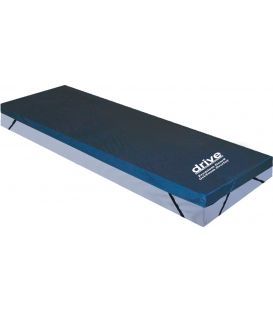
Medical-grade foam mattresses are often called pressure-redistribution or therapeutic foam mattresses. They use layers of foam with different densities and zones to spread the user's weight across a larger area. This helps reduce concentrated pressure around the hips, tailbone, shoulders, and heels.
Foam is generally a strong choice for someone with limited mobility who can still shift position independently or with regular caregiver help. It is quiet, does not require a pump, and is often easier for families who want a dependable, low-maintenance surface for a hospital bed at home.
Look for a mattress with a supportive core, a pressure-relieving top layer, and a fluid-resistant, breathable cover. The cover matters more than it may seem. It should help protect the mattress from incontinence while allowing heat and moisture to move away from the skin.
Alternating-pressure mattresses
An alternating-pressure mattress uses air cells and an electric pump. The system regularly inflates and deflates different sections of the mattress, changing where pressure is applied to the body. Instead of leaving the same areas compressed for hours, it cycles support from one set of air cells to another.
This style is often considered for people who are unable to turn or reposition on their own, spend nearly all day in bed, or have a significant risk of skin breakdown. It can also be useful when a clinician recommends a more active support surface for an existing pressure injury.
There are trade-offs. The pump creates some noise, and the changing feel can take time to get used to. Caregivers also need to confirm that the pump settings are appropriate and that the mattress is fully inflated and functioning properly. An alternating system is not a substitute for caregiver attention or a turning schedule when one is needed.
Low-air-loss mattresses
Low-air-loss mattresses move a gentle flow of air through the surface to help manage heat and moisture around the body. They may also provide pressure redistribution or alternating-pressure features, depending on the model.
This option can be especially helpful for a person who sweats heavily, experiences frequent incontinence, or has fragile skin affected by moisture. Excess moisture can soften the skin and make it more vulnerable to damage, so temperature and moisture control are meaningful parts of pressure-ulcer prevention.
Low-air-loss systems are typically more specialized. Before choosing one, confirm its weight capacity, the required bed dimensions, and whether the user's medical team has specific recommendations.
Mattress Replacement or Overlay?
A mattress replacement takes the place of the existing mattress on a hospital or adjustable bed. An overlay sits on top of a current mattress. Both can have a role, but they do not provide the same level of support.
An overlay may be suitable for short-term recovery or mild risk when the mattress underneath is still firm, level, and supportive. It can be a convenient option when a family needs extra cushioning without replacing an entire sleep surface.
For someone who is bedbound, has a current pressure ulcer, or has a high level of risk, a full mattress replacement is often the better choice. It provides support through the entire mattress depth, rather than adding a layer over a worn or sagging surface. A mattress that bottoms out under the hips or allows the person to sink too deeply cannot distribute pressure effectively.
Buying Factors That Matter as Much as the Mattress Type
Pressure relief is the primary goal, but several practical details determine whether a mattress will work safely in a home. Before selecting a model, confirm these essential points:
- Weight capacity: The mattress must safely support the user, including any positioning equipment or added bedding.
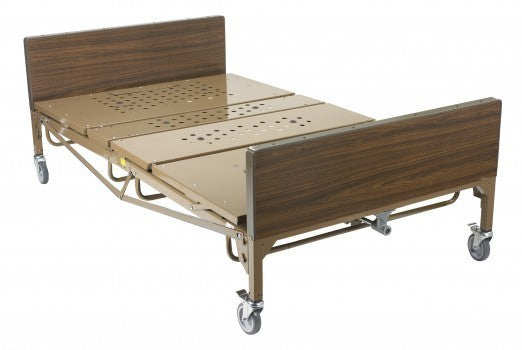
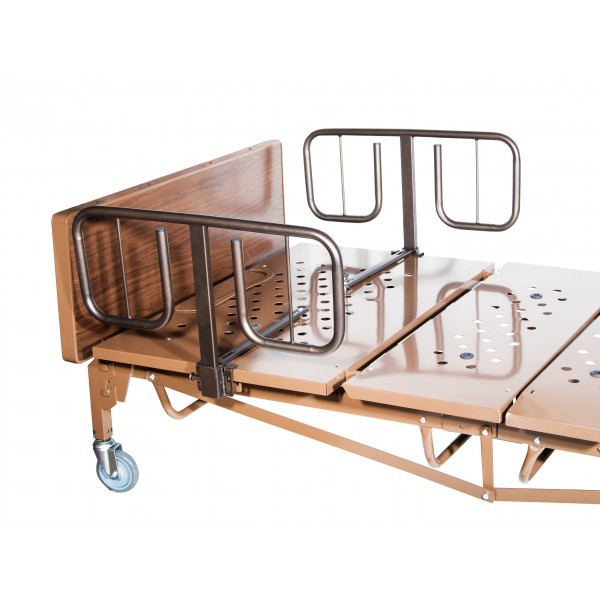
- Bed compatibility: Measure the length and width of the hospital bed frame, and verify whether the mattress is designed for that style of bed.
- Edge support and transfers: A very soft surface can make it harder to move from bed to wheelchair, bedside commode, or standing position.
- Cover design: Choose a cover that is fluid-resistant, easy to clean, and breathable enough to help manage heat and moisture.
- Pump and power needs: For air systems, consider outlet access, tubing placement, pump noise, and what happens during a temporary power interruption.
- Caregiver routine: Select a system that the household can operate and maintain correctly every day.
A Pressure-Relief Mattress Is One Part of Prevention
Even the best support surface cannot offset long periods in one position without proper care. Pressure ulcers develop when skin and underlying tissue experience prolonged pressure, friction, shear, and moisture. Shear can occur when a person's body slides downward while the head of the bed is raised, pulling the skin in one direction while deeper tissue shifts in another.
For that reason, caregivers should follow the person's care plan for repositioning. The schedule varies based on health status, mobility, skin tolerance, and the support surface in use. Do not assume an alternating-pressure mattress means turning is no longer necessary unless a clinician has specifically advised it.
Daily skin checks are also valuable, especially over the tailbone, hips, heels, ankles, elbows, and shoulder blades. Persistent redness, discoloration, warmth, swelling, tenderness, blisters, or open skin should be reported promptly to a healthcare professional. On darker skin tones, changes may appear as darker, purple, blue, or ashen areas rather than bright redness.
Keep sheets smooth and dry, avoid placing wrinkles or personal items under the person, and use transfer techniques that reduce dragging across the bed. Adequate fluids and nutrition also support skin health and healing. For a person with diabetes, poor circulation, recent surgery, or a known wound, individualized clinical advice is particularly important.
When to Choose Expert Guidance
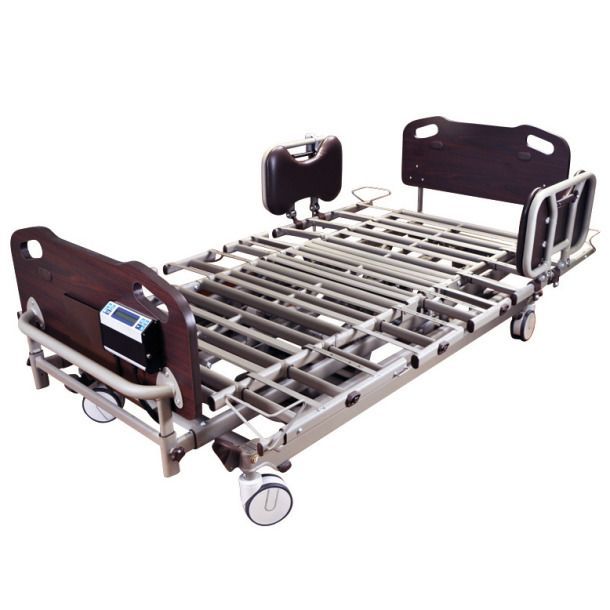
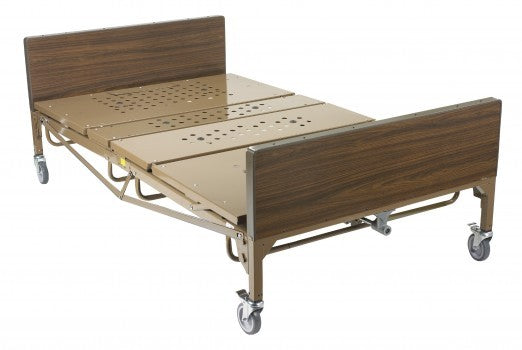
A pressure-relief mattress is a high-consideration purchase because the wrong fit can affect comfort, safety, and daily caregiving. It is wise to ask for guidance when the person has an existing wound, cannot reposition without assistance, needs bariatric equipment, uses a hospital bed with unusual dimensions, or has multiple health conditions affecting circulation or skin integrity.
American Quality Health Products can help families compare home-care mattress options based on bed size, weight capacity, mobility needs, and the level of pressure relief required. A knowledgeable conversation before ordering can prevent the common mistake of choosing an overlay when a replacement mattress is needed, or selecting an advanced air system that does not fit the household's care routine.
The best mattress is the one that provides appropriate pressure redistribution, fits the bed and user correctly, and supports the care that happens around it. When comfort, skin protection, and safe caregiving all work together, home can remain a more secure and comfortable place to recover and live.


