








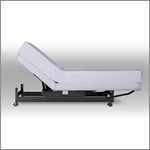






A good adjustable base can change more than the angle of a mattress. For someone who spends extra time in bed after surgery, manages limited mobility, or simply wants greater comfort at night, it can make getting settled and getting up feel more manageable. But adjustable base reviews can be difficult to sort through because the best choice depends on the person, the mattress, the bedroom, and the level of support needed at home.
The most useful reviews do not just say a base is comfortable. They explain how it performs in everyday routines: whether the controls are easy to reach, whether the base moves quietly, whether it works with the intended mattress, and whether its features truly fit the user’s needs. Here is how to read reviews with a clear idea of what matters.
What Adjustable Base Reviews Can Tell You
Reviews are especially valuable for details that are hard to judge from a product description alone. A specification can tell you a base has head and foot articulation. A review may reveal whether the movement feels smooth, whether the preset positions are practical, or whether a caregiver can operate the remote without confusion.
Look for comments from people whose circumstances resemble your own. An active sleeper may care most about a quiet motor and a stable feel. A person with arthritis may be more focused on the remote’s button size and the ability to raise the upper body before standing. Caregivers often pay close attention to setup, clearance around the bed, and whether the base helps create a more comfortable position for reading, resting, or receiving care.
At the same time, reviews should not replace product specifications. Individual experiences vary, especially when a base is paired with a different mattress type or used in a room with tight space constraints. Use reviews to identify patterns, then confirm the features, dimensions, capacity, and compatibility requirements for the specific model you are considering.
Start With the Support You Need
The right adjustable base begins with a practical question: what would make daily rest easier? For many people, raising the head can make reading, watching television, or sitting up in bed more comfortable. Elevating the legs may help users find a more relaxed resting position after a long day. A zero-gravity setting can distribute body weight in a way that some sleepers find particularly comfortable.
These positions are comfort features, not medical treatment. If a physician, therapist, or care team has recommended a particular sleeping or recovery position, follow their guidance and select equipment that supports those needs.
For users with reduced mobility, ease of transfer deserves just as much attention as comfort. Consider how the person gets in and out of bed now. Does the base need to bring the upper body forward before standing? Is a flat position necessary for dressing, caregiving, or making the bed? Will the controls be reachable from the usual sleeping position? Small details can have a major effect on whether a base is used consistently.
Head and Foot Articulation
Most adjustable bases allow independent movement at the head and foot. This is the core function, and it is often enough for buyers who want a more flexible sleep surface. When reading reviews, notice whether owners describe a wide enough range of motion for their preferred activities and whether the mattress bends naturally with the base.
Some bases include one-touch preset positions, programmable memory settings, or a flat button that returns the bed to a level position. These options are not necessary for everyone, but they can be worthwhile when a user relies on the same position each day or wants a straightforward control experience.
Features That May Be Worth Considering
Additional features can improve convenience, but they should not distract from fit and support. Wireless remotes reduce cord clutter, while backlit buttons can be easier to see in a dark room. Under-bed lighting may help with safe nighttime movement around the bed. USB charging ports can be convenient for a phone or remote, particularly when bedside outlets are limited.
Massage functions are popular, but preferences differ. Some users enjoy gentle vibration before sleep, while others rarely use it after the first few weeks. If quiet operation is a priority, seek review comments about motor sound during both head and foot adjustment. A base does not need to be silent, but excessive noise can be disruptive in a shared bedroom.
Mattress Compatibility Is Not a Detail
A quality adjustable base and an incompatible mattress are a frustrating combination. Before purchase, make sure the mattress is designed to flex with an adjustable foundation. Many foam, latex, hybrid, and flexible innerspring mattresses can work well, but construction matters more than broad labels.
Reviews often mention sliding, bunching, or a mattress that does not return smoothly to a flat position. Those concerns may relate to the mattress rather than the base itself. Check whether the base includes a retainer bar or mattress retainer system, and verify that your existing mattress meets the manufacturer’s adjustable-base requirements.
Mattress height matters, too. A thicker mattress may feel luxurious, but it can make the overall bed height harder for some users to manage. For a person with limited knee, hip, or balance strength, the best transfer height may be more important than having the tallest possible mattress. Measure from the floor to the top of the planned mattress, then consider whether the user can sit at the edge with feet comfortably supported on the floor.
Measure the Room Before You Decide
Adjustable bases are available in common mattress sizes, but the footprint and moving sections should still be measured carefully. Allow space near walls, nightstands, and footboards so the bed can articulate without hitting furniture. If the bedroom has narrow walkways, account for how much room is needed for a walker, wheelchair, caregiver, or transfer assistance.
Also think about delivery and setup. Measure doorways, hallways, stairways, and turns leading to the bedroom. Some bases are easier to bring in than others, and a split design may be more practical for certain homes. Reviews can be helpful here because owners often describe real-world setup challenges that are not obvious from a room diagram.
If two people share the bed, decide whether a single base or a split configuration makes more sense. A split option allows each sleeper to adjust their side independently, which can be helpful when comfort preferences differ. It also creates a center gap that some couples dislike, so the trade-off should be considered honestly.
Capacity, Construction, and Safety
A base should be selected with the intended user, mattress, bedding, and normal use in mind. Pay attention to the manufacturer’s stated weight capacity and how it is defined. Some capacities refer to distributed weight, while others may include the mattress. Confirm the details rather than assuming every model is rated the same way.
Construction quality often shows up in reviews over time. Look for repeat comments about stability, frame movement, motor reliability, remote responsiveness, and whether the base stays level. One isolated complaint may reflect shipping damage or an installation issue. Repeated comments about the same concern deserve closer attention.
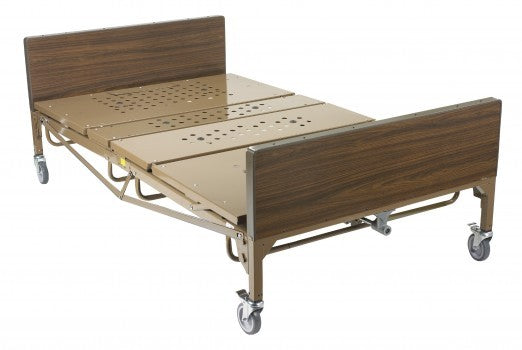
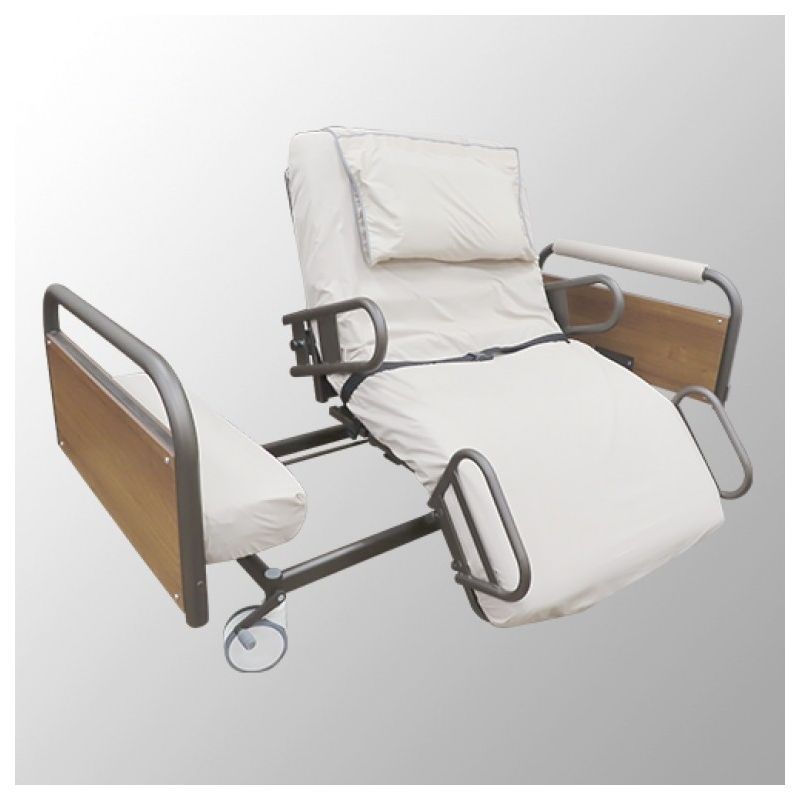
Safety features are also worth checking. A power-down option can be useful during an outage, depending on the model. A child lock may matter in homes with young visitors. For people who need more comprehensive positioning, side support, or clinical-style caregiving features, an adjustable base may not be the same as a home care bed. The right choice depends on the level of assistance required.
Read Reviews With the Right Questions
Rather than looking only at star ratings, read a mix of recent positive and critical feedback. Focus on reviews that explain why the buyer was satisfied or disappointed. The following questions can help separate useful experiences from vague opinions:
- Did the reviewer use the base with a mattress similar to yours?
- Do they describe the user’s mobility needs, sleep habits, or caregiving routine?
- Was the concern about the product itself, delivery, setup, or a compatibility issue?
- Did the reviewer mention long-term use rather than only first impressions?
- Are the same strengths or weaknesses mentioned by multiple owners?
Make the Choice Easier With Expert Guidance
Adjustable base reviews are most helpful when they support a thoughtful comparison, not when they force a quick decision. Start with the user’s comfort goals, mobility needs, preferred bed height, room measurements, mattress type, and desired features. Then narrow the choices to bases designed to meet those requirements.
At American Quality Health Products, knowledgeable product assistance can help shoppers compare adjustable bed options and clarify important details before ordering. That kind of guidance is especially useful when the bed is being selected for recovery, aging in place, or a loved one who needs a more comfortable daily routine.
The best adjustable base is the one that feels dependable every day: easy to operate, properly fitted to the mattress and room, and aligned with the way the person actually rests, sleeps, and moves at home.


