
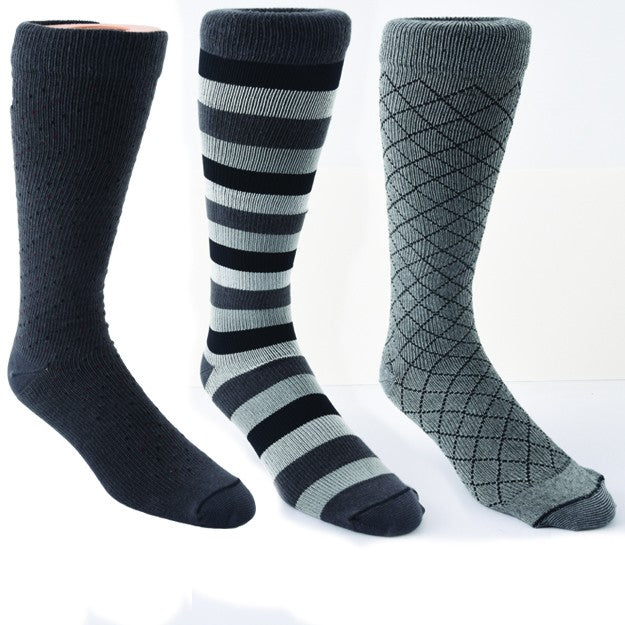
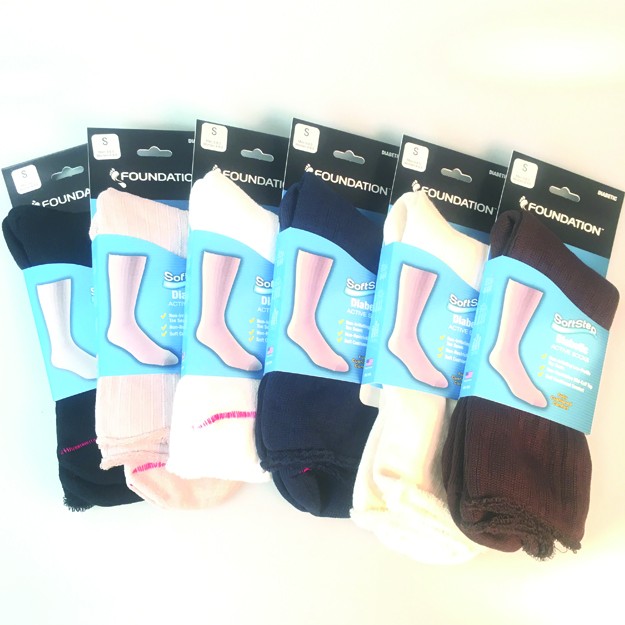

A sock that pinches at the top, bunches at the toes, or leaves deep marks on the ankle is more than an annoyance when you have diabetes. The best compression socks for diabetics should support comfortable circulation without creating pressure points that can irritate sensitive skin. The right pair can make long days on your feet, travel, or time spent sitting more comfortable, but the wrong fit can work against the benefits you want.
Compression socks are not a one-size-fits-all purchase. Your circulation, swelling, skin condition, foot shape, mobility level, and medical history all matter. For people managing diabetes, careful product selection and a conversation with a clinician are especially worthwhile before adding compression to a daily routine.
Why Diabetes Changes How You Shop for Compression Socks
Diabetes can affect the feet and lower legs in several ways. Some people experience swelling, tired legs, or venous circulation concerns. Others have neuropathy, which may reduce the ability to feel rubbing, pressure, heat, or a developing blister. Reduced circulation from peripheral arterial disease is another concern for some individuals with diabetes.
That is why compression should never be treated as a generic comfort accessory. Graduated compression is designed to apply more support at the ankle and gradually less as it moves up the leg. This can help encourage blood flow back toward the heart and may help with mild swelling and leg fatigue when it is appropriate for the wearer.
However, compression is not right for everyone. If you have known arterial disease, unexplained leg pain, a non-healing wound, major swelling, a history of blood clots, skin infection, or changes in foot color or temperature, speak with your physician, podiatrist, or vascular specialist first. A clinician can tell you whether compression is suitable and what level is safe for your needs.
Best Compression Socks for Diabetics: Features That Matter
A quality diabetic-friendly compression sock should feel supportive, not restrictive. It should stay in place through the day without rolling, cutting in, or forming wrinkles around the ankle. Start with the features that protect comfort and reduce avoidable friction.
Choose the Right Compression Level
Compression is commonly measured in millimeters of mercury, written as mmHg. Mild, over-the-counter compression is often the starting point for people who have been cleared to wear it and want everyday support. A range around 8-15 mmHg or 15-20 mmHg may be used for mild fatigue, long periods of sitting or standing, and modest swelling.
Moderate or firmer compression may be recommended for certain medical needs, but it should not be chosen solely because it sounds more effective. More compression is not automatically better. It can be harder to put on, less comfortable for someone with limited hand strength, and inappropriate for people with certain circulation conditions. Follow the level recommended by your healthcare professional.
Look for a Non-Binding Top Band
The top band should hold the sock in place without leaving pronounced grooves in the skin. A wide, soft cuff is often more comfortable than a narrow elastic band, especially for people whose legs swell during the day. If the cuff rolls down, it may create a tight band of pressure, so sizing and calf circumference deserve close attention.
Check your legs after wearing a new pair. Light impressions can happen, but deep indentations, numbness, tingling, pain, or color changes mean the sock should come off and the fit should be reassessed.
Prioritize Seamless or Smooth Toe Construction
Toe seams can be a small detail with a big impact. For someone with neuropathy or sensitive feet, a raised seam may rub unnoticed until the skin becomes irritated. Socks with smooth, hand-linked, or seamless toe construction help reduce this risk.
A roomy toe area is also helpful. Toes should lie flat and move naturally rather than feel compressed together. This is particularly valuable when compression socks are worn with diabetic shoes, orthotics, or other supportive footwear.
Select Moisture-Managing Fabric
Feet that stay damp are more vulnerable to friction and skin breakdown. Look for breathable, moisture-wicking fibers that move perspiration away from the skin. Cotton blends can feel familiar and soft, while performance fibers may dry more quickly and offer greater durability. Merino wool blends can provide temperature regulation for some wearers without the scratchy feel associated with traditional wool.
The best fabric depends on how and when you will use the socks. For everyday wear at home, softness may be the priority. For travel, exercise, or warm weather, faster moisture management may matter more. Avoid a fabric that causes itching, overheating, or excessive perspiration, even if its compression level is otherwise appropriate.
Get the Length and Size Right
Knee-high socks are the most common style because they cover the ankle and lower leg, where swelling often occurs. They are also practical with most shoes and pants. Ankle-length compression styles may be useful in limited situations, but they do not provide the same lower-leg coverage as knee-high designs.
Do not order based only on shoe size. Most compression socks use ankle circumference, calf circumference, and sometimes calf length to determine sizing. Measure early in the day, before swelling is at its highest. Use a flexible measuring tape, keep it snug but not tight, and compare your measurements with the manufacturer's size chart.
If one leg is noticeably larger than the other, measure both legs. Choose according to the larger measurement, or ask a product specialist or clinician whether another sizing option would be more appropriate. A sock that is too small can create uncomfortable pressure. One that is too large may wrinkle, slide, and lose its graduated support.
Comfort and Ease of Use Are Part of the Decision
The ideal sock is one you can wear correctly and consistently. This matters for older adults, caregivers, and anyone with arthritis, limited reach, reduced hand strength, or balance concerns. Firmer compression can be challenging to apply, particularly if swelling is already present.
Put compression socks on first thing in the morning, when the legs are usually less swollen. Turn the sock inside out to the heel, place the foot carefully, position the heel, and then gradually unroll the sock up the leg. Do not pull forcefully from the top band or allow the fabric to twist. The material should lie smooth from toes to calf.
A sock aid or donning device can make daily use easier. For some people, that simple accessory is the difference between wearing supportive socks safely and giving up because the process is too difficult. Caregivers should also use a gentle, even technique rather than tugging at delicate skin.
When Compression Socks May Not Be the Right Choice
Do not use compression socks to self-treat symptoms that need medical attention. New or one-sided swelling, redness, warmth, sudden pain, open sores, drainage, fever, blue or pale toes, and shortness of breath require prompt professional evaluation. Compression cannot replace diabetic foot care, appropriate footwear, glucose management, or treatment for underlying circulation problems.
Even when compression is approved, inspect your feet and lower legs every day. Look at the tops, soles, heels, between the toes, and around the ankles. A hand mirror can help if bending is difficult, and caregivers can assist with regular checks. Remove the socks if you notice rubbing, blisters, broken skin, unusual swelling, or discomfort.
Wash socks after each use according to the care instructions. Clean socks reduce buildup from sweat and skin oils, while proper laundering helps the fabric maintain its shape and intended compression. It is practical to keep several pairs on hand so you always have a clean, dry option available.
A Better Way to Choose Your Daily Pair
Start with your clinician's guidance, then match the sock to your daily life. Consider whether you need mild support for long hours in a chair, help managing approved mild swelling, or a comfortable pair for walks and errands. Measure carefully, choose a smooth toe and non-binding cuff, and select fabric that keeps your feet dry.
American Quality Health Products offers compression socks and diabetic footwear options designed to support more comfortable daily routines. If you are unsure about sizing, compression level, or features that suit your needs, expert assistance can help you narrow the choices before you buy.
The right pair should feel like dependable support, not something you cannot wait to remove. When fit, fabric, and medical guidance come together, compression socks can become a comfortable part of caring for your feet and protecting your independence.


