

A stroke can change mobility overnight, but the right equipment can make everyday routines feel more manageable again. The best mobility aids after stroke are not necessarily the most powerful or feature-filled options. They are the aids that match the person’s current balance, strength, endurance, home layout, and recovery goals.
For some people, a simple cane provides enough steadying support for trips from the bedroom to the kitchen. For others, a wheelchair, power chair, or mobility scooter is the safer choice for longer distances and fatigue. Choosing well starts with an honest look at what is difficult now, while leaving room for progress during rehabilitation.
Start With Safety, Not Just Convenience
Post-stroke mobility can be affected in several ways. One side of the body may be weaker, balance may be less reliable, and a person may experience fatigue, vision changes, or difficulty coordinating movements. An aid should reduce the chance of a fall without demanding more strength or control than the user has.
A physical or occupational therapist can offer valuable guidance on gait, transfers, hand function, and the safest way to use a device. This is especially helpful when someone has hemiparesis, or weakness on one side, because standard equipment may need to be adjusted or paired with supportive accessories.
The home matters just as much as the diagnosis. Narrow hallways, deep carpet, thresholds, stairs, and bathroom layouts all affect which mobility aid will work comfortably. Before buying, measure the tightest doorways and consider where the equipment will be stored, charged, or folded.
Best Mobility Aids After Stroke by Need
There is no single best option for every stage of stroke recovery. The right category depends on whether the user needs light balance support, help walking indoors, a place to sit when tired, or powered mobility for community outings.
Canes for Mild Balance Support
A cane is often appropriate when a person can walk independently but needs extra stability on one side. It is compact, easy to keep nearby, and practical for short indoor distances. Quad canes, which have a wider four-point base, can provide more standing stability than a standard single-tip cane.
The trade-off is that a cane offers limited support. It is not the right choice for someone who bears substantial weight through the device, has frequent near-falls, or cannot safely coordinate the cane with their weaker side. Proper height adjustment is essential: the handle should generally sit around wrist level when the user is standing upright with relaxed arms.
Walkers for More Reliable Stability
Walkers offer a broader base of support and can be a strong choice for people rebuilding confidence after a stroke. A standard walker is stable but must be lifted with each step, which may be difficult for someone with reduced arm strength or coordination. A two-wheel walker rolls more easily while still providing controlled support.
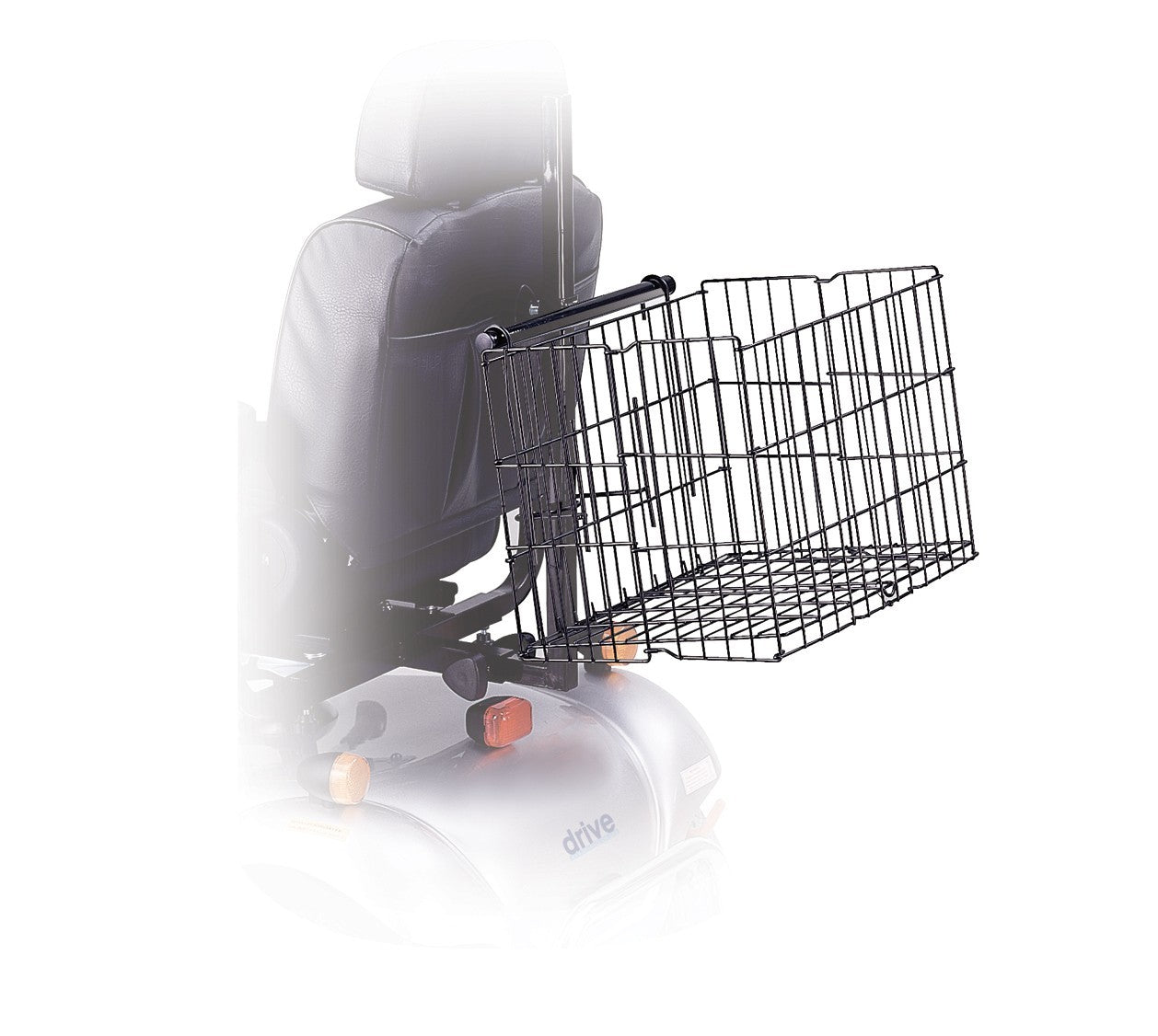
Four-wheel rollators are useful for people who can walk reasonably well but tire quickly. Many include hand brakes, a seat, and a storage pouch for personal items. They can make errands, medical appointments, and longer walks more comfortable. However, rollators require reliable hand control and the ability to use the brakes correctly. They should not be used as a substitute for a wheelchair when walking is no longer safe.
Wheelchairs for Everyday Distance and Fatigue
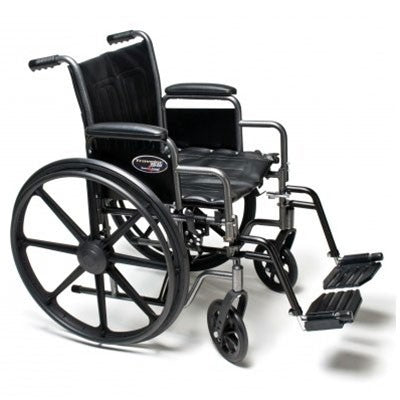
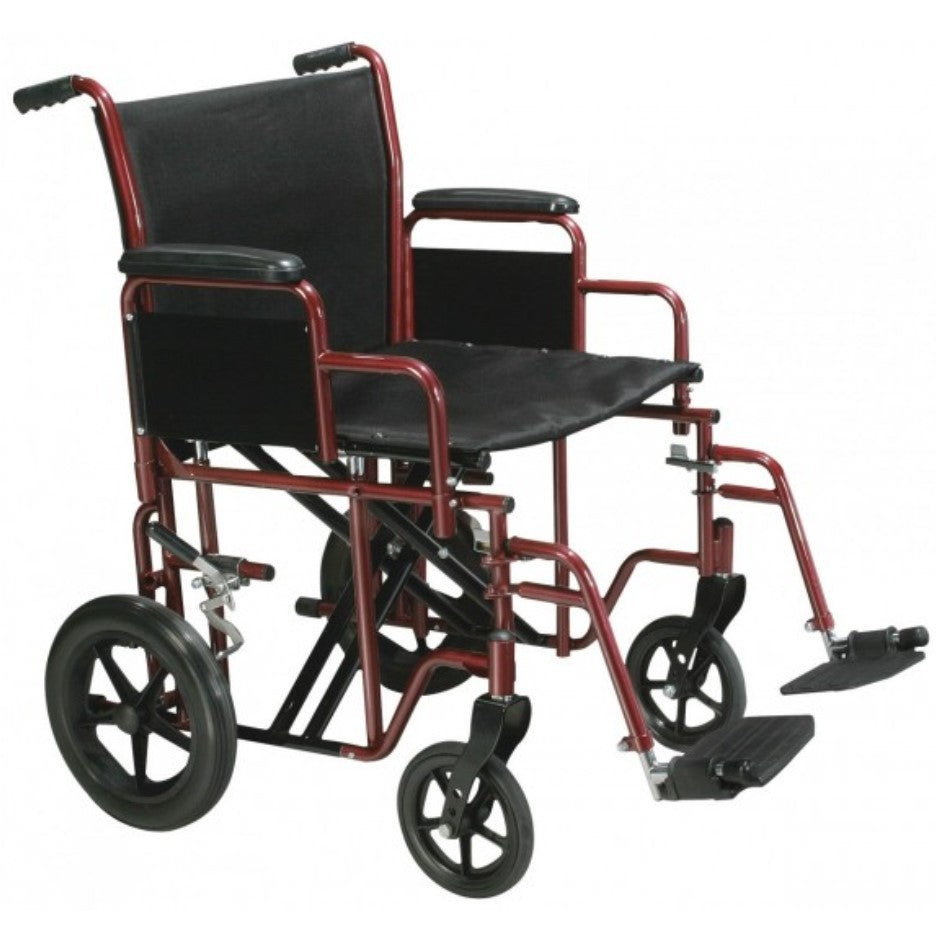
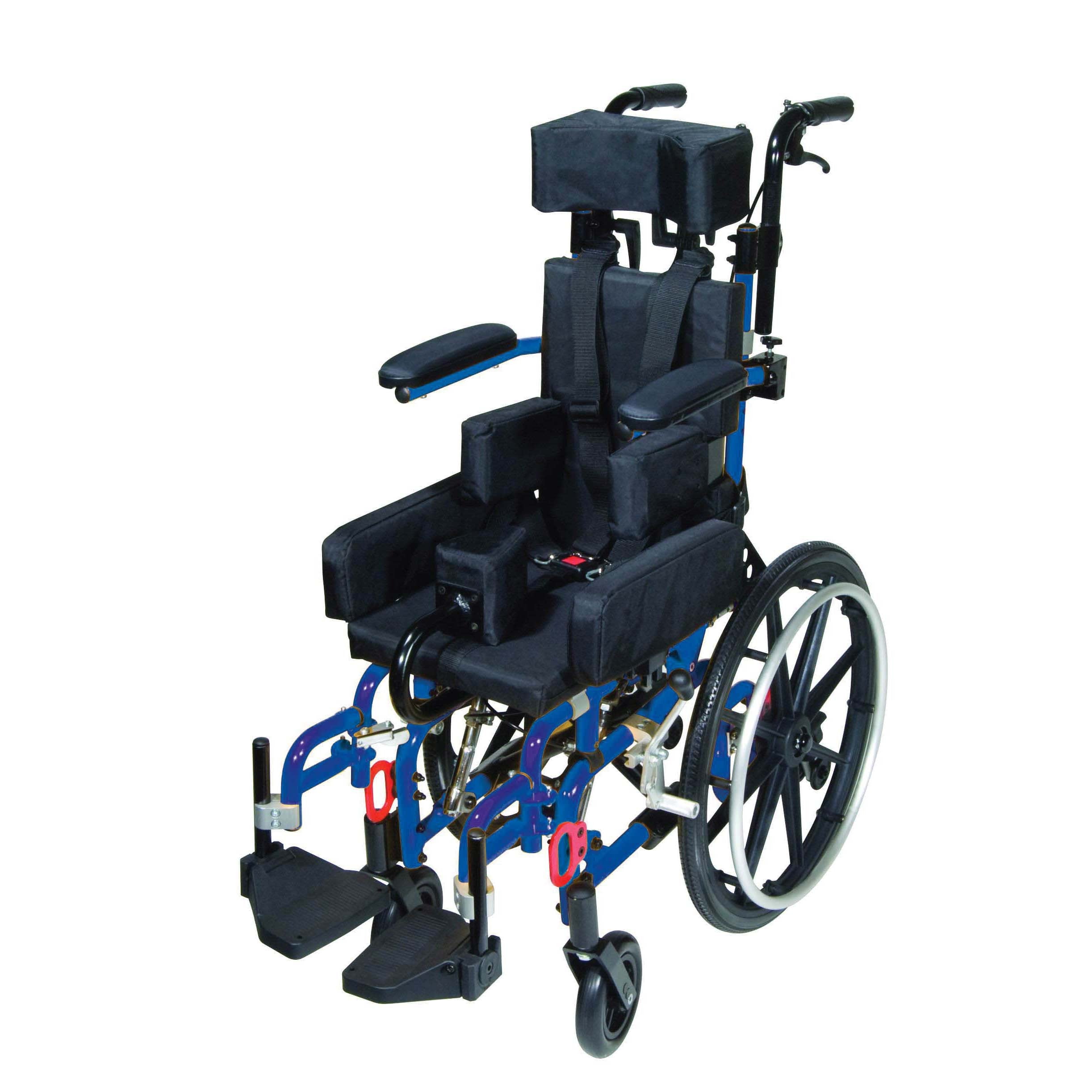
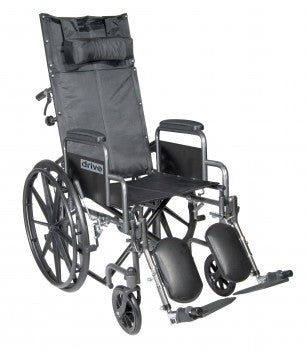
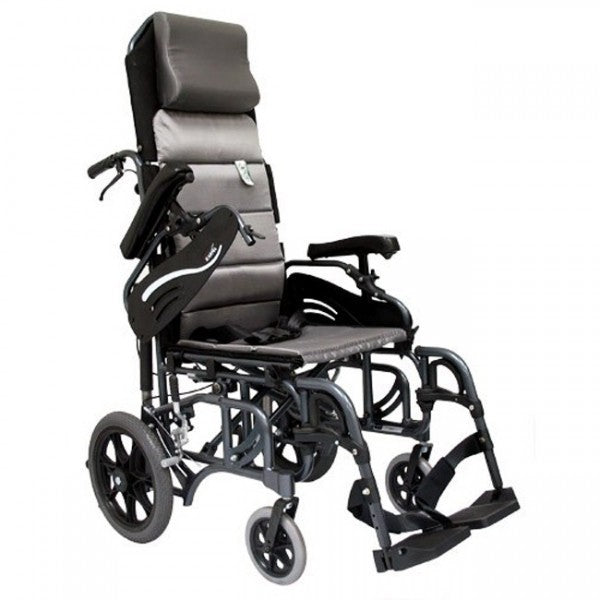
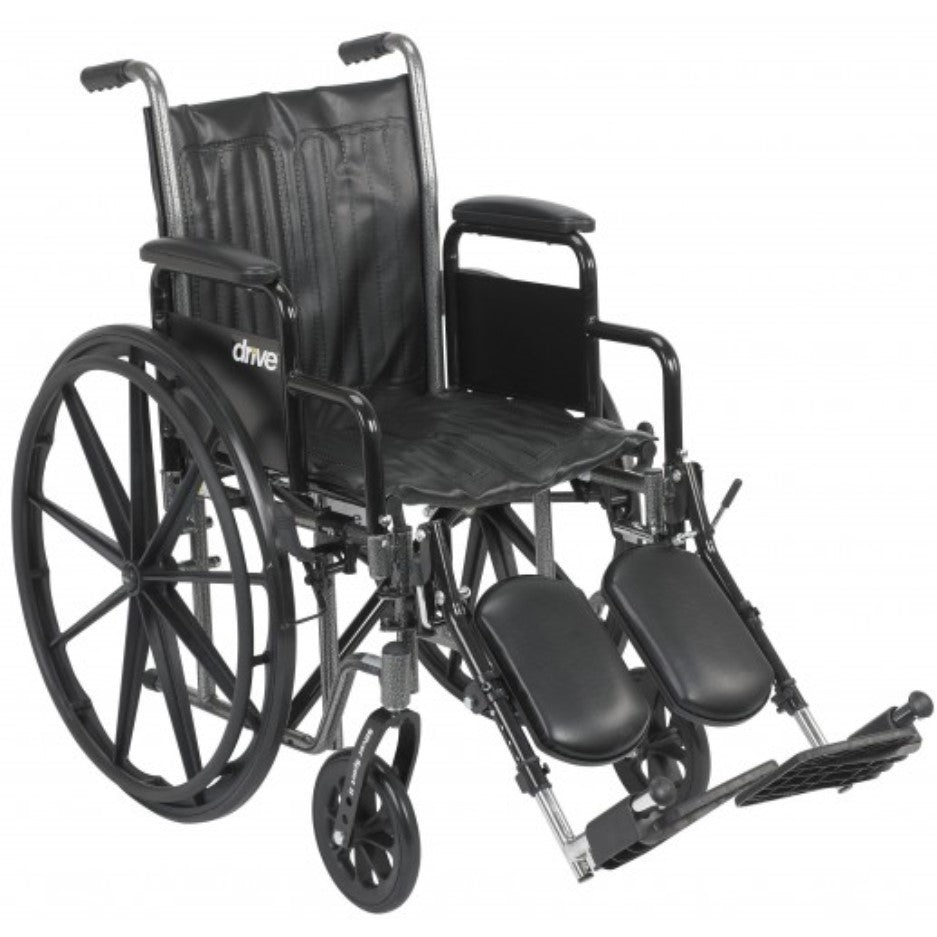
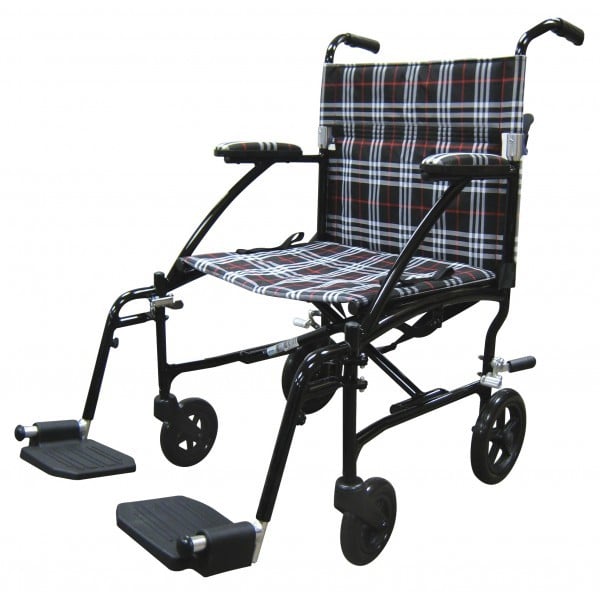
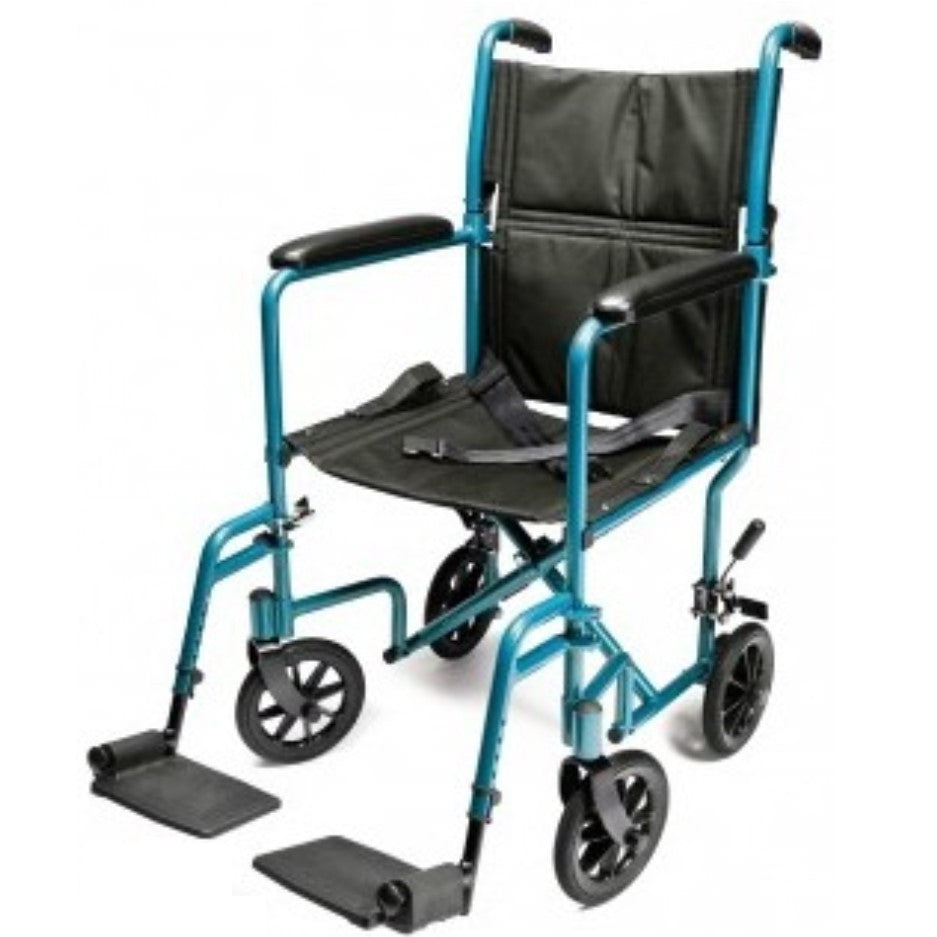
A manual wheelchair can preserve energy and reduce fall risk when a person cannot safely walk long distances. It may be used full time or kept available for appointments, shopping, outdoor events, or days when stroke-related fatigue is higher than usual.
When choosing a manual wheelchair, focus on seat width and depth, overall chair weight, armrest style, footrest support, and weight capacity. A chair that is too wide can be harder to propel and may not fit through doorways. One that is too narrow can create discomfort and make transfers more difficult. For a person with limited use of one arm or hand, self-propelling may not be realistic, so caregiver handling and transport weight deserve close attention.
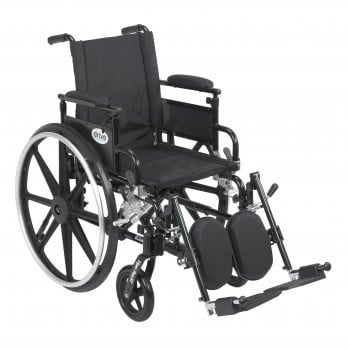
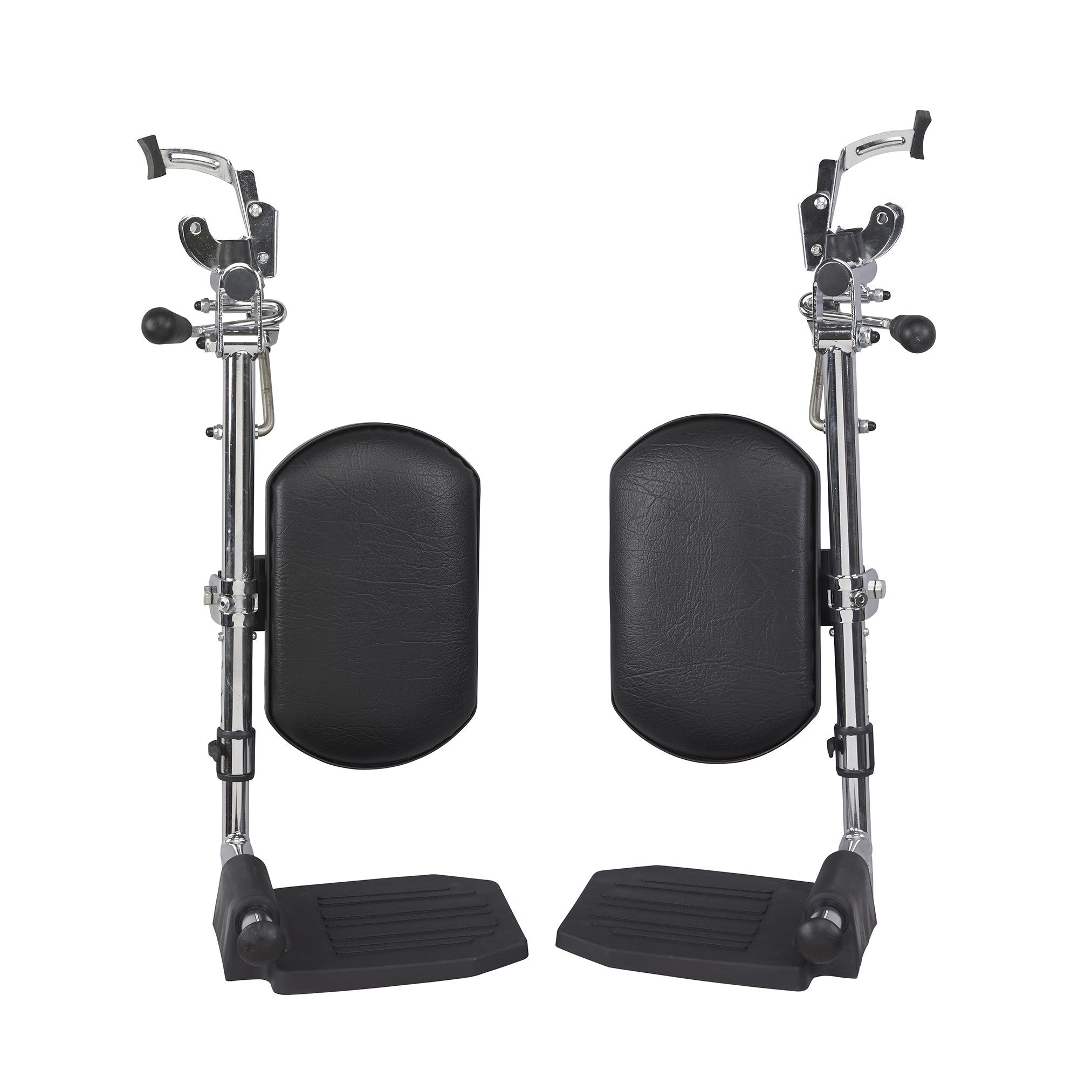
Tilt, positioning, and pressure management can also matter for someone who spends extended time seated. Supportive cushions, elevating leg rests, and adjustable footplates may improve comfort and help maintain safer alignment, particularly when swelling or weakness affects the legs.
Power Wheelchairs for Limited Strength or Control
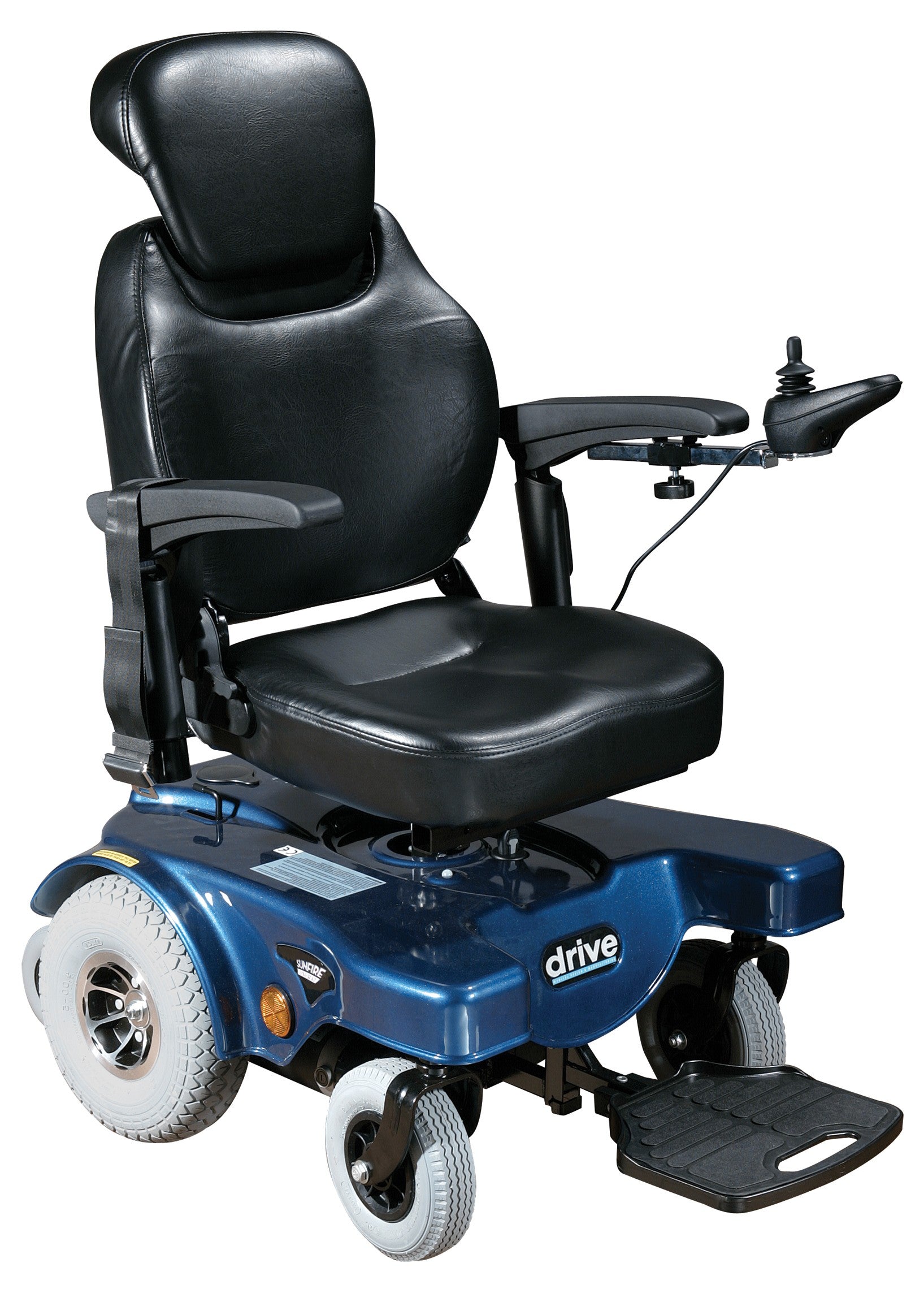
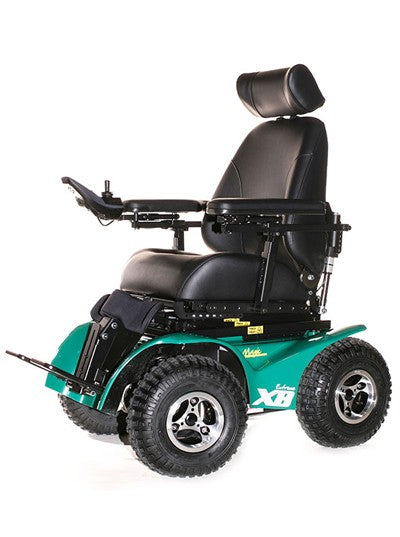
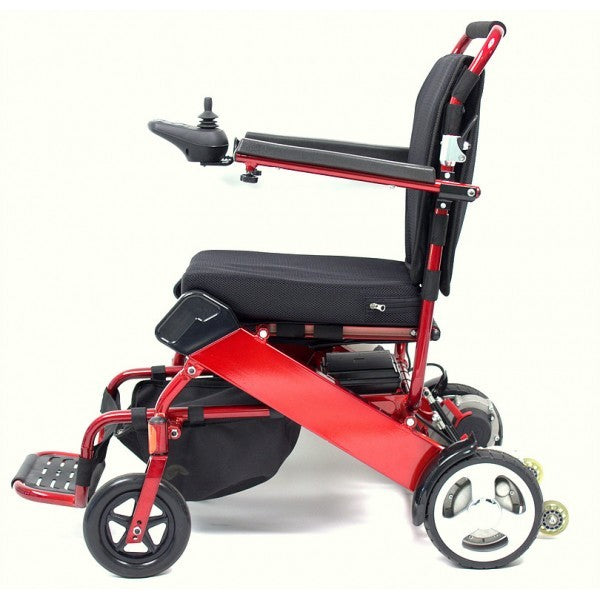
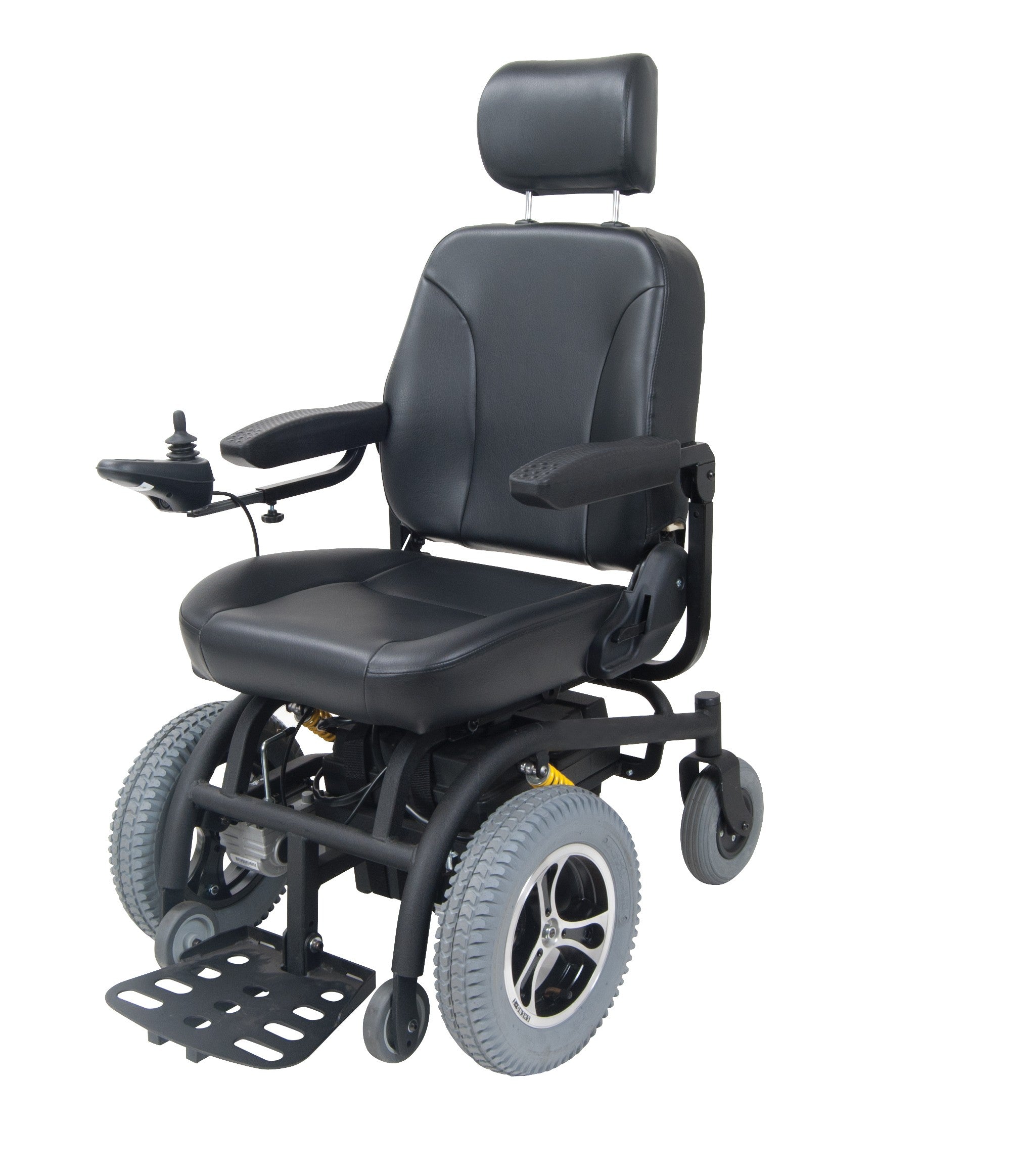
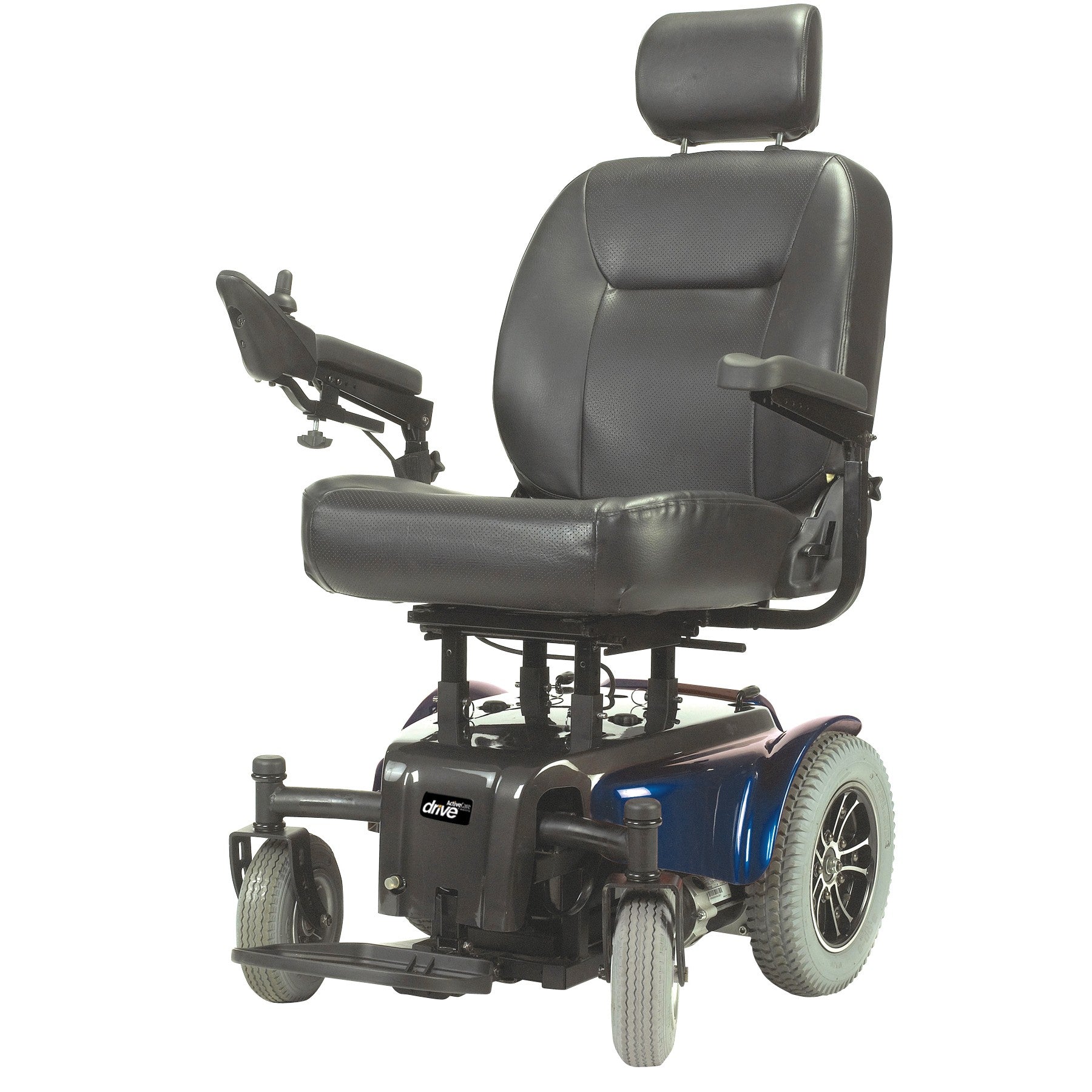
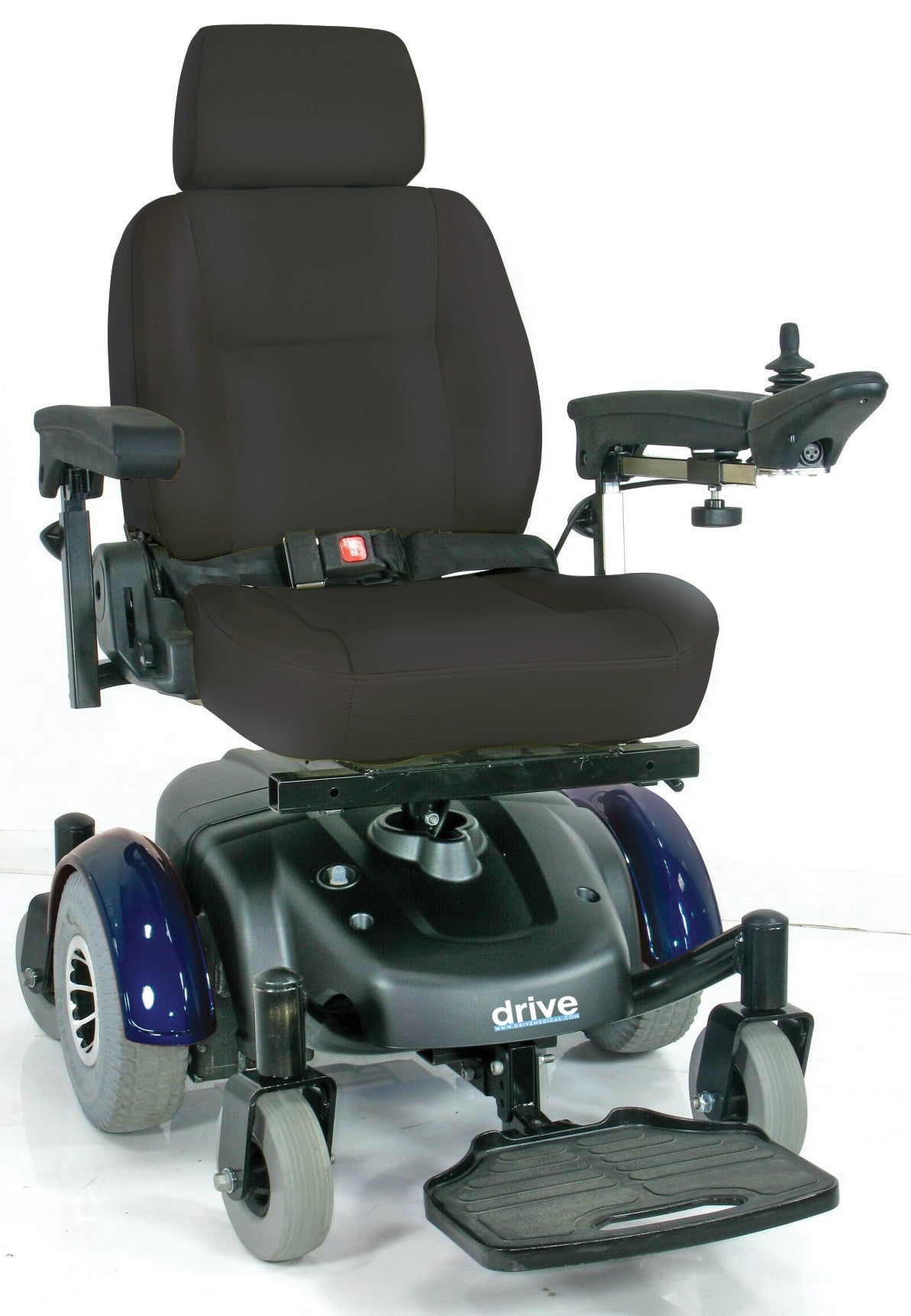
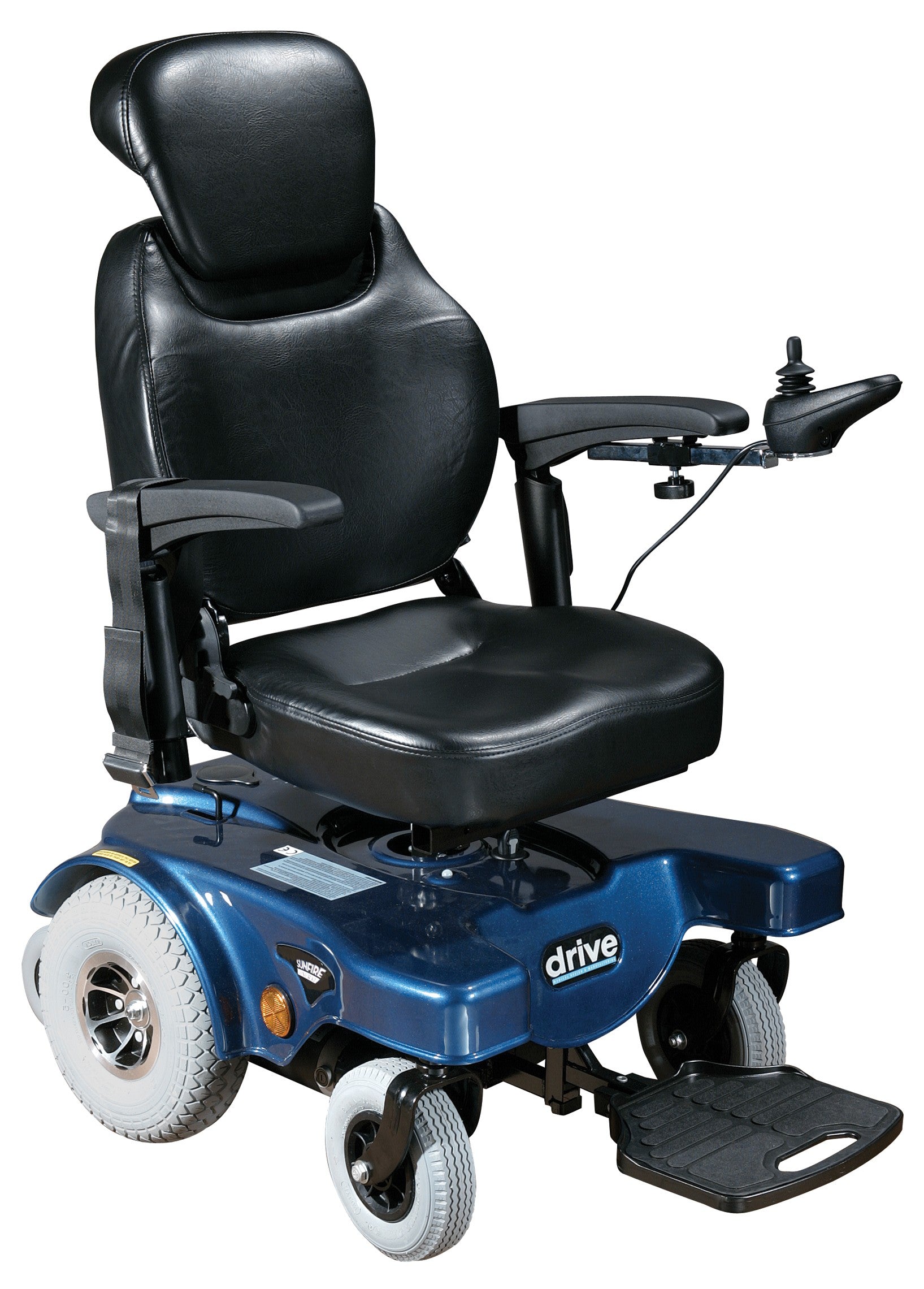
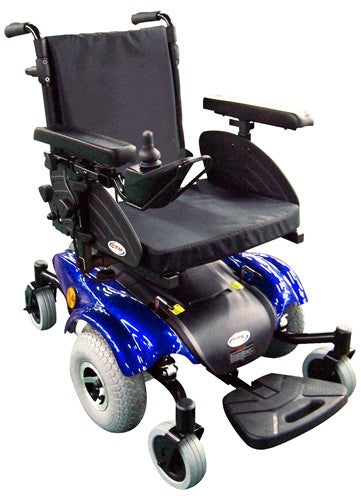
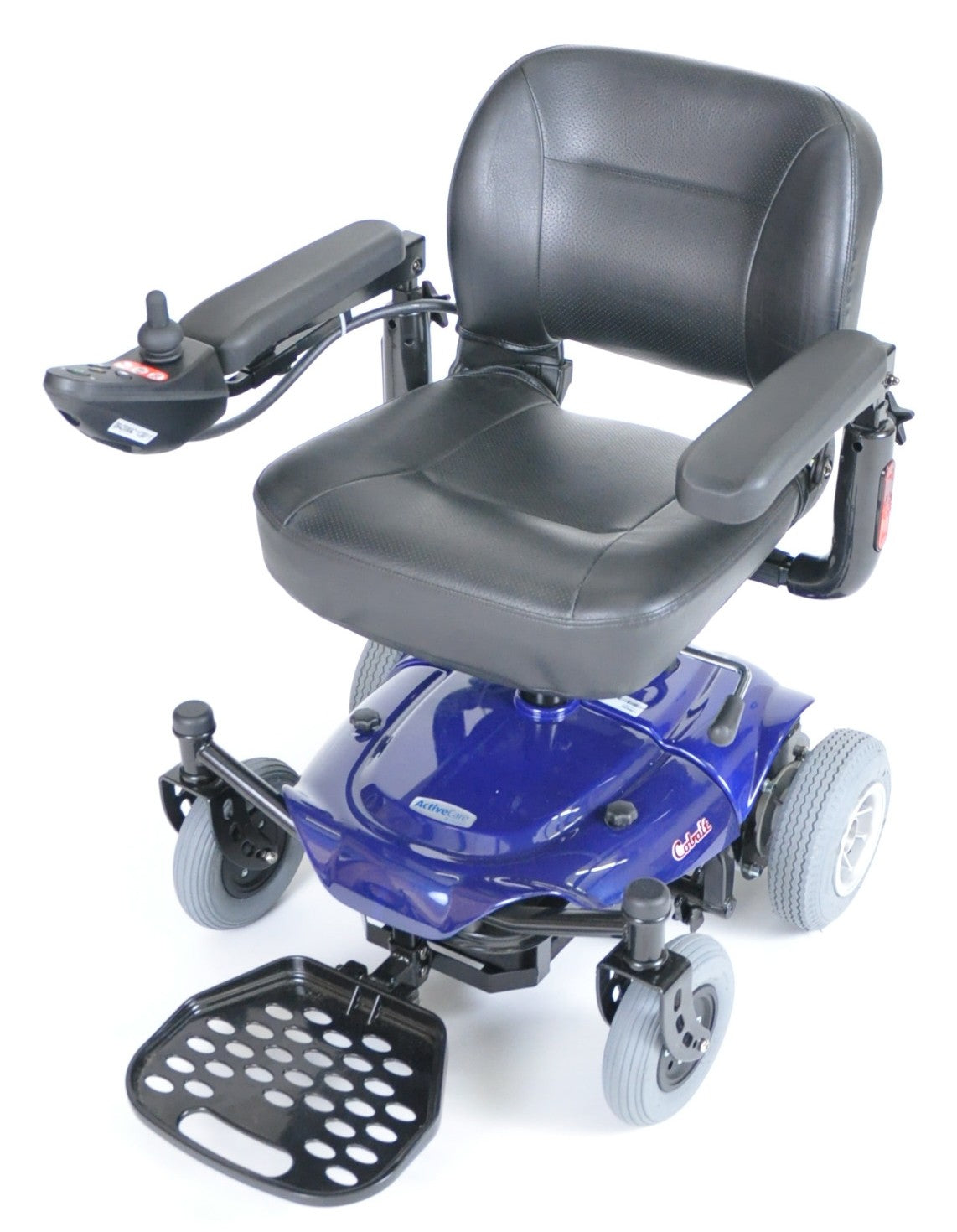
Power wheelchairs give many stroke survivors a greater level of independence when manual propulsion is not practical. A joystick-controlled chair can help the user move around the home, visit family, and participate in daily life without relying on walking or a caregiver for every trip across a room.
The key question is whether the user can safely operate the controls. Joystick placement may need to be on the stronger side, and some users benefit from alternative control options or customized seating. Turning radius is another major consideration. Compact power wheelchairs can be easier to manage in apartments and smaller homes, while larger models may offer more outdoor range and comfort but need more space.
A power wheelchair is a significant purchase, so confirm the user’s body measurements, weight capacity needs, indoor maneuverability, and transportation plan. Consider where charging will happen and whether ramps, threshold solutions, or vehicle equipment are needed to make the chair useful beyond the front door.
Mobility Scooters for Community Independence
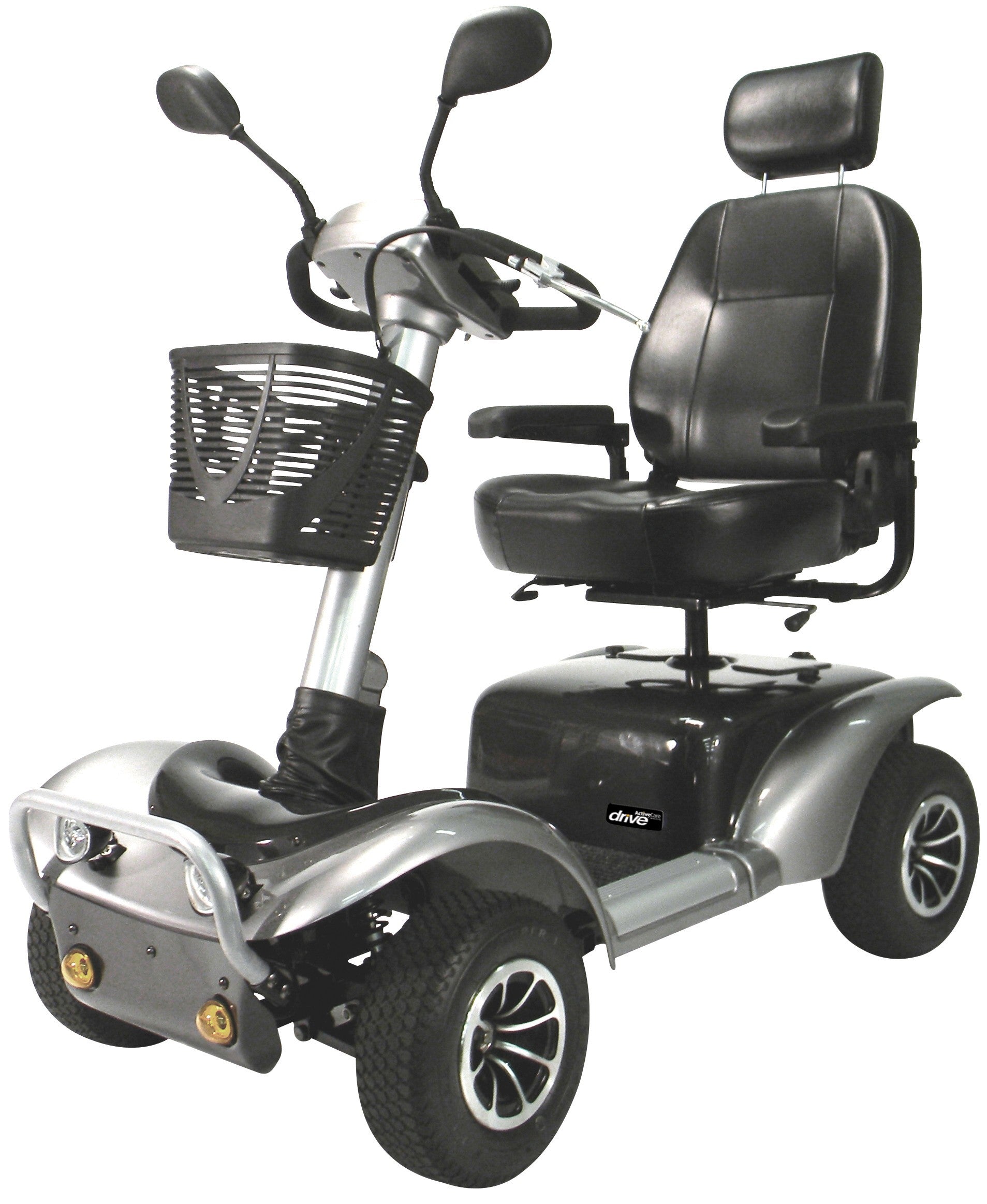
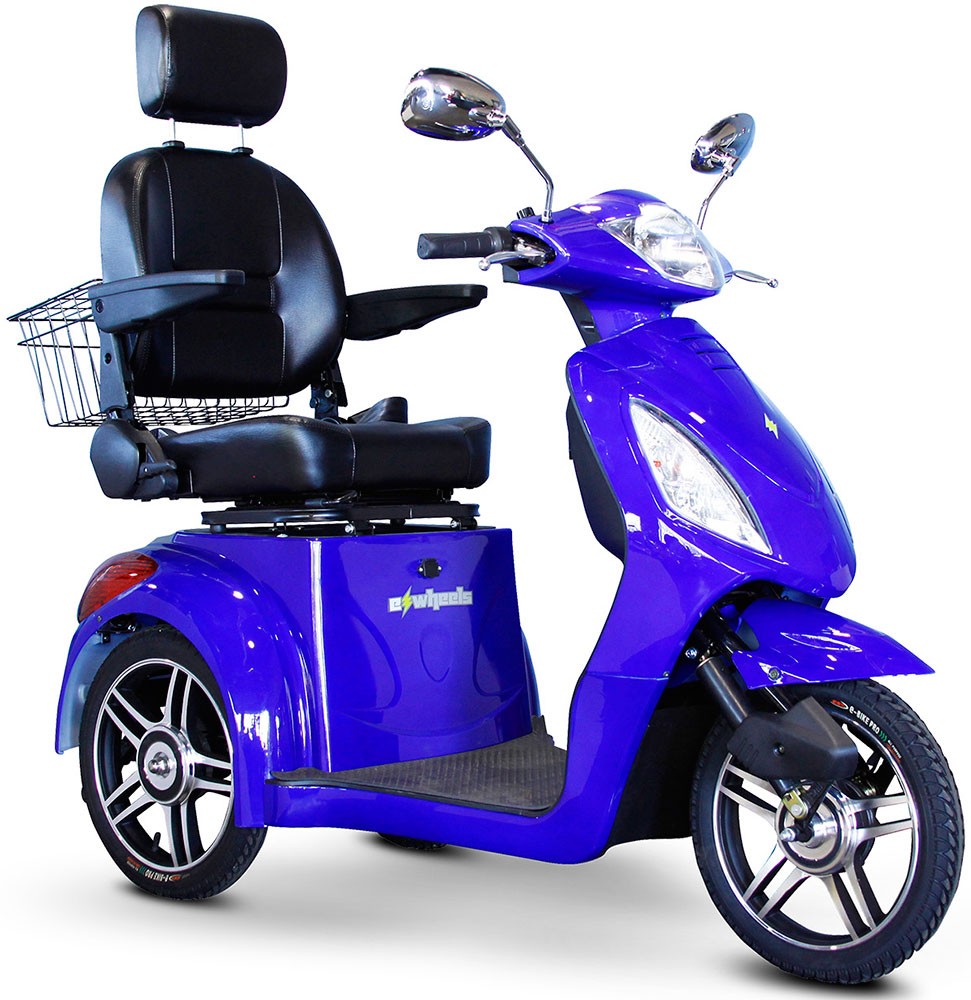
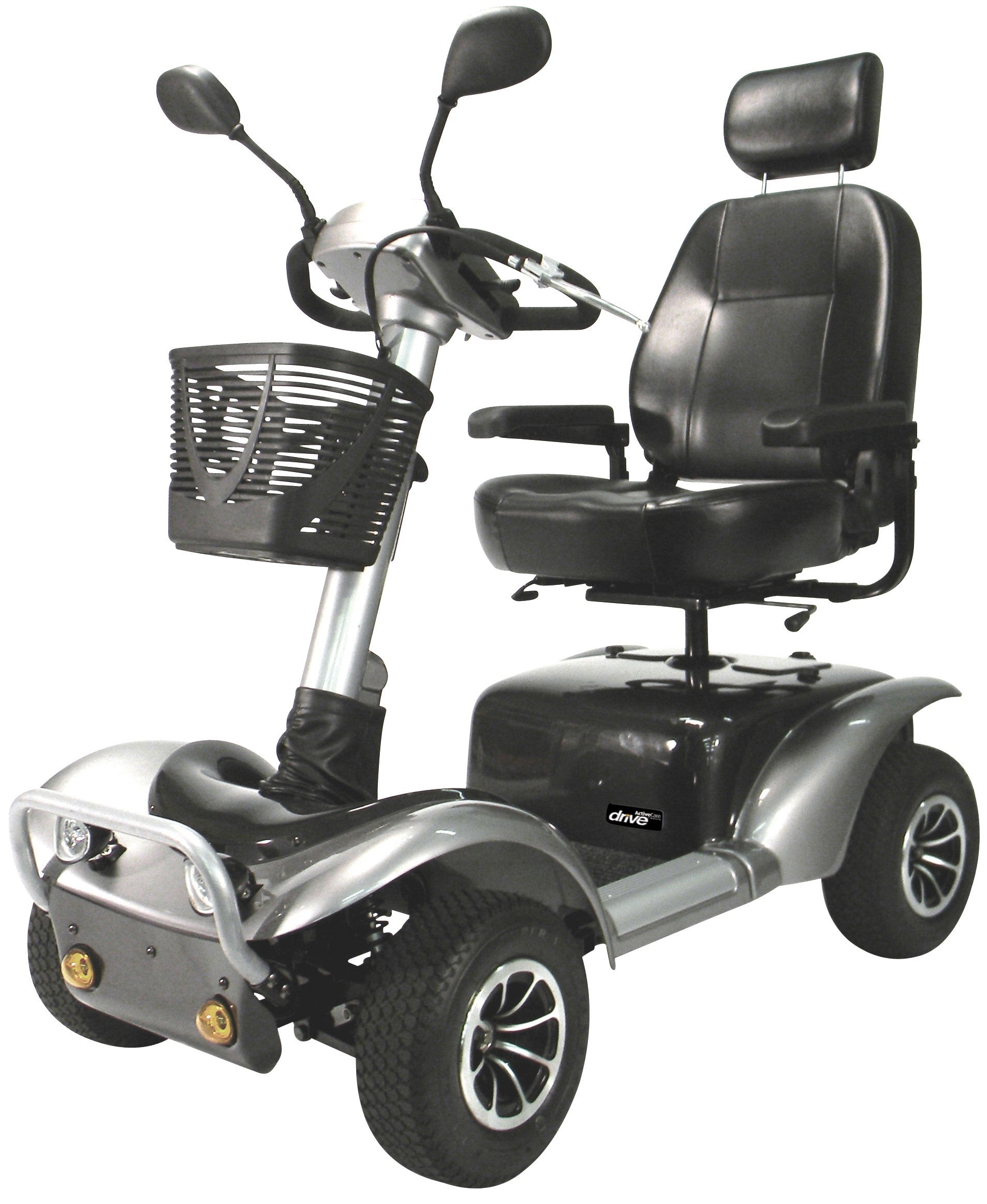
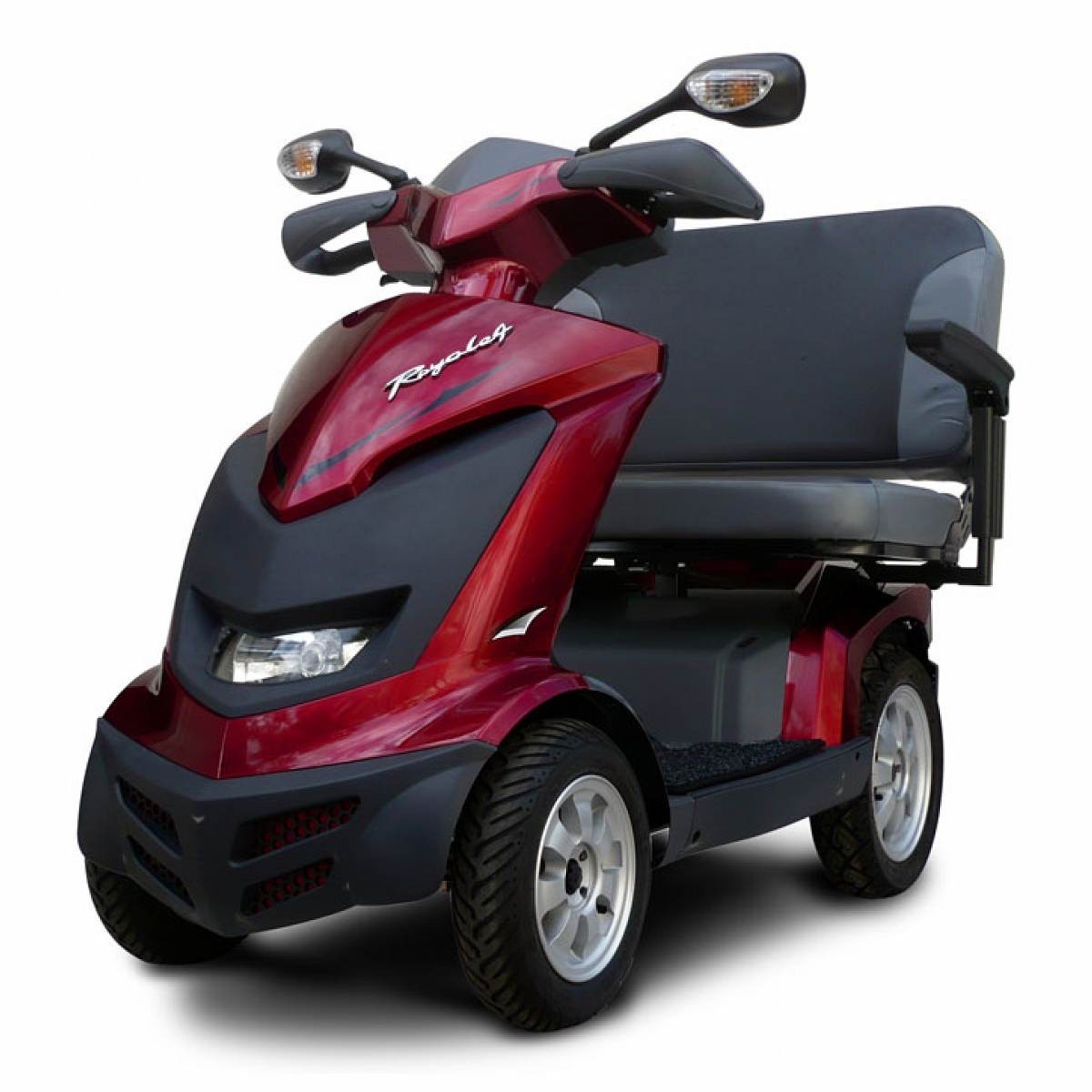
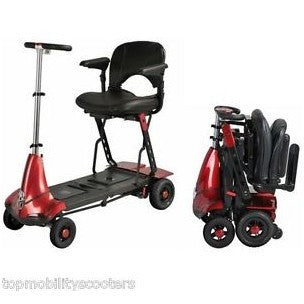
Mobility scooters can be an excellent fit for stroke survivors who can sit upright, transfer safely, and steer with adequate hand and arm control. They are especially useful for outdoor paths, larger stores, community events, and longer distances where walking is tiring or unsafe.
Three-wheel scooters usually offer a tighter turning radius, while four-wheel models provide added stability outdoors. Travel scooters can come apart or fold for transport, but their smaller design may be less comfortable for extended use. Full-size scooters generally provide a larger seat, greater range, and sturdier ride, though they are less convenient to transport.
Scooters are not always ideal for tight indoor spaces or for users who need highly supportive seating. If one-sided weakness makes transfers challenging, a power wheelchair may provide a better overall match.
Do Not Overlook Transfer and Home Support Equipment
Walking is only one part of mobility after a stroke. Standing up from a chair, getting into bed, reaching the bathroom, and moving between surfaces can be equally challenging. A complete home mobility plan often includes equipment that makes these daily transitions safer.
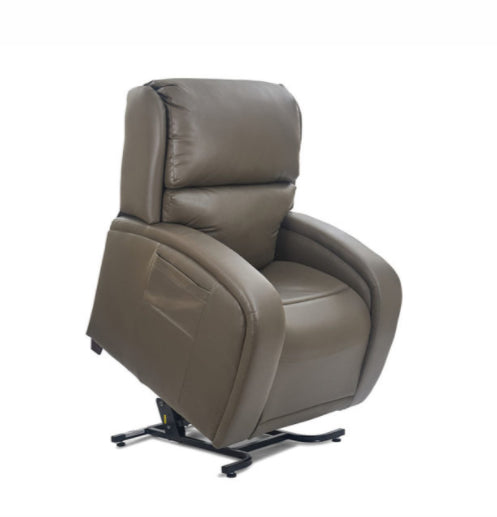
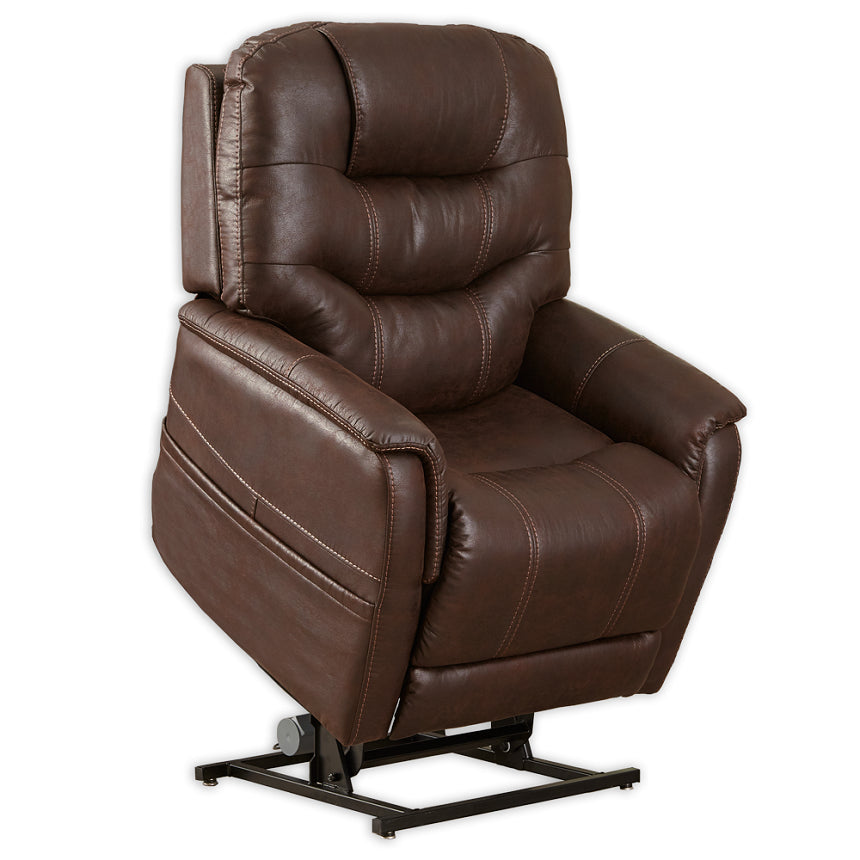
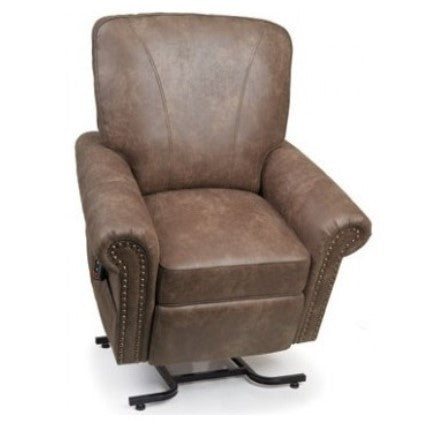
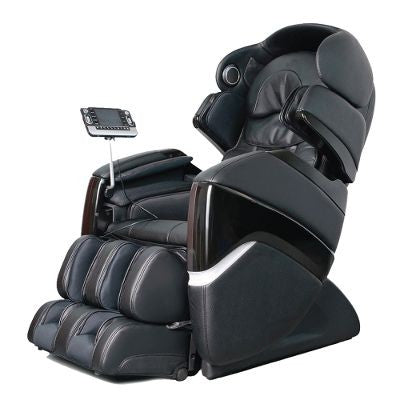
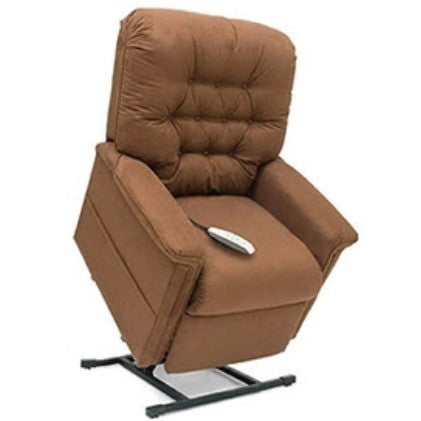
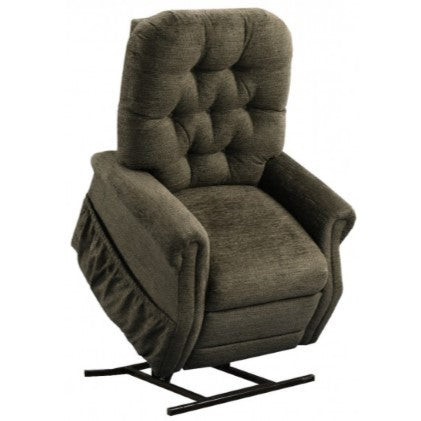
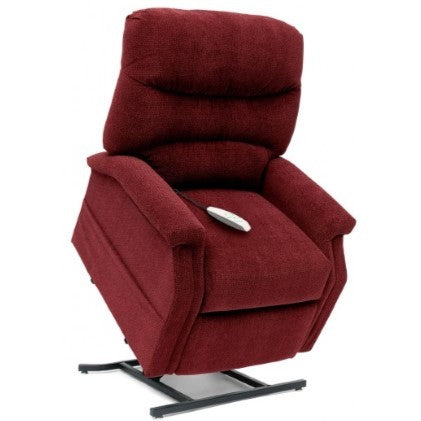
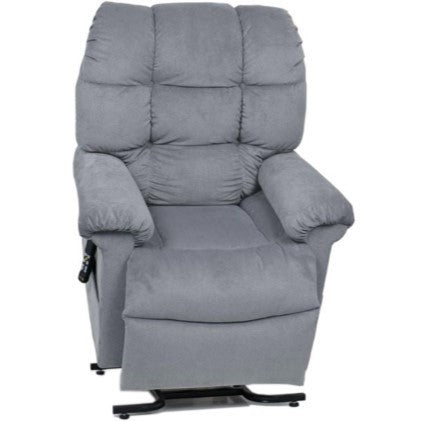
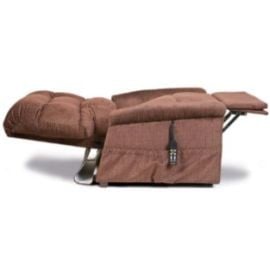
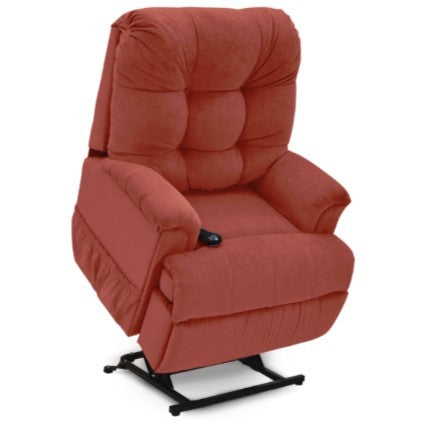
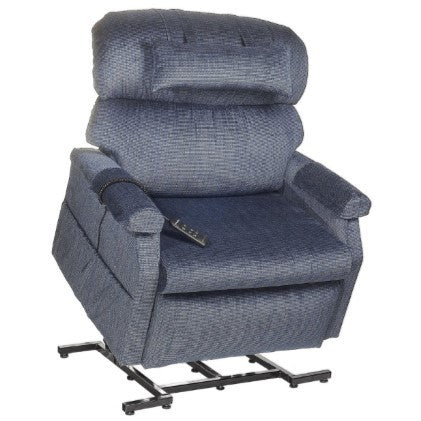
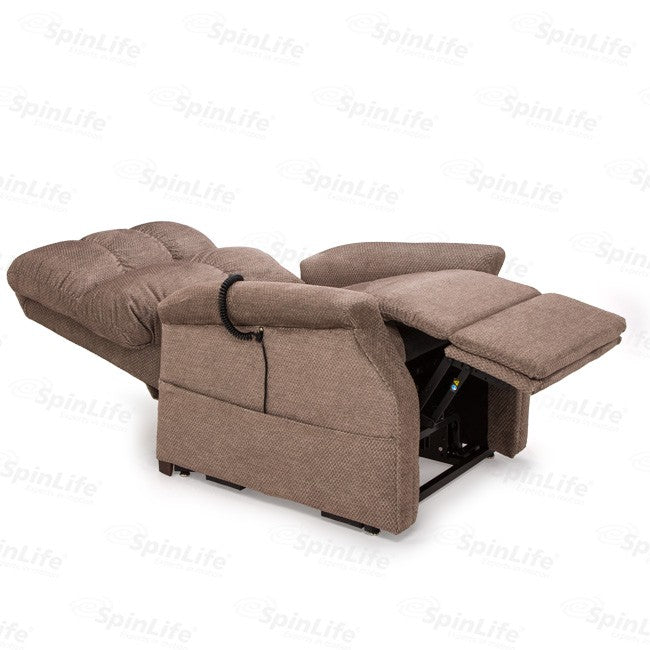
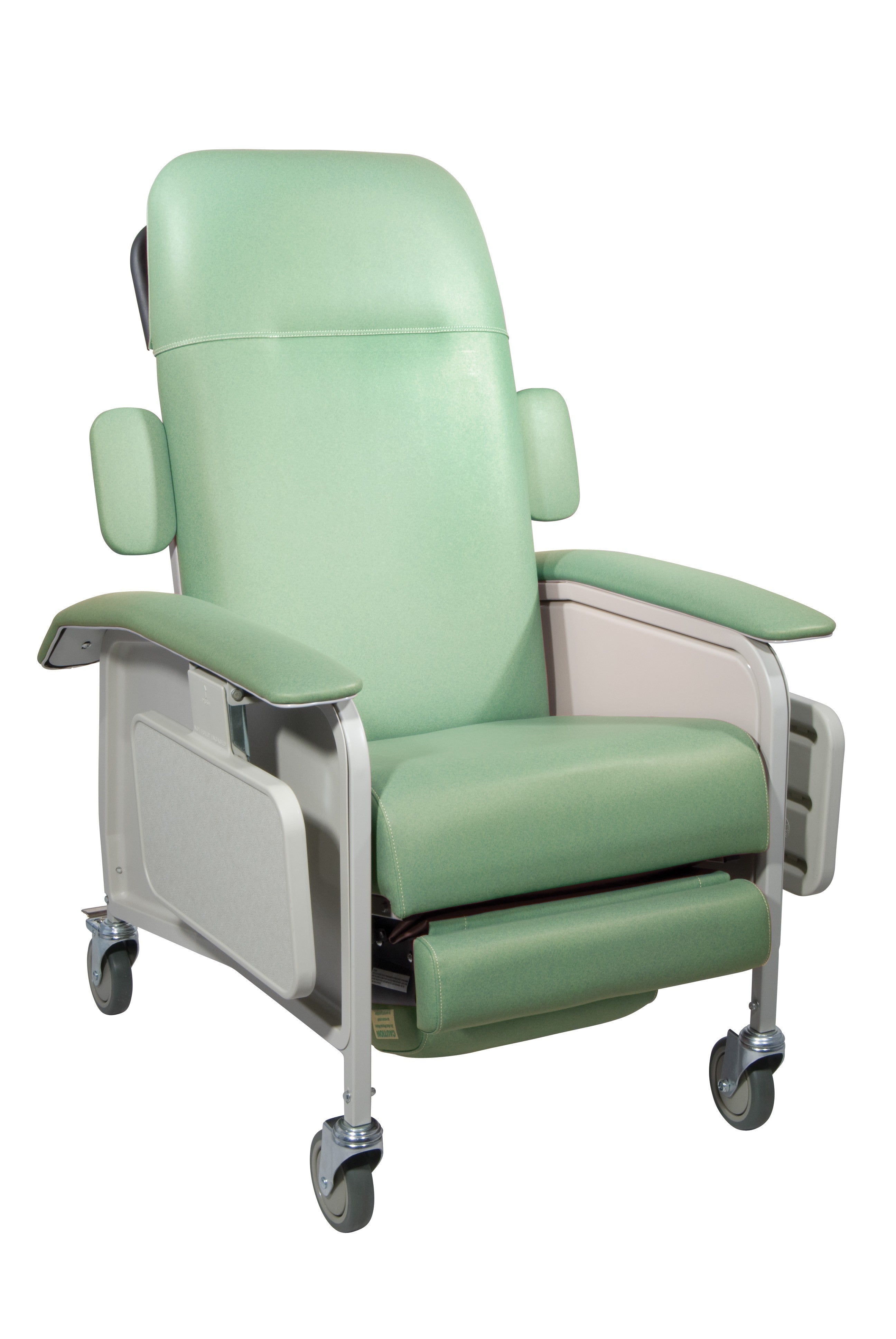
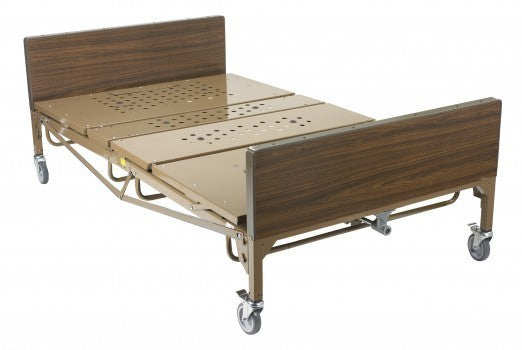
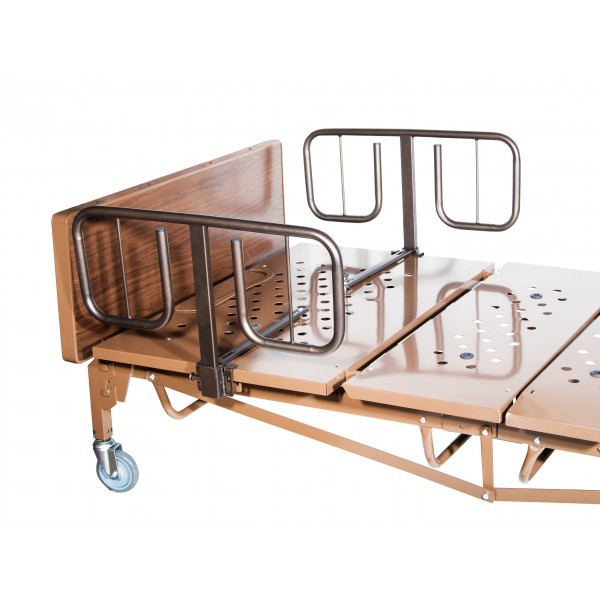
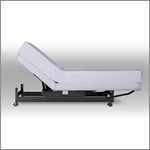
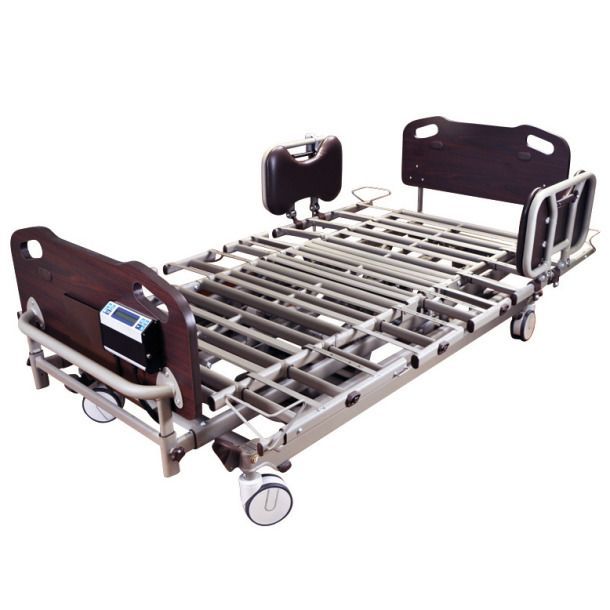
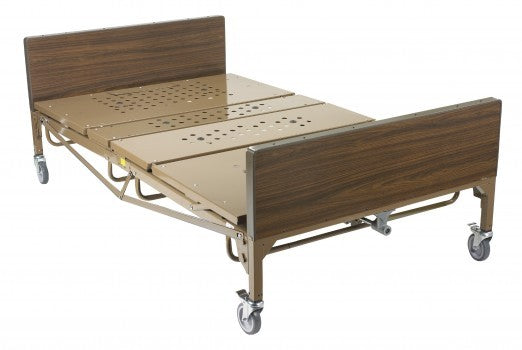
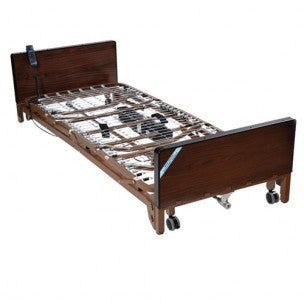
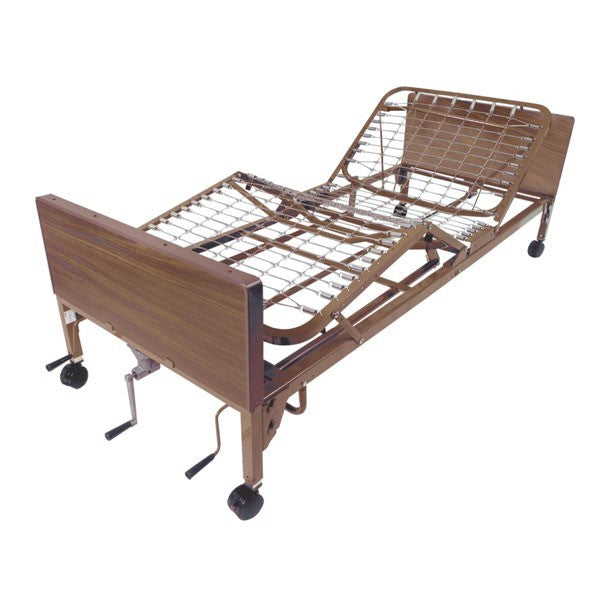
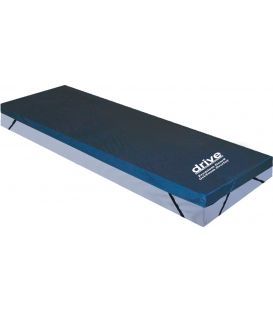
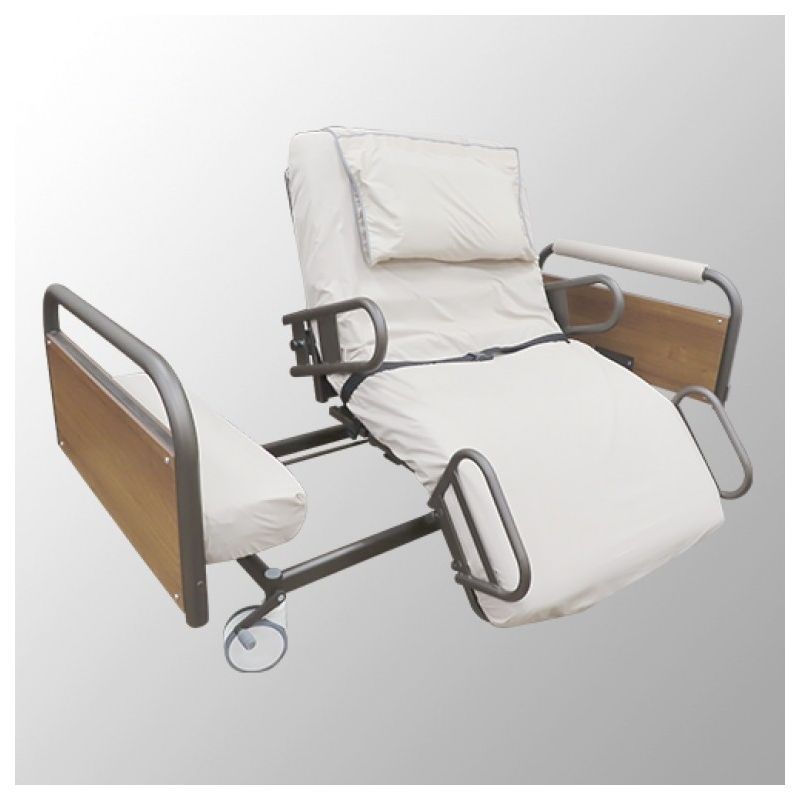
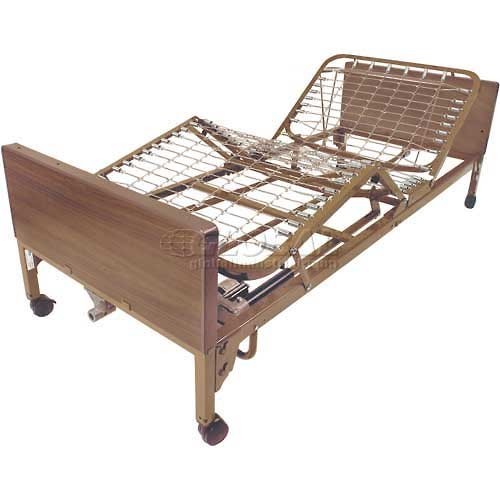
Lift chairs can help a user move from sitting to standing with less strain on weak legs and reduced assistance from a caregiver. Adjustable beds and home care beds can make it easier to reposition, sit up, transfer, and find a more comfortable sleeping position. Bed rails, transfer poles, ramps, and bathroom safety equipment may also be appropriate depending on the home and level of assistance needed.
These items should work together rather than create new obstacles. For example, a wheelchair may fit comfortably beside a bed but not turn easily in a cramped bathroom. Measuring and planning ahead can prevent a frustrating mismatch.
How to Choose the Right Fit
Before selecting equipment, consider how far the person can safely walk, whether they need one-sided support, how often fatigue occurs, and whether a caregiver will assist with transport or transfers. Also consider the user’s size, the equipment’s weight capacity, and whether it can move through the home without damaging walls or blocking pathways.
Comfort is a safety feature, not an extra. A poorly fitted seat, unsupported feet, hard-to-reach brakes, or controls placed on the weaker side can discourage use and increase risk. If recovery is ongoing, choose equipment that supports current needs without assuming that ability will remain exactly the same.
For high-consideration purchases such as power wheelchairs, scooters, lift chairs, and adjustable beds, speaking with a knowledgeable mobility specialist can help narrow the choices. American Quality Health Products provides expert assistance to help families compare fit, function, and home-use needs with greater confidence.
The most helpful mobility aid is the one that lets a stroke survivor take part in daily life with more security and less exhaustion. Start with the challenges they face most often, choose equipment that fits the person and the home, and let safety guide every decision.


