

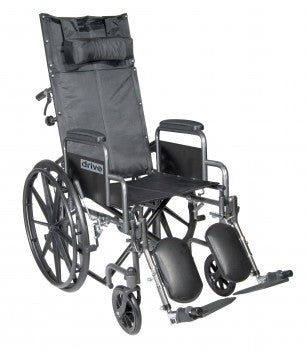
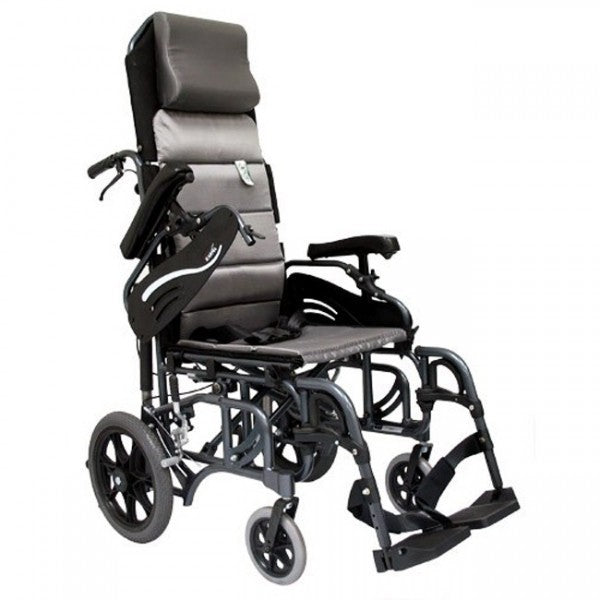
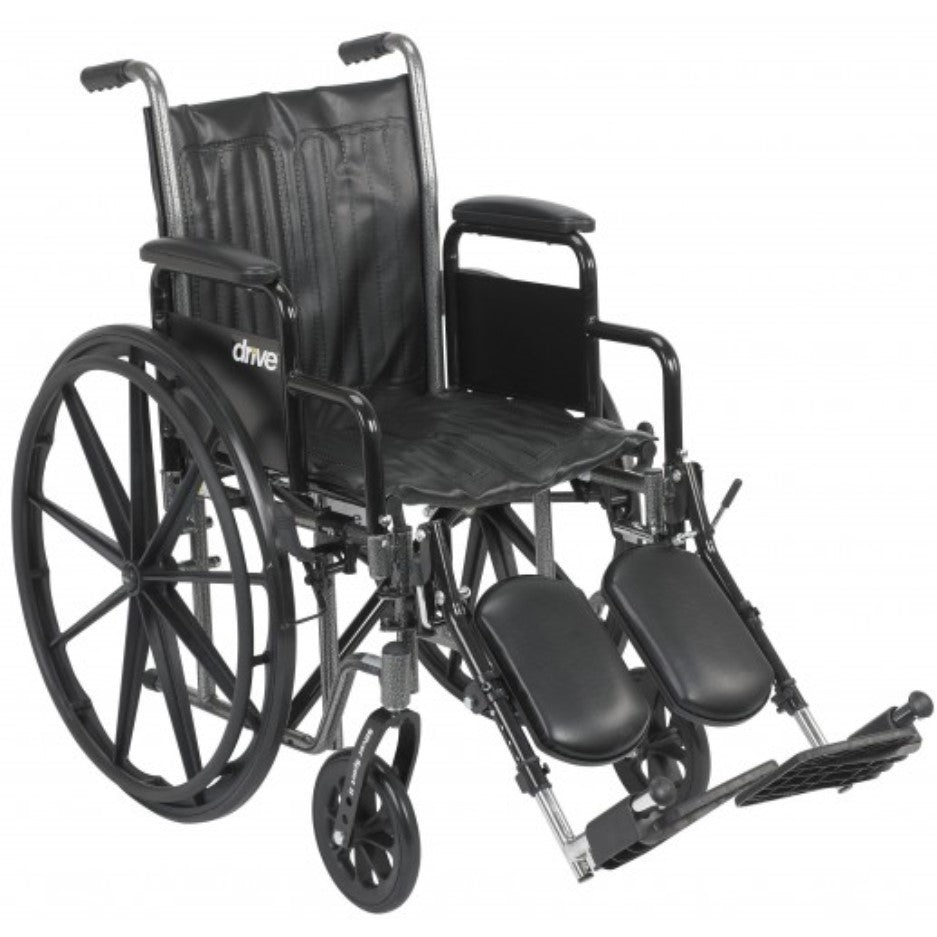
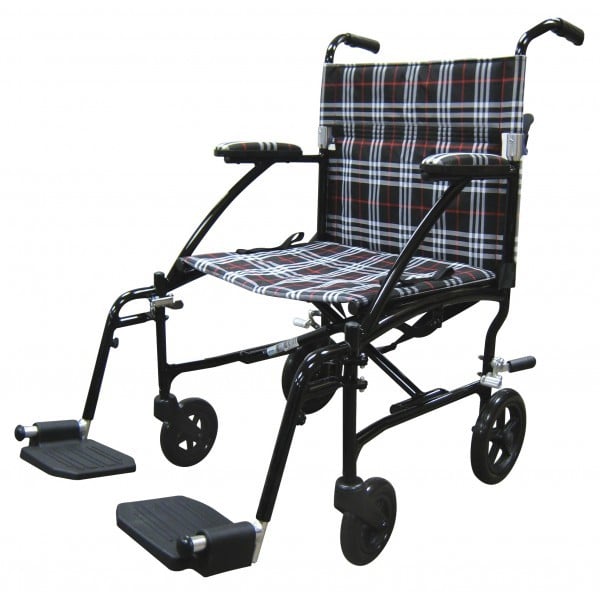



A wheelchair can feel comfortable in a showroom or look compact online, yet still prove too wide for a bathroom doorway, hallway turn, or vehicle ramp. Knowing how to measure wheelchair width before you buy helps prevent that frustrating mismatch. The key is to measure both the person who will use the chair and the spaces where the chair must travel.
For most buyers, there are two widths that matter: seat width and overall wheelchair width. They serve different purposes. Seat width affects comfort, positioning, and the ability to transfer safely. Overall width determines whether the chair can pass through doorways, down hallways, and around furniture. A good fit requires both measurements.
Start With Seat Width
Seat width is the distance across the usable sitting surface, measured from one armrest or side guard to the other. It is usually listed as a standard size on manual wheelchair product pages, often in even-numbered increments. This is not the same as the chair's full outside width.
To measure the user, have them sit upright on a firm, flat surface with their hips positioned naturally. Place a tape measure across the widest part of the hips or thighs, depending on which is wider. Add about 1 to 2 inches for everyday comfort, clothing, and ease of movement.
For example, a person whose widest hip measurement is 17 inches will often be comfortable in an 18- or 19-inch seat. The right allowance depends on the user's body shape, whether they wear bulky clothing, and how much positioning support they need.
A seat that is too narrow can create pressure at the hips, make transfers harder, and limit access to side pockets or controls. A seat that is too wide may reduce posture support and make it more difficult to reach the wheels on a self-propelled manual wheelchair. For a user with limited trunk control, a closer fit may provide better support when paired with appropriate cushions or positioning accessories.
Consider Cushions and Support Needs
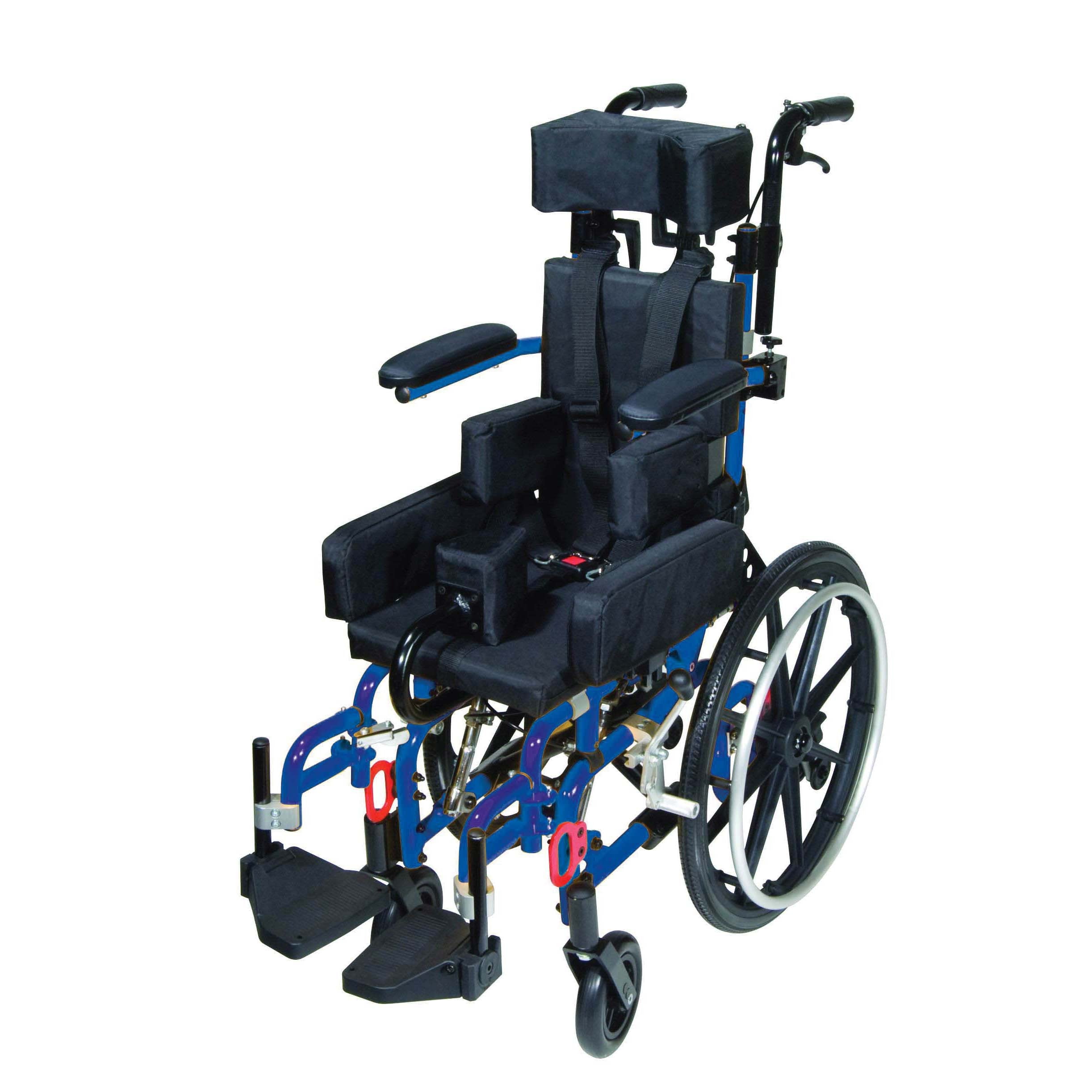
If the wheelchair will be used with a pressure-relief cushion, positioning cushion, lateral supports, or a thick winter coat, account for those items before choosing a seat width. A cushion usually affects seat height more than width, but side supports and certain cushion contours can reduce the usable sitting area.
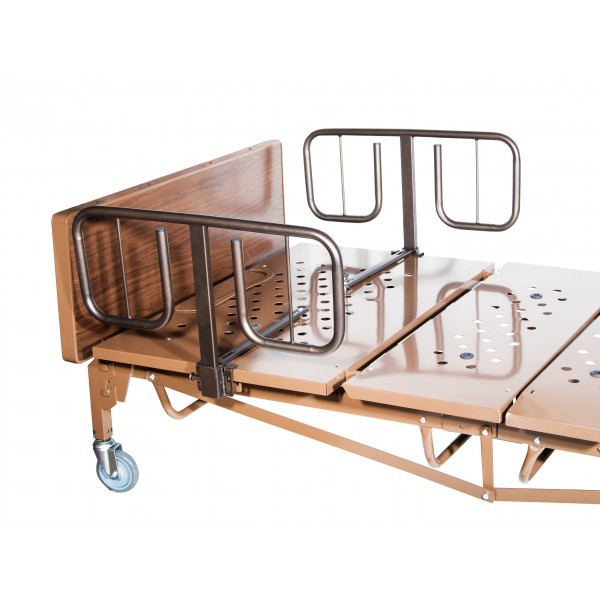
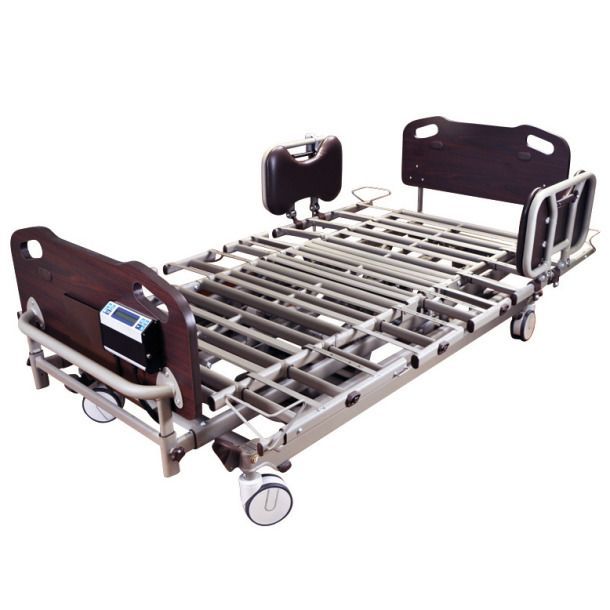
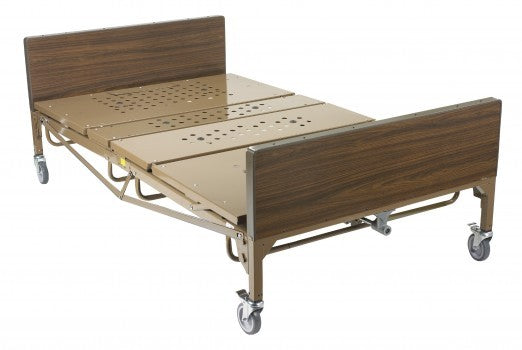
Bariatric wheelchairs require especially careful measurements. Higher weight capacities often come with wider seats and wider frames, which can improve comfort but may limit indoor maneuverability. In these cases, doorway clearance should be checked before selecting a model.
How to Measure Wheelchair Width From the Outside
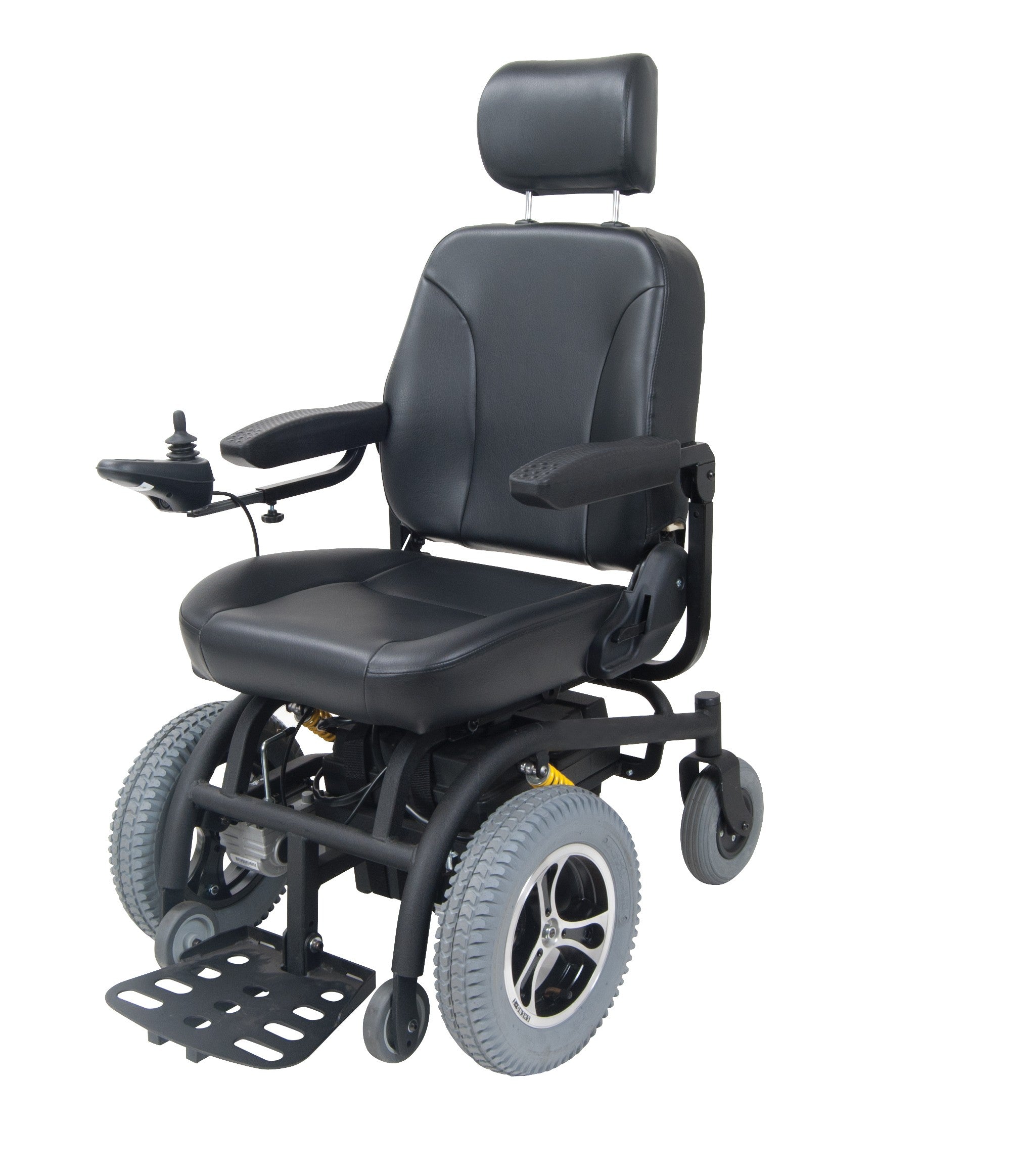
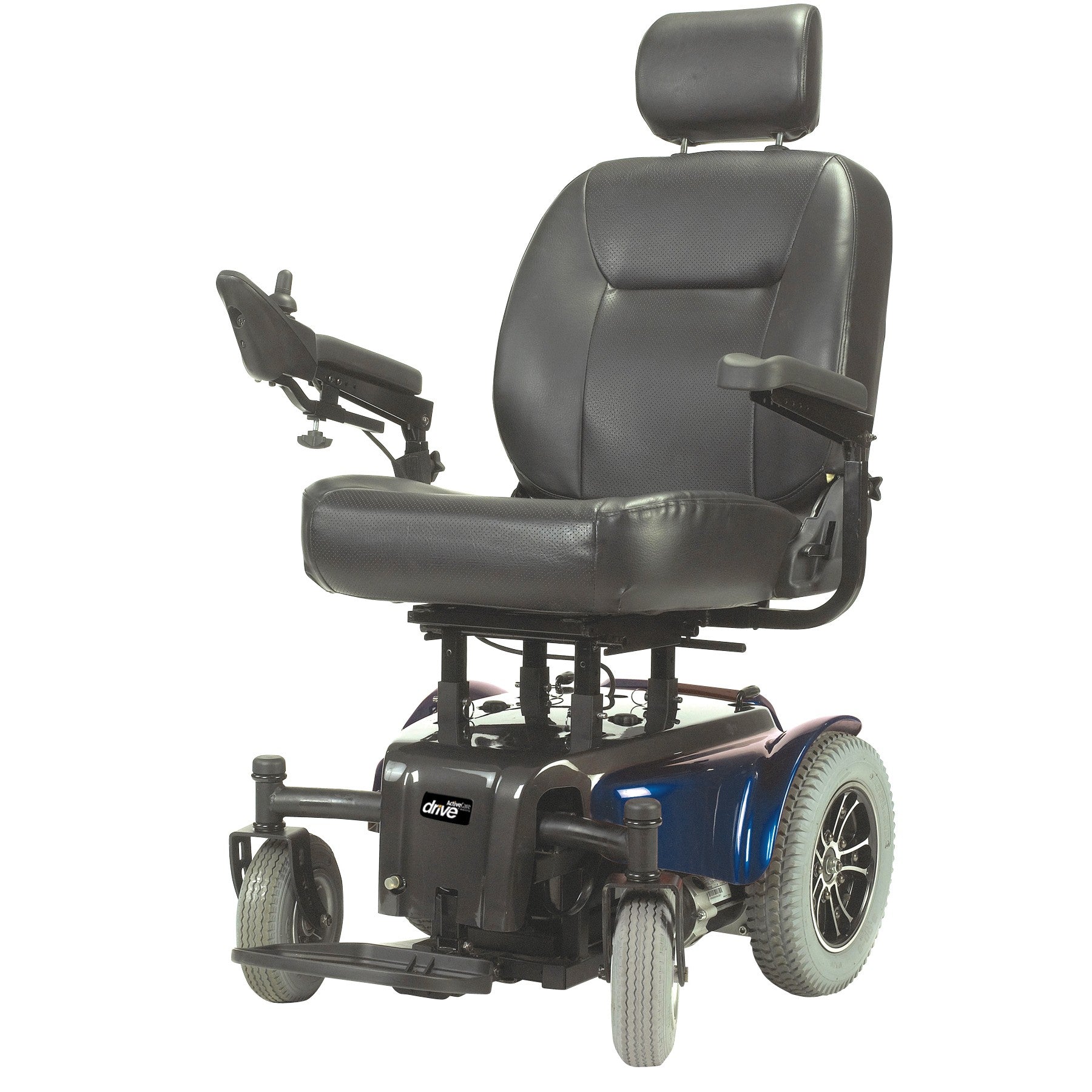
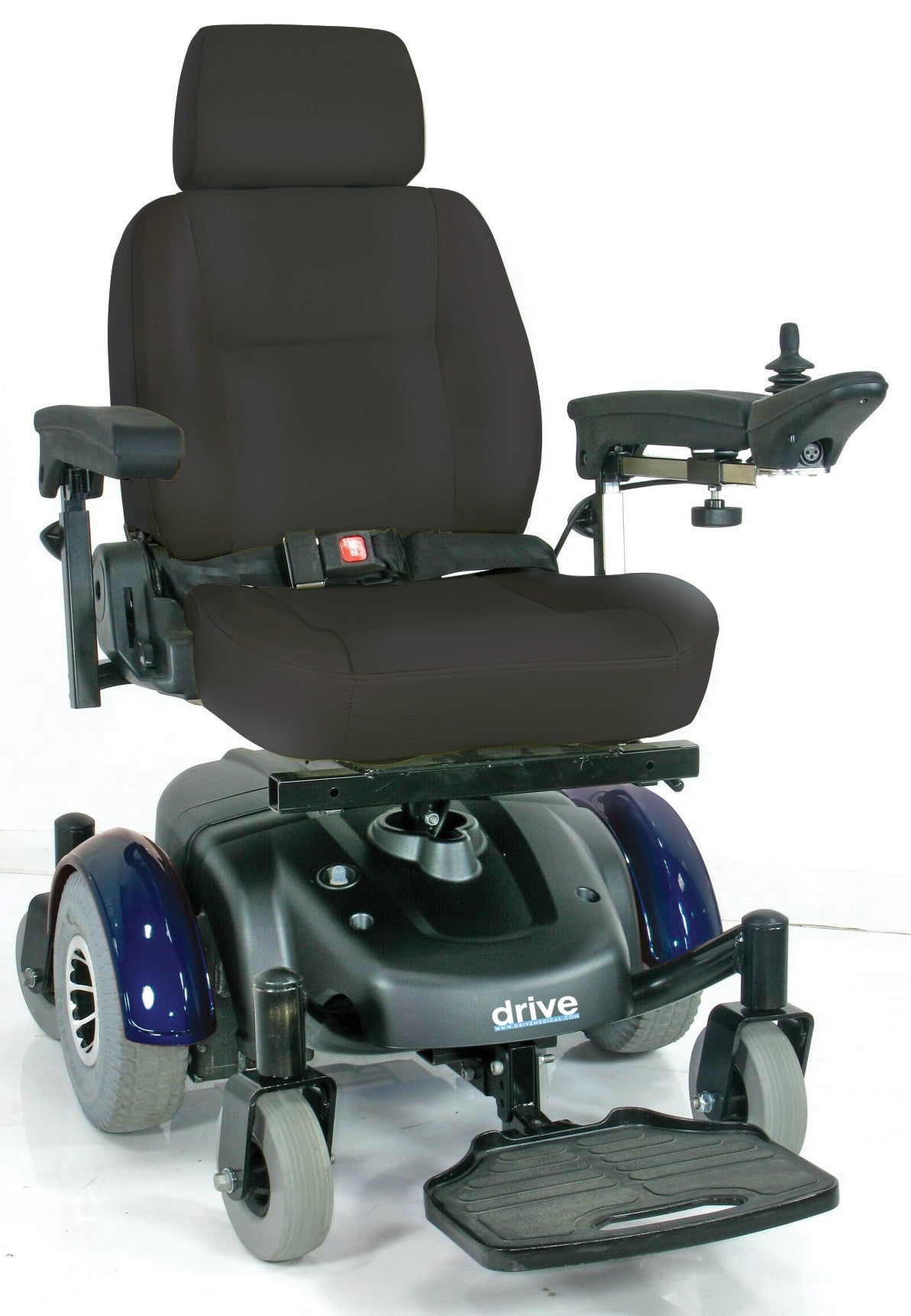
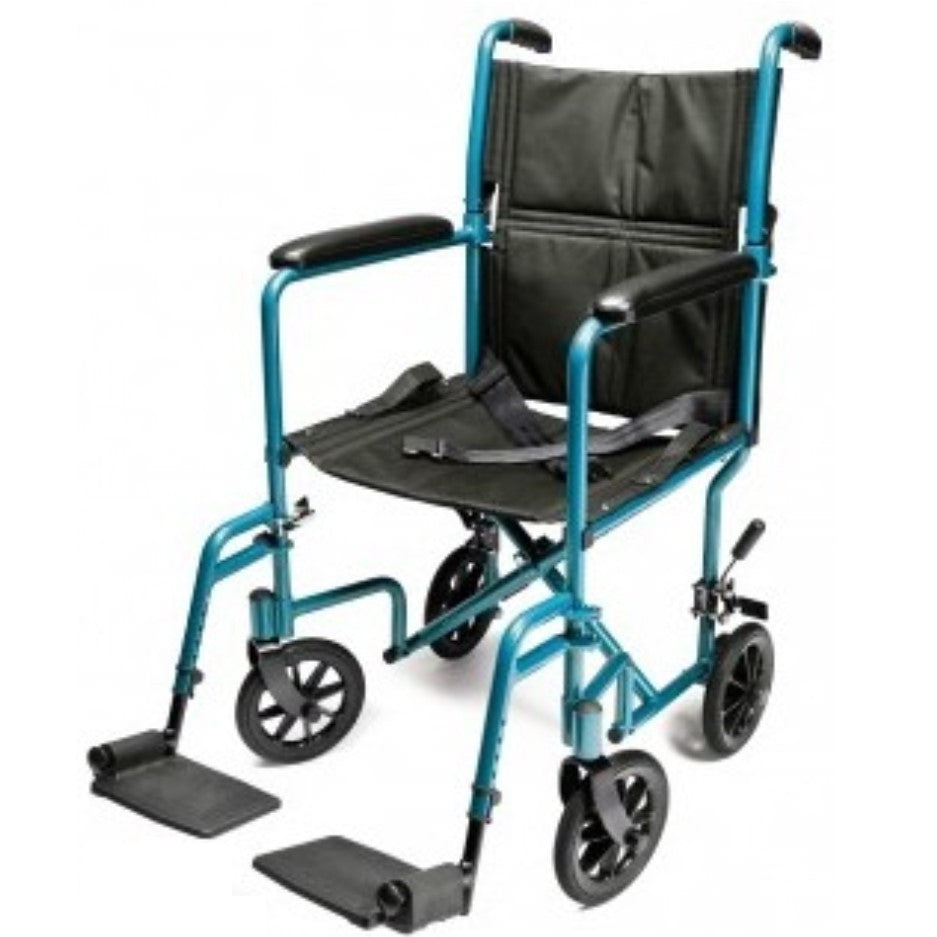
Overall width is the widest point of the fully assembled wheelchair. On a standard manual chair, that point is usually the outside edge of one rear wheel to the outside edge of the other. On a power wheelchair, it may be the drive wheels, fenders, armrests, or another part of the base.
Use a tape measure and measure straight across from the outermost point on one side to the outermost point on the other. If the chair has removable or swing-away leg rests, do not include them in this side-to-side measurement unless they extend beyond the frame. The manufacturer’s listed overall width is the most reliable specification for a specific model, especially when wheel options or armrest styles can change the final dimensions.
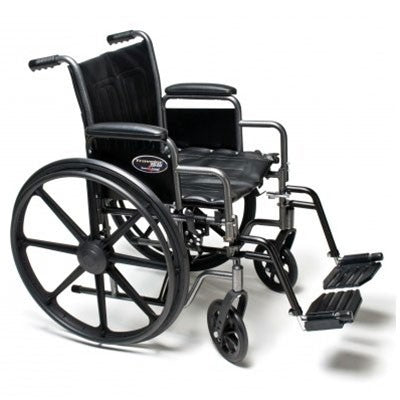
For a quick planning rule, many standard manual wheelchairs are about 8 inches wider overall than their seat width. A chair with an 18-inch seat may therefore measure roughly 26 inches across. This is only an estimate. Wheel camber, quick-release wheels, armrest design, and frame construction can make the chair wider or narrower.
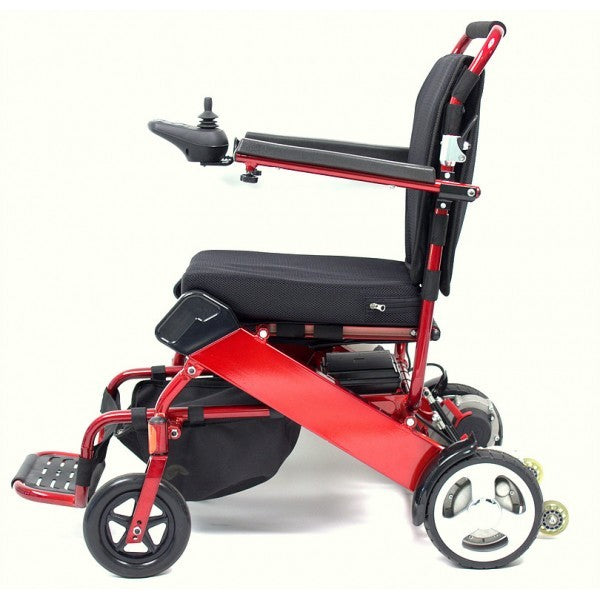
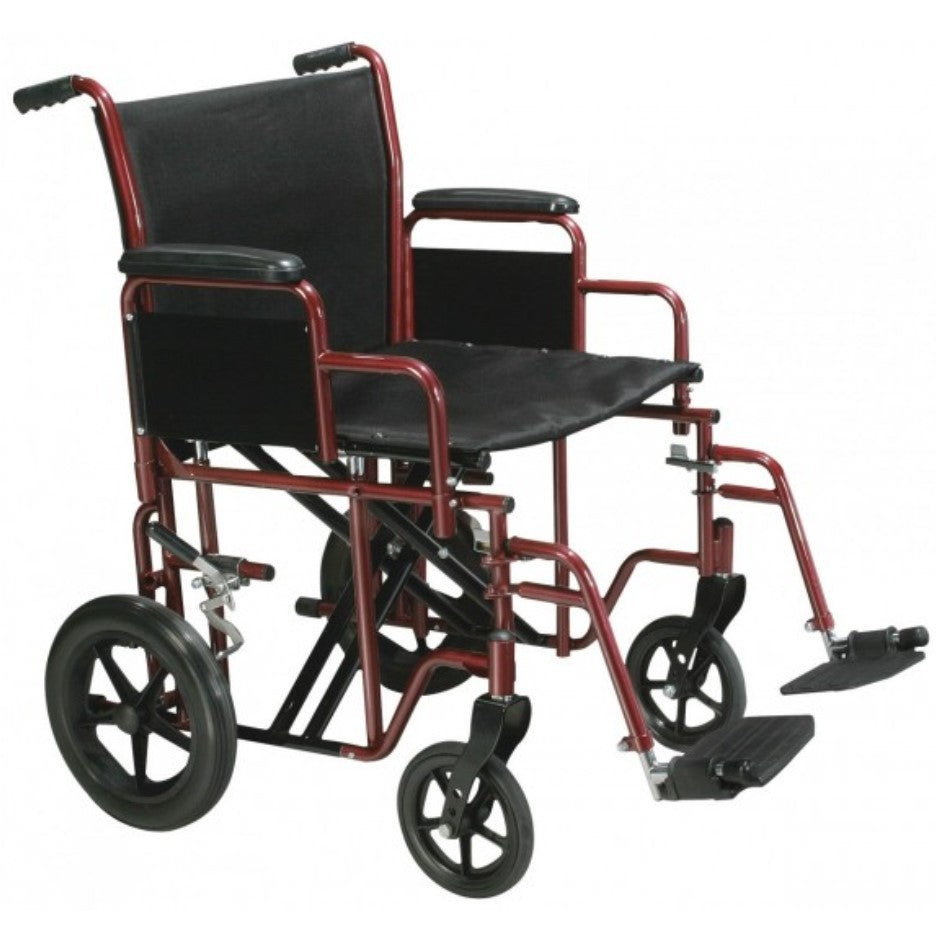
Transport wheelchairs often have a narrower overall profile because they use smaller rear wheels. They can be easier to guide through tight areas, but they are designed to be pushed by a caregiver rather than independently propelled over long distances.
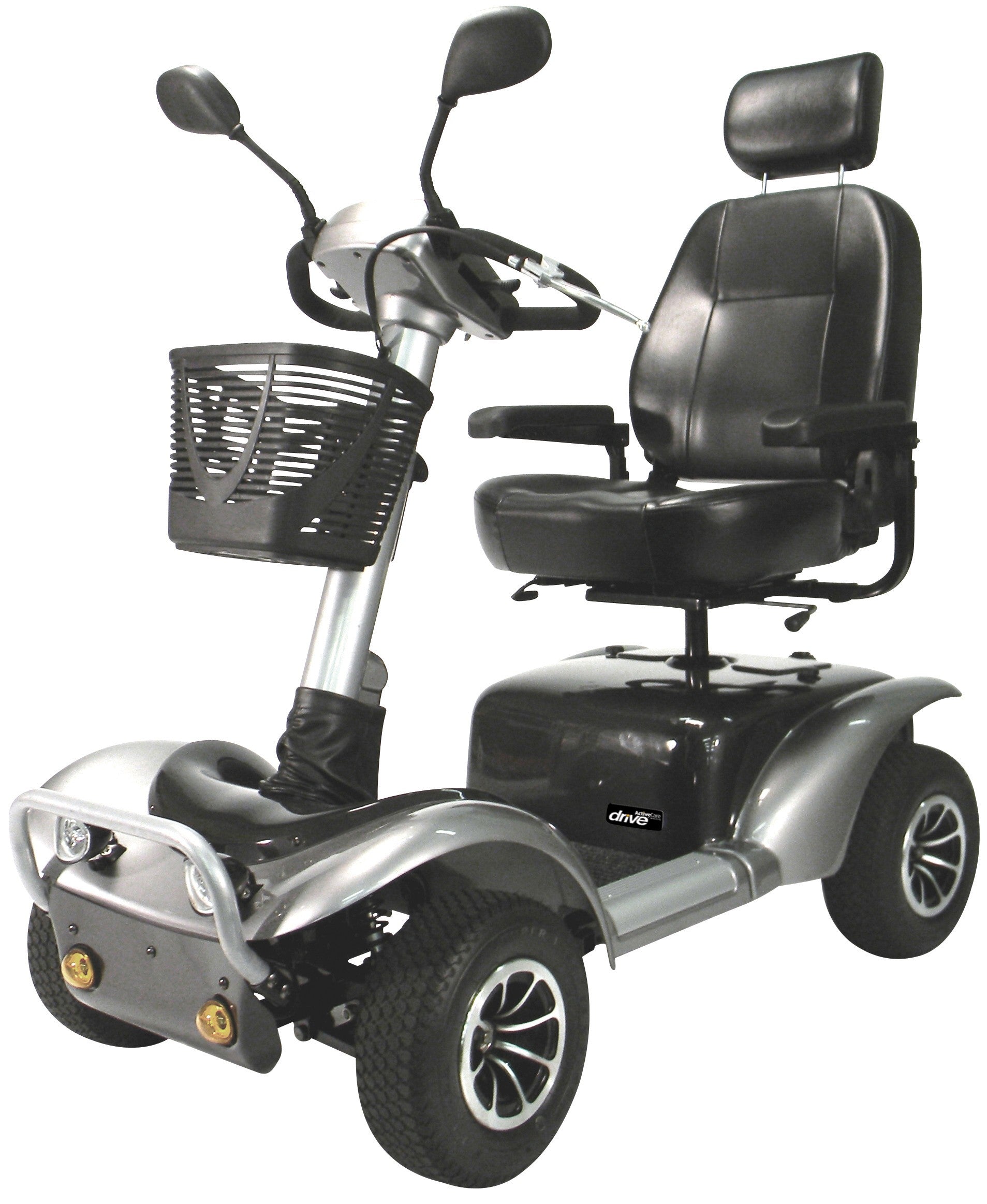
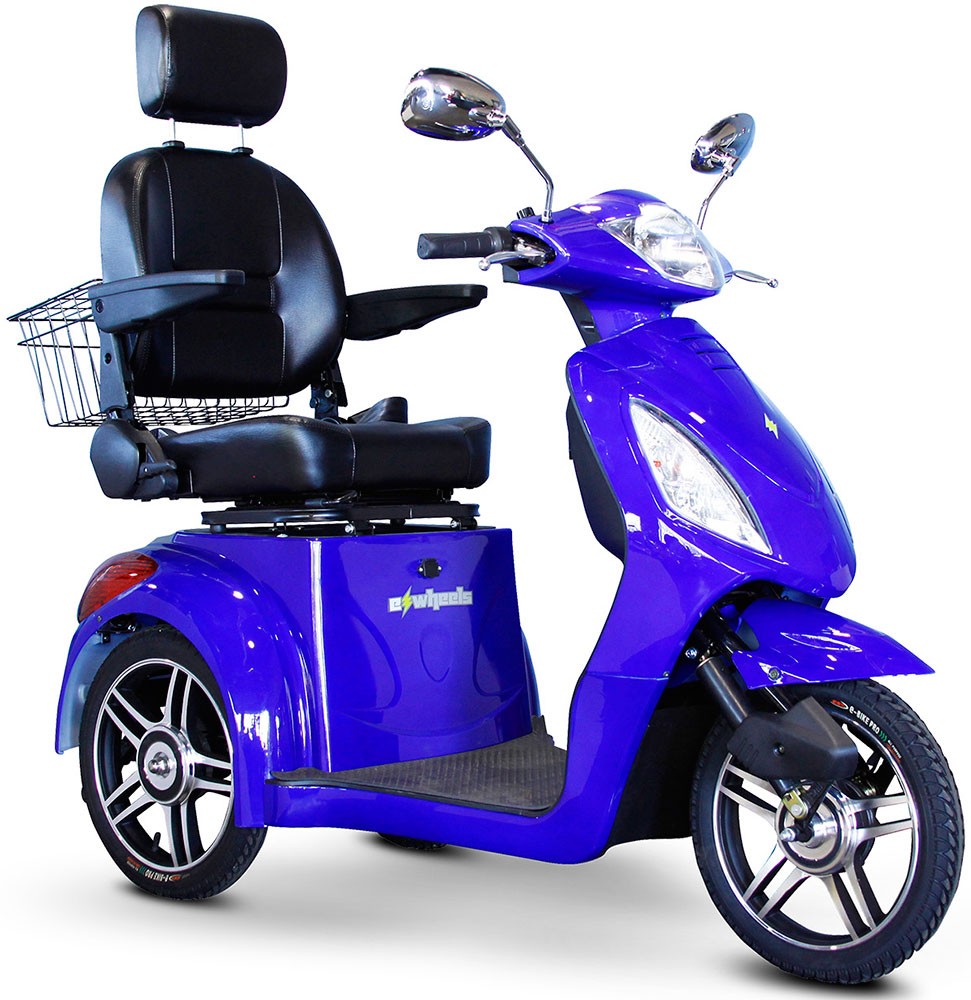
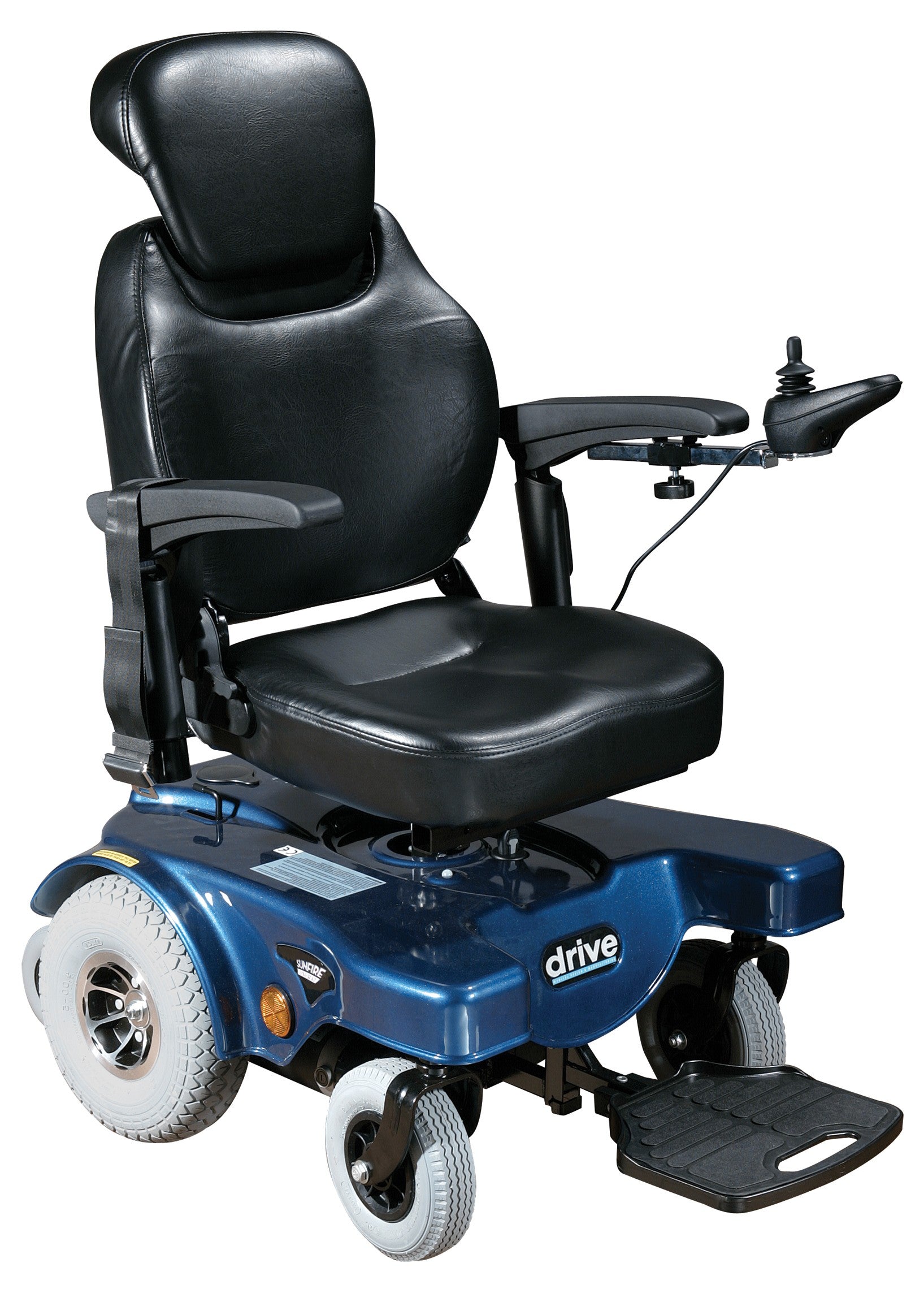
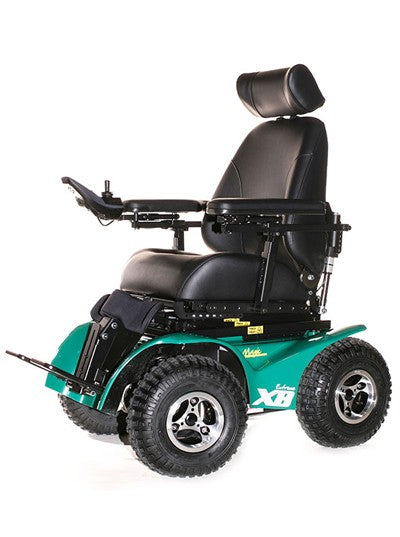
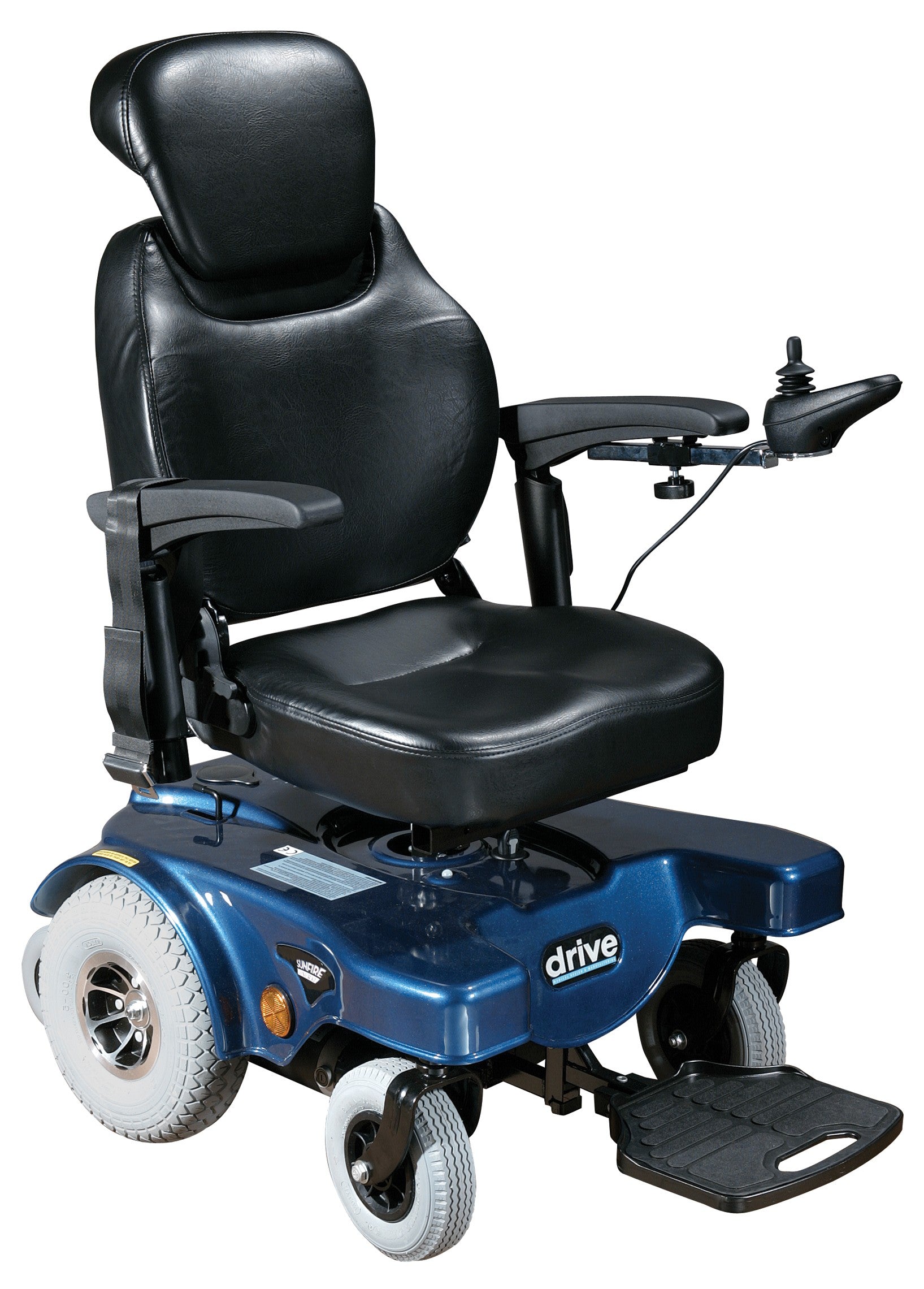
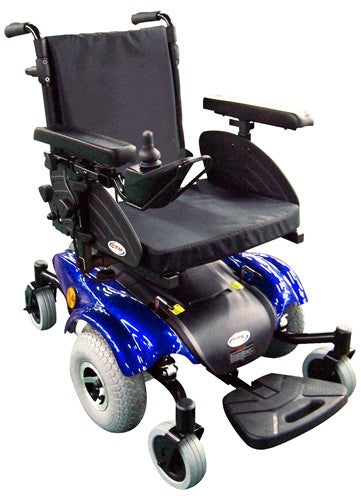
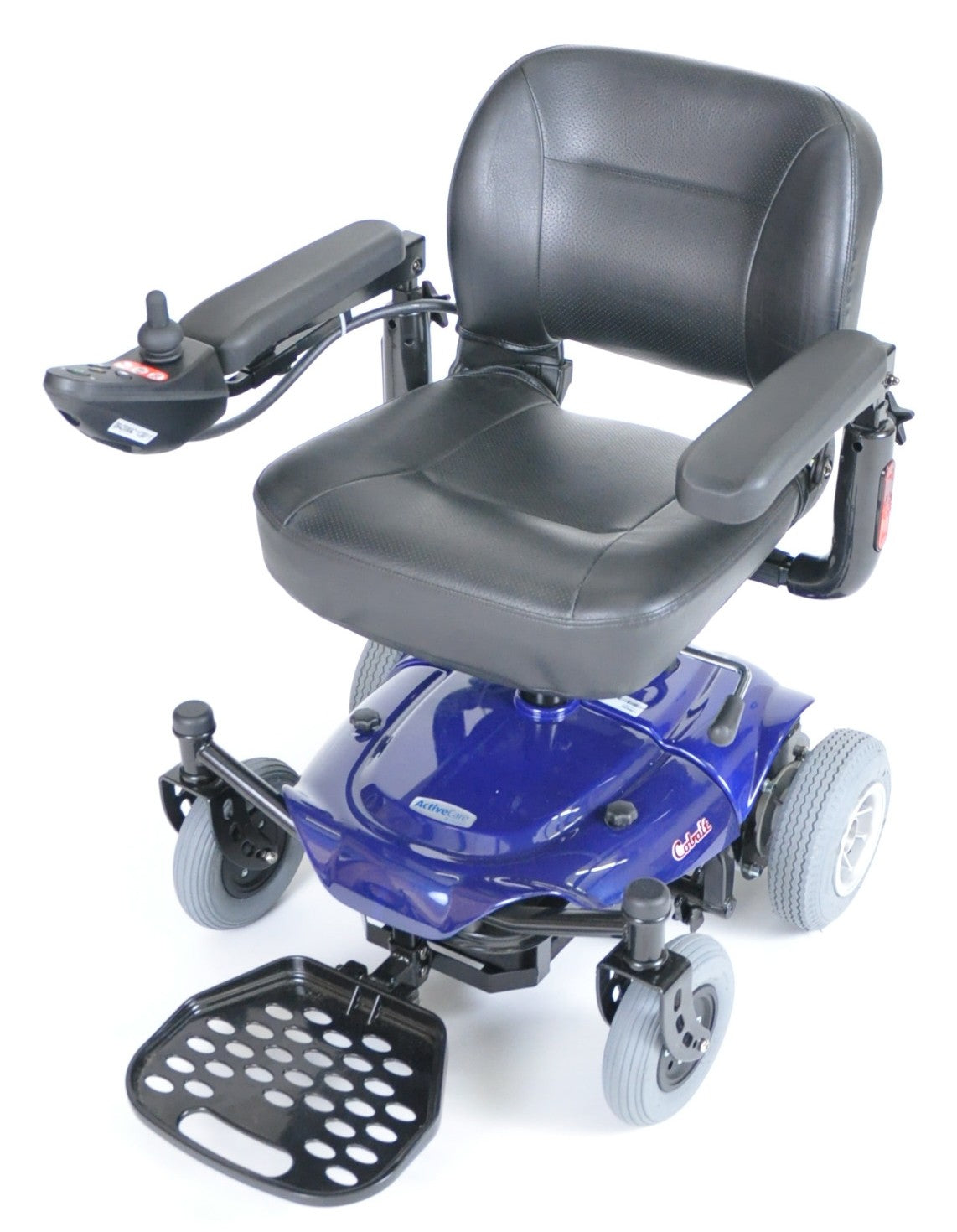
Power wheelchairs do not follow the same seat-width-plus-8-inch rule. Their bases vary substantially by drive type, suspension, tire size, and seating system. Always use the published overall width for the exact power chair configuration you are considering.
Measure Doorways the Way the Wheelchair Will Use Them
A door may be labeled as a 32-inch or 36-inch door, but that number usually describes the door panel, not the clear passage available once the door is open. The usable opening can be several inches narrower because of the door frame, hinges, molding, and the swing of the door itself.
Open the door as far as it normally opens. Then measure the narrowest clear space from the inside edge of the door to the opposite jamb or frame. Measure near the floor, where the wheels travel, rather than only at hand height. Compare that result with the wheelchair’s overall width, not its seat width.
Leaving extra clearance matters. A chair that technically fits through an opening with less than an inch to spare can be difficult to use independently and may lead to scraped hands, damaged door frames, or unsafe turns. A few inches of clearance is much more practical, particularly for someone with reduced hand strength, vision changes, or limited control of a power wheelchair.
Bathroom doors deserve special attention because they are often narrower than entry doors. Also measure laundry rooms, bedroom doors, closet access, elevator openings, and any hallway pinch points created by furniture. If the wheelchair will be transported, measure the narrowest point of the vehicle ramp, lift platform, or cargo opening as well.
Do Not Forget Turns and Thresholds
Width alone does not guarantee that a wheelchair can get through a space. A narrow hallway that ends at a 90-degree turn can be harder to navigate than a straight doorway. Power wheelchairs need enough turning room for their particular drive system, while manual chair users need room to turn the front casters and reposition.
Thresholds, raised transitions, and thick rugs can also reduce usable clearance or make a tight opening more difficult. Measure these features and consider whether a threshold ramp or furniture adjustment would improve daily access.
Check Armrests, Wheels, and Folding Dimensions
Before ordering, review the product specifications for overall width, seat width, folded width, weight capacity, and turning radius when applicable. These numbers answer different questions.
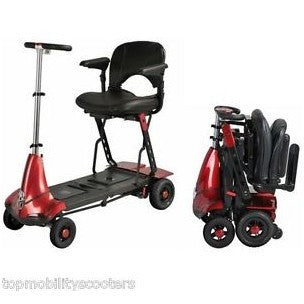
Overall width tells you whether the chair can travel through the home. Folded width matters when storing a manual wheelchair in a closet or placing it in a vehicle. Seat width helps determine user comfort. Turning radius is particularly useful for power wheelchair shoppers planning for kitchens, bathrooms, and tight indoor routes.
Some manual wheelchairs offer desk-length or removable armrests. These can make it easier to pull up to a table or transfer, but they do not always change the chair’s maximum overall width. Likewise, removing quick-release rear wheels can make a chair easier to load into a vehicle, yet the chair still needs to fit through the home while assembled.
If you are replacing an existing wheelchair, measure the current chair and make notes about what works and what does not. Perhaps it passes through every doorway but feels too tight at the hips. Or it may provide a comfortable seat but catch on the bathroom frame. Those real-world observations are valuable when selecting the next model.
A Simple Measurement Checklist Before You Buy
Keep the measurements together so they can be compared with product specifications and discussed with a mobility specialist. Record the user’s widest hip or thigh measurement, the preferred seat width, the narrowest doorway opening, hallway widths, tight turns, and vehicle or ramp clearance.
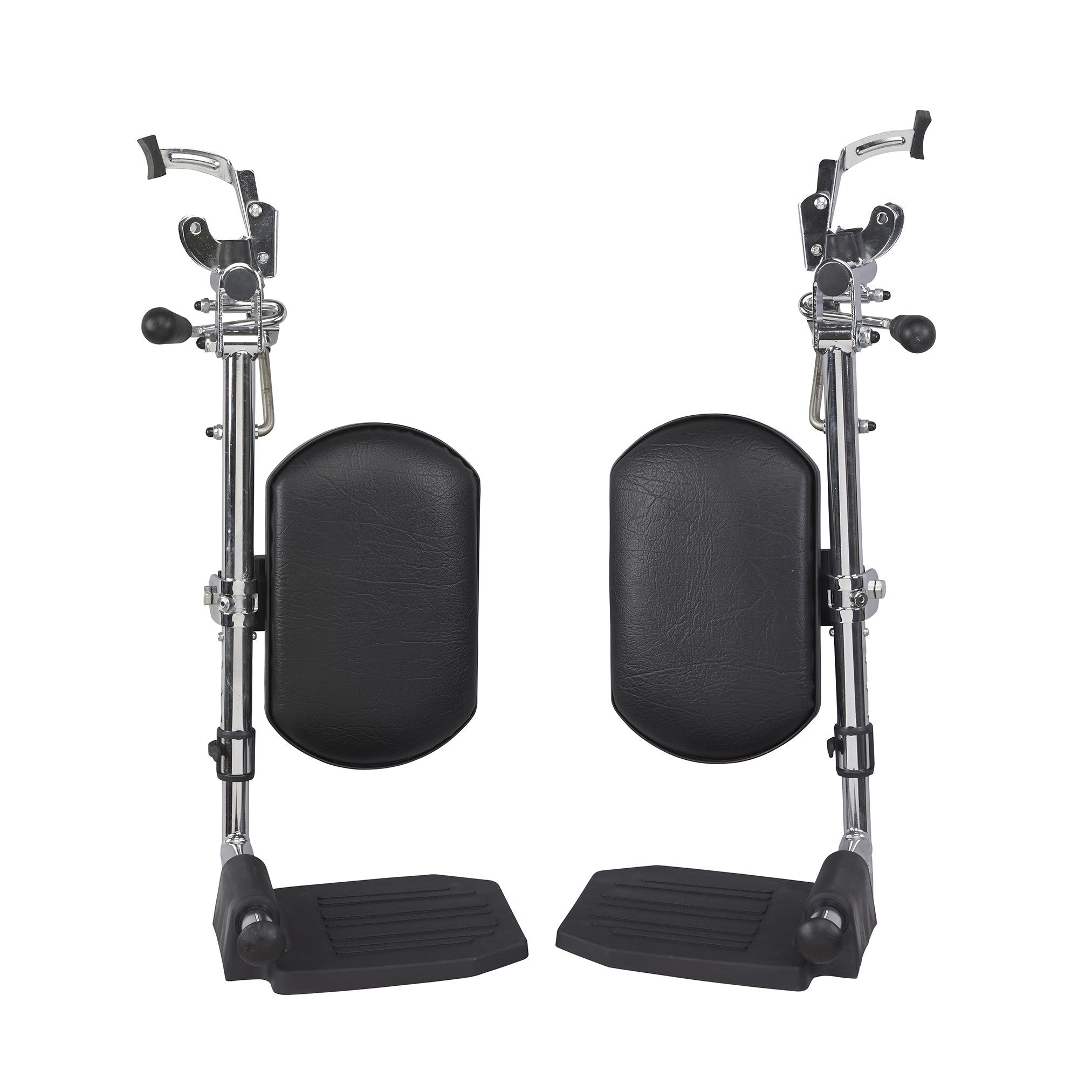
Also note whether the user will propel a manual chair independently, use a caregiver, need elevated leg rests, require a bariatric capacity, or rely on a power chair for full-time mobility. The best width is not always the narrowest one. It is the one that gives the user appropriate comfort and support while allowing safe, realistic access through the places they use every day.
When measurements fall close to a product’s stated dimensions, expert guidance can make the decision clearer. American Quality Health Products can help buyers compare wheelchair configurations and practical fit factors before ordering. A few careful measurements now can help create a safer, more comfortable path through the home every day.


