




























Why Your Mobility Scooter Battery Matters More Than You Think
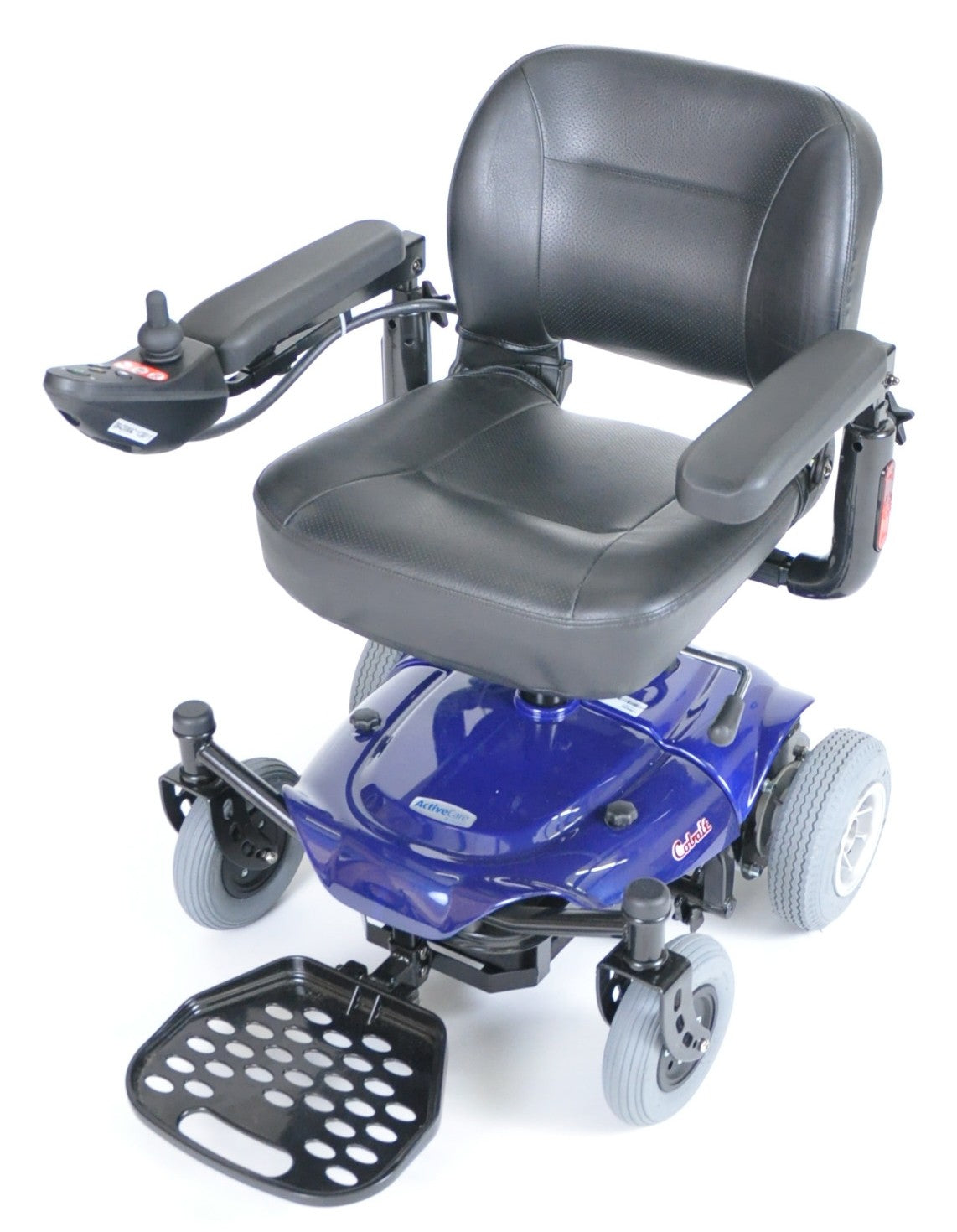
Your mobility scooter is your independence. It gets you to the mailbox, through the grocery store, and around the neighborhood on your own terms. When the battery starts failing, that freedom shrinks with every charge.
Approximately 75% of electric mobility scooter users are over 60 and depend on their scooter for daily movement. Most scooters deliver 10 to 15 miles per charge when new, but aging batteries can cut that range dramatically.
The two main battery types you'll encounter are sealed lead-acid (SLA), which typically lasts 1 to 3 years, and lithium-ion, which can last 4 to 7 years. With the right charging habits, storage practices, and riding awareness, you can significantly extend the life of either type. Here's exactly how.
Know Your Battery: SLA vs. Lithium-Ion
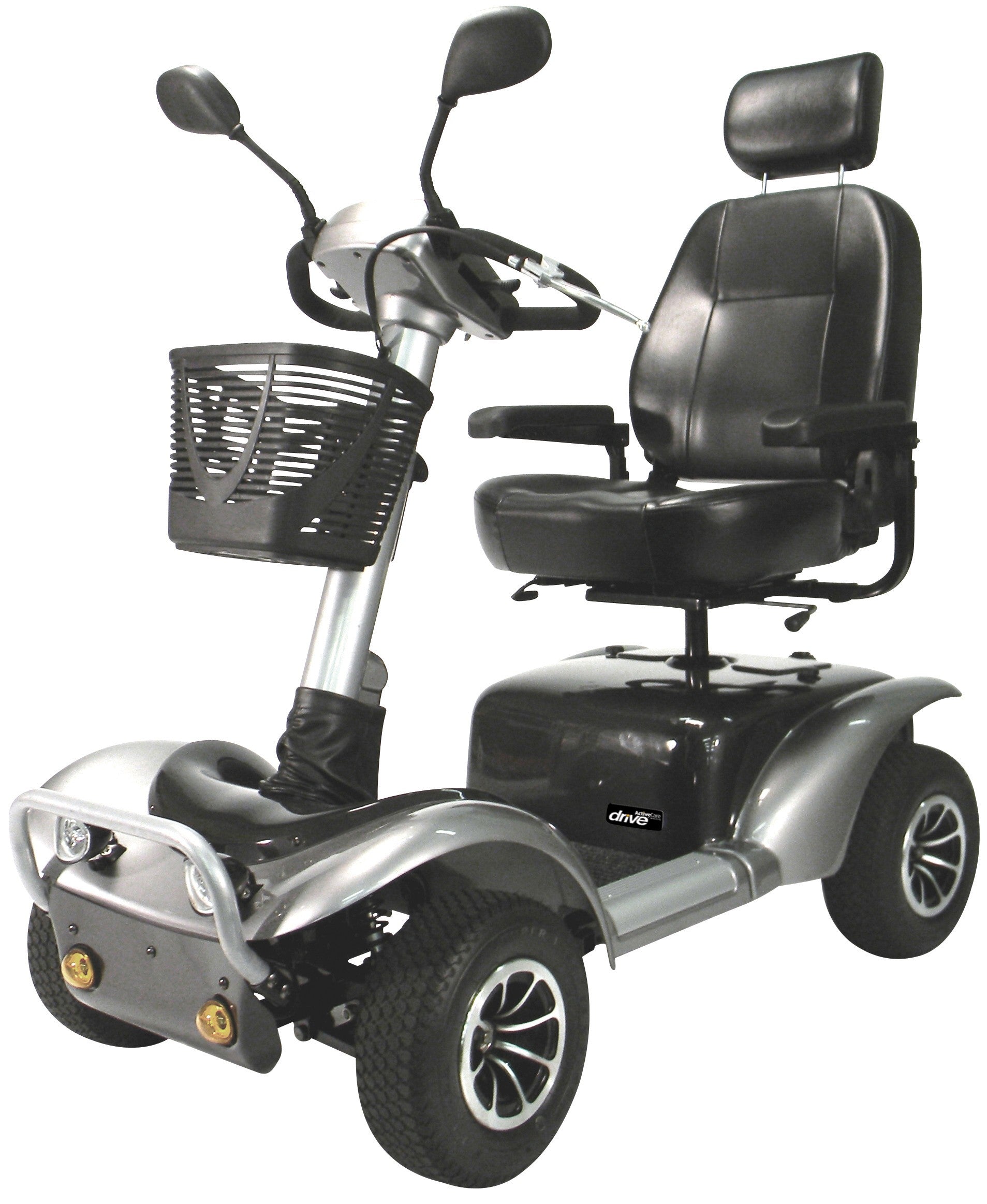
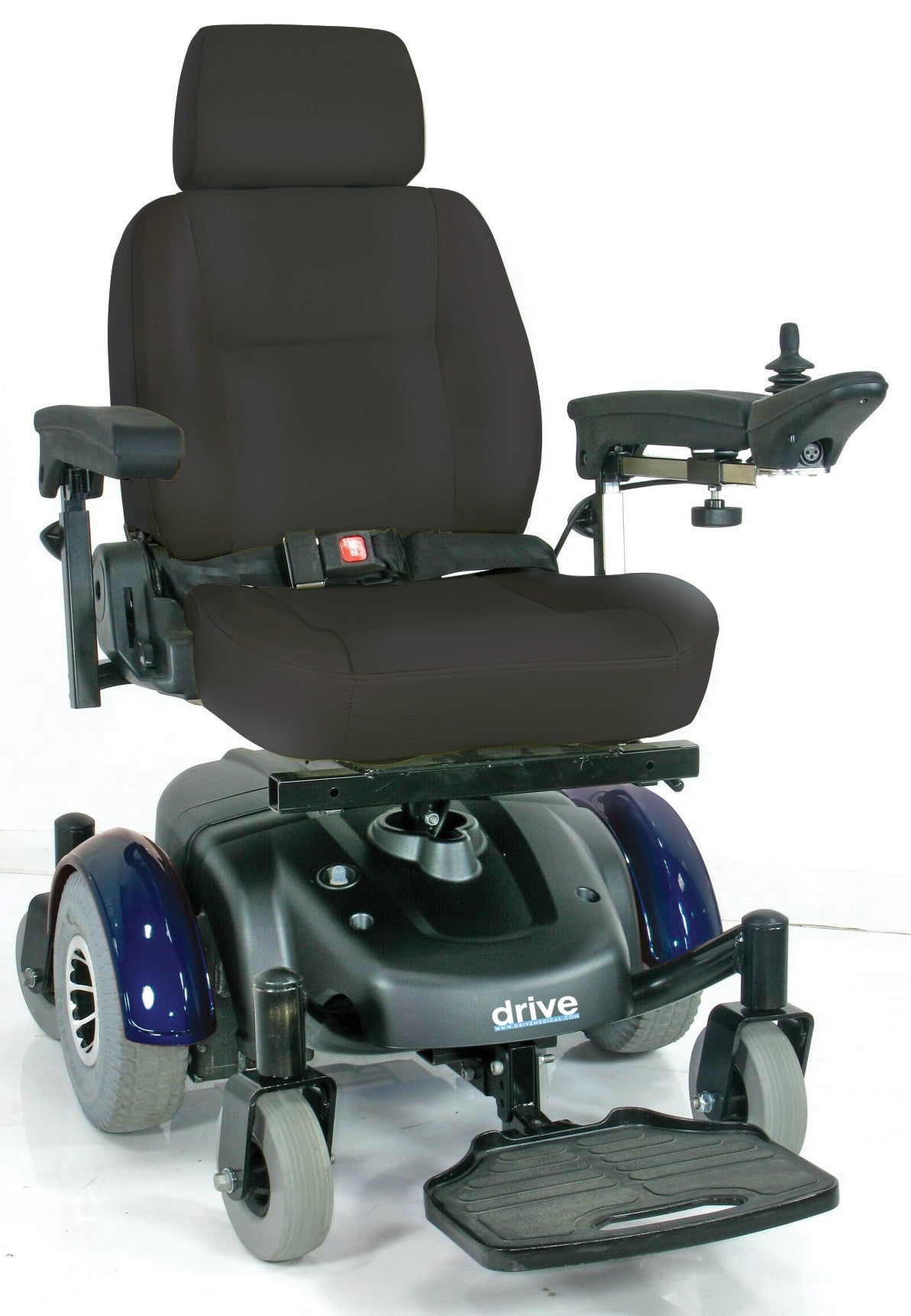
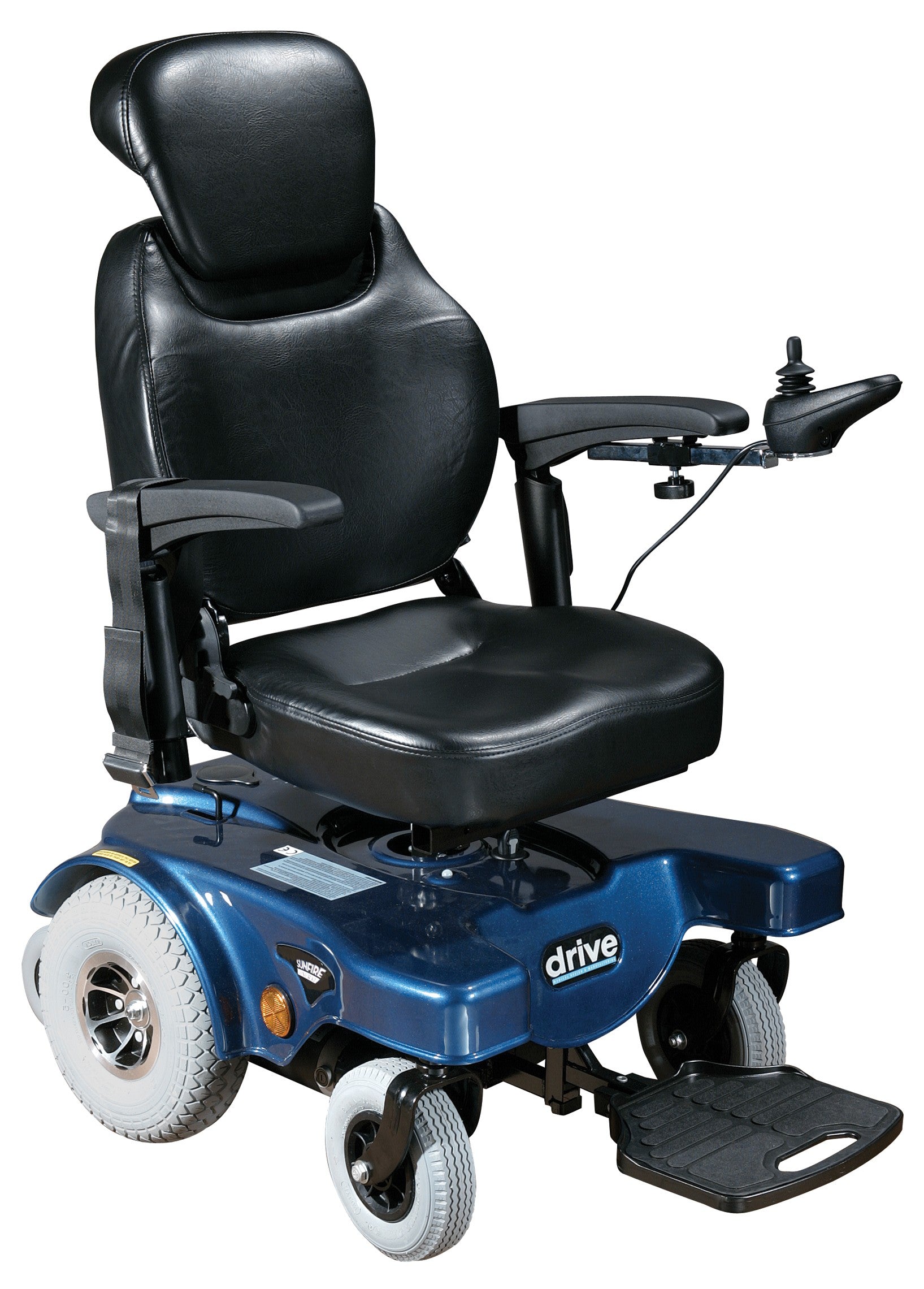
Most mid-range scooters, including many popular Pride Mobility and Drive Medical models, ship with SLA batteries. These are reliable and affordable, but they have a limited lifespan. An SLA battery withstands roughly 300 charge cycles, which translates to about 12 to 18 months of regular use. Lithium-ion batteries endure 500 to 2,000 cycles and can last 4 to 7 years.
The industry is shifting fast. About 46% of new mobility scooter models introduced in 2025 now ship with lithium-ion batteries, and roughly 55% of scooter buyers prioritize battery range over price, reflecting a clear preference for longer-lasting solutions.
Here's something many owners don't realize: most mobility scooters run on a 24V system using two 12V batteries wired in tandem. This setup affects how you charge, store, and replace your batteries, so keep it in mind as you read on.
Charging rules also differ between battery types, and one-size-fits-all advice can harm the wrong chemistry. For example, lithium-ion retains about 80% of its capacity at -20°C, while SLA retains only 30% at the same temperature. If you live in a cold climate, that difference matters enormously.
Charging Best Practices That Actually Extend Battery Life
Break in your new battery properly. New batteries require 10 to 20 charge cycles to reach full capacity. Don't judge your battery's performance in the first few weeks. Give it time to condition.
SLA batteries: avoid full discharge. Letting an SLA battery drain completely can permanently reduce its ability to recharge. Plug in your charger before the battery indicator drops to its lowest level. Consistent partial charges are far better than running it to empty.
Lithium batteries: stay in the sweet spot. For lithium-ion, avoid consistently charging to 100% or draining below 20%. Keeping the charge between 20% and 80% maximizes the total number of cycles you'll get from the battery.
Always use the manufacturer-approved charger. A mismatched voltage charger or a generic knockoff can damage the Battery Management System (BMS) and accelerate degradation. This is one of the most common and avoidable mistakes.
Consider a smart charger. Smart chargers with auto-shutoff prevent overcharging overnight, one of the top battery-killing habits. If your current charger lacks this feature, upgrading is a worthwhile investment.
A healthy battery should fully charge within 8 to 10 hours. If yours now takes 12 to 16 hours or longer, that's a clear warning sign of degradation.
One more critical rule for lithium owners: never charge a frozen or near-freezing battery. Always let it warm to room temperature first. Cold charging is both dangerous and ineffective.
Seasonal Storage: How to Protect Your Battery Year-Round
If you store your scooter during winter months or extreme heat, how you handle the battery makes a real difference.
Winter storage for SLA batteries: Charge to full (or near full) capacity before putting the scooter away, then top up monthly. SLA batteries slowly self-discharge, and letting them sit depleted for weeks can cause permanent damage.
Winter storage for lithium batteries: Store at 40% to 60% state of charge and top up monthly. Do not store a lithium battery fully charged or fully depleted. For removable lithium packs (common in folding travel scooters), remove the battery and store it separately indoors at room temperature.
Cold temperatures below 41°F (5°C) can cause a temporary capacity loss of up to 30%, directly reducing your usable range on any given outing.
Summer and heat storage: According to NREL research, the ideal operating and storage temperature range for lithium-ion batteries is 59°F to 95°F (15°C to 35°C). Avoid leaving your scooter in a hot garage or in direct sunlight for extended periods.
Condensation and humidity in garages and sheds can cause terminal corrosion, increasing electrical resistance and forcing the battery to work harder. Store your scooter and its batteries indoors whenever possible.
The EPA advises storing lithium-ion batteries at room temperature and never disposing of them in regular waste. Improper disposal can cause fires in waste systems.
How Riding Habits Affect How Fast Your Battery Drains
Flat pavement gives you maximum range. Hills, rough terrain, and uneven surfaces pull significantly more power from your battery with every trip.
Rider weight matters too. Consistently operating near or above the scooter's weight capacity puts extra strain on the battery and accelerates wear over time. Higher speeds also draw more current, so moderate, consistent speeds preserve charge better than pushing the throttle.
These factors compound. A heavier rider on hilly terrain at top speed may see range drop by 40% or more compared to ideal conditions. As your battery ages, plan routes with fewer inclines and avoid carrying unnecessary weight on the scooter.
Warning Signs Your Battery Needs Replacing
Dramatically reduced range. If your scooter used to travel 12 miles per charge and now struggles past 5 or 6 miles, the battery is degrading. This is the most common and most noticeable symptom.
Extended charge times. Healthy batteries charge in 8 to 10 hours. If yours now takes 12 to 16 hours or longer, the battery or charger is failing.
Before you buy a replacement battery, rule out the charger. A faulty charger can mimic battery symptoms. Test with a known-good charger first.
The multimeter test. A healthy 12V mobility scooter battery should read above 12.6 volts after a full charge. A reading well below that indicates a failing cell.
The battery pair rule. Most scooters use two 12V batteries in tandem. When one weakens, the pair becomes unstable. Always replace both batteries as a matched set, never just one. Mixing an old battery with a new one forces the new battery to compensate, shortening its life from day one.
Visible damage. Swelling, leaking, or corrosion on terminals are immediate replacement indicators. Do not continue using a visibly damaged battery.
Annual professional maintenance can catch battery issues before they cause a breakdown. Keep a record of your battery purchase date and note any performance changes over time.
Battery Recycling and Responsible Disposal
Lead-acid batteries are among the most recycled consumer products in the United States. The Battery Council International confirms that SLA recycling rates remain very high, so returning your old batteries is both easy and expected.
Lithium-ion batteries are a different matter. They must never go in regular trash or curbside recycling. The EPA has flagged improper lithium battery disposal as a fire hazard in waste systems.
For lithium battery drop-off locations, check retailer take-back programs, your local household hazardous waste facility, or visit Call2Recycle.org. Responsible disposal is a simple step that protects your community and the environment.
When to Call a Specialist, and How We Can Help
If you're unsure whether you need a new battery, a new charger, or a battery upgrade, you don't have to guess. Our live, US-based product specialists can walk you through the decision over the phone, six days a week. We've been helping customers find the right mobility solutions since 2001, and with over 5,000 verified customer reviews, our track record speaks for itself.
Replacement batteries should always come from a trusted durable medical equipment supplier to ensure correct voltage, chemistry, and compatibility with your scooter model. With our Lowest Price Guarantee and free shipping on orders over $100, replacing your battery doesn't have to be expensive.
Give us a call or browse our battery selection online to find the right match for your scooter. Your independence is worth protecting, and we're here to help you do exactly that.
Sources
- Electric Mobility Scooter Market Growth Outlook 2034 — Global Growth Insights
- Lithium or Lead-Acid: What's the Best for Mobility Scooters? — Saphiion
- Mobility Scooter Market Size, Share — Business Research Insights
- How Long Do Mobility Scooter Batteries Last? — Impact Battery
- National Renewable Energy Laboratory (NREL)
- Call2Recycle — Battery Recycling Drop-Off Locations


