
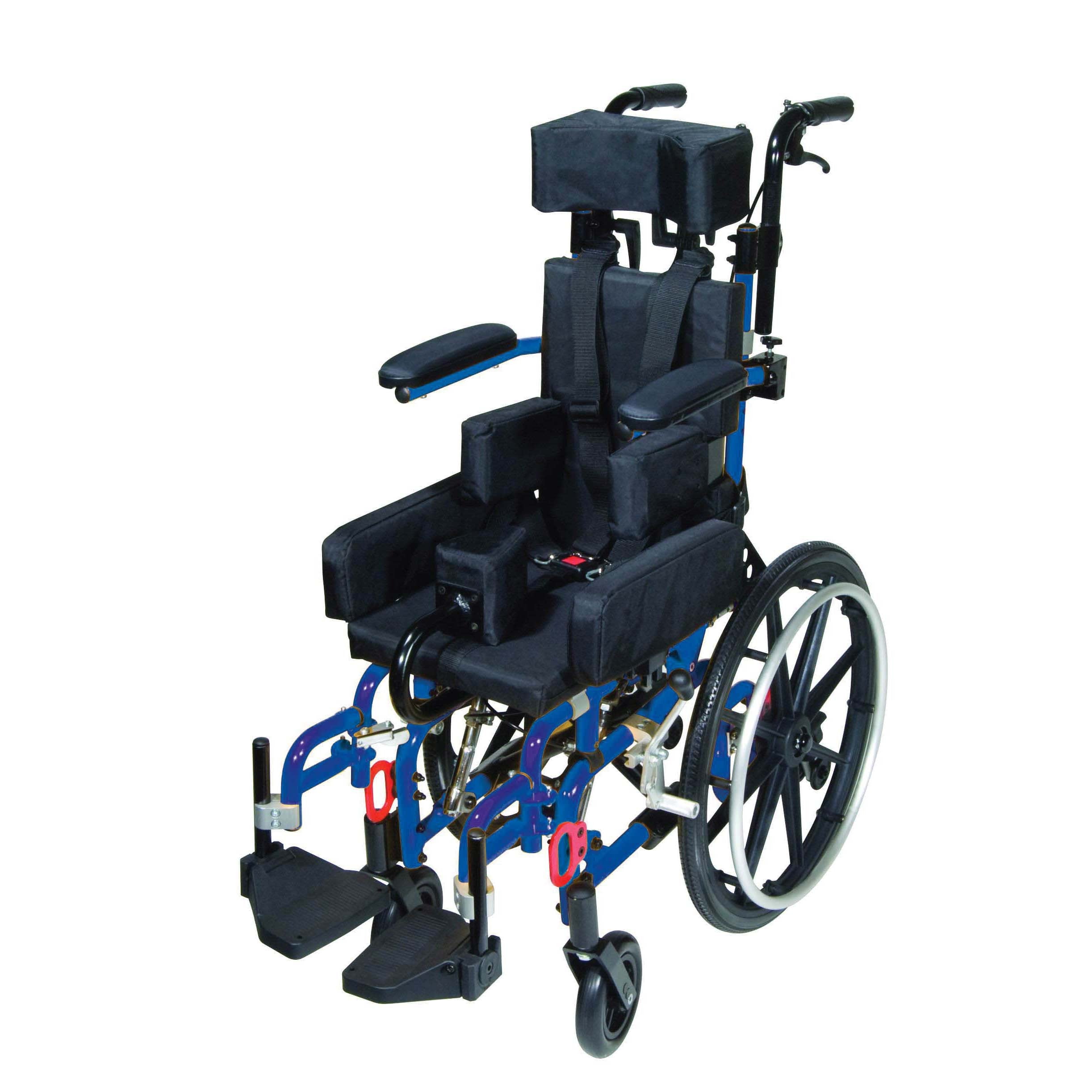
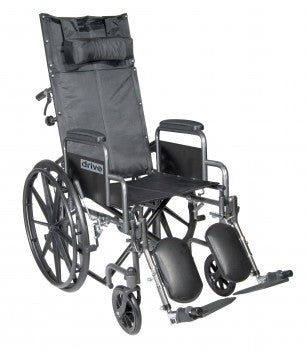
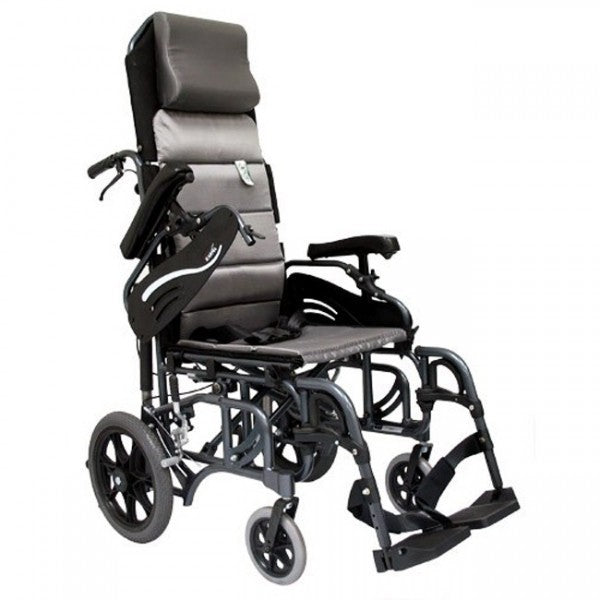
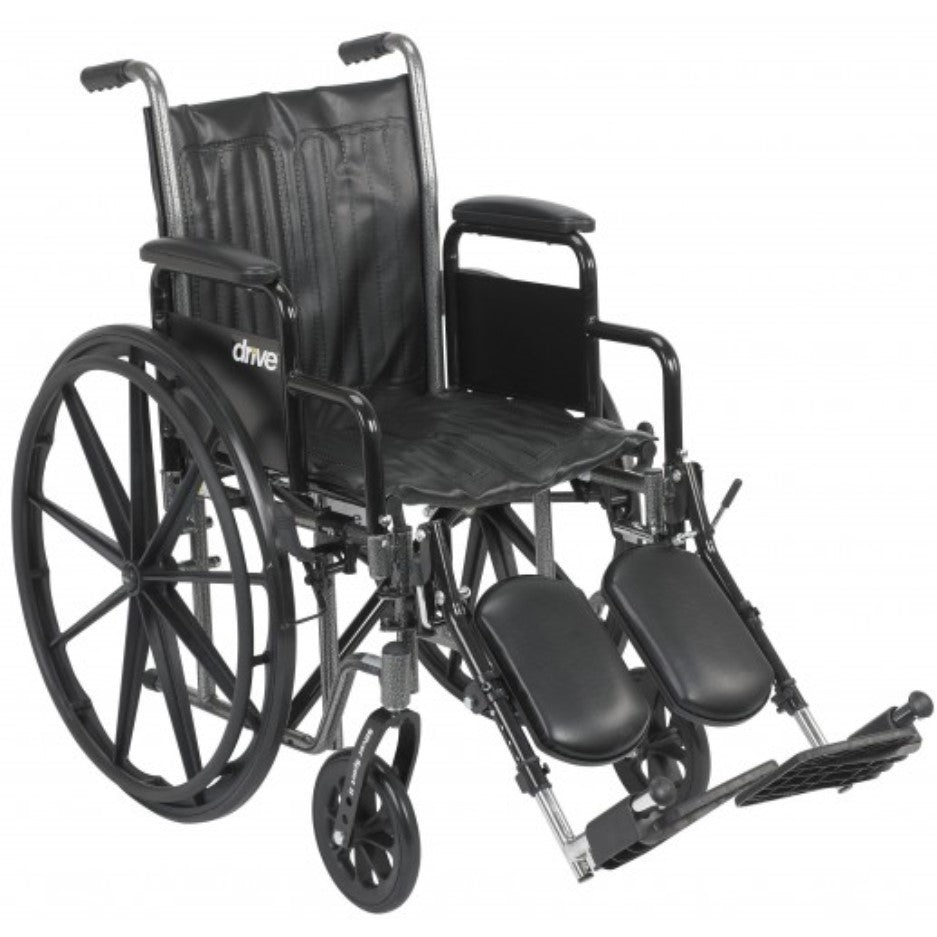

You're Not Just Buying a Wheelchair — You're Buying the Chair Your Caregiver Will Lift Every Day
Most wheelchair comparisons focus on travel or outdoor performance. But for daily home use, the real test happens in narrow hallways, on carpet, during bathroom transfers, and next to furniture. The person sitting in the chair cares about comfort. The person lifting it cares about weight. Both perspectives matter equally.
Approximately 4 million Americans depend on wheelchairs daily, and the homecare segment holds the largest and fastest-growing share of the manual wheelchair market. Drive Medical and Karman Healthcare represent two legitimate but different approaches to meeting that need: Drive Medical brings clinical-grade durability at accessible price points, while Karman leads with ergonomic innovation and lighter frames.
This guide compares both brands across comfort, weight, hygiene, bariatric options, warranty, and home-specific performance. We have carried both lines since 2001, and our product specialists field these questions every day.
Brand Philosophies: Clinical Durability vs. Ergonomic Innovation
Drive Medical is one of the largest mobility and healthcare manufacturers in the world. Its products are used across hospitals, rehabilitation centers, and home settings. The company's strength lies in consistent, proven performance at price points that keep quality mobility accessible. Drive Medical's 2026 catalog covers over 5,000 products, reflecting its breadth across the full care continuum.
Karman Healthcare takes a different path. With over 100 manual wheelchair models and a globally patented S-Shape Seating System (patented in more than 22 countries), Karman's philosophy centers on the human body's natural posture and long-term seating health. The brand has been ahead of the industry's shift toward lighter materials; according to 360 Research Reports, 58% of new manual wheelchair models now use aluminum, titanium, or carbon fiber.
Put simply: if clinical-grade durability and wide product availability matter most, Drive Medical fits. If ergonomic seating and weight savings are the priority, Karman leads.
Comfort and Pressure Relief: The Home User's Most Critical Daily Need
At home, users often sit in their wheelchair for two or more hours per day. That kind of sustained sitting makes pressure injury prevention a top priority, not a secondary feature.
Karman's patented S-Shape and V-Shape seating systems are clinically designed to reduce pressure ulcer risk and slow scoliosis progression. For seniors and people with limited mobility who sit for extended periods, this is a meaningful differentiator. The Karman S-115 Ergo Wheelchair weighs only 25 lbs without footrests and includes the S-Shape seating frame, removable odor-controlling padded upholstery, and a foldable backrest as standard features.
The Karman S-305 Ergonomic Wheelchair adds another practical detail for daily living: swing-away footrests that let users pull close to dining tables. For home users who remain in their chair during meals, this small design choice makes a real difference.
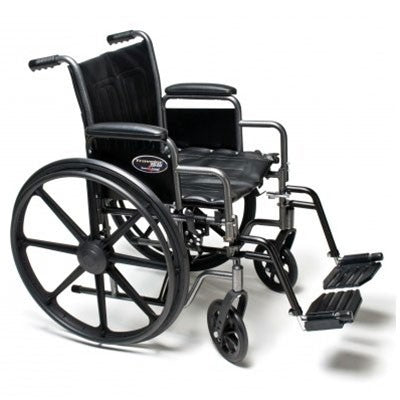
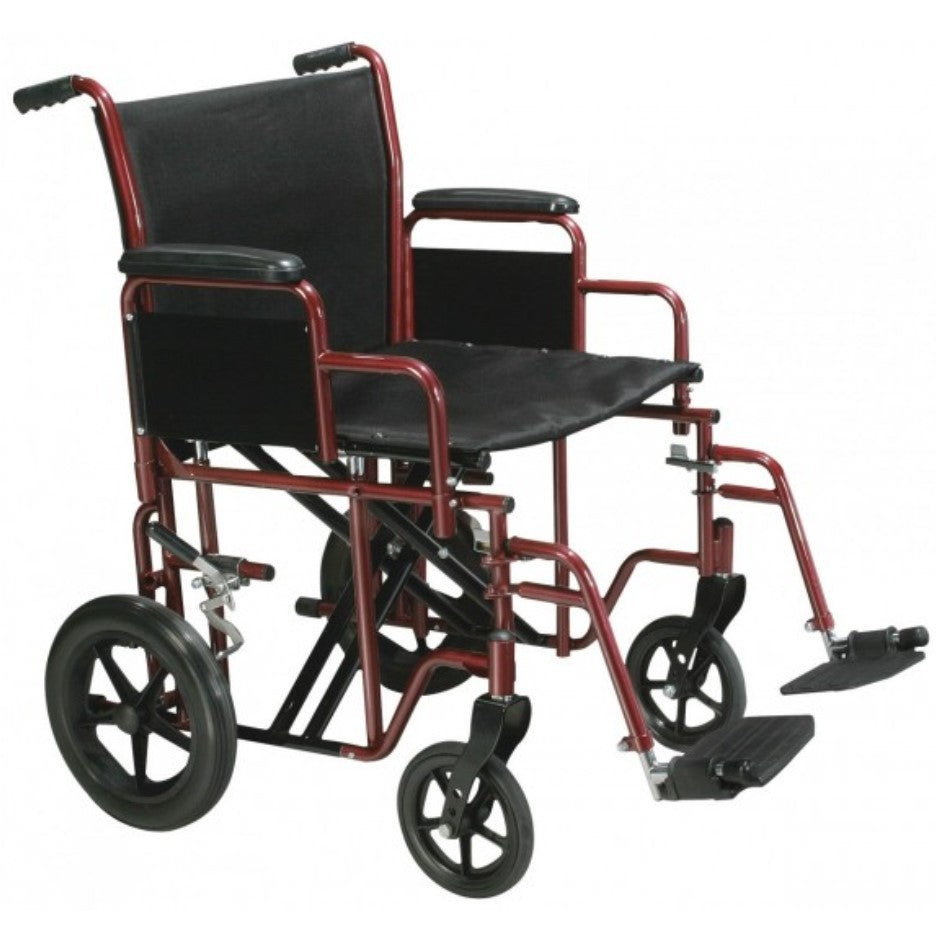
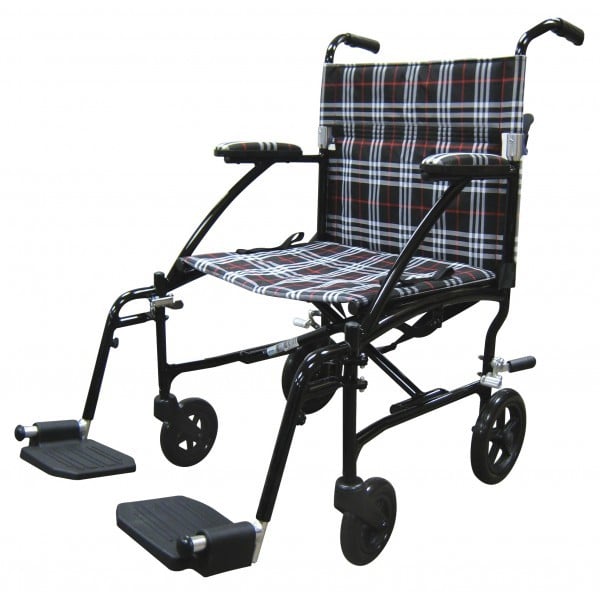
Drive Medical's Cruiser III takes a different approach. Its precision sealed wheel bearings (front and rear) deliver smooth self-propulsion, and the dual axle allows easy seat height transition to hemi level. For users who self-propel daily at home, that mechanical reliability matters.
There is also an insurance angle worth knowing. Medicare covers high-strength lightweight wheelchairs (under 34 lbs) when the user requires the chair for at least two hours daily and needs special features. Karman's lighter ergonomic models may qualify for this coverage where Drive Medical's heavier steel models do not. Understanding the difference between Medicare K-codes (K0001 for standard, K0003 for lightweight, K0004 for high-strength lightweight) can directly affect what you pay out of pocket.
Weight, Foldability, and the Caregiver Burden Factor
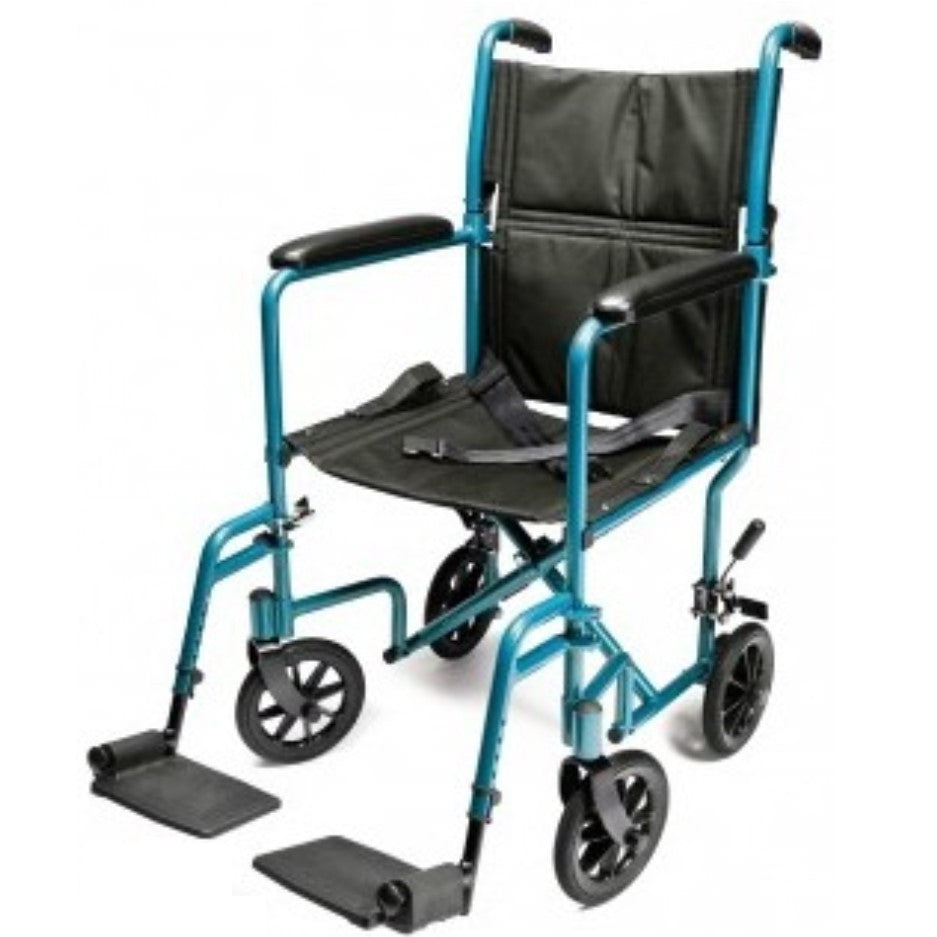
The Karman LT-980 Gen 2 weighs just 13 lbs at the frame (24 lbs total), making it one of the lightest manual wheelchairs available. When a caregiver must lift the chair into a vehicle or maneuver through tight home hallways multiple times a day, that weight advantage adds up fast.
The Drive Medical Cruiser III weighs 35 to 38 lbs with its carbon steel frame. It is heavier, but more affordable upfront and highly durable under heavy daily use. Standard wheelchairs over 35 lbs still hold 80.5% market share, largely because of that affordability. The trend is shifting, though: lightweight aluminum frames (19 to 34 lbs) now represent 48% of new wheelchair launches between 2023 and 2025.
For home caregivers (family members or home aides alike), lifting a 38 lb steel chair versus a 24 lb aluminum chair hundreds of times per year represents a real physical tradeoff. Back strain, fatigue, and frustration accumulate quietly.
The Drive Medical Silver Sport 2 offers full arms and swing-away footrests for safe transfers, accommodating both self-propulsion and caregiver assistance. It is a practical dual-mode option for home settings.
Karman's MVP502 takes versatility further. It converts between 14-inch transport wheels and 22-inch self-propel wheels, eliminating the need to purchase two separate chairs for different home and outing scenarios.
Hygiene and Home Safety: Karman's AEGIS Microbe Shield Advantage
This feature rarely gets highlighted in competitor comparisons, but it matters enormously in home care settings. Karman's AEGIS Microbe Shield is a permanently bonded antimicrobial barrier in the upholstery that protects against odor, staining, and deterioration from bacteria and fungus.
For home users and family caregivers, infection control and odor management are daily concerns. This is especially true for users who sit for extended hours or have limited ability to transfer independently. Drive Medical's standard upholstery does not include a comparable antimicrobial treatment across its manual wheelchair line.
This hygiene differentiator is particularly meaningful for seniors aging in place, users with incontinence concerns, or home care settings where clinical-grade cleanliness standards apply. Karman's removable, odor-controlling padded upholstery (featured on models like the S-115) adds a practical maintenance advantage for caregivers who need to clean the chair regularly.
Bariatric Home Users: How Each Brand Compares at Higher Capacities
Drive Medical's Cruiser III supports up to 300 to 350 lbs with seat widths from 16 to 20 inches. That makes it a solid bariatric-capable option within its standard lineup. For many home users, this capacity is sufficient.
Karman's bariatric wheelchair line goes significantly further, supporting up to 800 lbs with a maximum seat width of 30 inches. For users with more substantial support needs, that higher capacity ceiling matters. The average manual wheelchair supports 200 to 300 lbs; bariatric models accommodating 300+ lbs represent a specialized but important segment, especially as the 65+ population continues to grow.
For home caregivers selecting a bariatric chair, factors beyond weight capacity matter: doorway clearance, carpet maneuverability, and ease of folding should all be evaluated for the specific home environment. Our live US-based product specialists can help match the right model to a user's home layout and support needs. They are available by phone six days a week.
Warranty, Durability, and Total Cost of Ownership
Most manual wheelchairs are designed to last approximately 5 years, though several manufacturers offer lifetime warranties on frame components. With proper care, chairs can last significantly longer.
Medicare-covered high-strength lightweight wheelchairs come with lifetime warranties on frames and crossbraces. Understanding how each model maps to Medicare K-codes (K0001 standard, K0003 lightweight, K0004 high-strength lightweight) directly affects both insurance reimbursement and warranty expectations.
Drive Medical tends to win on upfront price due to its steel-frame standard models. Karman's lifetime frame warranties on select ergonomic models and durable aluminum construction may represent better long-term value for users sitting two or more hours per day. Karman's ergonomic components (including S-Shape seating, antimicrobial upholstery, and lightweight frames) are designed to reduce the need for accessory upgrades over time, lowering total cost of ownership.
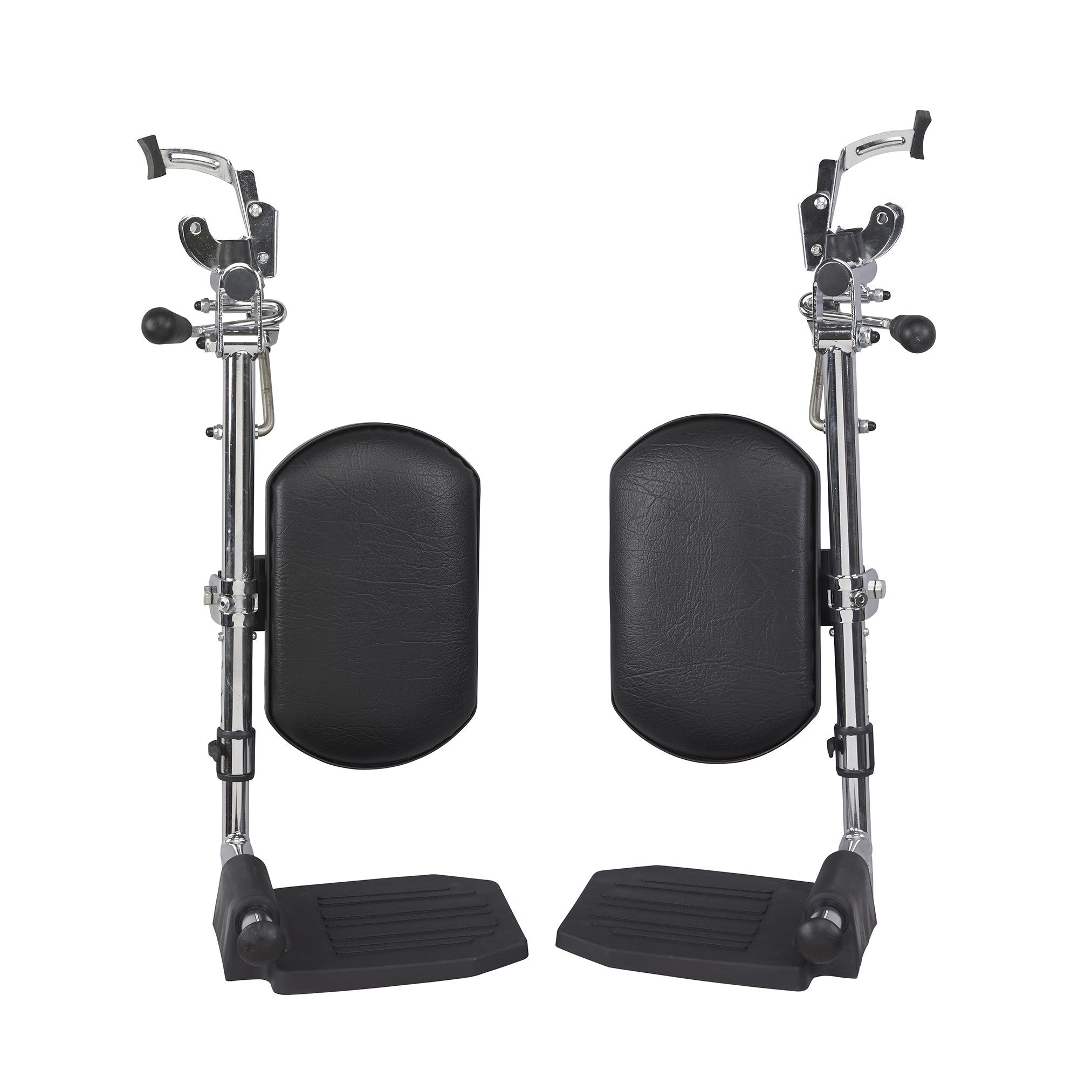
Drive Medical counters with a broad accessory ecosystem: cushions, anti-tippers, elevating leg rests, and bags that support long-term customization as a user's home care needs evolve.
When evaluating value, home users should consider frame warranty length, upholstery durability, Medicare coverage eligibility by weight class, and whether the chair will need to be replaced or upgraded within three to five years.
Which Brand Offers the Best Value for Daily Home Use?
Choose Drive Medical if you prioritize upfront affordability, high weight capacity in a standard frame, wide product availability, and proven clinical-grade durability. The Cruiser III and Silver Sport 2 are standout models for home use.
Choose Karman if you prioritize ergonomic seating health, pressure injury prevention, lighter weight for caregiver ease, antimicrobial hygiene, and dual-use versatility. The S-115, S-305, and MVP502 are standout models for daily home use.
For seniors aging in place in homes with narrow hallways and standard doorways, Karman's lighter frames and ergonomic seating offer meaningful daily advantages. For users who self-propel frequently at home, Drive Medical's precision sealed bearings and dual axle hemi-height adjustment on the Cruiser III provide reliable long-term performance.
For caregivers who regularly fold and lift the chair, Karman's ultra-lightweight models reduce physical strain significantly over time.
American Quality Health Products has carried both brands since 2001 and can help match the right model to your specific needs, with a Lowest Price Guarantee, free shipping on orders over $100, and live US-based specialists available by phone six days a week.
Talk to a Specialist Before You Buy
Choosing between Drive Medical and Karman is not a one-size-fits-all decision. The right answer depends on the user's weight, daily sitting hours, home layout, caregiver situation, and Medicare eligibility.
Our team has served customers since 2001 with a personal, service-first approach. Our live US-based product specialists can walk you through model options, Medicare K-code classifications, and financing options. 100% financing is available through third-party providers, and all orders over $100 ship free.
Call us or browse the full Drive Medical and Karman wheelchair collections online. With over 5,000 verified customer reviews, a Lowest Price Guarantee, and easy returns, you can shop with confidence.
Frequently Asked Questions
Is Drive Medical or Karman better for narrow home hallways?
Both brands offer models with 16-inch seat widths that fold compactly. Karman's lighter aluminum frames are generally easier to maneuver in tight spaces, while Drive Medical's Cruiser III folds flat for storage but is heavier to reposition.
Does Medicare cover Karman or Drive Medical wheelchairs?
Medicare coverage depends on the wheelchair's weight class and K-code classification, not the brand name. Standard wheelchairs (K0001) over 35 lbs, lightweight models (K0003) between 19 and 34 lbs, and high-strength lightweight models (K0004) under 34 lbs each have different coverage criteria. Karman's lighter models are more likely to qualify under K0003 or K0004 codes.
Which brand is better for a caregiver who needs to lift the chair daily?
Karman has a clear advantage here. The LT-980 Gen 2 weighs just 24 lbs total, compared to the Drive Medical Cruiser III at 35 to 38 lbs. Over hundreds of lifts per year, that difference matters to a caregiver's back and shoulders.
Can I use a Karman or Drive Medical wheelchair on carpet?
Both brands' standard models perform on low-pile carpet. Drive Medical's sealed bearings help with self-propulsion on carpet surfaces. Karman's lighter frames require less effort to push, which can help on thicker carpet. For deep or plush carpet, larger rear wheels (22 inches or more) on either brand will perform better.
What is the weight limit on Drive Medical vs. Karman wheelchairs?
Drive Medical's Cruiser III supports 300 to 350 lbs. Karman's standard models support similar ranges, but its bariatric line extends up to 800 lbs with seat widths up to 30 inches, offering significantly higher capacity for users who need it.
Sources
- Coherent Market Insights — Wheelchairs Market 2025
- Karman Healthcare — Ergonomic Wheelchairs
- 360 Research Reports — Wheelchairs Market Size & Growth
- Drive Medical — 2026 Wheelchair & Transport Chair Catalog
- Solace Health — Medicare Manual Wheelchair Coverage
- BestRatedDocs — Best Wheelchairs of 2026
- IMARC Group — Manual Wheelchair Market Size & Forecast 2034
- Chair Institute — Karman LT-980 Review
- Chair Institute — Karman MVP502 Review


