



Why Lift Chair Transfers Are Riskier Than Most Caregivers Realize
Most people assume the bathroom or the staircase is where older adults are most likely to fall. The data tells a different story. Transfer-related falls, such as moving from a bed to a chair or a chair to standing, account for 40% to 55% of fall injuries among older adults. That makes standing up from a chair one of the most dangerous moments in a senior's day.
The numbers are sobering. In 2024, 43,020 adults aged 65 and older died from preventable falls, a 51% increase over the prior decade, according to the National Safety Council. In 2023 alone, over 3.85 million older adults were treated in emergency departments for fall-related injuries.
A lift chair does the mechanical work of raising a person toward standing. But the caregiver's actions in the seconds after that rise determine whether a fall happens. This guide covers both sides of every transfer: protecting the person you're helping and protecting your own body. Topics include environment setup, how chair type changes the protocol, the critical orthostatic hypotension pause, proper body mechanics, and clear guidelines for when to stop and call for help.
Set Up the Environment Before Anyone Sits Down
Safe transfers start long before anyone touches the remote. Clear at least 3 feet of open space in front of the lift chair's footrest. The footrest extends outward during operation, and anything in that path (an end table, a walker parked too close, a pet bed) becomes a tripping hazard the moment the user tries to step forward.
Check the floor surface around the chair. Area rugs, pet toys, power cords, and slick hardwood or tile are leading environmental contributors to transfer falls. If you can't remove a rug, secure it with non-slip backing or double-sided carpet tape.
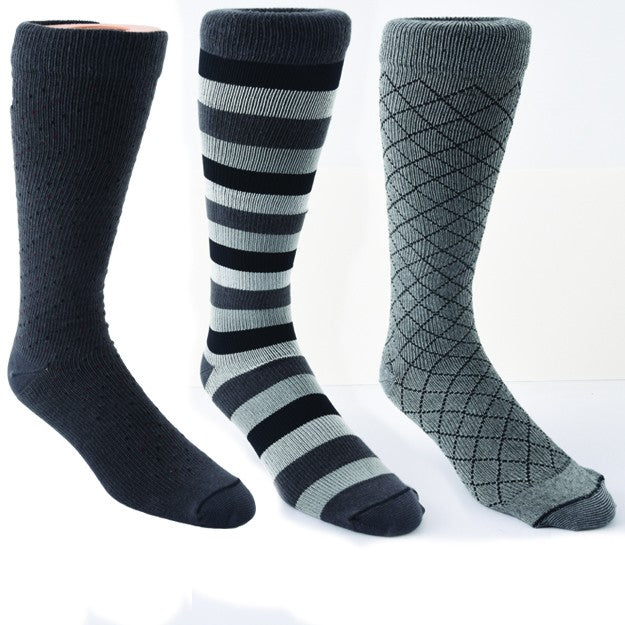
Position non-slip footwear within arm's reach before the transfer begins. Socks alone on any hard floor surface are a recipe for a slip. Rubber-soled slippers or grip socks are the minimum.
Make sure the lift chair remote is accessible to you, not just the user. During a transfer, you may need to lower the chair back quickly if the user becomes dizzy. Confirm the chair is plugged in and functioning before the user sits down, and know the manual backup procedure for your specific model in case of a power outage or motor failure mid-transfer. Finally, move any nearby furniture or obstacles that could block your stance or limit your footwork during the assist.
Know Your Chair Type: The Transfer Protocol Is Not One-Size-Fits-All
Not all lift chairs operate the same way, and the differences directly affect how you should assist someone in and out of the chair.
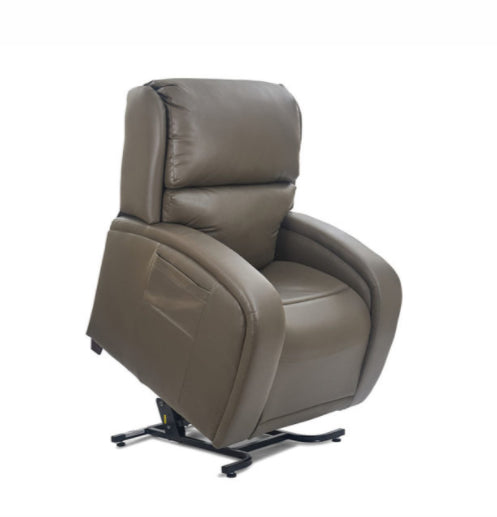
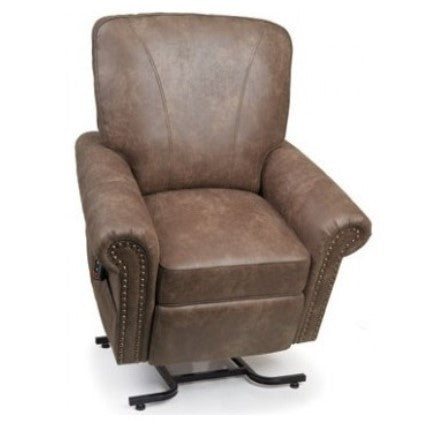
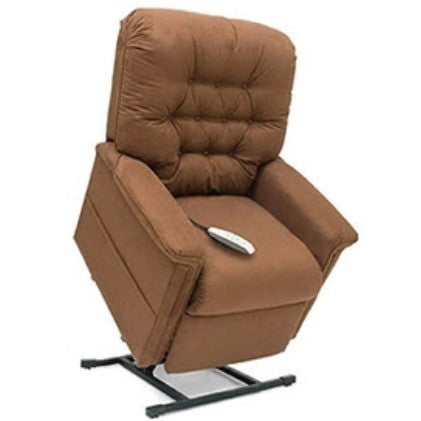
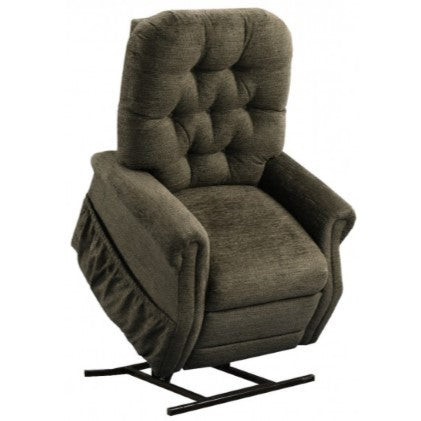
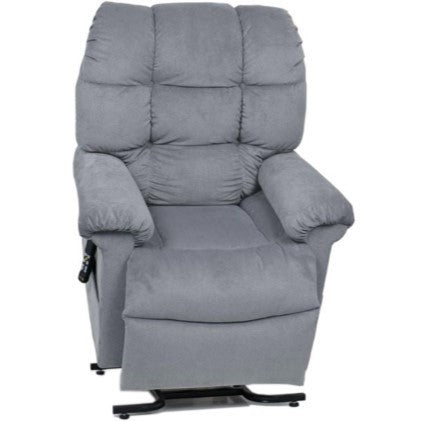
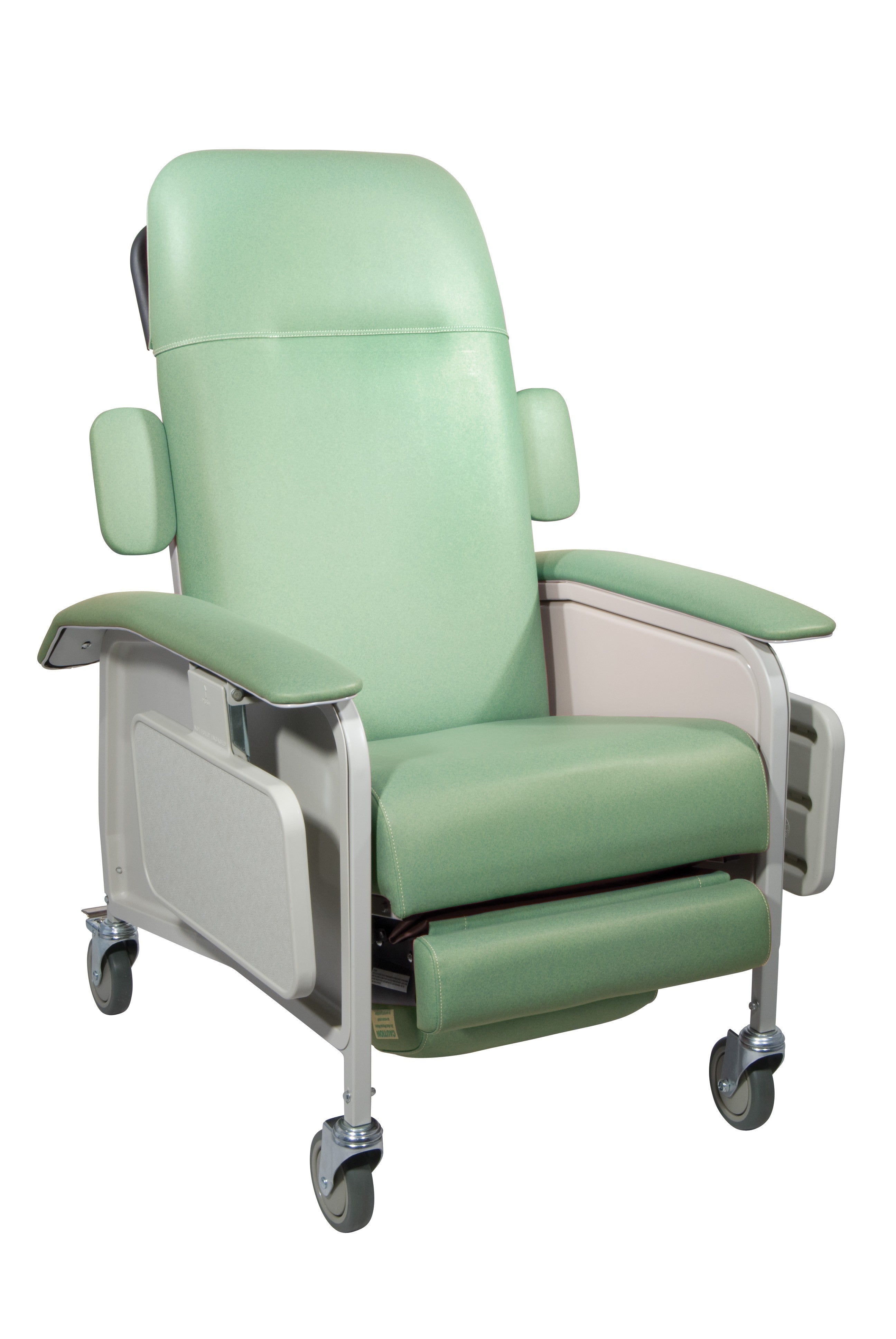
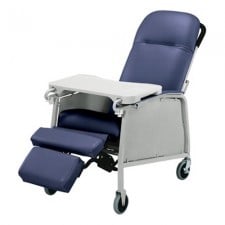
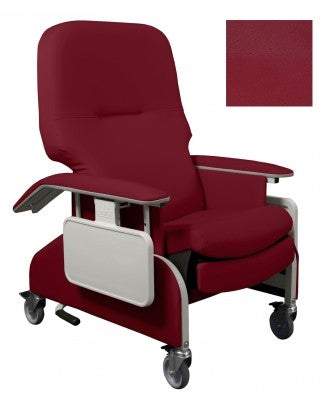
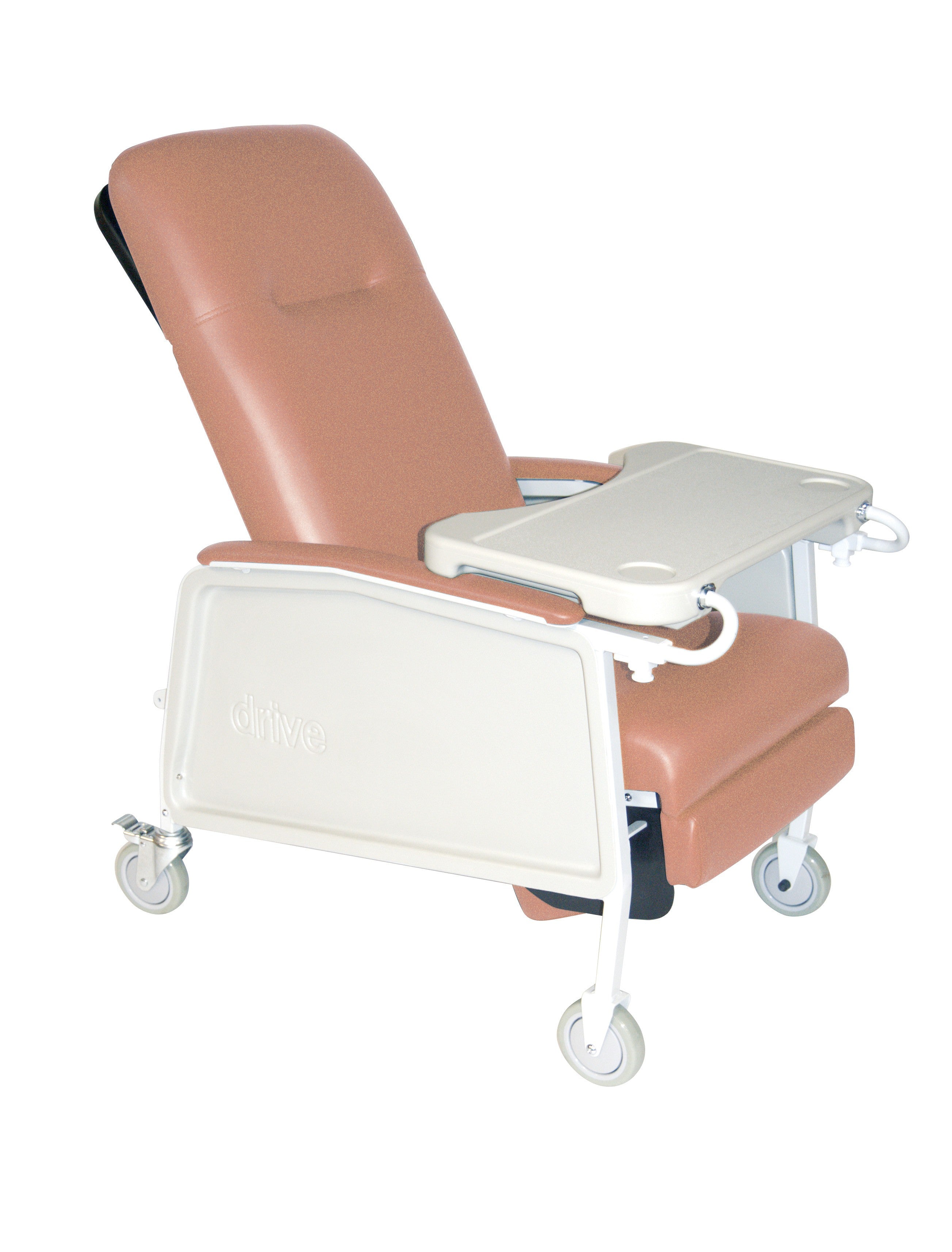
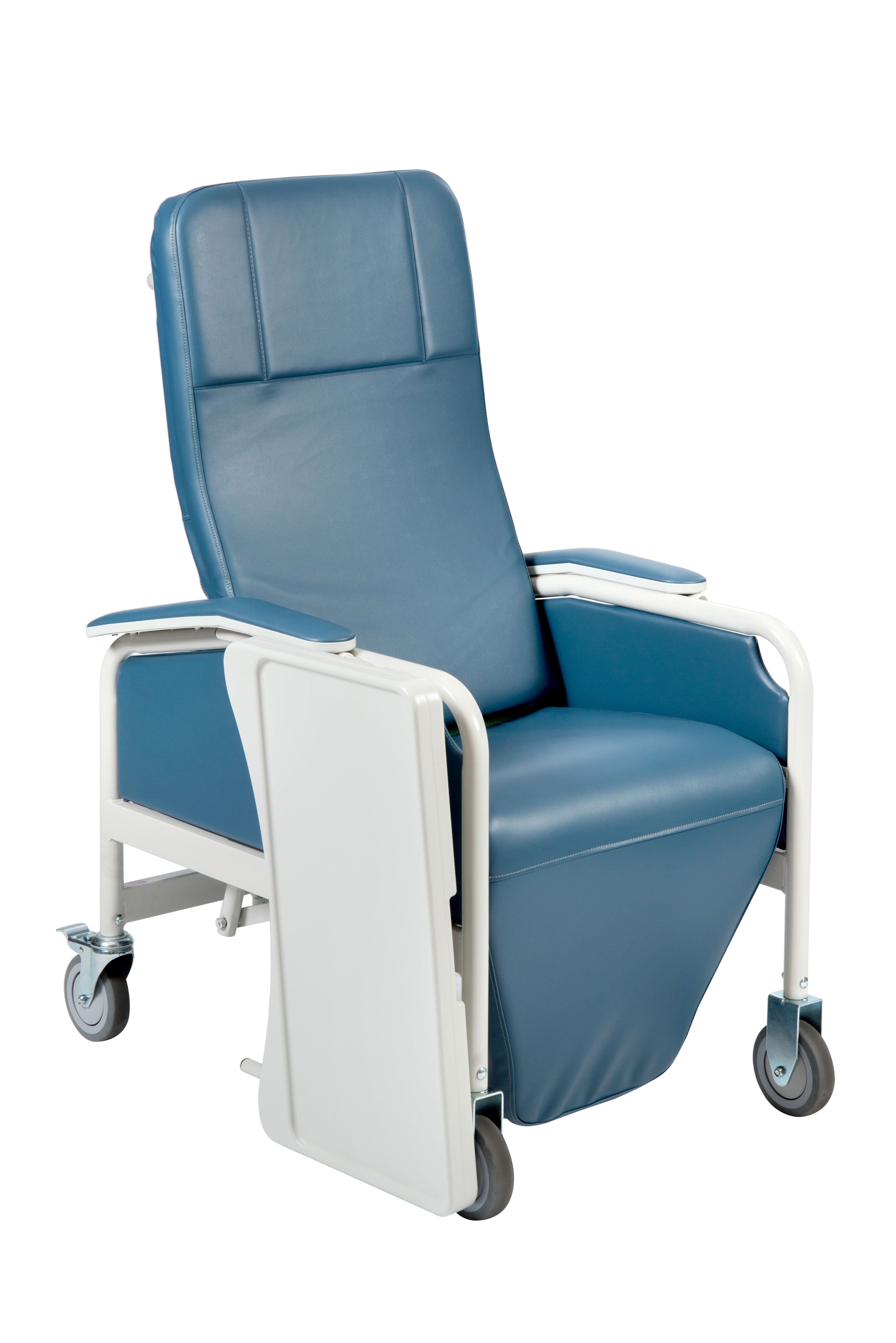
2-position and 3-position lift chairs recline to fixed angles. The backrest and footrest move together on a single motor, so when the lift cycle begins, the user is already in a semi-upright position. This makes the transfer protocol more straightforward, with fewer intermediate steps.
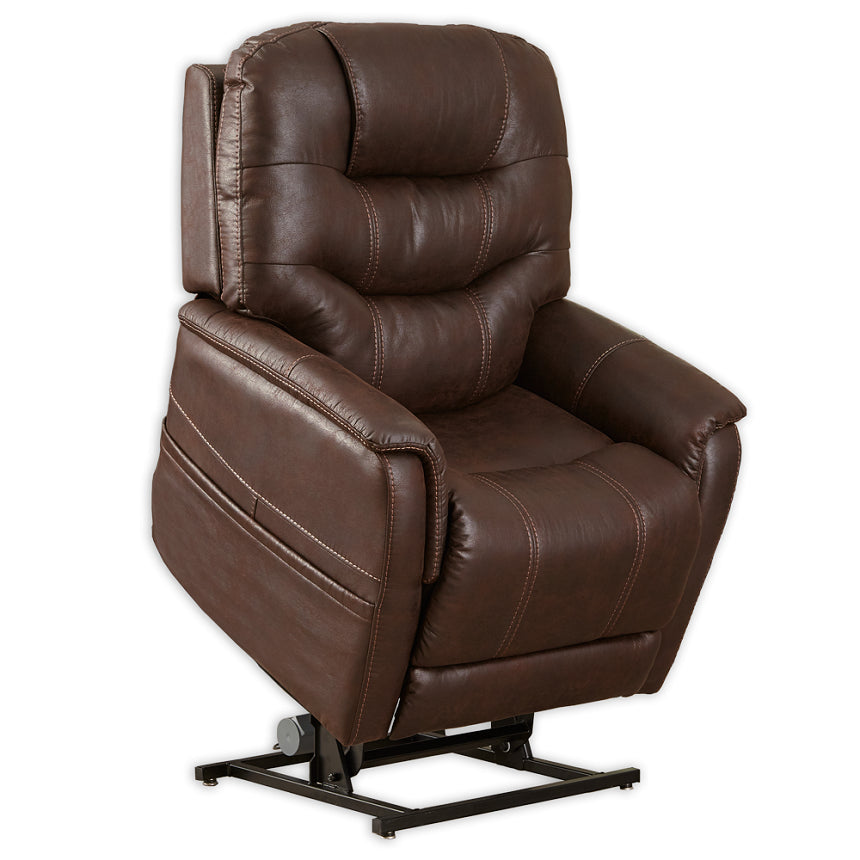
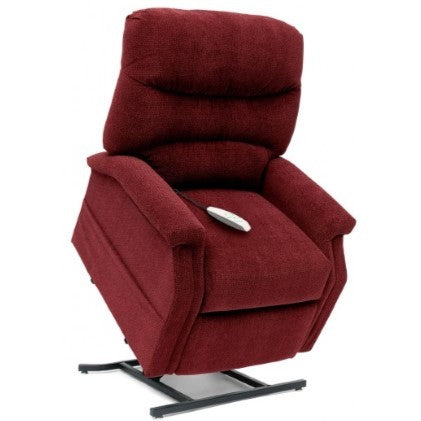
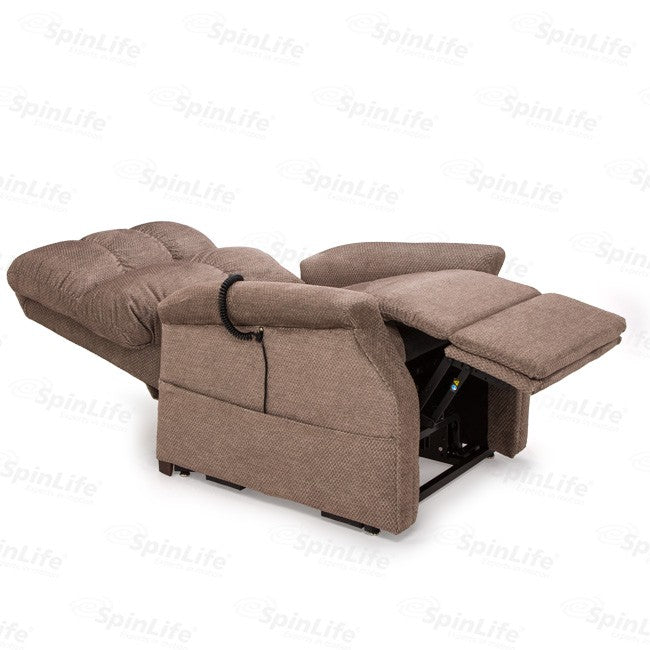
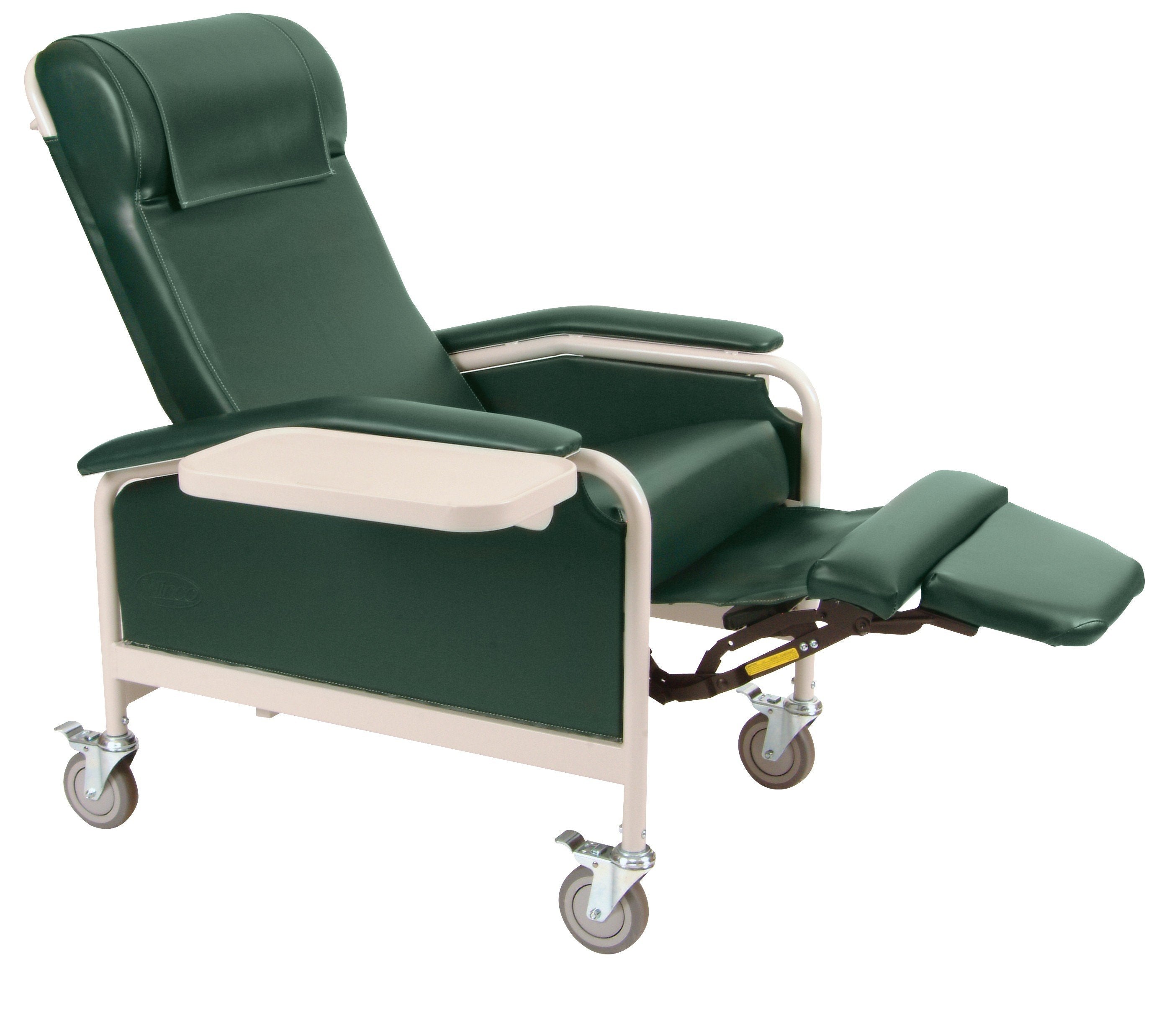
Infinite-position lift chairs use two independent motors, one for the backrest and one for the footrest, according to mobility sources. Each can be adjusted separately. This means the user could have their legs elevated while the backrest is still reclined. Caregivers must bring the user to a fully upright seated position, backrest up and footrest down, before initiating any stand-assist function.
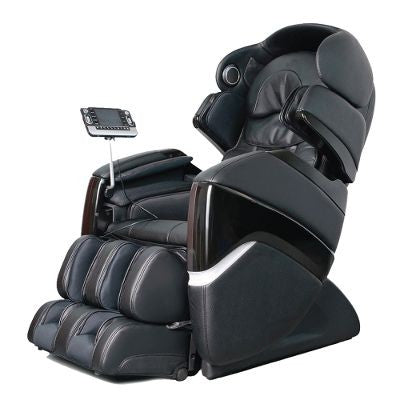
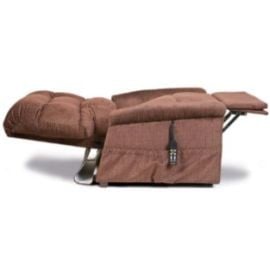
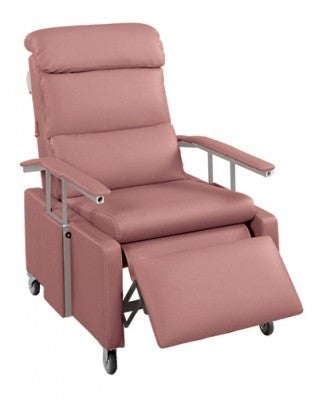
Zero-gravity and Trendelenburg-position chairs can place the user nearly flat or with legs elevated above the heart. Skipping the step of returning to full upright before standing is a leading cause of mid-transfer dizziness and falls. For any fully reclined chair, allow the user 30 to 60 seconds in the upright seated position to acclimate before the lift cycle begins. This step is not optional.
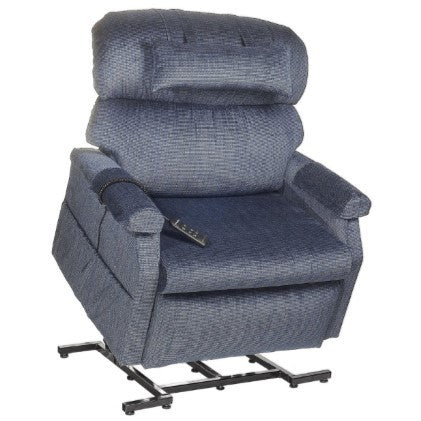
Also verify the chair's weight capacity matches the user. Bariatric lift chairs are rated from 350 to 700 lbs and feature wider seat dimensions. That extra width changes where you stand and how you position yourself during the assist.
The Step-by-Step Exit Transfer: Helping Someone Stand Up Safely
Step 1: Return the chair to fully upright. Use the remote to bring the backrest all the way up and the footrest all the way down before activating the lift function. Do not skip this step, regardless of chair type.
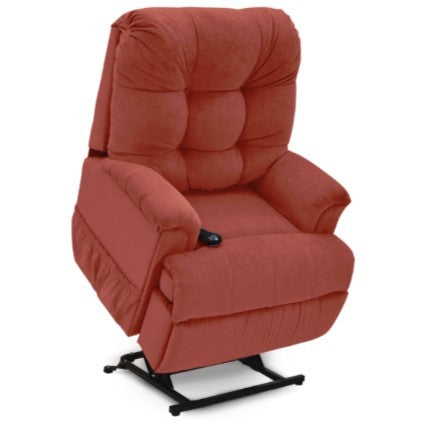
Step 2: Activate the lift slowly. Use the chair's lift function to raise the user toward standing. Let the chair do the work. Do not rush this phase or try to pull the user forward while the chair is still moving.
Step 3: The critical pause. Once the chair reaches its raised position, instruct the user to pause and hold the armrests. Do not step away. Orthostatic hypotension, a sudden blood pressure drop of 20 mmHg systolic or more upon standing, affects up to 30% of adults over 70, according to a PMC systematic review. Dizziness typically hits in the first 1 to 3 minutes after rising, as noted by the Mayo Clinic.
Step 4: Ask and assess. Ask the user directly: "Do you feel dizzy or lightheaded?" Wait for a clear answer before they take a single step. If the answer is yes, lower the chair back down and wait before trying again.
Step 5: Apply the nose-over-toes cue. Ask the user to lean forward slightly so their nose aligns roughly over their toes before pushing to stand. This shifts the center of gravity forward, reduces backward fall risk, and reduces the physical load on you as the caregiver.
Step 6: Use a gait belt, not the arms. Position a transfer or gait belt around the user's waist. Never pull on the arms, shoulders, or clothing. Pulling on joints can cause dislocations and skin tears, particularly in older adults with fragile skin or joint replacements.
Step 7: Caregiver stance. Stand to the user's weaker side with your feet shoulder-width apart and knees slightly bent. Let the user grip the chair's armrests as a stabilizing anchor. The armrests are there for the user's balance, not as a lifting point for you.
The Step-by-Step Entry Transfer: Helping Someone Sit Down Safely
Lower the lift chair to its lowest seated position before the user approaches. Never attempt entry while the chair is still in lift mode.
Make sure the footrest is fully retracted so the user can walk directly to the front of the chair without stepping over anything. Guide the user to back up toward the chair until they feel the seat edge pressing against the back of both legs. Missing the seat edge is a common and serious entry-transfer error that can result in the user sitting partially off the seat or falling between the chair and a nearby surface.
Instruct the user to reach back for both armrests before lowering themselves. Support at the gait belt; do not push the user down into the seat. A fast, uncontrolled drop onto the seat can cause compression injuries, especially for someone recovering from a hip or knee replacement.
Once the user is seated, position the footrest and recline settings for comfort before stepping away. Confirm the user feels stable and that the remote is within easy reach.
Special Considerations: Conditions That Change the Transfer Protocol
Post-hip or knee replacement: Avoid hip flexion beyond 90 degrees during entry. Confirm weight-bearing restrictions with the user's physical therapist before assisting with any transfer.
Parkinson's disease: Freezing episodes can occur mid-transfer without warning. Never rush or pull. Use a verbal countdown ("1-2-3, stand") to cue movement initiation, which can help break through a freeze.
Severe arthritis: Grip strength may be unreliable. Do not assume the user can push off the armrests without first testing their grip. A failed push-off mid-transfer can send both of you off balance.
Cognitive impairment: Narrate every step aloud before performing it. Sudden, unexplained movement increases agitation and resistance, which raises fall risk for both of you.
Medication timing: Sleep aids, blood pressure medications, antidepressants, and anxiety medications all impair balance and alertness, according to fall prevention research. If a new medication or dosage change occurred recently, increase your level of caution during every transfer.
Fatigue windows: Transfers are statistically more dangerous in the early morning, after overnight bathroom trips, and at the end of the day when muscle control is diminished. Adjust your assistance level accordingly during these windows.
Important: Always consult the user's physical therapist or physician before initiating transfers for anyone with post-surgical restrictions or neurological conditions.
Protecting Yourself: Caregiver Body Mechanics and When to Ask for Help
NIOSH sets the safe manual lifting limit at 35 lbs per caregiver, as referenced in the ASPE HHS report on direct care workforce injuries. Any transfer exceeding that threshold requires mechanical assistance or a second person. Good technique helps, but even physical therapists trained in proper body mechanics experience spinal loading forces that exceed safe limits during patient transfers. Technique alone is not sufficient.
The injury data for caregivers is stark. Over 71% of formal caregivers in elder care settings experience work-related musculoskeletal disorders, with low back pain being the most common. Home caregivers face the same risks, often without the training or equipment available in clinical settings. Safe patient handling programs using mechanical equipment have been shown to reduce overall caregiver injury risk by 56%, and roughly 40% of transfer injuries could be prevented with proper equipment.
A clear decision framework: if the user cannot bear any weight, has had a recent fall, weighs more than you can safely support, or resists the transfer, stop. Call for a second person or contact a home health provider. For bariatric lift chair users, always verify the chair's rated weight capacity before use. Bariatric patient handling accounts for nearly 30% of all staff injuries related to patient handling despite representing a small share of users. Two-person assists are strongly recommended.
Nearly 1 in 5 family caregivers report high physical strain from caregiving duties. Recognizing your own limits is not failure. It is part of safe caregiving.
Make Every Transfer Safer with the Right Equipment and Support
Safe lift chair transfers come down to two things: the right chair for the user's condition and weight, and the right technique from the caregiver. Lift chairs from trusted brands like Pride Mobility and Golden Technologies are engineered with stand-assist features that meaningfully reduce caregiver load when used correctly. The chair has to match the user's specific needs.
Before purchasing, speak with one of our live, US-based product specialists. With over 24 years of experience serving customers since 2001, our team can help you match the right chair type (2-position, 3-position, infinite-position, or bariatric) to the user's transfer requirements. We're available by phone six days a week.
Affordability should never be a barrier to safety. We offer free shipping on orders over $100, a Lowest Price Guarantee, and 100% financing options through third-party providers. Caregiving is physically and emotionally demanding work. Having the right equipment and the right knowledge protects everyone involved.
Sources
- SavingAdvice.com – Why Over 40% of Senior Falls Are Linked to Routine Bed-to-Chair Transfers
- National Safety Council – Older Adult Falls Statistics
- MedicalXM – Patient Transfer Lift Chair Safety Tips
- PMC – Pharmacological Interventions for Orthostatic Hypotension: A Systematic Review
- Mayo Clinic – Orthostatic Hypotension Diagnosis & Treatment
- The Ultimate Caregiving Expert – Safe Patient Transfer Techniques
- ASPE HHS – Mitigating Direct Care Workforce Injuries in Homecare
- Rifton Education Center – Safe Transfer & Lifting Techniques with Assistive Equipment
- PMC – Work-Related Musculoskeletal Injuries in Formal Caregivers
- PMC – Use of Patient-Handling Devices and Coworker Assistance in Long-Term Care Settings
- American Journal of Nursing – Supporting Family Caregivers


