











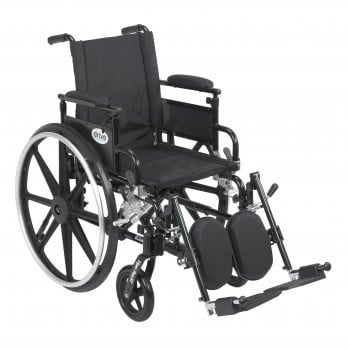
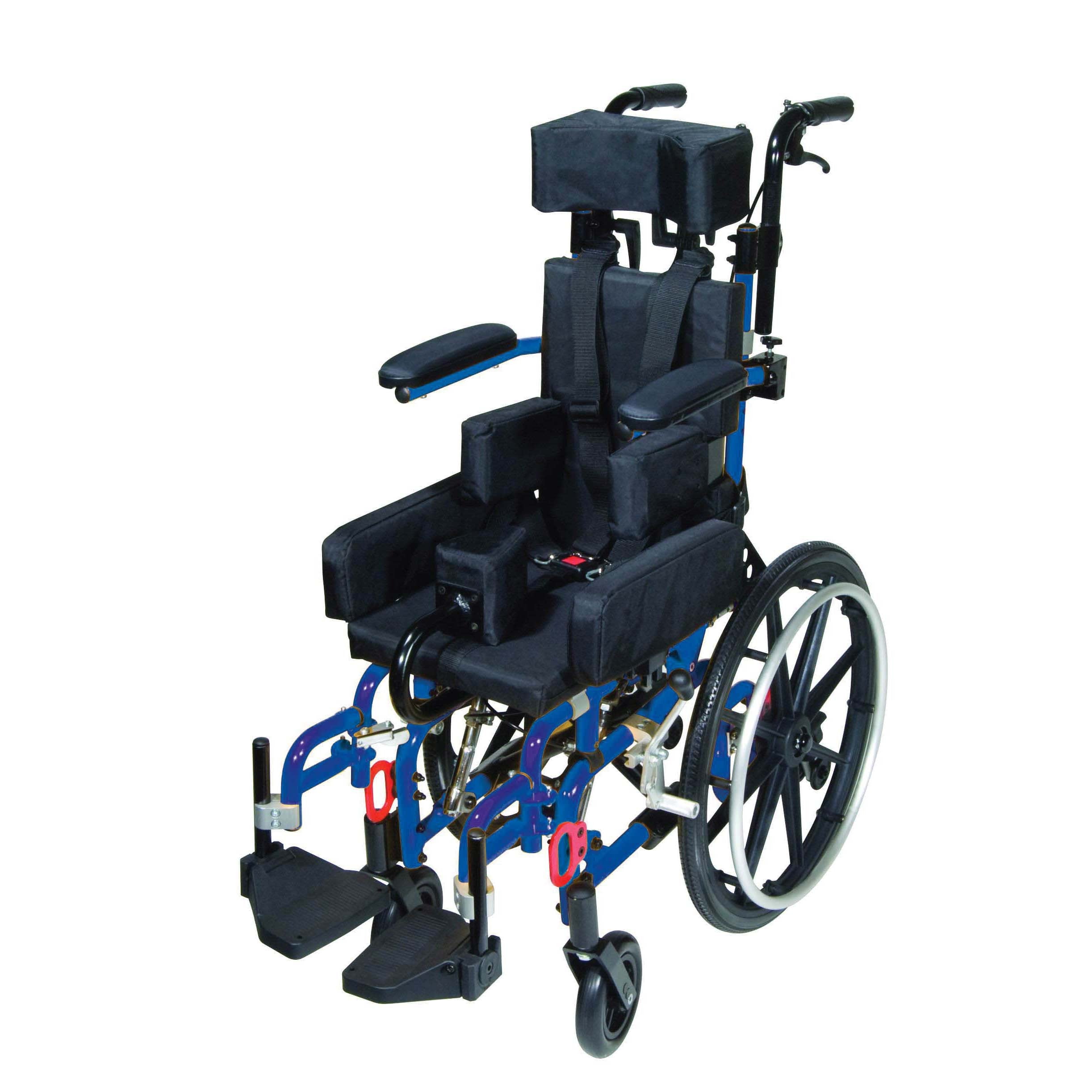
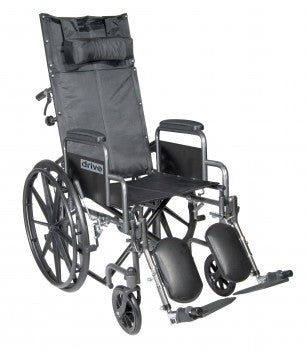
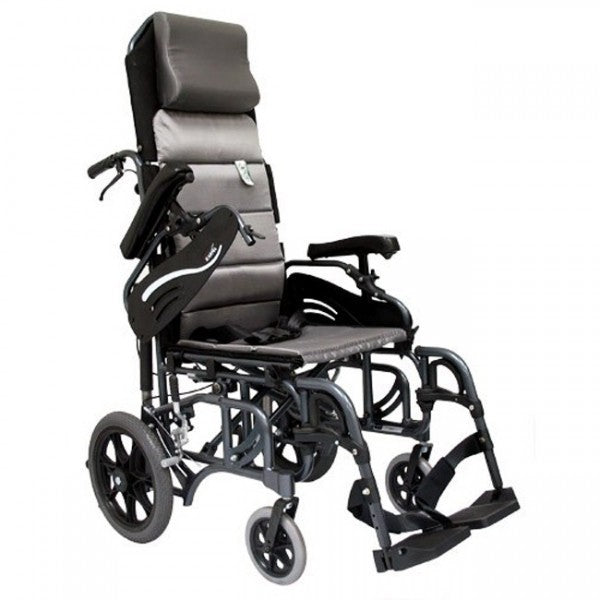












Every 8 Minutes, a Mobility Device Gets Damaged at an Airport
In 2024, U.S. airlines mishandled 11,357 wheelchairs and scooters, according to USA TODAY. That works out to roughly one incident every eight minutes, more than twice the mishandling rate of regular checked luggage.
The stakes are real. An estimated 27 million passengers with disabilities fly in the U.S. each year, and most don't fully understand their legal protections. With the right preparation, you can dramatically reduce your risk and travel with genuine confidence.
Below, we cover your legal rights (including new 2025 rules), battery requirements, pre-flight documentation, gate-check procedures, and what to do if something goes wrong.
Your Legal Rights Under the ACAA and New 2025 DOT Rules
The Air Carrier Access Act of 1986 (ACAA) is the foundation of your protection. It prohibits U.S. airlines from discriminating against passengers with disabilities and legally requires them to accept battery-powered wheelchairs and mobility scooters as checked mobility devices on both domestic and international flights, according to WheelchairTravel.org.
In December 2024, the DOT issued a landmark final rule titled "Ensuring Safe Accommodations for Air Travelers With Disabilities Using Wheelchairs," which took effect on January 16, 2025, with enforcement beginning August 1, 2025. This rule, published in the Federal Register, strengthens airline accountability for mishandled devices, mandates hands-on staff training for crew members who load and store mobility equipment, and increases damage liability.
Here is a right most travelers don't know about yet: as of December 17, 2025, airlines must electronically notify you whether your device was successfully loaded before the cabin door closes, and again when it has been unloaded before you deplane. If you never received that notification, that gap itself could be a reportable violation.
Not every provision is active yet. The DOT announced in September 2025 that it will delay enforcement of four specific provisions until at least December 31, 2026. Those delayed provisions include: the presumption of an ACAA violation when a wheelchair is damaged, refresher training frequency requirements, pre-departure written notification of passenger rights, and fare reimbursement for rerouted passengers. Understanding which protections are active now versus delayed is critical.
Enforcement is not theoretical. In October 2024, the DOT charged American Airlines $50 million for ongoing ACAA violations between 2019 and 2023, including unsafe physical assistance and improper handling of wheelchairs, as reported by the National Center for Disability, Equity, and Intersectionality. Airlines are also now required to publish cargo hold dimensions on their websites so you can verify your device will fit before you book.
Battery Rules: The #1 Gate-Check Failure Point
More gate-check problems stem from battery confusion than any other issue. Here is what you need to know.
The FAA and IATA set clear limits. Installed or non-removable lithium batteries in your power wheelchair or scooter must not exceed 300 watt-hours (Wh). Spare or removable lithium-ion batteries carried in the cabin are limited to 160Wh each, as outlined by FAA PackSafe/IATA guidelines.
This is the part that trips people up: lithium-ion batteries must be removed from the device and carried in the cabin. They cannot travel in cargo. Non-spillable sealed lead-acid batteries, on the other hand, are generally allowed in cargo holds if secured upright, according to Understood Care. Many travelers don't know which type their device uses, so check your owner's manual or call us before your trip.
If your battery label shows only voltage and amp-hours but not watt-hours, use this formula:
Wh = Volts × Amp-Hours
For example, a 24V battery rated at 10Ah equals 240Wh. That simple calculation can prevent a last-minute denial at the gate. We strongly recommend printing a battery spec sheet showing Wh, voltage, and amp-hours, and handing it directly to airline staff.
Before packing your removable lithium-ion battery in your carry-on, cover the terminals with terminal covers or electrical tape. This prevents short circuits during transport and is required by airline safety rules.
Gate-Check vs. Cargo-Check: Why the Difference Matters
You have the right to ride your mobility scooter or power wheelchair all the way to the jet bridge gate, where it is tagged and gate-checked into cargo. Gate-checking is always the preferred option, as noted by Fold & Travel Mobility, because it minimizes the time and distance your device spends in airline hands, which directly reduces the chance of damage.
When you gate-check, your device must be returned to you at the jet bridge upon arrival, not at baggage claim. Standard cargo-check, by contrast, routes your device through the regular baggage system, where it is handled more times and arrives at the carousel. Always request gate-check explicitly when booking and confirm it again at check-in.
If your device doesn't fit in the aircraft's cargo hold, the airline is required to work with you to find a solution, such as rebooking you on a larger aircraft or arranging alternative transport for the device. Check the airline's published cargo hold dimensions before you book to avoid surprises at the gate.
Choosing the Right Device for Air Travel
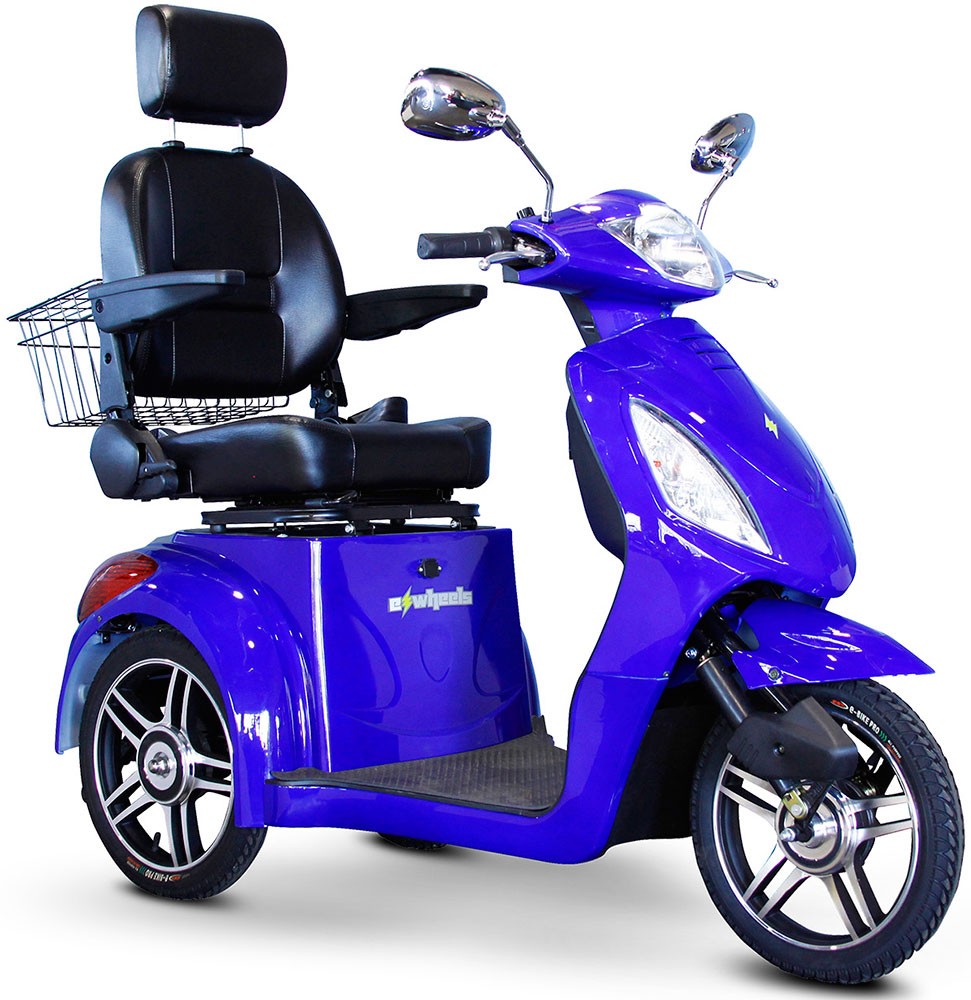
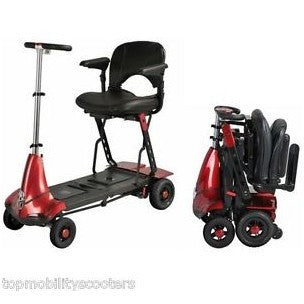
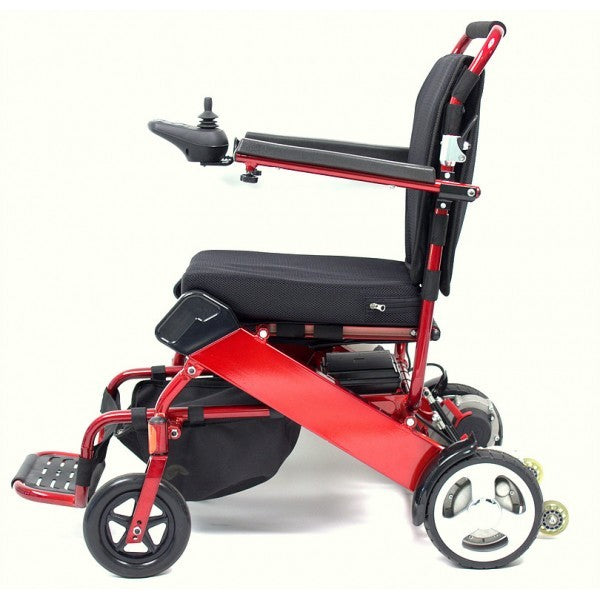
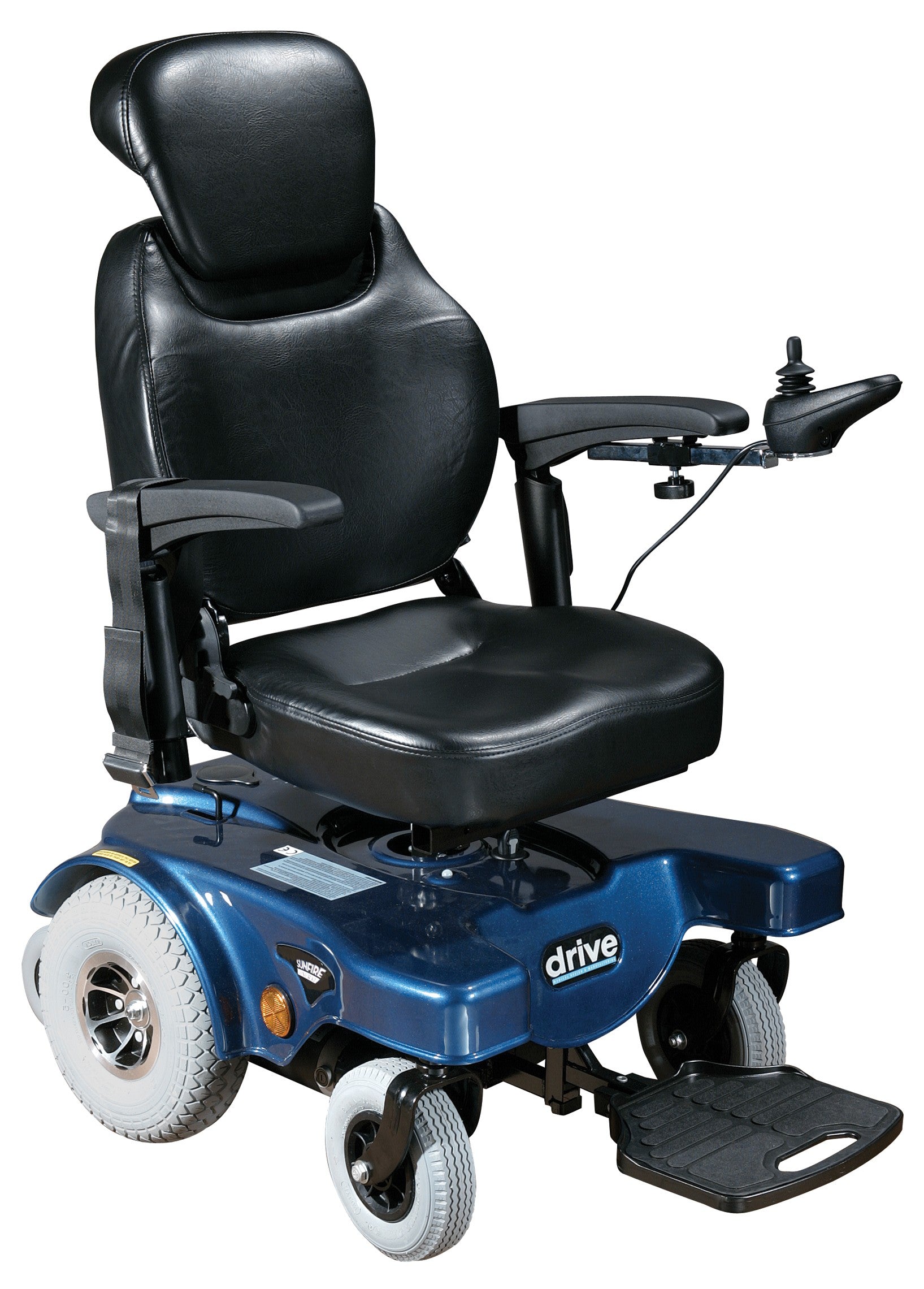
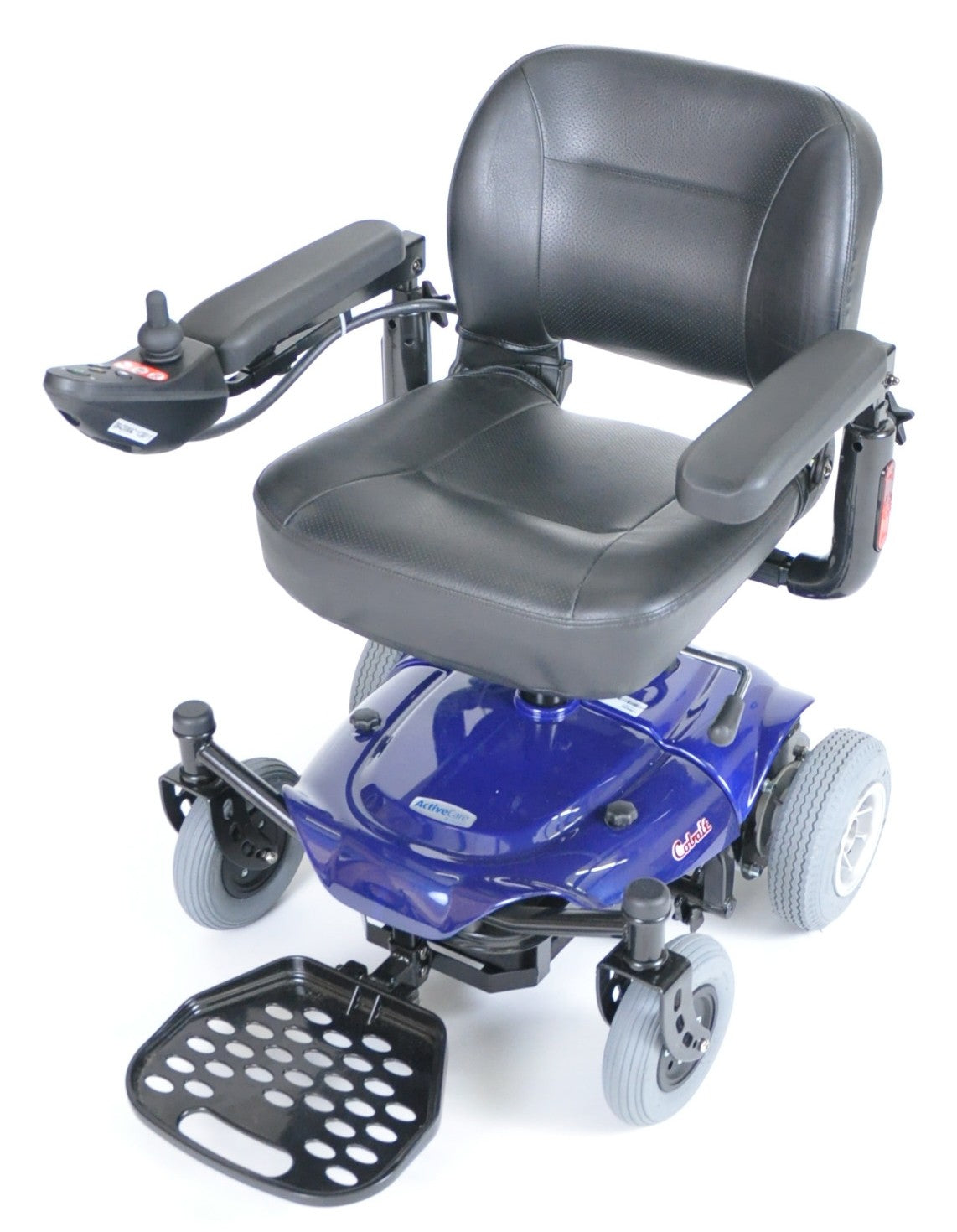
Folding and travel mobility scooters are among the most airline-friendly options available. Most weigh between 40 and 50 pounds, fold compactly, and feature removable lithium batteries that meet airline requirements. They are easier to maneuver through terminals and simpler for cargo staff to store safely.
When shopping for a travel scooter specifically for flying, look for these features: a removable lithium battery with a clearly labeled watt-hour rating, a compact fold, a total weight under 50 lbs, and sturdy construction that can handle cargo loading.
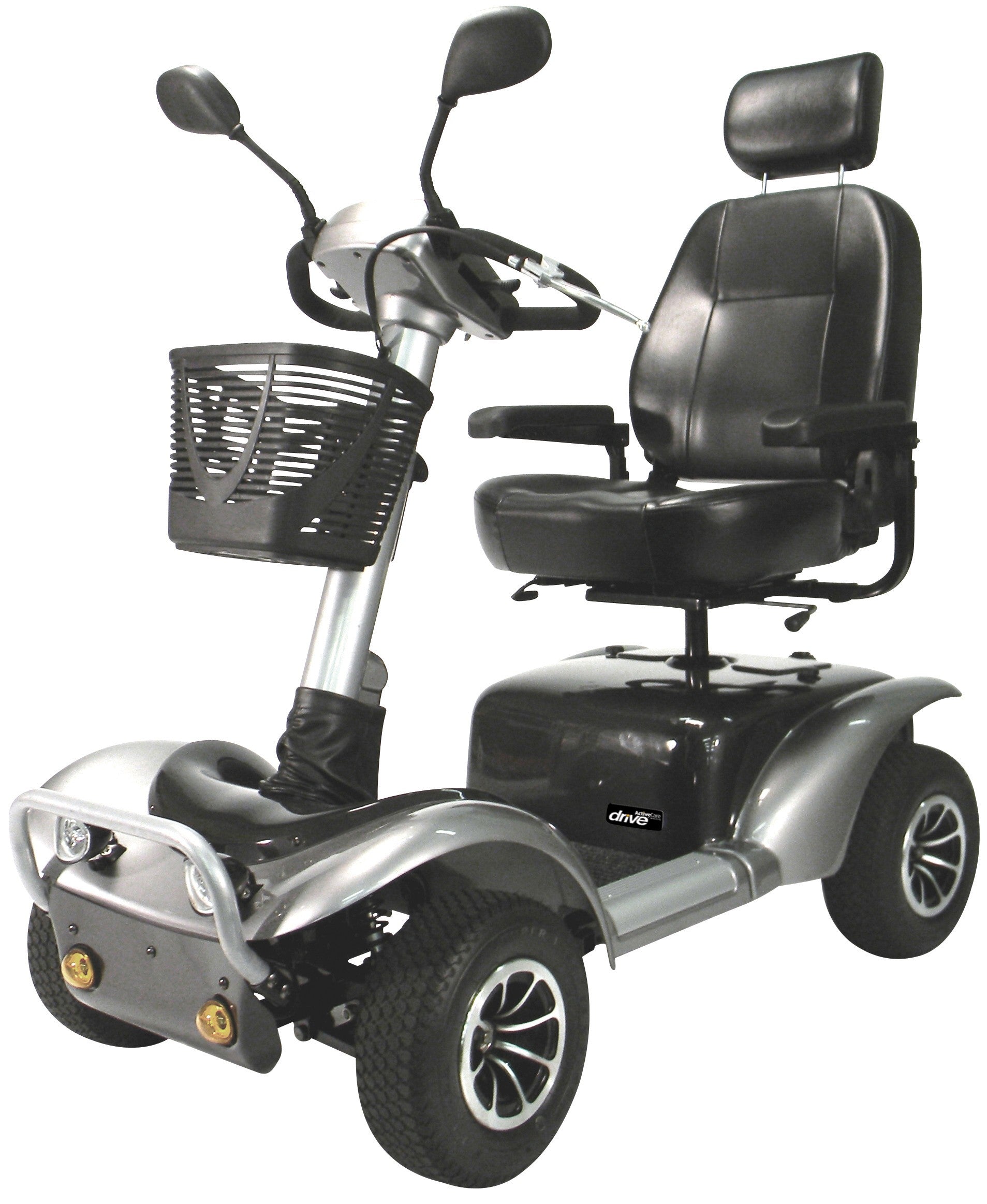
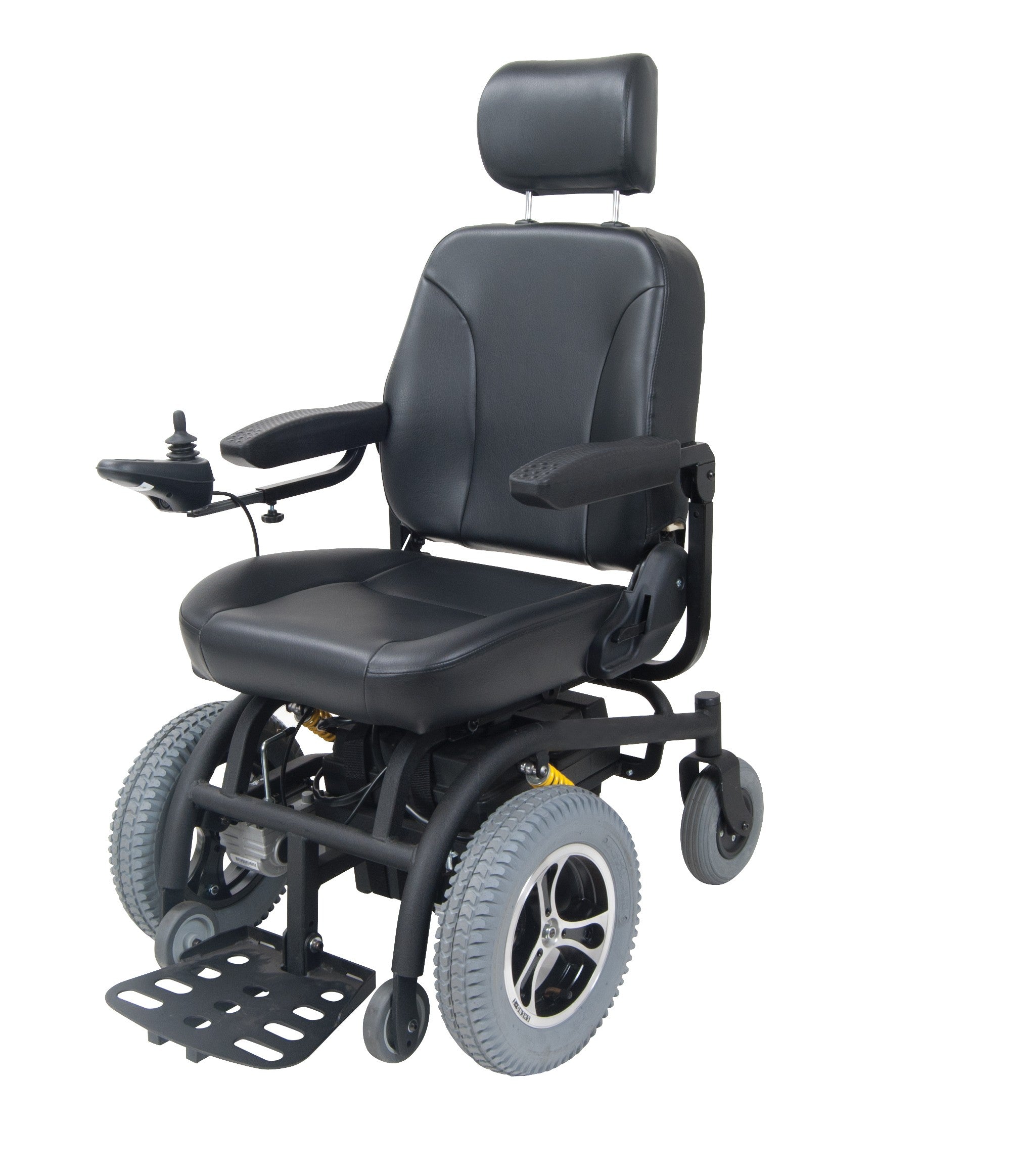
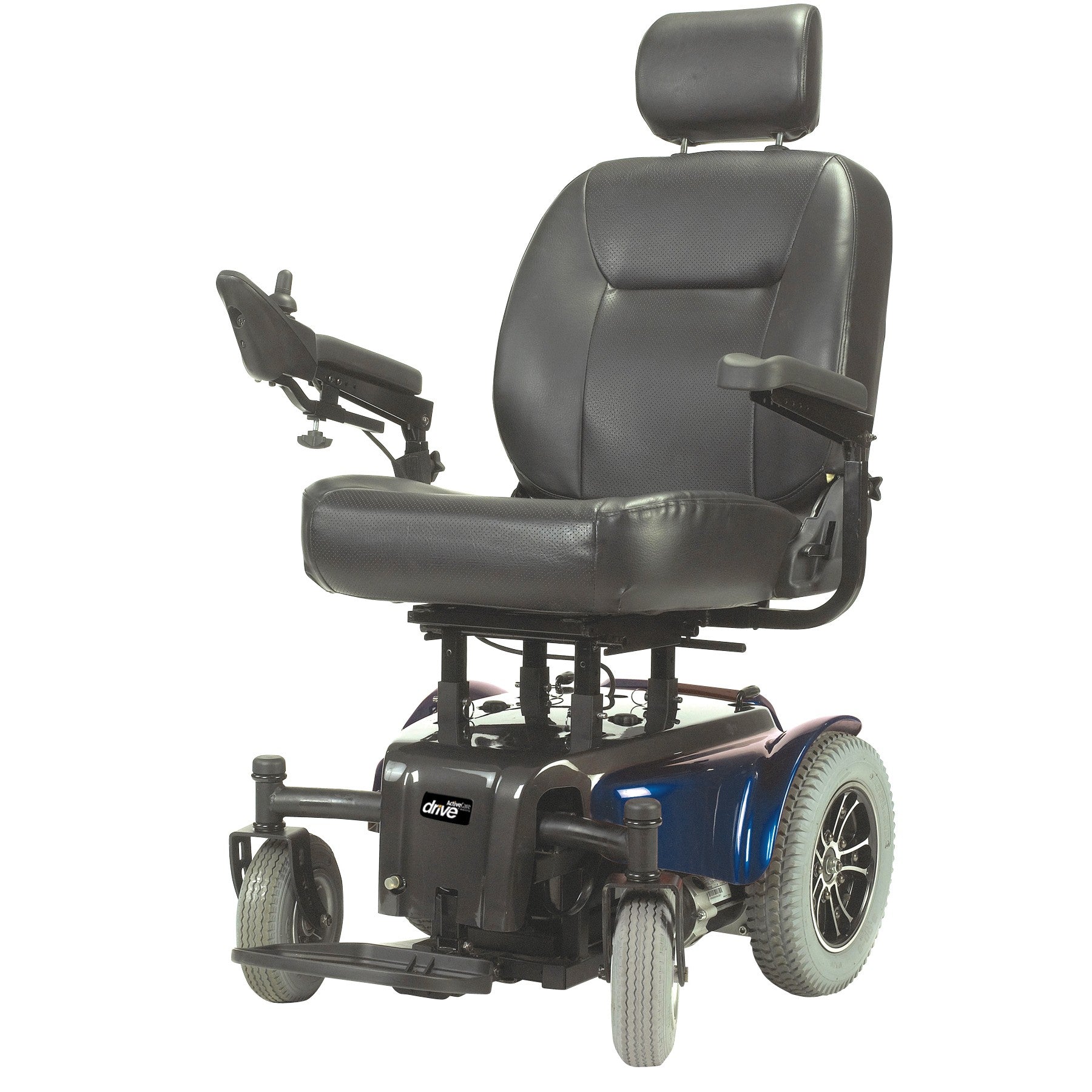
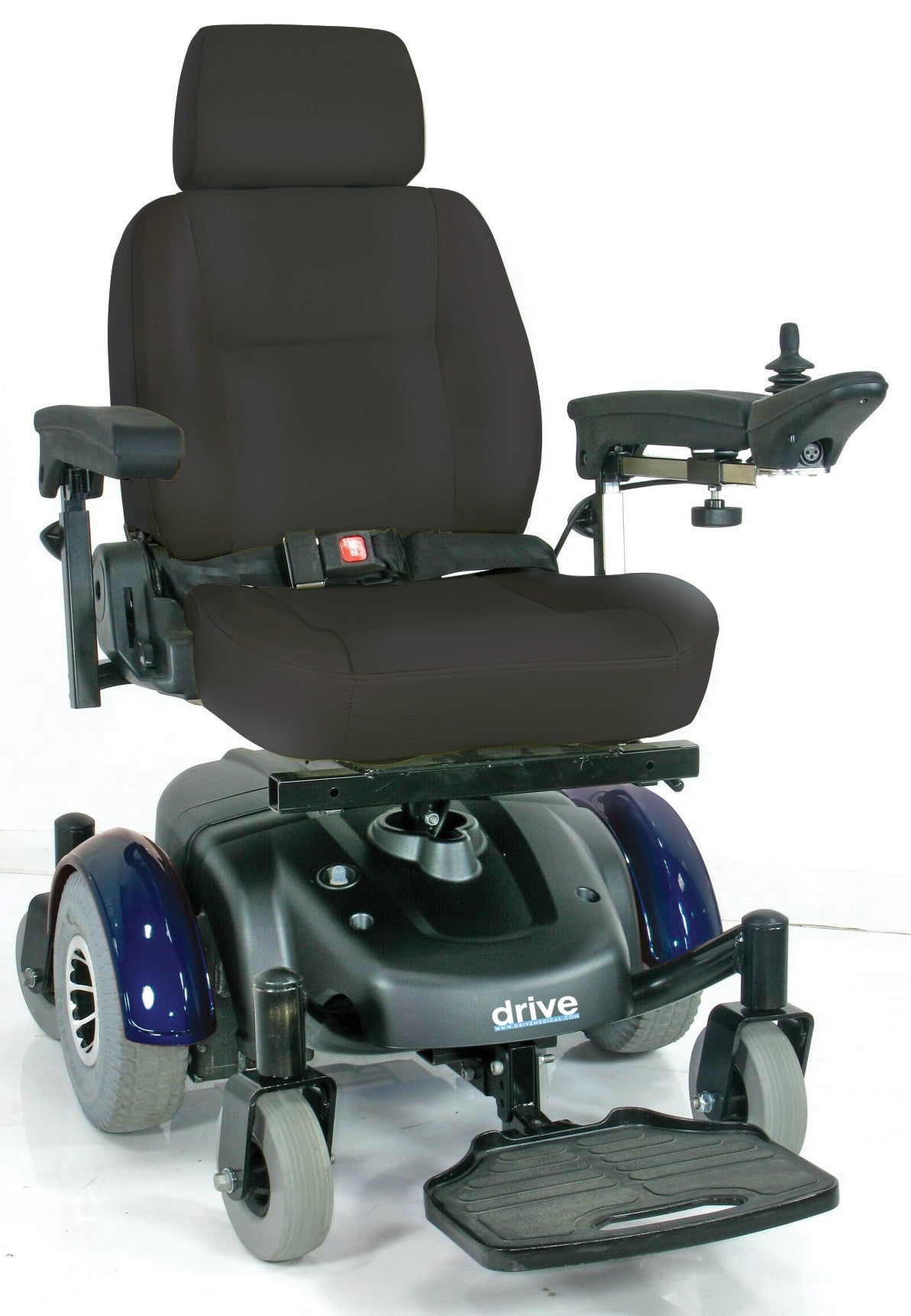
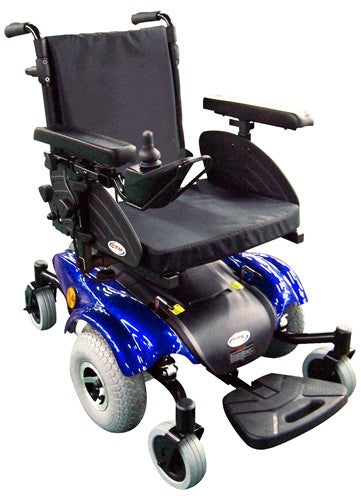
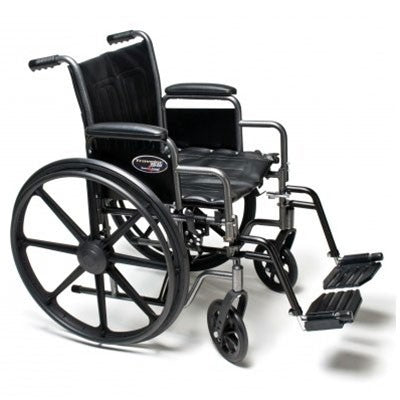
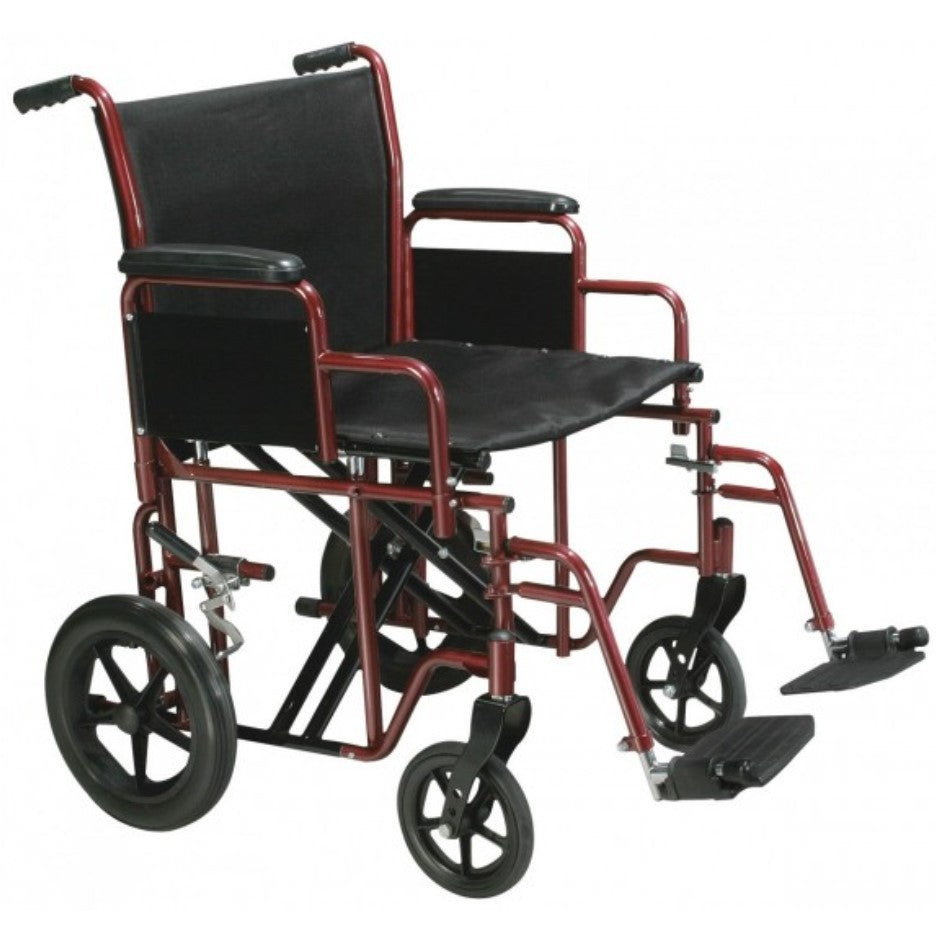
Full-size power wheelchairs are heavier and bulkier, which makes cargo fit tighter and handling riskier. For users who need greater postural support or higher weight capacity, a power chair may be the only appropriate choice. Understanding that trade-off before you buy is worth the time.
Bariatric travelers should pay particular attention here. Check weight capacity ratings carefully, measure your device dimensions, and compare them against the airline's published cargo hold specs. Communicate your device specifications to the airline during your advance notification call. A mismatch discovered at the gate is stressful and entirely avoidable.
Your device choice dramatically affects every future trip. If you plan to fly regularly, call one of our product specialists before purchasing. With over 22 years in the mobility products industry, we can help match you with a device that fits both your mobility needs and your travel plans.
Pre-Flight Checklist: What to Do Before You Arrive at the Airport
Notify the airline 48 to 72 hours before departure. Provide your battery type, watt-hour rating, device dimensions, weight, and any assistance needs such as an aisle chair or pre-boarding help, as recommended by Batteries Plus.
Photograph your device before leaving home. Take clear, timestamped photos from multiple angles, as recommended by Kerdom. Document every pre-existing scratch, dent, or area of wear. These photos are essential evidence if you need to file a damage claim later.
Remove the physical key or fob from your scooter or power wheelchair and keep it with you in the cabin. An accidental activation in the cargo hold can cause serious damage to your equipment and the aircraft.
Prepare a printed handling instruction card. List how to disconnect the battery, where tie-down straps should be placed, and how to safely move the device. Hand this card directly to airline cargo staff at the gate. This single step is one of the most effective damage-prevention measures available.
Protect your battery terminals with terminal covers or electrical tape before placing the removable battery in your carry-on bag.
Confirm cargo hold dimensions on the airline's website to verify your device will physically fit. Do this before you arrive at the airport, not at the gate.
What to Do If Your Device Is Damaged or Doesn't Arrive
Inspect your device at the jet bridge immediately upon return, before you leave the gate area. Do not wait until you get home. If you spot damage, report it to the airline right there at the airport and request a written damage report before leaving the terminal.
Document everything with timestamped photos on the spot and compare them against the pre-flight photos you took at home. That before-and-after record is powerful evidence.
Airlines face real consequences for mishandling. The DOT can impose fines of up to $124,000 per violation, as reported by CNN. If the airline doesn't resolve your issue, file a formal complaint with the DOT's Aviation Consumer Protection Division.
Keep a record of every loading notification (or lack thereof) you receive. If you were never notified that your device was loaded, that gap in communication may itself constitute a reportable violation under the December 2025 rule.
Fly with Confidence: You're More Prepared Than Most
Three actions make the biggest difference: advance airline notification with full device specs, pre-flight photo documentation, and a printed handling instruction card for cargo staff. These steps alone put you ahead of the vast majority of travelers.
Knowing your rights, including the December 2025 loading notification requirement, gives you real leverage if something goes wrong. Most passengers still don't know these protections exist.
If you are choosing a mobility device and plan to fly, talk to one of our US-based product specialists before purchasing. We are available by phone six days a week and have been helping people find the right mobility equipment since 2001. The right device makes every future trip easier, safer, and less stressful.
Mobility limitations should never limit your world. With the right preparation and the right equipment, independent air travel is fully within your reach.
Sources
- USA TODAY — Tracking Airline Accessibility
- CNN / Senator Duckworth — Feds Propose Steep Fines When Airlines Damage Wheelchairs
- WheelchairTravel.org — Air Carrier Access Act Summary
- Federal Register — DOT Final Rule: Ensuring Safe Accommodations for Air Travelers With Disabilities Using Wheelchairs (December 2024)
- Steptoe Law — DOT Enforcement Delay of 2024 Wheelchair Rule Provisions
- National Center for Disability, Equity, and Intersectionality — Air Carrier Access Act
- FAA PackSafe / IATA — Airline-Approved Electric Wheelchair Rules
- Understood Care — Airline Travel with Scooters and Wheelchairs
- Fold & Travel Mobility — Are Folding Mobility Scooters Allowed on Airplanes?
- Batteries Plus — Flying with Your Mobility Device
- Kerdom — How to Fly with an Electric Wheelchair: Complete 2026 Guide
- U.S. Department of Transportation — Aviation Consumer Protection Division


