




A mobility scooter can change the rhythm of everyday life: getting through a grocery store without exhaustion, visiting family, moving comfortably around a neighborhood, or keeping up with appointments. For many households, the question is not whether a scooter would help. It is which financing options for mobility scooters make the right model attainable without creating unnecessary strain on the monthly budget.
The best path depends on the scooter, your health needs, and how quickly you need it. A compact travel scooter, a full-size outdoor model, and a heavy-duty scooter serve very different purposes, so financing should follow a careful product decision - not replace one.
Start With the Scooter You Actually Need
Before comparing payment methods, narrow down the features that will make the scooter safe and useful over time. A lower monthly payment is not a good value if the scooter has too little range, cannot handle the user's weight, or will not fit through the doorways and turns at home.
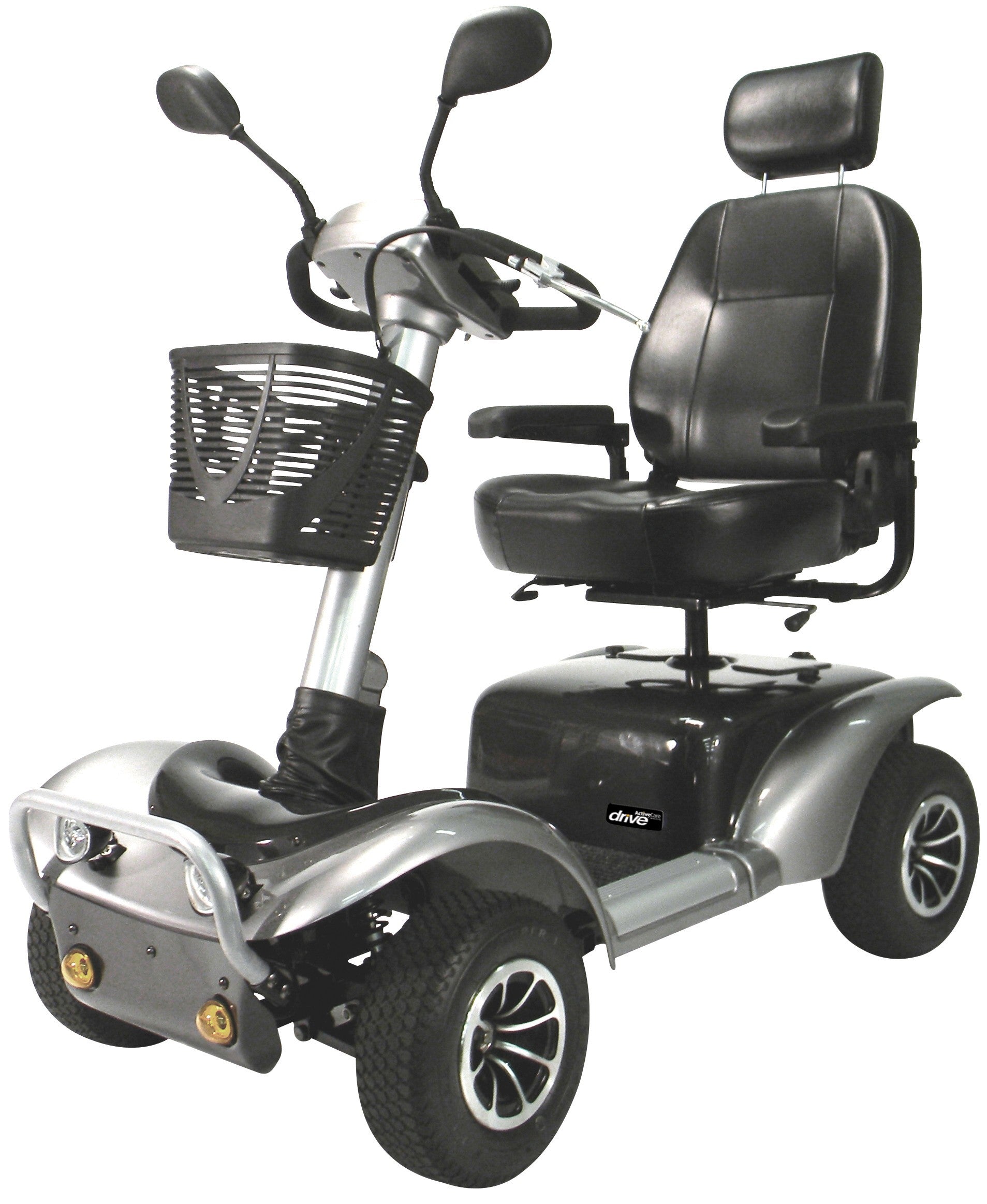
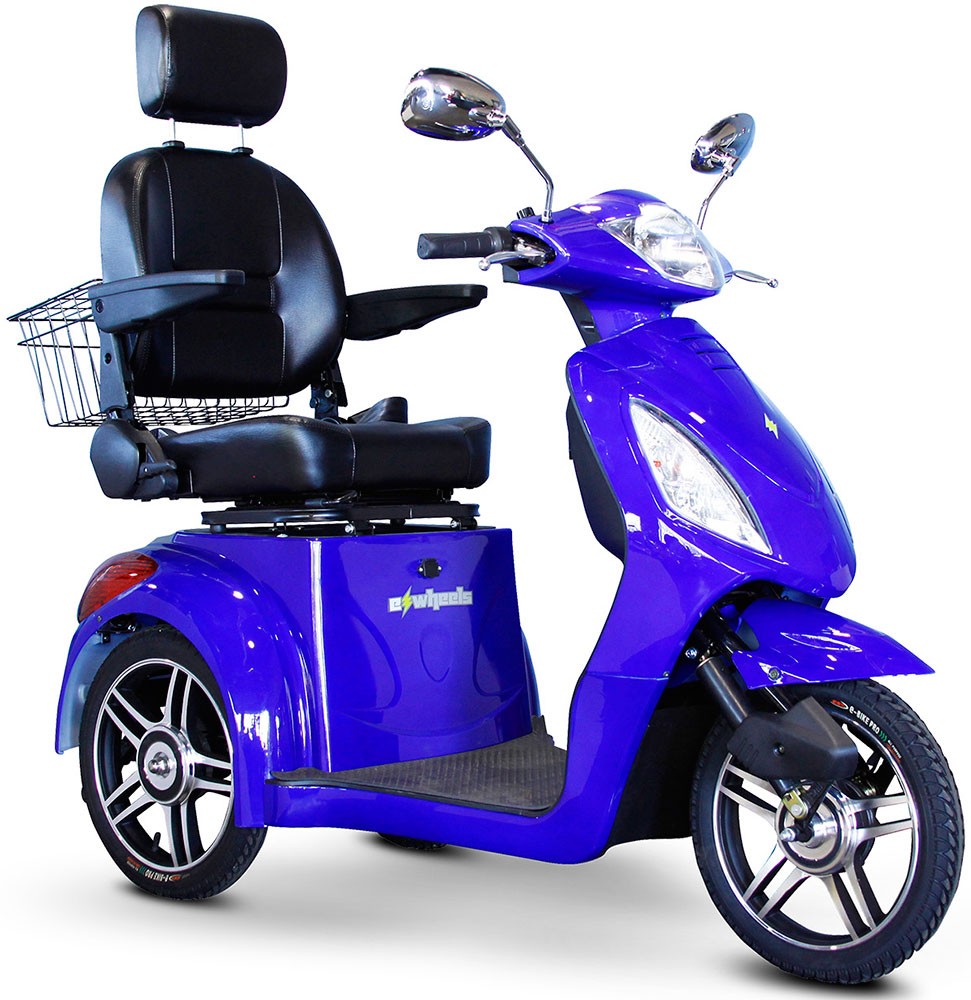
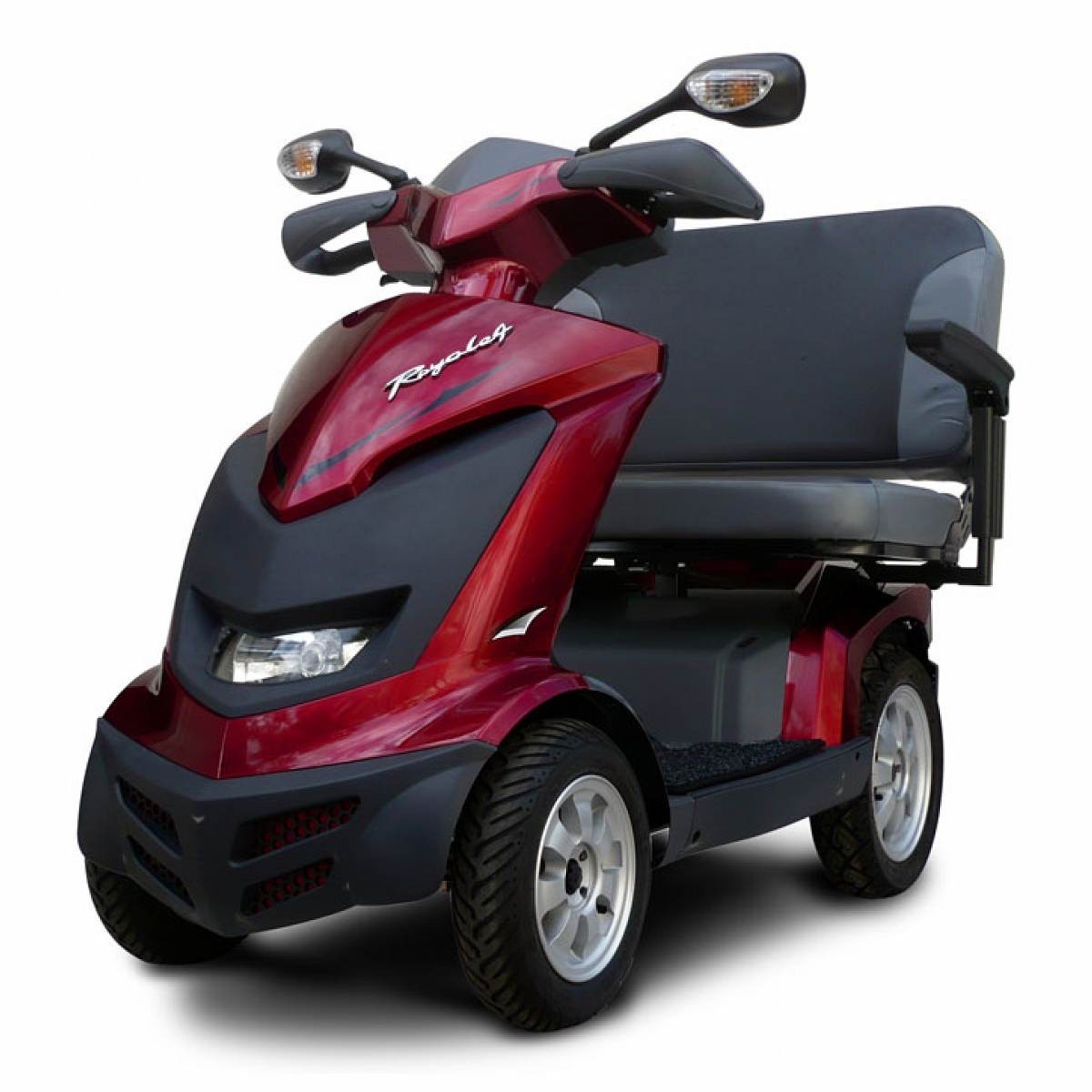
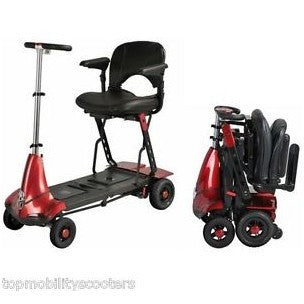
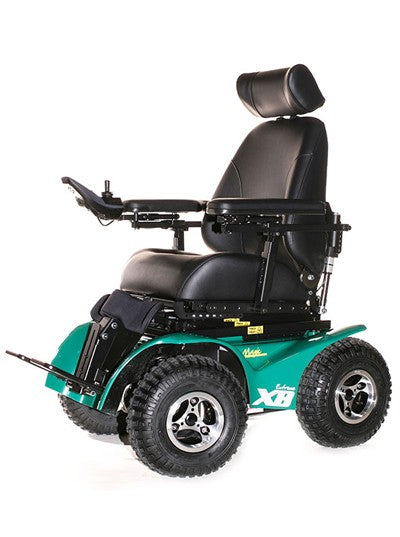
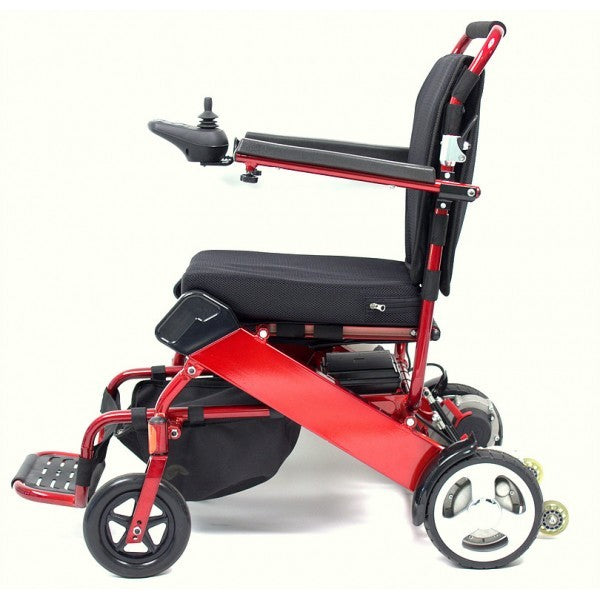
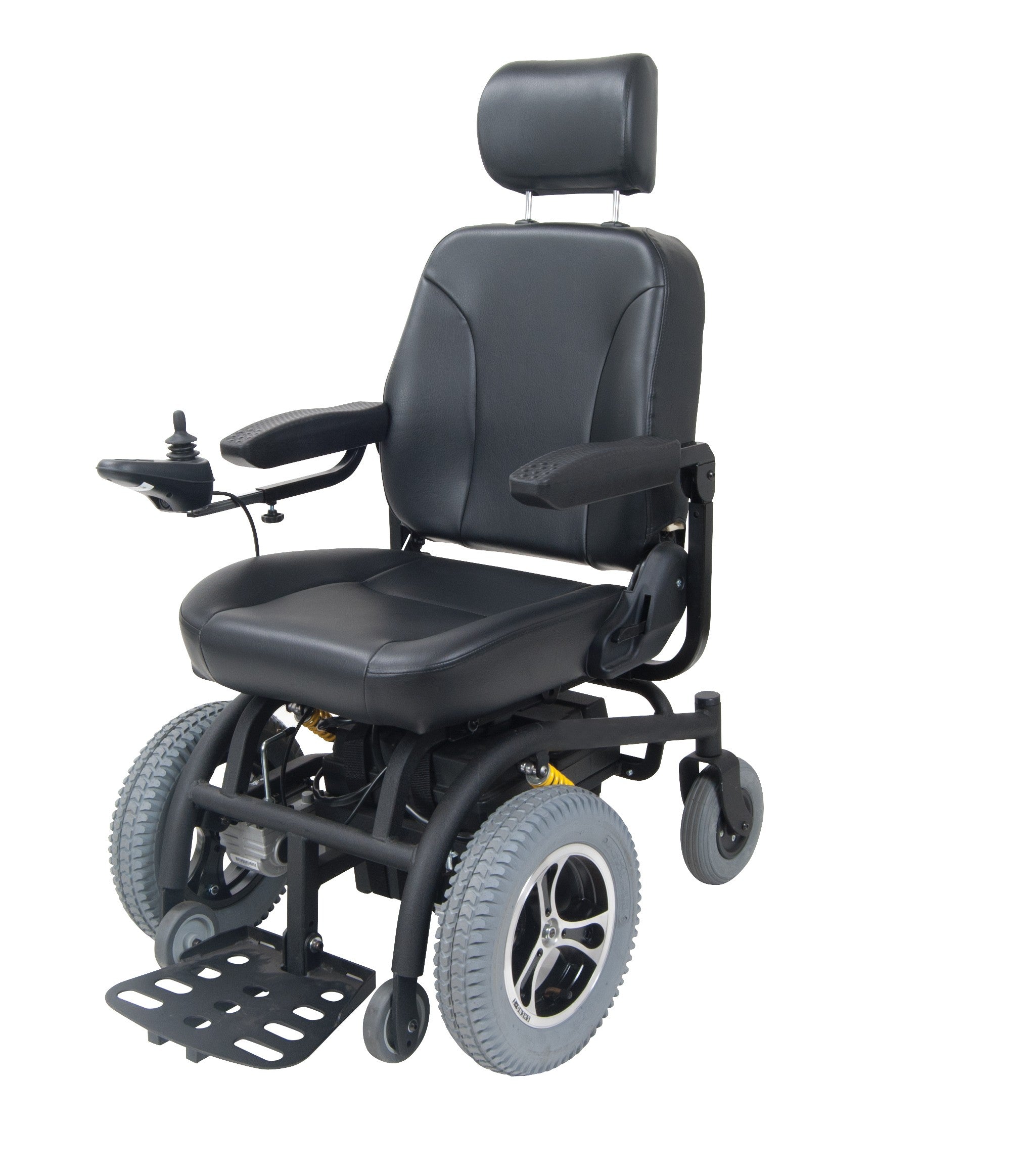
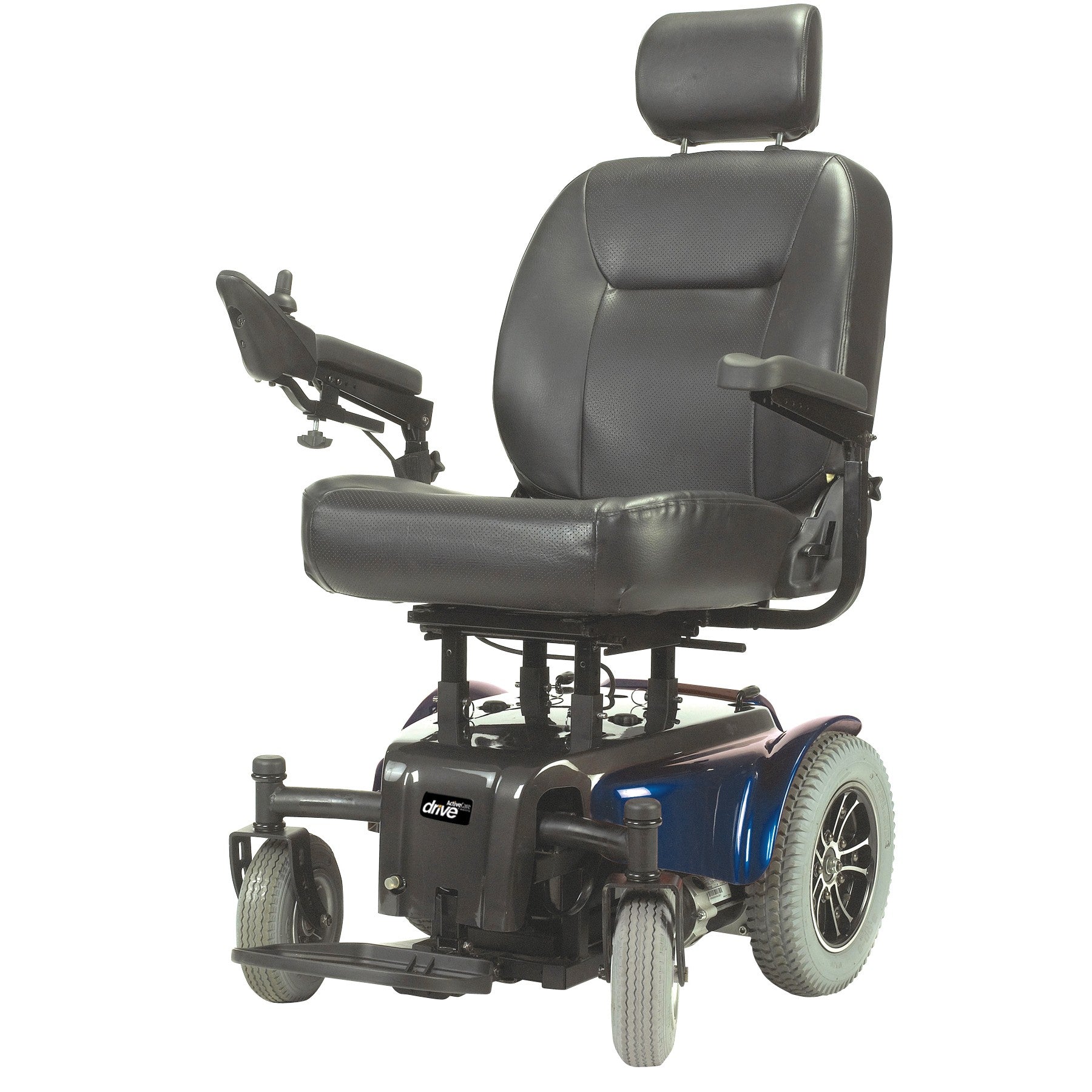
Think about where the scooter will be used most. Travel-friendly models can be easier to disassemble and transport in a vehicle, while larger scooters may offer more legroom, suspension, ground clearance, and battery capacity for longer outdoor use. Weight capacity, seat comfort, turning radius, and total scooter weight all matter. If a caregiver will load the unit, that loading process should be realistic, too.
A mobility specialist can help match these details to daily routines before you apply for financing. That conversation may prevent a costly mismatch and help you choose equipment that continues to support independence after the first few weeks of use.
Common Financing Options for Mobility Scooters
There is no single best payment method for every buyer. Some customers want predictable scheduled payments, while others may qualify for coverage through a health benefit program. Review the full terms of any option, including payment timing, interest charges when applicable, and what happens if a payment is missed.
Retail Financing and Monthly Payment Plans
Retail financing is often the most direct choice for customers purchasing a mobility scooter for personal use. Depending on approval and the plan available, it can divide the purchase into manageable scheduled payments rather than requiring the entire amount upfront.
This option can be especially helpful when a scooter is needed soon after a decline in mobility, surgery, or illness. Still, look beyond the payment amount. Ask how long the repayment period lasts, whether deferred-interest terms apply, and whether paying the balance early is permitted without a penalty. A plan that fits the household budget should leave room for essentials, ongoing care, and unexpected expenses.
Health Insurance and Medicare Coverage
Some health plans may provide coverage for mobility equipment when it is considered medically necessary and when the item, supplier, documentation, and prescribing process meet the plan's requirements. Medicare coverage can also be limited and highly specific. A mobility scooter is not automatically covered simply because walking is difficult.
Coverage decisions commonly depend on whether the scooter is needed for mobility inside the home, whether a physician or qualified clinician documents the need, and whether other mobility aids are insufficient. Requirements vary by plan, and deductibles, copays, prior authorization, and supplier rules can affect what you pay.
Call your insurer before ordering if you plan to seek coverage. Ask for the exact requirements in writing when possible, including whether the model you are considering is eligible. If you need the scooter quickly or want a model with features beyond a covered option, retail financing may still be worth comparing.
Veterans Benefits
Eligible veterans may have access to mobility equipment through VA health care benefits when the equipment is clinically appropriate. The process can involve an evaluation, prescription, and approval through the VA care team.
Because timing and eligibility vary, contact your VA provider or mobility clinic directly. It is wise to discuss the environments where the scooter will be used, including home access, transportation, and community travel. The right recommendation is based on everyday function, not simply the most powerful model available.
Personal Savings, Credit Cards, and Family Support
Paying from savings avoids a financing application and may be appropriate when it does not reduce an emergency fund too far. A credit card can offer flexibility, particularly when a buyer expects to pay the balance promptly, but interest charges can make it a less favorable choice for a longer repayment period.
Some families share the cost when a scooter helps a parent or loved one remain active and safer at home. If relatives are contributing, decide early whether the funds are a gift, a loan, or part of a shared caregiving budget. Clear expectations protect relationships during an already stressful time.
Compare the Total Commitment, Not Just the Monthly Payment
A financing offer can look comfortable at first glance while still costing more or lasting longer than expected. Before making a decision, compare four practical details:
- The amount due at checkout, including any required down payment
- The scheduled payment amount and number of payments
- Interest, deferred-interest conditions, and applicable fees
- The total amount repaid if the balance is carried through the full term
Questions to Ask Before You Apply
Financing should make a good mobility decision easier, not rush it. Confirm the scooter's weight capacity and dimensions, whether it can be transported as needed, how it handles the terrain around your home, and whether the seating position is comfortable for the user. For someone with arthritis, back pain, limited hand strength, or a condition that affects balance, these details can have a major effect on safe use.
Then ask the financing provider or retailer what documentation is required, when the first payment is due, and whether the application results in a credit inquiry. Read promotional terms carefully. A deferred-interest offer can be useful only when the balance will be paid according to its conditions.
If insurance or veterans benefits are part of the plan, do not assume approval until you have confirmation. Keep copies of prescriptions, clinical notes, authorization records, and communications related to the claim. That preparation can reduce delays and confusion.
Make the Purchase Fit Your Long-Term Mobility Plan
The right scooter should support more than one errand or one season. Consider how your mobility needs may change, whether the scooter will be used indoors and outdoors, and who can help with charging, storage, and transport. A well-matched model is often the better value even when it requires more planning upfront.
American Quality Health Products has supported customers with home medical and mobility equipment since 2001, with knowledgeable assistance available for shoppers who want help comparing fit, portability, comfort, and everyday usability. Take the time to select a payment option that feels sustainable and a scooter that gives the user more confidence to go where life happens.


