


A long car ride, an afternoon in a recliner, or a day spent standing can leave legs feeling heavy, tired, or puffy. Compression socks for circulation are designed to apply gentle, graduated pressure that supports the lower legs and may help many people feel more comfortable during daily activities. The right pair can be a practical part of a comfort routine, but choosing them requires more than picking a color or size.
For older adults, caregivers, and anyone managing limited mobility, the details matter. Compression level, calf measurement, sock height, fabric, and medical history all affect whether a pair will be comfortable and appropriate. This guide explains what to look for before adding compression socks to your daily routine.
How Compression Socks for Circulation Work
Compression socks are tighter at the ankle and gradually become less snug farther up the leg. This is called graduated compression. The design provides external support to the veins in the lower legs, helping encourage blood to move upward rather than pool around the ankles and feet.
That pressure can be useful when normal leg movement is reduced. Walking and calf movement naturally help move blood back toward the heart. When someone sits for long periods, spends time in bed during recovery, travels, or stands in one place for hours, the lower legs may feel more fatigued or swollen. Compression socks can support comfort in those situations, especially when paired with safe movement, hydration, and clinician-recommended care.
They are not a cure for circulation disease, and they are not the right choice for every cause of leg swelling. Think of them as a supportive product, not a replacement for medical evaluation or treatment.
Who May Benefit From Compression Socks?
Many people consider compression socks because their feet and ankles swell by the end of the day or because their legs feel achy after sitting or standing. They can also be useful for frequent travelers, people with varicose veins, those returning to activity after certain procedures, and individuals whose work keeps them on their feet.
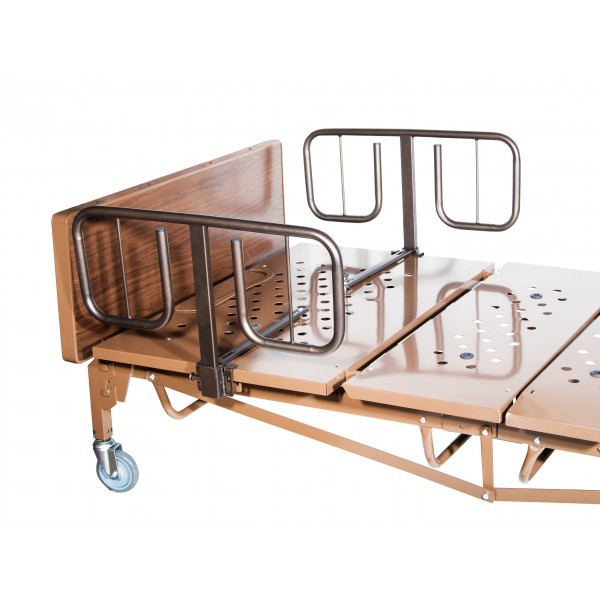
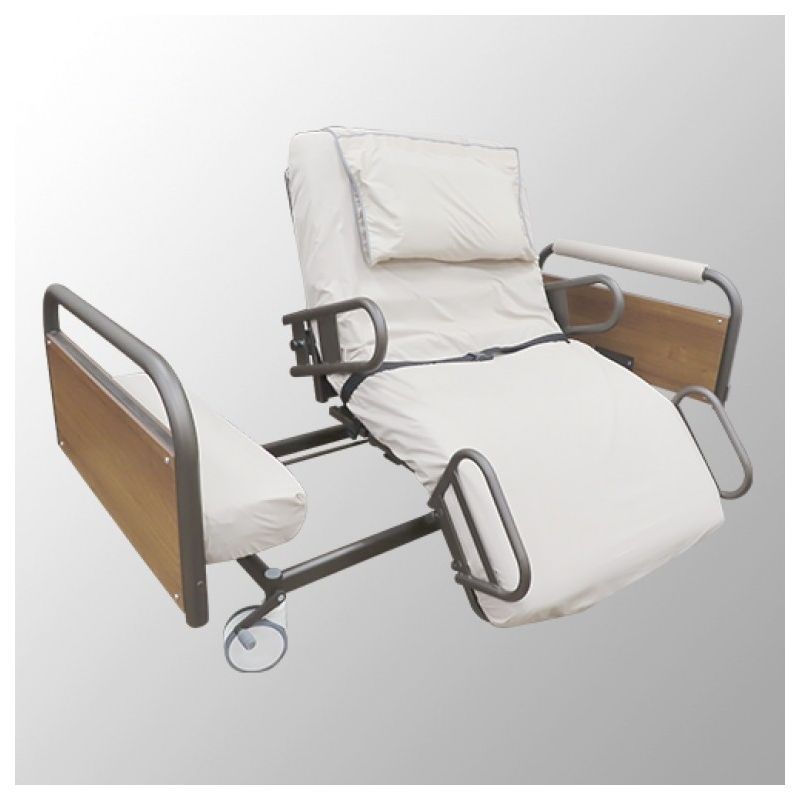
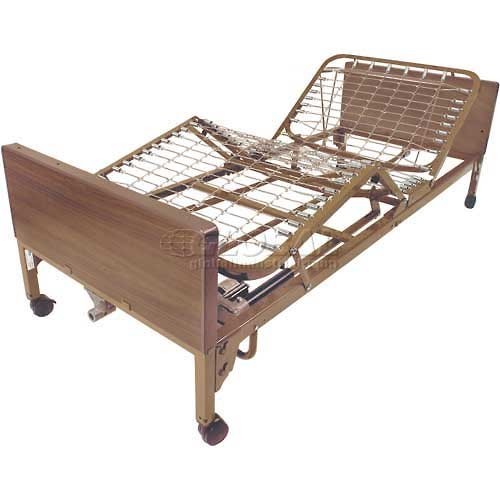
For people aging in place, compression can be especially helpful when paired with practical mobility support. A short walk with a walker, standing safely from a lift chair, or changing position regularly in an adjustable bed can all help reduce the effects of staying in one position too long. Socks are most effective when they fit comfortably enough to be worn consistently.
A clinician may specifically recommend compression after surgery or for a diagnosed vein-related condition. In that case, follow the prescribed compression level and wearing schedule rather than choosing a product based only on general comfort.
When to Check With a Clinician First
Do not assume every swollen leg needs compression. New, sudden, one-sided, painful, red, or warm swelling needs prompt medical attention. These symptoms can have causes that should not be managed with over-the-counter socks alone.
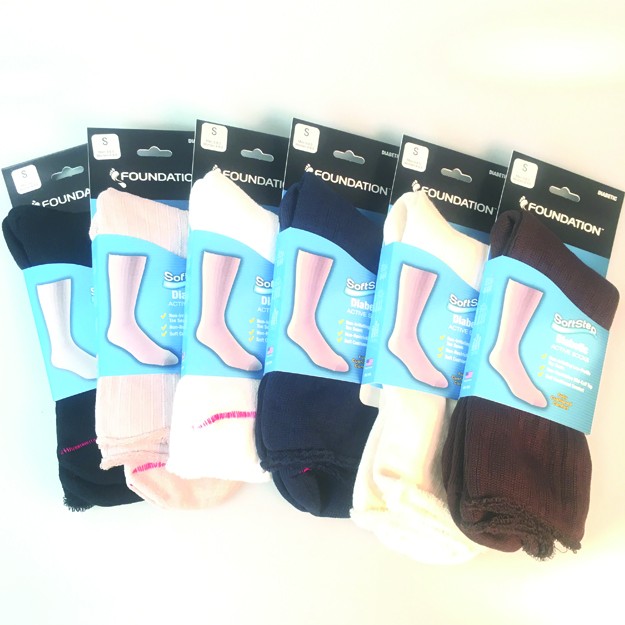
People with peripheral artery disease, severe neuropathy, uncontrolled heart failure, significant skin wounds, active infection, or reduced sensation in the feet should ask a doctor or qualified clinician before using compression. This is particularly relevant for people with diabetes. Diabetes does not automatically rule out compression socks, but poor circulation, nerve changes, and skin health should be considered before selecting a pair.
If socks cause numbness, tingling, pain, cold toes, skin discoloration, or deep marks that do not fade, remove them and seek guidance. A well-fitted sock should feel supportive, not restrictive.
Choosing the Right Compression Level
Compression is commonly measured in millimeters of mercury, written as mmHg. Higher numbers indicate firmer compression. The best level depends on your symptoms, mobility, and medical guidance.
Mild compression is often used for everyday tiredness, minor ankle swelling, long travel days, or prolonged sitting and standing. Moderate compression may be recommended for more noticeable swelling, varicose veins, or recovery needs, but it is wise to confirm the right level with a clinician. Firm or medical-grade compression should generally be chosen only when specifically prescribed or recommended.
More compression is not automatically better. A person with arthritis in the hands, limited bending ability, or sensitive skin may struggle with a high-compression sock even if it is technically the right size. A comfortable, manageable pair that gets worn correctly can be more useful than a stronger pair that stays in a drawer.
Fit Matters as Much as Compression
The most common reason compression socks fail to provide comfort is poor fit. Socks that are too loose may bunch and provide uneven pressure. Socks that are too tight can be difficult to put on, uncomfortable at the top band, and harder to wear safely.
Measure first thing in the morning, before swelling has a chance to build. Most manufacturers use ankle circumference and calf circumference, along with shoe size or calf length, to determine sizing. Use a soft tape measure and follow the specific size chart for the sock you are considering. Sizes vary between brands, so a medium in one style may not fit like a medium in another.
For knee-high socks, measure the narrowest part of the ankle, the widest part of the calf, and the distance from the floor to the bend of the knee if requested. Do not rely on shoe size alone. People with fuller calves, bariatric needs, or uneven leg measurements may benefit from wide-calf or specialty sizing rather than forcing a standard sock to fit.
Pick a Height and Style You Will Actually Wear
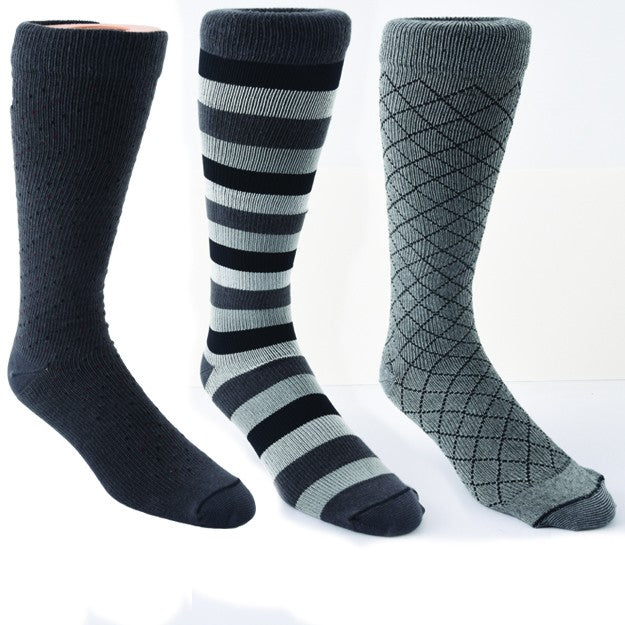
Knee-high compression socks are the most common style for daily circulation support. They are generally easier to put on than thigh-high stockings and fit easily with everyday clothing and shoes. They can be a sensible choice for routine lower-leg comfort.
Open-toe styles may be more comfortable for people who prefer room around the toes or want to wear sandals at home. Closed-toe socks offer fuller coverage and may work better inside walking shoes. Both can provide graduated compression when properly fitted.
Fabric also affects daily wear. Lightweight, moisture-managing materials can feel better in warm weather or for active use. Softer blends may be preferable for sensitive skin or relaxed home wear. If you need socks that fit under diabetic shoes or supportive walking footwear, look for a smooth toe area and avoid thick seams that can rub.
Putting Compression Socks On Without a Struggle
Compression socks are easiest to put on when legs are least swollen, usually in the morning. Start with clean, dry skin. Turn the sock inside out down to the heel, place the foot inside, position the heel correctly, then gradually unroll the sock up the leg. Avoid pulling hard from the top band, which can overstretch the fabric and create bunching.
Do not fold or roll the top edge down. That can create a tight band that works against the graduated design. Smooth wrinkles as you go, especially around the ankle and behind the knee.
If hand strength, balance, or flexibility makes this process difficult, a sock aid or donning device can make a meaningful difference. Caregivers can also assist, but they should take their time and check the skin for irritation, pressure marks, or areas of rubbing. Rubber grip gloves can help hold the fabric without snagging it.
Everyday Habits That Support Leg Comfort
Compression socks work best as one part of a larger routine. If it is safe for you, change position often, take short walks, or perform gentle ankle pumps while seated. Elevating the legs may also help some people, although the ideal position and duration depend on individual health needs.
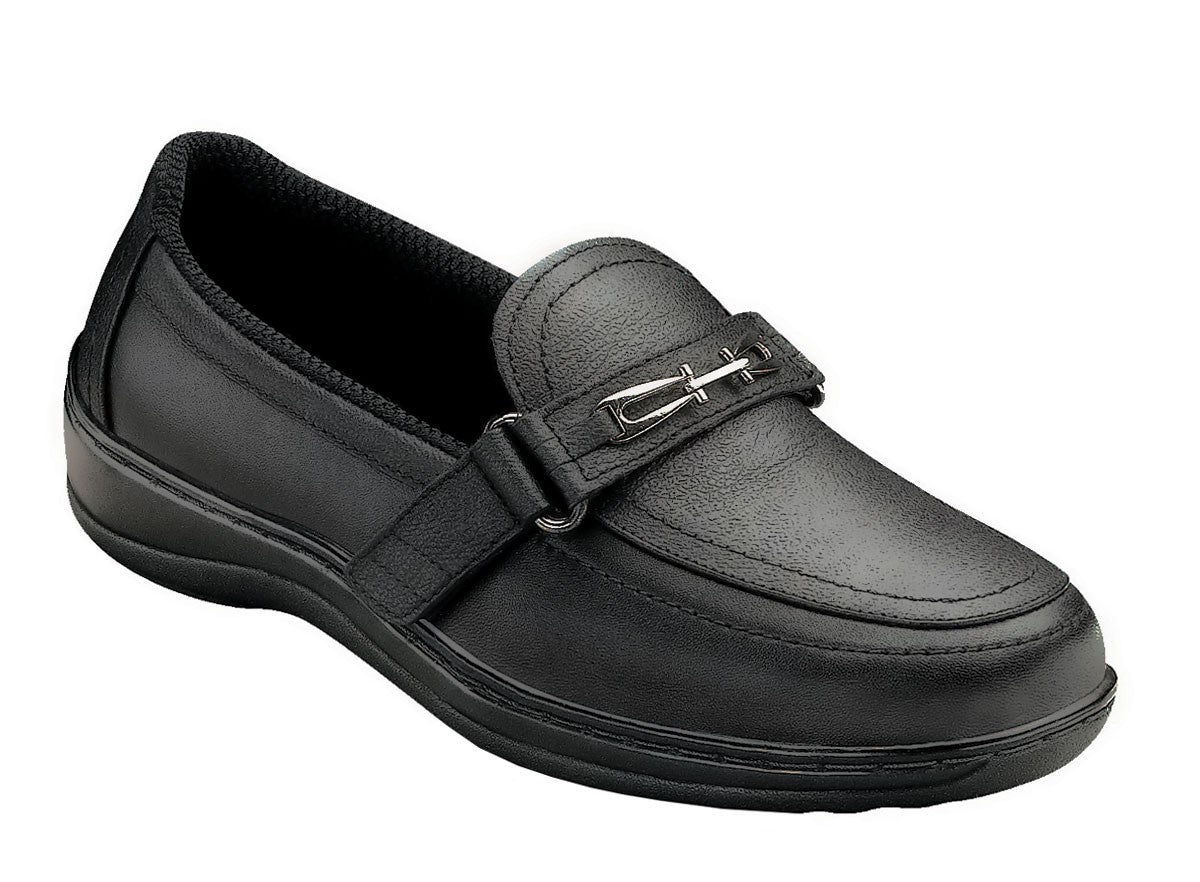
Pay attention to footwear as well. Shoes that pinch the toes, rub the heel, or leave deep marks around the ankle can make lower-leg discomfort worse. Properly fitted diabetic shoes, walking shoes, or other supportive footwear can complement compression socks by protecting the feet and making movement more comfortable.
Wash compression socks according to the care label, typically after each wear. Clean socks are better for skin hygiene and retain their stretch more reliably. Keep more than one pair on hand so you are not tempted to wear a damp or worn-out pair. Replace socks when the fabric loses elasticity, develops holes, or no longer feels evenly supportive.
A Practical Choice for Daily Support
The best compression socks balance the level of support you need with the fit, fabric, and ease of use you can manage every day. Before purchasing, measure carefully, consider the footwear you use, and account for any challenges with hand strength or bending. If your needs are more complex, a knowledgeable product specialist can help you compare sizing and style options with greater confidence.
Comfort should never require ignoring warning signs. When compression feels right, it should support your routine, make movement feel more manageable, and help you stay focused on the activities that keep you independent.


