
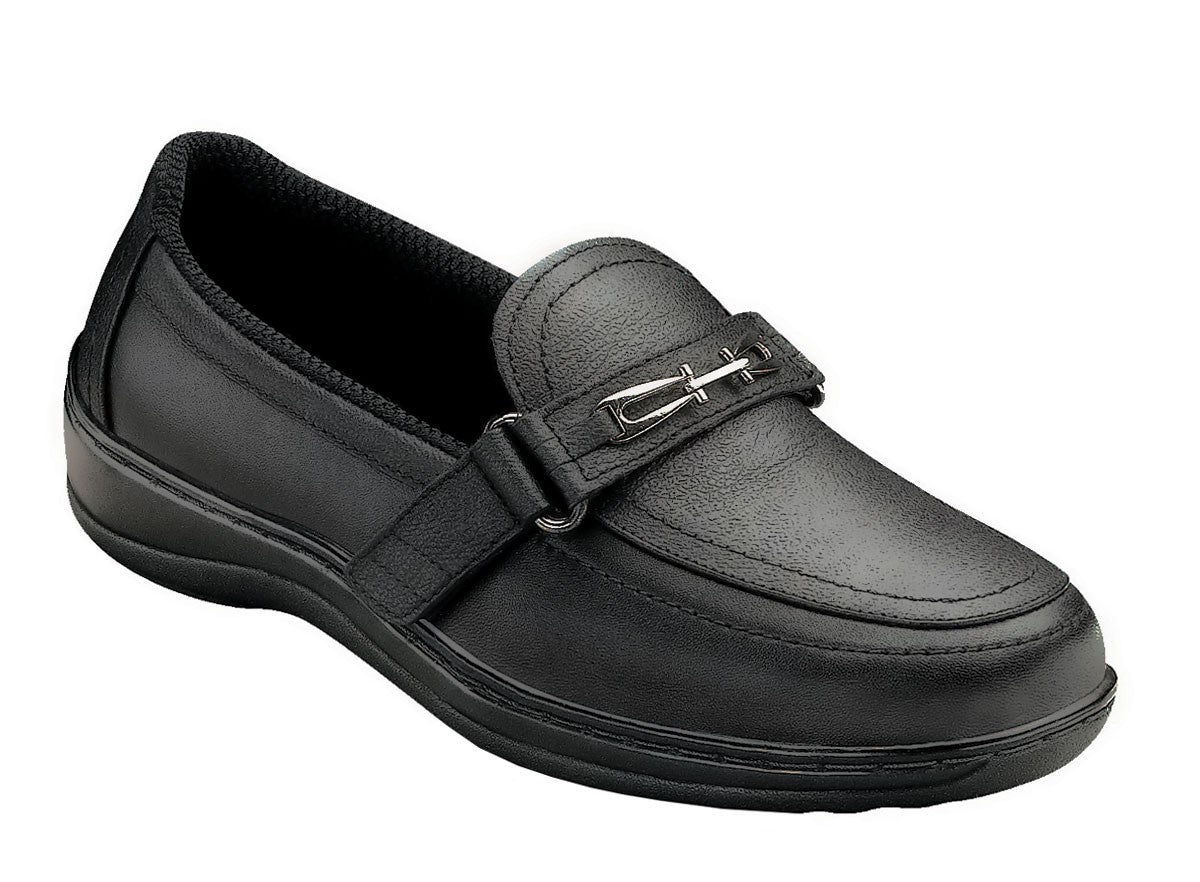

Feet can look and feel different by the end of the day. For a person managing diabetes, that change matters: a shoe that felt acceptable in the morning may become tight, rub the skin, or leave marks by afternoon. Diabetic shoes for swollen feet are designed to give the foot more forgiving space while helping reduce common pressure points that can make everyday walking uncomfortable.
The right pair is not simply a larger shoe. It should fit securely at the heel, provide enough depth and width through the forefoot, and accommodate swelling without allowing the foot to slide around. That balance can support safer, more comfortable movement at home and when out in the community.
Why Swelling Changes the Way a Shoe Should Fit
Swelling in the feet and ankles, sometimes called edema, can have many causes. Long periods of sitting, reduced circulation, medication changes, warm weather, injury, and certain health conditions can all play a role. For people with diabetes, swelling deserves extra attention because diabetes may also affect sensation, circulation, and the skin’s ability to recover from a small injury.
When a shoe is too tight across the top of the foot or around the toes, it can create concentrated pressure. If feeling in the feet is reduced, the wearer may not notice rubbing, pinching, or a developing sore right away. A roomy, well-constructed diabetic shoe helps avoid avoidable pressure, but it is not a substitute for medical care. New, sudden, one-sided, painful, red, or persistent swelling should be discussed promptly with a healthcare professional.
Fit also changes throughout the day. Many people do best trying shoes on in the afternoon or evening, when swelling is more likely to be present. The goal is to buy for the foot as it typically is at its fullest, not just how it looks first thing in the morning.
Features to Look for in Diabetic Shoes for Swollen Feet
A comfortable fit begins with enough usable room. Look for shoes offered in multiple widths and, when needed, extra-depth construction. Extra-depth shoes provide more vertical space inside the shoe, which can help when feet are swollen or when an individual wears custom orthotics, diabetic inserts, or thicker socks.
A wide toe box is equally valuable. Toes should be able to rest naturally without pressing against each other or the front of the shoe. There should be a small amount of space between the longest toe and the end of the shoe, but not so much that the foot moves forward with each step.
Adjustable Closures Make Daily Fit Easier
Laces, hook-and-loop straps, and other adjustable closures can make a meaningful difference when swelling fluctuates. They allow the upper to be loosened later in the day while still keeping the heel and midfoot supported. A shoe that opens widely can also be easier for someone with limited bending ability, arthritis, reduced hand strength, or a caregiver assisting with dressing.
Slip-on shoes may be convenient, but they need careful evaluation. A loose slip-on can allow the heel to lift or the foot to slide, increasing friction. For feet that swell significantly, an adjustable closure often offers a more dependable day-to-day fit.
Soft, Protective Interiors Are Worth Prioritizing
The inside of the shoe should be smooth and comfortable. Seams, stiff overlays, or rough areas can become trouble spots when they sit directly over a bunion, hammertoe, or sensitive area of skin. Many diabetic footwear styles use soft linings and reduced interior seams to help limit friction.
A removable insole is another useful feature. It makes the shoe easier to air out and inspect, and it creates space for prescribed inserts when appropriate. If you use a custom orthotic, bring it into the fitting process. A shoe that fits well without the orthotic may become too tight once it is added.
Stable Soles Support Confident Steps
Roominess should never come at the expense of stability. Choose a shoe with a supportive sole, a broad base, and a heel that feels secure rather than loose. Good traction can be especially helpful for older adults and anyone whose balance is affected by neuropathy, weakness, or recovery from illness.
Very soft shoes can feel pleasant at first but may not provide enough structure for regular walking. On the other hand, a shoe that is overly rigid can feel restrictive on a swollen foot. The best choice depends on activity level, gait, foot shape, and whether a clinician has recommended a particular type of support.
How to Check the Fit at Home
A few simple checks can help confirm whether a new pair is working as intended. Wear the socks you normally use, put on both shoes, and walk on a firm surface for several minutes. Pay attention to the heel, top of the foot, sides of the toes, and ball of the foot.
The heel should stay in place without slipping. The shoe should feel comfortably secure across the instep, not tight enough to leave a deep indentation. Toes should have room to move, and the upper should not press against areas that are already tender or prominent.
After removing the shoes, inspect the feet. A faint, temporary sock line may be normal, but persistent red marks, blisters, calluses, or areas of soreness suggest the fit needs attention. People with diabetes should inspect the tops, bottoms, and sides of their feet every day. A handheld mirror can help, or a caregiver can assist if bending or vision is difficult.
Do not rely on a break-in period to solve a poor fit. Quality shoes may soften slightly with wear, but a shoe that pinches, rubs, or feels too narrow from the start is unlikely to become the right choice.
Choosing the Right Style for Daily Needs
The best style depends on where and how the shoes will be used. A supportive walking shoe may suit someone who takes daily neighborhood walks or spends time standing. A casual extra-depth shoe can be a practical option for errands and home use. For individuals with more limited mobility, ease of putting the shoe on and removing it may be the deciding factor.
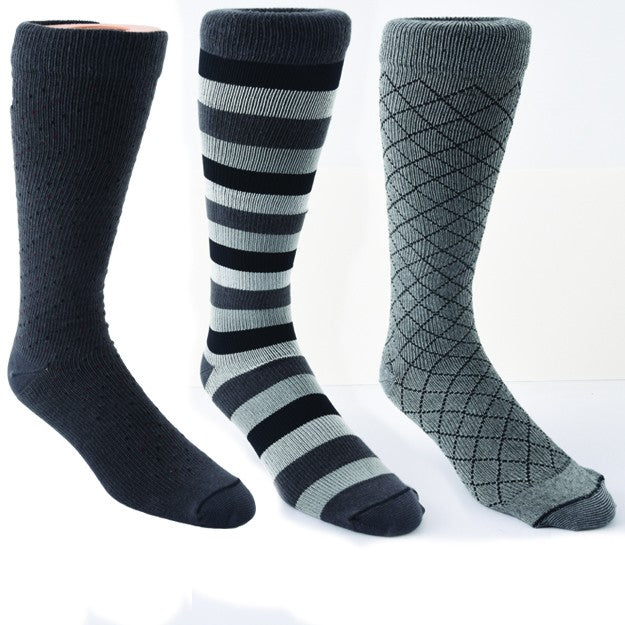
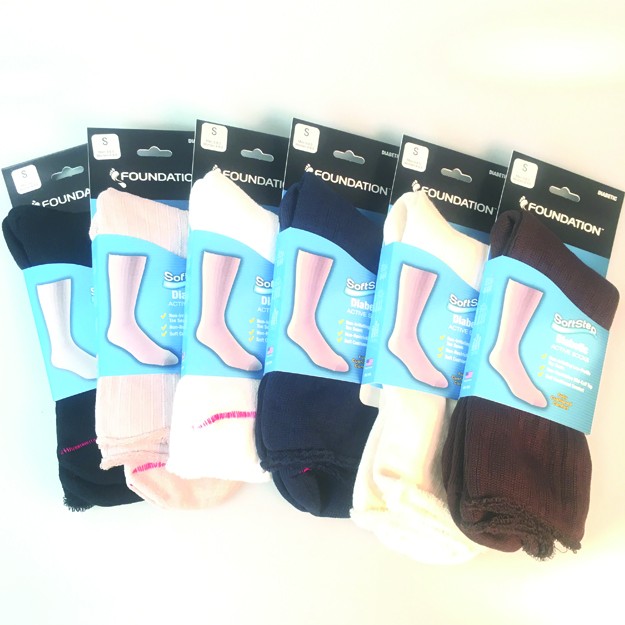
Consider the sock choice as well. Socks that bunch, have bulky seams, or hold moisture against the skin can affect comfort inside even a well-fitting shoe. Smooth, properly sized diabetic socks can pair well with protective footwear, especially for people who experience sensitive skin or temperature changes in their feet.
If swelling is pronounced or changes quickly, it may be helpful to have more than one suitable pair. A roomier shoe for higher-swelling days and a more standard supportive fit for lower-swelling days can be more practical than forcing one pair to handle every situation.
When Professional Guidance Is Especially Helpful
Some situations call for more than a general size selection. Ask a healthcare provider or qualified footwear professional for guidance if there is a history of foot ulcers, amputation, Charcot foot, severe neuropathy, significant deformity, or a prescription for therapeutic shoes or custom inserts. These needs may require specific features beyond extra width or depth.
It is also wise to seek medical advice before using compression products for swelling, particularly if circulation problems, heart conditions, or arterial disease are involved. Compression socks and diabetic shoes can both be useful for some people, but they serve different purposes and should be selected with individual health needs in mind.
At American Quality Health Products, customers can speak with knowledgeable representatives for help narrowing down diabetic footwear based on width, closure style, comfort needs, and everyday activity. That personal guidance can be reassuring when buying for yourself or for a family member whose feet and mobility needs have changed.
A well-fitting shoe can make the daily routine feel less demanding. Choose a pair that gives swollen feet room to breathe, keeps the foot stable, and is comfortable enough to wear consistently - because protecting your feet is part of protecting your independence.


