




A standard living room recliner can be comfortable, but it may not be practical when standing up takes effort, swelling makes sitting difficult, or a caregiver needs room to assist safely. The most meaningful geriatric recliner chair benefits go beyond a place to rest. The right chair can make daily transfers easier, support comfortable positioning, and help a person remain involved in life at home.
For older adults, people recovering from illness or surgery, and families providing care, seating is not a minor detail. It affects how easily someone gets up for meals, medications, therapy, bathroom trips, and visits with family. Choosing a geriatric recliner means looking closely at the person, the home, and the kind of support needed every day.
Geriatric Recliner Chair Benefits for Daily Comfort and Care
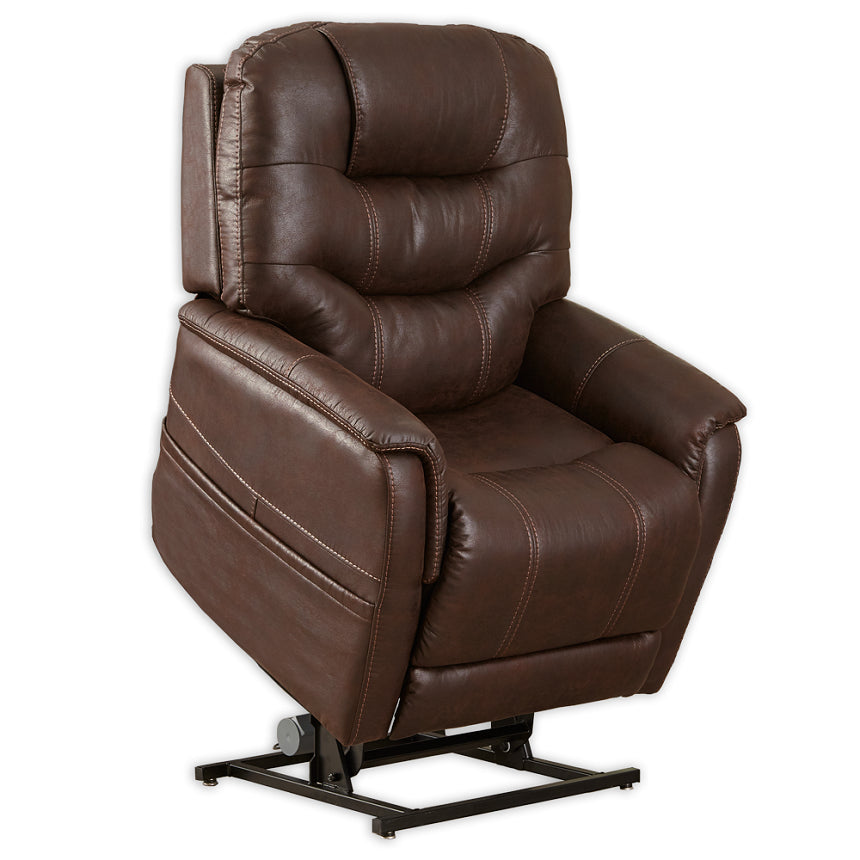
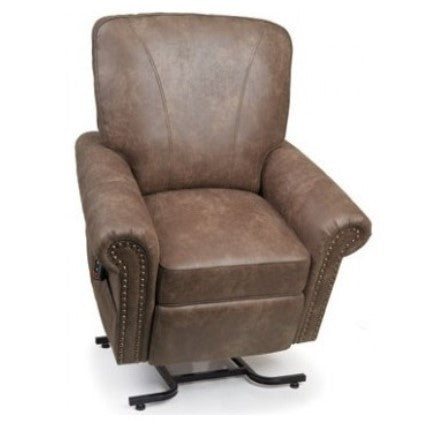
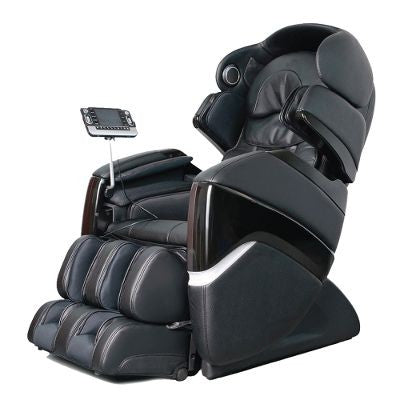
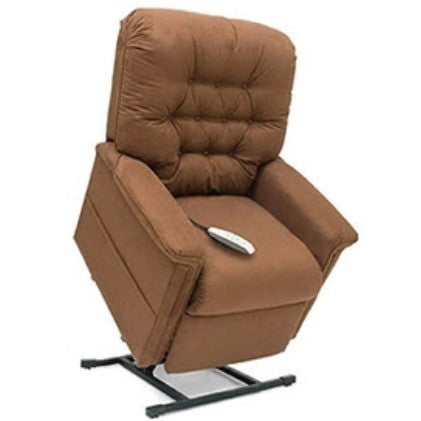
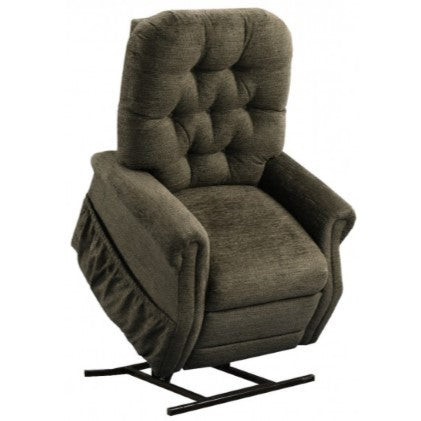
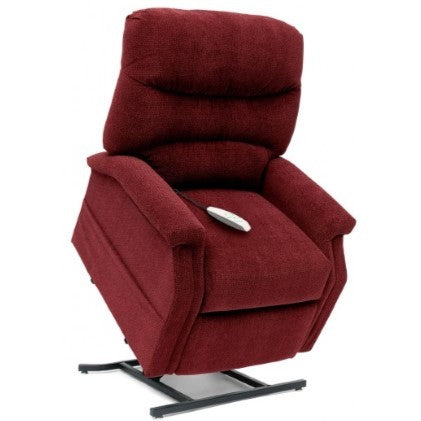
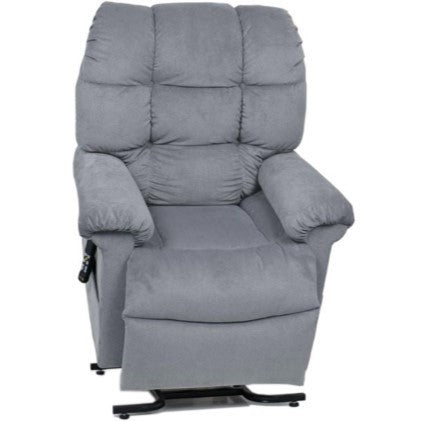
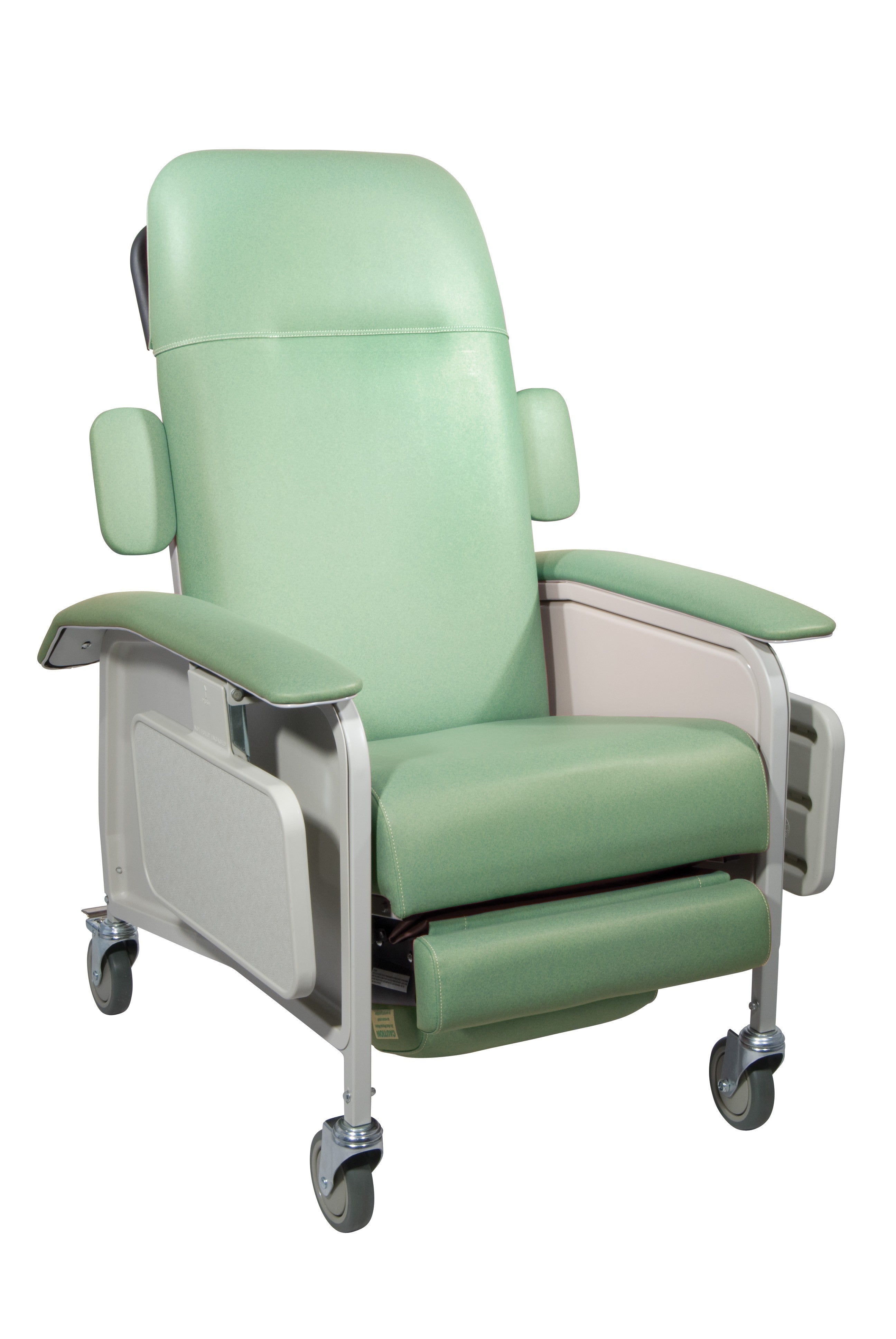
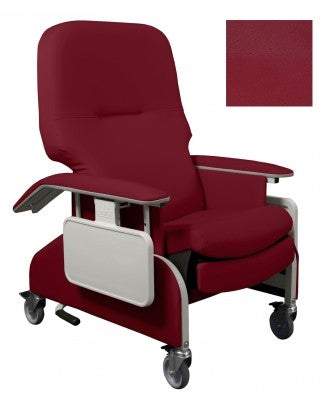
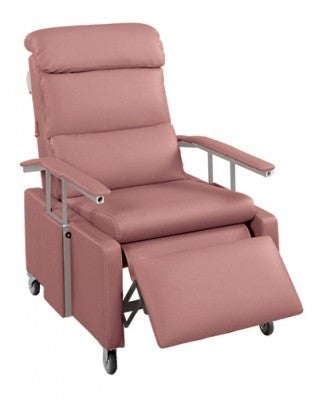
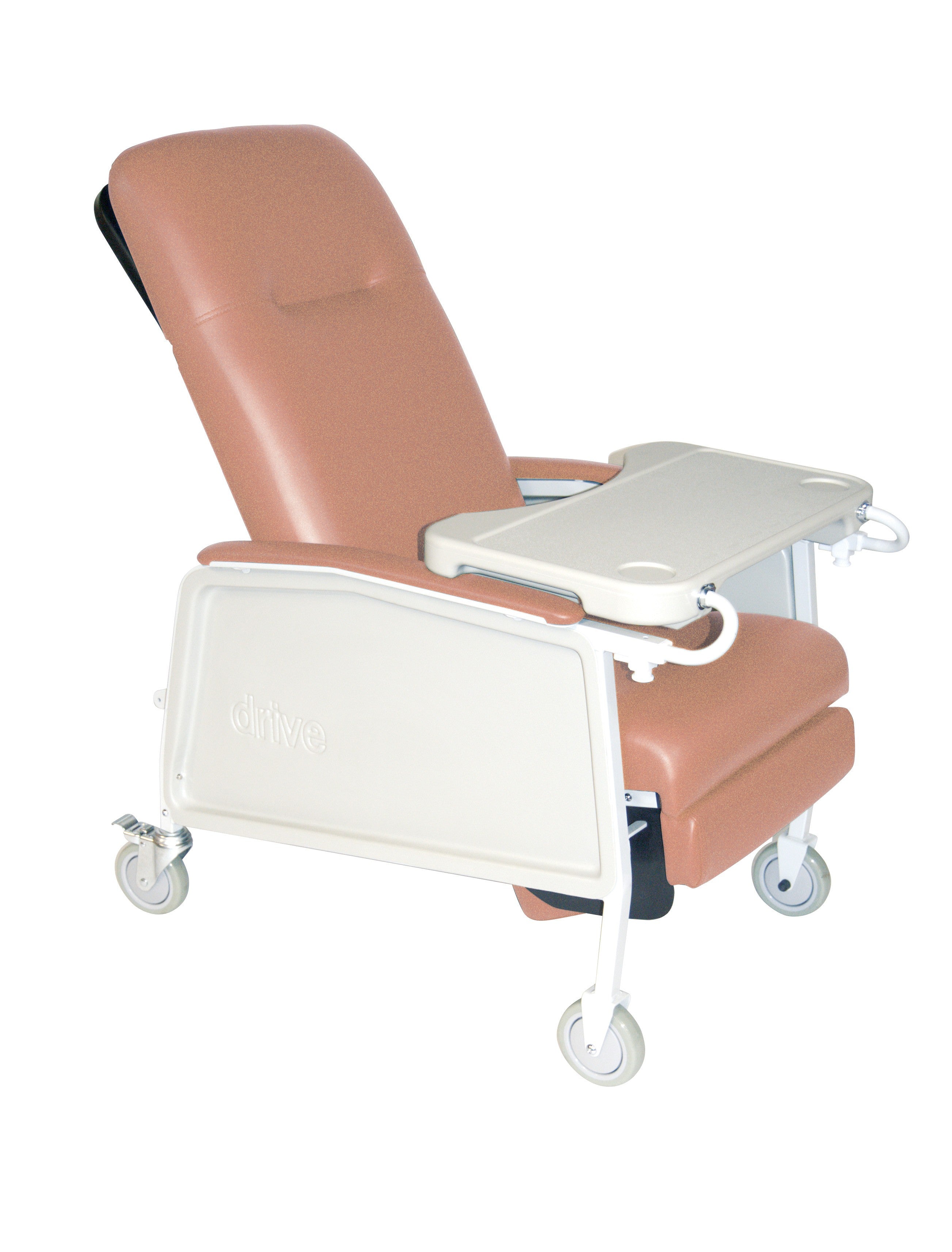
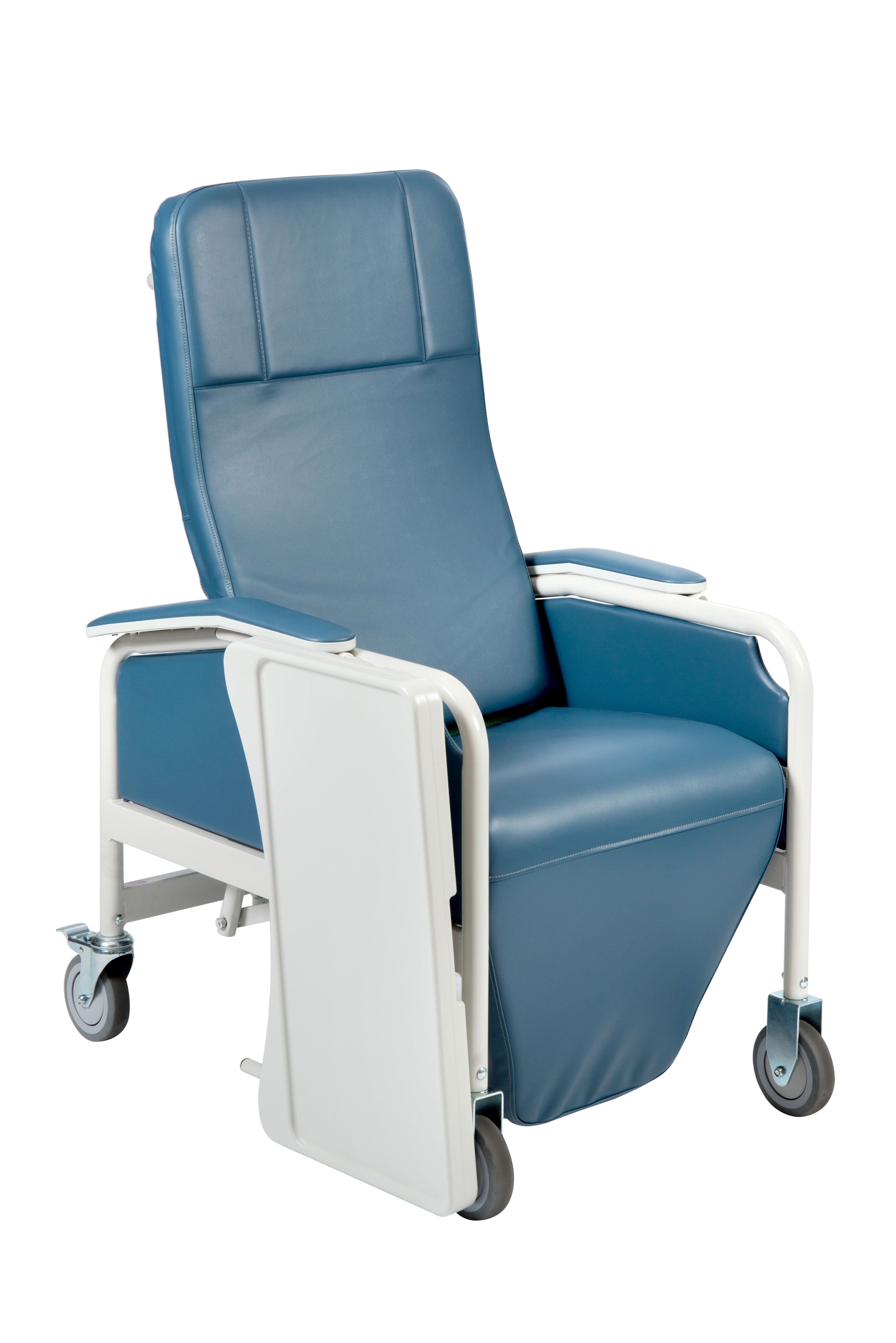
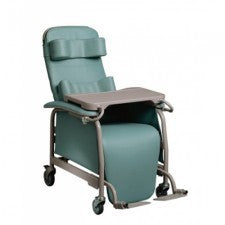
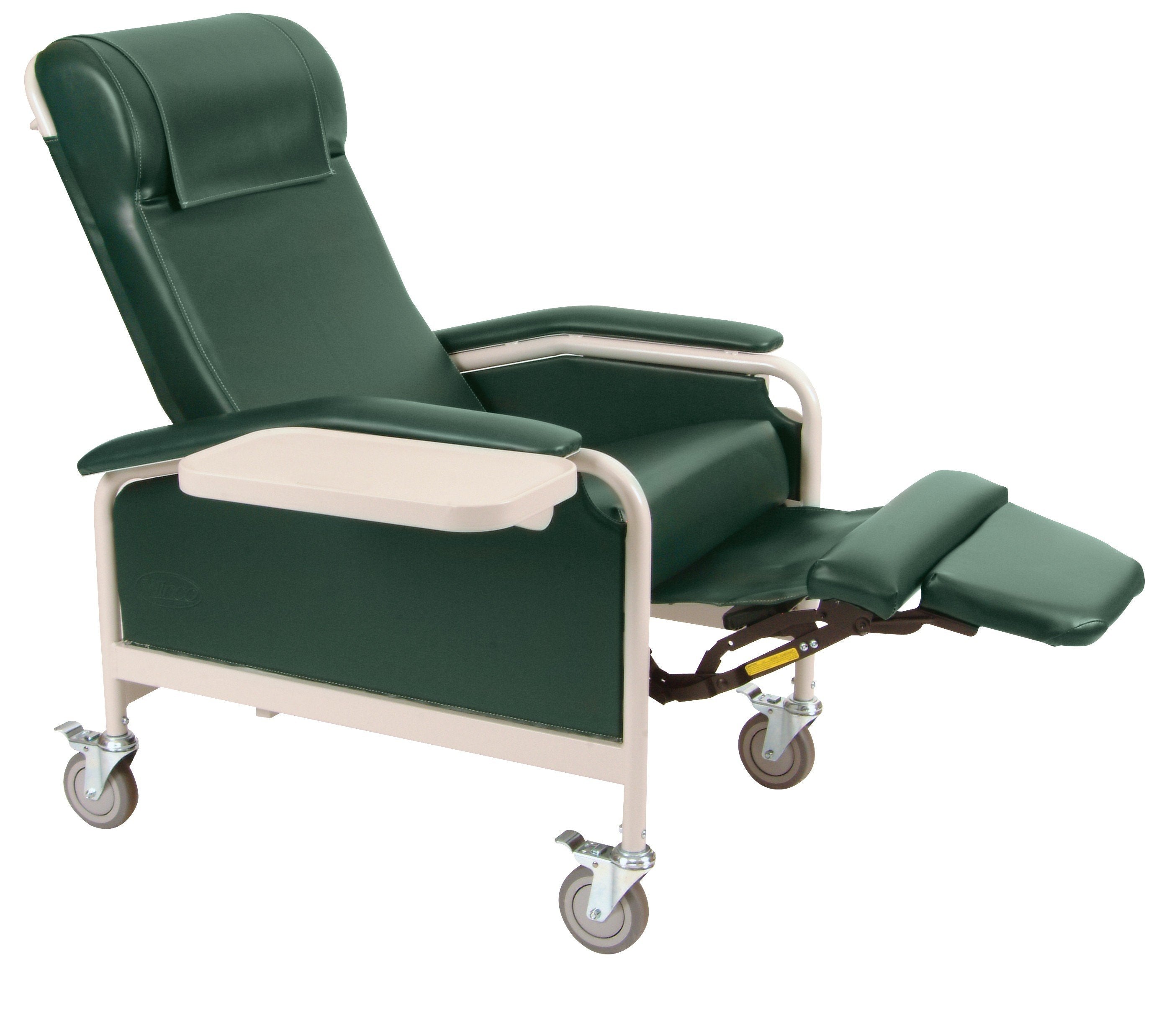
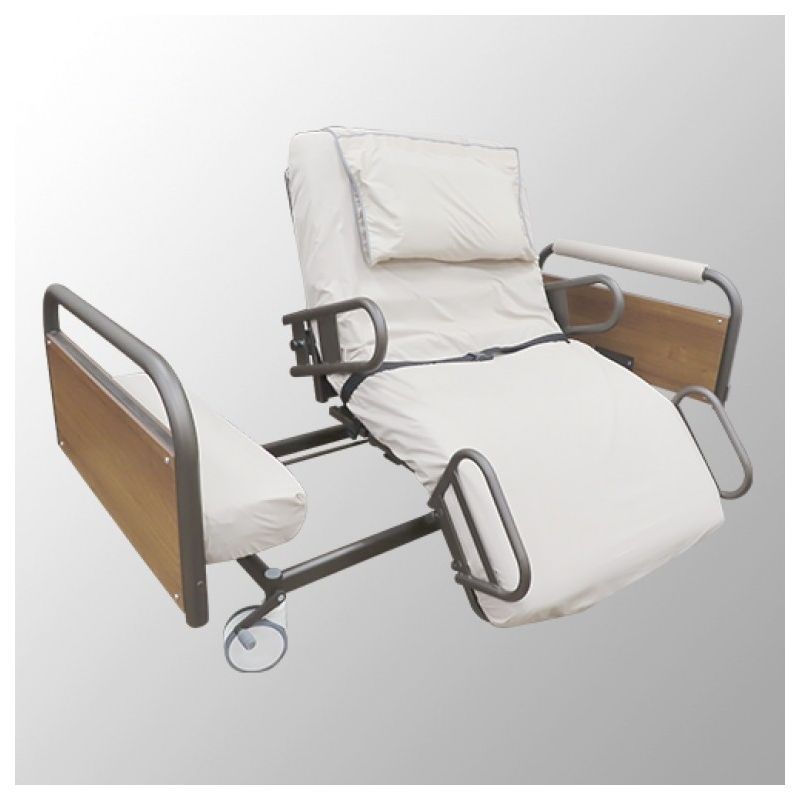
A geriatric recliner is designed for extended, supportive seating. Unlike many household recliners, these chairs often include a higher seat, supportive armrests, a more upright back, durable upholstery, and casters or other care-focused features. Specific features vary by model, so the best choice depends on the user’s mobility, body size, care routine, and room layout.
1. Easier, safer sit-to-stand transfers
One of the clearest advantages is a seat that can make transfers more manageable. Low, soft furniture can leave a person feeling stuck or unsteady when trying to rise. A geriatric recliner with a supportive seat height and firm armrests gives the user a stable surface for pushing up, while also giving a caregiver a clearer place to assist.
For someone who can stand with minimal help, this may support greater independence. For someone who needs hands-on assistance, it can help create a more controlled transfer routine. It is not a substitute for proper transfer training or a lift device when one is needed, but appropriate seating can reduce unnecessary strain during everyday movement.
2. Flexible positioning for changing needs
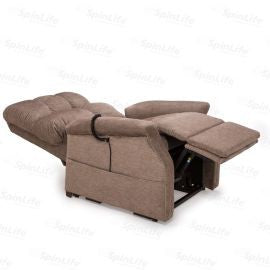
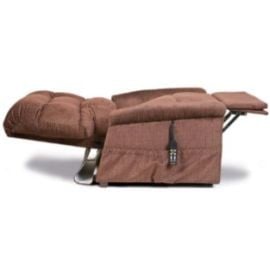
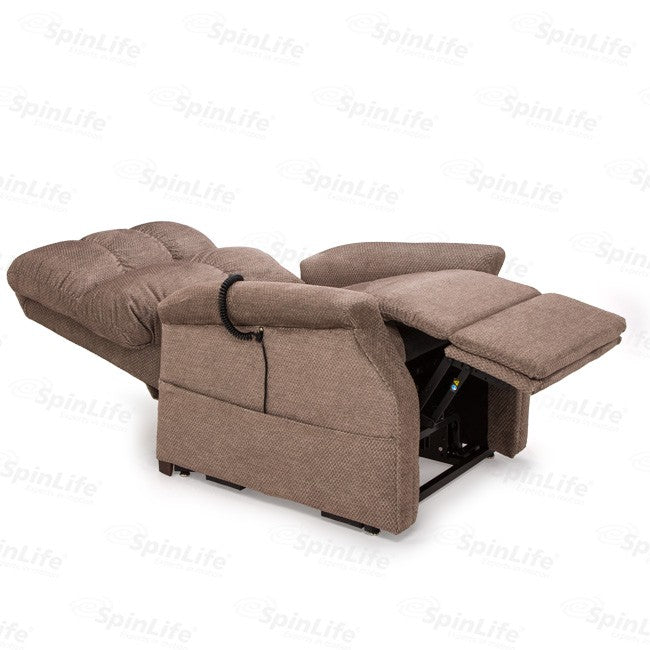
Comfort is rarely one position all day. A person may want to sit upright for breakfast, recline after therapy, raise their feet during a quiet afternoon, or rest with their back more supported. Many geriatric recliners offer independent or coordinated back and leg adjustments, allowing the chair to better match these changing moments.
Positioning can be especially helpful for people who spend long periods seated due to reduced mobility, fatigue, or recovery. Raising the leg rest may feel more comfortable for users who experience lower-leg swelling, while a more upright setting can make conversation, meals, and getting out of the chair easier. Individual health needs matter, so users should follow their clinician’s guidance about leg elevation, circulation concerns, and prolonged sitting.
3. Support that holds up through long sitting periods
A supportive chair should feel secure without feeling hard. Geriatric recliners are commonly built with cushioned seating, structured back support, and padded armrests intended for frequent use. This can be a welcome improvement over a deep sofa that offers little support or a lightweight chair that shifts when the user moves.
The benefit is not simply softness. Proper support can help a person maintain a more comfortable seated posture and change positions with less effort. For caregivers, durable seating materials and cleanable surfaces can also make daily care more practical, particularly when spills or incontinence are part of the routine.
4. Better access for caregivers
Caregiving often involves far more than helping someone sit down. It may include assisting with a blanket, checking footwear, serving a meal, helping with grooming, or supporting a transfer. A geriatric recliner can make these tasks easier because it is designed with care access in mind.
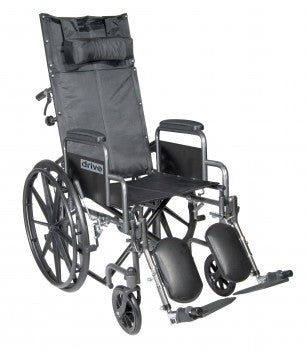
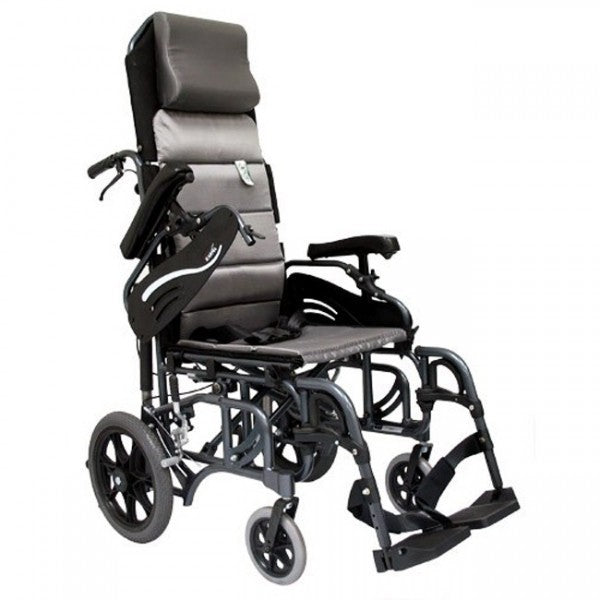
Many models have open space around or beneath the chair and may include rear wheels for supervised movement within the home or care setting. A chair on casters should be used thoughtfully. Locks must be engaged before sitting, standing, or transferring, and the chair should never be moved with the user seated unless the manufacturer specifically permits it and a trained caregiver can do so safely.
5. A more dignified place to rest and participate
People want to be comfortable, but they also want to feel included. A geriatric recliner can become a reliable place to read, watch television, enjoy visitors, use a tablet, or sit near family during a meal. When the chair is comfortable and easy to use, a person may be less likely to retreat to bed simply because other seating is difficult.
That sense of participation matters. Aging in place is not only about having equipment at home. It is about making ordinary routines more accessible and preserving choices wherever possible. A well-matched recliner can help make the living room, bedroom, or recovery space feel like a usable part of the home again.
6. Practical mobility within the home
Some geriatric recliners include casters that allow caregivers to reposition the chair from one area of a room to another. This can be useful when adjusting for sunlight, moving closer to family activity, or creating space for cleaning and other equipment. It is a practical feature, not a reason to treat the chair like a wheelchair.
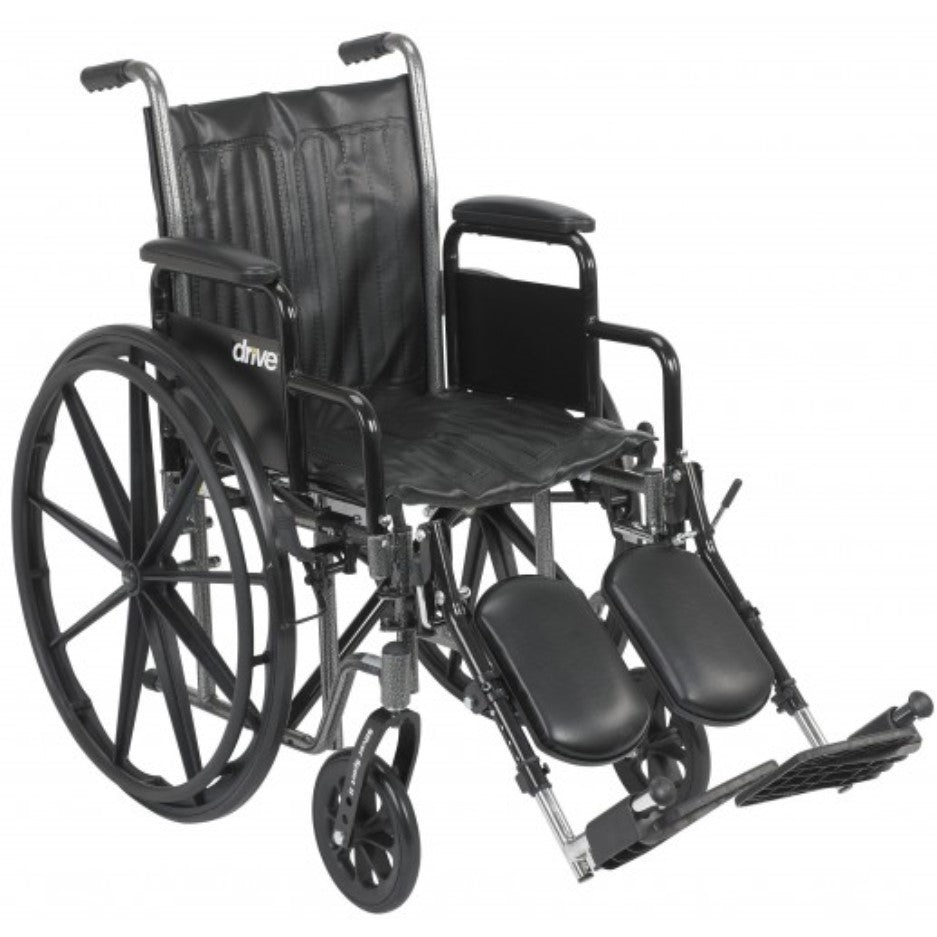
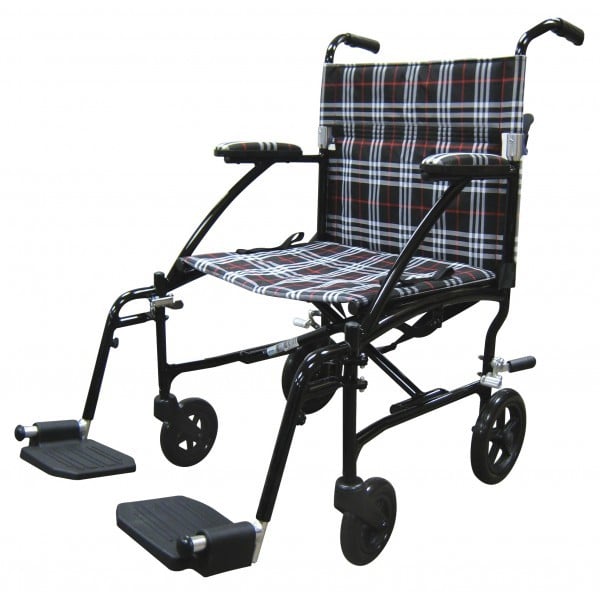
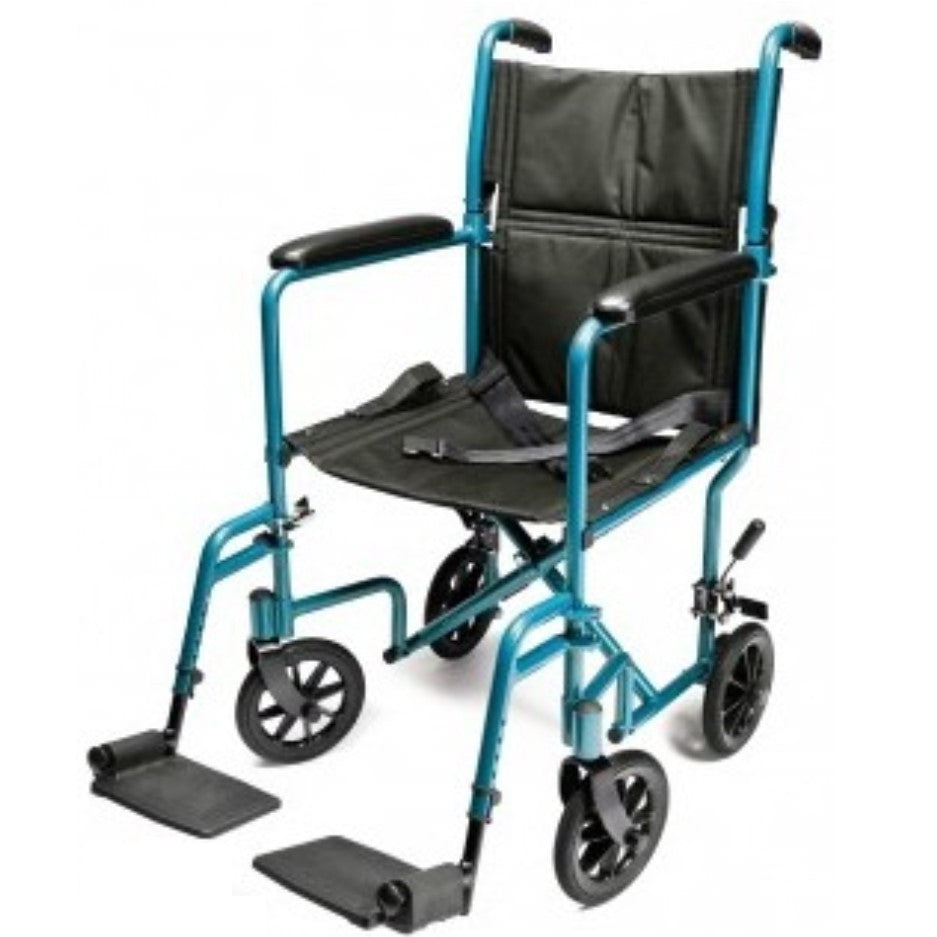
If the user needs regular transportation through the home, a manual wheelchair, transport chair, or other mobility solution may be more appropriate. The right equipment depends on the task. A mobility specialist can help families avoid buying one product with expectations it was never designed to meet.
7. Options for different body types and care requirements
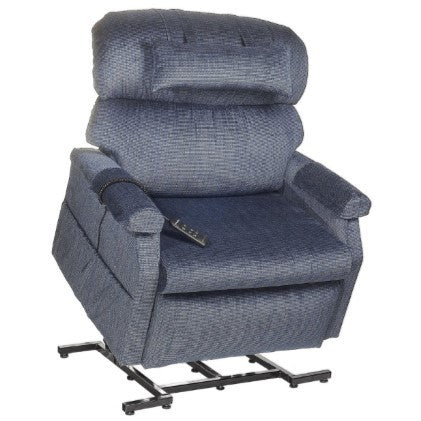
There is no one-size-fits-all geriatric recliner. Seat width, depth, seat height, back height, and weight capacity all affect whether the chair feels supportive and safe. A chair that is too wide can make armrests hard to reach, while a chair that is too narrow can feel restrictive. A seat that is too deep may leave a shorter user unable to sit back comfortably with their feet supported.
For bariatric users, confirming the chair’s weight capacity and overall dimensions is essential. For taller users, back height and leg-rest length deserve extra attention. People with limited trunk control may need more structured positioning than a standard geriatric recliner provides. In those cases, guidance from a healthcare professional or seating specialist can be valuable before purchasing.
How to Choose a Geriatric Recliner Chair
Before selecting a chair, measure the intended space and consider the path from the delivery location to the room. Doorways, hallways, turns, and furniture placement can determine whether a larger recliner will work well at home. It is also worth checking whether the reclined position has enough clearance from walls and nearby tables.
Focus on these buying factors:
- Seat dimensions: Match the width, depth, and height to the user rather than choosing based on appearance alone.
- Weight capacity: Include the user’s weight and choose a chair rated appropriately for safe, long-term use.
- Recline controls: Consider whether manual controls are easy for the user to operate or whether caregiver-operated adjustments make more sense.
- Upholstery: Look for durable, easy-to-clean material when the chair will be used frequently or in a care environment.
- Mobility features: Decide whether casters are useful, and confirm that wheel locks are easy for caregivers to use correctly.
When a Lift Chair or Other Seating May Be Better
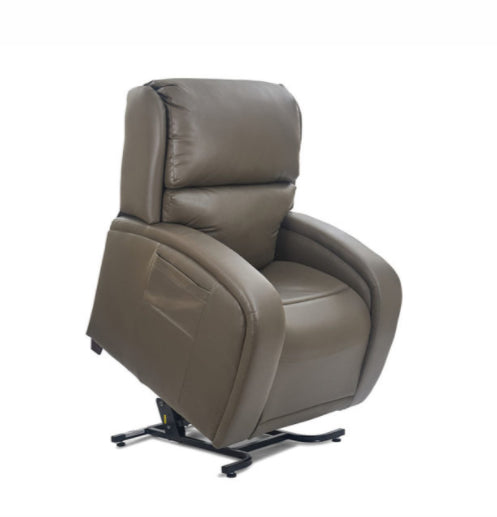
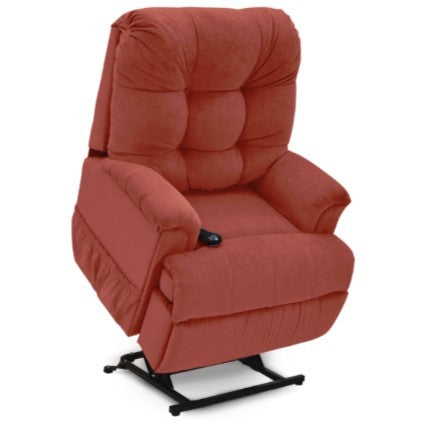
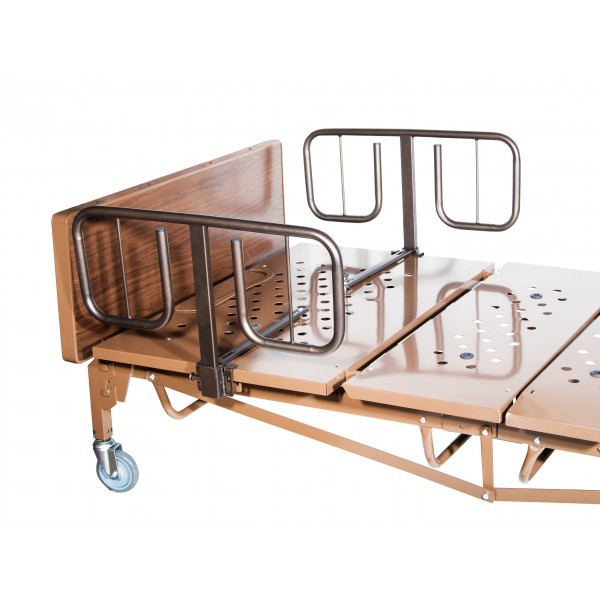
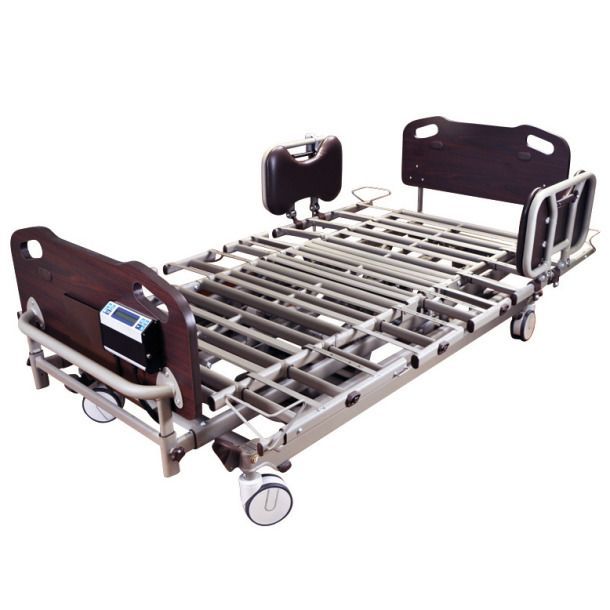
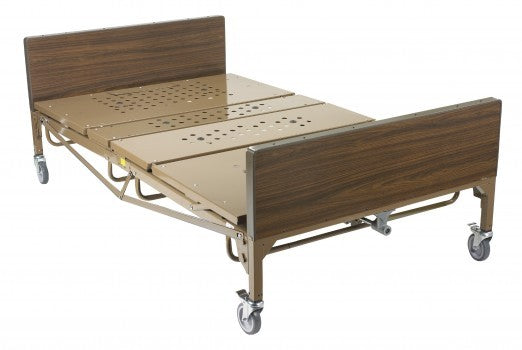
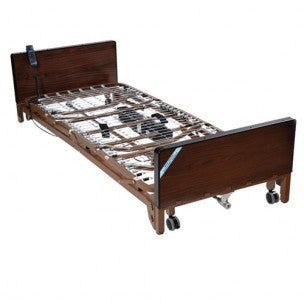
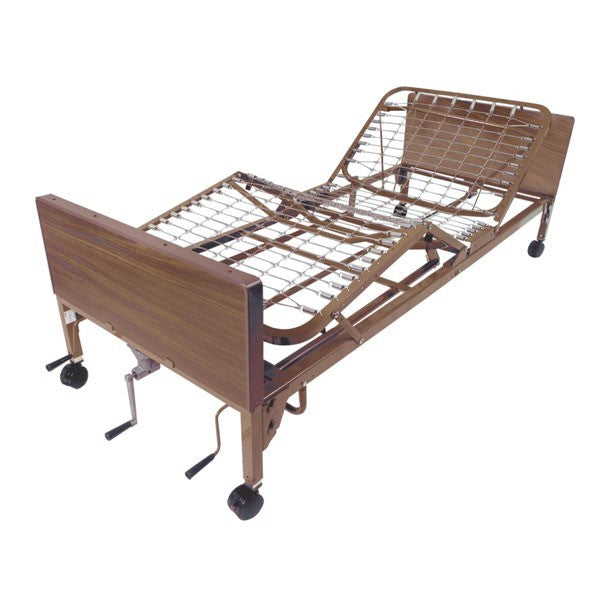
A geriatric recliner is an excellent option for many users, but it is not always the best fit. If the main challenge is rising from a seated position without help, a power lift chair may be the more useful choice because it raises and tilts forward to assist with standing. If a person needs clinical positioning, frequent bed-level care, or cannot safely remain seated for extended periods, an adjustable bed or hospital bed may better support their care plan.
For individuals who rely on a wheelchair for mobility, a recliner may serve as a secondary comfort chair rather than their primary seating system. The key is to match the product to the person’s actual routine, not simply to choose the most familiar furniture style.
American Quality Health Products has helped customers find home mobility and comfort solutions since 2001. When measurements, transfer needs, or feature choices feel uncertain, speaking with an equipment specialist can bring clarity before making a significant purchase.
The right geriatric recliner should make the next part of the day feel more manageable: getting settled after breakfast, resting after an appointment, enjoying time with family, or standing up when it is time to move again.


