
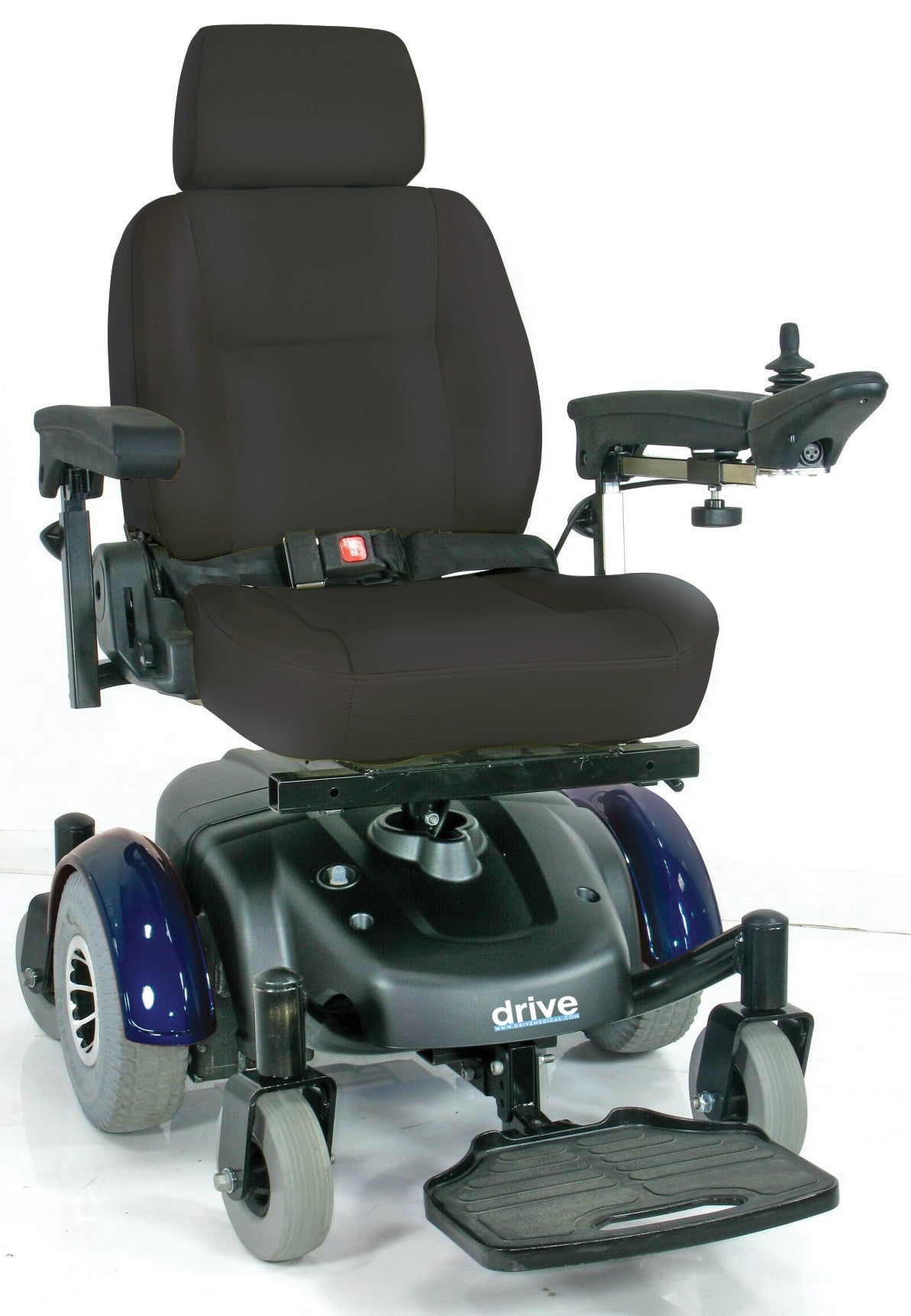
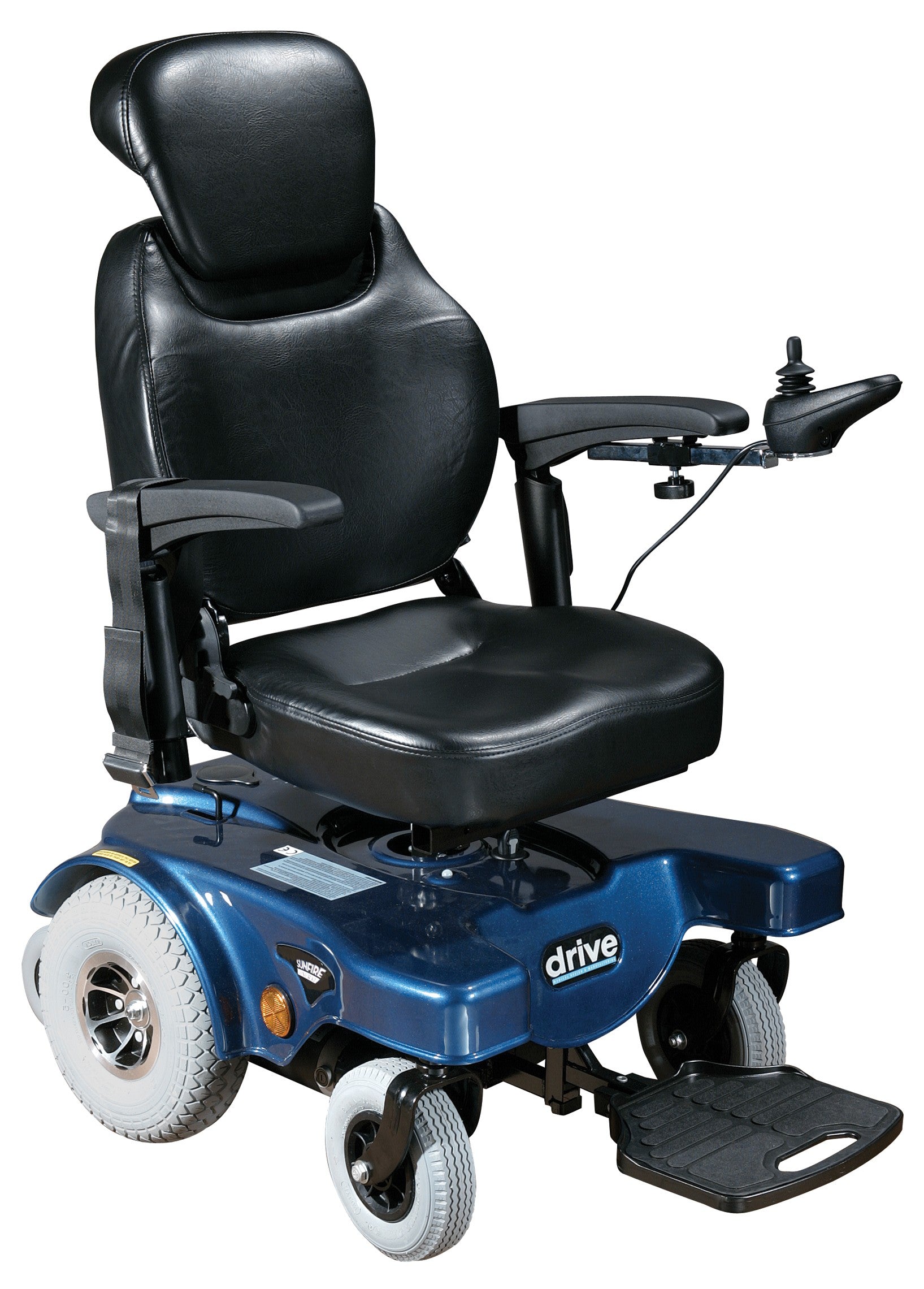
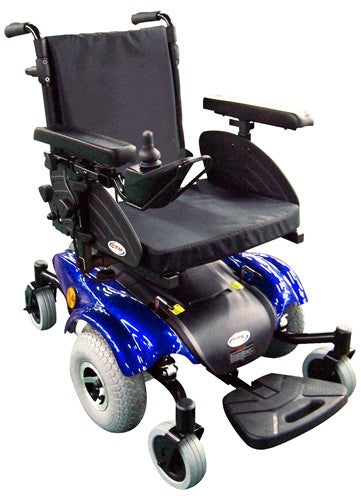
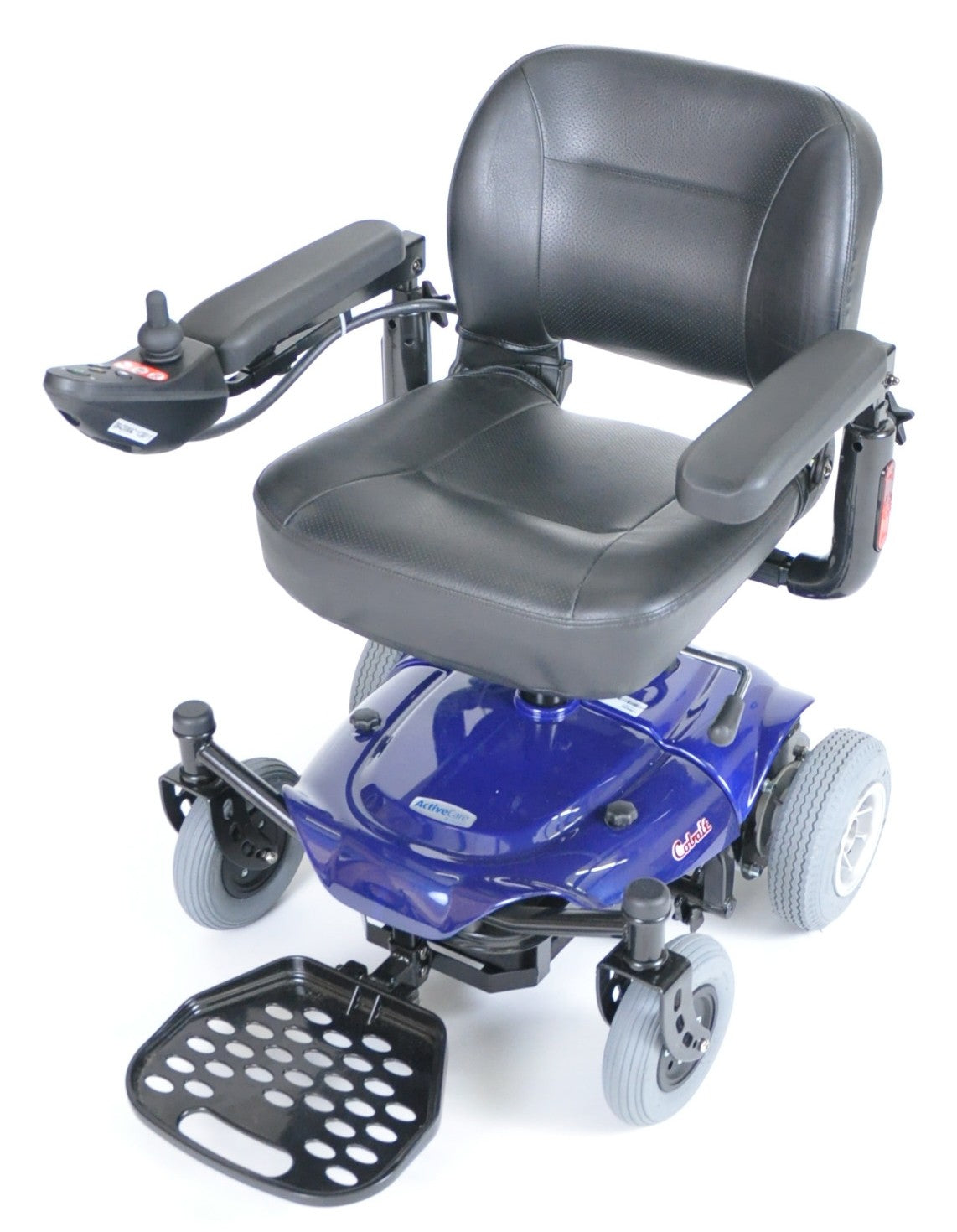





A travel scooter should make the next outing feel possible, not create a new lifting, storage, or comfort problem. A useful travel mobility scooter comparison starts with the real trip you take most often: loading into a vehicle, moving through stores, visiting family, or navigating a cruise terminal. The smallest scooter is not automatically the best choice if it leaves the rider uncomfortable or asks a caregiver to lift more than they safely can.
Travel scooters are designed around portability, but they achieve it in different ways. Some fold into one compact unit. Others separate into several pieces for loading. Both can be excellent choices, provided the scooter matches the rider, the vehicle, and the level of help available at home.
Start With How the Scooter Will Travel
Before comparing specifications, consider the full routine. Will the scooter be lifted into a sedan trunk, rolled into an SUV, stored in a hallway, or taken on flights? Does one person need to handle it alone? A scooter that is easy to drive but difficult to load may not support daily independence as well as expected.
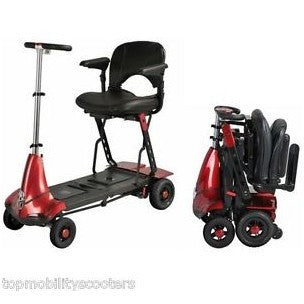
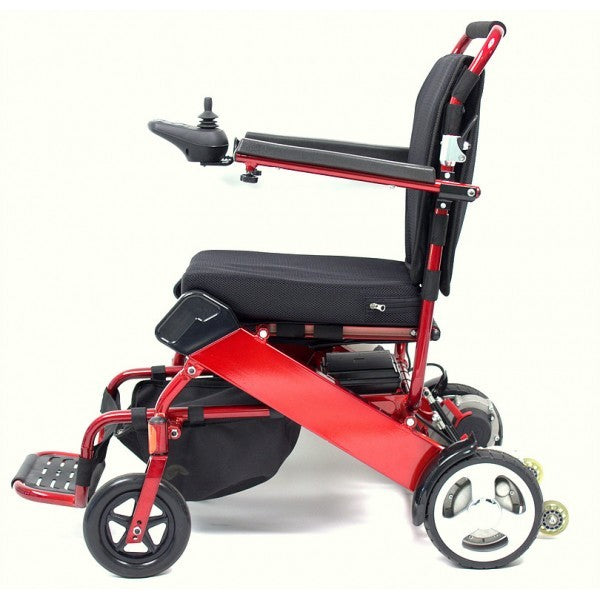
A folding travel scooter usually offers the fastest setup. Depending on the model, it may fold manually or use a powered folding mechanism, creating a compact package that can be stored in a vehicle or smaller space. This style is especially appealing to riders who value simple handling and do not want to assemble multiple components at each stop.
A disassembling travel scooter, often called a boot scooter, breaks down into manageable sections such as the seat, battery pack, front frame, and rear drive unit. The individual parts may be easier to lift than a single folded scooter, even though setup takes a few extra minutes. For caregivers and families loading a scooter into a trunk, that difference can be decisive.
Neither design wins in every situation. Folding models favor speed and compact storage. Disassembling models often favor lighter individual lifting pieces and can offer a more traditional scooter feel.
Travel Mobility Scooter Comparison: The Features That Matter
Specifications are useful only when they answer a practical question. These are the details that deserve the closest attention when comparing travel mobility scooters:
- Heaviest piece or total lift weight: Check the weight of the item that must actually be lifted into the vehicle. For a folding scooter, that is generally the full scooter. For a disassembling model, it is usually the heaviest separated section.
- Weight capacity: The scooter should comfortably support the rider and any regular items carried in a basket or bag. Choosing too close to the limit can affect stability, performance, and long-term comfort.
- Seat dimensions and support: Measure the rider's preferred sitting width and think about how long they will be seated. A compact seat may be fine for quick errands but less comfortable for day-long outings.
- Battery range: Range estimates are affected by rider weight, terrain, temperature, tire condition, and driving habits. Plan for the trips you actually make rather than relying on the highest listed estimate.
- Ground clearance and wheels: Smaller wheels and low clearance work well on smooth indoor surfaces and paved walkways. Uneven pavement, grass, gravel, and steep transitions call for more careful consideration.
Folding Scooters: Best for Quick Setup and Compact Storage
A folding scooter can be a strong fit for someone who travels frequently and wants fewer pieces to manage. Once folded, many models can be tucked into a vehicle cargo area, stored near an entryway, or transported through a hotel lobby with minimal preparation. Automatic folding models can reduce bending and hand strain for riders with limited dexterity.
Pay close attention to folded dimensions. A scooter may be described as compact but still be too tall, wide, or heavy for a particular trunk. Measure the cargo opening as well as the usable interior space. A scooter that fits inside the vehicle but cannot clear the trunk lip is not a practical match.
Folding scooters also tend to be a good choice for travelers who want to avoid assembly at each destination. The trade-off is that lifting one complete unit can require more strength than lifting separate components. If lifting is part of the plan, confirm that the person handling it can do so safely and consistently.
Disassembling Scooters: Best for Flexible Vehicle Loading
Disassembling scooters are popular because they make vehicle transport more realistic for many households. Instead of lifting one complete scooter, the user or caregiver loads a series of smaller pieces. This can be especially helpful with sedans or vehicles with narrower cargo openings.
The process is straightforward once learned, but it is still a process. Ask whether the rider or caregiver is comfortable removing the seat, separating the frame sections, and reconnecting the battery at every outing. If the scooter will be used several times a week, a few minutes of setup can either feel perfectly manageable or become frustrating.
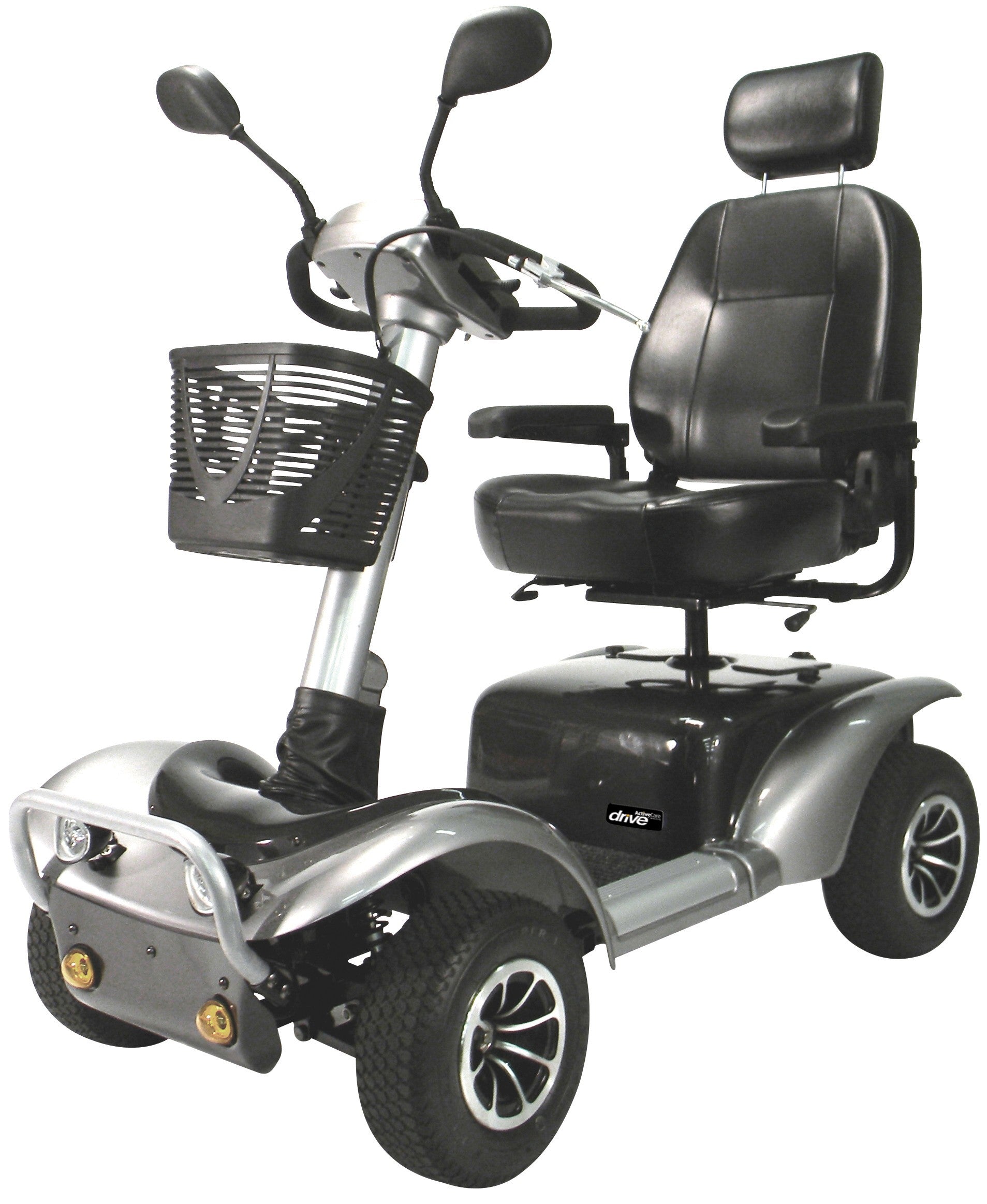
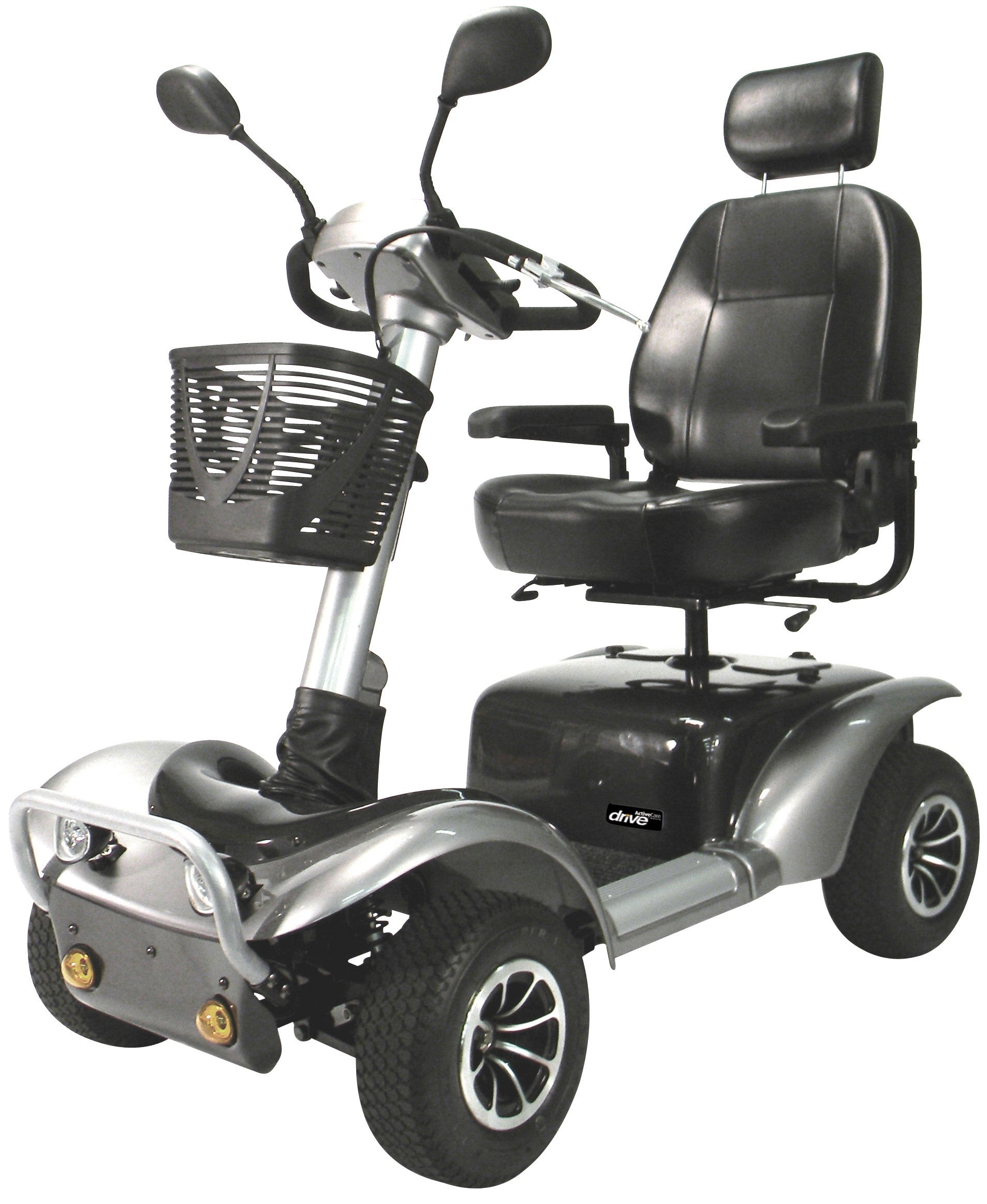
These models often provide practical everyday features, including swivel seats, adjustable armrests, baskets, and stable four-wheel designs. That makes them a sensible option for errands, appointments, family gatherings, and regular community use. They are portable, but they should not be chosen only because they come apart. The heaviest component, turning radius, seat comfort, and ride quality still matter.
Comfort Is Not an Extra
Travel scooters are sometimes treated as occasional-use equipment, which can lead shoppers to overlook comfort. Yet a scooter that causes hip pressure, shoulder strain, or fatigue may stay at home when it is needed most. The rider should be able to sit with support, reach the controls without stretching, and place their feet naturally on the floorboard.
Consider the seat height, width, depth, and ability to swivel for transfers. Armrests can be valuable for support, but their width and adjustability should suit the rider's body. A tiller that adjusts can also make a meaningful difference, particularly for someone with limited reach, arthritis, or shoulder discomfort.
For frequent indoor use, maneuverability deserves equal attention. A tight turning radius helps in kitchens, hallways, medical offices, and store aisles. For primarily outdoor use, evaluate suspension, tire style, clearance, and stability on the surfaces near home. A travel scooter is usually best for smooth, maintained paths, not rough terrain.
Battery Planning for Car Trips and Flights
Battery range is one of the most misunderstood points in a scooter purchase. Published range is usually measured under controlled conditions. Hills, heavier riders, cold weather, worn batteries, frequent stops, and uneven surfaces can reduce real-world distance. It is wiser to leave a comfortable margin than to plan a full day around the maximum stated range.
For local trips, establish a charging routine. Charging after regular use helps ensure the scooter is ready for appointments and outings. For longer travel, bring the correct charger and make sure the destination has a convenient charging location.
If air travel is part of the plan, contact the airline before booking or departing. Airlines set their own requirements for mobility devices and batteries, including battery type, labeling, and advance notice. A travel scooter may be airline-friendly, but that does not remove the need to confirm the carrier's current rules. Keep the scooter's model information and battery details available when you travel.
Choose for the Rider, Not the Category
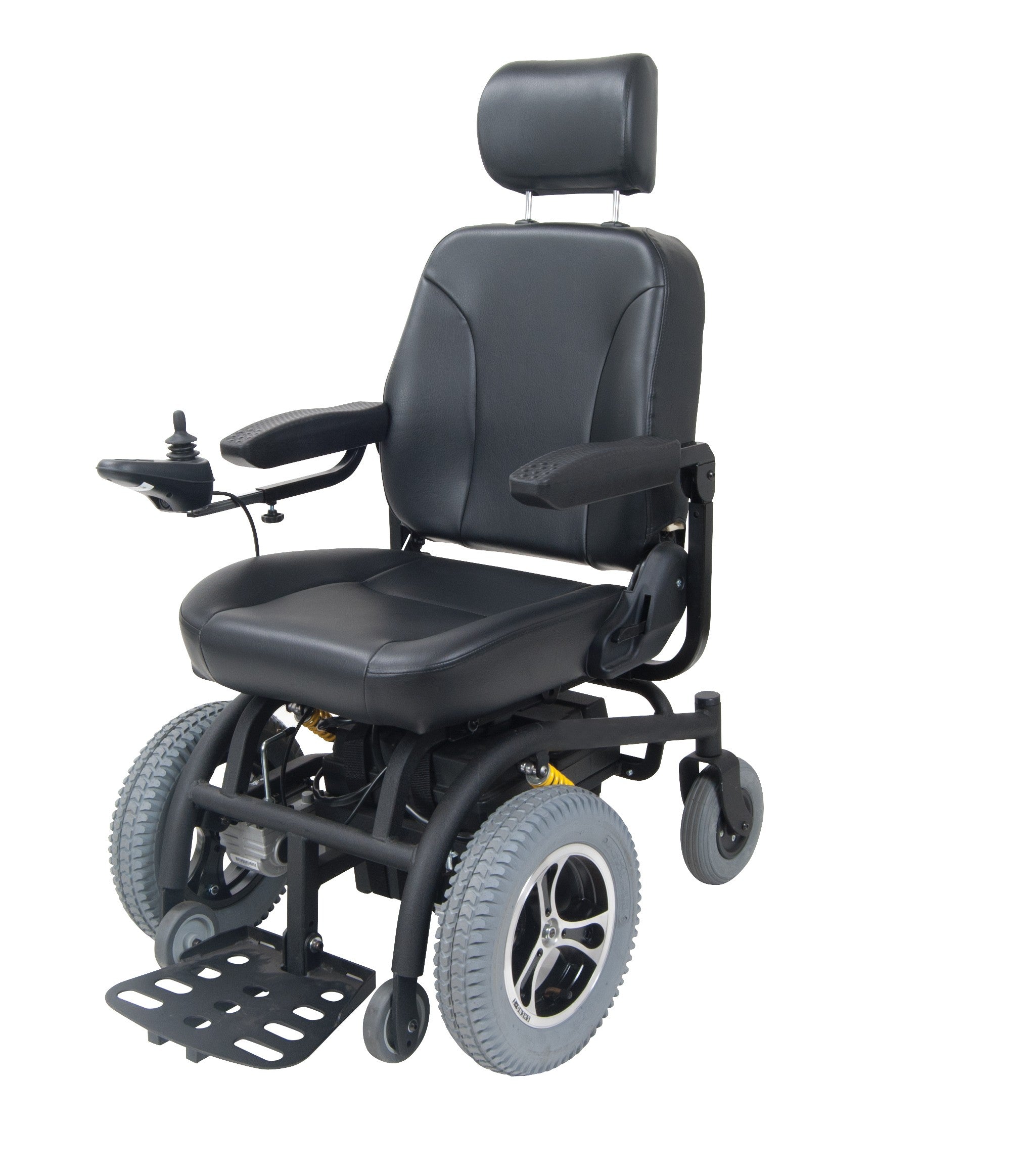
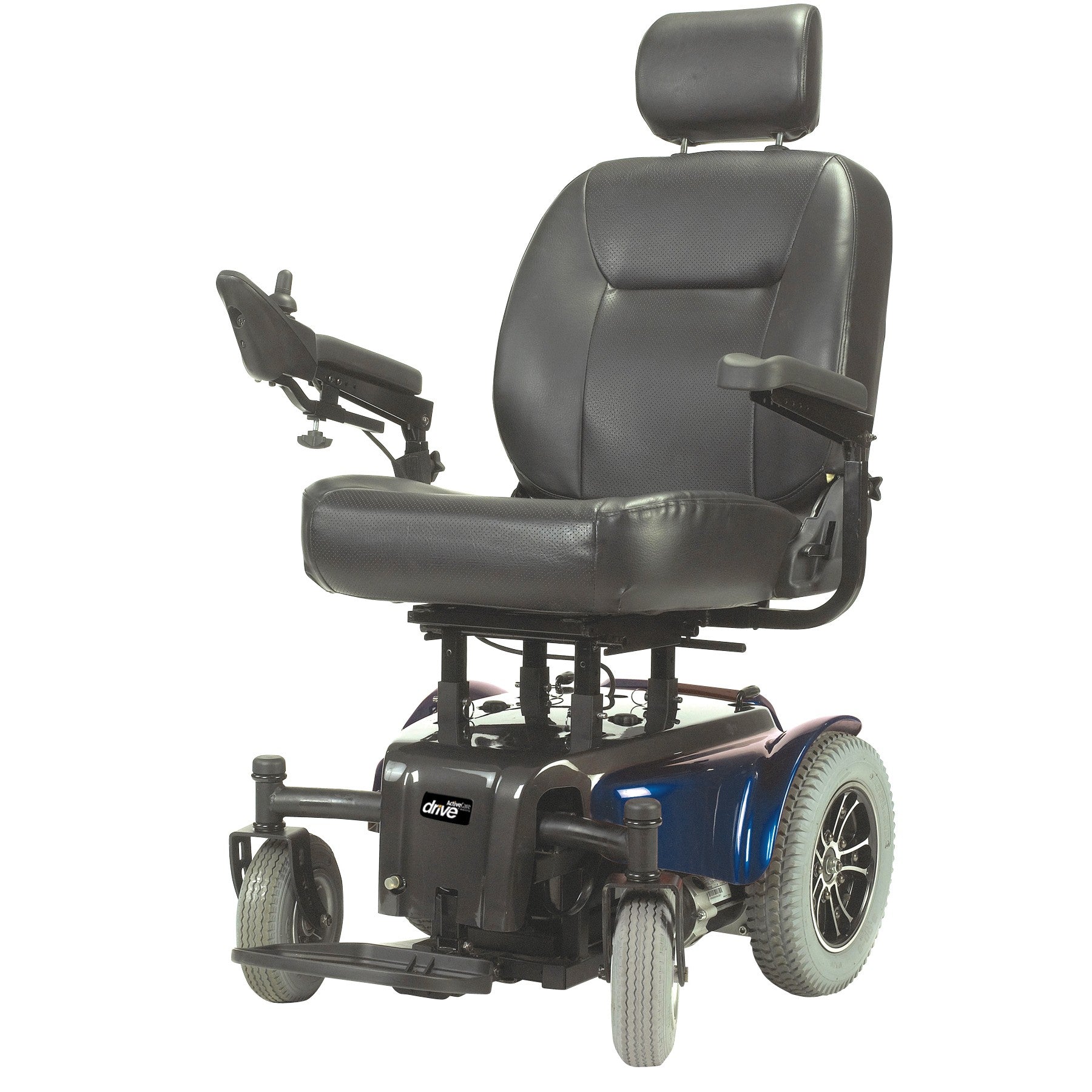
It is easy to begin with a label such as “lightweight” or “portable,” but those labels do not replace fit. A rider who needs a wider seat, higher capacity, more legroom, or greater outdoor stability may be better served by a slightly larger mobility scooter than by the lightest travel model. Saving a few pounds in transport weight is not worthwhile if the rider feels unsafe or uncomfortable.
Likewise, a caregiver should not feel pressured to manage a scooter that is too heavy for safe lifting. Back strain and difficult transfers can turn a helpful purchase into a burden. Vehicle lifts, ramps, or a different scooter configuration may be worth considering when portability and physical limits do not align.
At American Quality Health Products, knowledgeable support can help narrow the choice by discussing rider measurements, vehicle type, expected terrain, and how often the scooter will be transported. That kind of conversation is especially valuable when a product will be used for both everyday independence and occasional travel.
The best travel scooter is the one that gets used confidently. Measure the vehicle, consider who will load it, picture a typical outing from doorway to destination, and choose a model that gives the rider comfort along with freedom to go.


