

The Number Most Buyers Get Wrong
Here's a fact that surprises most people: if you weigh 450 lbs and sit in a power wheelchair rated for 450 lbs, you're already exceeding the chair's safe operating load every time you roll over a bump or go up a ramp. That rated number is a static maximum, not a real-world guarantee.
Weight capacity isn't the only spec that trips people up, either. Seat width is equally critical and often overlooked entirely. A chair that supports your weight but doesn't fit your body correctly creates a whole different set of problems.
This article covers two things: what bariatric power wheelchair weight limits actually mean from an engineering standpoint, and how to pick the right tier for your needs. With the right information, you can make a confident decision.
Standard vs. Bariatric Power Wheelchairs: What's Actually Different
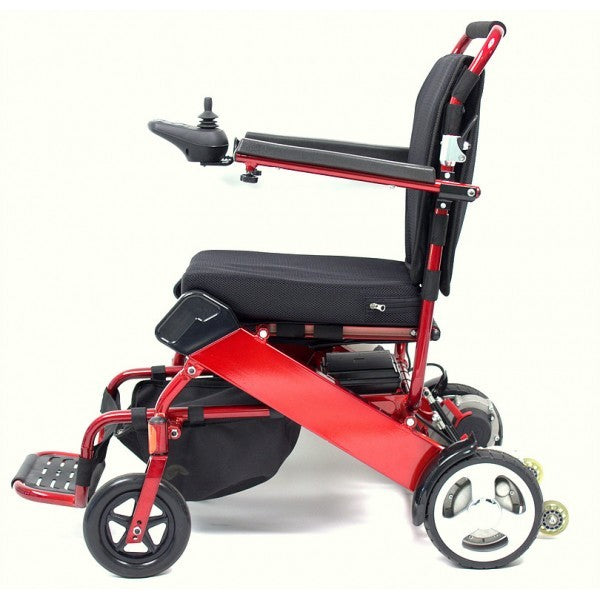
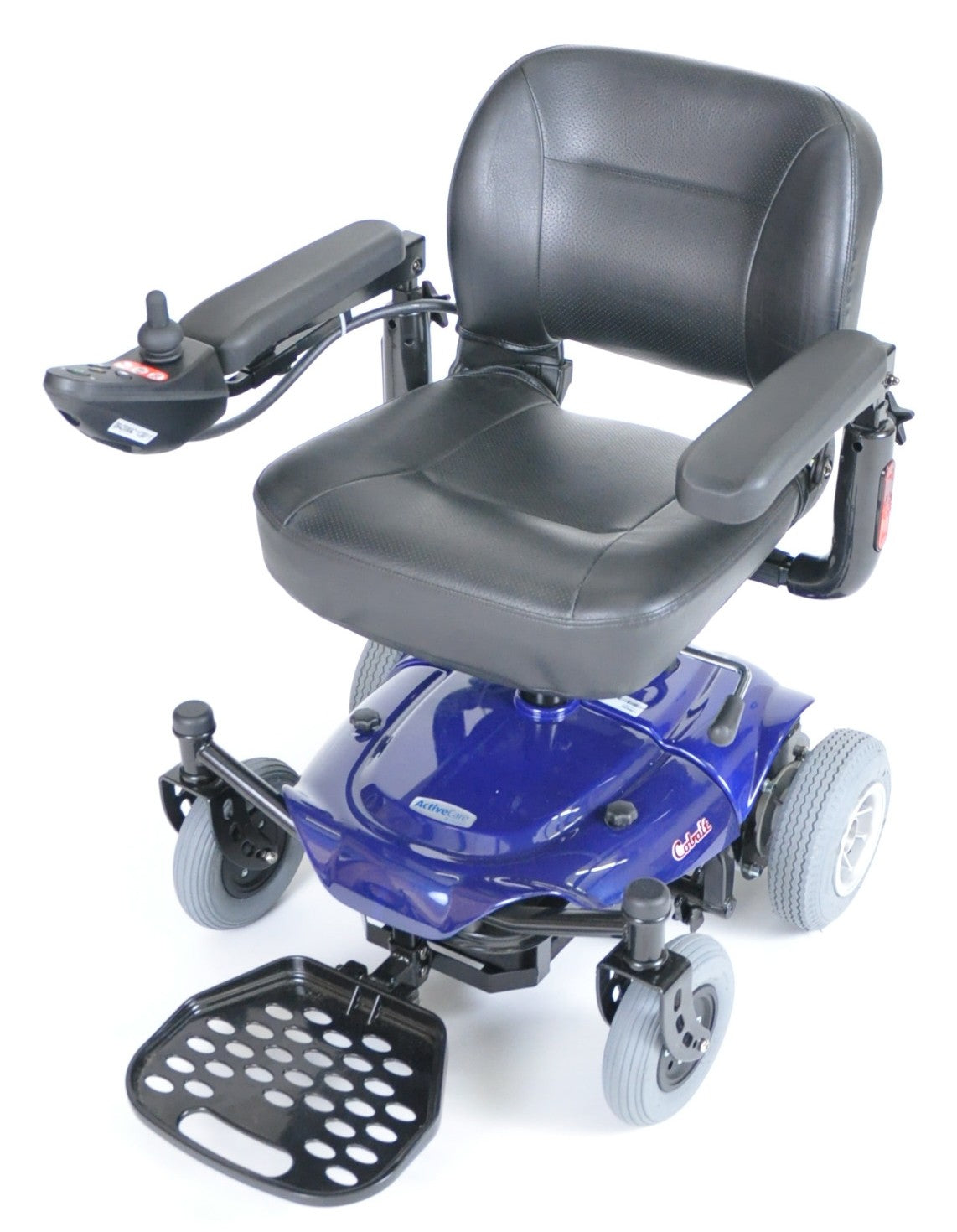
Standard power wheelchairs typically support between 250 and 300 lbs. Bariatric power wheelchairs are engineered for users weighing 300 lbs up to 700 lbs or more, depending on the model. That's a wide range, and the engineering differences between these categories are significant.
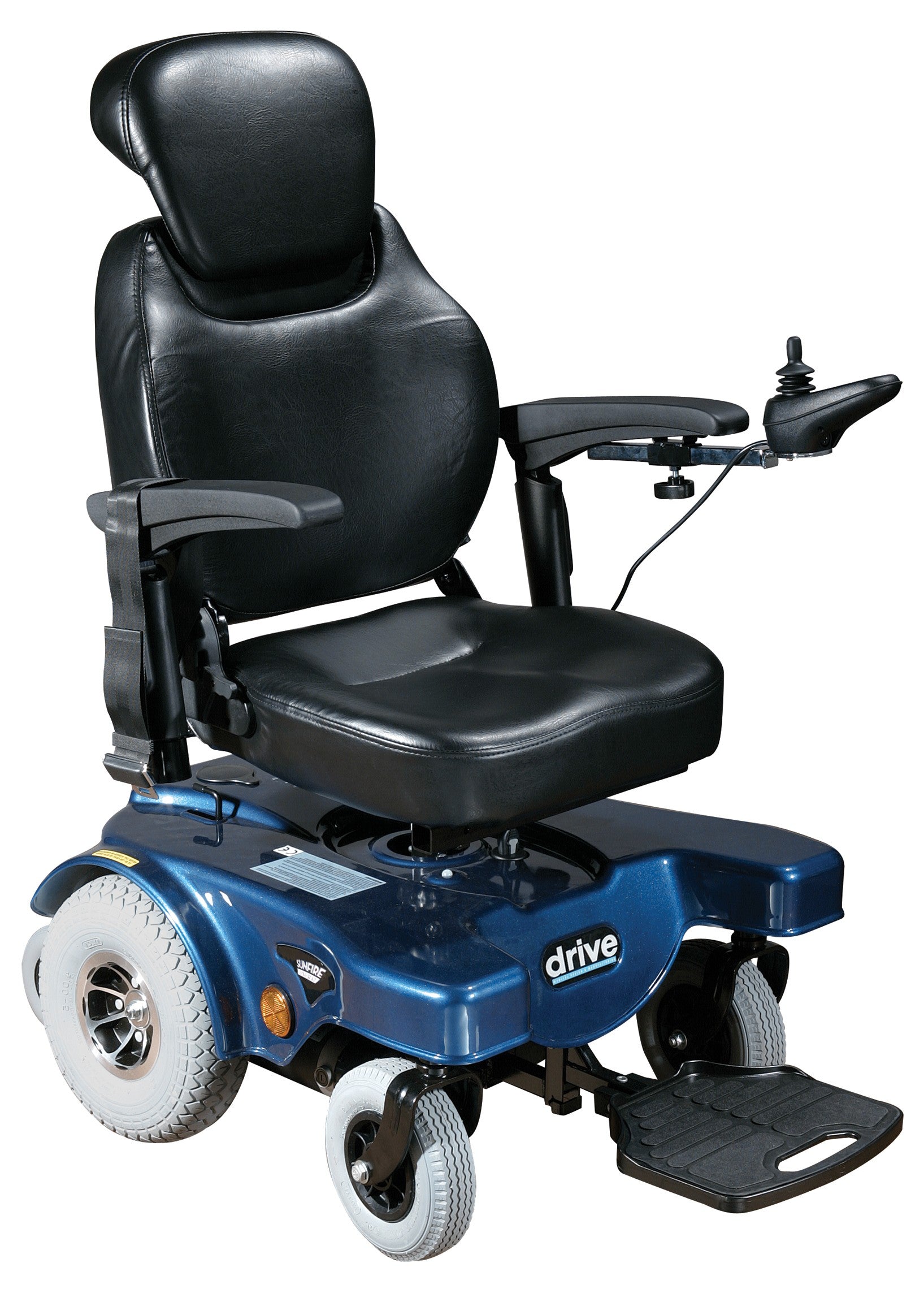
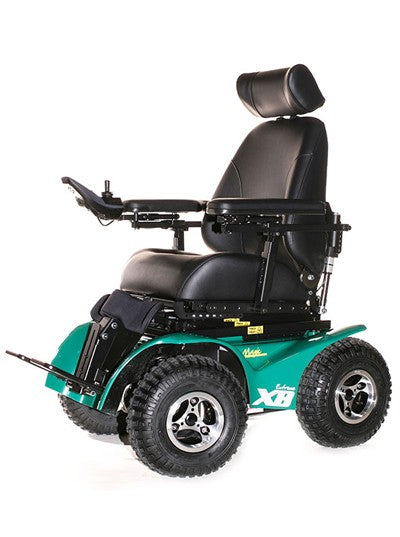
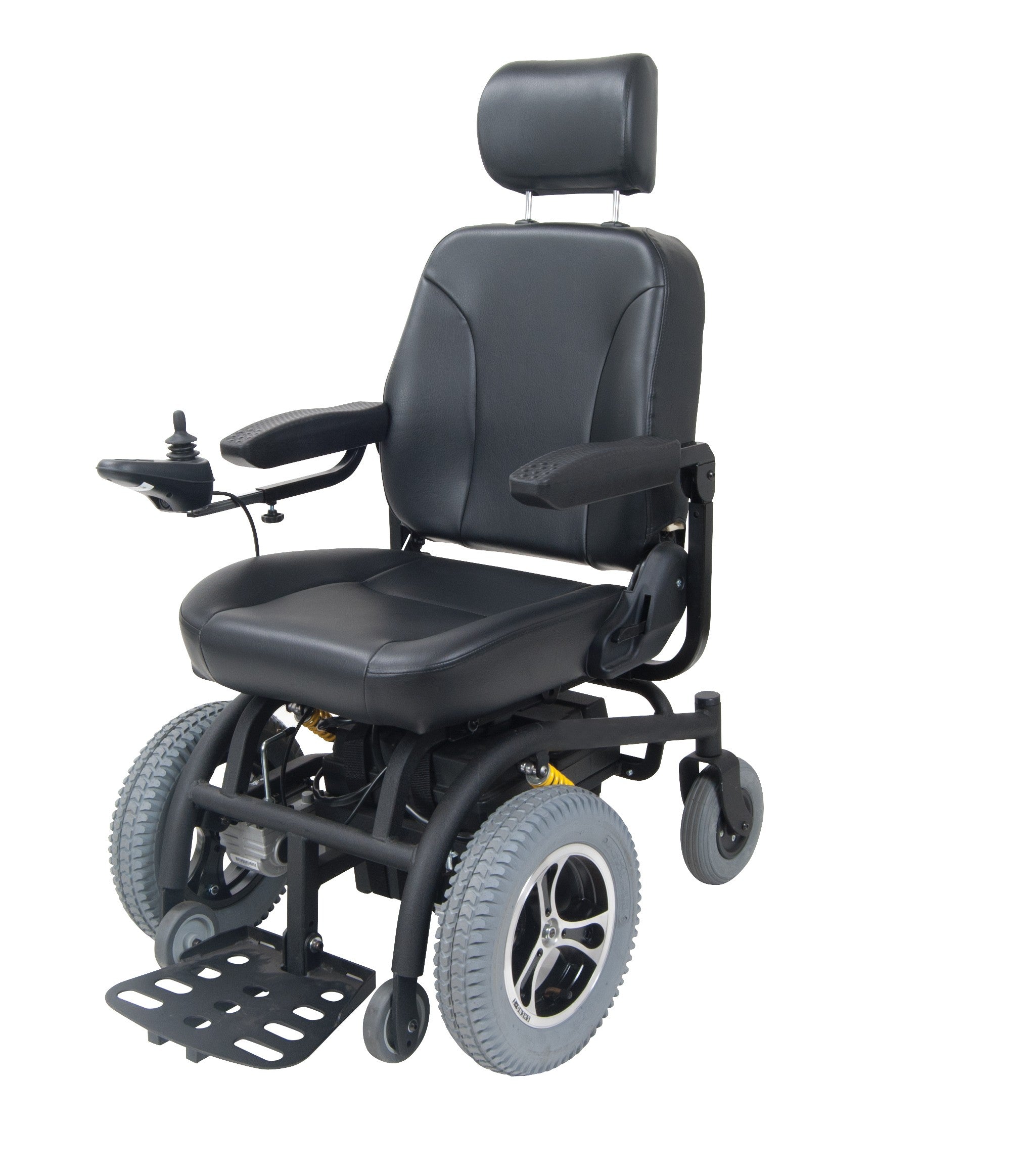
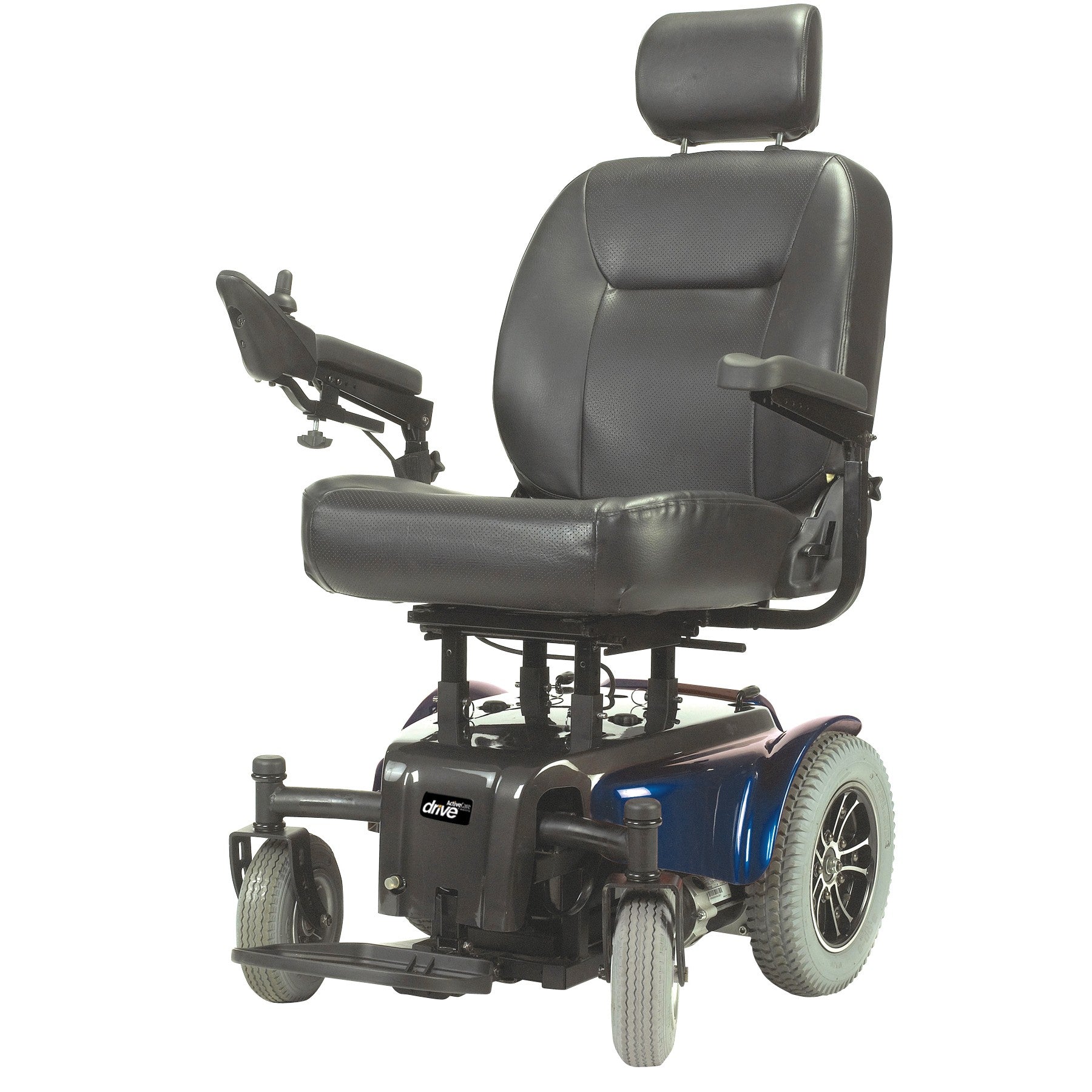
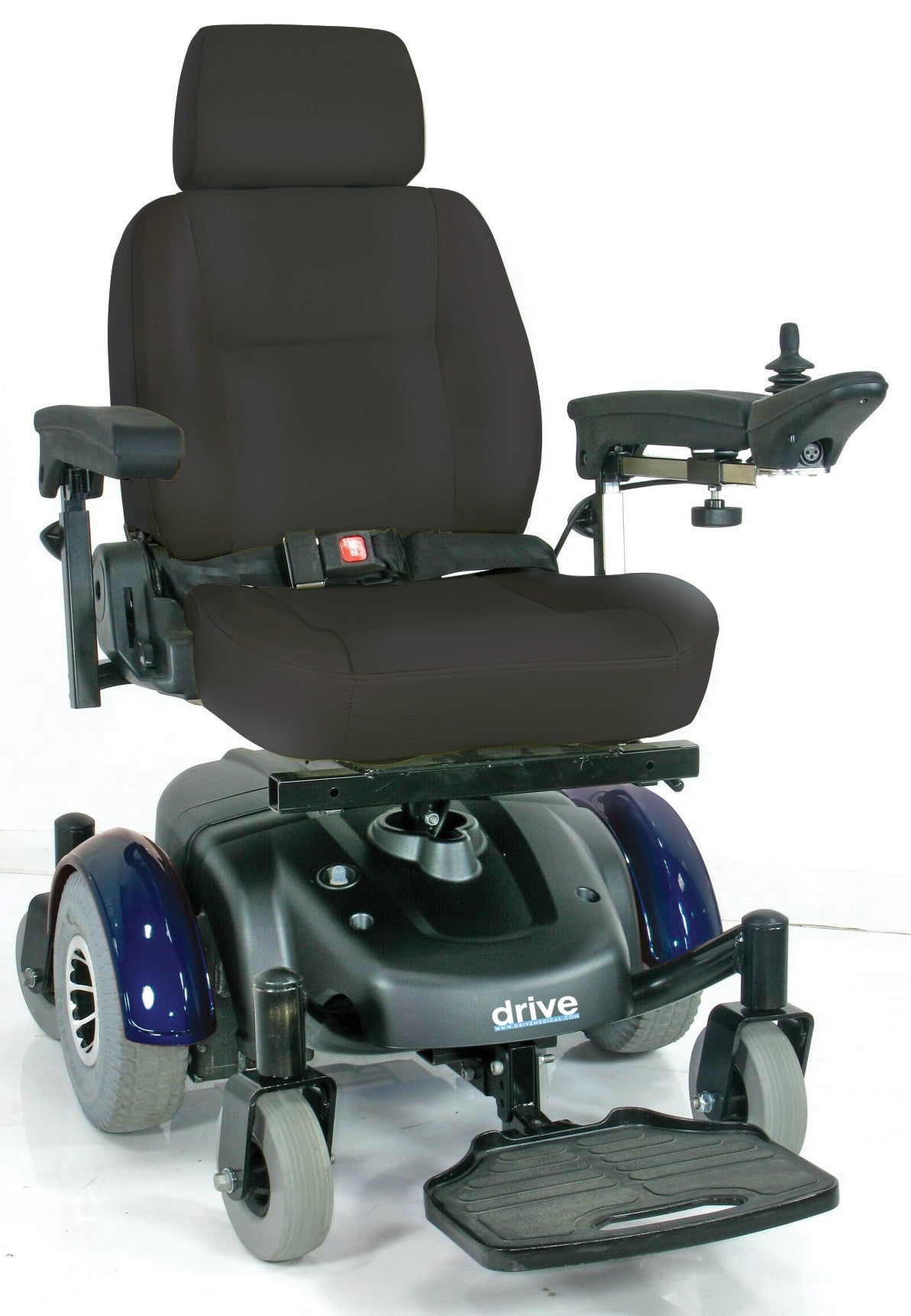
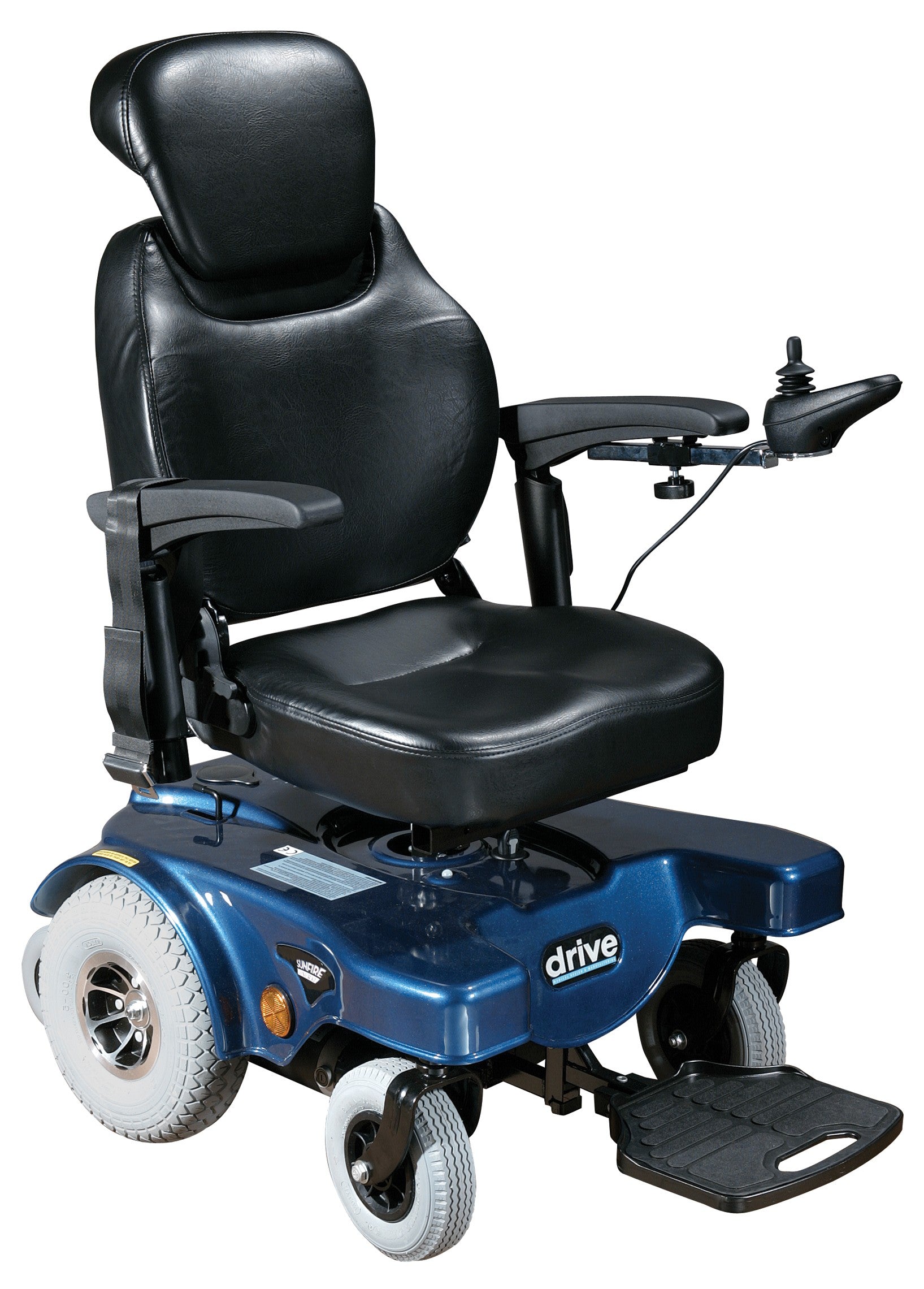
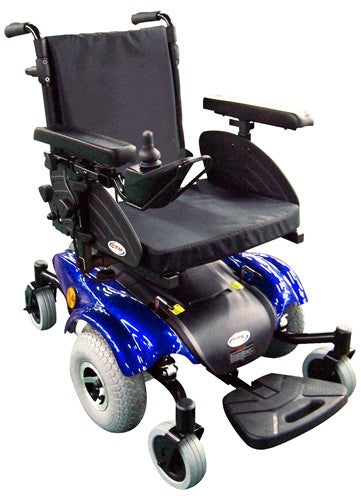
A bariatric power wheelchair is not simply a larger version of a standard chair. These chairs use reinforced frame tubing with thicker walls, heavy-duty cross-braces, wider rear axle spacing, larger casters, and stronger wheel spokes. The frames are built from heavier-gauge steel or reinforced aluminum specifically designed to handle sustained higher loads.
The motor architecture is different, too. Standard chairs rely on a single motor optimized for lighter loads. Most bariatric chairs use a dual-motor power system to deliver the torque necessary for heavier users, especially on inclines and uneven terrain. Without that dual-motor setup, a single motor working under excessive strain will overheat, lose efficiency, and fail prematurely.
There is a practical trade-off to all this reinforcement: bariatric power wheelchairs weigh between 200 and 350 lbs with batteries installed. That's considerably heavier than standard models, which matters for transport and caregiver logistics. If you need to load the chair into a vehicle, you'll likely need a vehicle lift rated for the chair's weight.
On the technology side, modern bariatric chairs increasingly use lithium battery systems that provide 20 to 25 miles of range per charge, paired with 400 to 800 watt motors. Compared to older lead-acid battery designs, lithium systems charge faster, last longer, and weigh less. Advanced joystick systems now offer programmable speed settings and automatic electronic braking, giving heavier users more precise control.
The Three Medicare Bariatric Tiers Explained in Plain Language
Medicare classifies bariatric power wheelchairs into three distinct tiers using HCPCS codes. Understanding which tier applies to you determines both what you qualify for and what you'll pay.
Heavy Duty (K0824/K0825): This tier supports users weighing 301 to 450 lbs. It's the most common bariatric classification and covers the majority of bariatric power wheelchair users. These chairs represent the entry point into purpose-built bariatric engineering.
Very Heavy Duty (K0826/K0827): Built for users weighing 451 to 600 lbs, these chairs feature more robust construction throughout. Expect to pay between $4,000 and $7,000 for models in this tier.
Extra Heavy Duty (K0828/K0829): These ultra-bariatric specialty models support 601 lbs or more. They're the most heavily reinforced chairs on the market, and pricing typically ranges from $6,000 to $12,000 or higher.
Within these tiers, there's another distinction worth knowing. Bariatric power wheelchairs generally fall under Group 2 Medicare coding. However, models with advanced features like power seating systems may qualify under Group 3 with appropriate clinical documentation.
Medicare Part B can reduce your out-of-pocket cost by 80% after you meet the Part B deductible. That's a substantial financial benefit, especially for the higher-priced tiers.
If you previously received a standard power wheelchair through Medicare and now need a bariatric model, you're not locked out. Medicare allows an upgrade, but you'll need a new face-to-face physician evaluation, a new prescription, and updated medical records documenting that the standard chair no longer meets your needs. This upgrade pathway is worth pursuing if your weight or medical condition has changed.
The Dynamic Load Problem: Why Your Static Weight Isn't the Whole Story
A wheelchair's rated weight capacity is its structural maximum under static load. That number on the spec sheet reflects how much weight the chair can support while sitting perfectly still on a flat surface.
Real-world use is nothing like that. Every time you accelerate, go up a slope, roll over a bump, or cross a doorway threshold, your body creates momentary force loads that exceed your static weight. A 450-lb user on a 450-lb-rated chair regularly experiences effective loads of 460 to 490 lbs during normal, everyday movement.
Operating a chair at or near its maximum capacity over time causes measurable mechanical consequences. Motors generate excess heat and lose efficiency. Batteries drain faster because the motors draw more current. Casters and bearings wear out sooner. These aren't theoretical concerns; they're predictable engineering outcomes.
This is why industry experts recommend choosing a chair rated at least 20 to 50 lbs above your actual body weight. That buffer accounts for dynamic forces and protects the chair's components from chronic overloading.
Don't overlook the accessories factor. Your total operating load includes clothing, bags, medical devices, oxygen tanks, and anything else attached to or carried on the chair. A winter coat, a backpack, and a portable oxygen concentrator can easily add 15 to 30 lbs to your effective load.
One more critical point: exceeding the stated weight capacity voids the manufacturer warranty across virtually all brands. If a motor fails or a frame cracks while operating over the rated limit, you're financially responsible for the repair or replacement. The weight buffer isn't just about longevity; it protects your investment.
Two Specs That Must Both Fit: Weight Capacity vs. Seat Width
Weight capacity and seat width are two separate specifications, and both must be right. A chair that supports your weight but has a seat that's too narrow (or too wide) creates pressure points, postural problems, and increases the risk of pressure injuries. This is a clinical concern, not just a comfort preference.
To measure for proper seat width, start with your hip width at the widest point while seated, then add 1 to 2 inches on each side. That total gives you a starting point for the seat width you need.
Home accessibility is the other half of this equation. Standard interior doorways are 30 to 32 inches wide. A bariatric chair with a 24-inch seat may fit through comfortably, but a 28-inch seat width likely won't clear a standard doorframe without modifications. Before finalizing a chair selection, measure every doorway you'll need to pass through regularly. Also assess ramp requirements and vehicle transport logistics. A chair that can't get into your home or your vehicle isn't the right chair, regardless of its weight rating.
How to Choose the Right Bariatric Power Wheelchair for Your Needs
Selecting the right bariatric power wheelchair comes down to a methodical process. Here's how to work through it:
- Calculate your true operating weight. Start with your body weight, then add clothing, accessories, bags, and any medical devices you'll carry or attach to the chair. This is your real load, not just the number on the scale.
- Add the 20 to 50 lb buffer and identify which Medicare HCPCS tier that total places you in. If your operating weight plus buffer is 440 lbs, you're right at the edge of the Heavy Duty tier (K0824/K0825) and should seriously consider moving up to Very Heavy Duty (K0826/K0827).
- Measure seat width needs and check doorway clearances. Measure your hips while seated, add 1 to 2 inches per side, then walk through your home with a tape measure. Every doorway, hallway, and bathroom entry matters.
- Consider comorbidities that affect feature priorities. Limited upper body strength makes joystick sensitivity and programmable speed settings more important. Diabetes or other conditions affecting skin integrity make proper seat width and quality cushioning essential for preventing pressure injuries.
- Evaluate battery type. Lithium battery systems offer 20 to 25 miles of range per charge and faster recharging times compared to older lead-acid designs. If you're active or travel frequently, lithium is worth the investment.
If this process feels overwhelming, you don't have to figure it out alone. Our live, US-based product specialists can walk through each of these steps with you over the phone, six days a week. They'll help you match your weight, measurements, and medical needs to the right chair.
We also offer a Lowest Price Guarantee on mobility and home medical products, plus free shipping on orders over $100. If financing is a concern, 100% financing is available through third-party providers.
Get the Right Chair With Confidence
Choosing a bariatric power wheelchair is a safety decision. The wrong weight rating or seat width doesn't just cause discomfort; it creates real risks to your health, your mobility, and your finances.
Remember the two essentials: match both weight capacity (with a proper buffer) and seat width to your body, and understand which Medicare tier applies to your situation. Those two steps alone will narrow your options to the right category.
Navigating Medicare documentation, HCPCS codes, and chair specifications is manageable with the right guidance. Our US-based specialists at American Quality Health Products have been helping people find the right mobility equipment for over 22 years. Call us six days a week for personalized help with selection, sizing, and Medicare questions. With financing options available and our commitment to the lowest prices, we're here to make sure you get the right chair at a price that works.


