

Shopping for mobility aids and home medical equipment can mean encountering unfamiliar terms, from Medicare billing codes to power wheelchair specifications. This glossary defines the most common words and phrases you will see while browsing power wheelchairs, mobility scooters, lift chairs, hospital beds, therapeutic footwear, and related products. Use it as a quick reference whenever you need a clear, plain-language explanation.
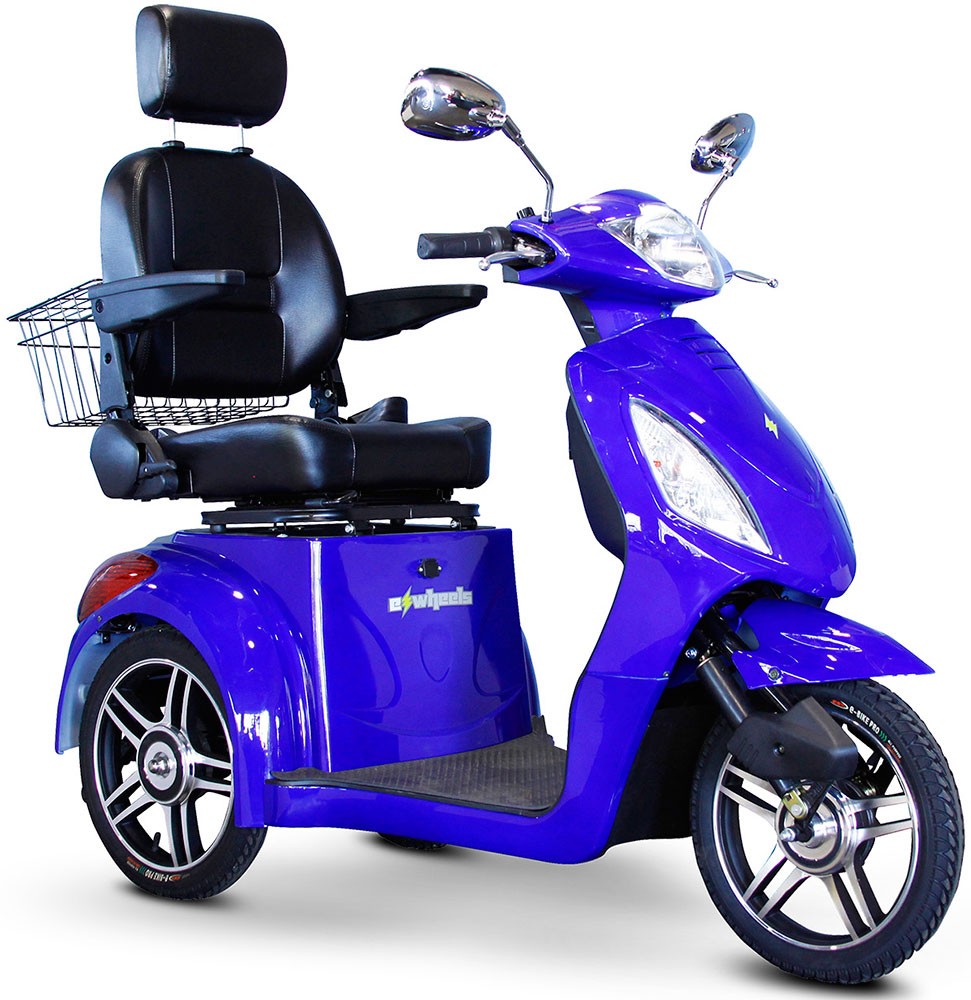
- 3-Wheel Scooter
- A mobility scooter built on a three-wheel frame, with a single front wheel and two rear wheels. This configuration provides a tighter turning radius than four-wheel models, making it a popular choice for indoor use and navigating narrow hallways or doorways.
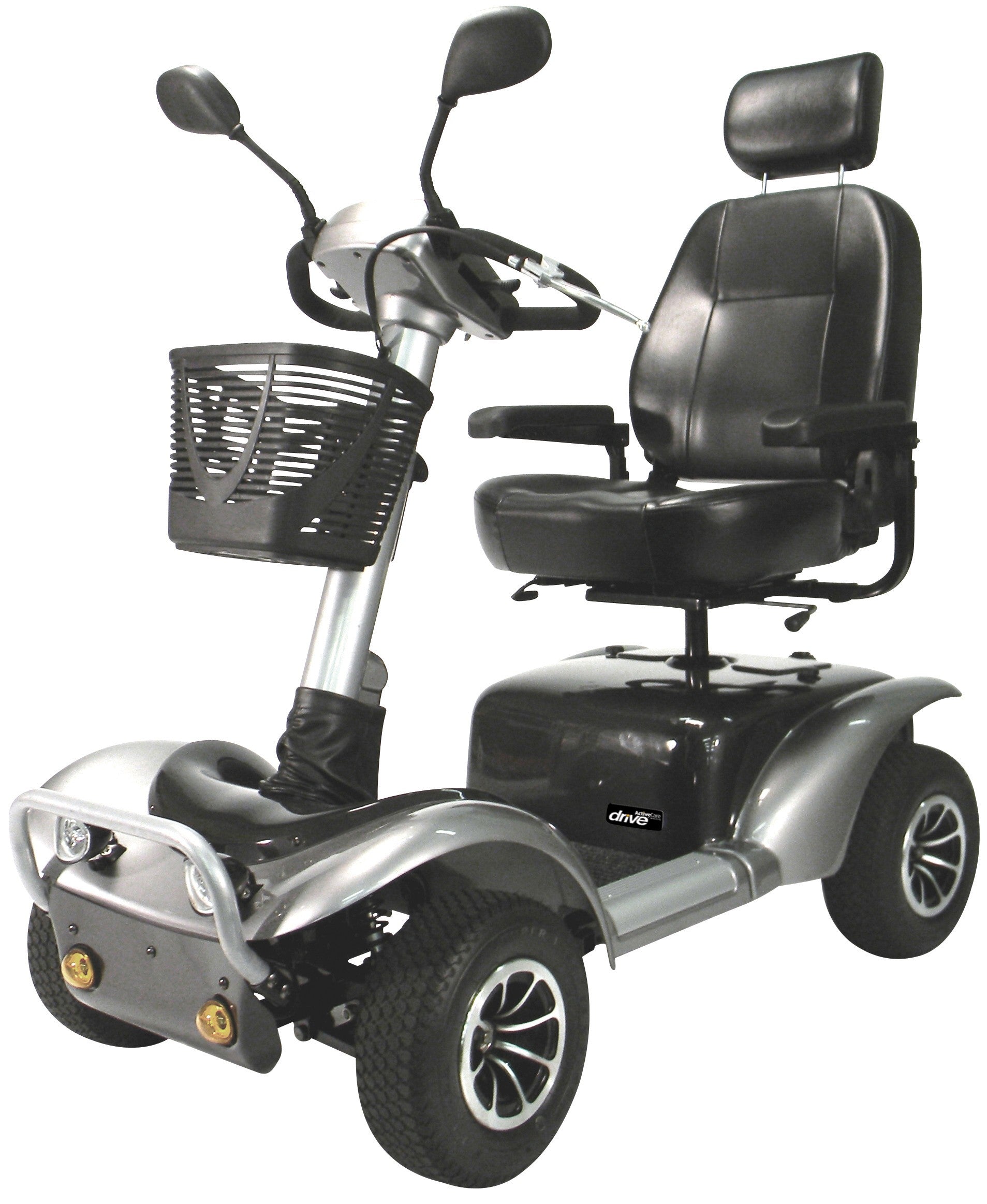
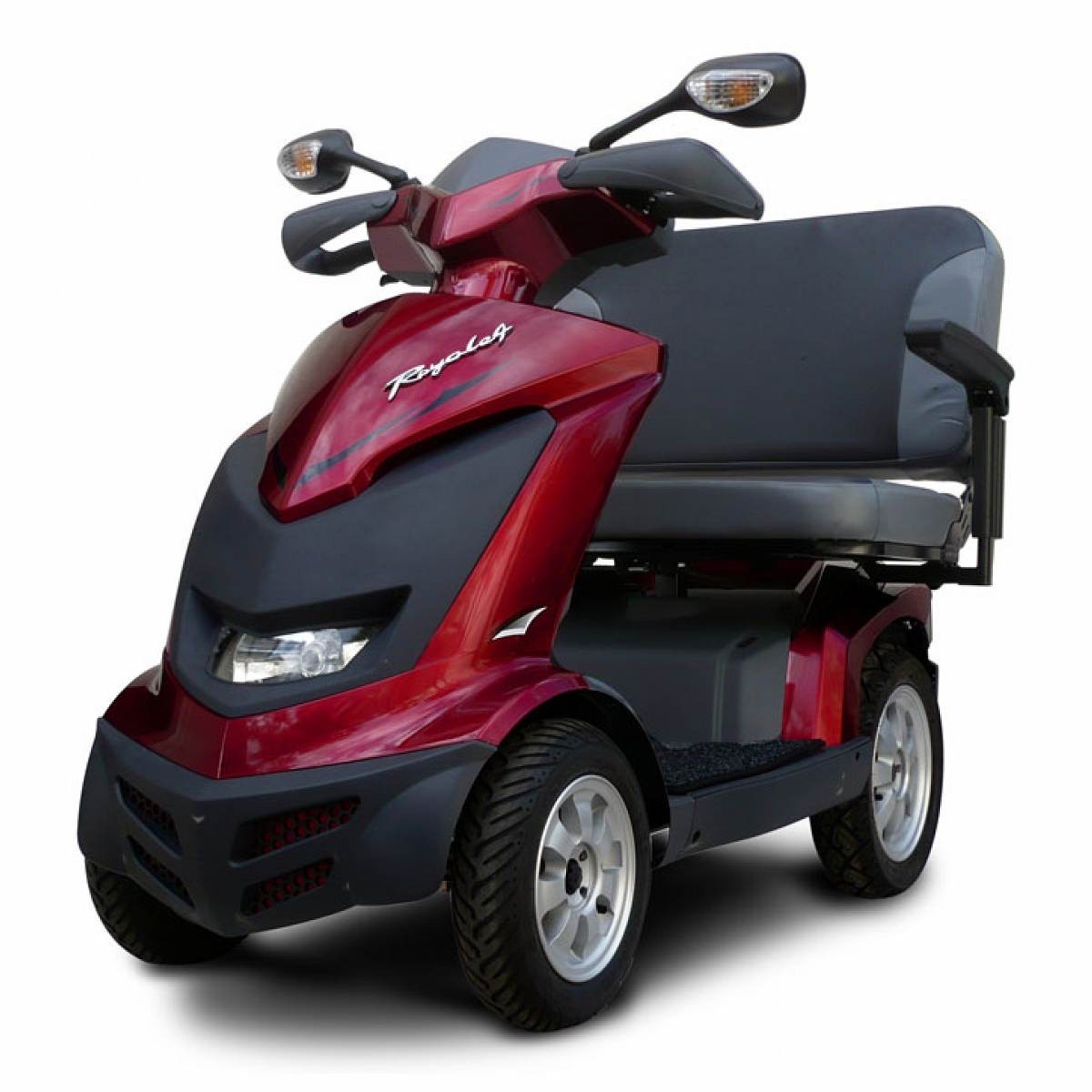
- 4-Wheel Scooter
- A mobility scooter with two front wheels and two rear wheels, offering greater stability on uneven ground and outdoor terrain. Four-wheel scooters typically handle curb cuts, grass, and gravel more confidently than their three-wheel counterparts, though they require more room to turn.
- Adjustable Bed
- A bed with a motorized frame that raises or lowers the head and foot sections for comfort and therapeutic positioning at home. Unlike a hospital bed, an adjustable bed is often styled to look like conventional bedroom furniture while still providing pressure relief and support for conditions like acid reflux or edema.
- AGM Battery (Absorbent Glass Mat)
- A type of sealed lead-acid battery commonly used in power wheelchairs and mobility scooters. AGM batteries are spill-proof, maintenance-free, and approved for airline travel, making them the standard power source for most non-folding mobility devices.
- Anti-Tip Wheels
- Small wheels mounted near the rear of a power wheelchair or scooter that prevent the device from tipping backward on inclines or during sudden stops. They are a standard safety feature and are especially important for users who frequently navigate ramps or sloped surfaces.
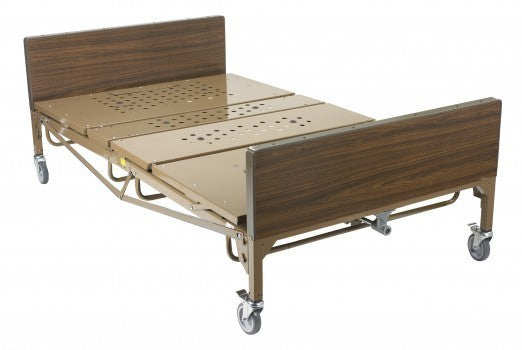
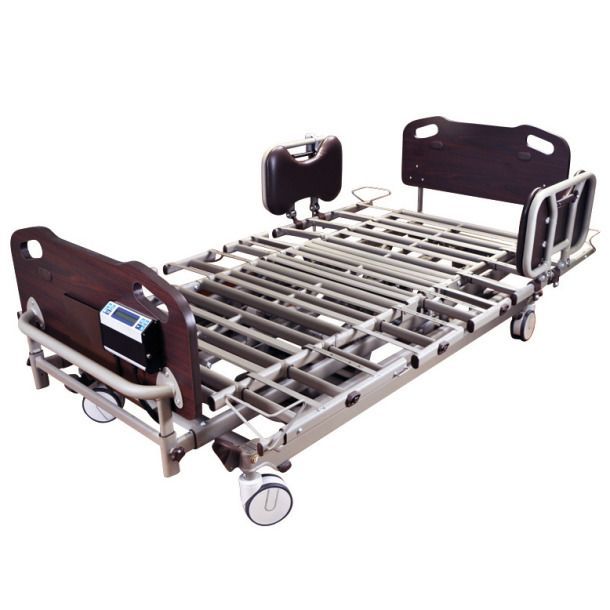
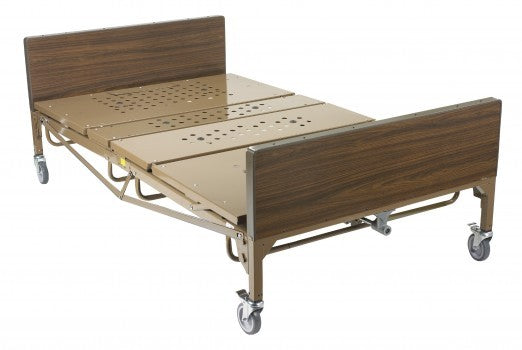
- Bariatric
- A term describing medical equipment engineered for higher weight capacities, typically ranging from 300 to 700 pounds or more. Bariatric products, including wheelchairs, scooters, and hospital beds, also feature wider seats and reinforced frames to accommodate larger body types safely.
- Certificate of Medical Necessity (CMN)
- A form signed by a physician that documents why a patient needs a specific piece of durable medical equipment. Medicare requires a CMN before it will authorize coverage for items such as power wheelchairs, hospital beds, and certain therapeutic footwear.
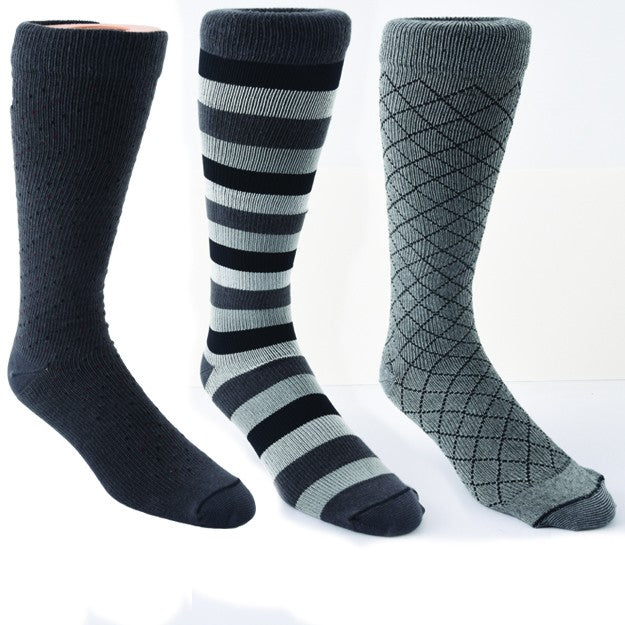
- Compression Socks
- Graduated compression hosiery that applies controlled pressure to the legs, with the greatest pressure at the ankle decreasing toward the knee or thigh. They are commonly recommended for seniors, diabetic patients, and individuals with circulatory issues to help reduce swelling and improve venous blood flow.
- Diabetic Depth Shoe (A5500)
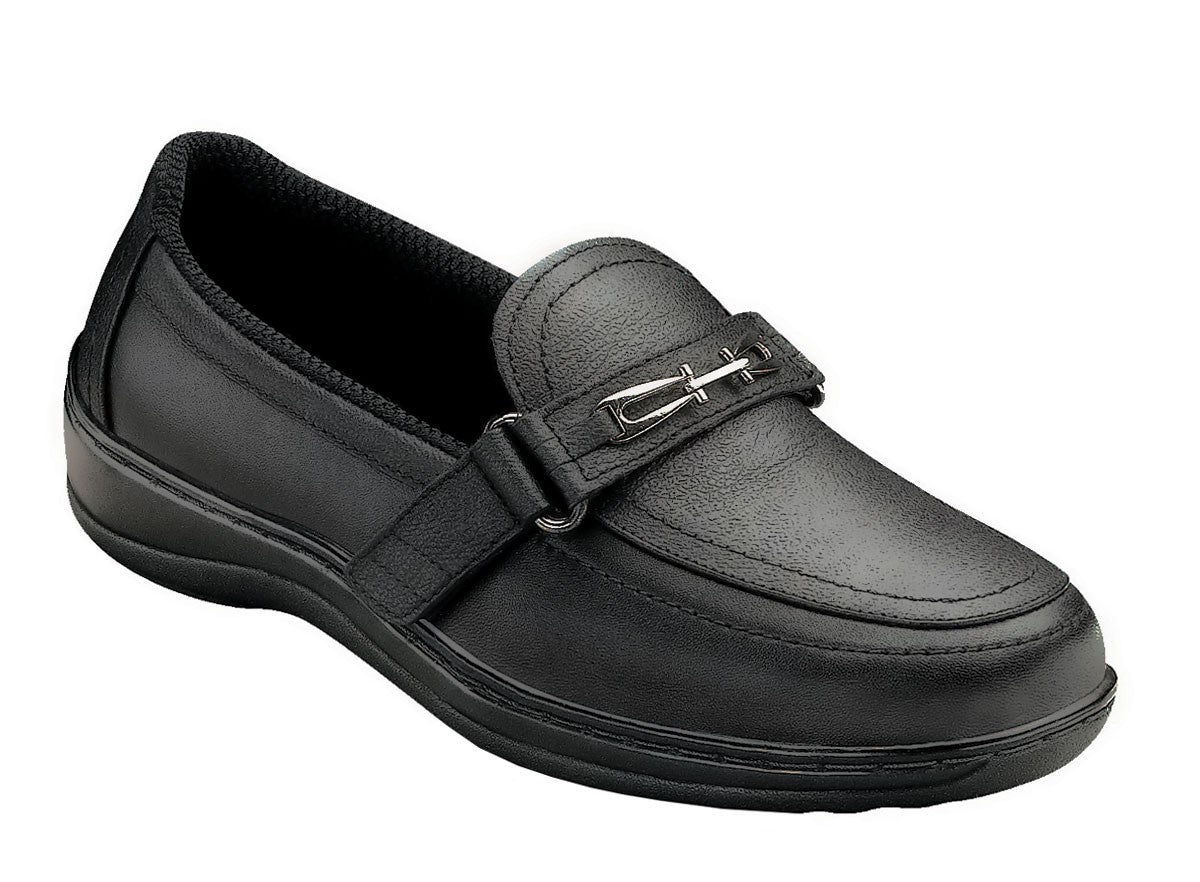
- An extra-depth shoe designed specifically for patients with diabetes, coded A5500 under the HCPCS system for Medicare billing. The additional depth accommodates custom inserts and helps prevent foot ulcers by reducing pressure points that can lead to serious complications.
- DME (Durable Medical Equipment)
- An industry and Medicare acronym for equipment that can withstand repeated use, serves a medical purpose, and is appropriate for use in the home. Power wheelchairs, hospital beds, and mobility scooters are all classified as DME for insurance and regulatory purposes.
- Folding Scooter
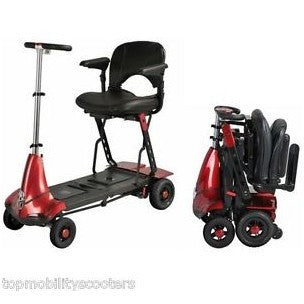
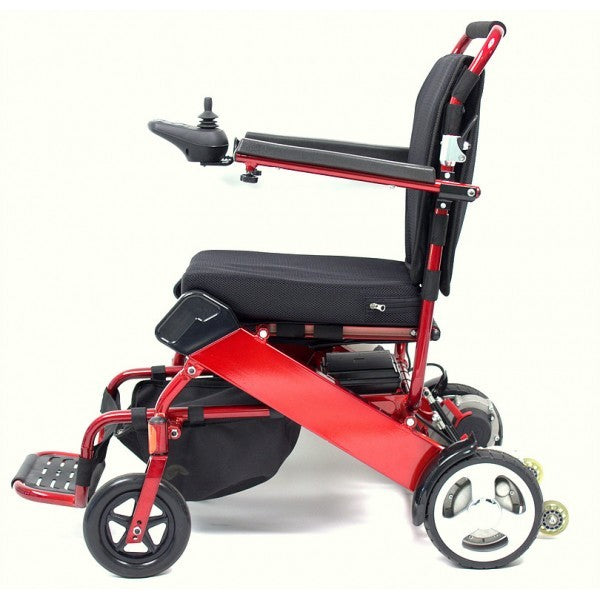
- A mobility scooter designed to fold or disassemble quickly so it can be stored in a car trunk or carried on an airplane. Folding scooters are typically lighter than standard models and often use lithium-ion batteries to reduce overall weight.
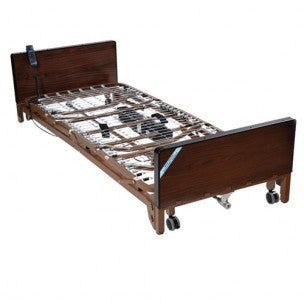
- Full-Electric Hospital Bed
- A hospital bed in which the head section, foot section, and overall bed height are all adjusted by electric motors. This design allows patients or caregivers to reposition the bed with a hand control, reducing physical strain during transfers and daily care.
- Graduated Compression
- The design principle behind medical compression socks, where pressure is strongest at the ankle and gradually decreases up the leg. Compression levels are measured in mmHg, and the graduated pattern encourages blood to flow upward toward the heart.
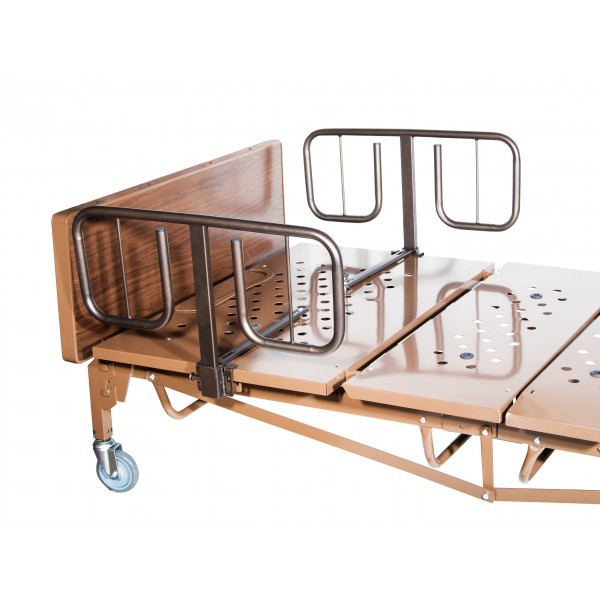
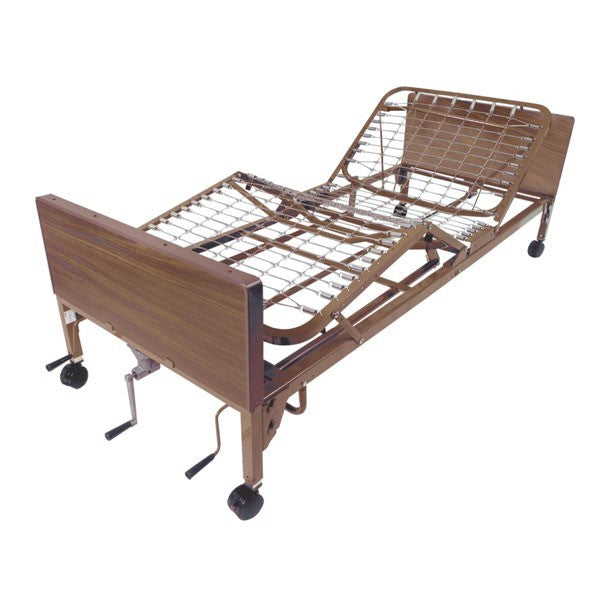
- Hospital Bed
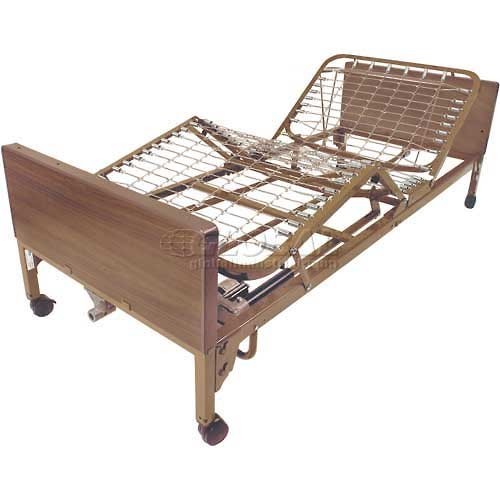
- An adjustable bed with head and foot elevation controls used for home care or clinical settings. Home hospital beds come in semi-electric and full-electric configurations and often include side rails and locking casters for patient safety.
- Joystick Controller
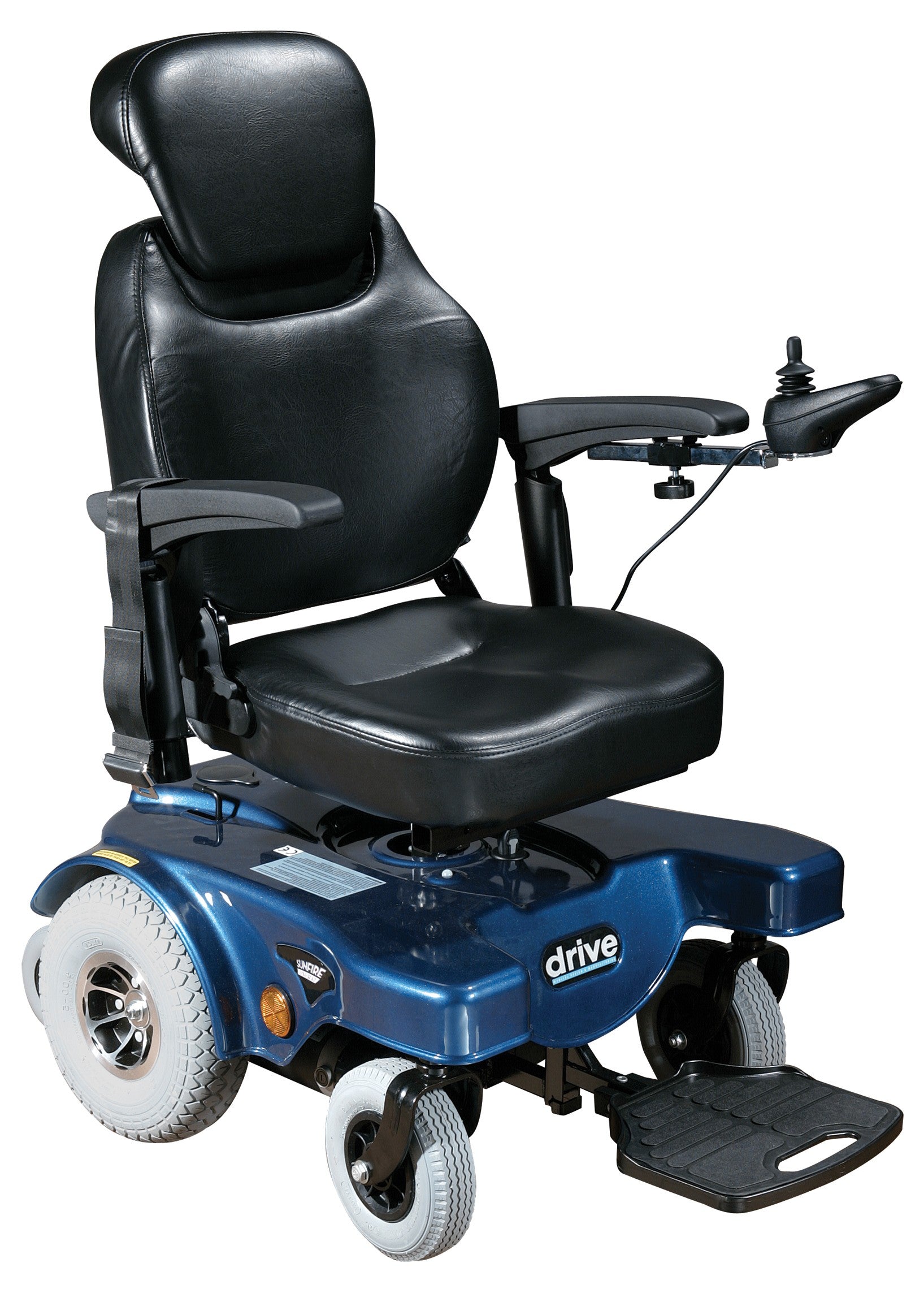
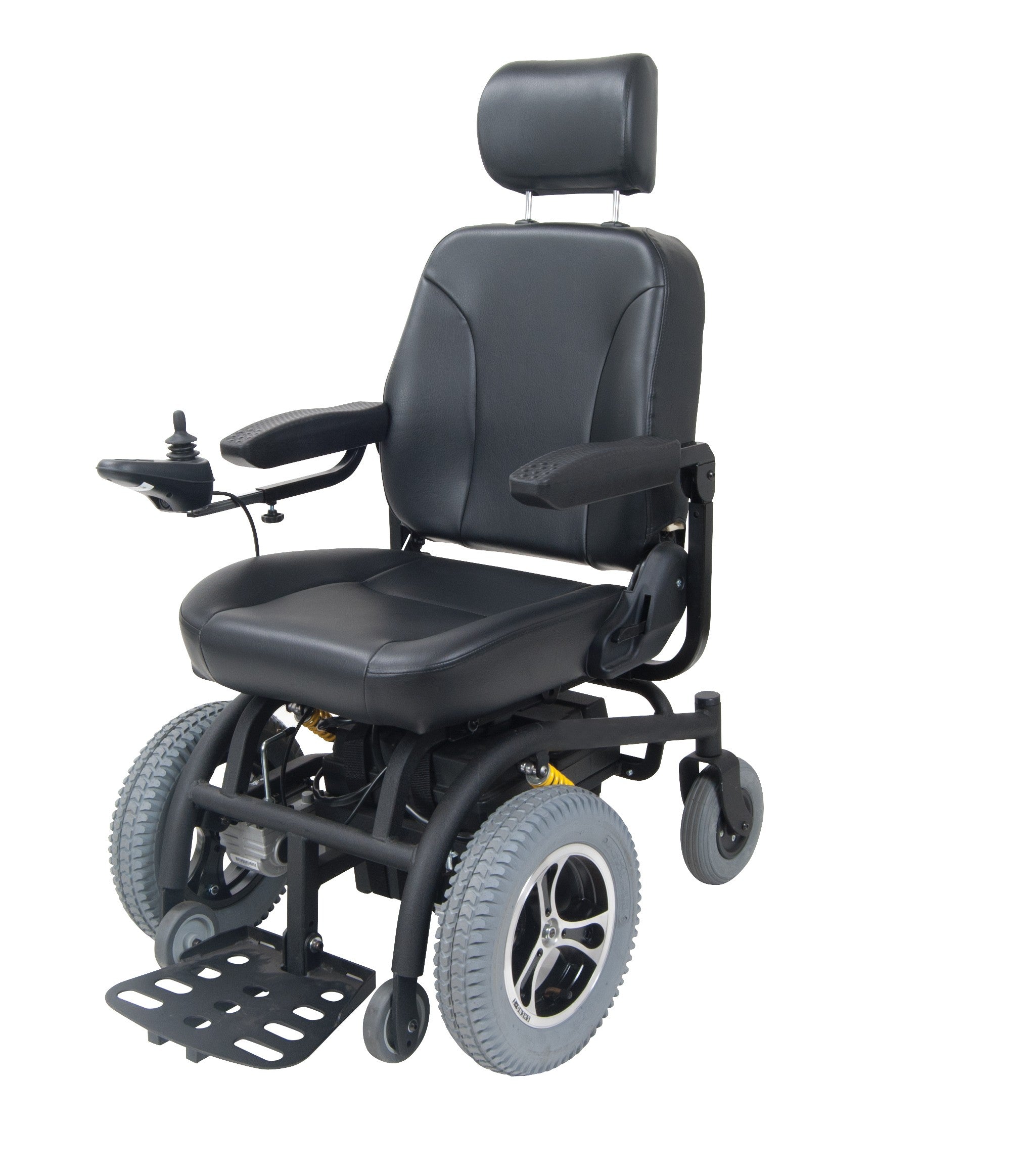
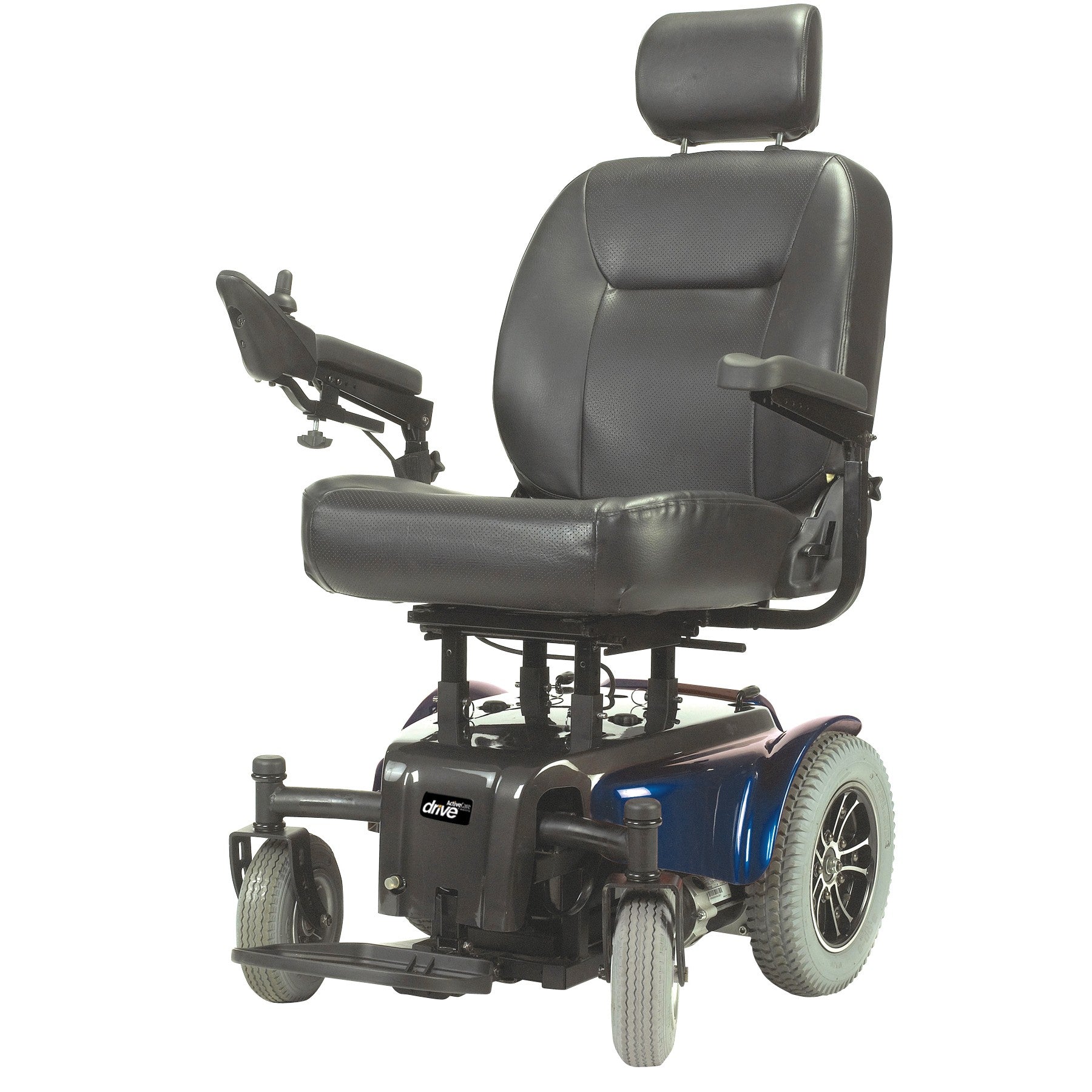
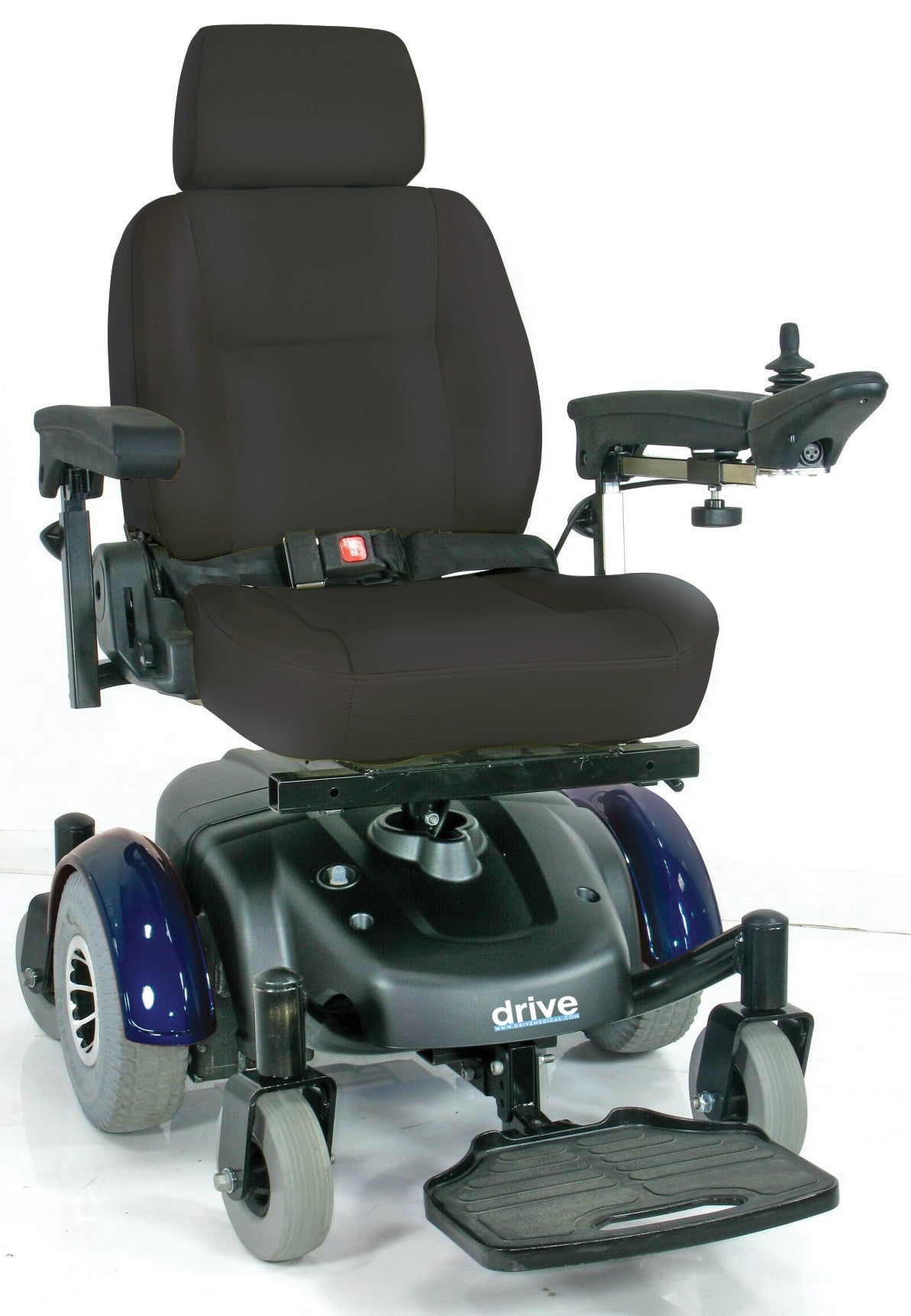
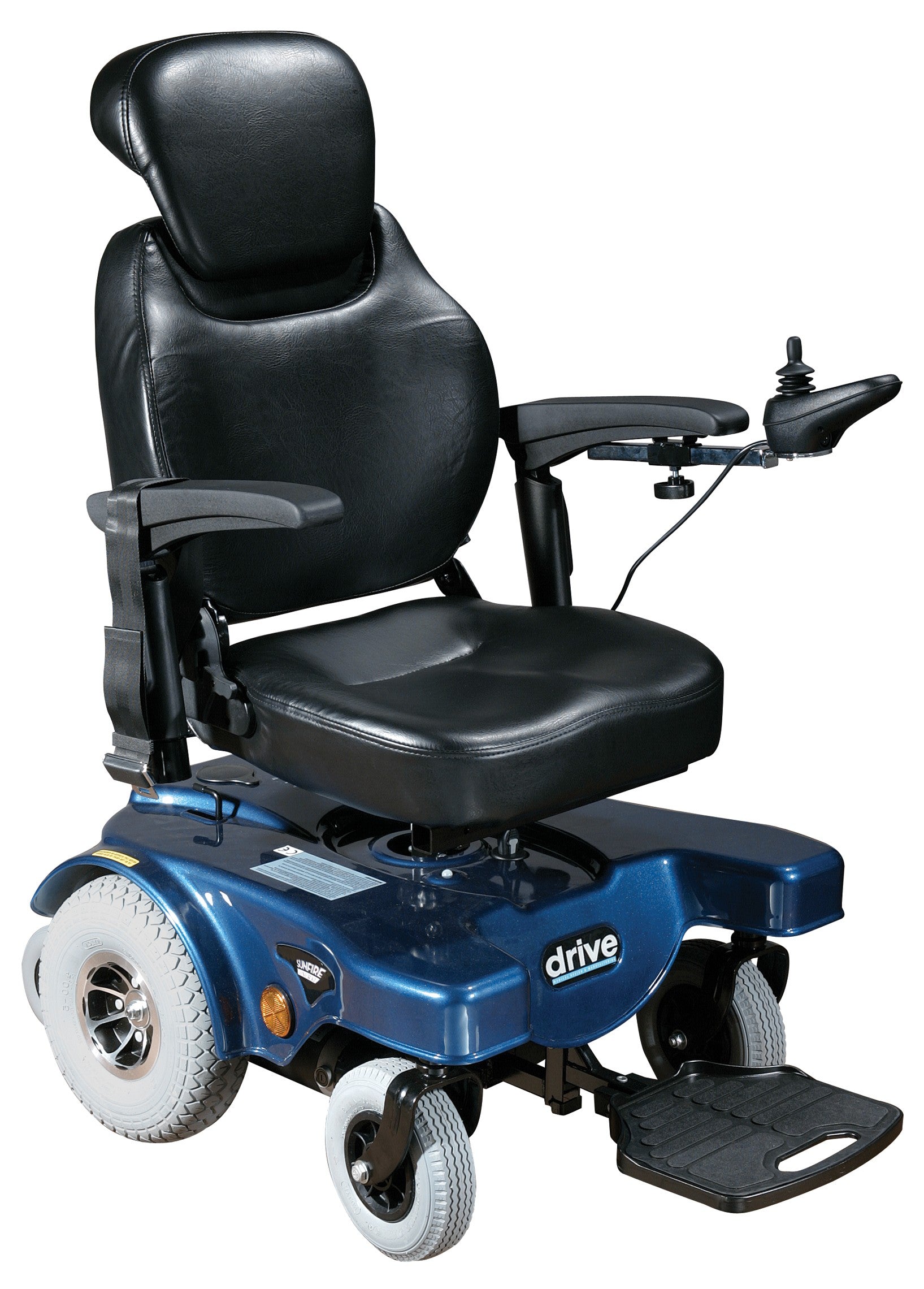
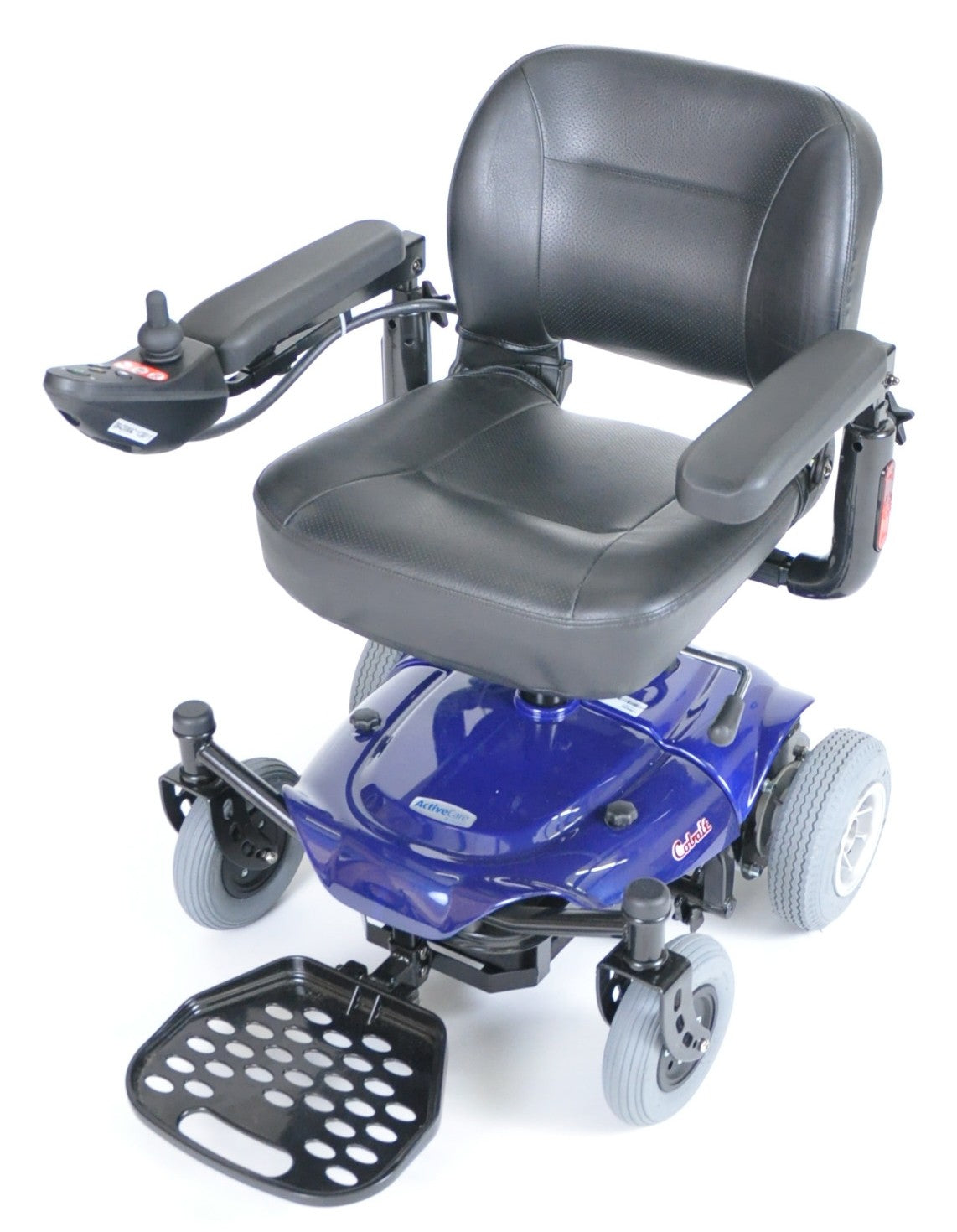
- The primary input device on a power wheelchair, typically mounted on one armrest. The user pushes the joystick in the desired direction of travel, and the controller translates that input into motor commands for speed and steering.
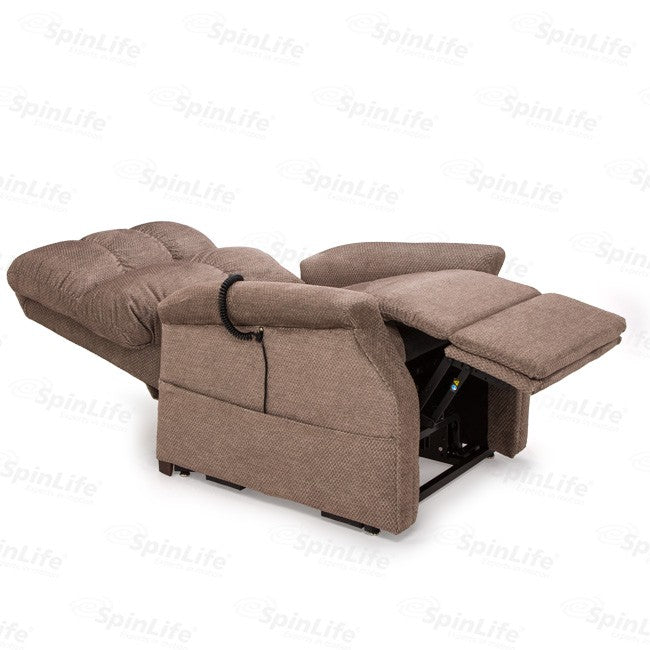
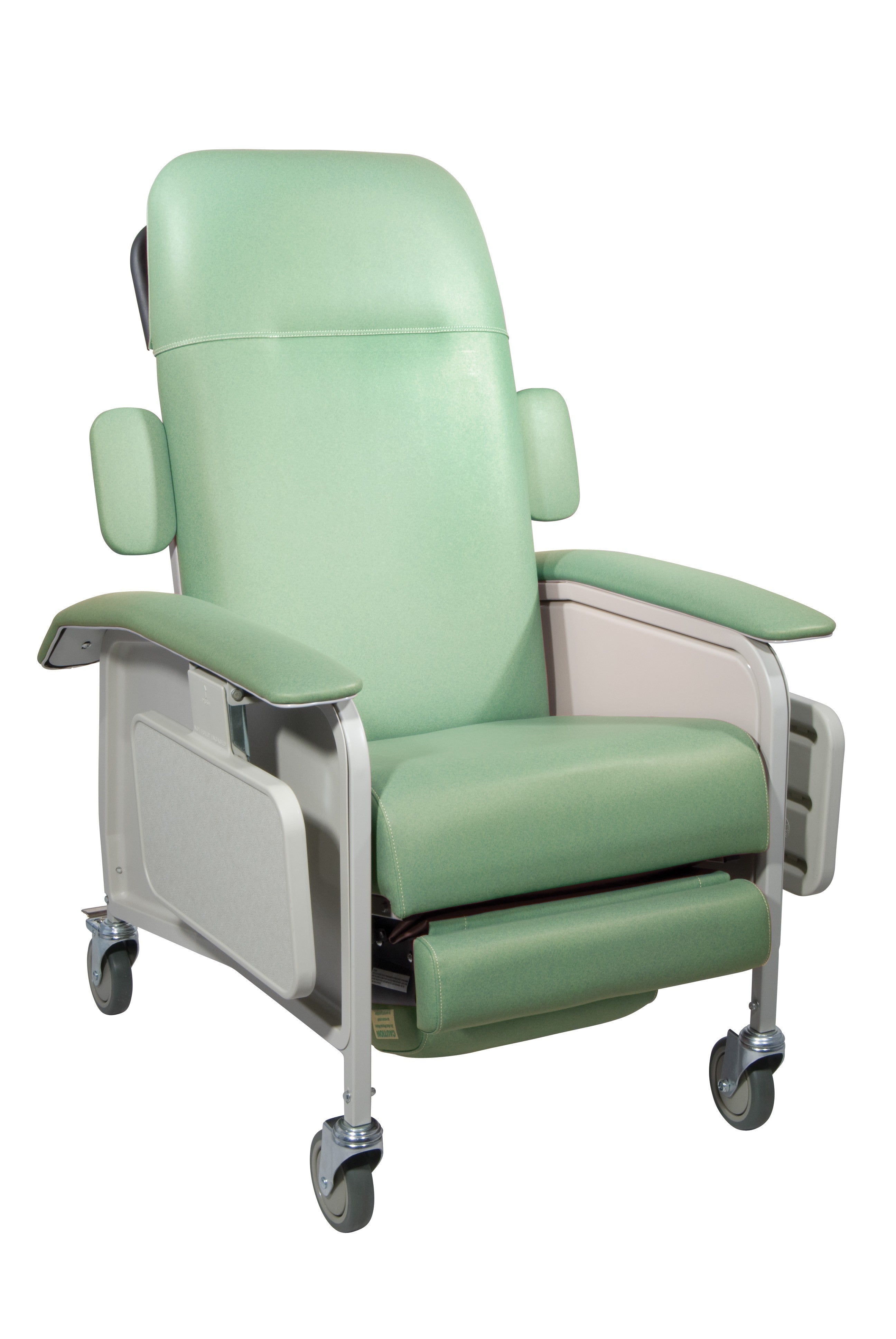
- Lift Chair
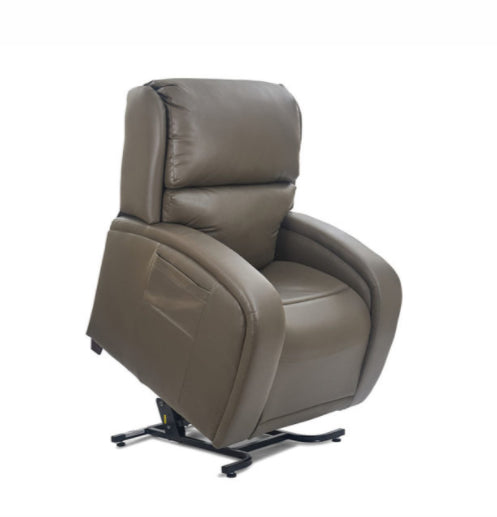
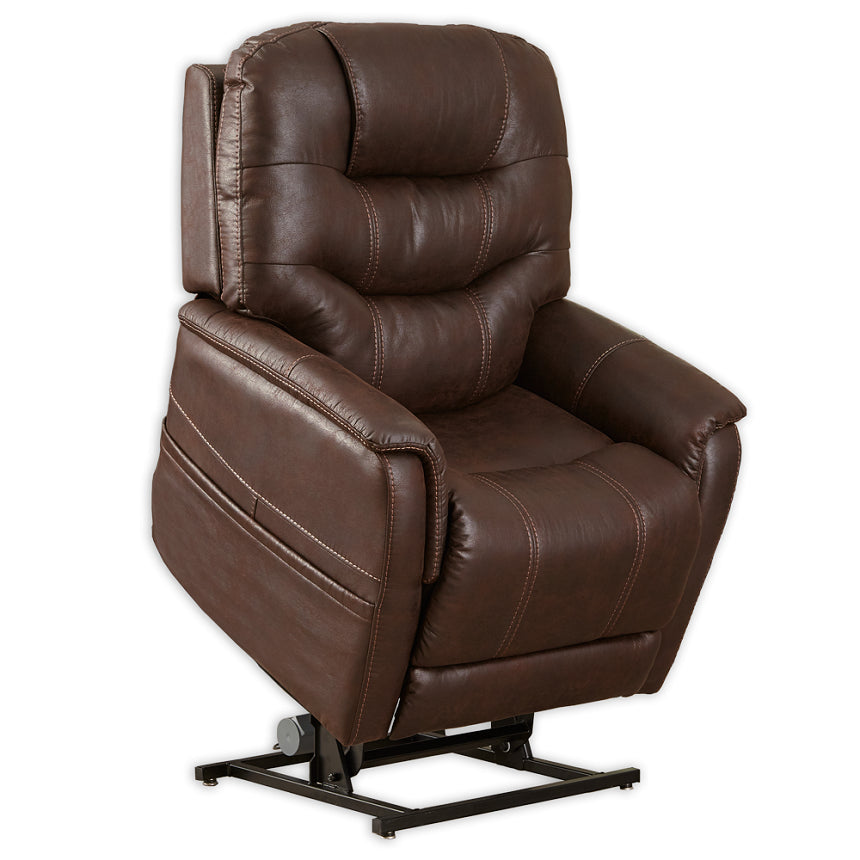
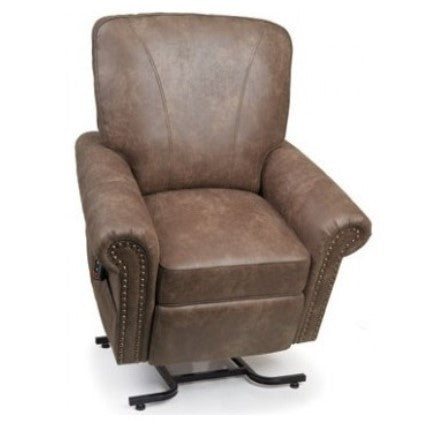
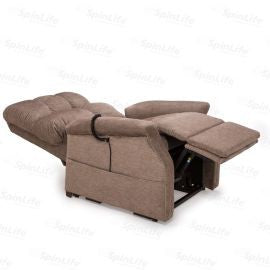
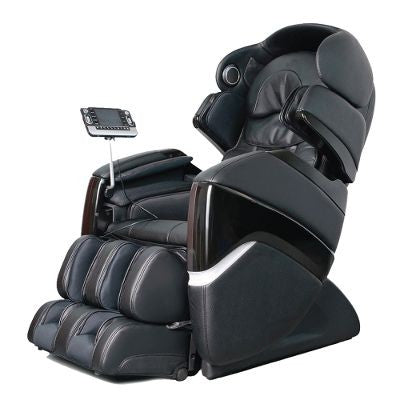
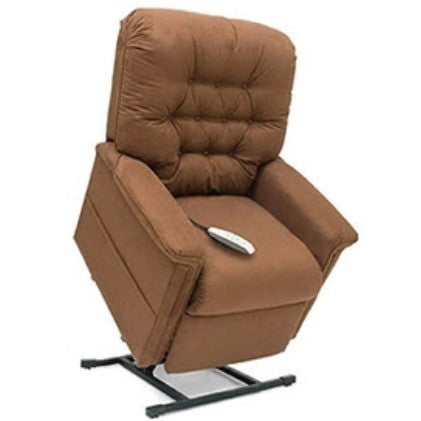
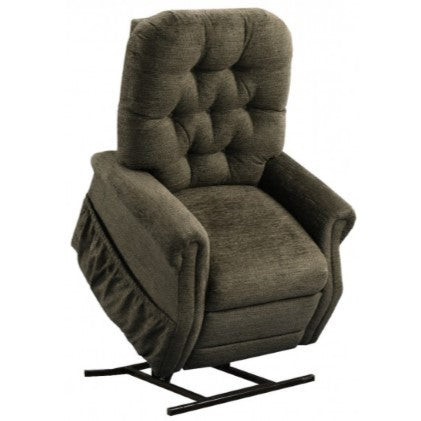
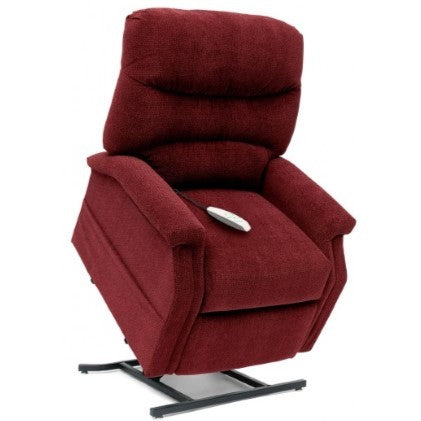
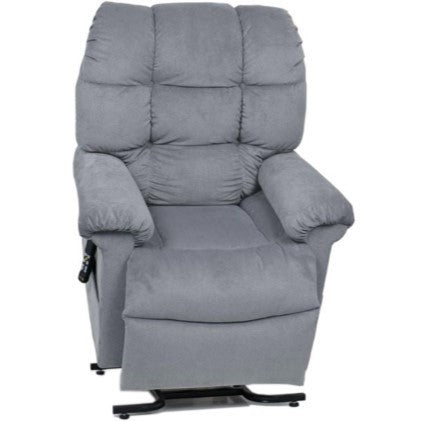
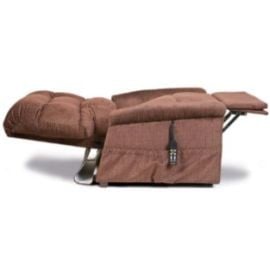
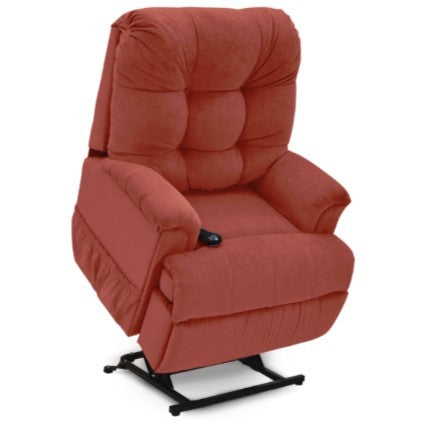
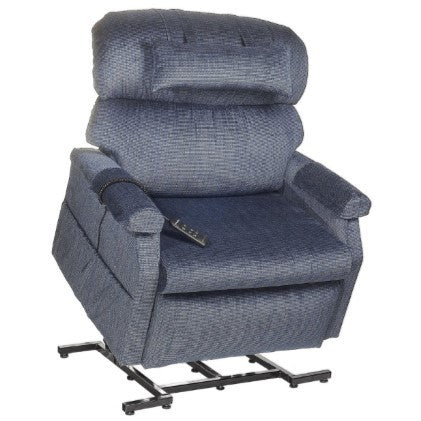
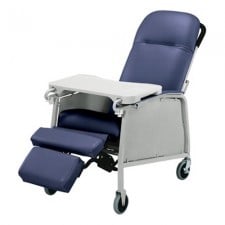
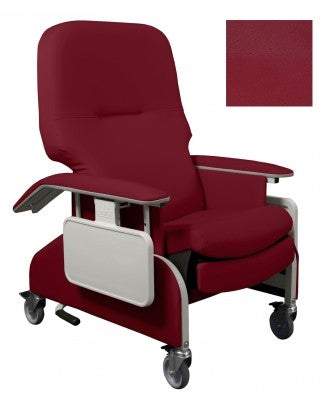
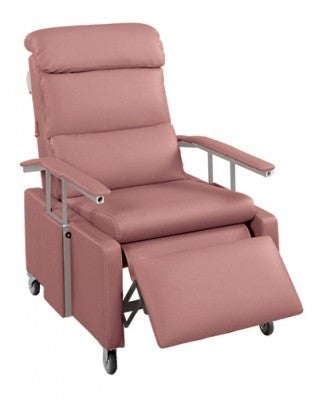
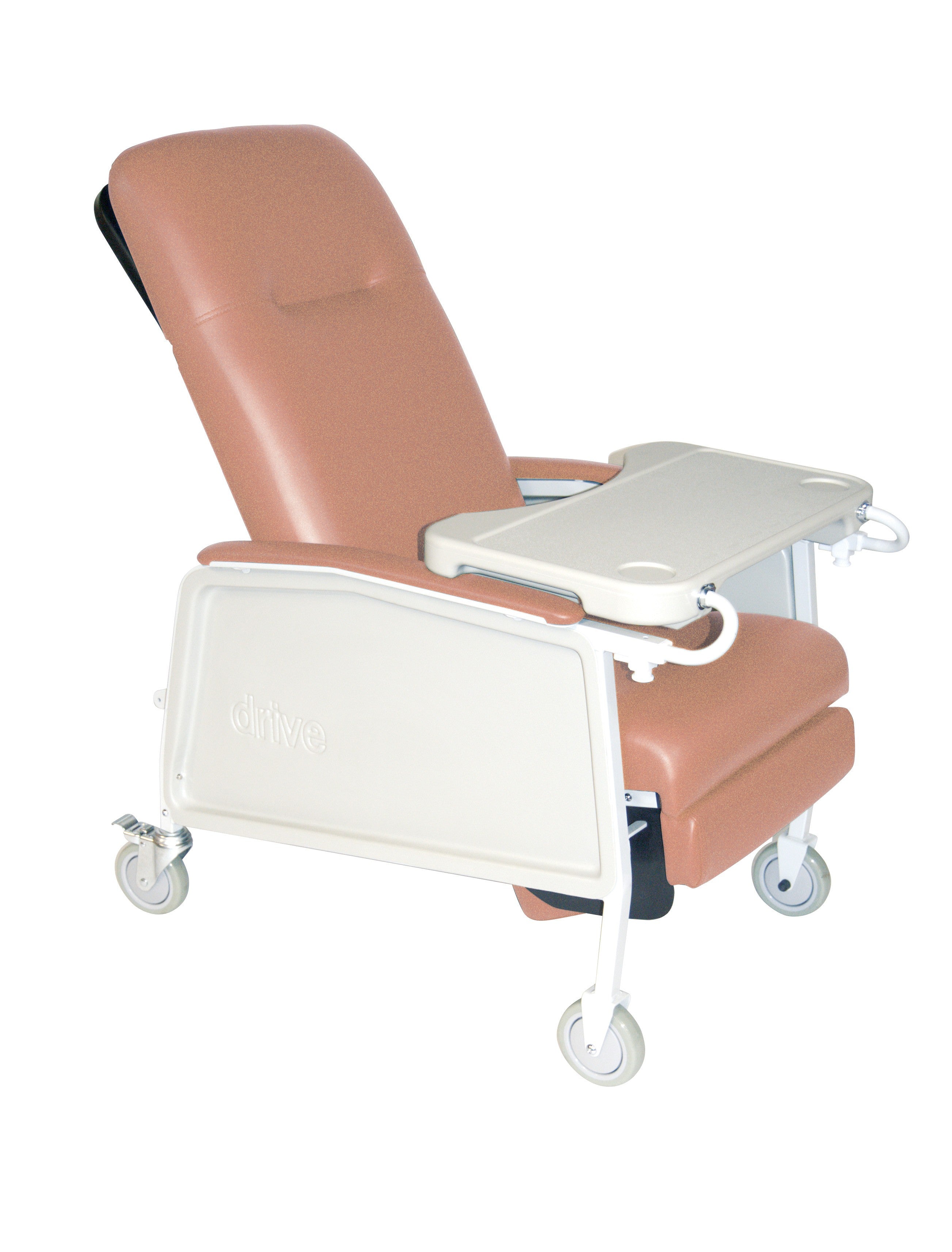
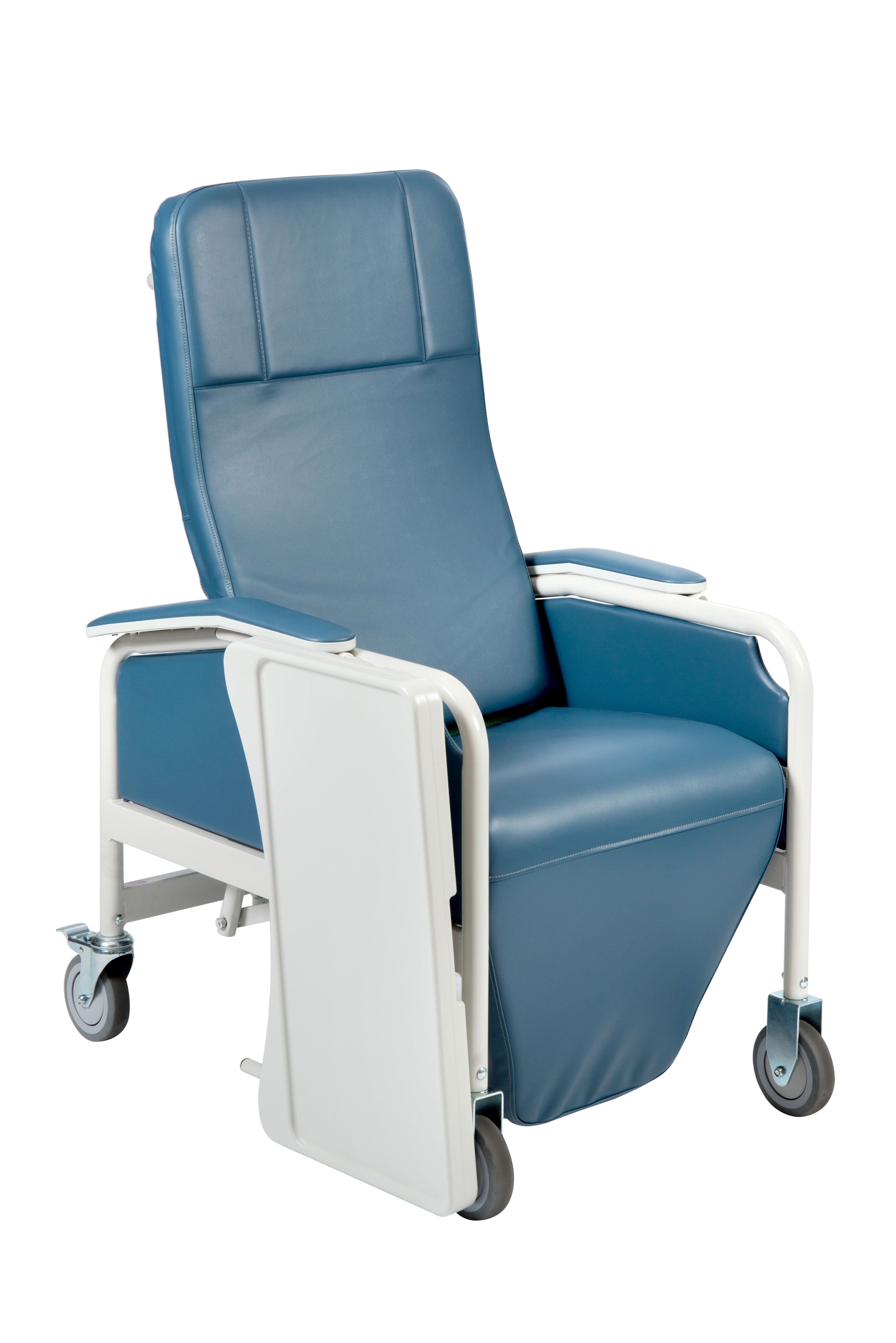
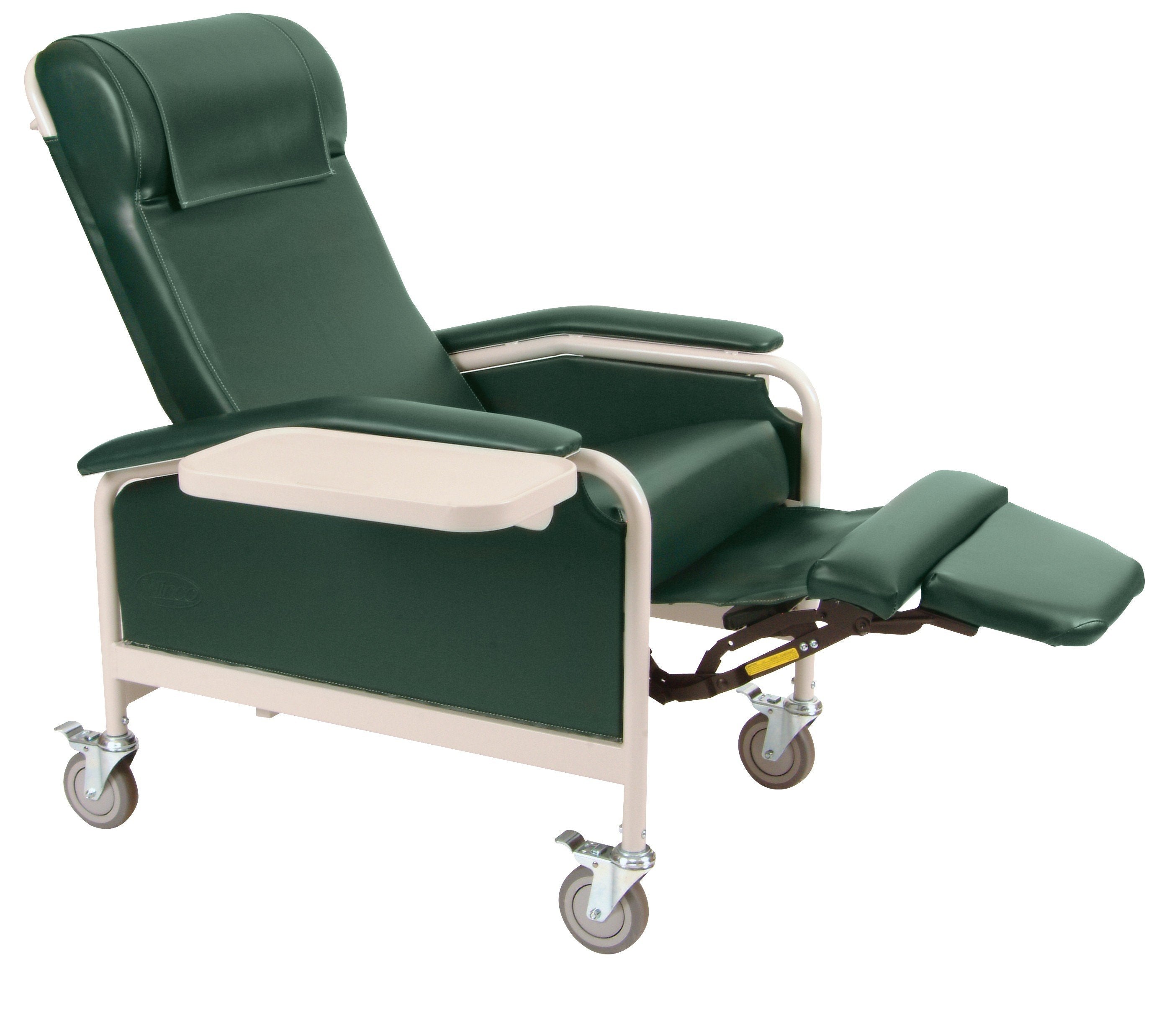
- A motorized recliner equipped with a lifting mechanism that tilts the entire seat forward and upward, helping the user rise to a standing position. Lift chairs are available in two-position, three-position, and infinite-position models, each offering different reclining ranges.
- Lithium-Ion Battery
- A lightweight, rechargeable battery technology used in many folding and travel-friendly mobility scooters. Lithium-ion batteries weigh significantly less than traditional AGM batteries and are generally approved for air travel, making them ideal for portable devices.
- Medicare Part B
- The component of Medicare that covers outpatient services and durable medical equipment, including power wheelchairs, mobility scooters, hospital beds, and diabetic footwear. Beneficiaries typically pay 20 percent of the Medicare-approved amount after meeting their annual deductible.
- Mid-Wheel Drive (MWD)
- A power wheelchair configuration in which the drive wheels are positioned at the center of the chair's wheelbase. This layout produces the tightest possible turning radius, making mid-wheel drive chairs well suited for maneuvering inside homes and other confined spaces.
- mmHg (Millimeters of Mercury)
- The unit of pressure used to rate the compression level of medical hosiery. Common compression ranges include 15 to 20 mmHg for mild support and 20 to 30 mmHg for moderate compression, with higher numbers indicating firmer pressure on the leg.
- Mobility Scooter
- An electric personal transporter steered by a tiller (handlebar column) rather than a joystick. Mobility scooters are available in three-wheel and four-wheel designs and are intended for individuals who have some upper-body strength and balance but difficulty walking longer distances.
- Power Seating System
- A set of motorized adjustments built into or added onto a power wheelchair, enabling functions such as tilt, recline, seat elevation, and leg elevation. Power seating systems help users shift weight, relieve pressure, and reach different heights without assistance from a caregiver.
- Power Wheelchair
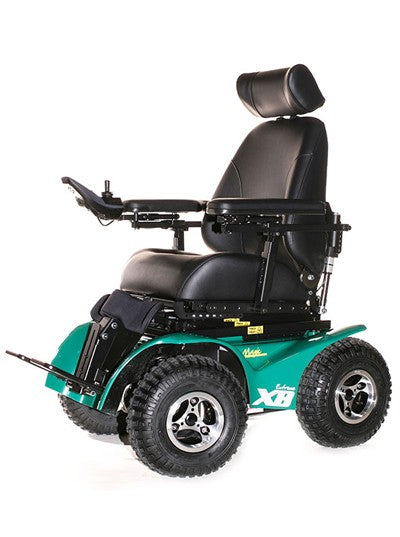
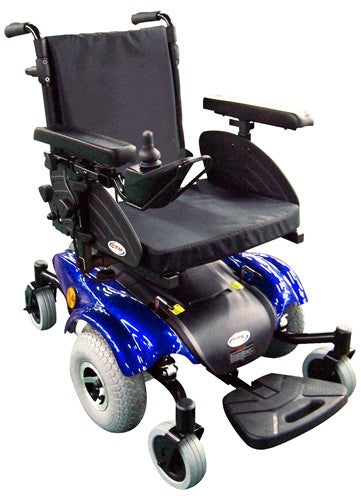
- A motorized wheelchair operated by a joystick controller, designed for individuals who lack the strength or coordination to propel a manual chair. Power wheelchairs are available in rear-wheel, mid-wheel, and front-wheel drive configurations, each offering different handling characteristics.
- Range Per Charge
- The maximum distance a power wheelchair or mobility scooter can travel on a single full battery charge. This specification varies widely based on battery size, terrain, user weight, and speed settings, so it is one of the most important numbers to compare when choosing a device.
- Semi-Electric Hospital Bed
- A hospital bed where the head and foot sections are adjusted by electric motors, but the overall bed height is set manually with a hand crank. Semi-electric beds offer a more affordable option than full-electric models while still providing powered positioning for daily comfort and care.
- Tiller
- The handlebar-style steering column found on mobility scooters. The tiller typically houses the speed control, battery indicator, and key switch, and it swivels left and right to steer the front wheel or wheels.
- Tilt-in-Space
- A power seating function that angles the entire seat and backrest as a single unit, changing the user's orientation relative to the ground without altering the hip angle. Tilt-in-space helps redistribute pressure across the seating surface and can improve comfort and stability for users who spend extended periods in their chair.
- Weight Capacity
- The maximum user weight a piece of mobility equipment is rated to support safely. Standard wheelchairs and scooters typically accommodate 250 to 300 pounds, while bariatric models are built for 300 to 700 pounds or more, with reinforced frames and wider seating.


