






You Bought the Equipment. Now Build the Routine.
Most guides about mobility equipment stop at the purchase. They help you compare features, pick a model, and place an order. But real independence starts the morning after delivery, when you begin using that equipment as part of a structured daily routine.
Here's the reality: nearly 40% of adults over 65 face mobility challenges, and over 90% want to stay in their own homes as they age. Yet only about 10% of U.S. homes are fully equipped for aging in place. That gap is enormous, and a well-planned daily routine is one of the most practical ways to bridge it.
This guide walks you through a phase-of-day routine that turns your mobility equipment from something you own into a confidence-building system. Morning hesitation is real. Uncertainty about transfers, falls, and fatigue can make every day feel harder than it needs to be. Routine is the antidote. If you are using the equipment yourself or supporting someone who does, this is your starting point.
Start Strong: The Morning Transfer Routine
Mornings are the highest-risk part of the day. After hours of sleep, joints are stiff, muscles are fatigued, and balance can be unreliable. About 14 million older adults fall each year, and recurrent falls significantly increase the risk of depression. A structured morning routine directly reduces that risk by removing guesswork from your first movements of the day.
Here's a step-by-step morning sequence that works:
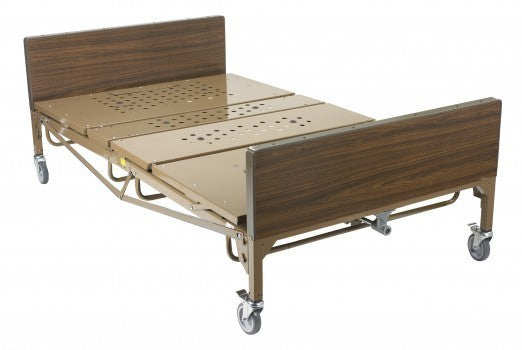
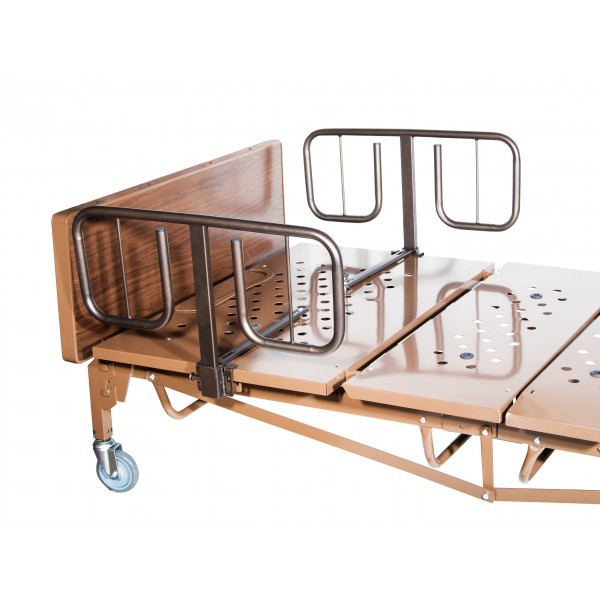
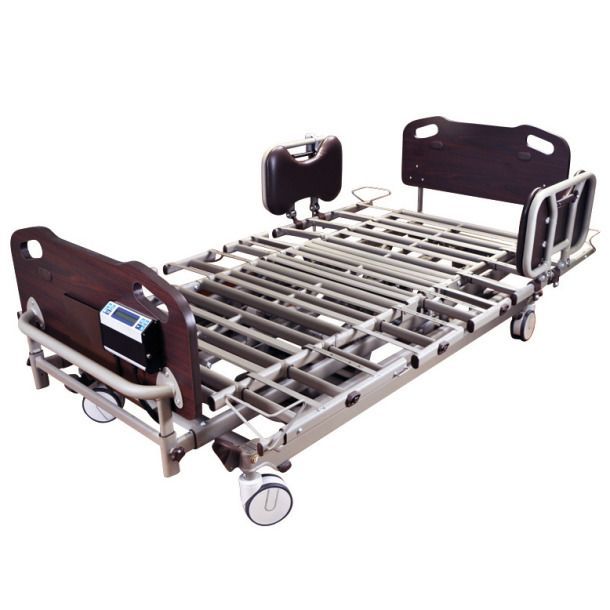
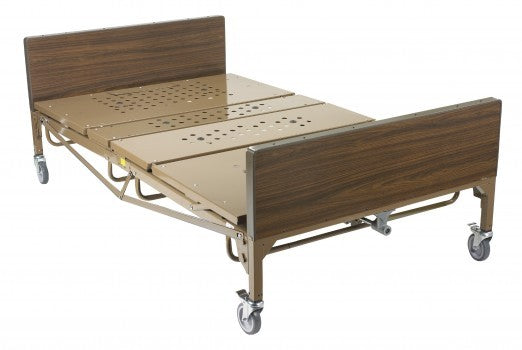
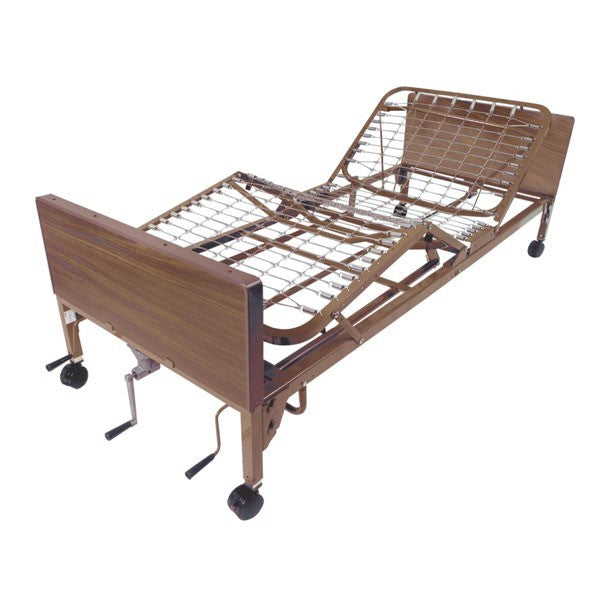
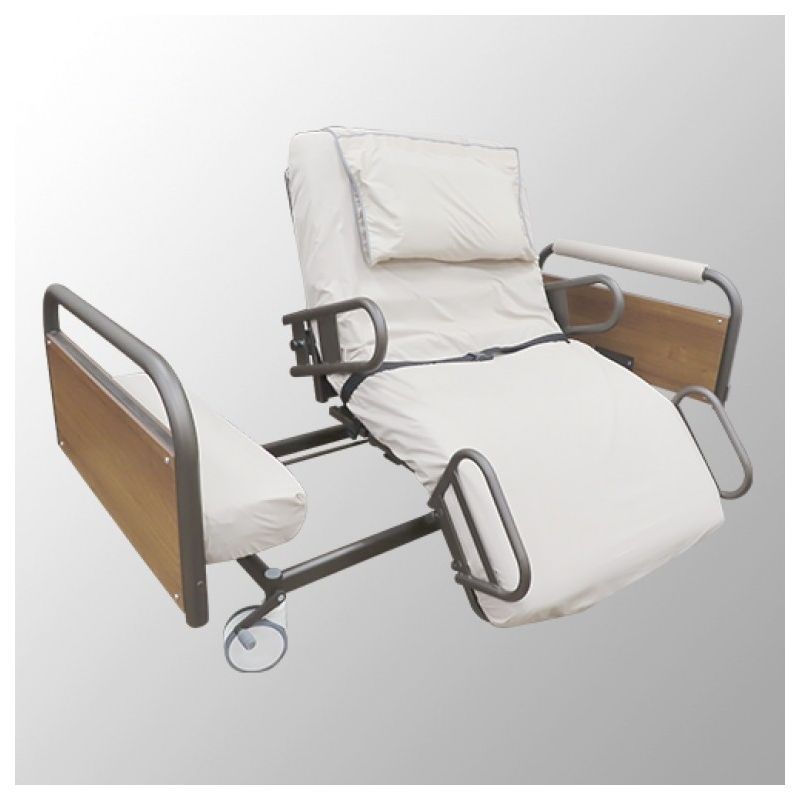
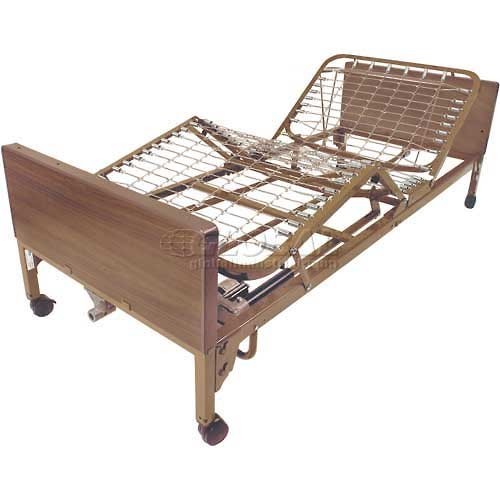
- Adjustable bed positioning: Use your bed's incline function to bring yourself to a semi-upright position before attempting to stand. This lets blood pressure stabilize and reduces dizziness.
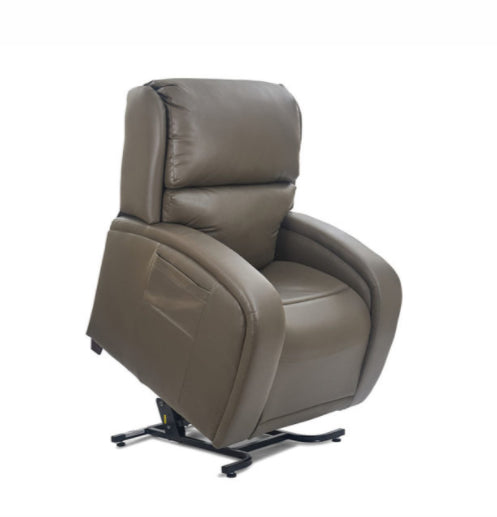
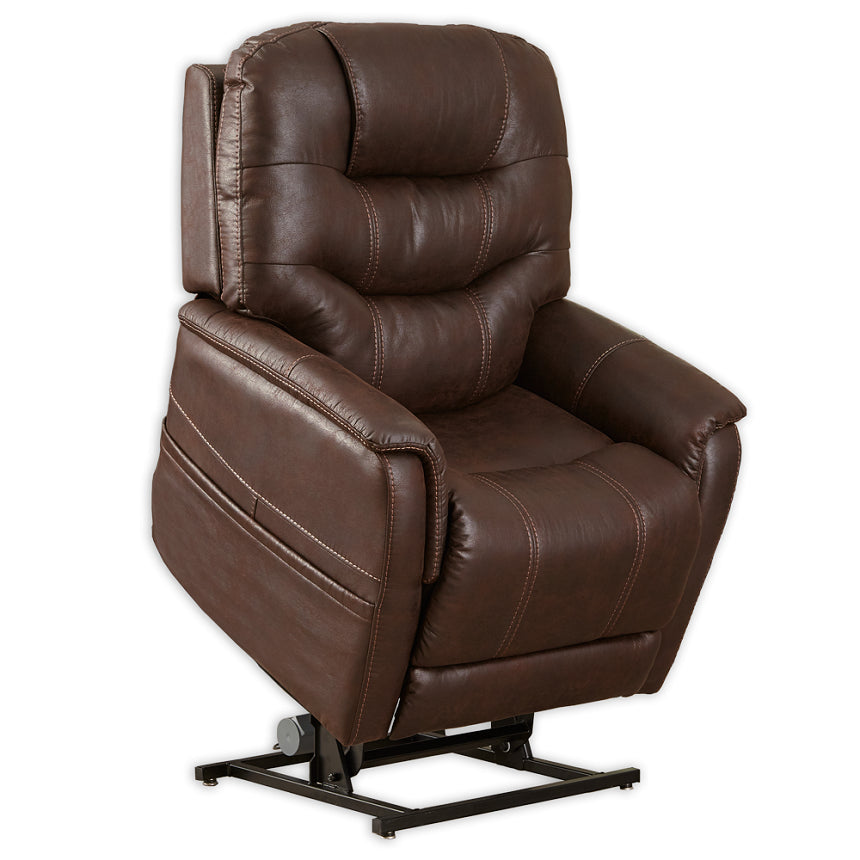
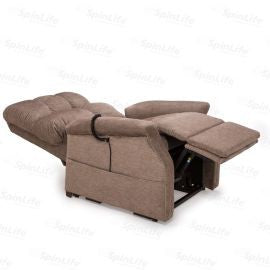
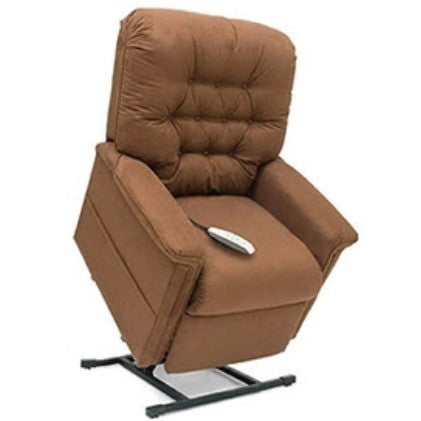
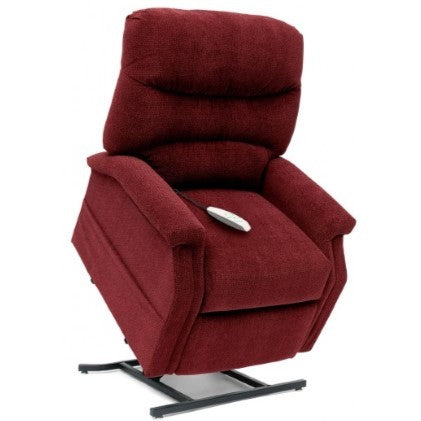
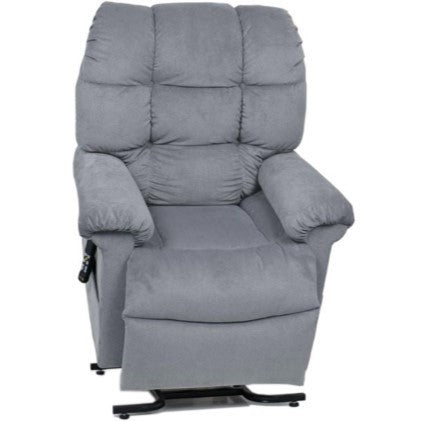
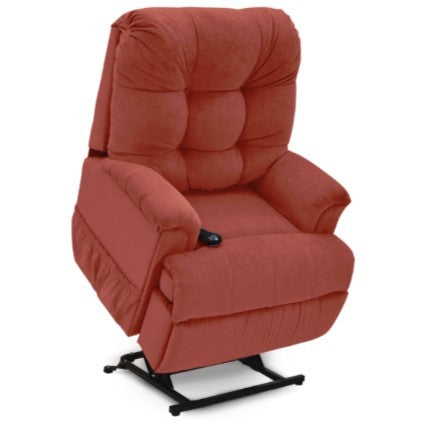
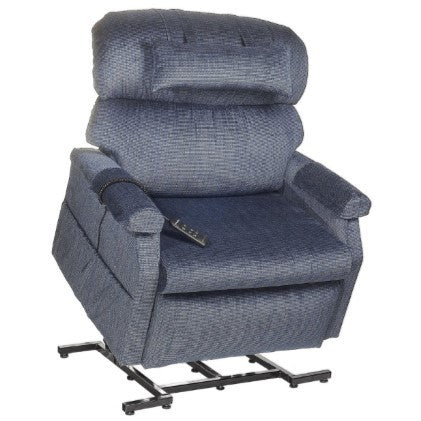
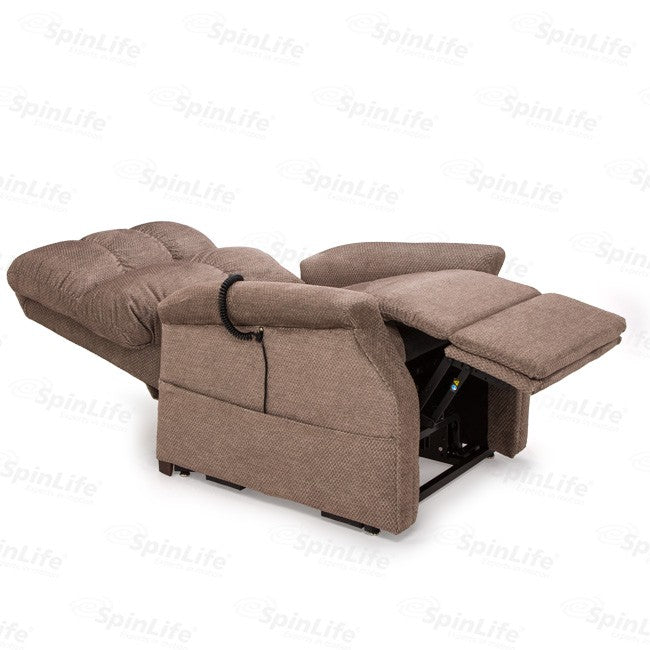
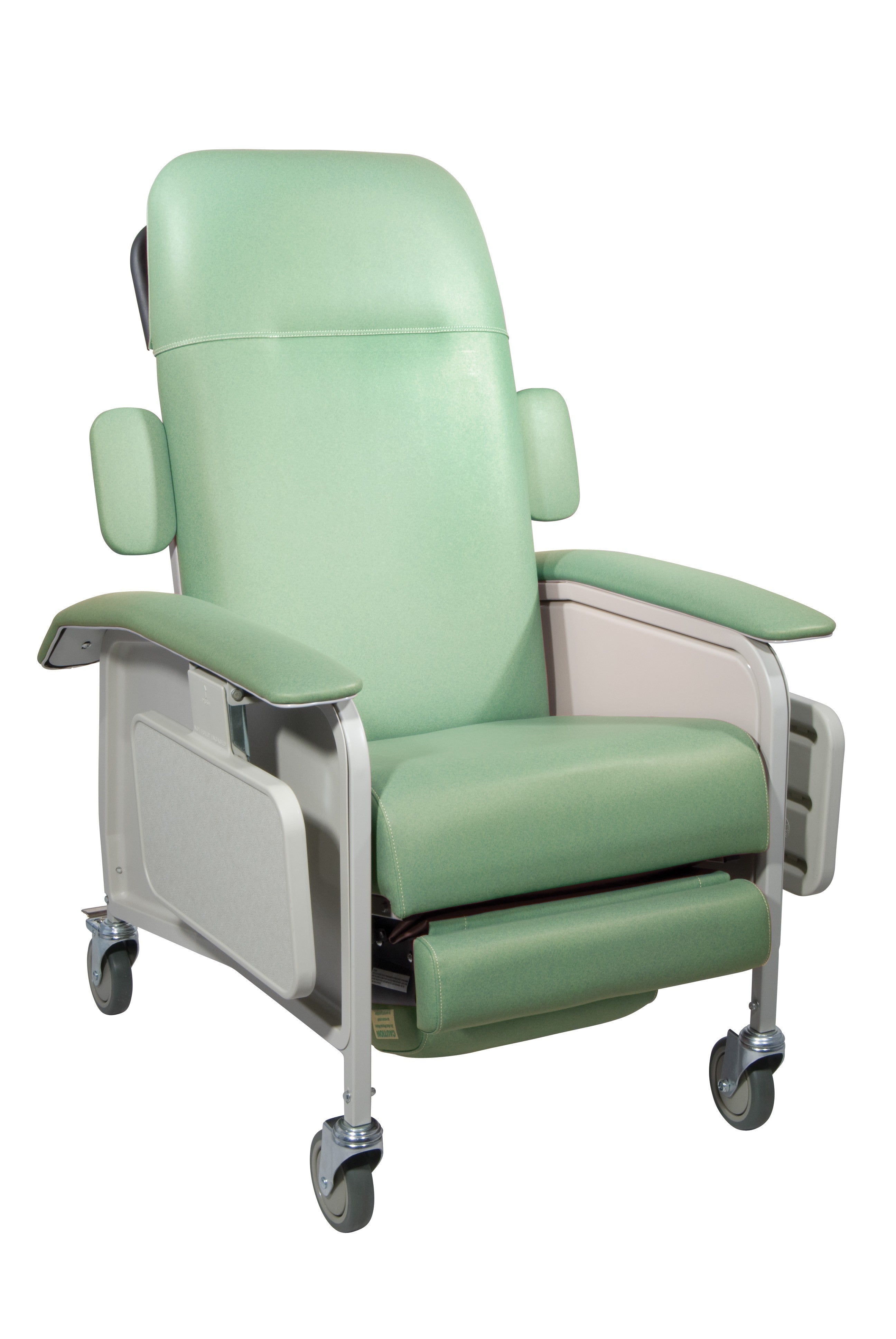
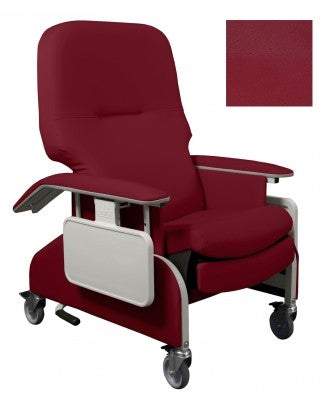
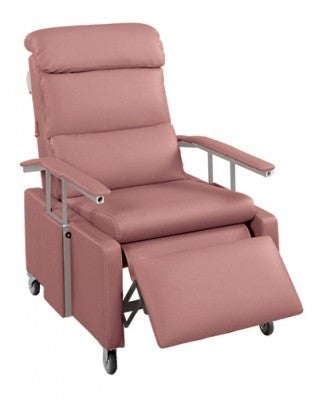
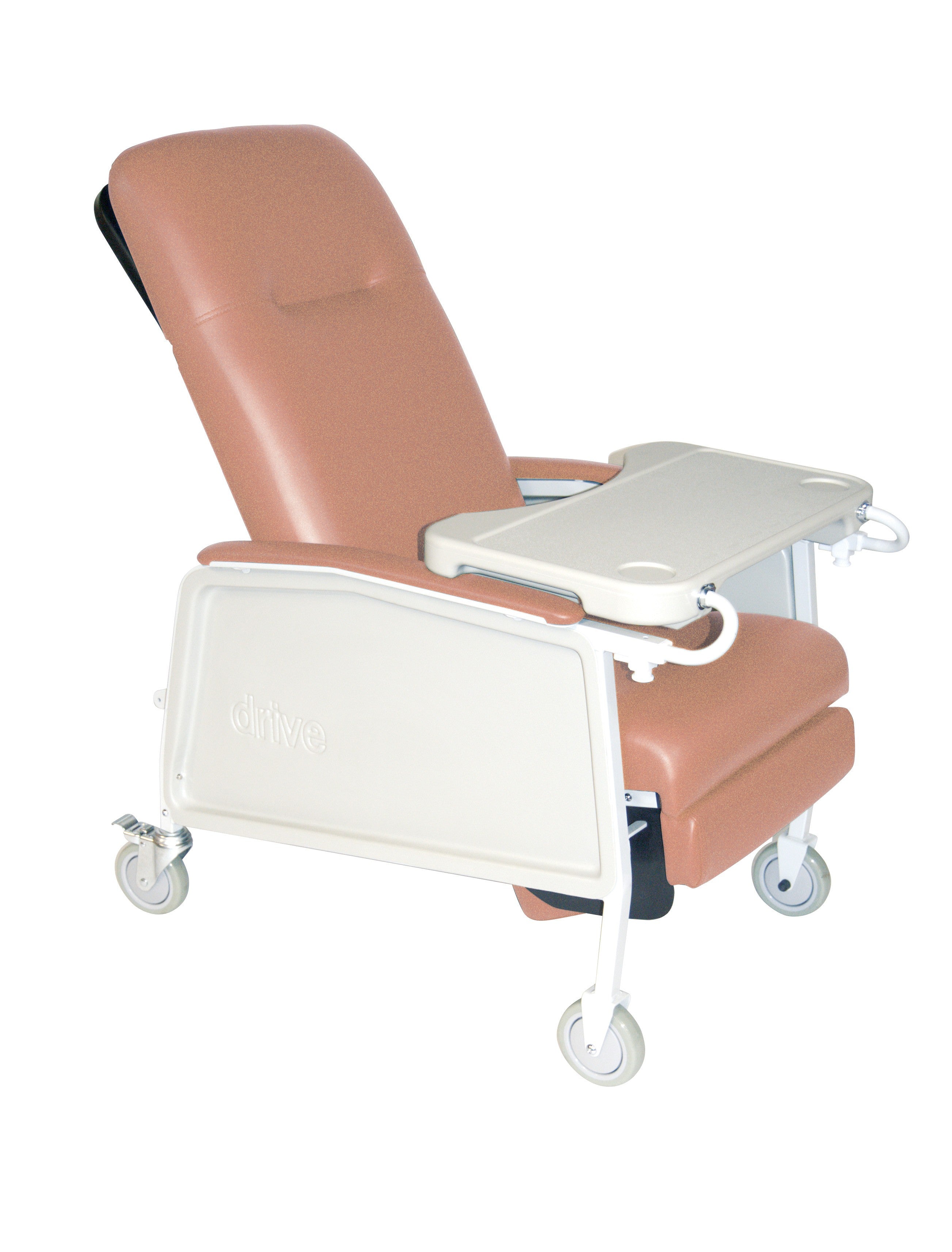
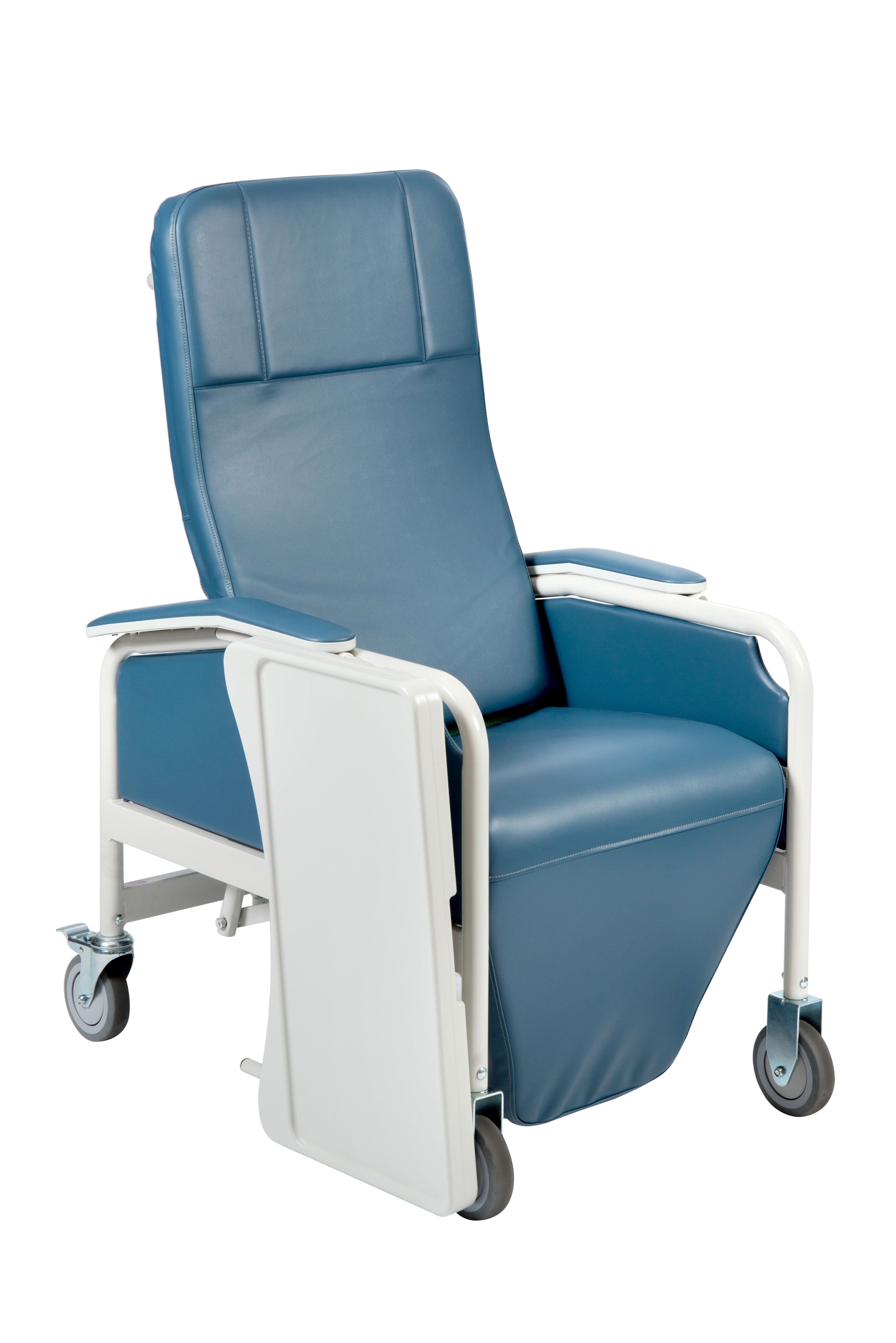
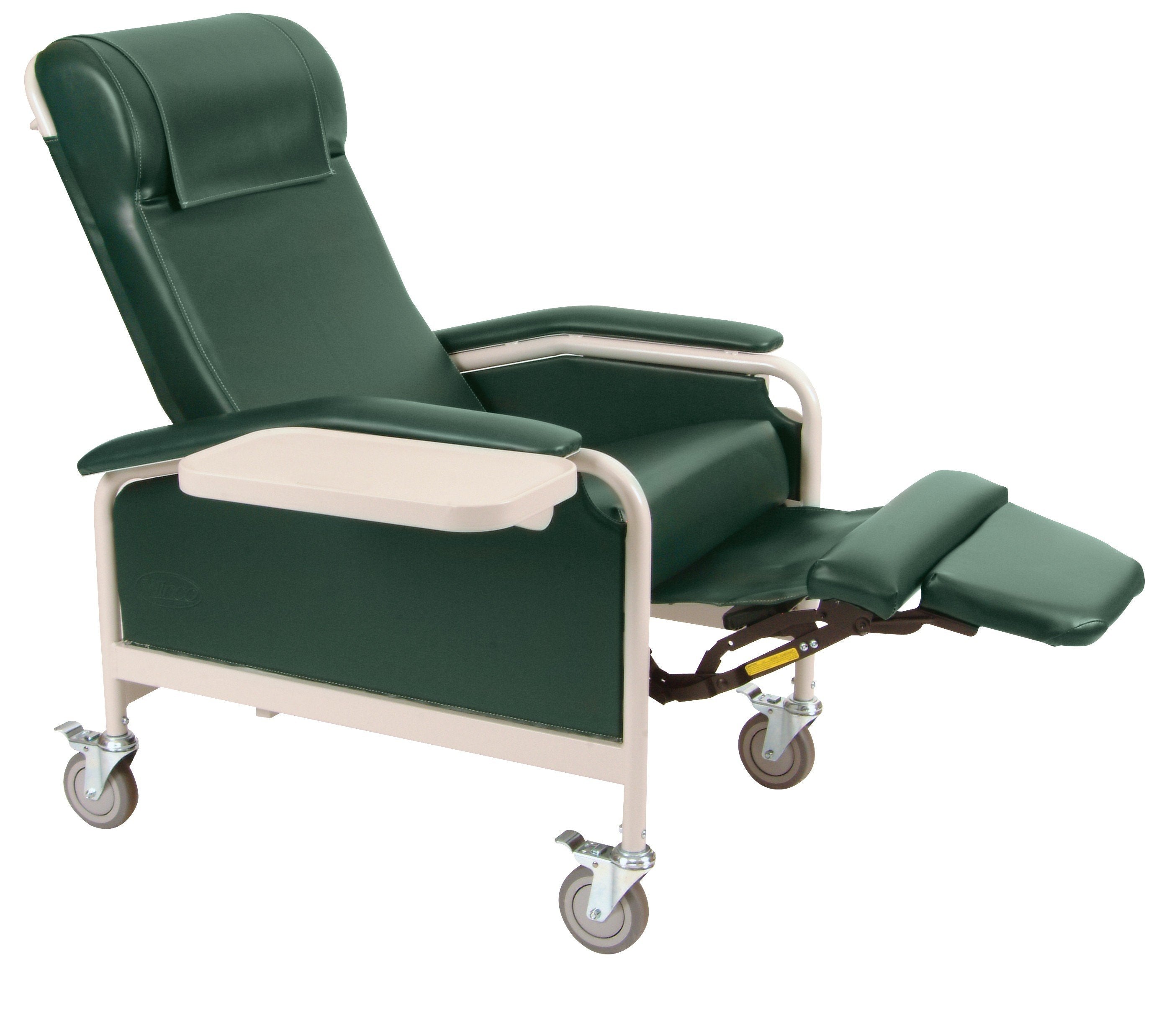
- Lift chair transition: Transfer to your lift chair, which should be positioned within easy reach of the bed. Use the power-lift function to move from seated to standing without straining your legs, back, or a caregiver's body. The chair does the heavy lifting for you.
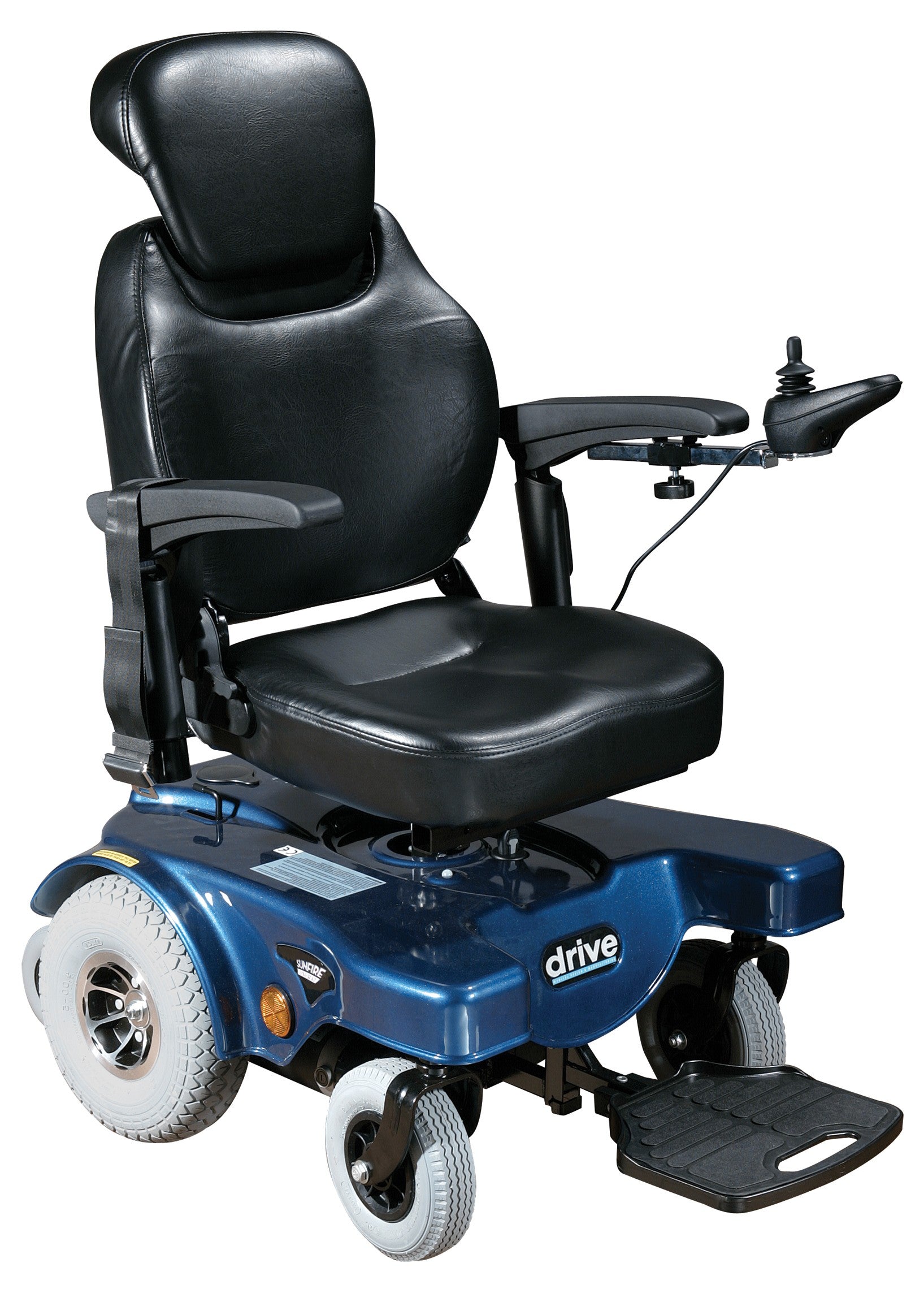
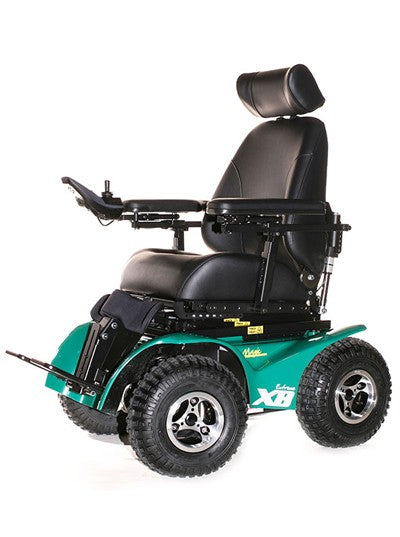
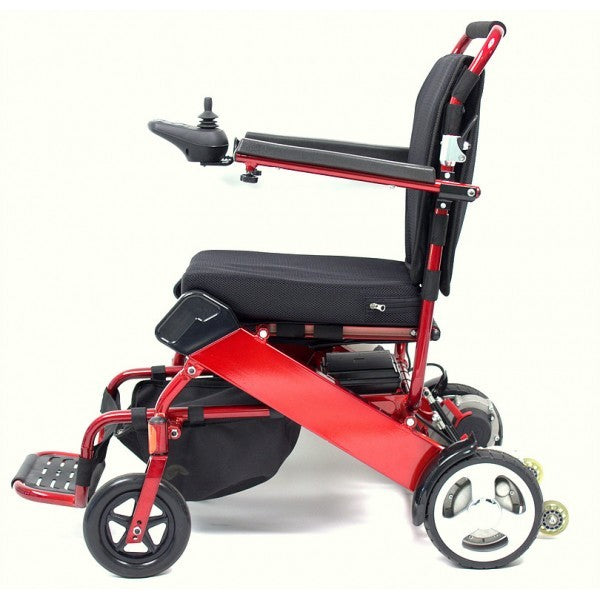
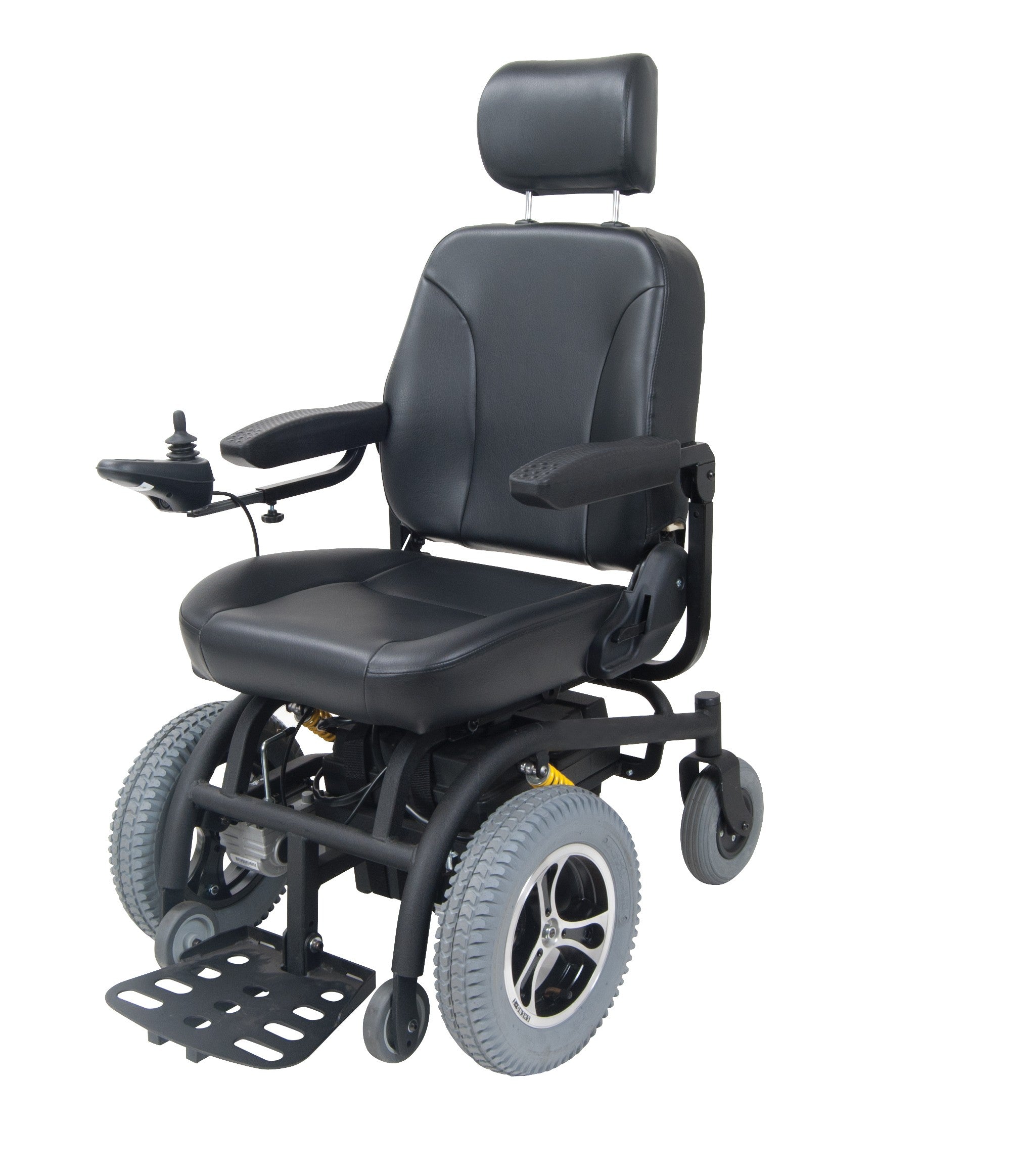
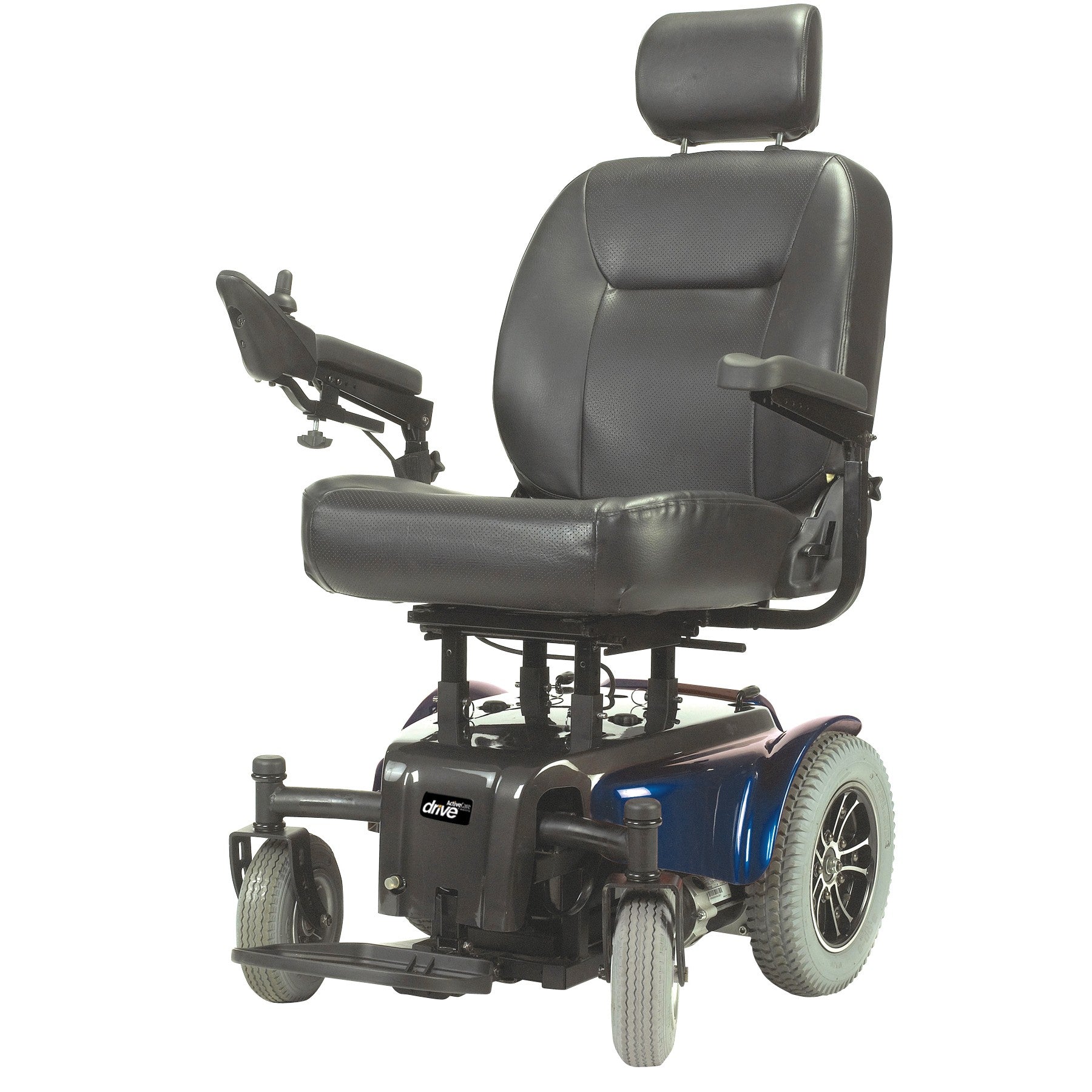
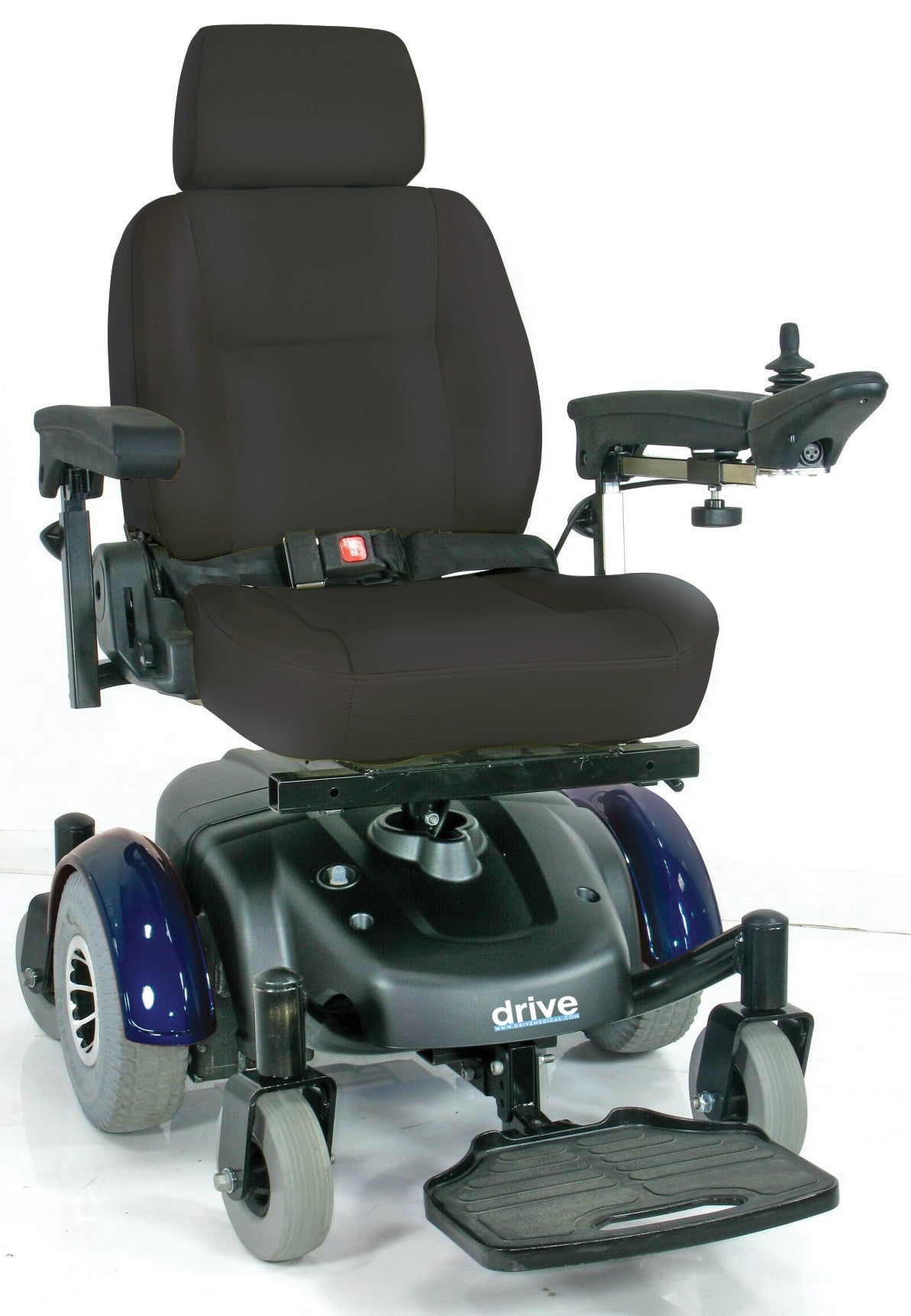
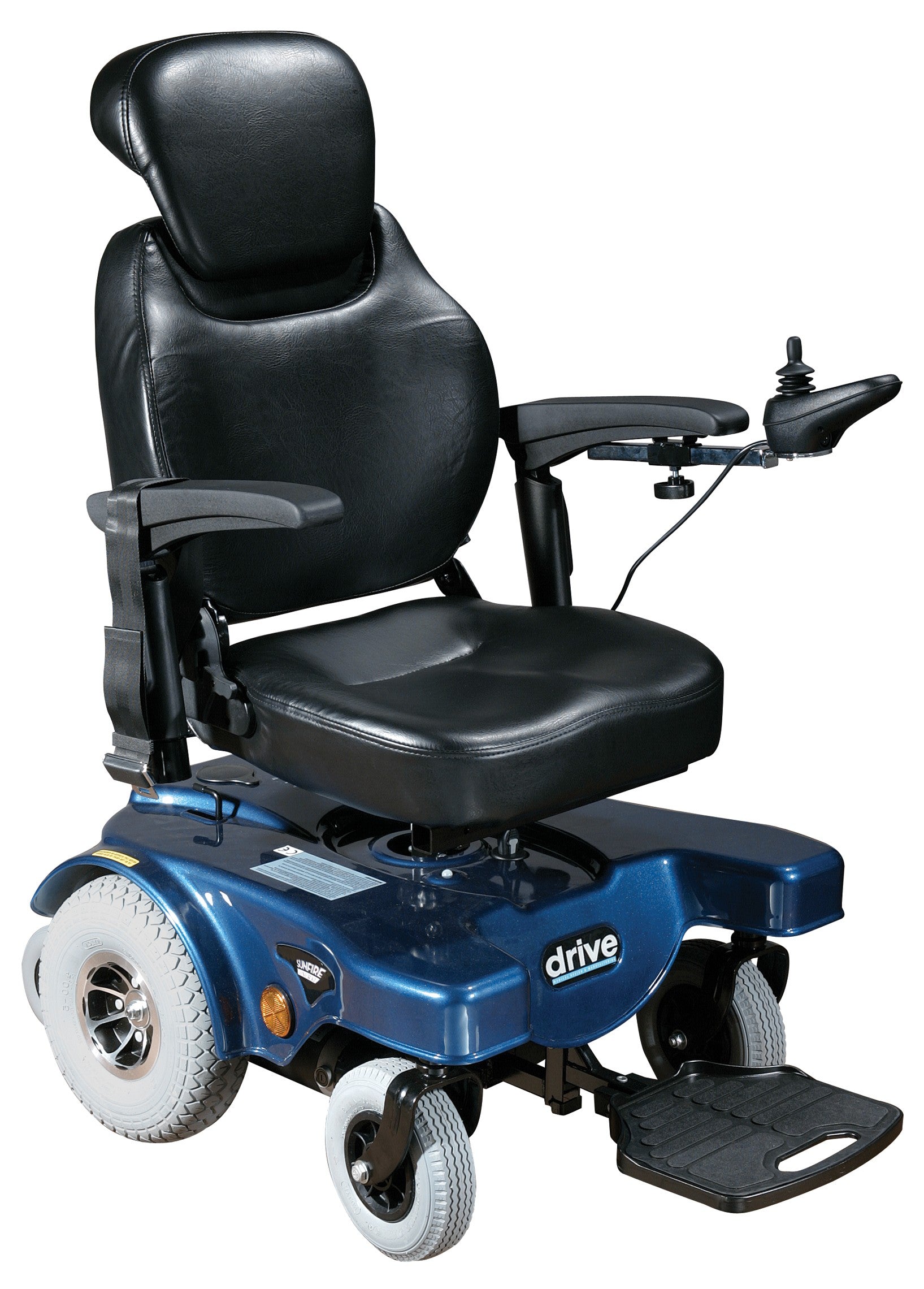
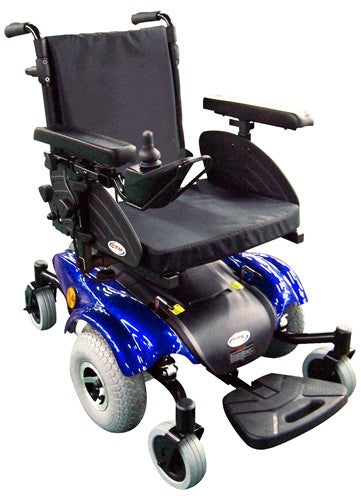
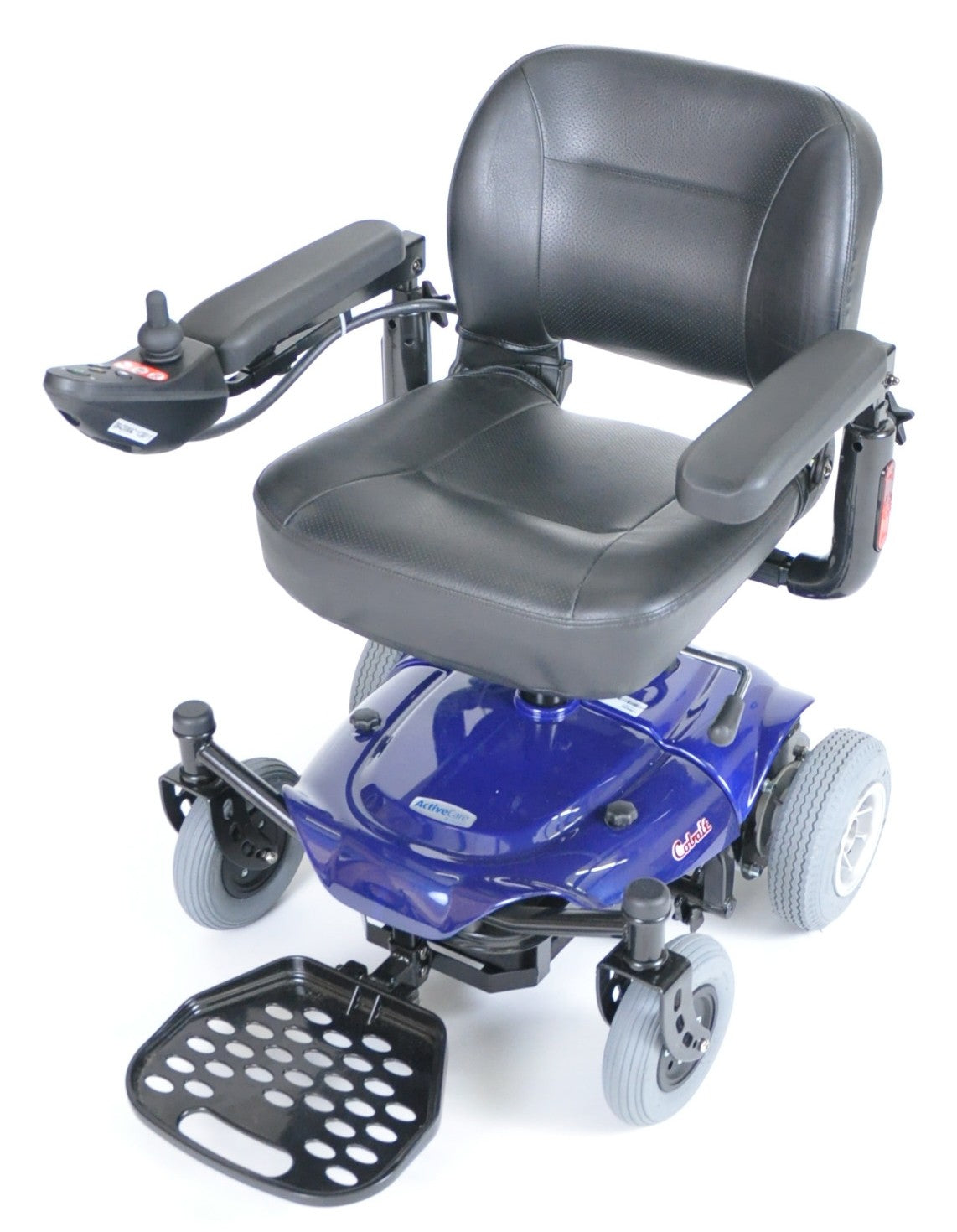
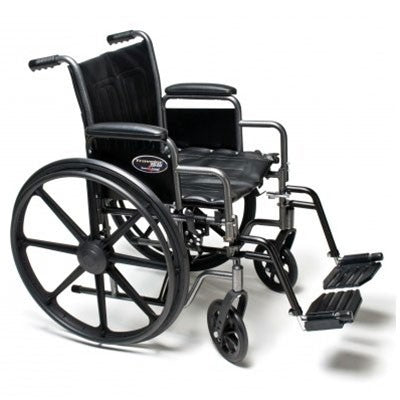
- Power wheelchair for indoor navigation: Once standing, settle into your power wheelchair for moving through the house. Joystick-controlled power chairs are especially well-suited for mornings because they require minimal grip strength, making them ideal for users with arthritis, tremors, or stiffness that hasn't loosened up yet.
One practical tip that makes a big difference: charge your power wheelchair overnight. Plug it in as part of your bedtime routine so it's at full battery every morning. Think of it the same way you'd charge your phone. A dead battery at 7 a.m. can derail your entire day before it starts.
This morning sequence, repeated consistently, builds muscle memory. Within a few weeks, what felt awkward becomes automatic, and that predictability is what keeps you safe.
Midday Momentum: Errands, Activities, and Social Engagement
Midday is typically when energy levels peak. This is the time to align outdoor errands, appointments, and social activities with your mobility equipment use.
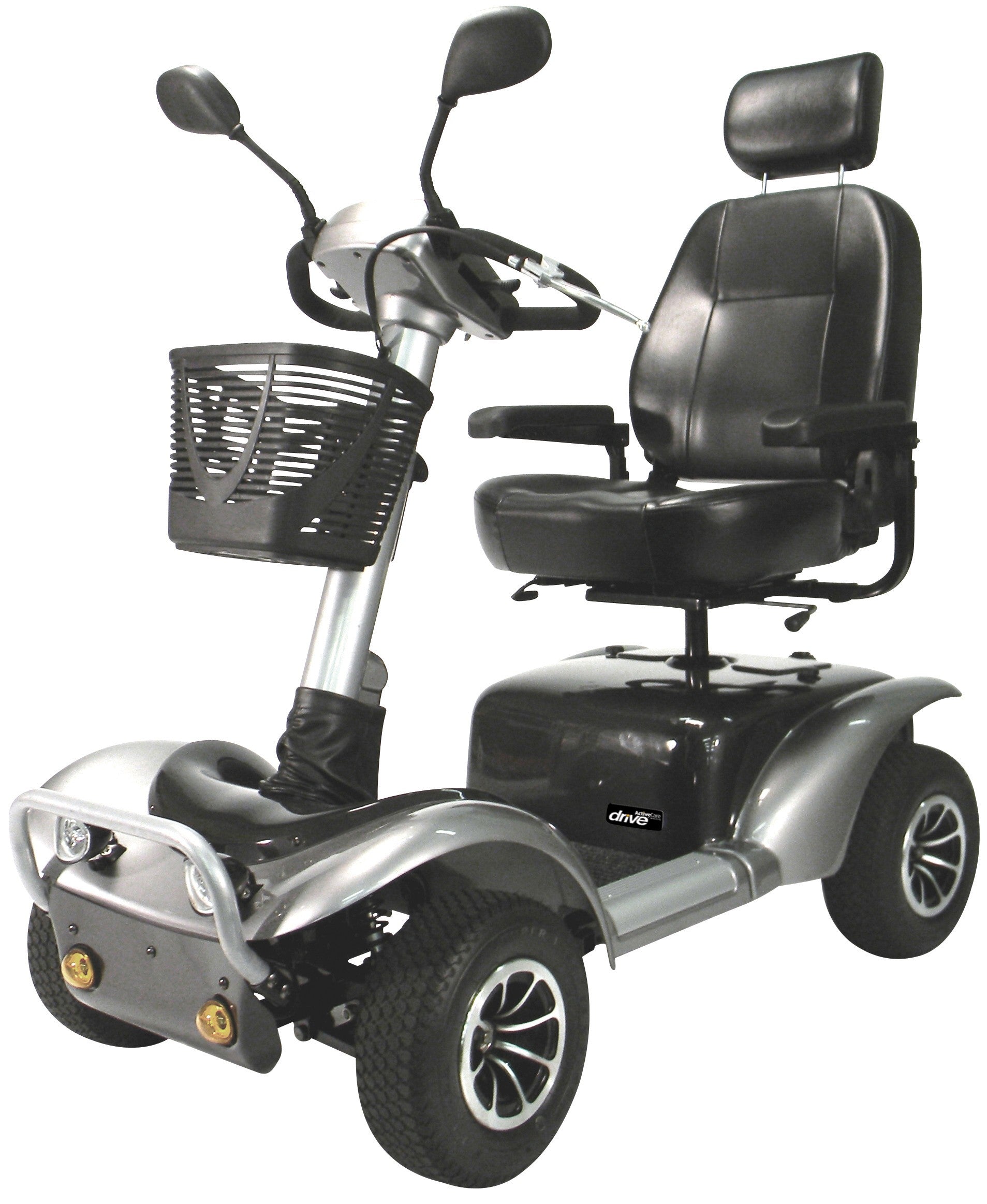
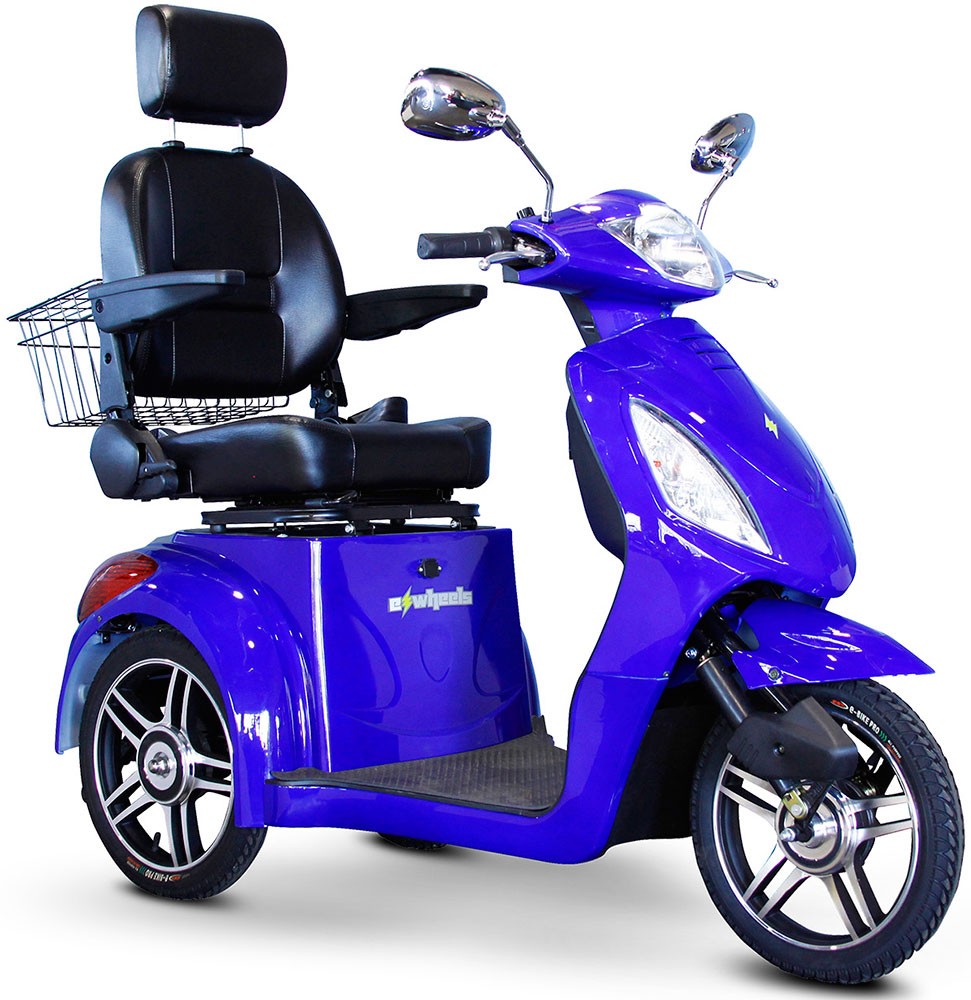
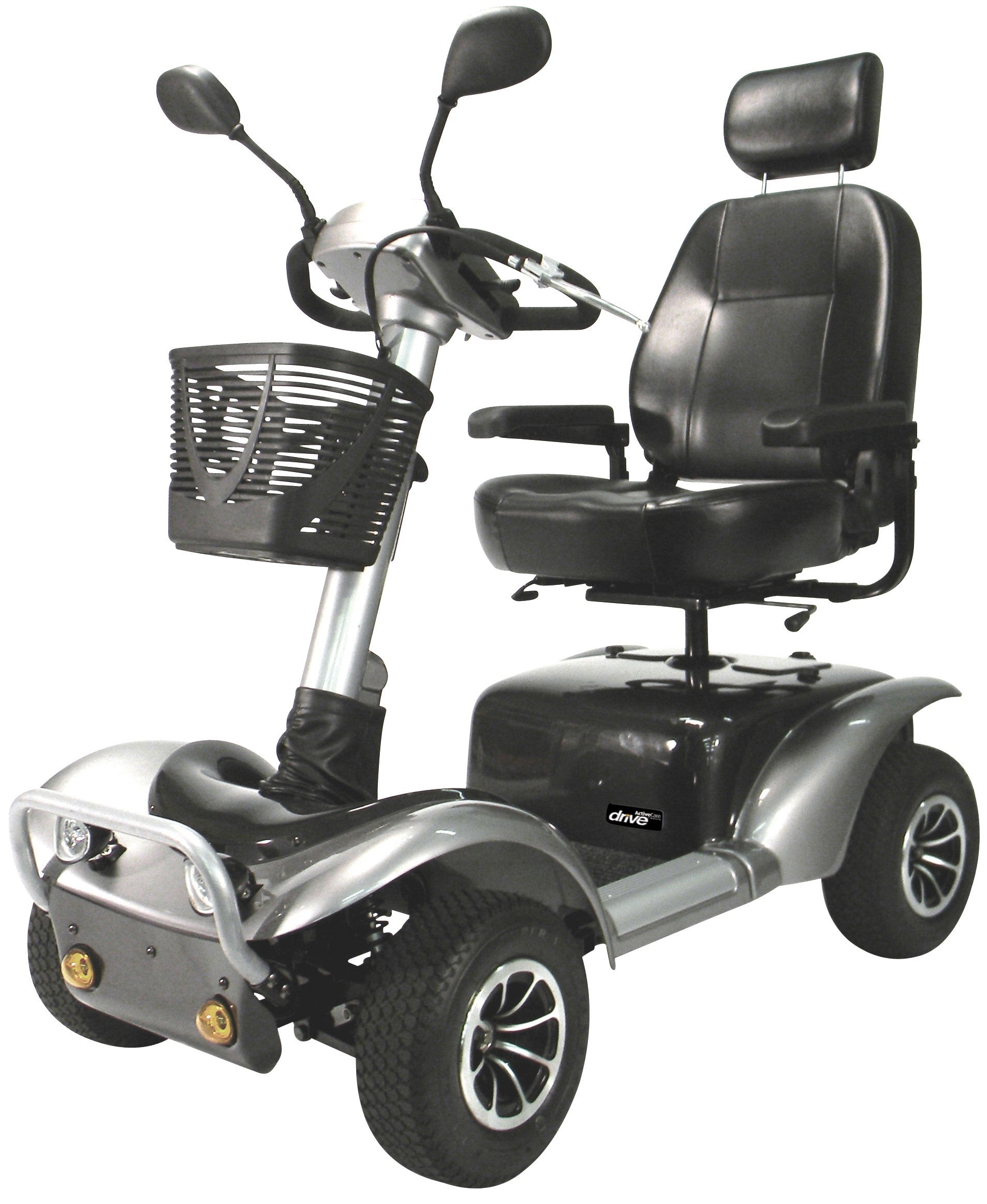
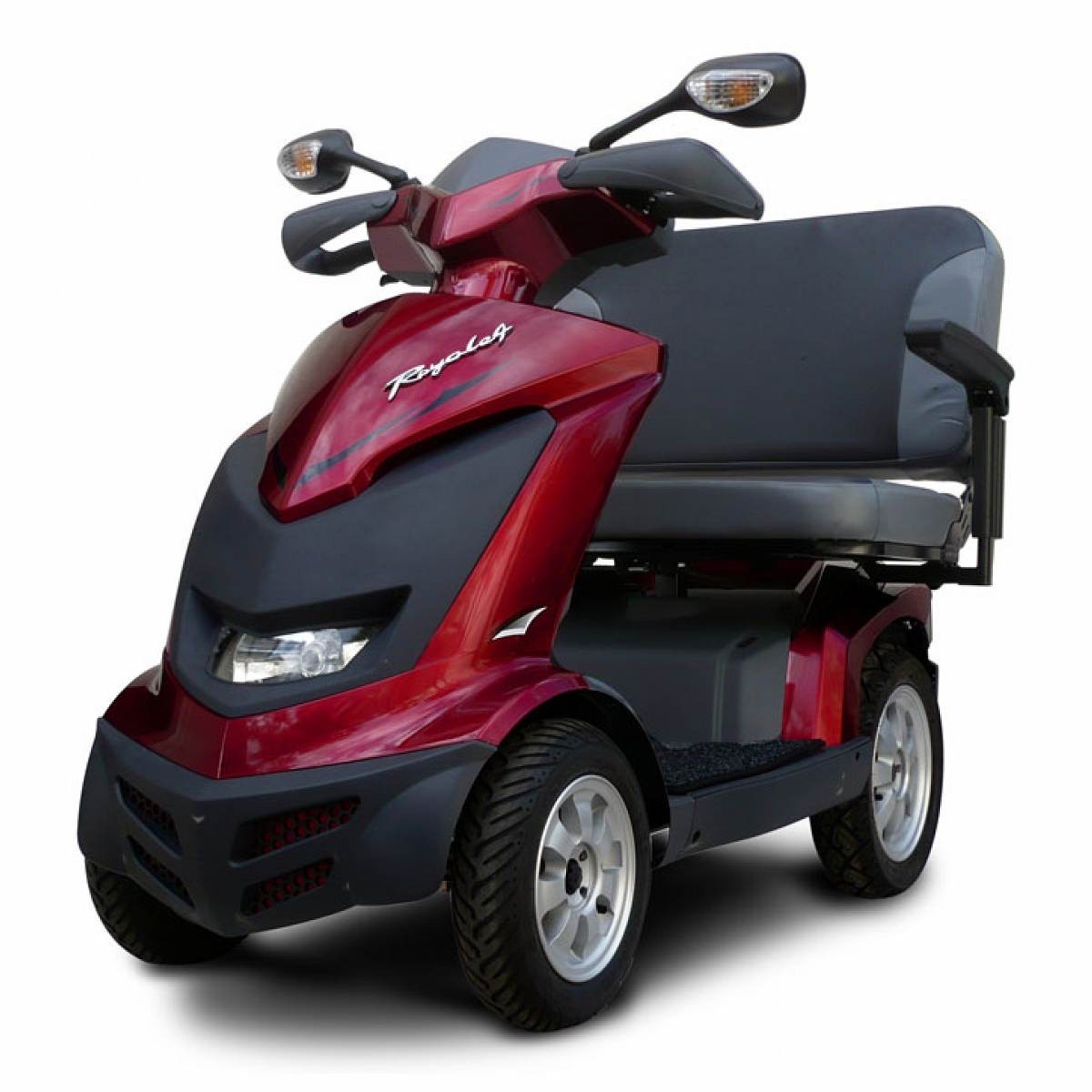
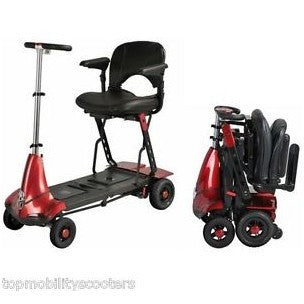
If you're heading out, the choice between a mobility scooter and a power wheelchair matters. Scooters use tiller-style steering, which requires reasonable arm and shoulder strength. If you have solid upper-body control, a scooter is a great option for grocery runs, neighborhood outings, or visiting friends. For users with limited upper-body strength, a joystick-controlled power wheelchair provides the same freedom without the physical demand of steering handlebars.
The data supports getting out: more than 65% of seniors using mobility aids report higher satisfaction with their independence and quality of life. And this isn't just about physical health. Over 40% of older adults report feeling lonely, and structured outings, even short ones, combat social isolation directly. Building a midday errand or social visit into your routine gives you something to look forward to and a reason to stay engaged.
When planning outings, think about battery range. Modern lithium and graphene-based batteries can last up to 48 hours on a single charge, but terrain, inclines, and speed all affect range. Plan your route, know your battery level, and give yourself a comfortable margin.
For users who need reinforced support, bariatric scooters and power wheelchairs are built with frames rated for 400 to 500 pounds, wider seats up to 24 inches, and enhanced suspension systems. These aren't specialty items; they're standard options designed for comfort and daily use.
Afternoon Reset: Smart Equipment and Caregiver-Inclusive Routines
The afternoon is your reset window. Energy may dip after midday activity, and this is the ideal time to recharge, both yourself and your equipment.
One of the most useful developments in recent mobility aids is smart technology integration. Many 2025 and 2026 models include built-in digital assistants that can prompt medication reminders, flag upcoming appointments, and guide you through routine check-ins. These features turn your mobility device into more than a way to get around; they become a daily planning tool.
For caregivers, a structured afternoon routine is especially valuable. When equipment supports the user's independence, caregivers can step back from constant hands-on assistance and focus on companionship, meal preparation, or higher-level support. The home care segment now accounts for 66.6% of the powered mobility devices market, reflecting a clear shift toward user-led independence at home.
Consider building an afternoon checklist:
- Plug in your scooter or power chair to charge for the next day
- Review tomorrow's schedule using your digital assistant or a simple written planner
- Complete any remaining indoor mobility tasks while energy is still available
Occupational therapists consistently emphasize that adaptive equipment is designed to support dignity and independence, not create dependency. Your afternoon routine should reflect that philosophy. Use the equipment to do what you can, rest when you need to, and let caregivers handle the things that genuinely require their help.
Evening Wind-Down: Ending the Day Safely and Confidently
A good evening routine mirrors the morning in reverse. Transition from your power wheelchair to your lift chair for relaxed seated rest, whether that's watching television, reading, or spending time with family. When you're ready for bed, use the lift chair's standing assist to move safely to your adjustable bed.
There's a psychological dimension here that matters. Ending the day having completed a full routine, from morning transfer to midday outing to evening wind-down, builds real self-efficacy over time. About 14.75% of adults aged 70 and older live with anxiety or depression, conditions strongly tied to mobility loss. A successful daily routine actively counters those feelings by proving, day after day, that you can do this.
Set a consistent bedtime charging schedule for all powered devices. Power wheelchair, scooter, adjustable bed controller: plug them in at the same time every night. It takes 30 seconds and guarantees everything is ready for tomorrow morning.
Routines don't need to be perfect from day one. Familiarity with your equipment grows over time, and with it, anxiety and fear of falling decrease progressively. If your health changes, if you have surgery, or if you experience a fall, revisit your routine with an occupational therapist. Adjustments are normal and expected.
How to Personalize Your Routine: Matching Equipment to Your Life
No two routines are identical. Your physical ability, home layout, transportation needs, and caregiver support all shape what your day should look like. A person living in a single-story home with wide doorways will have a very different routine than someone navigating a multi-level house with narrow hallways.
Before selecting or adjusting equipment, map out a typical day. Ask yourself:
- Where do I spend most of my time indoors vs. outdoors?
- What turning radius do I need for my hallways and doorways?
- What terrain will I encounter outside?
- When during the day do I have the most and least energy?
Occupational therapist assessments are the gold standard for personalization. OTs evaluate physical abilities, cognitive function, and environmental factors together, then recommend specific equipment and home modifications like ramps, grab bars, and adjusted lighting.
Keep in mind that routines shift with the seasons. Spring and summer may mean more outdoor scooter use, while winter often calls for greater reliance on an indoor power chair. Plan accordingly, and don't hesitate to adjust.
If you want help matching equipment to your specific daily routine, our live US-based product specialists are available six days a week by phone. They've been doing this for over 22 years and can walk you through exactly what fits your life.
Your Routine Is Your Independence
A structured daily routine built around your mobility equipment is the practical bridge between buying a device and living independently. It turns a lift chair from furniture into a safety tool, and a power wheelchair from a purchase into a daily companion.
The confidence arc is real. Morning hesitation gives way to evening empowerment, and every day the routine gets a little easier and more natural. Over 90% of seniors want to age in place, and the right routine makes that goal achievable.
At American Quality Health Products, our specialists are ready to help you match the right equipment to your daily routine. With over 22 years of experience, a Lowest Price Guarantee, and free shipping on orders over $100, we're here to help you build your independence plan. Give us a call or browse our site to get started today.


