

The Three Specs That Actually Determine If a Scooter Works for Your Life
Most buyers start their mobility scooter search by comparing speed and price. That's understandable, but it skips the specs that actually determine whether a scooter fits your daily life. Weight capacity, range, and ground clearance are the three numbers that matter most, and they're the three most often misunderstood.
Manufacturer spec sheets are built to sell scooters, not to give you an honest picture of real-world performance. The numbers listed are best-case figures, tested under ideal conditions that rarely match how you'll actually use the scooter.
These three specs are also interconnected, not independent. Getting one wrong can throw off the other two. This guide gives you the honest framework that manufacturers rarely provide, so you can buy with confidence instead of guesswork.
Weight Capacity: What the Number on the Label Doesn't Tell You
The weight capacity printed on a scooter's spec sheet is the absolute maximum load under ideal conditions. It is not the weight at which the scooter performs well. There's a meaningful difference, and it catches buyers off guard constantly.
Think of it this way: a scooter rated for 300 lbs enters what we call the "performance degradation zone" well before that limit. According to Polaris Mobility, significant performance decline typically begins at 85–90% of rated capacity. That means a 300 lb scooter may start struggling noticeably above 255–270 lbs.
Here's the part almost everyone gets wrong: total load is not the same as body weight. You need to add everything the scooter carries — oxygen tanks, medical bags, groceries, a winter coat, a purse or backpack. As noted by Electric Wheelchairs USA, buyers must factor in all accessories and cargo, not just their own weight. Most people underestimate their actual load by 15–25%.
Our recommendation: build in at least 20–25% headroom above your estimated total load. If your body weight plus typical cargo totals 250 lbs, look for a scooter rated at 310 lbs or higher. That buffer keeps you in the optimal performance range, protects the motor and drivetrain from excess strain, and extends the scooter's overall lifespan.
Exceeding capacity doesn't just reduce performance. According to Moving Life, it strains the motor and components, creates safety risks, and shortens the product's useful life significantly.
Standard scooters typically max out at 250–300 lbs. True bariatric models, as outlined by Living Spinal, start at 400 lbs and extend to 600 lbs or more. With 4 in 10 US adults living with obesity, many buyers need bariatric specs without realizing it.
The Bariatric Blind Spot: Why Standard Specs Fail More Buyers Than You'd Think
The numbers tell a clear story. According to the CDC's NCHS Data Brief No. 508, 40.3% of US adults have obesity, and 9.4% have severe obesity (BMI of 40 or higher). The highest rates of severe obesity — 12.0% — fall in the 40–59 age group, a demographic that overlaps heavily with mobility scooter buyers.
Yet most buying guides default to 250–300 lb "standard" specs without flagging the performance degradation that kicks in near those limits. This creates a blind spot: buyers who weigh 230 lbs think a 300 lb scooter gives them plenty of room. Once you add cargo and apply the performance degradation zone, the math doesn't work.
Bariatric scooters are not a niche product. They are the right fit for a large and growing segment of buyers who may not think of themselves as needing one. At American Quality Health Products, we carry bariatric and heavy-duty models across multiple capacity tiers, and our US-based product specialists can help you identify exactly which capacity range fits your situation.
Range: Why the Advertised Miles Are Almost Never the Miles You'll Get
Manufacturer range claims are based on ideal lab conditions: flat terrain, moderate temperature, a lighter rider, and a fully charged new battery. According to DealsnBuy, these conditions rarely reflect how people actually use their scooters.
The real-world gap is significant. TYCORUN reports that actual range is typically 20–40% lower than advertised, once you account for terrain, slopes, weather, speed settings, and rider weight.
Here's the compounding effect that almost no one mentions at point of sale: heavier riders don't just need higher weight capacity. They also experience meaningfully shorter range than the spec sheet shows. A scooter rated for 15 miles with a 180 lb rider on flat ground may deliver only 9–10 miles for a 280 lb rider on mixed terrain. That's a double impact from a single variable.
Battery age adds another layer. According to Stechford Mobility, lead-acid batteries last roughly 12–24 months before range reduction becomes noticeable. Lithium-ion batteries hold up better over time, but cold temperatures still reduce their efficiency temporarily, as noted by Hiboy.
The takeaway: plan for year-two and year-three range, not just day-one performance. If you need to travel 10 miles reliably, look for a scooter rated for at least 15–17 miles under ideal conditions, then factor in your weight and typical terrain. That buffer protects you as batteries age and conditions change.
Ground Clearance: An Everyday Problem, Not Just an Off-Road One
Most people think ground clearance only matters for grass or gravel. That's a misconception. Cracked sidewalks, parking lot lips, door thresholds, ADA ramp transitions, and driveway edges are obstacles most scooter users encounter every single day. Ground clearance determines whether you roll over them smoothly or get stuck.
According to RestoreMobility, here's the clearance spectrum:
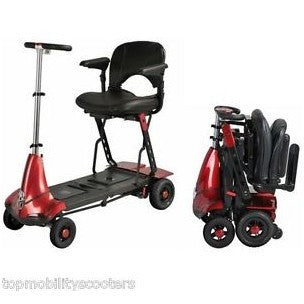
- Travel/folding scooters: 1.5–3 inches (flat, smooth surfaces only)
- Mid-size models: 2.5–4 inches (light rough terrain like gravel or grass)
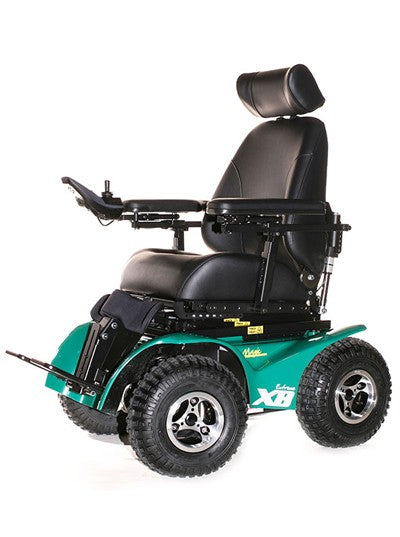
- All-terrain models: 5+ inches for reliable outdoor use
The clearance number alone doesn't tell the whole story. Two scooters with identical listed clearance can perform very differently depending on suspension design. Full suspension absorbs obstacles that a rigid chassis simply cannot handle, making suspension type just as important as the clearance number itself.
We recommend what we call the terrain-first selection principle: spec for the hardest surface you ride on regularly, not the average surface. Even if rough terrain represents only 20% of your trips, that 20% is where you'll get stuck, tip, or bottom out. As Hoverfly recommends, match your scooter to your worst-case scenario.
There's a useful connection here: heavier-duty scooters tend to have higher ground clearance as a natural byproduct of their larger chassis, wheels, and suspension systems. Weight capacity and ground clearance are linked specs, not separate decisions.
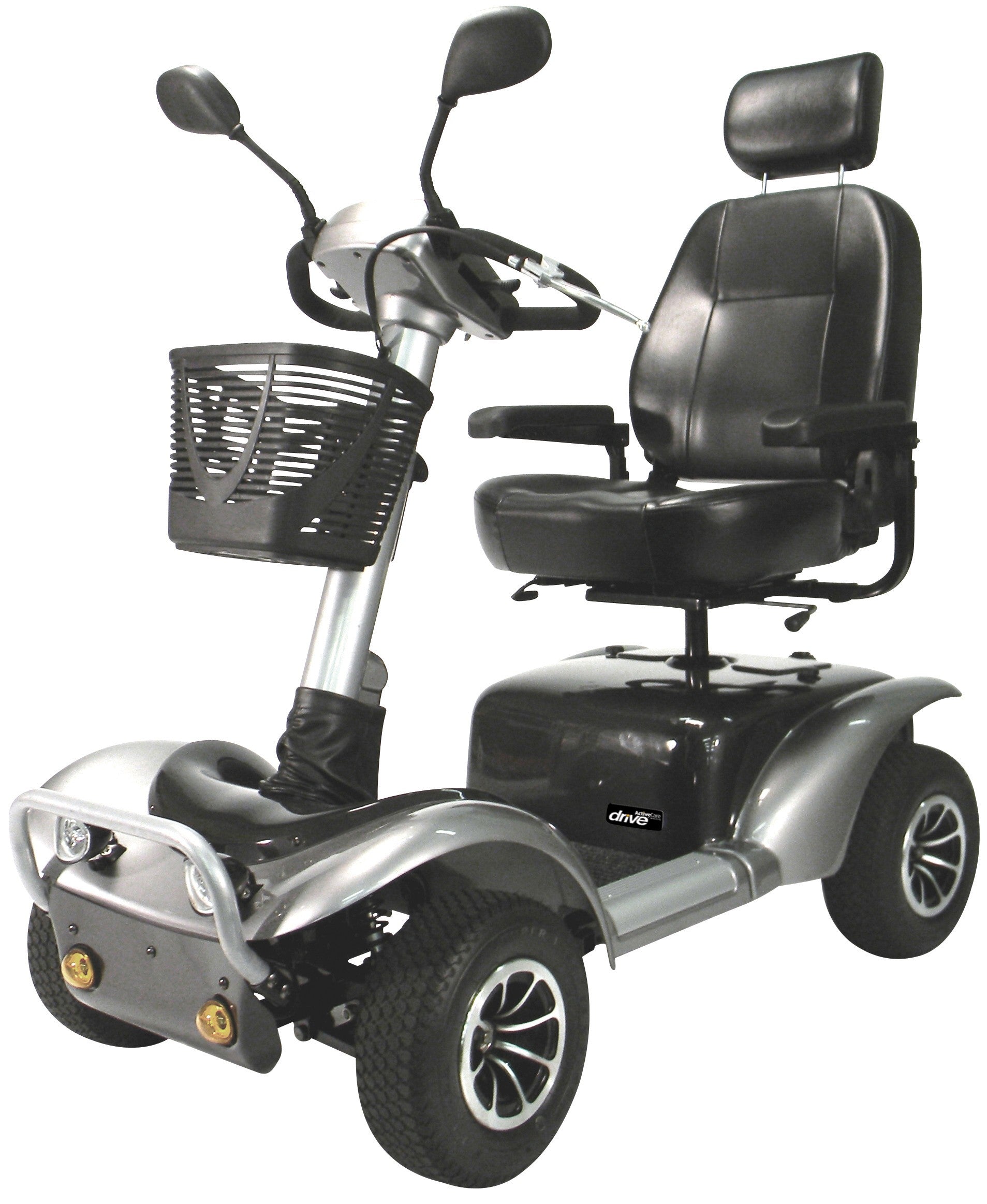
It's also worth noting that four-wheel models account for roughly 57–58% of market demand in US residential use, according to Mordor Intelligence and Business Research Insights. They offer greater stability, but a longer wheelbase can affect maneuverability around tight, real-world obstacles like narrow store aisles or sharp ramp turns.
How These Three Specs Work Together — and How to Use Them
These specs don't exist in isolation. A buyer who needs high weight capacity will typically benefit from the higher ground clearance and stronger motor that come standard with heavy-duty chassis designs. That's a built-in advantage, but only if you recognize the connection upfront.
Range is directly affected by both weight and terrain. A buyer who needs high capacity and rides on varied surfaces must apply the largest range buffer of all. Skimping on any one of these specs creates a domino effect on the others.
Use this simple three-question framework before you shop:
- What is my total load, including cargo? (Add body weight plus everything you carry regularly, then apply a 20–25% buffer.)
- What is the hardest surface I will ride on regularly? (Spec for that surface, not the easy ones.)
- How far do I need to travel on a single charge in year two, not just year one? (Account for battery degradation over time.)
Getting these three answers right leads to better independence, a longer scooter lifespan, and greater safety. The right scooter fits your life, not just your budget.
With over 25 years of experience and more than 5,000 verified customer reviews, American Quality Health Products' US-based product specialists are available six days a week to walk you through exactly these questions. We also offer a lowest-price guarantee and financing options, so the right scooter is within reach.
Make the Right Call Before You Buy
The spec sheet is a starting point, not the full picture. Weight capacity, range, and ground clearance each require interpretation beyond the listed number. The advertised figure tells you what's possible under perfect conditions. Your job is to figure out what's realistic under yours.
Buy for your worst-case scenario, not your average day. Calculate your total load honestly. Identify the most challenging terrain you'll encounter regularly. Plan for long-term range, not just what you'll get on day one with a fresh battery.
The right information leads to the right scooter. And the right scooter leads to greater independence. That's what Moving You Forward is all about.
Sources
- Living Spinal — Bariatric Mobility Scooters
- CDC NCHS Data Brief No. 508 — Obesity and Severe Obesity Prevalence in Adults
- TYCORUN — How Long Does an Electric Scooter Battery Last Per Charge?
- Hiboy — Real Range vs. Advertised Range
- Mordor Intelligence — Mobility Scooters Market Size, Share & Growth Trends
- Business Research Insights — Mobility Scooter Market Size, Share


