

Burnout Doesn't Start in Your Mind. It Starts in Your Lower Back
Lifting a 150-pound person without proper technique can exert up to 1,500 pounds of compressive force on your spine, according to biomechanical research cited by the Journal of Occupational Rehabilitation. That is not a typo. And it happens multiple times a day in millions of American homes.
While A Place for Mom's 2025 survey found that 78% of caregivers report burnout feelings weekly or daily, the physical injury dimension remains severely underreported. The scale of this crisis is staggering: AARP and the National Alliance for Caregiving (NAC) report that 63 million Americans are now family caregivers, a 45% increase over the past decade.
The right home medical equipment is not a luxury. It is a proactive, evidence-based burnout prevention tool that protects the caregiver's body. This guide maps specific equipment categories to the high-risk physical tasks that cause the most injury.
The Physical Injury Crisis Caregivers Aren't Talking About
The emotional toll of caregiving gets most of the attention. The physical toll quietly compounds until something breaks. Sixty percent of caregivers report muscle strain or pain in their lower back, shoulders, or knees after lifting, according to the Journal of Occupational Rehabilitation.
During manual patient transfers, caregivers spend approximately 25% of their time bent forward at the trunk more than 30 degrees, according to research published in PubMed Central. That sustained, repeated bending is a primary driver of musculoskeletal disorders. It is not one bad lift that causes the damage. It is the hundreds of small ones, day after day, month after month.
OSHA reports that back injuries account for 20% of all workplace injuries among healthcare workers, with manual lifting and transferring as the primary cause. The CDC's NIOSH identifies the healthcare and social assistance sector as having one of the highest rates of work-related injury and illness requiring days away from work.
The cumulative nature of this problem is critical to understand. Fifty-one percent of caregivers cite postural strain, including lateral bending and trunk rotation during transfers, as a source of ongoing pain. Another 35% of healthcare professionals report thoracic spine pain in the past year related to caregiving tasks. These are chronic conditions, not one-time events.
There is a persistent myth that proper body mechanics training is enough to prevent injury. It is not. Research cited by the Association of Rehabilitation Nurses confirms that reliance on manual lifting techniques alone is ineffective. Both OSHA and NIOSH recommend mechanical assistive devices as the evidence-based standard for reducing caregiver injuries.
The High-Intensity Caregiver Reality
According to AARP's Valuing the Invaluable 2026 report, 57% of caregivers are now in high-intensity roles, performing complex medical tasks once handled exclusively by trained healthcare professionals. Family caregivers average 27 hours of care per week. Nearly 1 in 4 provide 40 or more hours, the equivalent of a full-time job.
One-third of caregivers have been in the role for five years or more, which means physical strain is not a short-term event. It is a long-term occupational hazard. The gap between what family caregivers are being asked to do and the equipment they have access to is widening, and that gap is the core risk factor for preventable injury.
Equipment as Self-Care: The Evidence-Based Case for Home Medical Equipment
Home medical equipment is not a last resort. It is a caregiver self-care and injury-prevention tool, and the research supports this clearly.
A peer-reviewed systematic review and meta-analysis published in a major nursing journal found that mechanical lifting and transferring devices display a favorable cost-benefit ratio and should be considered for both clinical and home implementation. The numbers are compelling: appropriate bedside equipment reduces caregiver physical strain by 62% and improves care recipient comfort ratings by 78%, according to research published in the International Journal of Nursing Studies.
Proper transfer equipment also reduces caregiver injury rates by 40% and decreases patient skin tears and bruising by 35% compared to manual transfers, per the American Journal of Nursing. The right equipment simultaneously protects the caregiver's body and restores the care recipient's independence and dignity.
The economic dimension matters too. Musculoskeletal injuries cost the U.S. $195.4 billion annually. Preventing even one caregiver injury avoids lost income, medical bills, and the potential inability to continue caregiving. When you frame equipment as an investment rather than an expense, the math is straightforward.
The Right Equipment for the Highest-Risk Tasks
What follows is a practical equipment-to-task map. The four highest-risk caregiving tasks are standing assists, bed transfers, repositioning, and mobility assistance throughout the day. Each has a specific equipment solution backed by research.
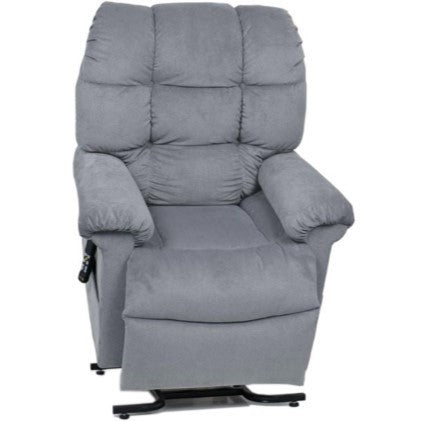
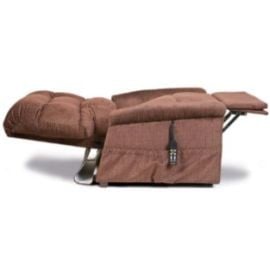
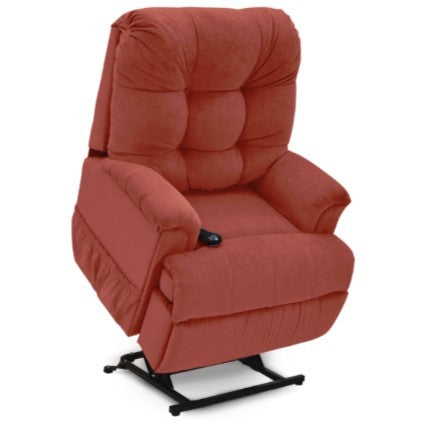
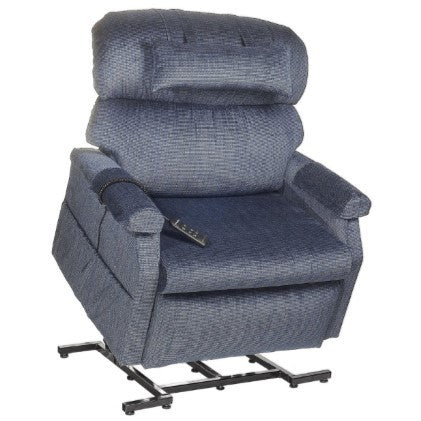
Lift Chairs: Eliminating the Standing Assist
Helping a care recipient transition from sitting to standing is one of the most physically demanding and frequently repeated tasks a caregiver performs. It happens multiple times every day, and each repetition adds load to the caregiver's spine and shoulders.
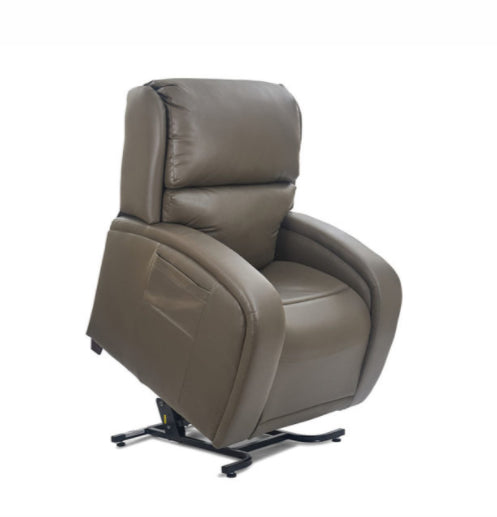
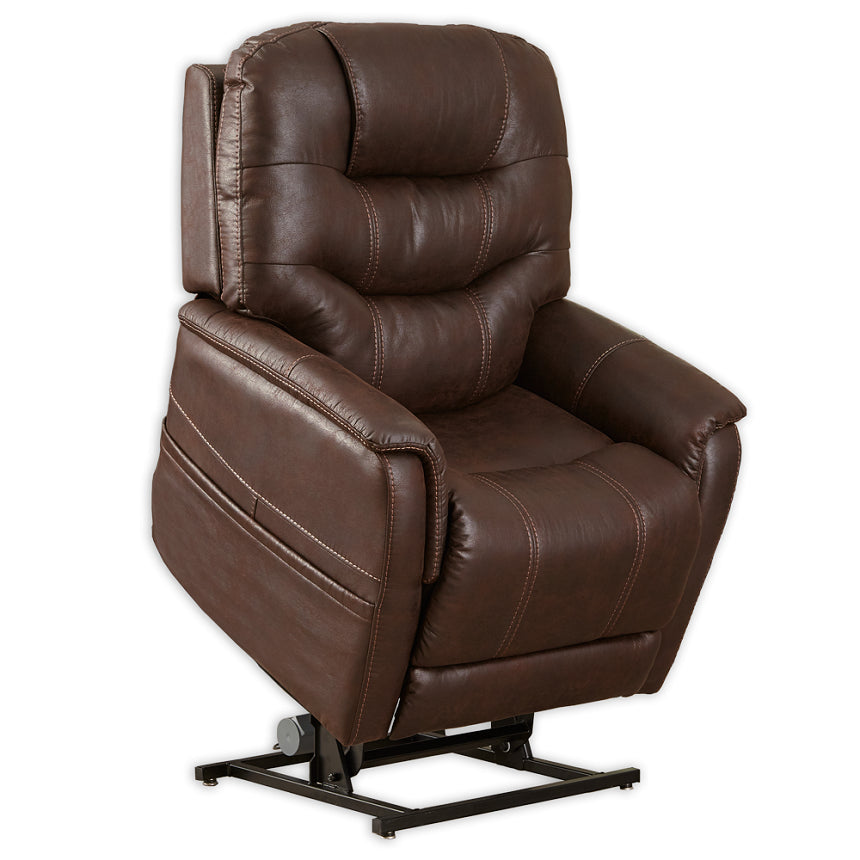
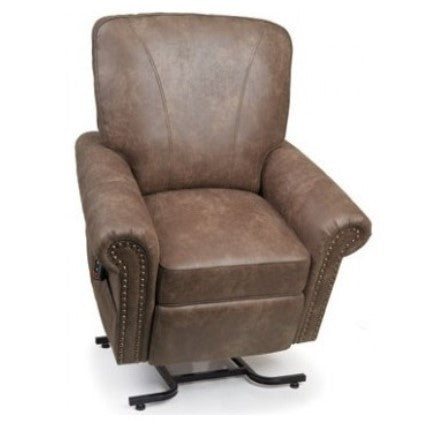
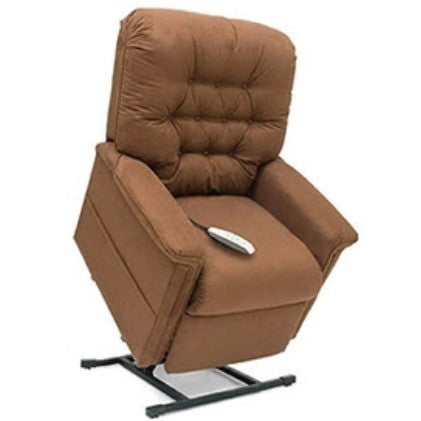
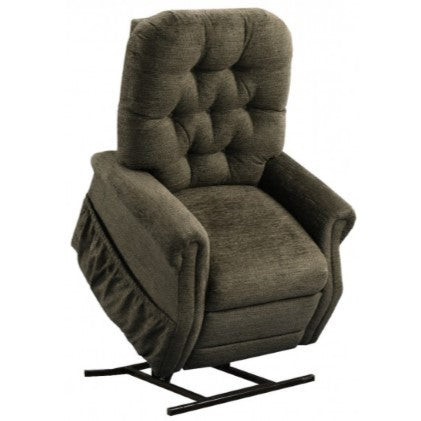
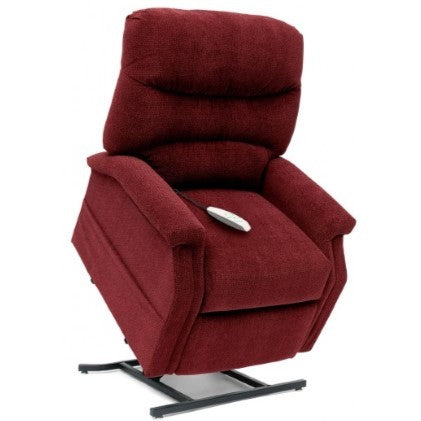
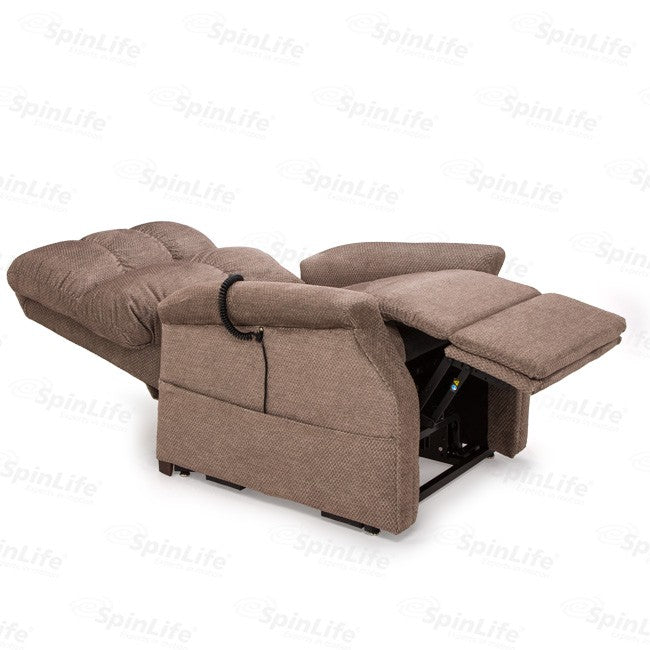
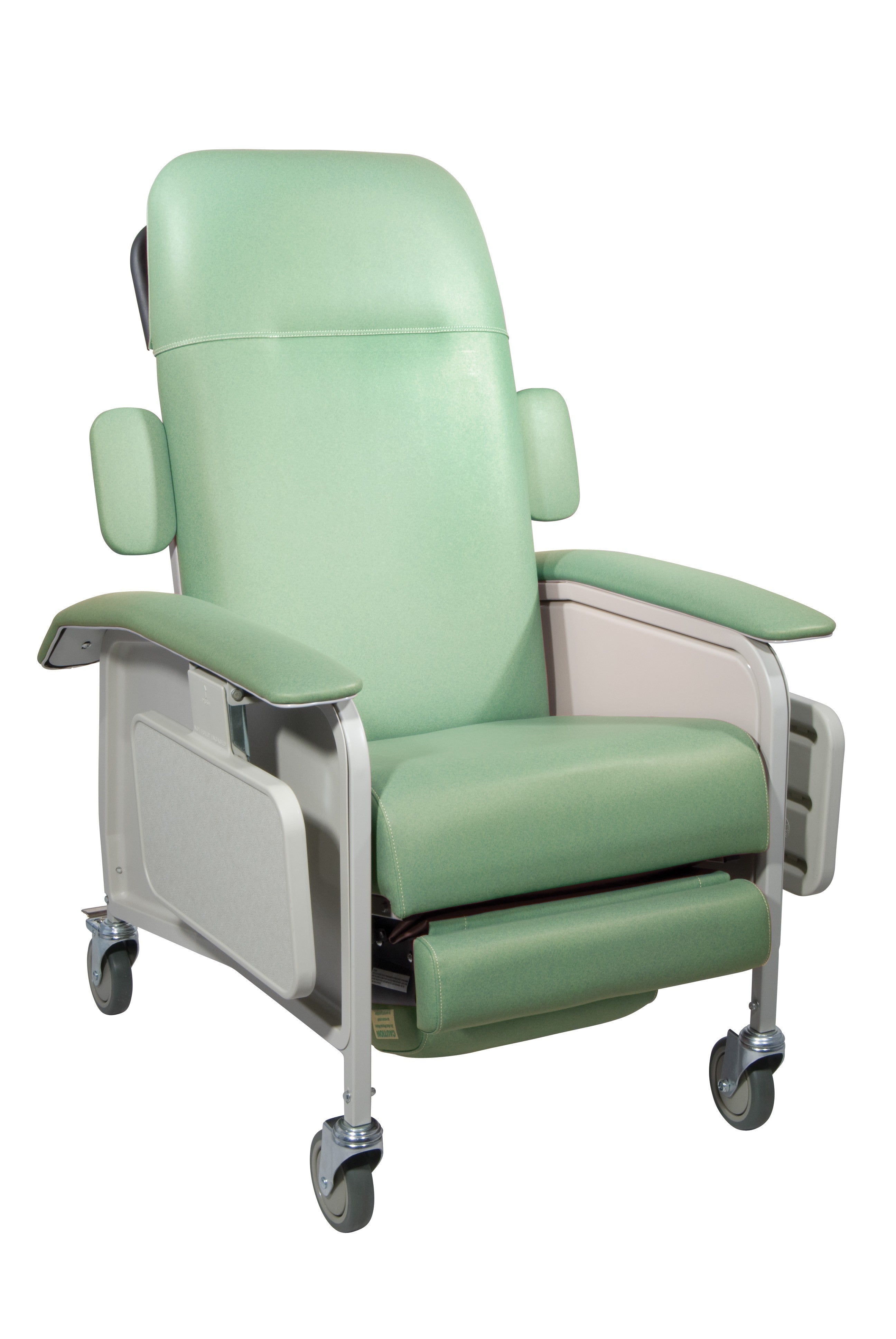
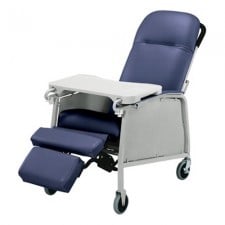
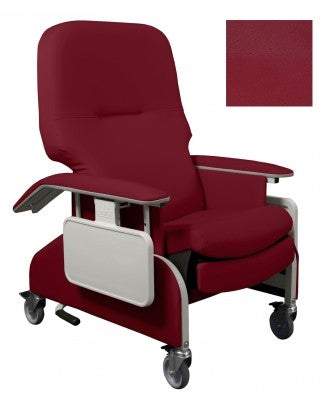
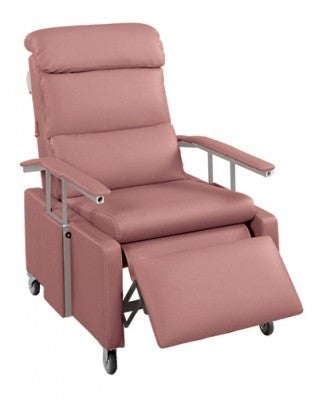
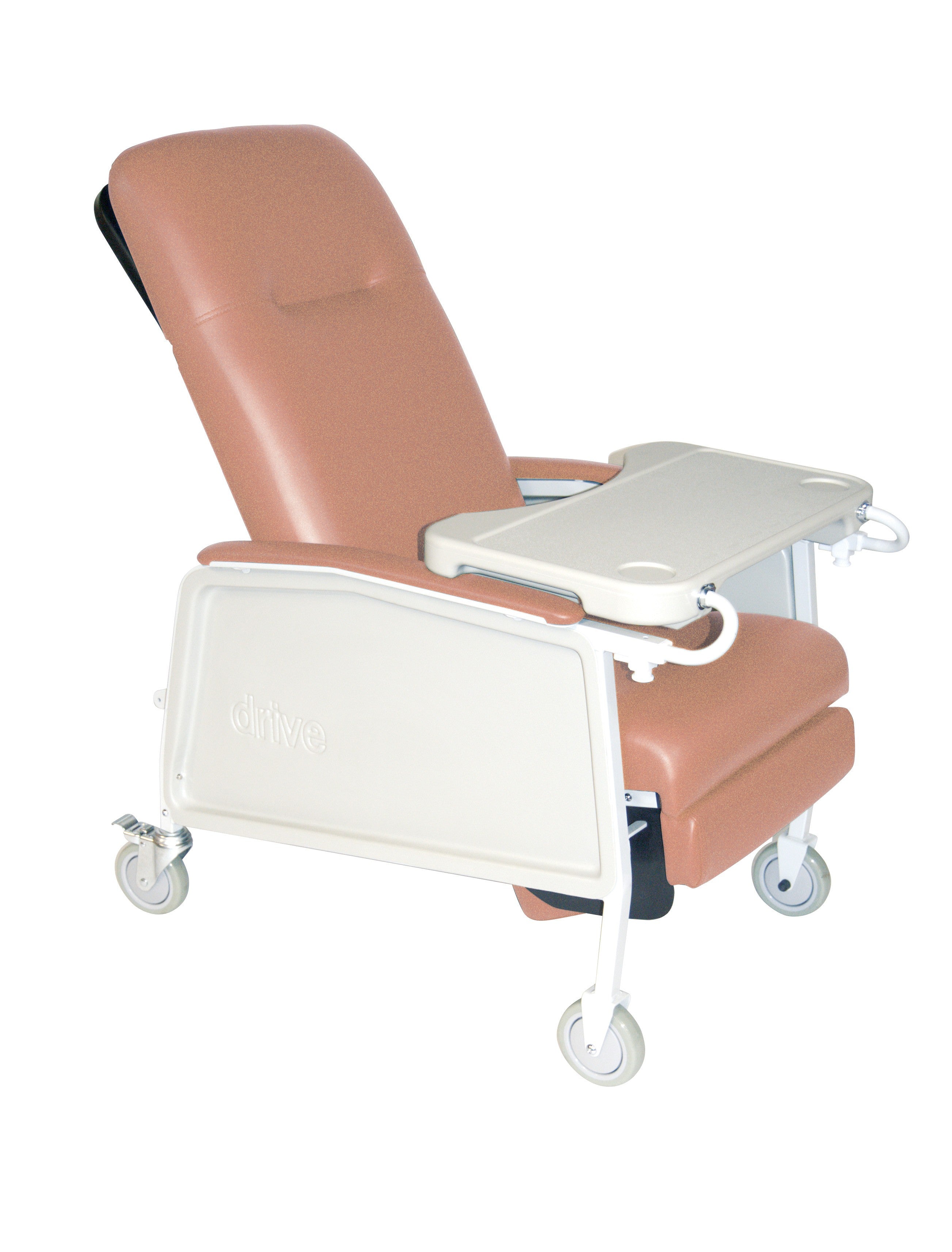
Lift chairs use a motorized mechanism to gently raise the care recipient to a near-standing position, directly removing the need for the caregiver to bear the recipient's weight. This single equipment category addresses one of the day's most repeated physical interactions. Lift chairs also improve care recipient dignity and independence by allowing them to initiate the movement themselves, rather than waiting for help.
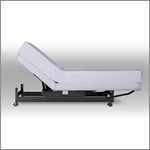
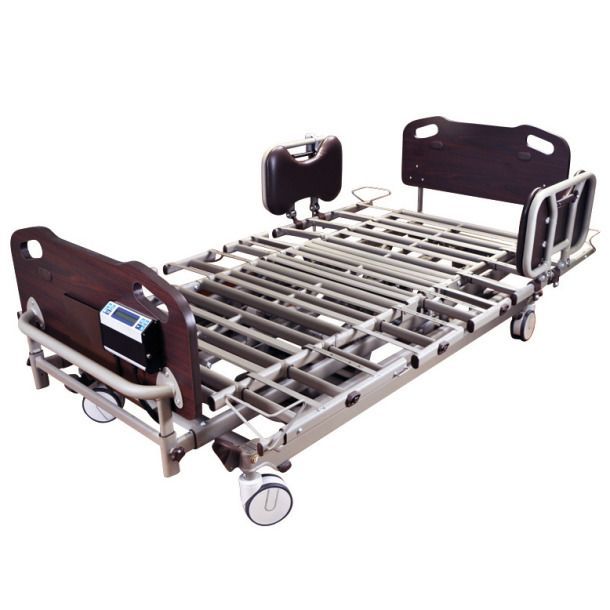
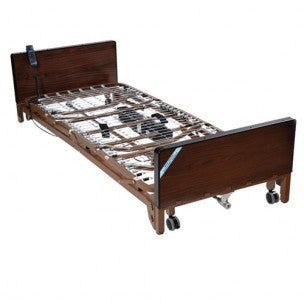
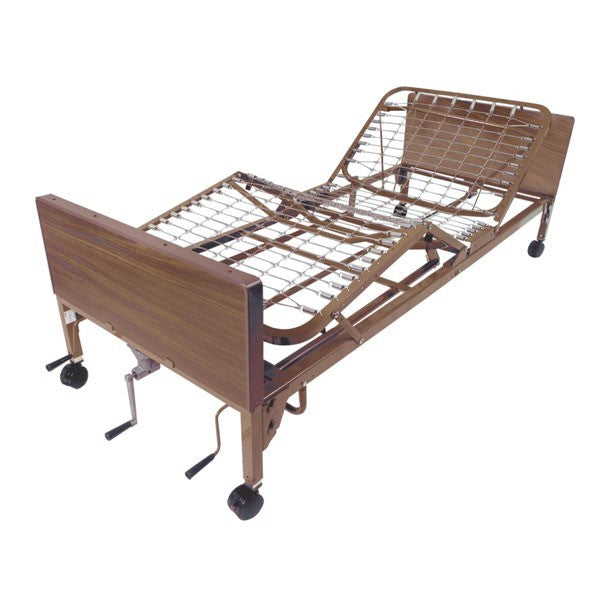
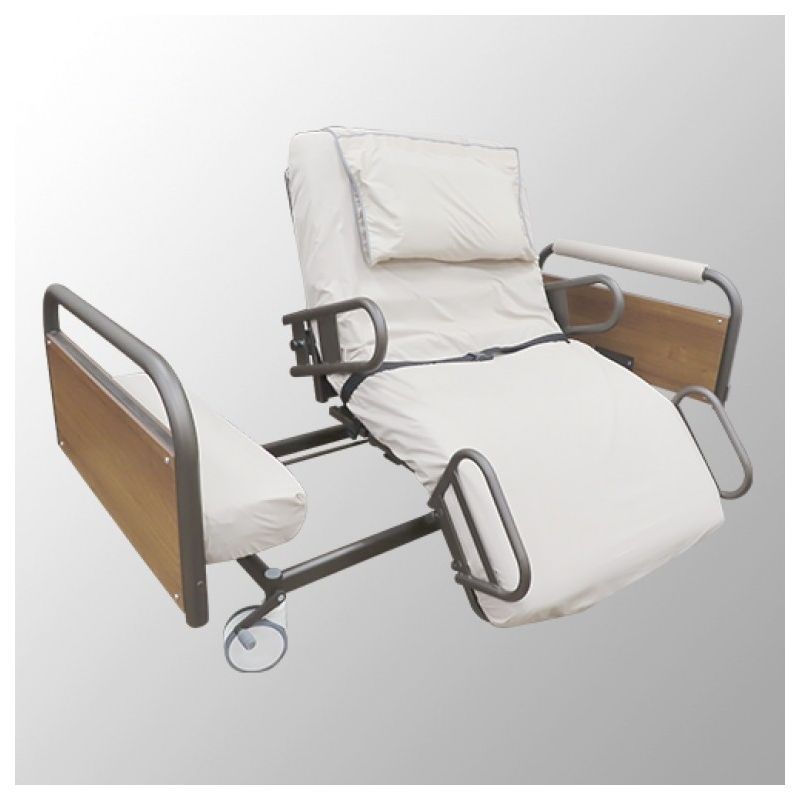
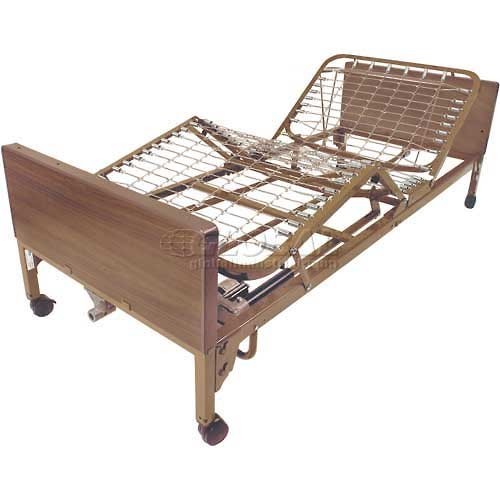
Adjustable Hospital-Style Beds: Ending Dangerous Bending
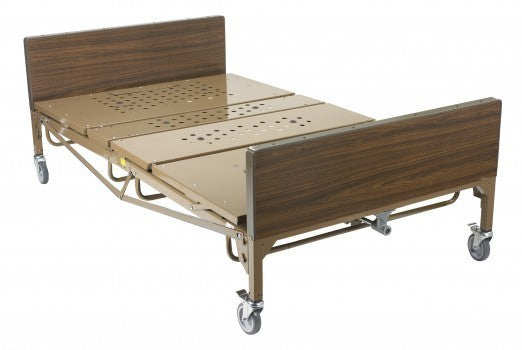
Repositioning and transferring a care recipient in a fixed-height bed forces the caregiver into sustained trunk flexion. This is the exact posture NIOSH identifies as a primary injury driver, and it is why caregivers spend 25% of transfer time bent forward more than 30 degrees.
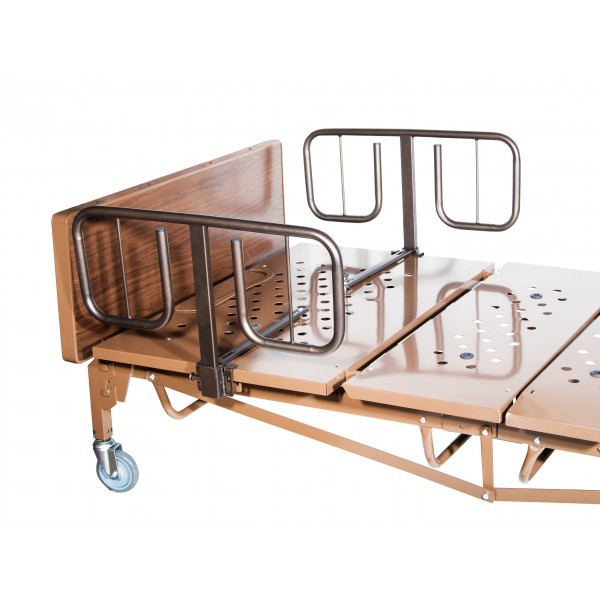
Adjustable beds allow caregivers to raise the bed to an ergonomically safe working height, eliminating excessive bending and heavy lifting during transfers and repositioning. This directly addresses the biomechanical risk at its source.
American Quality Health Products carries a range of adjustable hospital-style beds suited for home use, and our US-based product specialists can help caregivers identify the right height range and features for their specific care situation. A phone call with a specialist is the most reliable next step if you are unsure where to start.
The dual benefit is clear: care recipients gain a more comfortable, customizable sleep surface, and caregivers gain a safer working position that protects their back and shoulders over the long term.
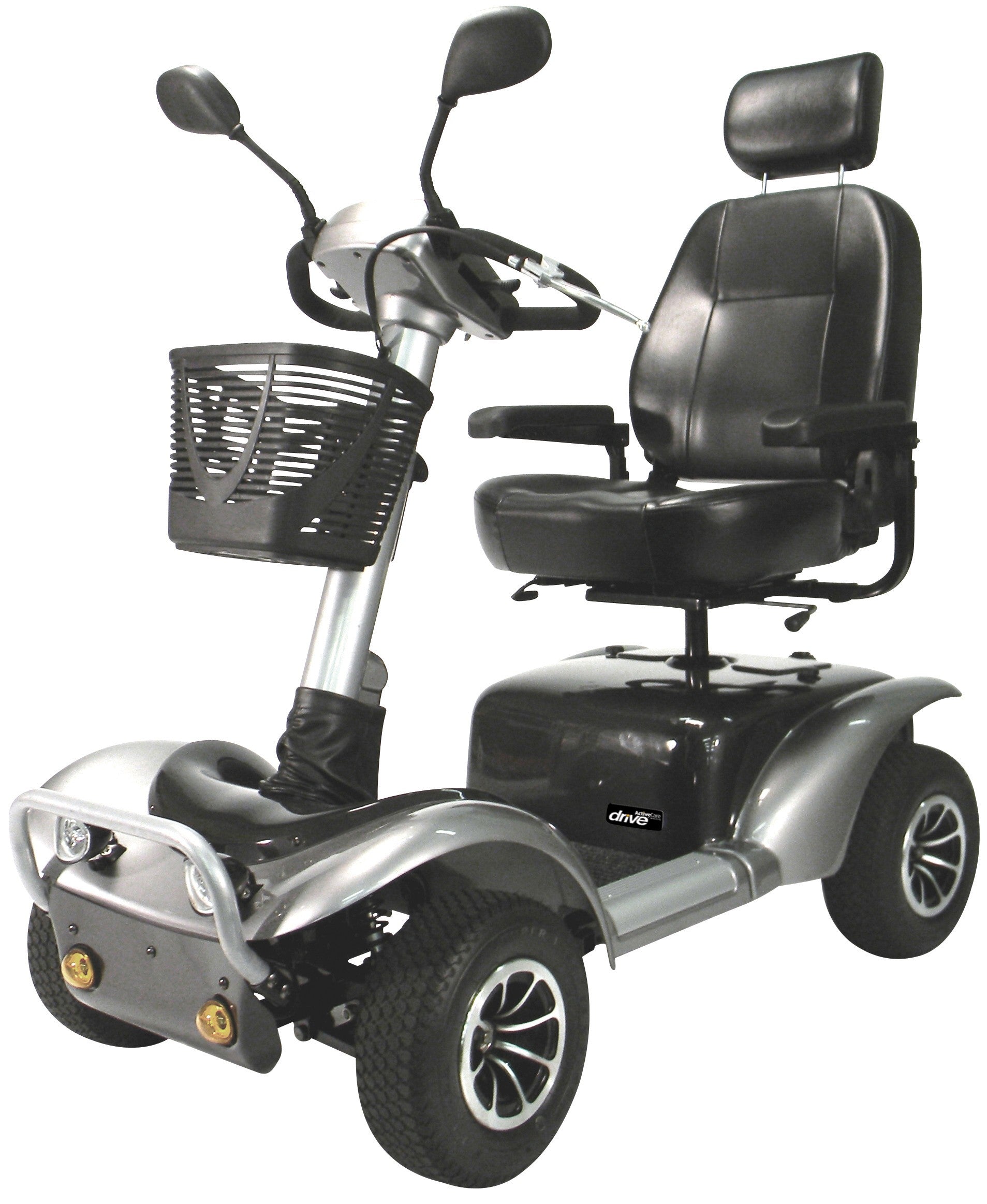
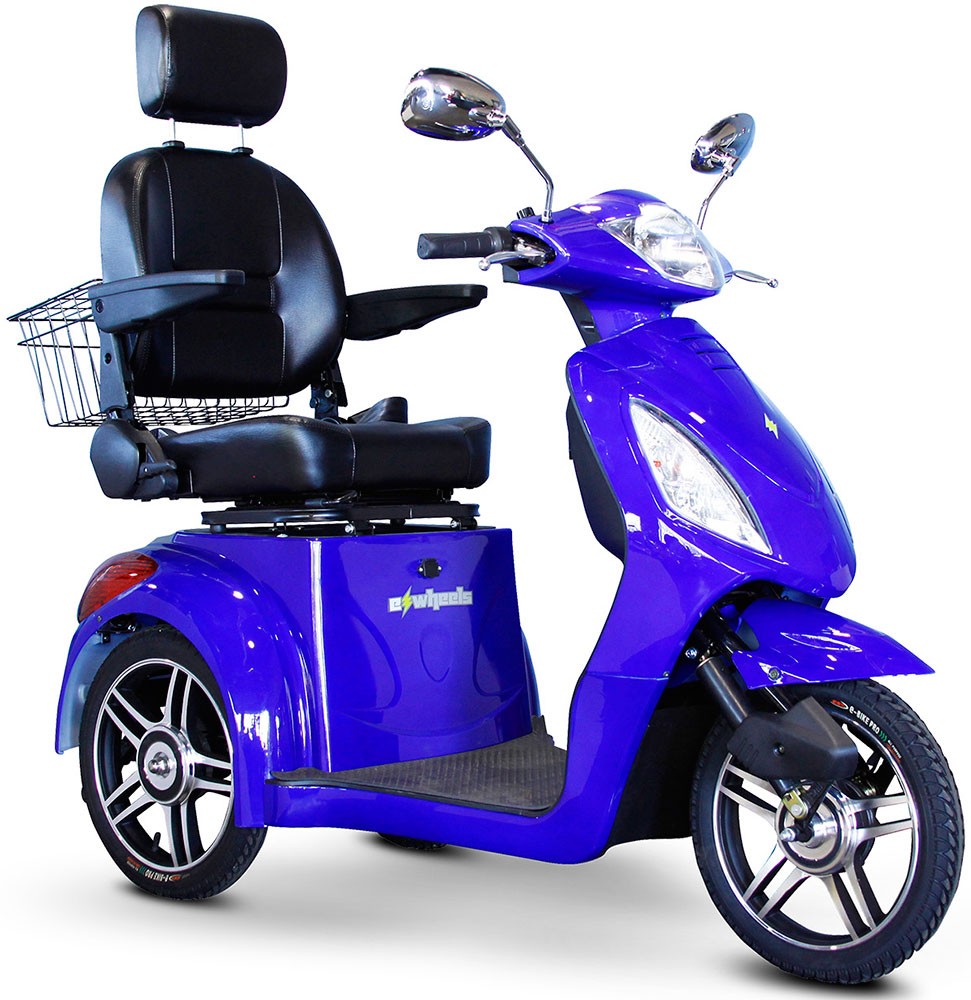
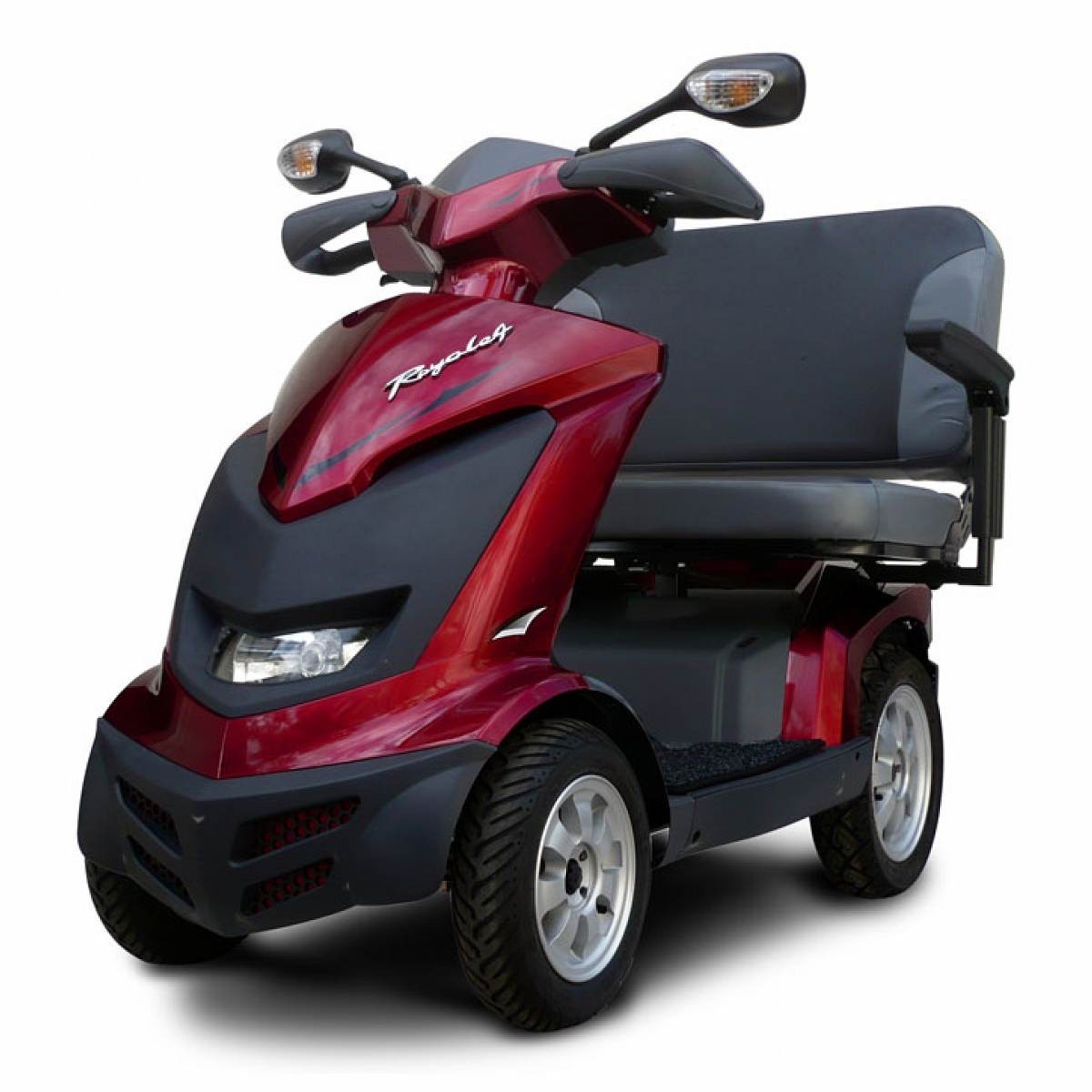
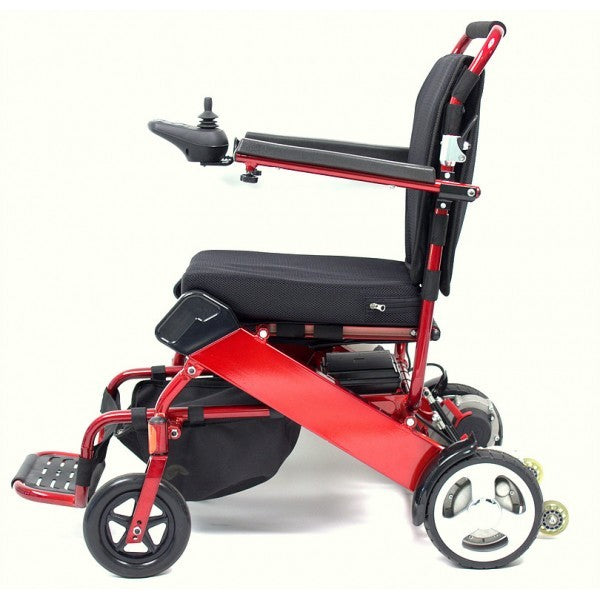
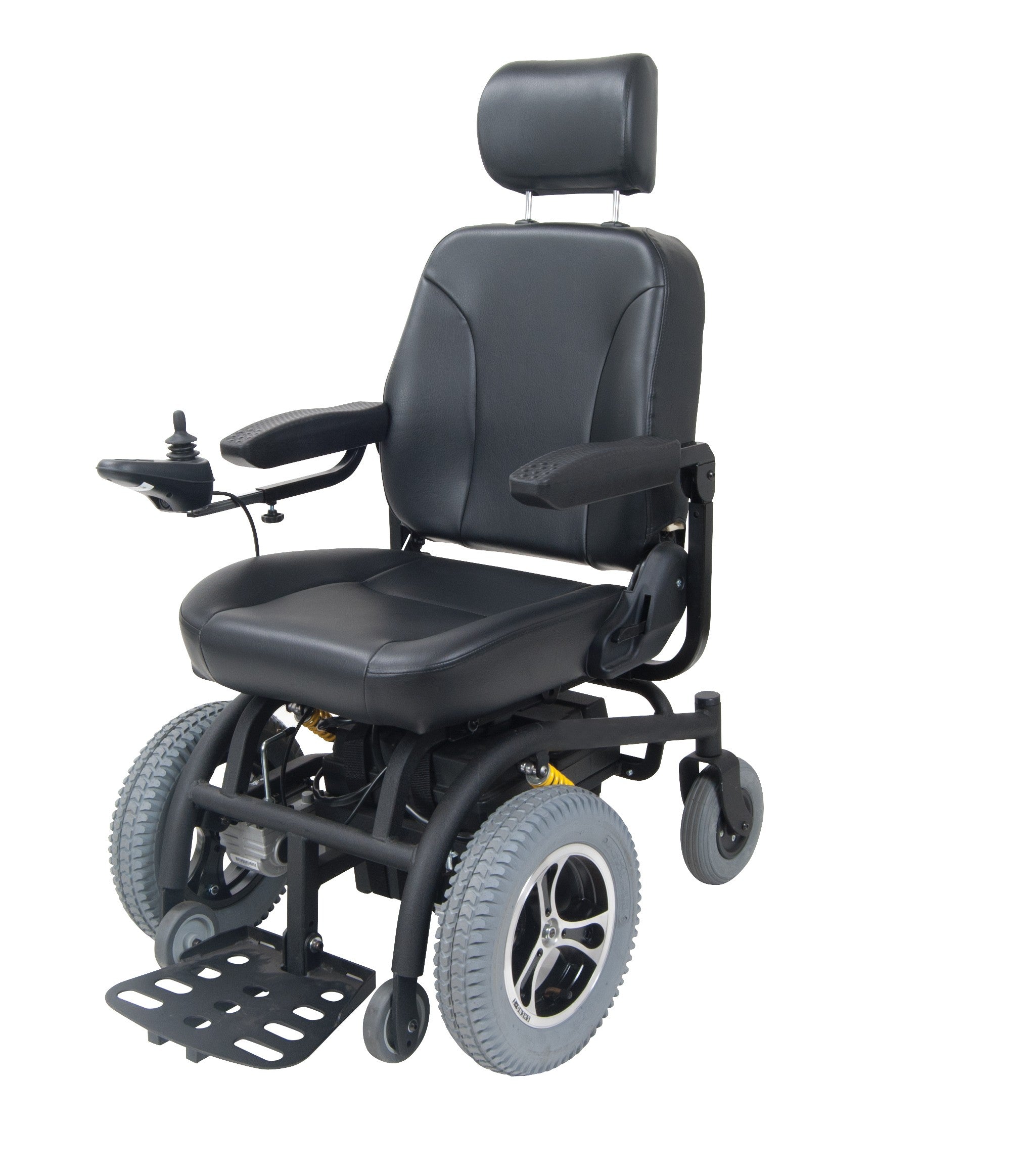
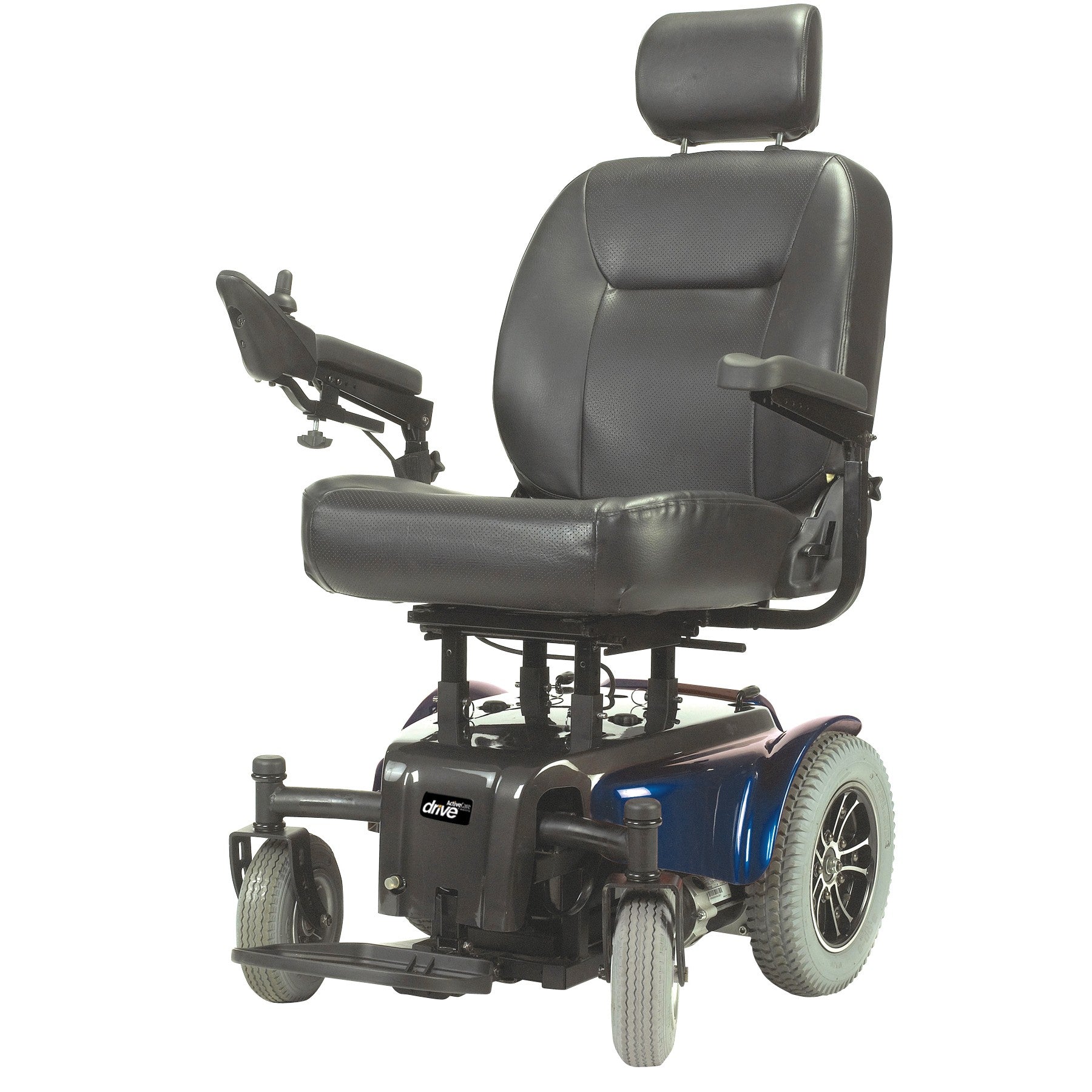
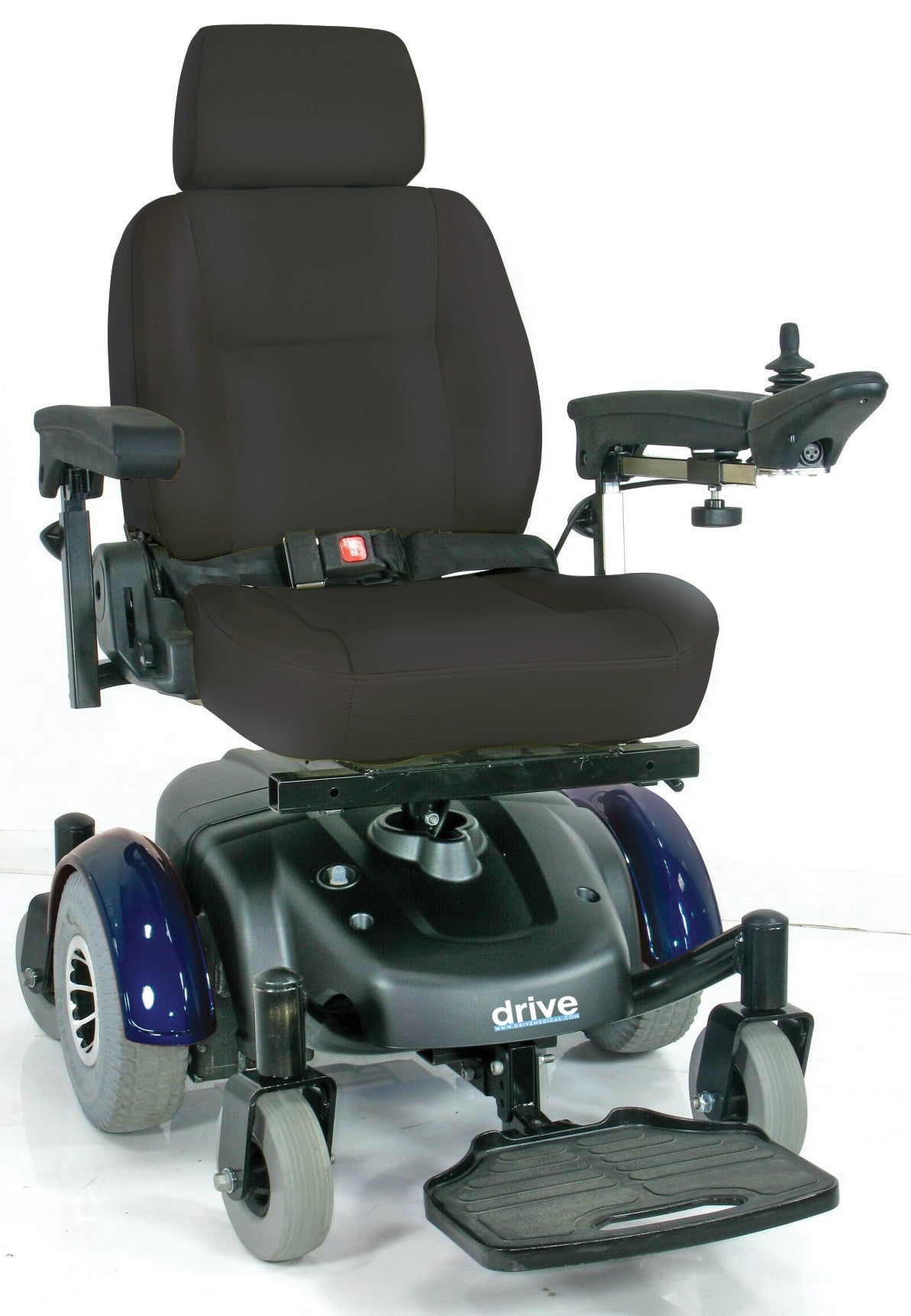
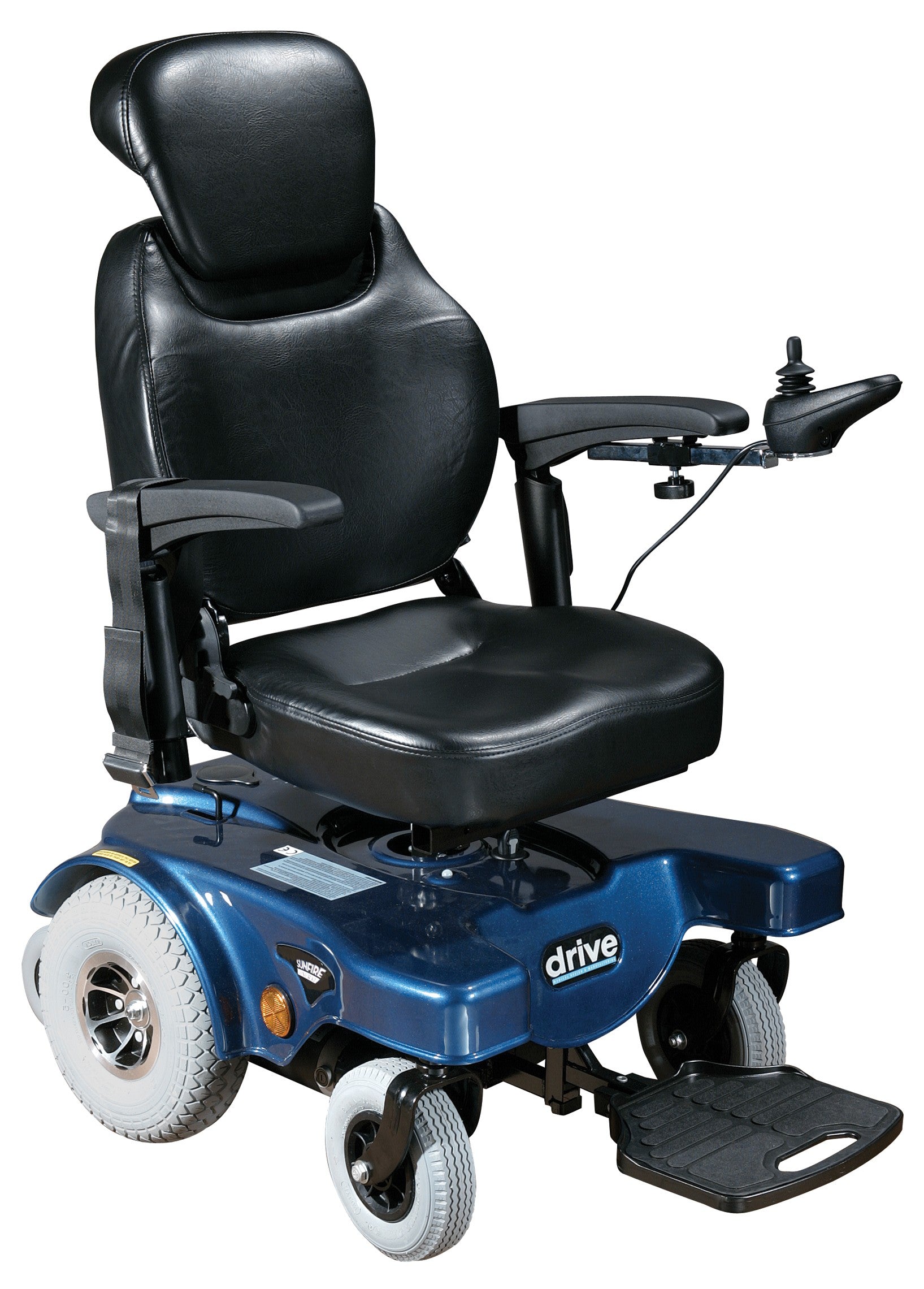
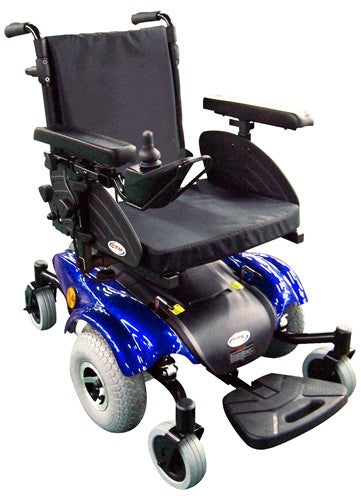
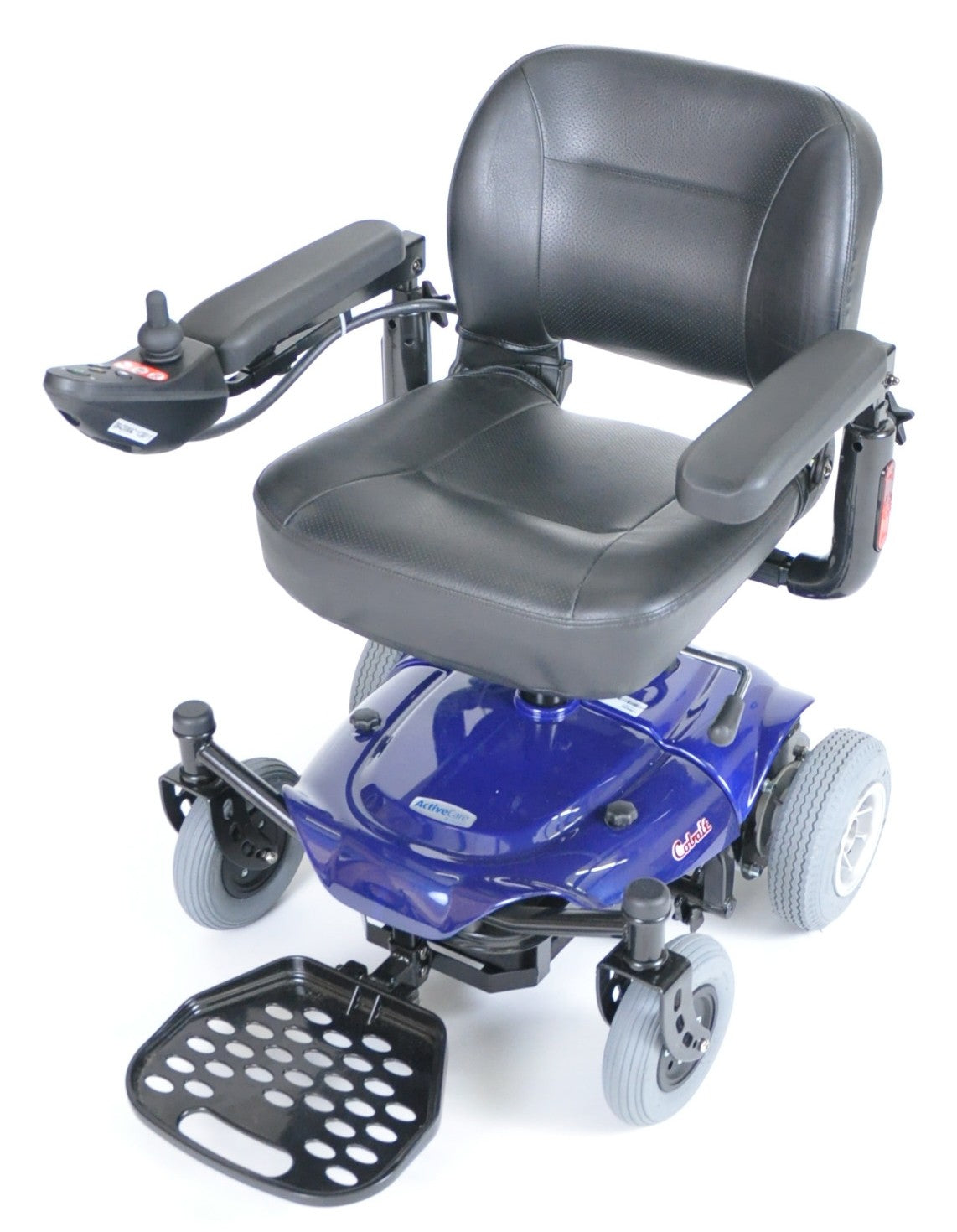
Power Wheelchairs and Mobility Scooters: Reducing Daily Physical Contact
Every time a caregiver physically assists with movement throughout the day, it adds to cumulative spinal and muscular load. These are not dramatic lifts. They are the steady accumulation of dozens of small assists that compound over weeks and months.
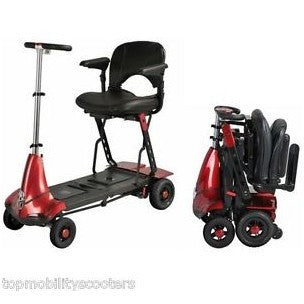
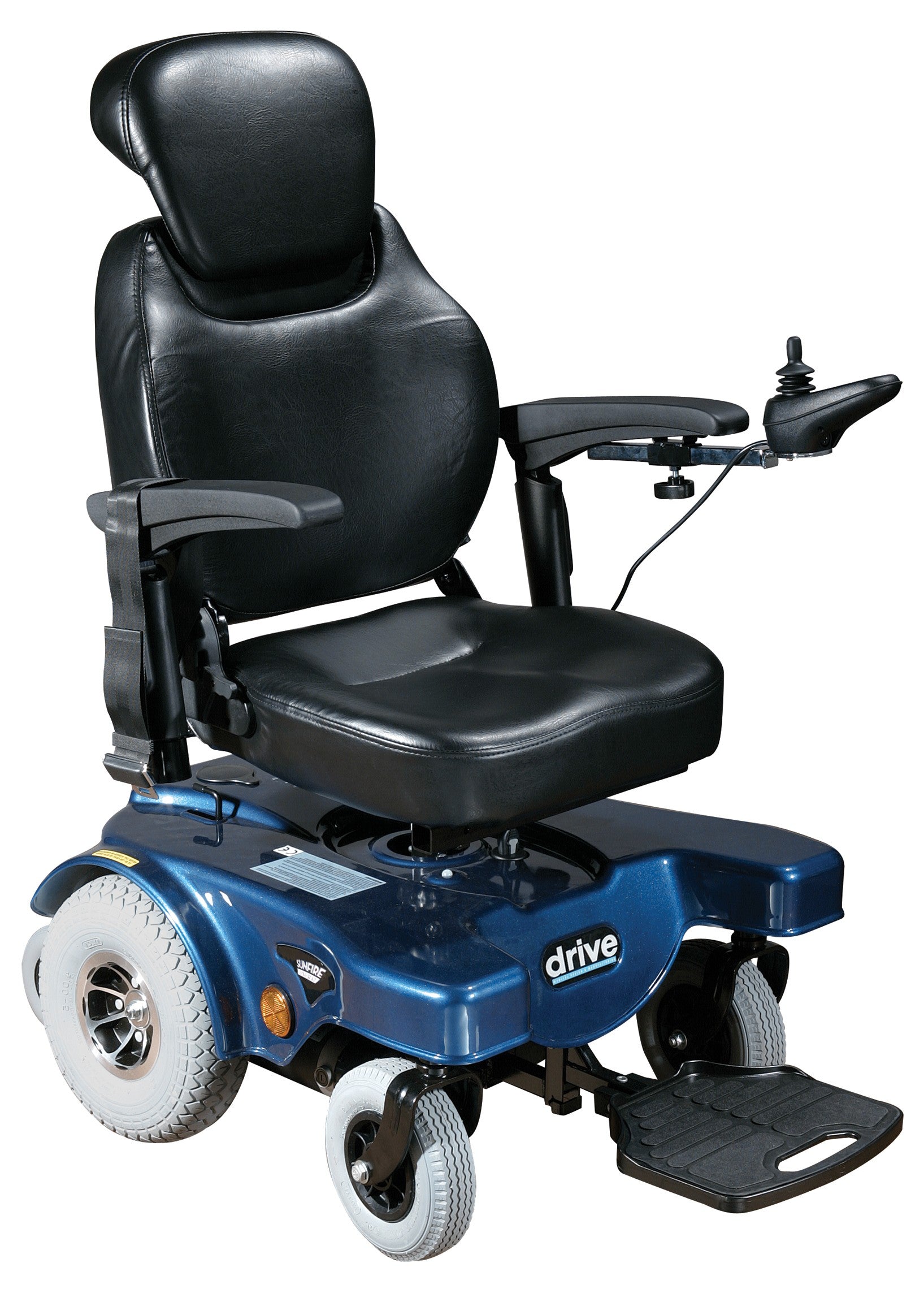
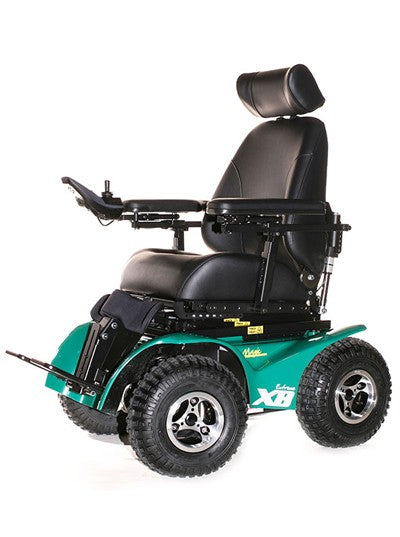
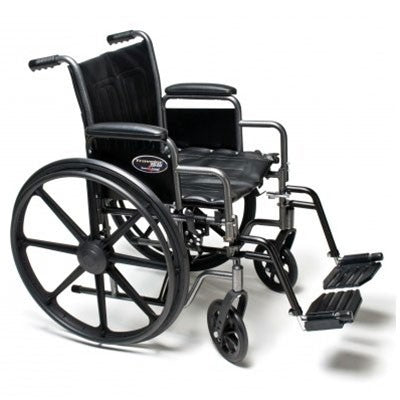
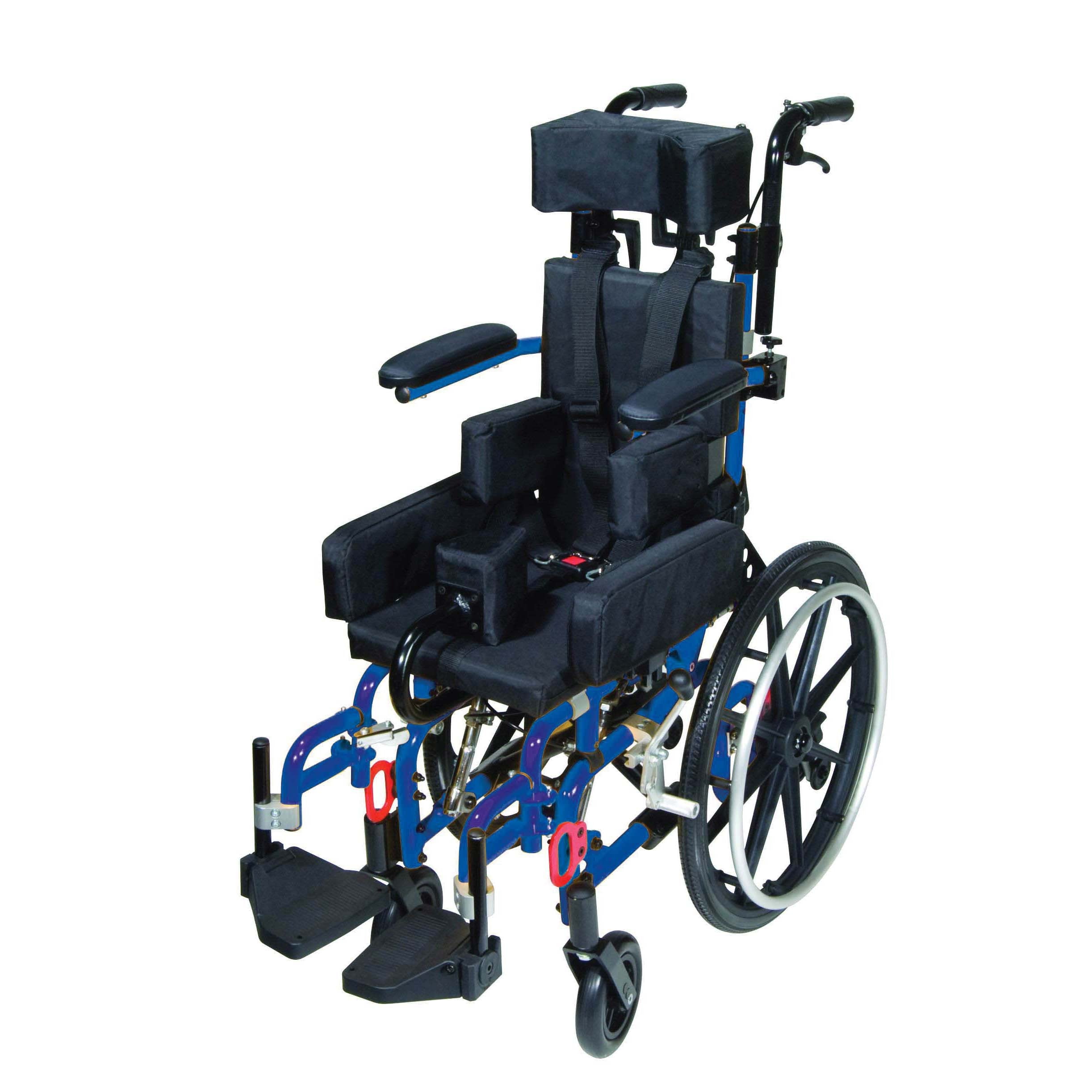
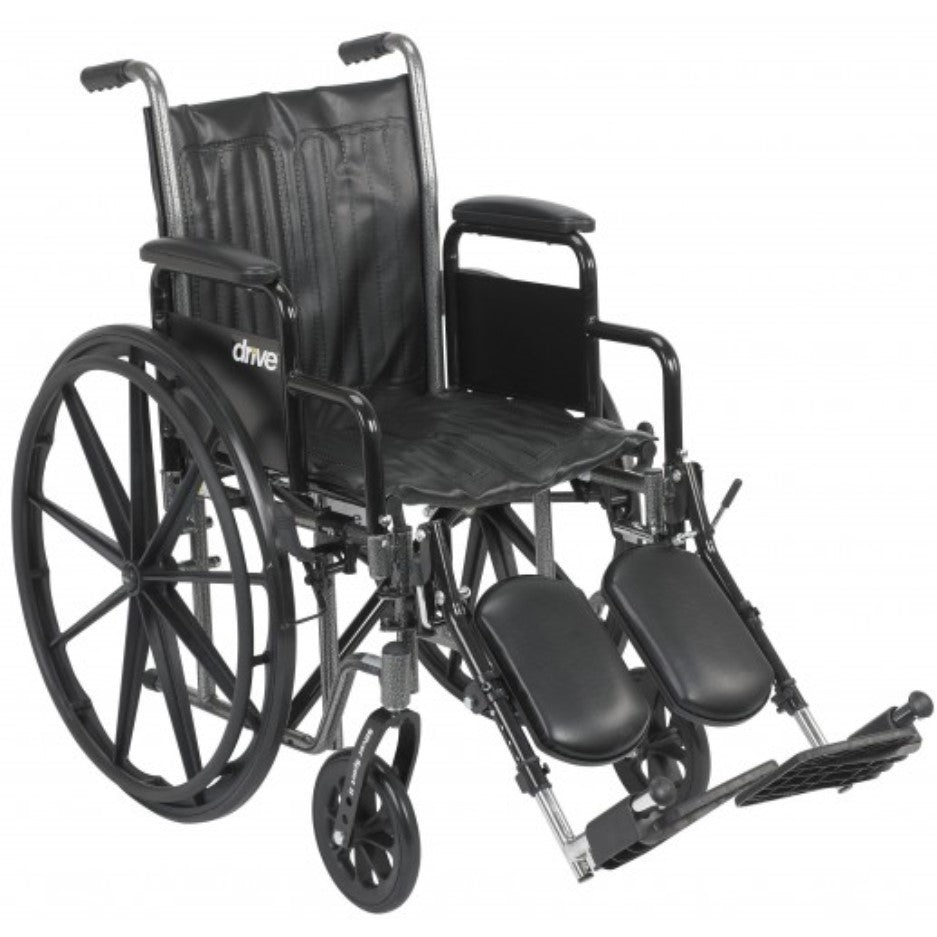
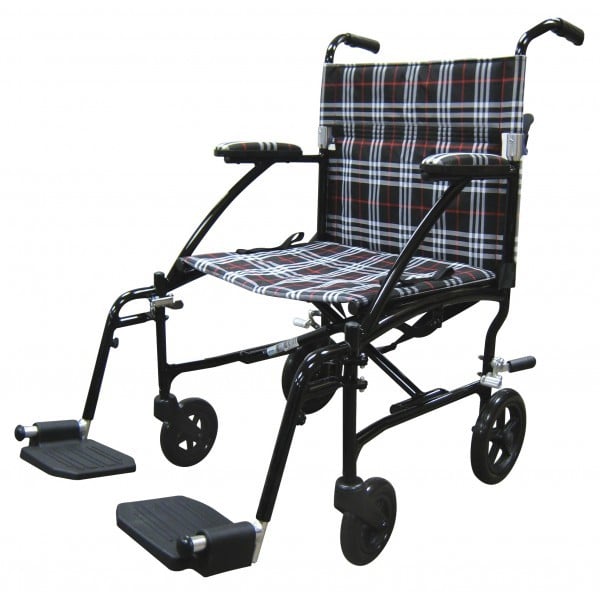
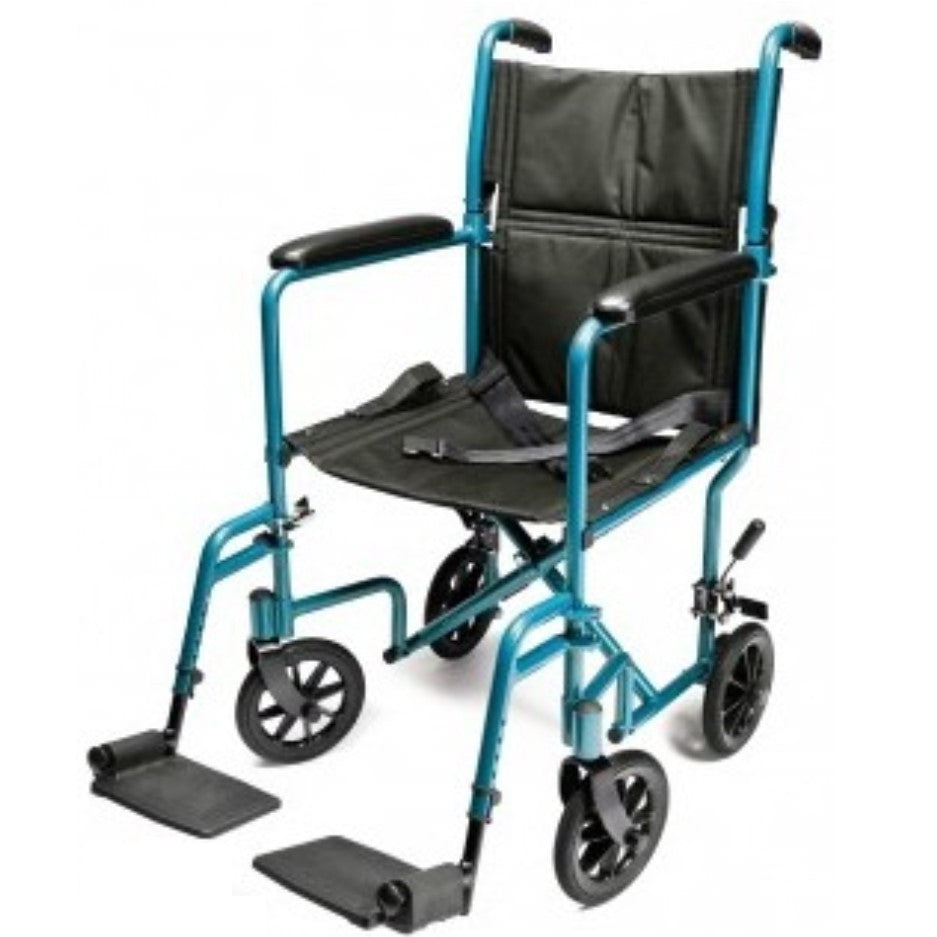
Power wheelchairs and electric mobility scooters promote care recipient independence, directly reducing the number of times a caregiver must physically intervene. According to the Journal of Rehabilitation Research, properly fitted mobility devices can improve care recipient independence by 40% and reduce caregiver assistance time by approximately 25%. Fewer physical assists per day means less cumulative strain. That is the math of burnout prevention.
Bathroom Safety Equipment: The Overlooked High-Risk Zone
Bathroom transfers are among the most injury-prone caregiving tasks. Confined spaces, wet surfaces, and awkward body positioning create a concentrated set of risks. Yet bathroom safety is frequently overlooked in caregiver burnout discussions.
Bathroom safety equipment, including grab bars, shower chairs, raised toilet seats, and transfer benches, reduced caregiver assistance needs by 47%, according to a 2019 study in the Journal of Aging Research. This category represents one of the highest-frequency daily risk points and is also among the most affordable and immediately impactful equipment investments a caregiver can make.
The Long-Term Math: Why Equipment Is the Sustainable Choice
Family caregivers provided an estimated 49.5 billion hours of care in 2024. The economic value of that unpaid care surpasses $1 trillion, exceeding what private businesses spent on health care that year, according to AARP's 2026 report. With the average caregiving hour valued at $20.41, equipment that reduces caregiver assistance time by 25% represents significant, calculable economic value.
The financial strain is already severe. According to the AARP/NAC 2025 report, nearly half of all caregivers experienced at least one major financial impact from caregiving, including taking on debt, stopping savings, or being unable to afford basic necessities.
A caregiver who injures themselves cannot continue caregiving. The cost of a preventable injury, including lost income, medical treatment, and replacement care, far exceeds the cost of the equipment that would have prevented it. This is not abstract. It is a calculation every family caregiver should make.
As more seniors choose to remain at home rather than enter care facilities, the physical demands on family caregivers increase. The right home medical equipment is what makes aging in place sustainable for both the care recipient and the caregiver.
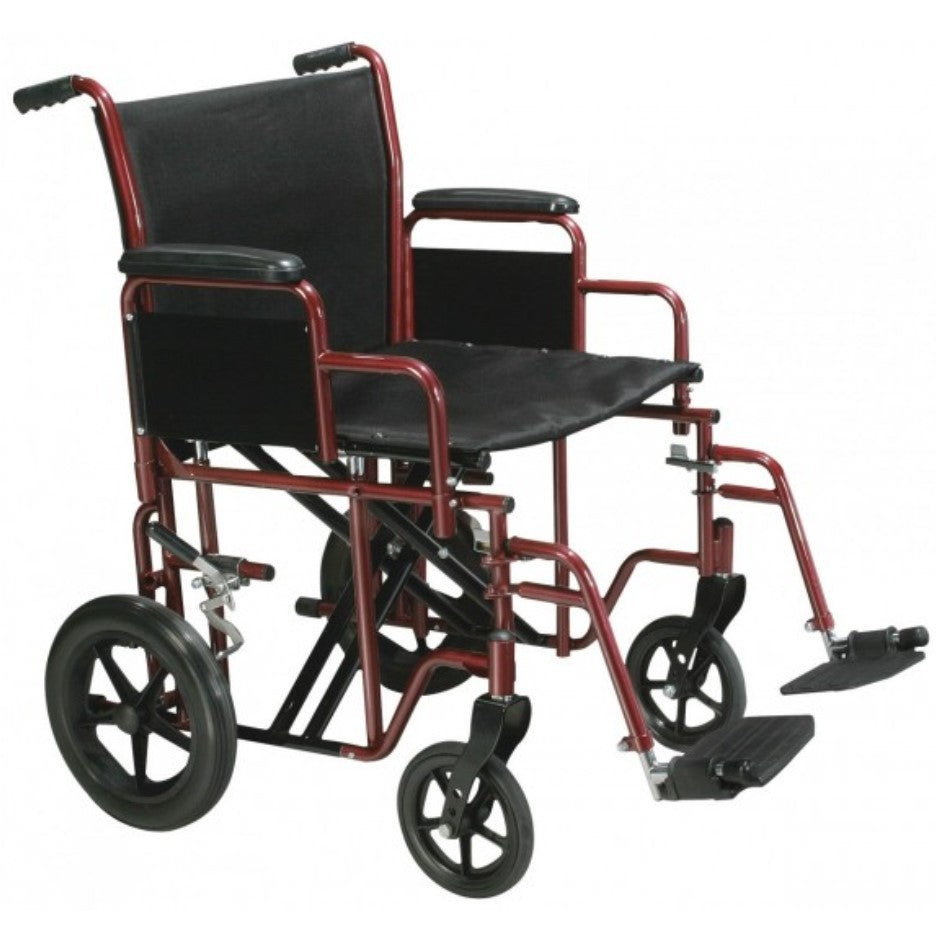
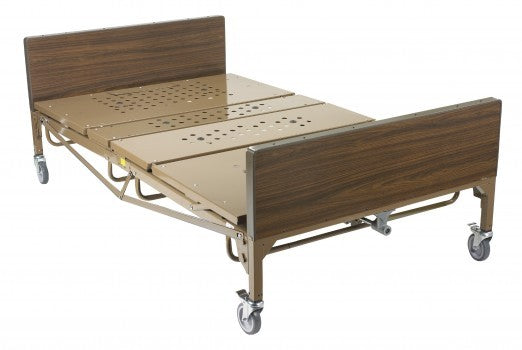
For bariatric caregivers, the physical strain is dramatically elevated. Bariatric-rated equipment exists specifically to address this increased risk and should be considered early, not as a last resort. If you are caring for a larger loved one, specialized equipment is not optional. It is essential.
Start Protecting Yourself Today
Caregiver burnout prevention is not just about emotional self-care. It requires protecting your body with the right tools. OSHA, NIOSH, and peer-reviewed nursing research all point to the same conclusion: mechanical assistive devices are the evidence-based standard, not willpower or technique alone.
Start by assessing your highest-risk daily tasks. Which moments cause the most strain? Standing assists? Bed transfers? Bathroom help? Match equipment to those specific moments first.
Speaking with a knowledgeable product specialist is the most reliable way to identify the right equipment for your specific care situation. American Quality Health Products has US-based specialists available six days a week by phone, with over 22 years of experience helping caregivers find the right solutions at the guaranteed lowest price. With more than 5,000 verified customer reviews, we have built our reputation on getting this right for families like yours.
Protecting your body is not selfish. It is what allows you to keep showing up for the person who needs you most.
Sources
- Journal of Occupational Rehabilitation (via Active Aging Daily)
- A Place for Mom: 2025 Caregiver Burnout Statistics
- AARP & National Alliance for Caregiving: Caregiving in the U.S. 2025
- PubMed Central: Ergonomic Assessment of Wheelchair Transfer Systems (2024)
- OSHA: Healthcare — Safe Patient Handling
- CDC/NIOSH: Safe Patient Handling and Mobility
- Association of Rehabilitation Nurses: Safe Patient Handling Position Statement
- AARP: Valuing the Invaluable 2026
- PubMed Central: Systematic Review — Mechanical Lifting Devices Cost-Benefit
- International Journal of Nursing Studies, American Journal of Nursing, Journal of Rehabilitation Research, and Journal of Aging Research (via HMedical Inc.)
- AARP Press Release: Crisis Point for America's 63 Million Family Caregivers (July 2025)


