


Why Where You Live Changes Everything About Your Mobility Device Choice
A mobility scooter that handles beautifully at the grocery store or on a paved walking path can become a frustrating obstacle inside a 700-square-foot apartment. Indoor use demands a completely different set of specifications, from turning radius to overall width to battery behavior.
Roughly 31% of people over 65 rely on mobility devices for daily activities, and the majority use them primarily at home. Yet most buying guides focus on outdoor performance and skip the home environment entirely.
If you live in an apartment or senior living community, your living space, building infrastructure, and community rules should drive your purchase decision. This guide covers the pre-purchase measurements you need to take, a head-to-head comparison of power chairs and scooters for indoor use, your legal rights as a resident, battery charging safety, and practical storage tips.
The Pre-Purchase Checklist: What to Measure Before You Buy
Doorway width is the most commonly overlooked factor. The ADA minimum clear doorway width is 32 inches, measured from the face of the door to the opposite stop when the door is open at 90 degrees. Many older apartment doorways measure only 23 to 27 inches. Measure every doorway the device must pass through, including the bathroom, bedroom, and any closet you plan to use for storage.
Hallway width matters just as much. ADA-accessible routes require a minimum continuous clear width of 36 inches. Measure the narrowest point in your home and in building corridors, especially near corners where walls can reduce available space.
Elevator dimensions are trickier than they look. Measure both the door opening width and the interior floor depth. A device may fit through the elevator door but leave no room for the user to turn around and face the exit. Ask building management for elevator spec sheets if measuring on your own is difficult.
Bathroom turning space requires special attention. The ADA standard calls for a 60-inch turning radius (or a T-shaped turning space). Measure your bathroom carefully and note threshold heights; anything above half an inch increases fall risk and should be addressed with a threshold ramp or beveled transition.
If personal measurement is challenging, request floor plans from your building management. Then create a simple measurement log:
- All doorway widths (interior and exterior)
- Narrowest hallway point
- Elevator door width and interior depth
- Bathroom turning space
- Threshold heights at every transition
This log becomes your shopping spec sheet. Bring it with you or share it with a product specialist before you buy.
Power Chair vs. Mobility Scooter: Which Works Better Indoors?
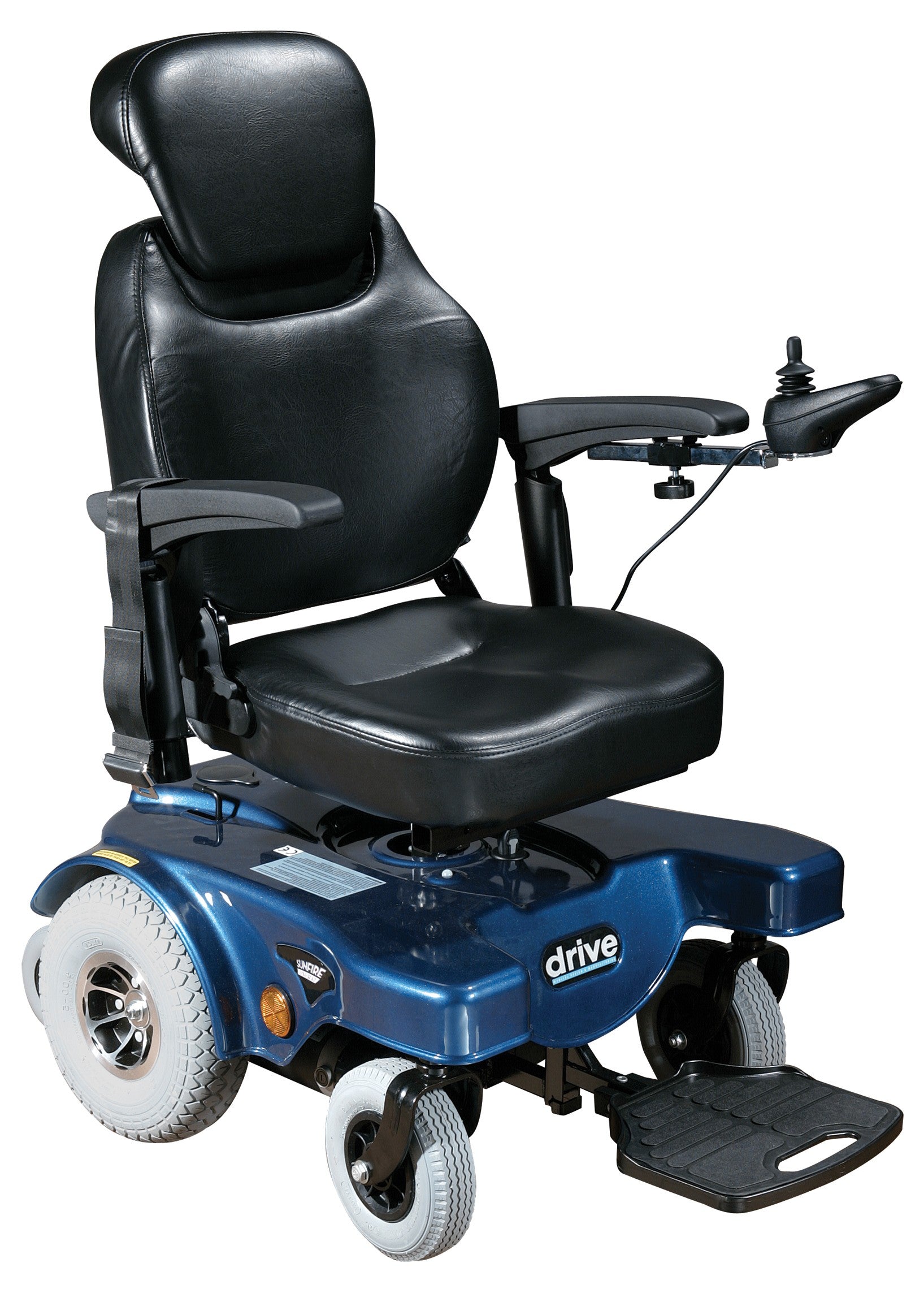
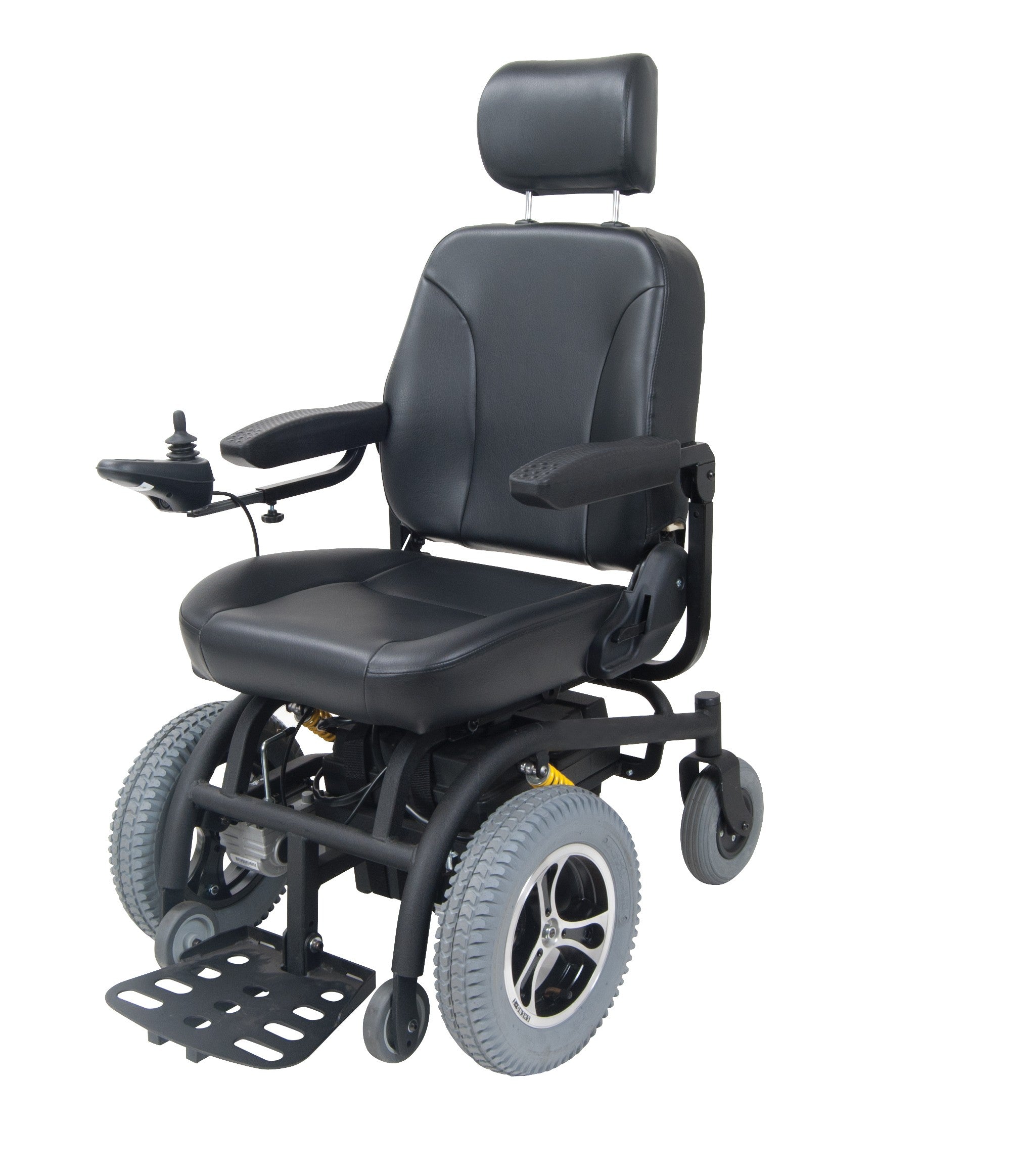
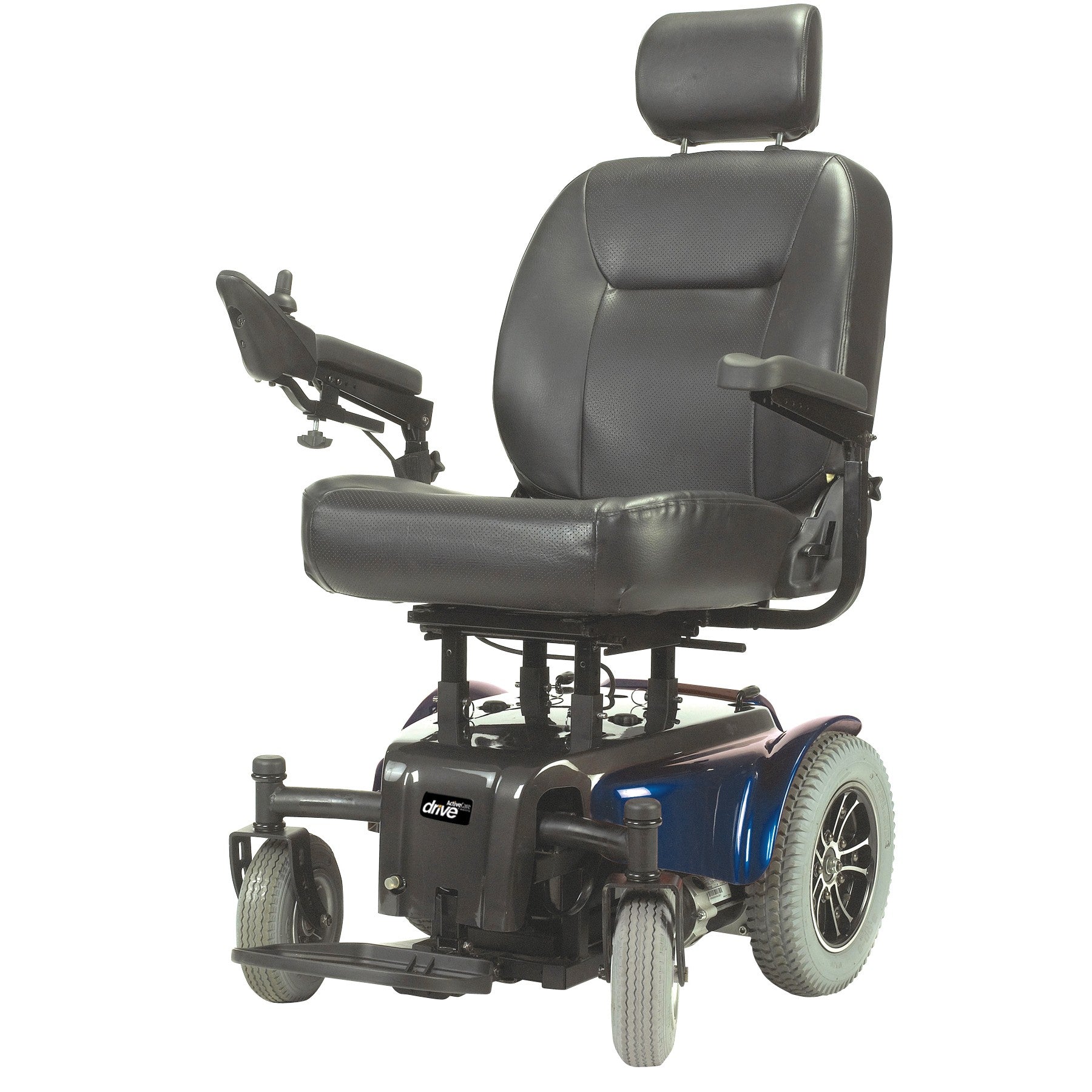
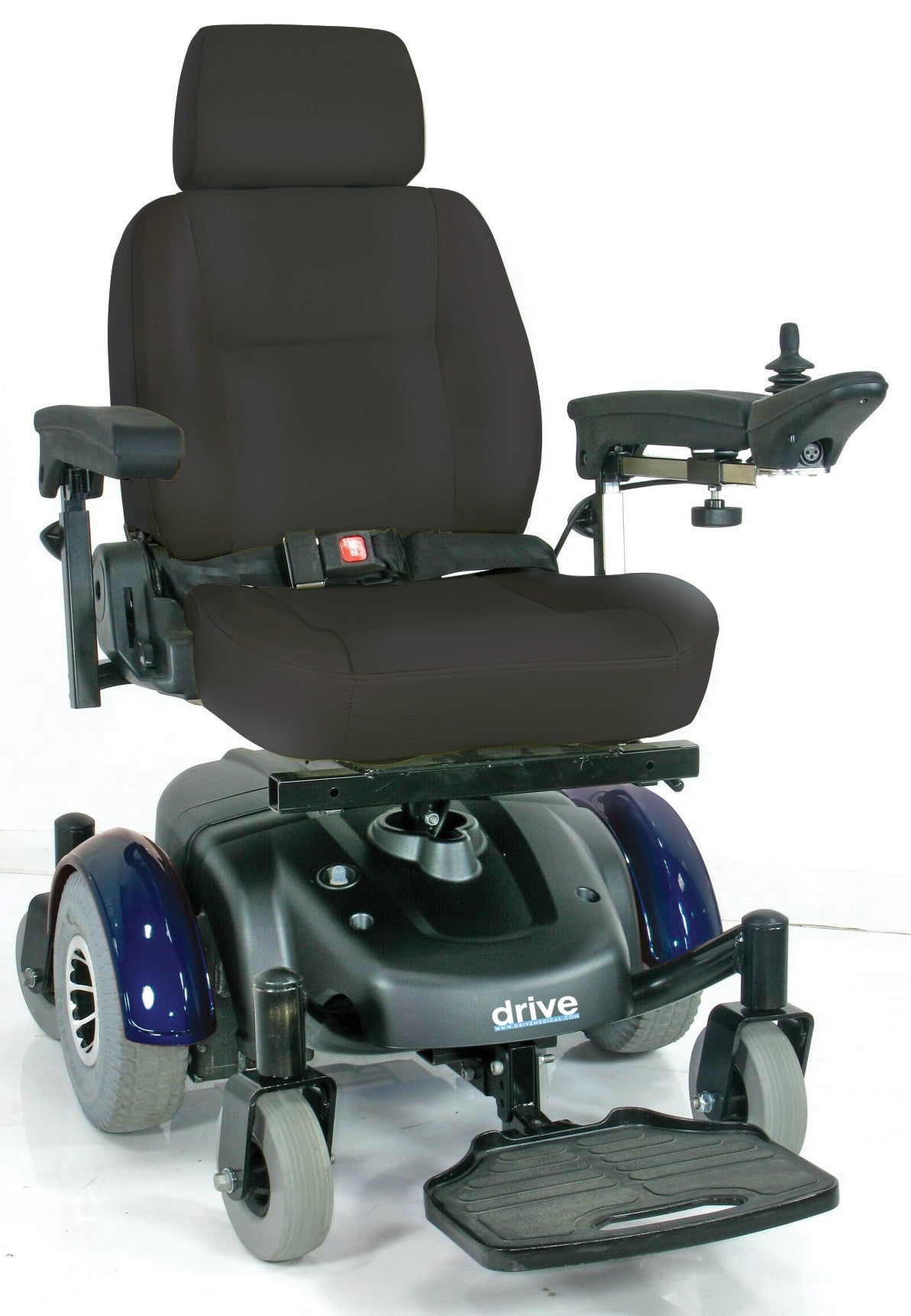
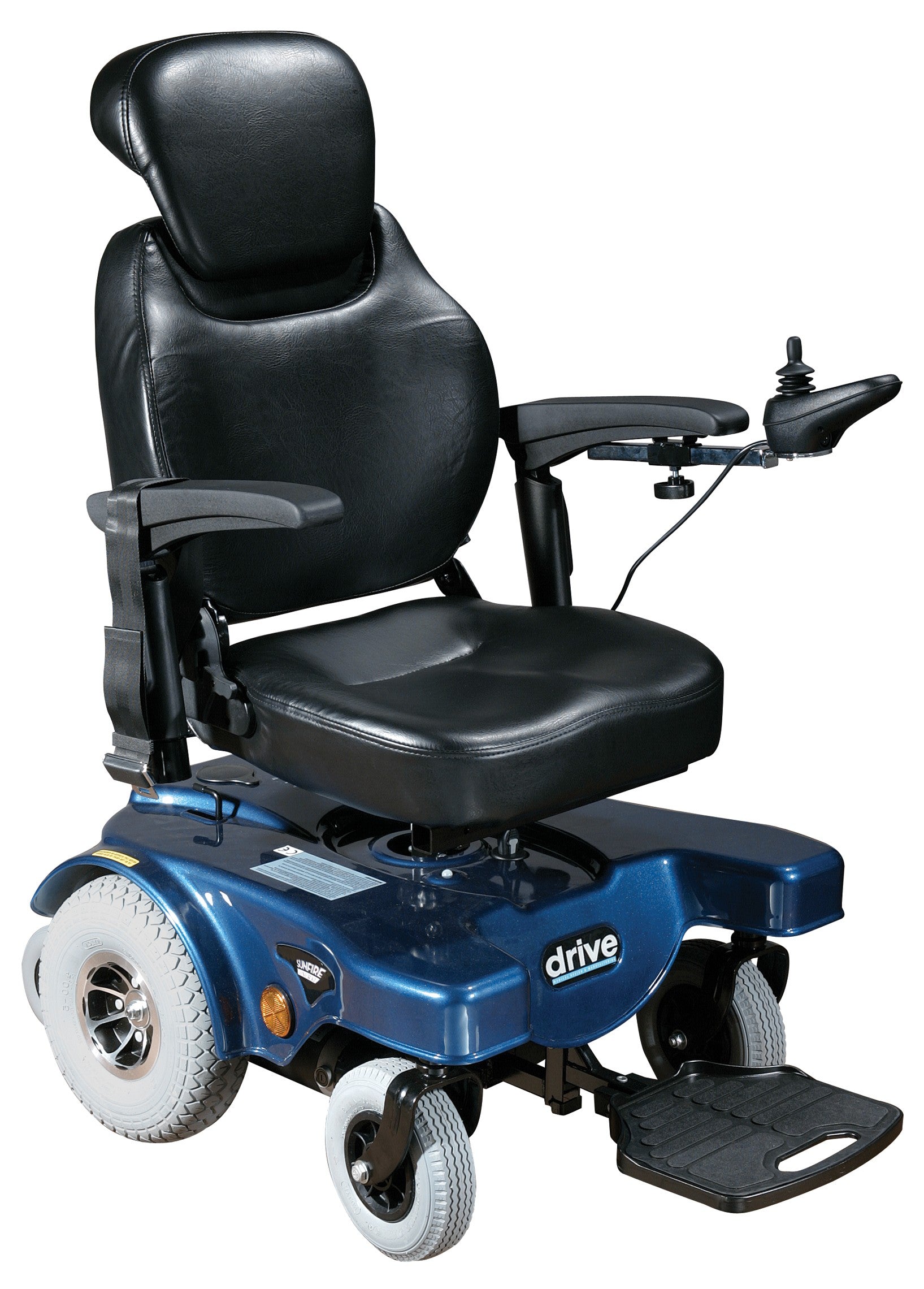
The single biggest difference for apartment living is turning radius. Mid-wheel drive power wheelchairs achieve a turning radius as tight as 19 to 23 inches because the drive wheels sit directly under the user's center of gravity. That means a power chair can make a full U-turn in a 4-foot-wide hallway. Most mobility scooters cannot.
For tight spaces like small apartments and older homes, a turning radius of 20 inches or less is recommended. Standard homes typically work with 24 to 28 inches, but if your apartment has narrow corridors or a small bathroom, every inch counts.
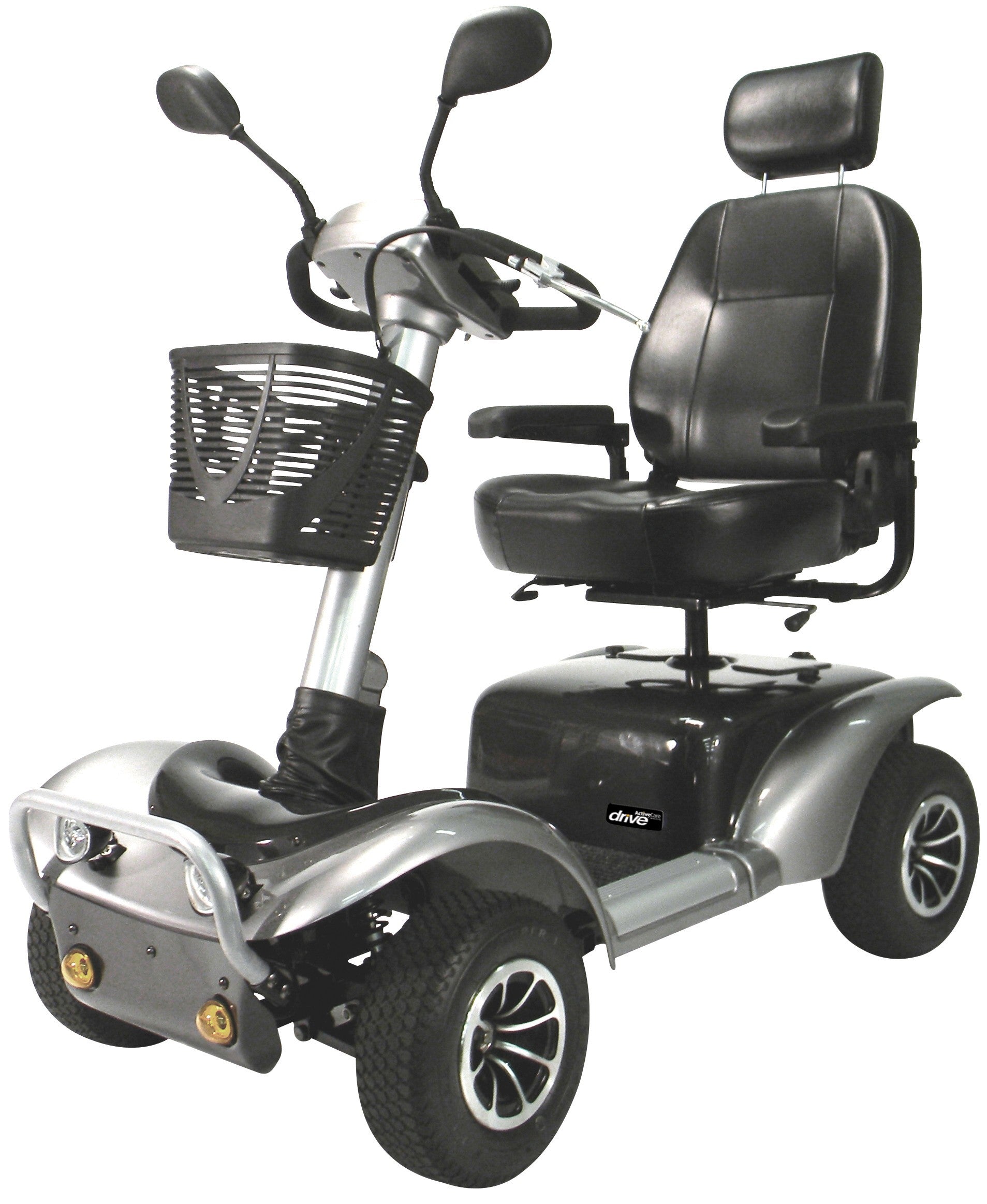
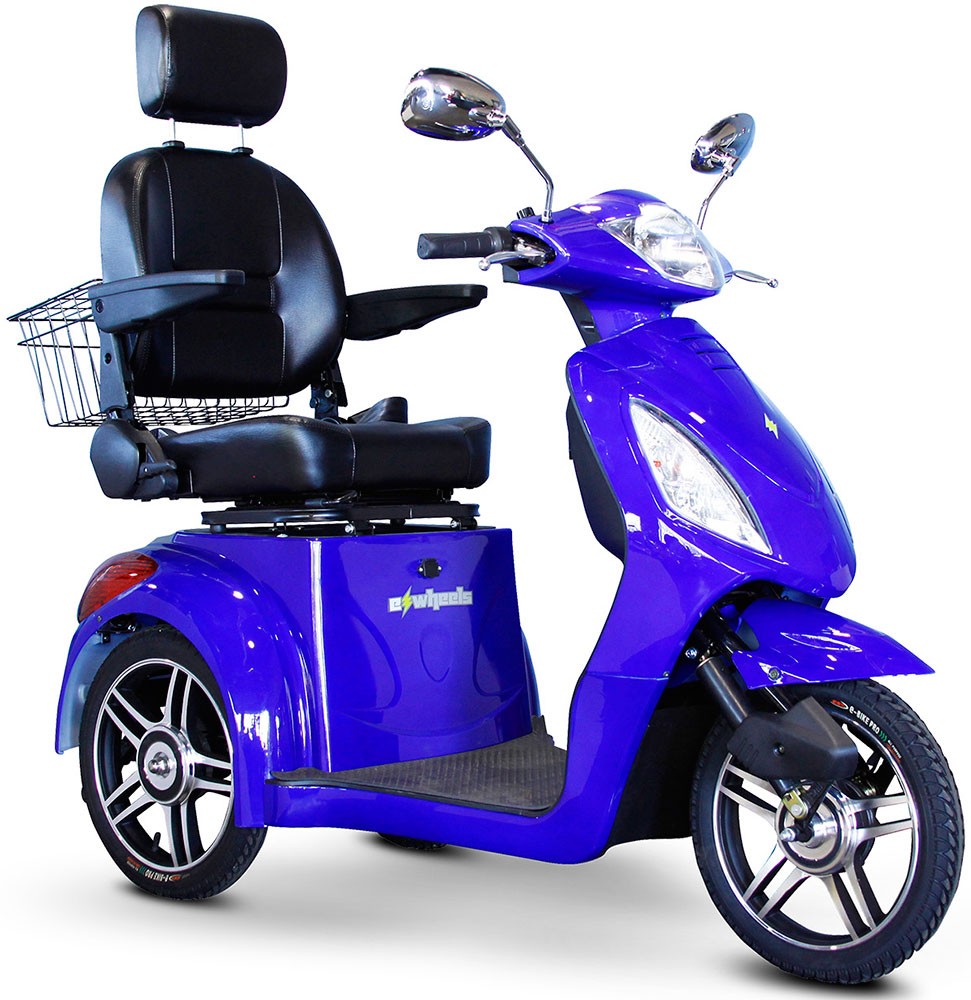
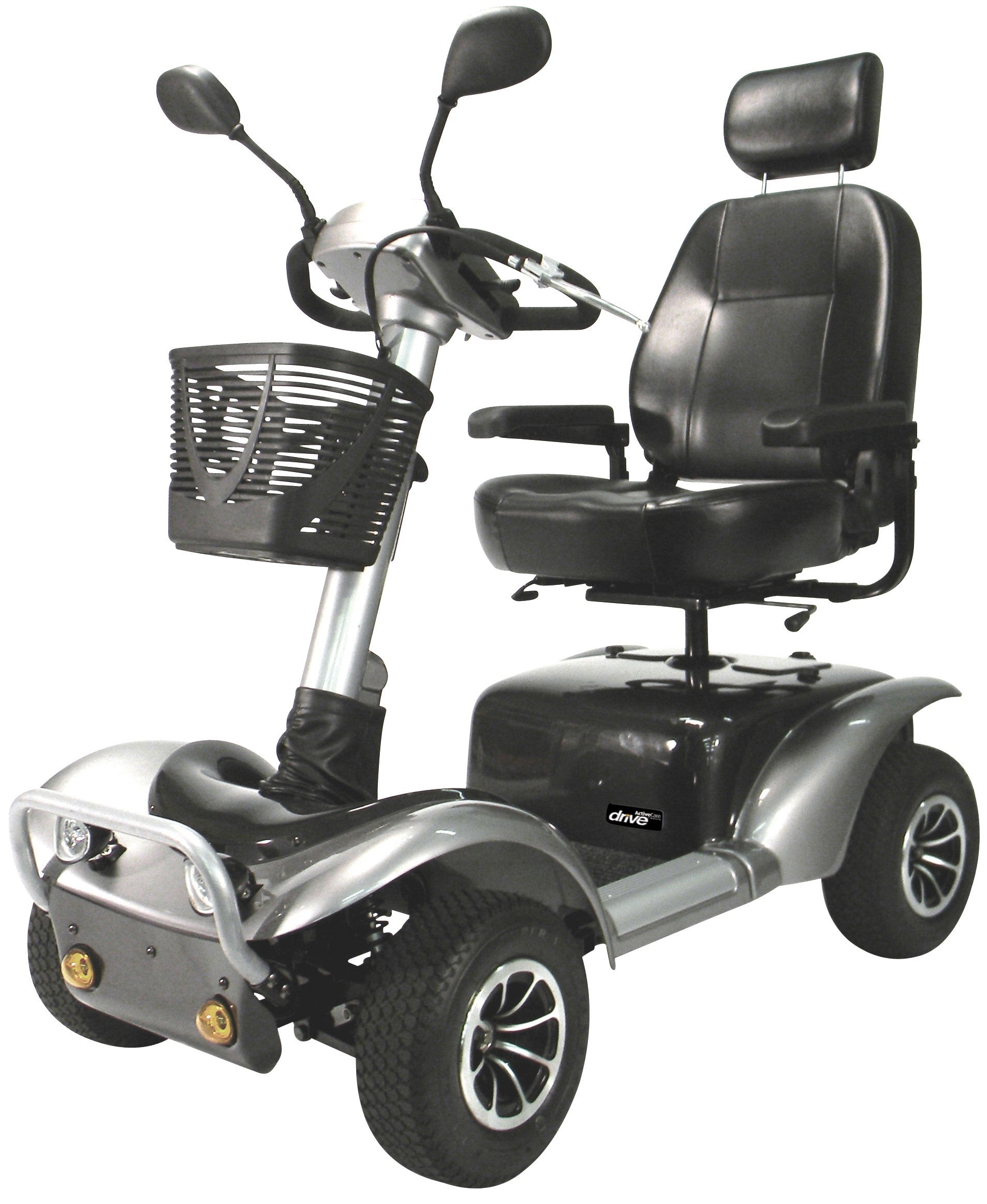
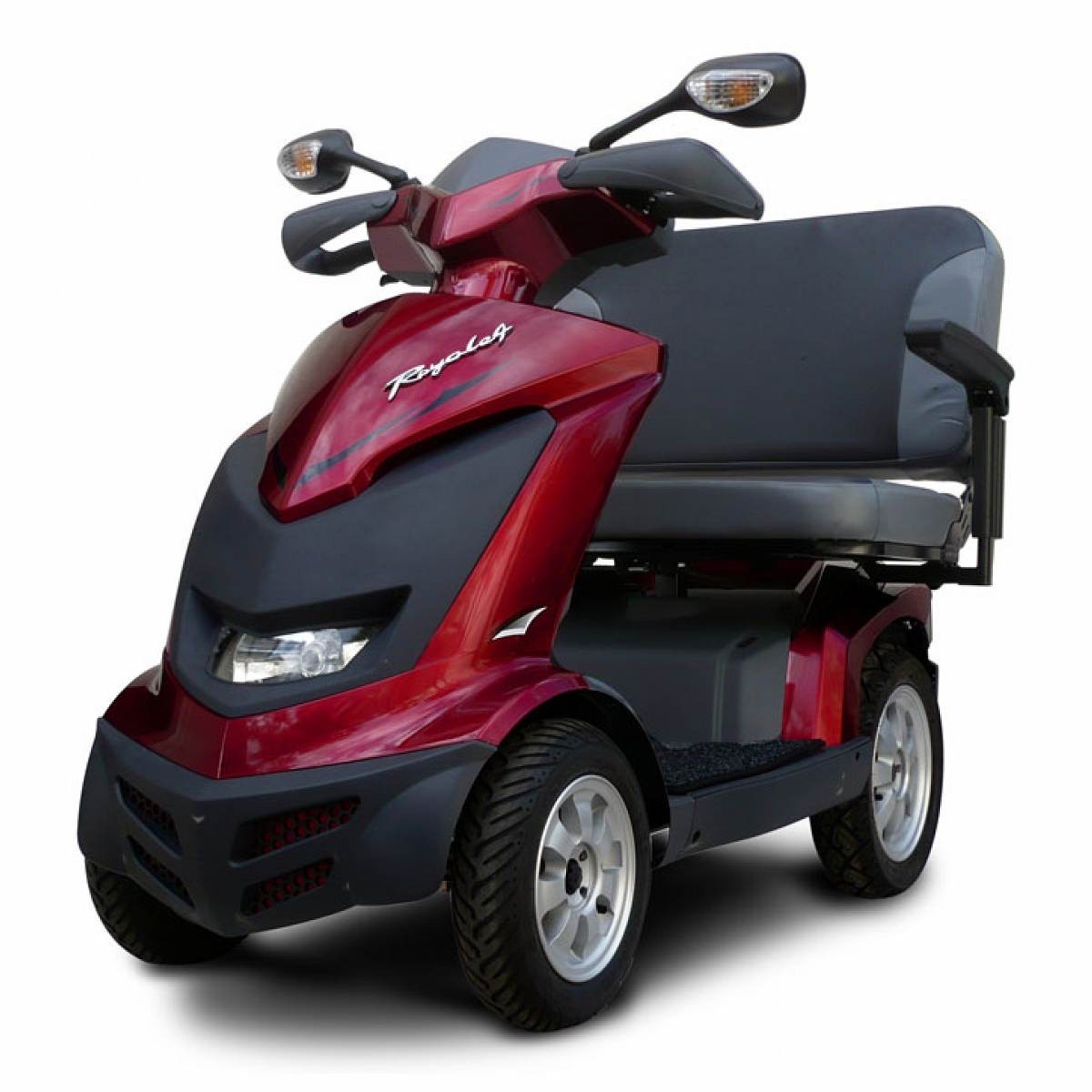
Mobility scooters come in two main configurations. Three-wheel scooters offer tighter turning and better maneuverability for indoor use. Four-wheel scooters provide more stability but need more room to turn. If you choose a scooter for apartment living, select an indoor-rated model; these are lighter, quieter, and easier to steer than outdoor counterparts.
There is also a financial distinction worth knowing. Medicare classifies mobility scooters as "power-operated vehicles" (POVs) and classifies power wheelchairs separately. This distinction directly affects insurance coverage and reimbursement, so it is worth understanding before you commit.
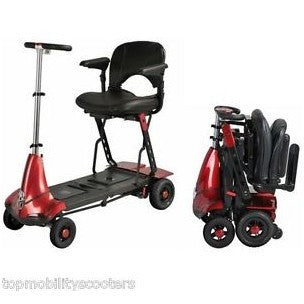
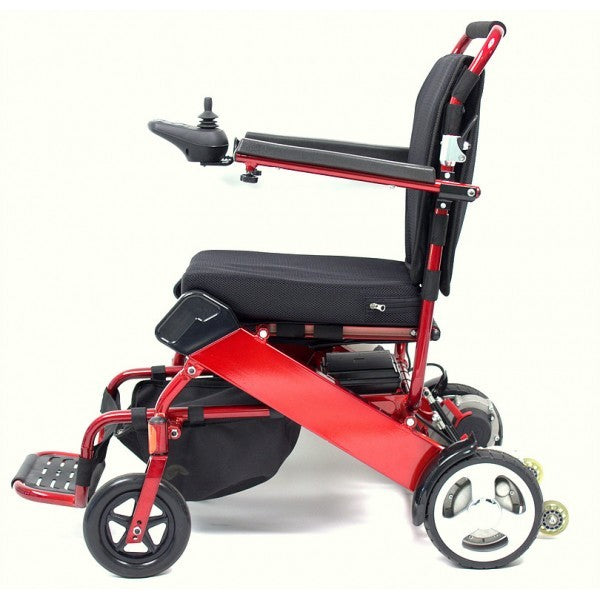
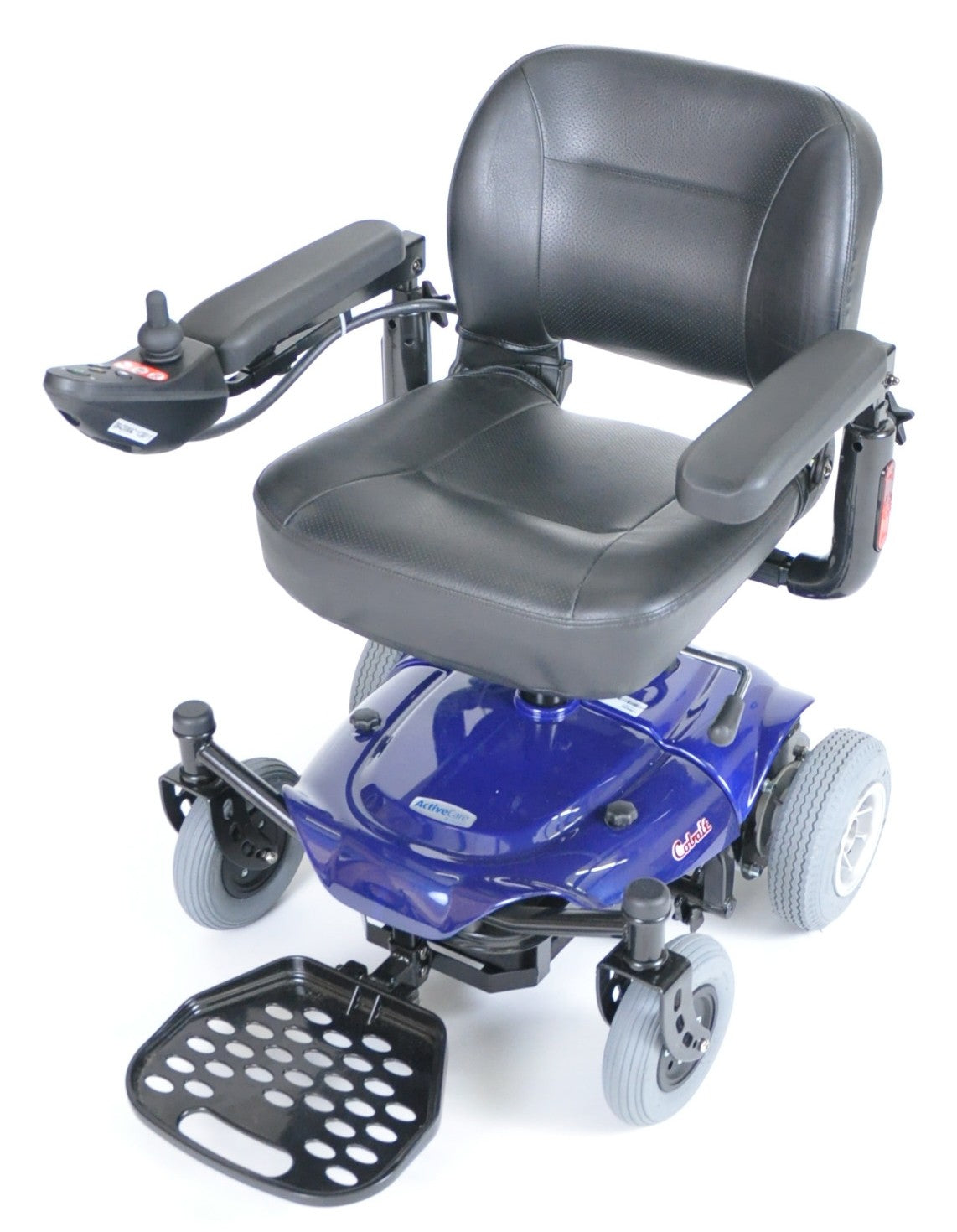
For residents who need both indoor maneuverability and the ability to transport their device, compact and folding power chairs offer an excellent combination. Models like the Pride Go Chair, Golden GP162 LiteRider Envy, and Shoprider Jimmie Portable Power Chair pair a tight turning radius with portability that works well in apartments and senior communities. You can browse these and similar options in the Power Chairs collection.
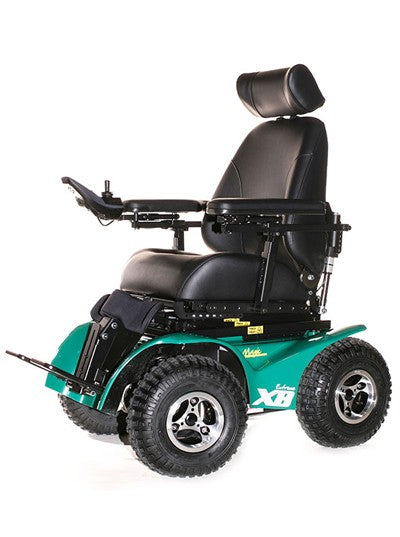
The bottom line: power chairs generally outperform scooters in apartment settings. A scooter may be the better pick if you also need to handle outdoor terrain regularly, but for pure indoor use, a mid-wheel drive power chair is hard to beat.
Your Legal Rights: What Apartments and Senior Communities Can and Cannot Do
Three federal laws protect your right to use a mobility device where you live: the Fair Housing Act (FHA), the Americans with Disabilities Act (ADA), and the Rehabilitation Act of 1973. All three prohibit discrimination against mobility device users.
Under the ADA, covered entities must allow people with disabilities who use wheelchairs, power wheelchairs, and electric scooters into all areas of a facility open to the public or to other residents. A senior living community cannot treat a mobility device user differently than a resident who walks without assistance. Blanket bans on power chairs or scooters are legally unenforceable.
Courts have upheld limited restrictions when they are tied to legitimate safety concerns. For example, a community may restrict scooter use in a dining area during meal service to prevent collisions. Courts have struck down policies not connected to real safety issues, such as requiring mobility device users to purchase separate liability insurance.
You also have the right to request a "reasonable accommodation" under the FHA. This can include permission to store your device in a specific location or access a charging outlet in a common area.
Before you buy, ask your building management these questions:
- Does the community have a written mobility device policy?
- Are there designated charging areas?
- Are there restrictions on common area use?
- Is a safe-use orientation or agreement required?
Getting clear answers upfront prevents conflicts later.
Battery Charging Safety in Apartments: What Every Resident Must Know
Lithium-ion battery fires from powered mobility devices are a real and growing hazard in apartment buildings. The NYC Fire Department reported over 140 lithium-ion structural fires in the first ten and a half months of 2022, resulting in 6 deaths and 140 injuries. Mobility scooters and power chairs share similar battery technology and similar risks.
Follow these rules every time you charge:
- Always use the manufacturer-approved charger. Never substitute a third-party charger, even if it appears compatible.
- Never charge while sleeping or when you cannot monitor the device.
- Never block an exit or hallway while the device is plugged in.
- Plug directly into a wall outlet. Extension cords and power strips can overheat under the sustained load of a mobility device charger.
- Do not leave the battery on continuous charge after it reaches full capacity. Overcharging causes overheating.
Ask your senior community whether it has designated, ventilated charging stations or storage areas. Some communities require all charging to occur in approved locations. Many also require residents to sign a safe-use agreement and complete an orientation before operating a motorized mobility aid.
Storage, Flooring, and Everyday Living With a Mobility Device
Small apartments present real storage challenges. Folding and disassembling power chairs or travel scooters is the most practical solution when floor space is limited. A device that folds down to fit in a closet or against a wall gives you your living space back when you are not using it.
Ask your senior community whether it offers designated scooter parking or communal storage rooms. Some buildings provide shared storage near elevators or in common areas, which keeps hallways clear and simplifies daily routines.
Flooring type affects performance more than most buyers expect. Thick carpet increases motor strain and drains the battery faster. Hardwood and tile are easier to navigate but can be slippery, especially when wet. Any threshold or transition above half an inch should be addressed with a small threshold ramp to prevent tipping or getting stuck.
Outdoor-rated scooters and power chairs may track in dirt and debris. A mat or designated entry spot near your door keeps your apartment cleaner and protects flooring from wheel marks.
Routine inspection of your device is good practice regardless of whether your community requires it. Check tires, battery connections, and controls regularly to catch small problems before they become safety issues.
Making the Right Choice for Where You Actually Live
The decision framework is straightforward: measure first, then match device specs to your specific space. Turning radius, overall width, and device weight should all line up with the numbers on your measurement log.
For most small apartments and senior communities, a power chair (especially a mid-wheel drive model) is the better indoor choice. A three-wheel indoor scooter is a viable alternative for residents who need more flexibility between indoor and outdoor use.
Federal law protects your right to use an appropriate mobility device in your home and community. You do not need permission to be mobile.
If you are unsure which device fits your space, talk to a live product specialist before purchasing. An expert can match device specifications to your exact measurements and living situation. American Quality Health Products has provided this kind of personalized guidance since 2001, with US-based product specialists available six days a week by phone. Financing options and a lowest-price guarantee are available to help reduce the financial barrier to getting the right device.
Frequently Asked Questions
Can my senior living community ban my power wheelchair?
Generally, no. The Fair Housing Act and the ADA prohibit blanket bans on mobility devices. A community may impose limited, safety-based restrictions, but it cannot prevent you from using a power chair or scooter in your home or in common areas open to other residents.
What is the best turning radius for a small apartment?
A turning radius of 20 inches or less is recommended for tight spaces. Mid-wheel drive power chairs typically achieve 19 to 23 inches, making them the top choice for small apartments.
Is a 3-wheel or 4-wheel scooter better for apartment use?
A 3-wheel scooter offers tighter turning and is generally better for indoor apartment use. A 4-wheel scooter provides more stability but requires more room to maneuver.
Do I need to tell my landlord I am getting a mobility scooter?
It is not legally required, but it is recommended. Notifying your landlord gives you the opportunity to discuss charging locations, storage accommodations, and any building-specific policies before issues arise.
Does Medicare cover power chairs or scooters for apartment use?
Medicare classifies mobility scooters as power-operated vehicles (POVs) and power wheelchairs as a separate category. Coverage criteria and reimbursement differ between the two. Consult with a product specialist or your Medicare provider to understand which classification applies to your situation and what documentation you will need.


