
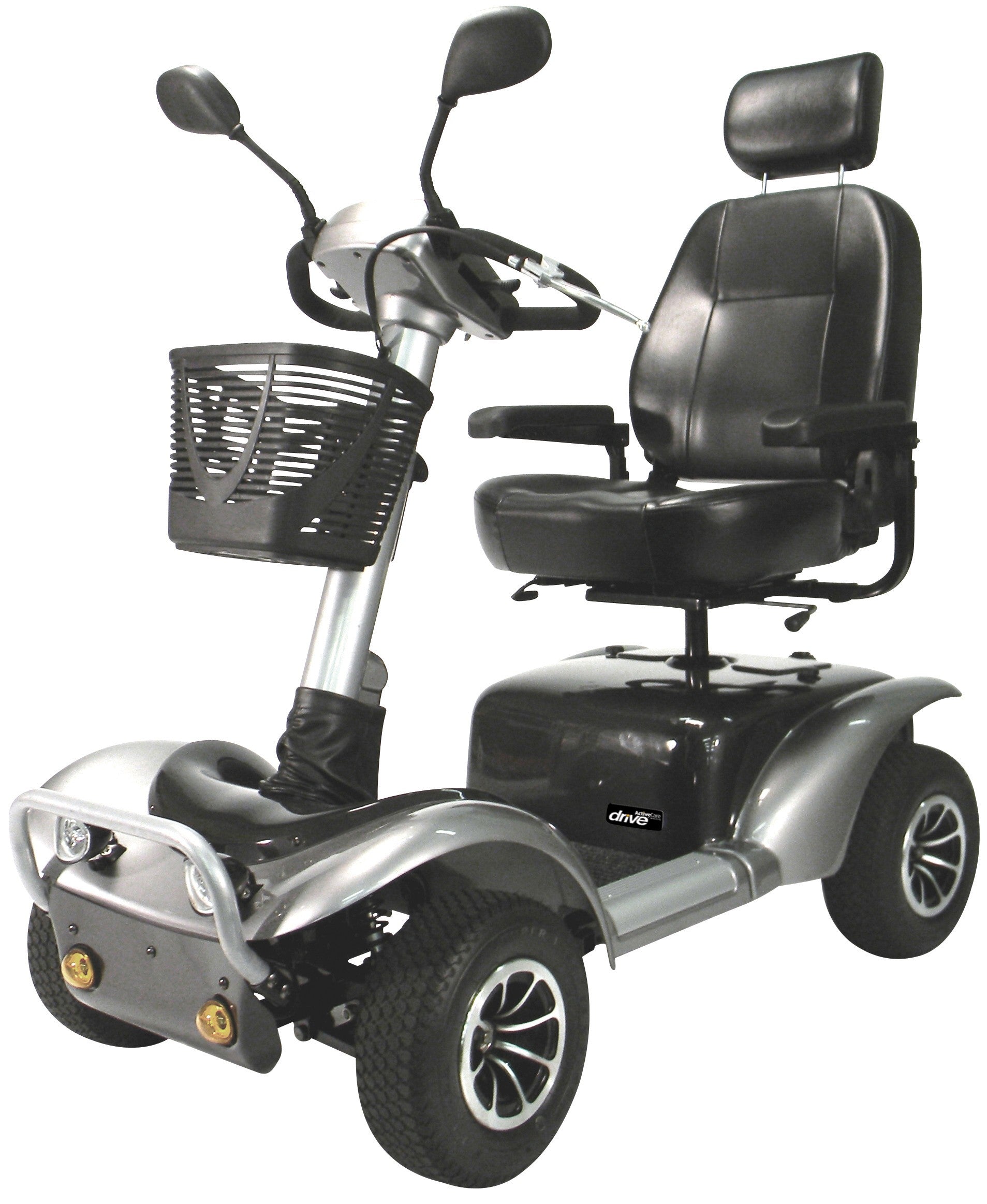
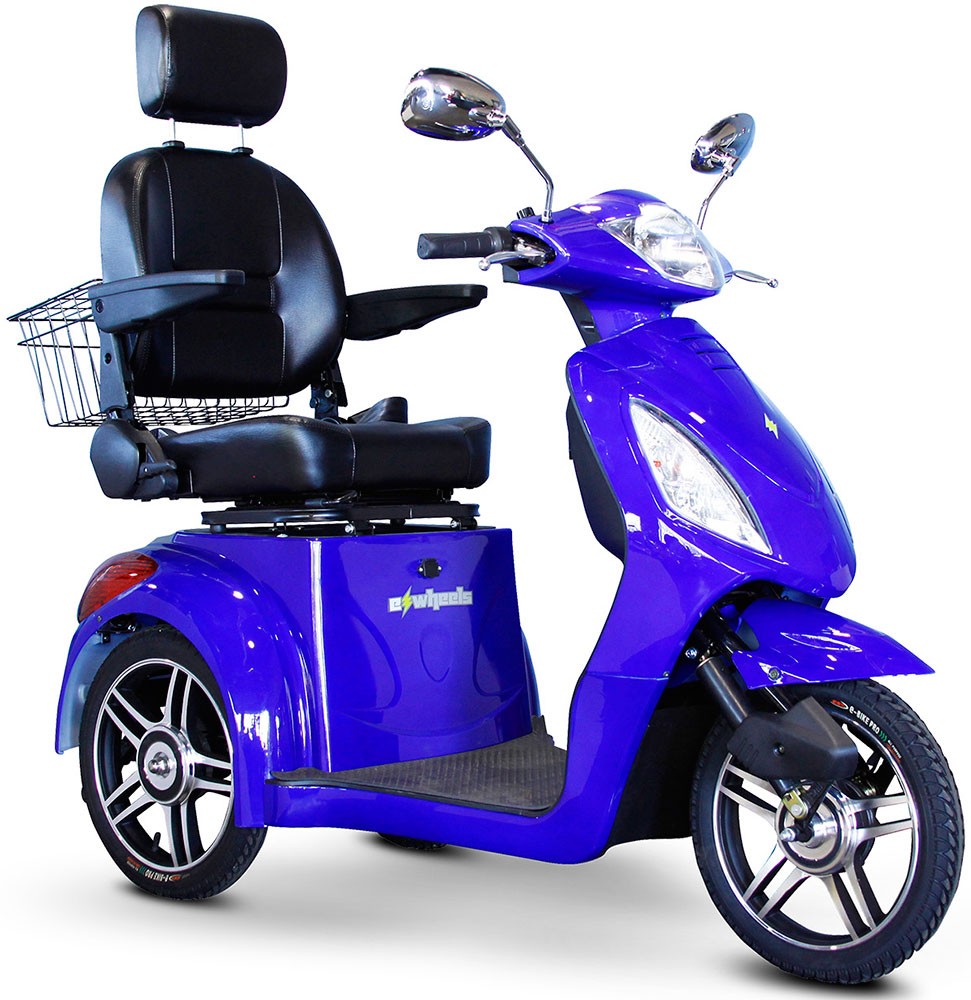
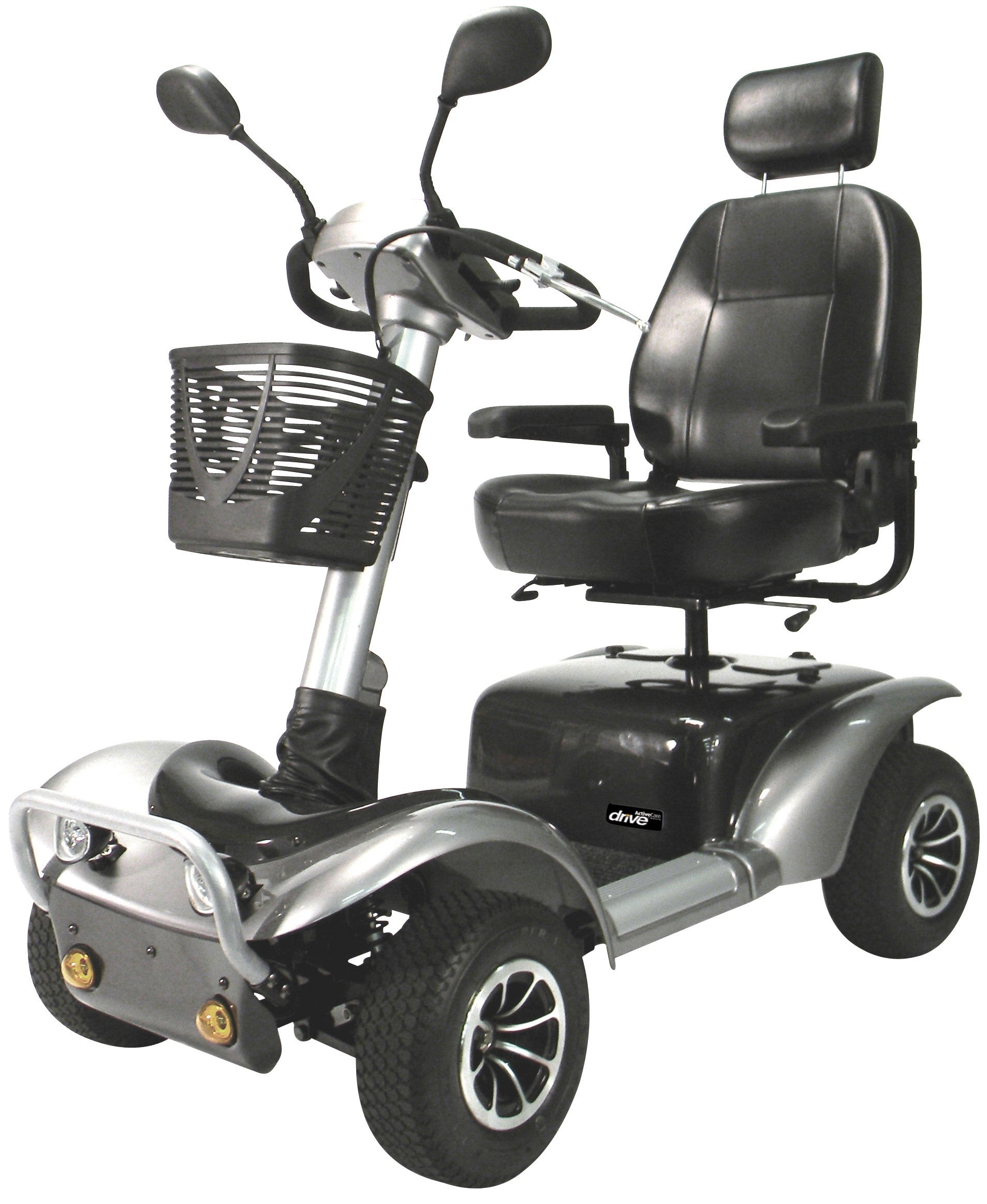
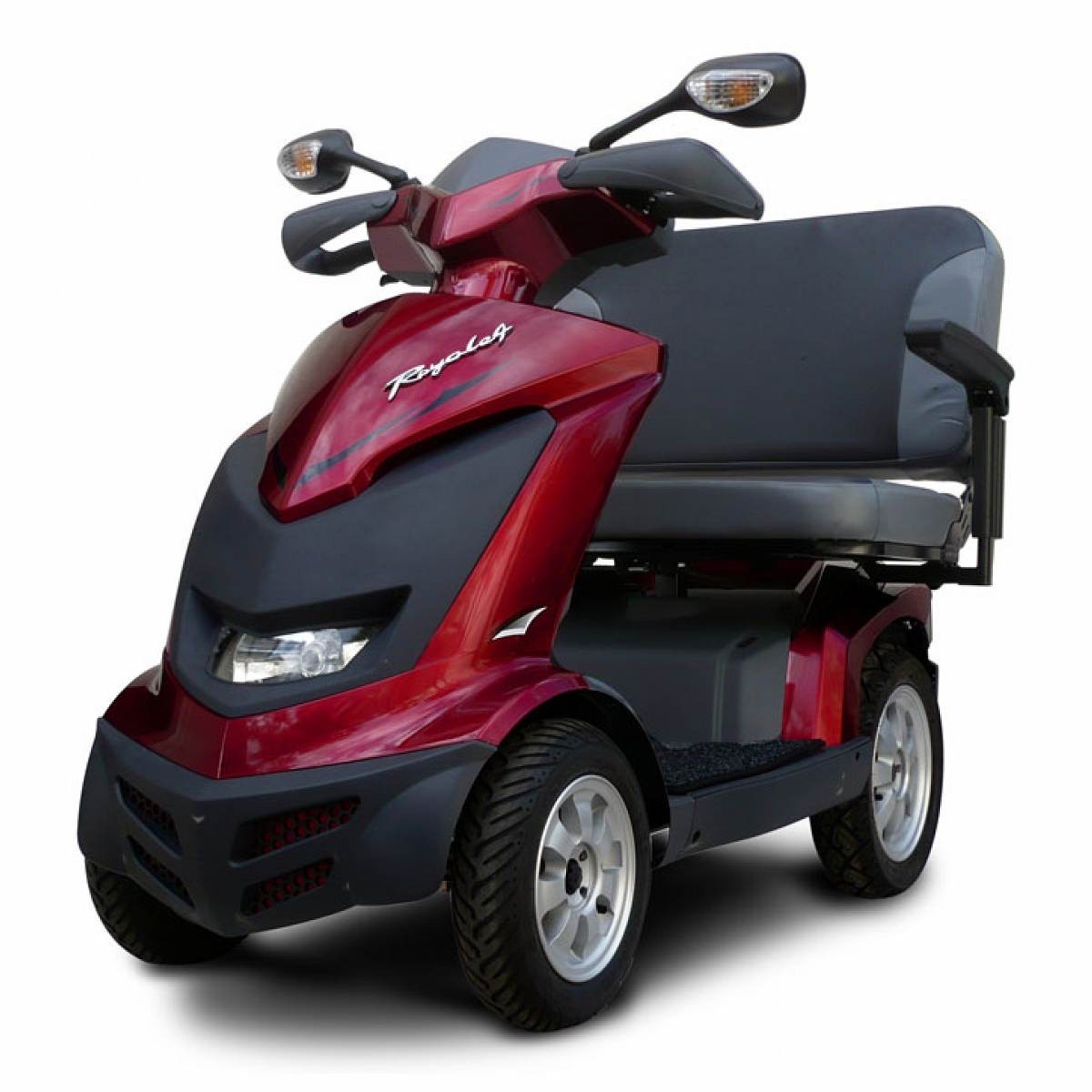
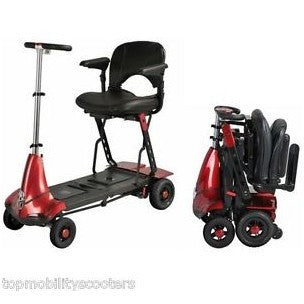
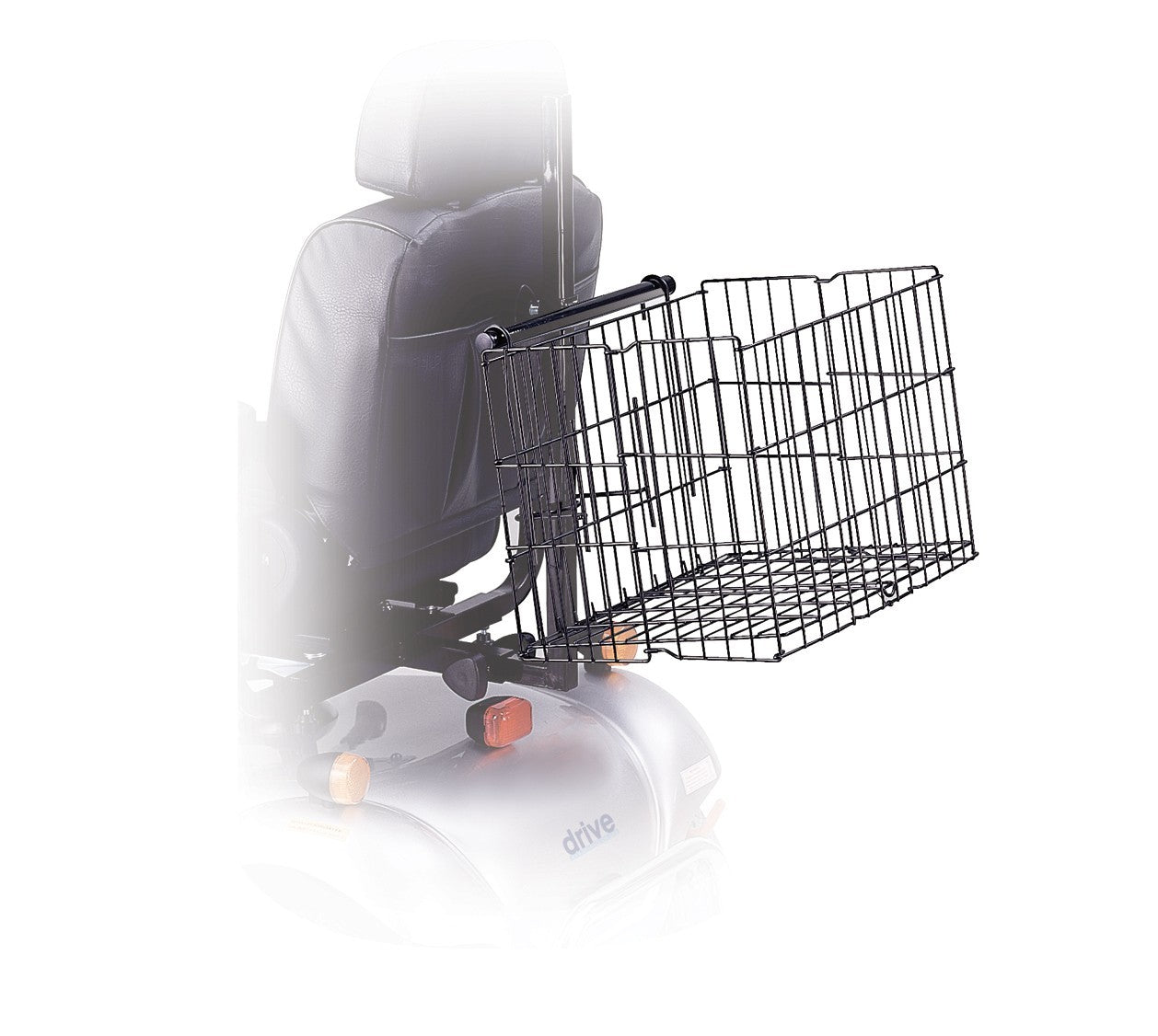
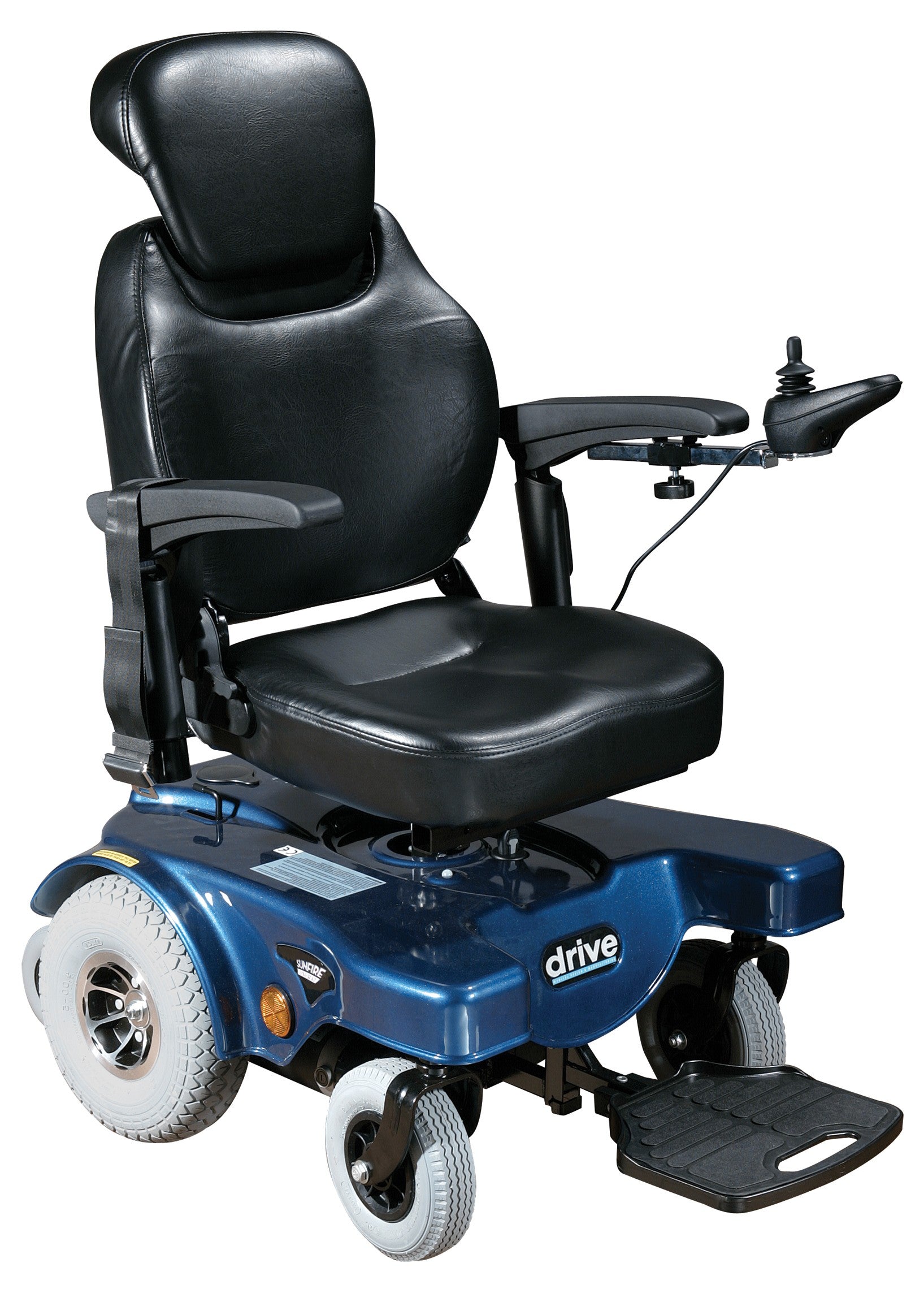
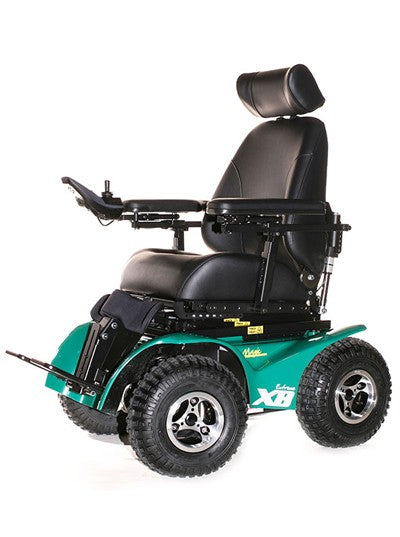
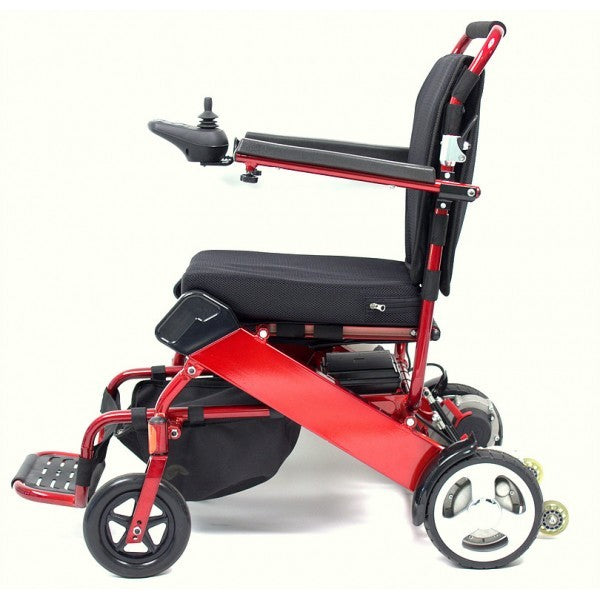
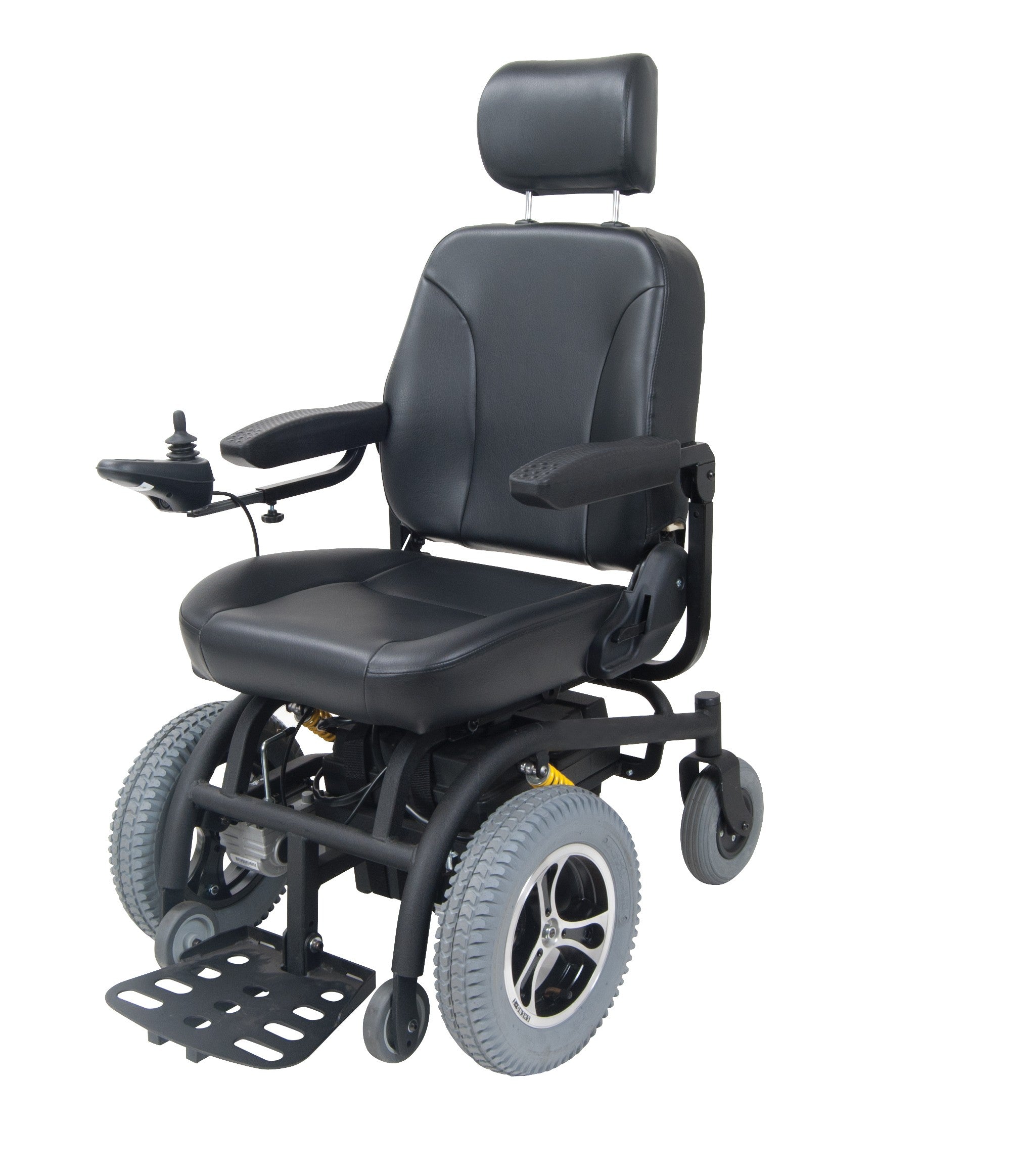
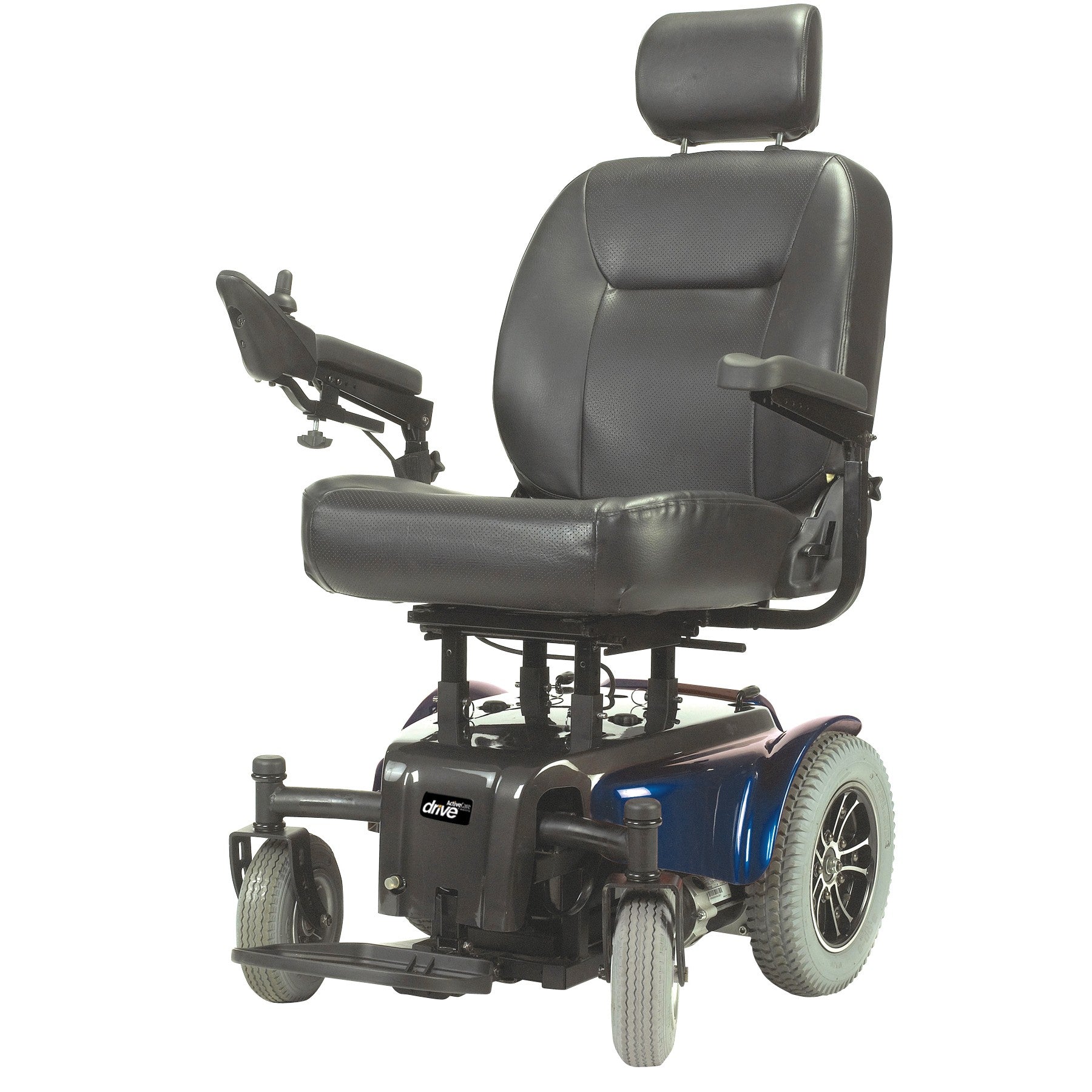
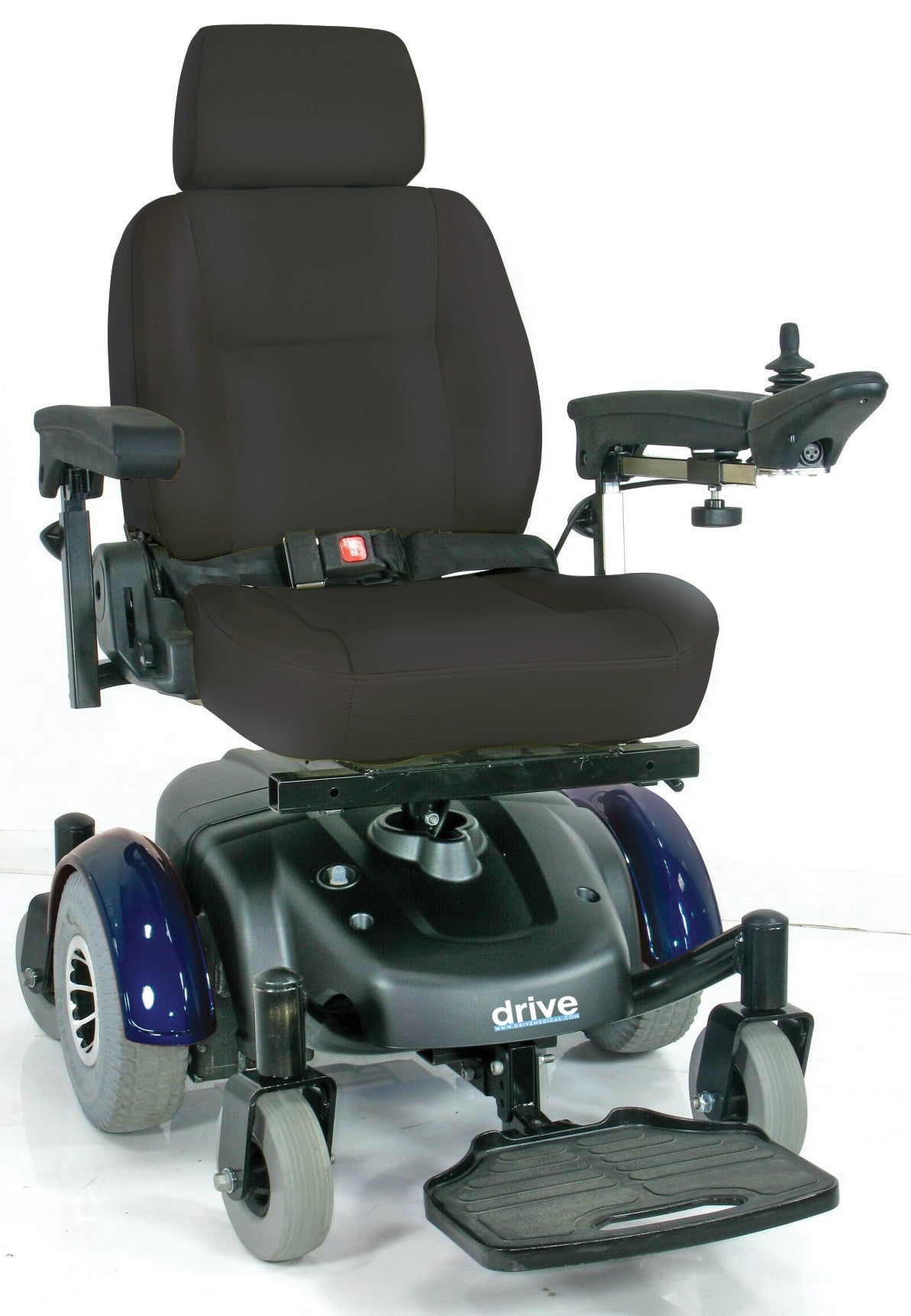
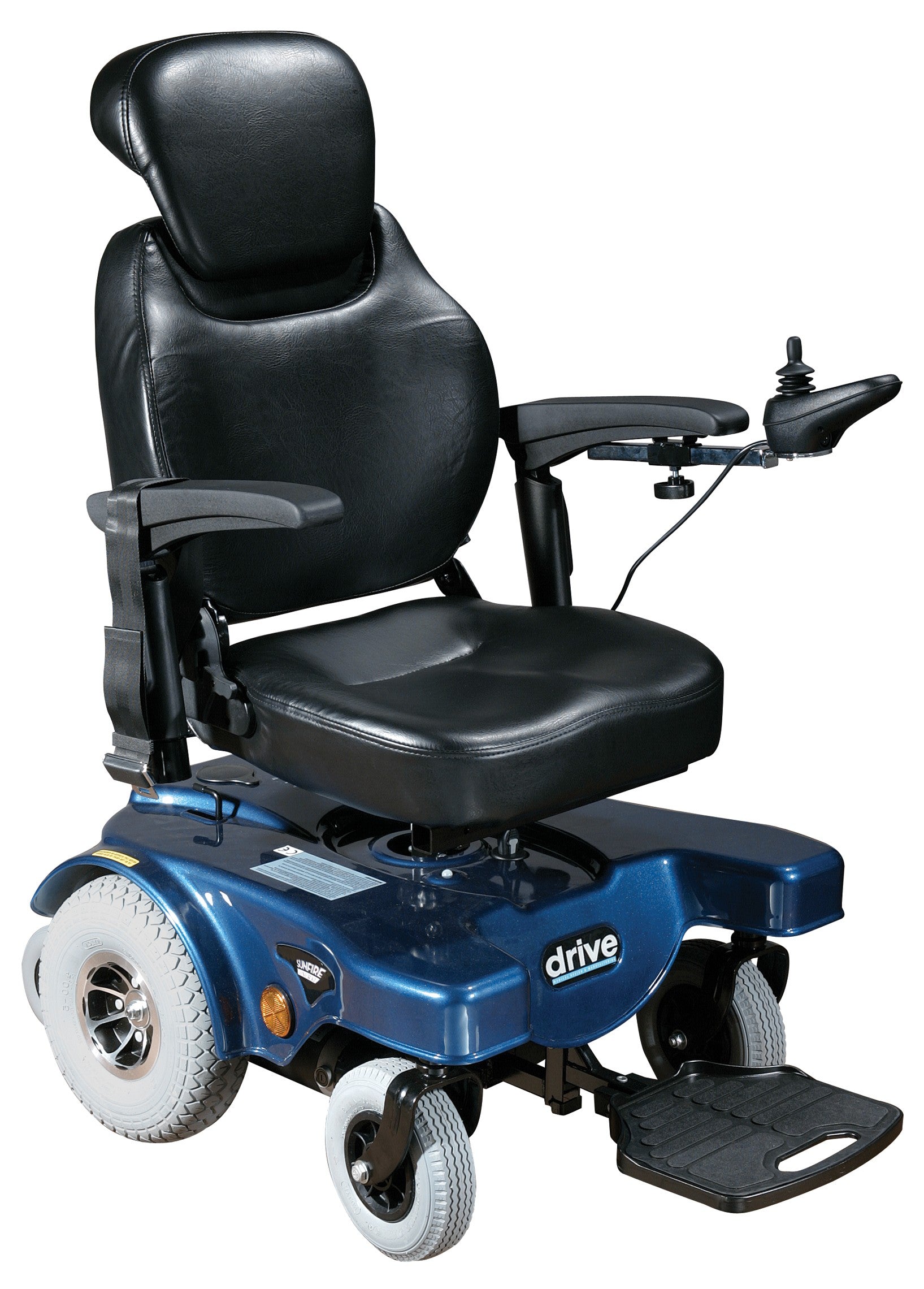

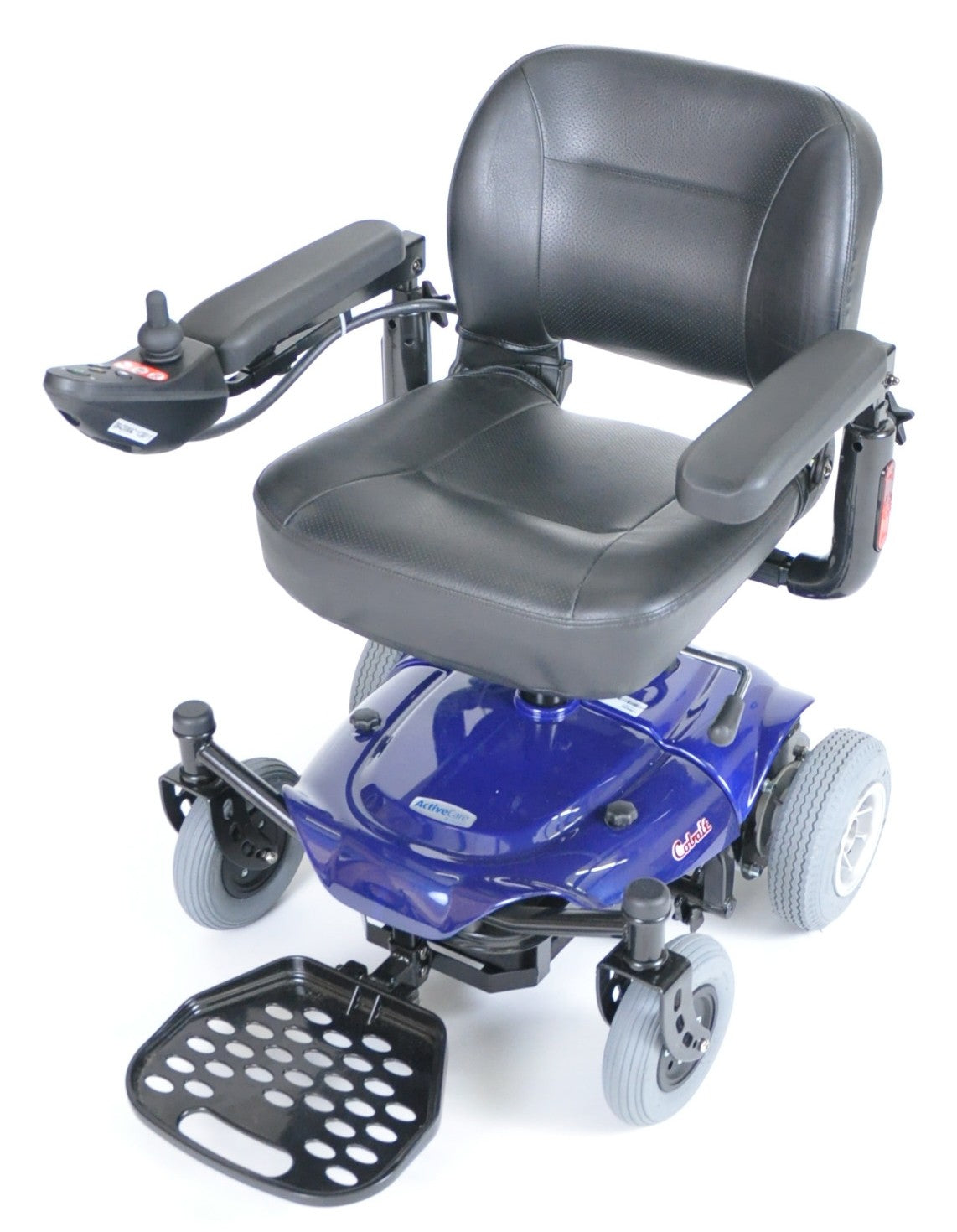






























A mobility scooter should feel dependable when you are heading to an appointment, visiting family, or simply moving comfortably through your day. This mobility scooter maintenance guide focuses on the routine care that protects that reliability, helps preserve battery range, and gives you time to address small concerns before they interrupt your independence.
Most routine checks take only a few minutes. The key is making them regular. Your owner's manual always comes first because controls, charging systems, and recommended service intervals vary by model. Still, the habits below apply to many travel, mid-size, and full-size scooters.
Start With a Simple Pre-Ride Check
Before a longer outing, look over the scooter in a well-lit area. Make sure the key is off before inspecting it, then check that the seat is secure, armrests and tiller adjustments are locked in place, and the basket or storage area is not overloaded. A loose seat or an item shifting against the controls can create an unnecessary safety risk.
Turn the scooter on and confirm that the battery indicator, horn, lights, and turn signals work if your model includes them. Test the throttle gently in an open, level space. The scooter should start smoothly, steer predictably, and stop when you release the control. If it jerks, pulls sharply to one side, displays an error code, or makes a new grinding sound, do not assume it will correct itself on the next trip.
Look at the tires as well. Solid tires do not need air, but they can still wear down, crack, or lose traction. Pneumatic tires should look evenly inflated and free from punctures, embedded debris, and worn tread. Use the pressure listed in your scooter manual, not the pressure printed as a maximum on the tire sidewall.
Battery Care Makes the Biggest Difference
Battery condition has a direct effect on how far a scooter can travel and how confidently it performs on slopes, carpeting, or uneven pavement. Many mobility scooters use sealed lead-acid batteries, while some newer models use lithium batteries. Their care routines differ, so follow the charger and charging guidance supplied for your specific scooter.
For most users, charging after each day of use is the safest habit. Avoid running the battery completely down whenever possible. A deep discharge can shorten the useful life of lead-acid batteries, particularly when it happens repeatedly. Plug the charger into the scooter and wall outlet in the order specified by the manufacturer, and allow the normal charging cycle to finish.
Use only the correct, approved charger. A charger that looks similar may have a different voltage or charging profile, which can damage the battery or create a safety issue. Charge in a dry, ventilated location away from direct heat, open flames, and areas where cords could become a trip hazard.
If the scooter will not be used for several weeks, do not leave it neglected in a garage or storage room. Charge it before storage and refresh the charge according to the manual's schedule. Batteries slowly lose power even when the scooter is off. Extremely cold or hot conditions can reduce performance and shorten battery life, so a dry, temperature-moderate indoor location is preferable.
Signs Your Battery May Need Attention
A shorter travel distance is the most familiar warning sign, but it is not the only one. Slow acceleration, dimming lights, a battery gauge that drops unusually fast, or difficulty climbing a familiar incline can all point to a weak battery. Loose or corroded battery connections can cause similar symptoms.
Do not open sealed batteries or attempt makeshift repairs. Turn the scooter off, check for visible corrosion or damaged cables, and arrange for qualified help if you notice swelling, leaking, a burning smell, or excessive heat during charging. Those are not normal signs of battery aging.
Keep the Scooter Clean Without Soaking It
Dust, food crumbs, mud, and moisture eventually find their way into everyday equipment. Wipe the seat, armrests, tiller, and exterior panels with a soft, lightly damp cloth. Mild soap is usually enough for routine cleaning. Dry the surfaces afterward, especially around the charging port, display panel, and control area.
Avoid spraying water directly onto the scooter or using a pressure washer. Mobility scooters contain electrical components that are not designed to be drenched. Rain puddles, wet grass, and damp storage areas can also affect connectors, brakes, and electronics. If you are caught in light rain, dry the scooter as soon as practical and let it fully air dry before charging.
Clean debris from around the wheels and under the scooter. Hair, string, leaves, and small stones can collect near moving parts. If you cannot remove debris easily without reaching into mechanical areas, stop and have a technician inspect it rather than forcing the issue.
Protect Tires, Wheels, and Brakes
Tires are easy to overlook until a ride becomes rough or unstable. Check pneumatic tire pressure at least monthly and before any extended trip. Underinflated tires can reduce range, make steering less responsive, and wear faster along the edges. Overinflation can create a harsh ride and reduce traction.
Inspect tires for flat spots, splits, bald areas, and objects lodged in the tread. Replace tires that are noticeably worn rather than waiting for a complete failure. If your scooter has anti-tip wheels, make sure they are present and positioned correctly. They are a small component with a major role in stability on inclines and transitions.
Your scooter's electromagnetic brake usually engages automatically when you release the throttle. If the scooter rolls when parked, does not stop smoothly, or has been left in freewheel mode, do not use it until you understand why. Freewheel levers are useful when moving an unpowered scooter manually, but the scooter should never be ridden while freewheel mode is engaged.
Check Seating, Controls, and Fasteners
Comfort and control are part of safe maintenance. Periodically check that the seat swivel lock engages fully and that the seat post, armrests, and tiller are secure. A properly adjusted tiller lets you reach the controls without stretching or leaning forward, which can make steering harder over time.
Watch for loose screws, rattling panels, frayed wiring, or cracked plastic near the controls. Do not overtighten fasteners or dismantle the scooter unless the manual specifically explains the procedure. Over-tightening can strip threads or damage components that need precise alignment.
If the scooter is used by more than one person, reset the seat, armrest, and tiller position for the current rider before leaving home. Weight capacity, rider fit, and cargo limits are not minor details. Staying within the manufacturer's limits supports handling, braking, and long-term component life.
Schedule Professional Service at the Right Time
A careful owner can handle cleaning, charging, tire checks, and visible inspections. Some work belongs with a qualified mobility equipment technician, including brake concerns, controller errors, motor noises, wiring issues, and replacement of internal electrical parts.
An annual professional inspection is a practical baseline for many scooters, especially those used several times a week. More frequent service may make sense for a scooter used outdoors daily, carried in a vehicle often, or operated on rough surfaces. Service needs also depend on the model, battery type, mileage, and local weather conditions.
Keep a simple record of battery replacement dates, tire service, repairs, and any recurring error messages. This gives a technician useful information and makes it easier to spot a pattern. If you are choosing a replacement scooter or accessories, knowledgeable guidance can help match the equipment to your weight capacity, travel needs, terrain, and storage space. American Quality Health Products has supported mobility customers since 2001 with practical product guidance for those decisions.
When to Stop Using the Scooter
Some issues should not wait until the next scheduled check. Stop using the scooter and seek qualified assistance if you notice a burning odor, smoke, leaking battery fluid, damaged charging equipment, sudden loss of braking, a cracked frame, or repeated error codes. The same applies if the scooter feels unstable, accelerates unexpectedly, or cannot hold a charge safely.
A mobility scooter is a daily partner in independence, not equipment you should have to second-guess. A few regular checks, the right charging habits, and prompt attention to changes can help keep each trip comfortable, safer, and ready when you need it.


