
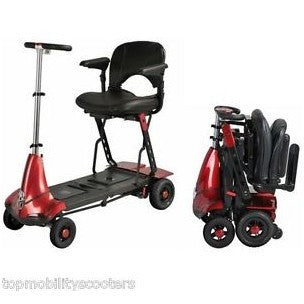
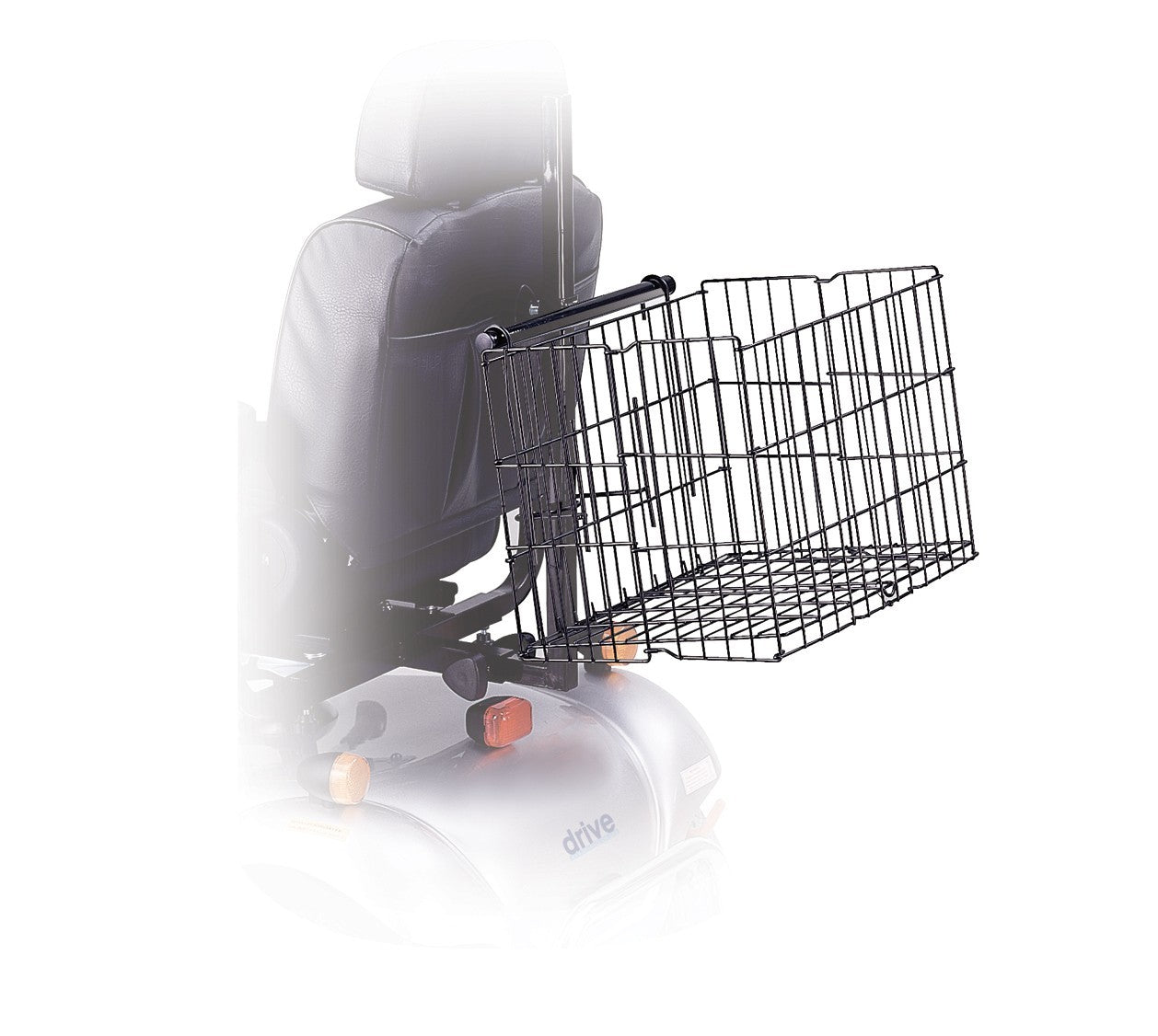
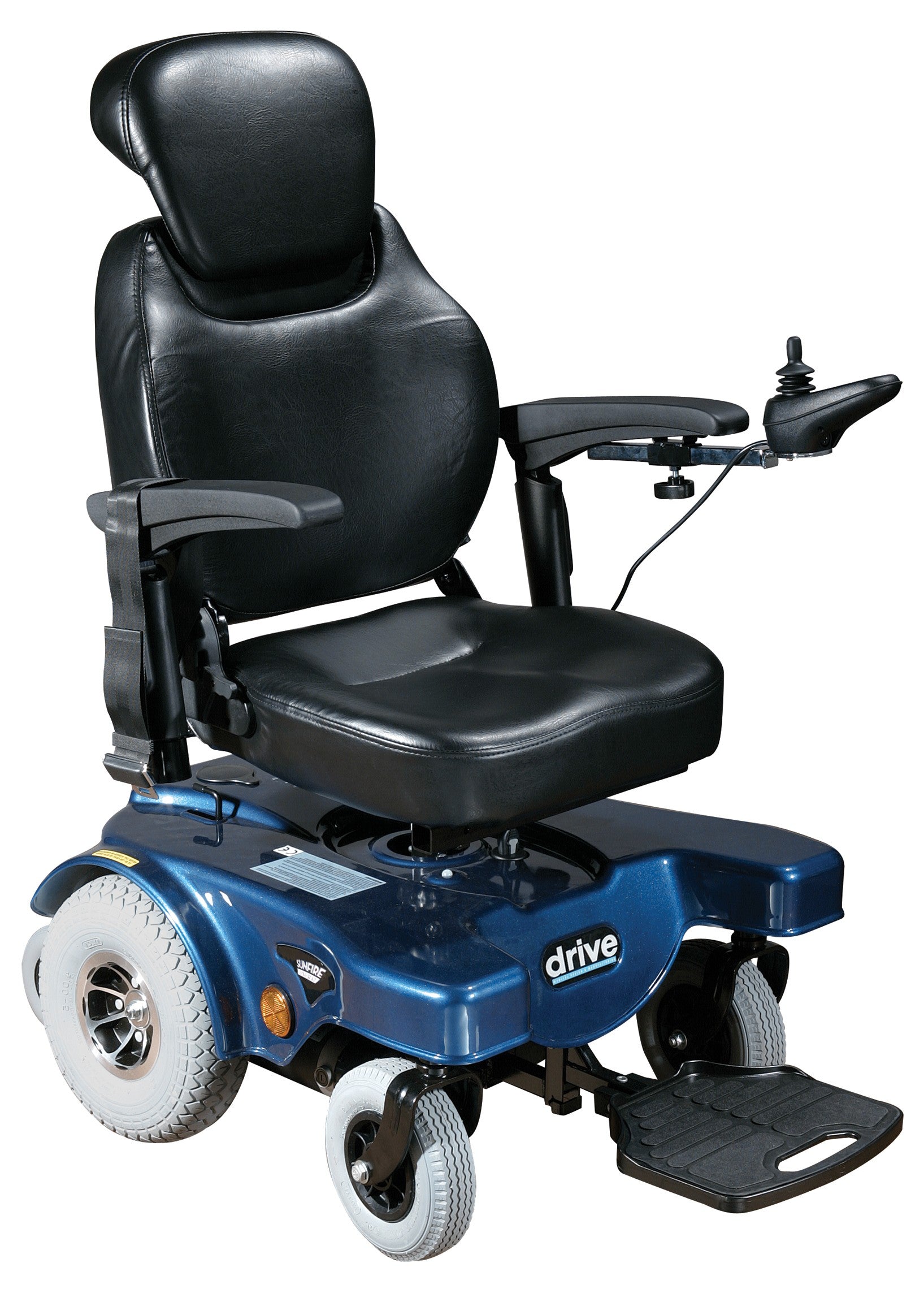
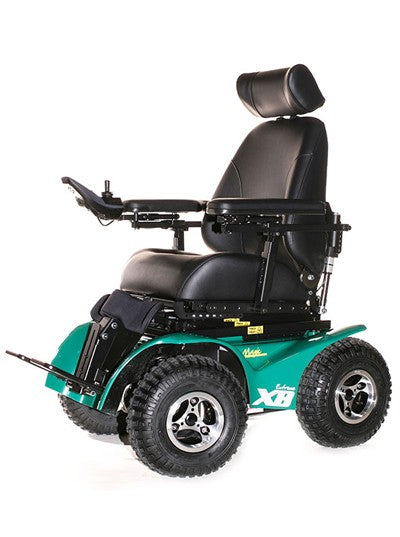
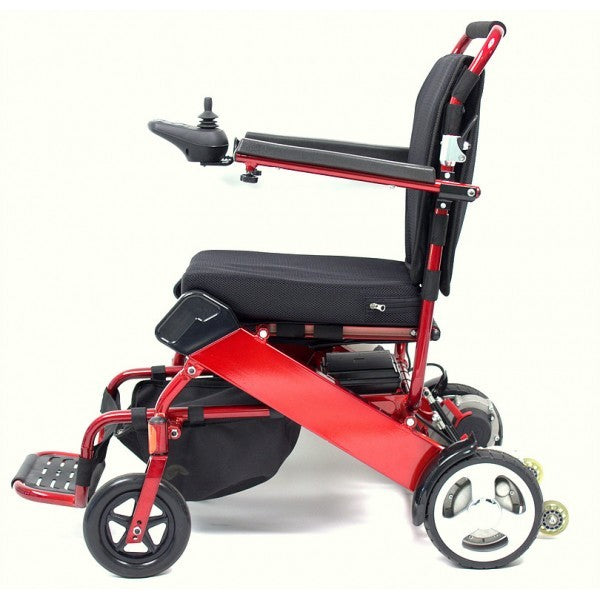
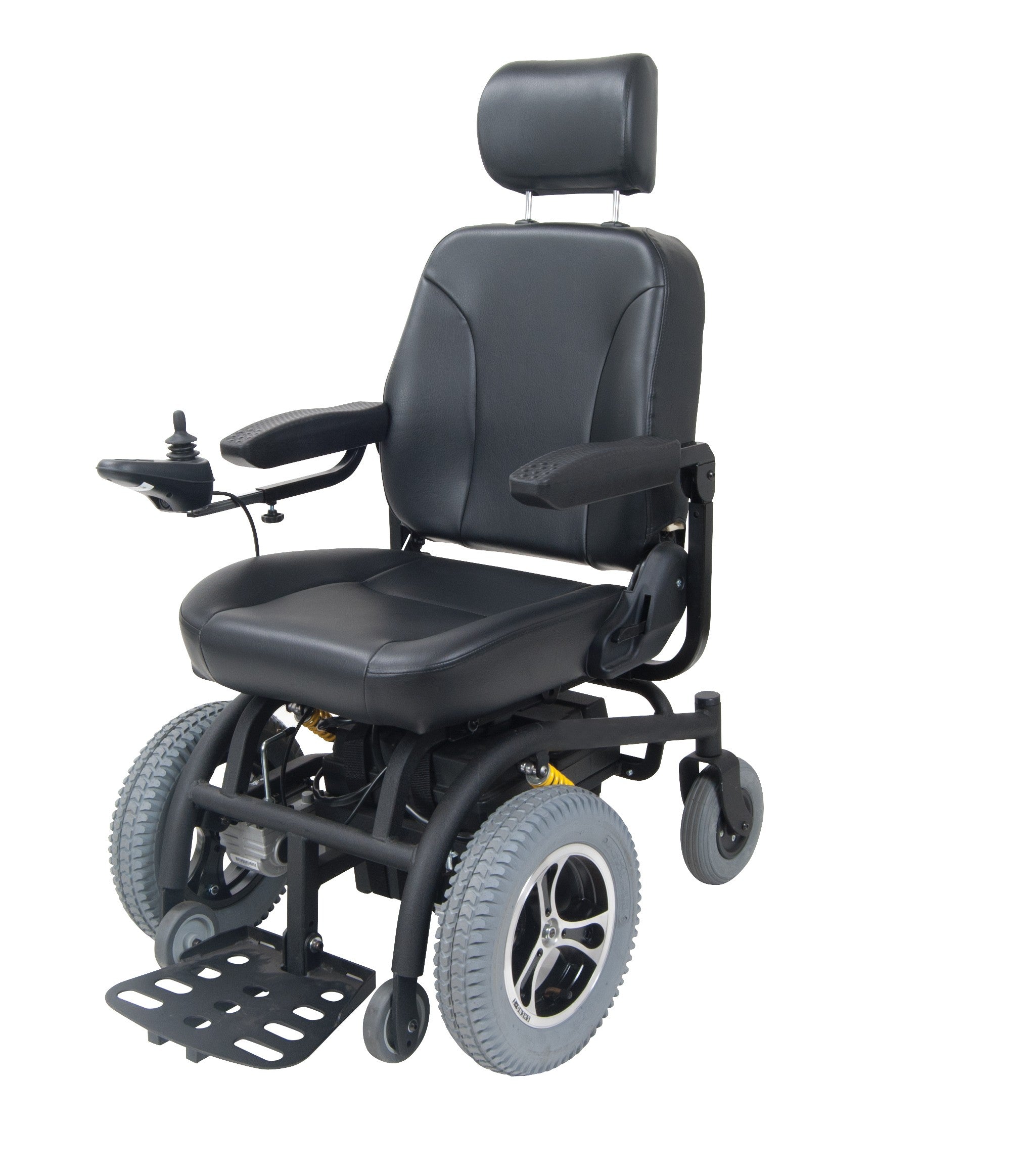
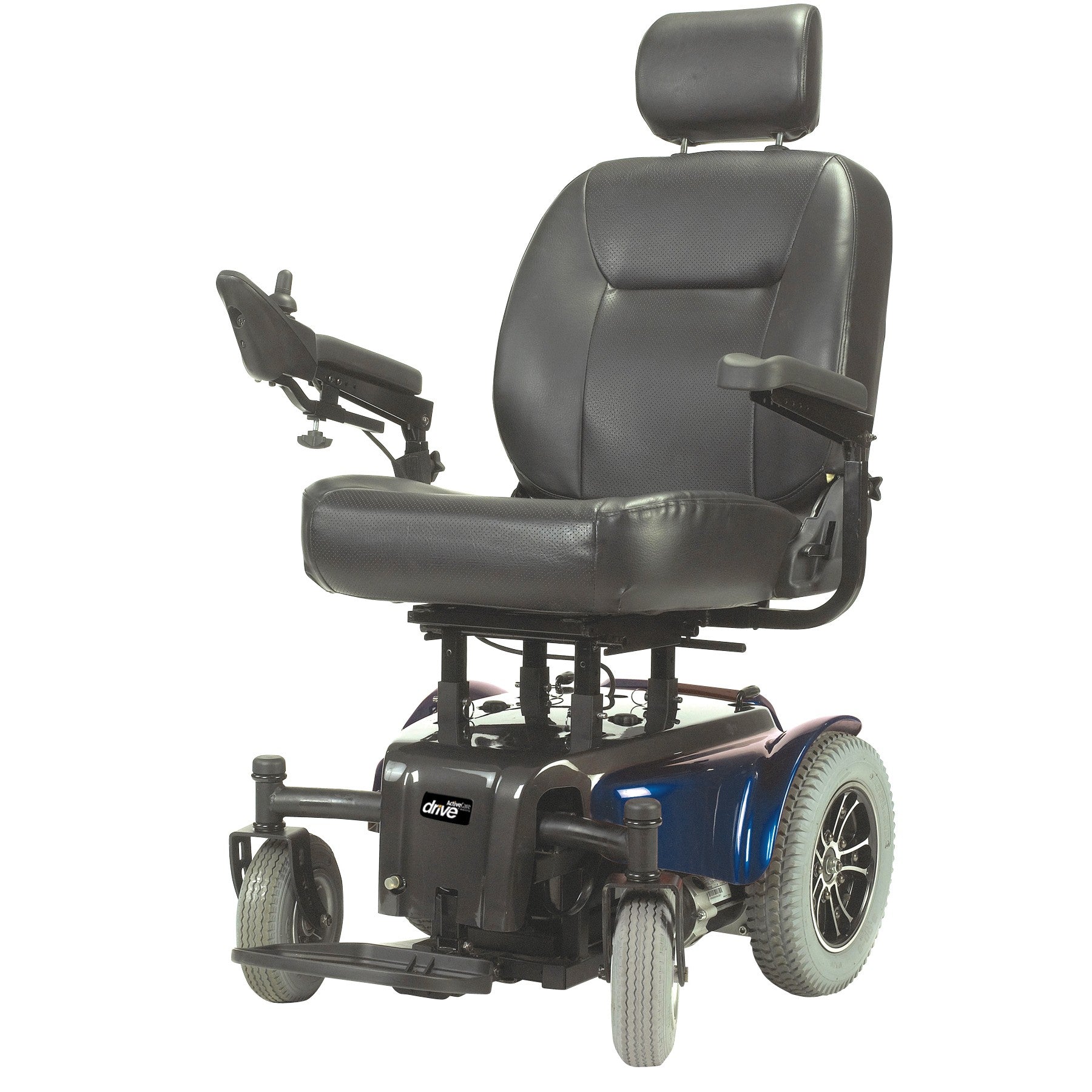
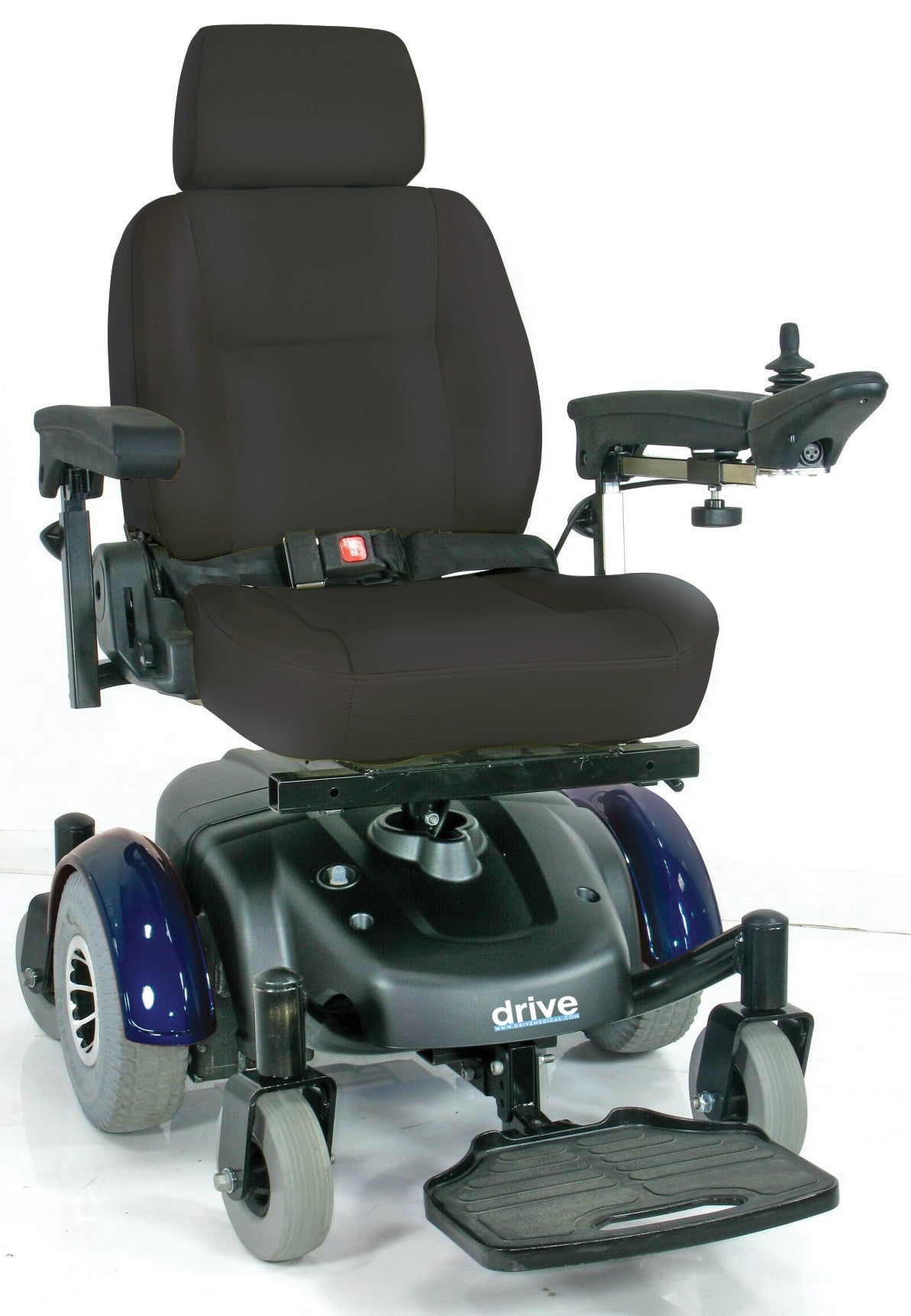
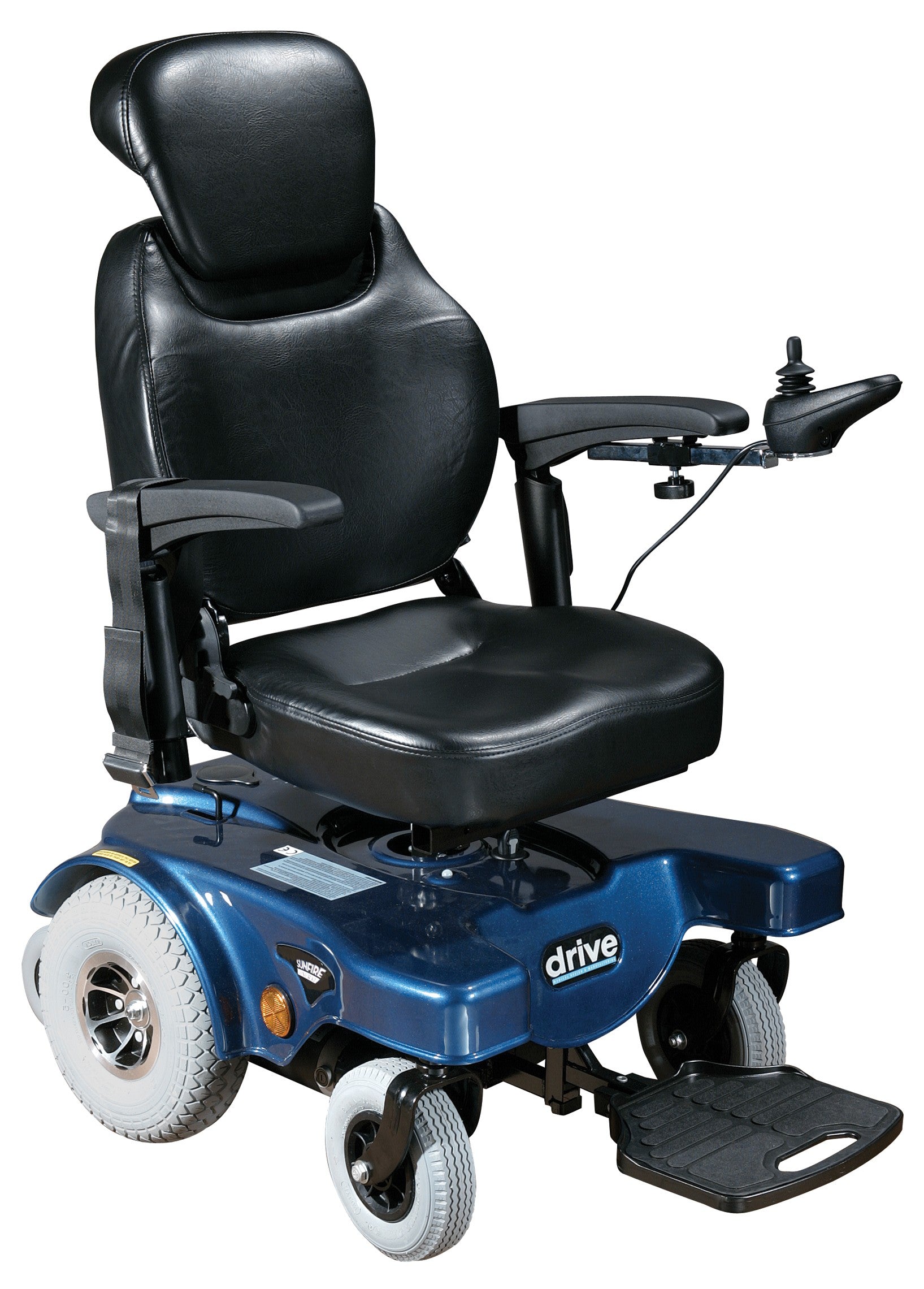
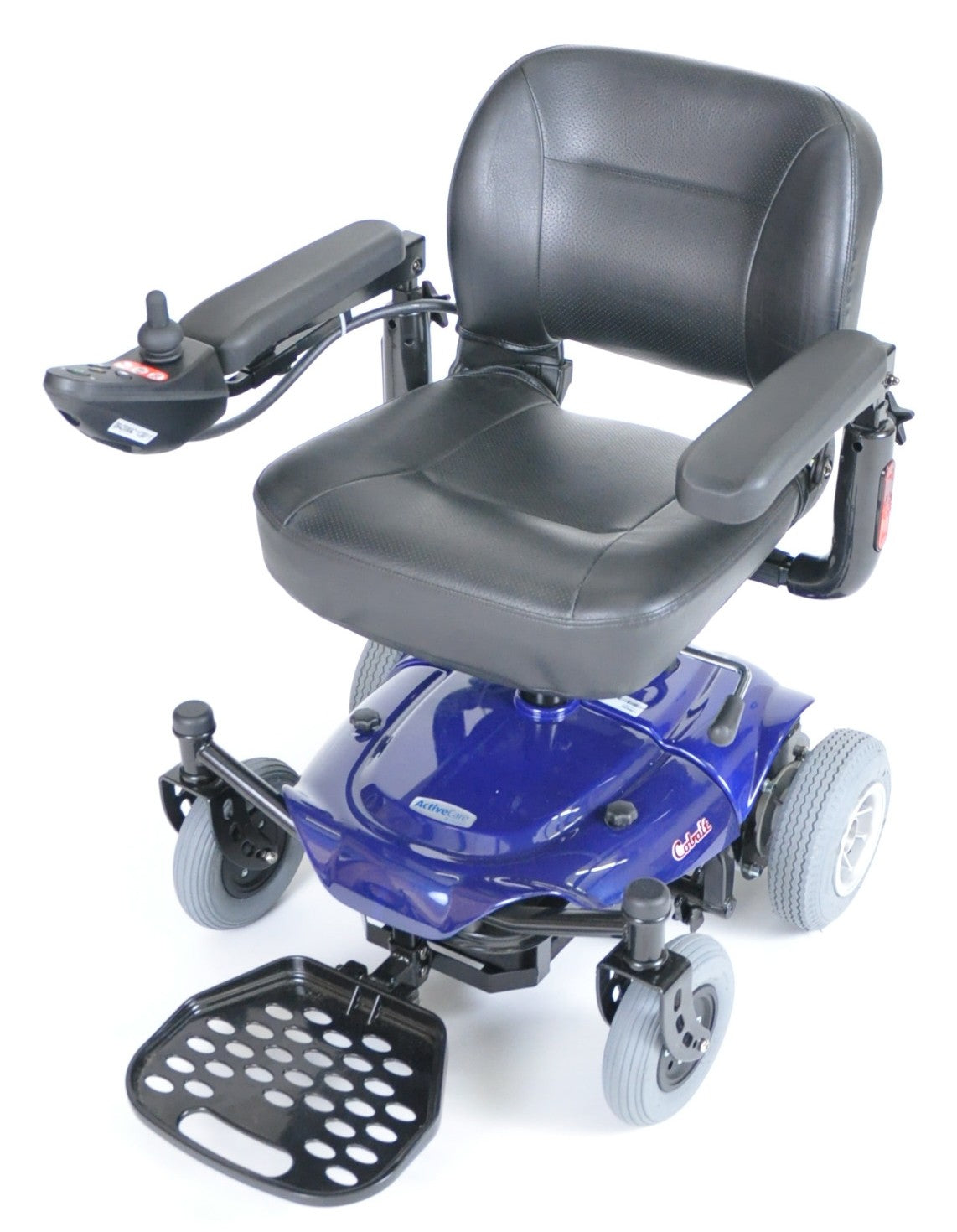
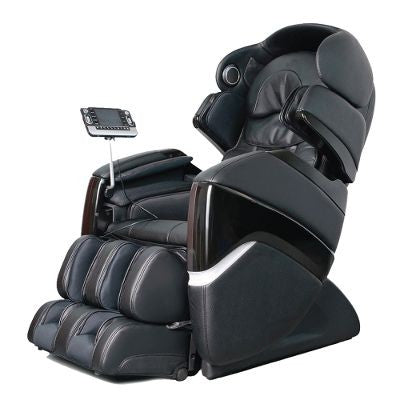
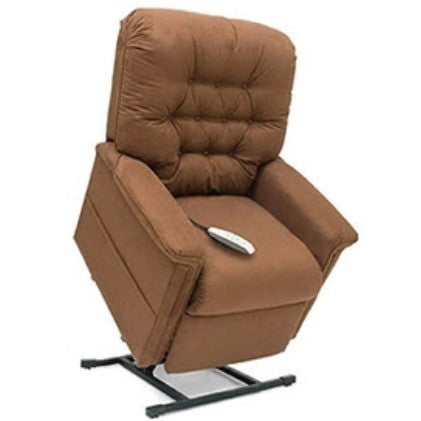
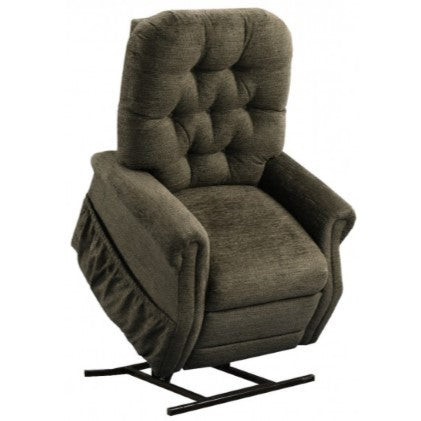
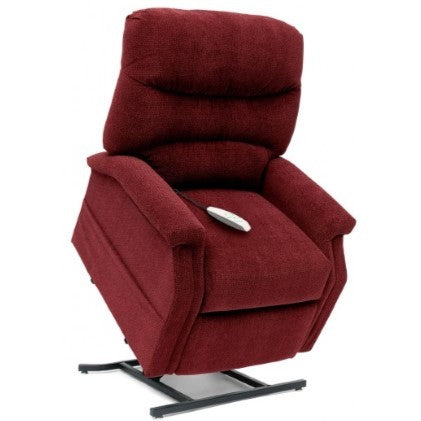
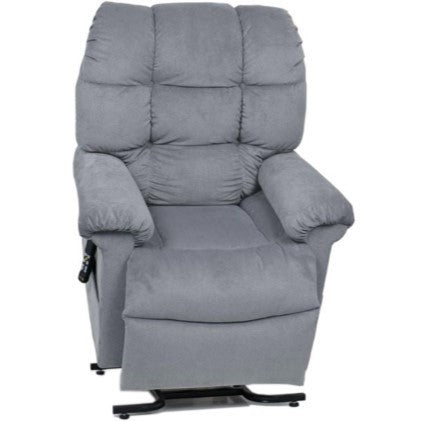
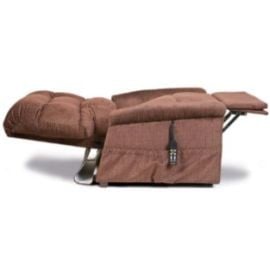
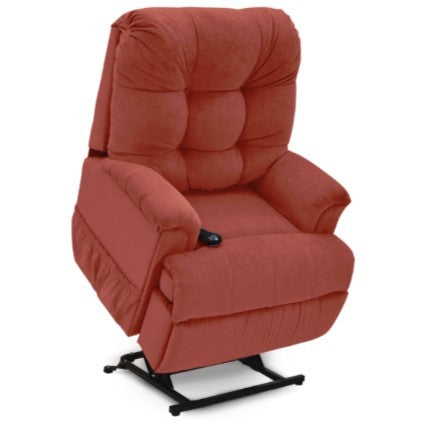
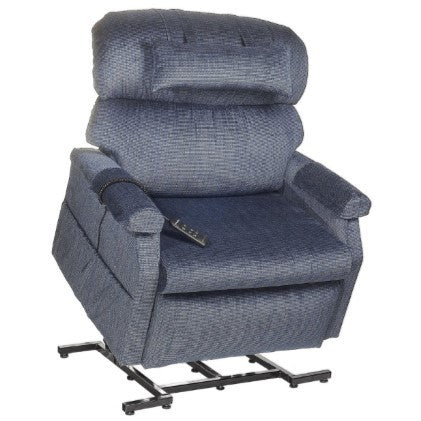
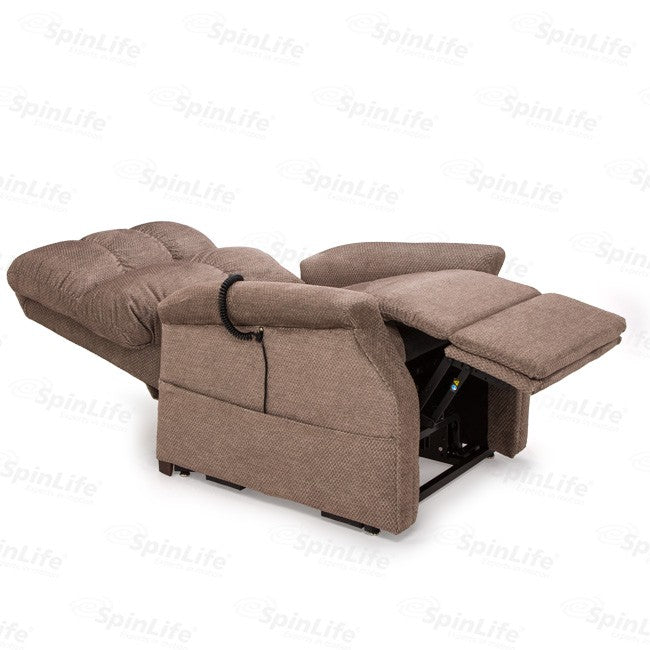
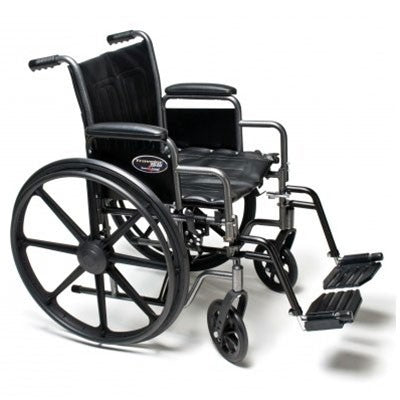
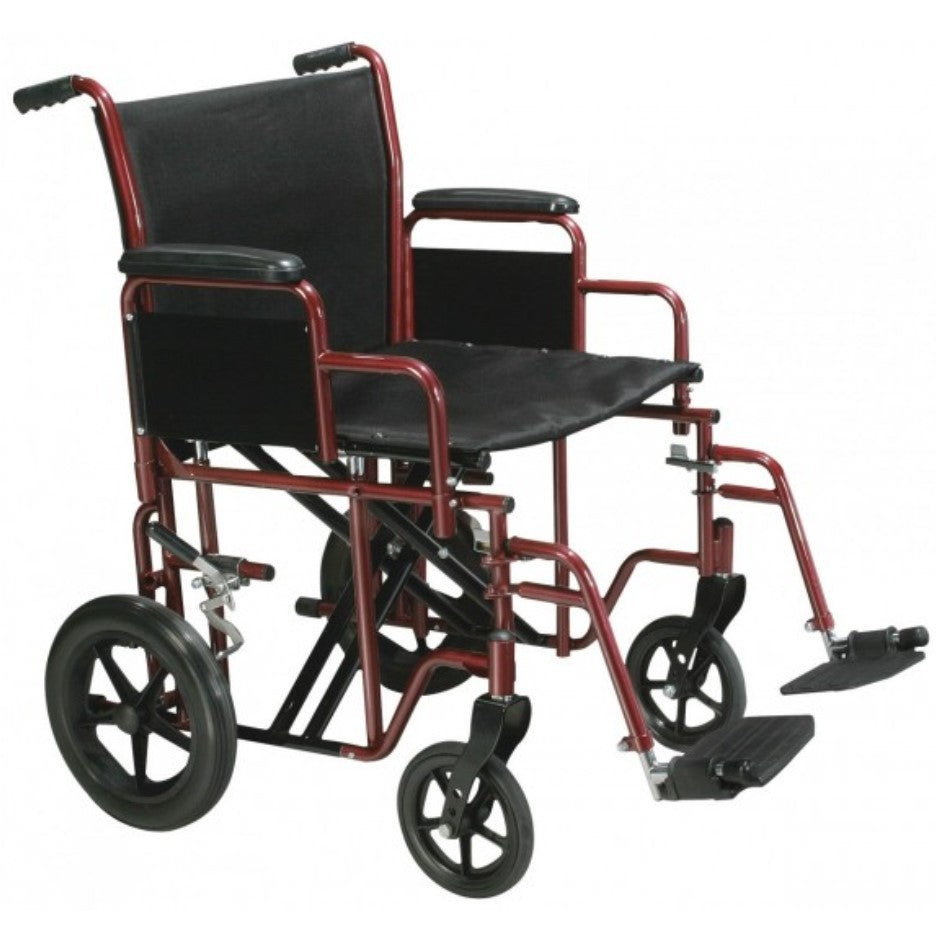
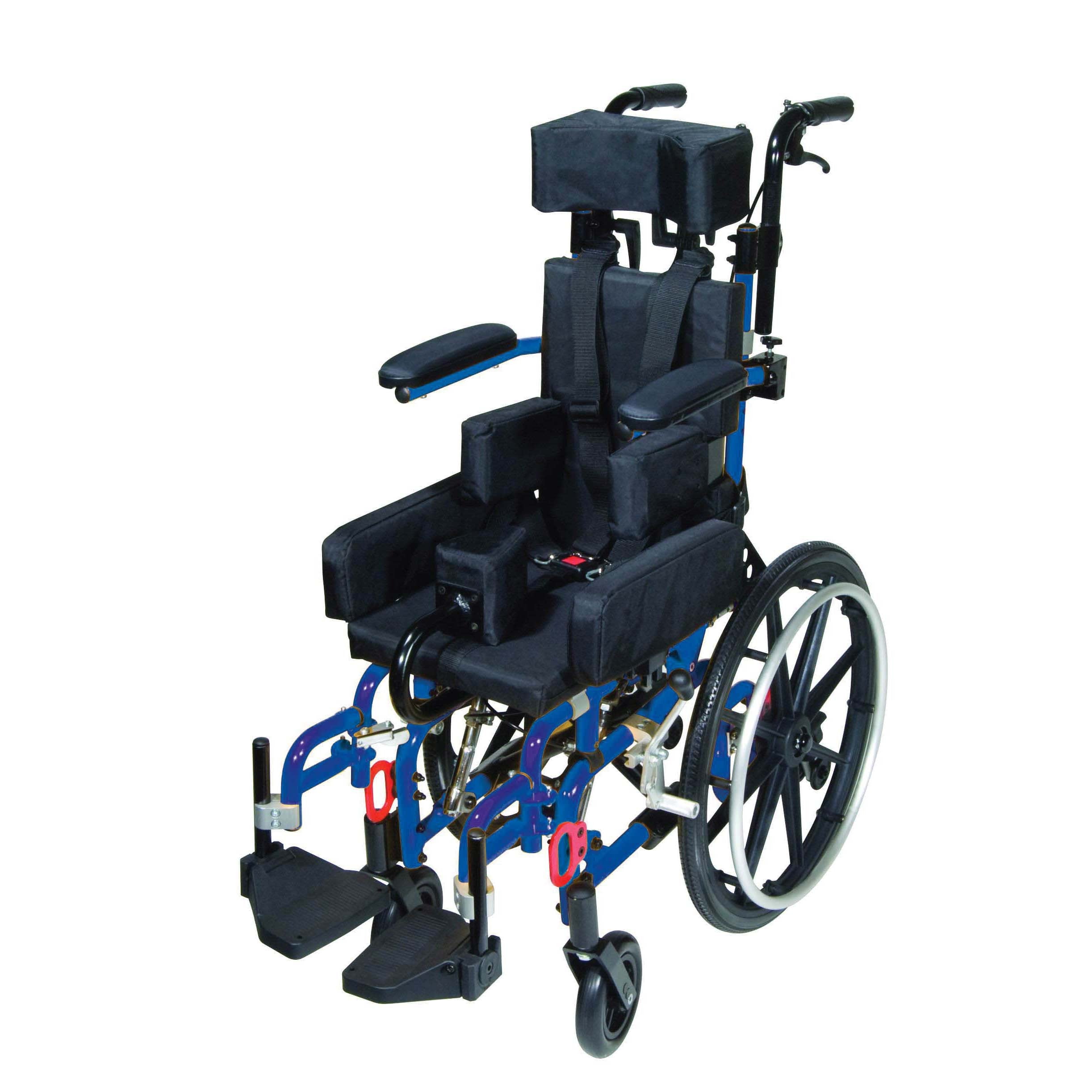
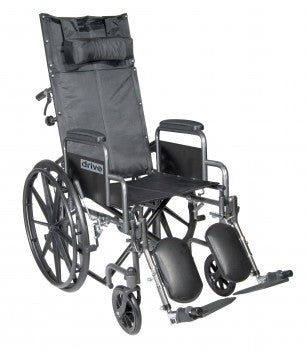
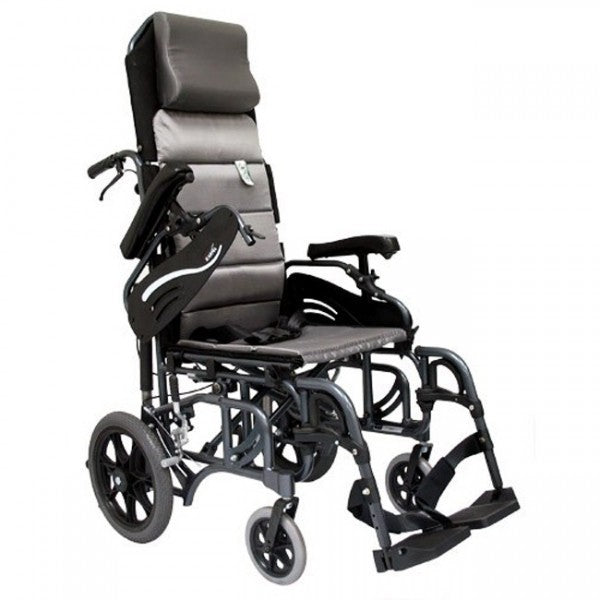
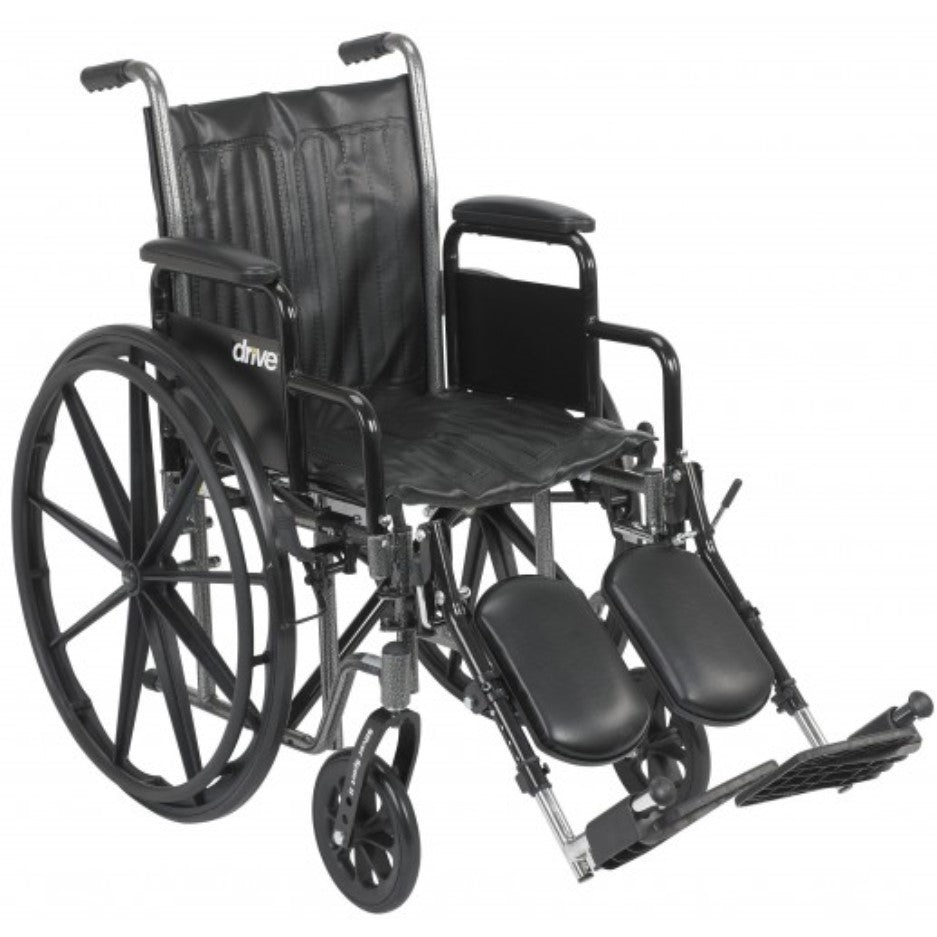
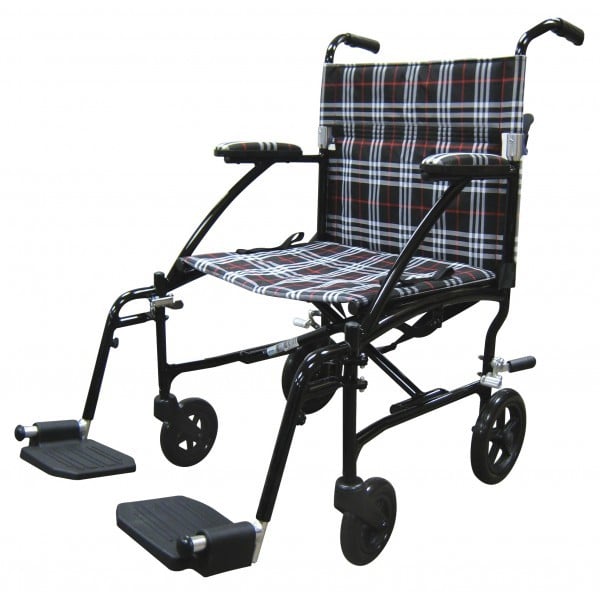
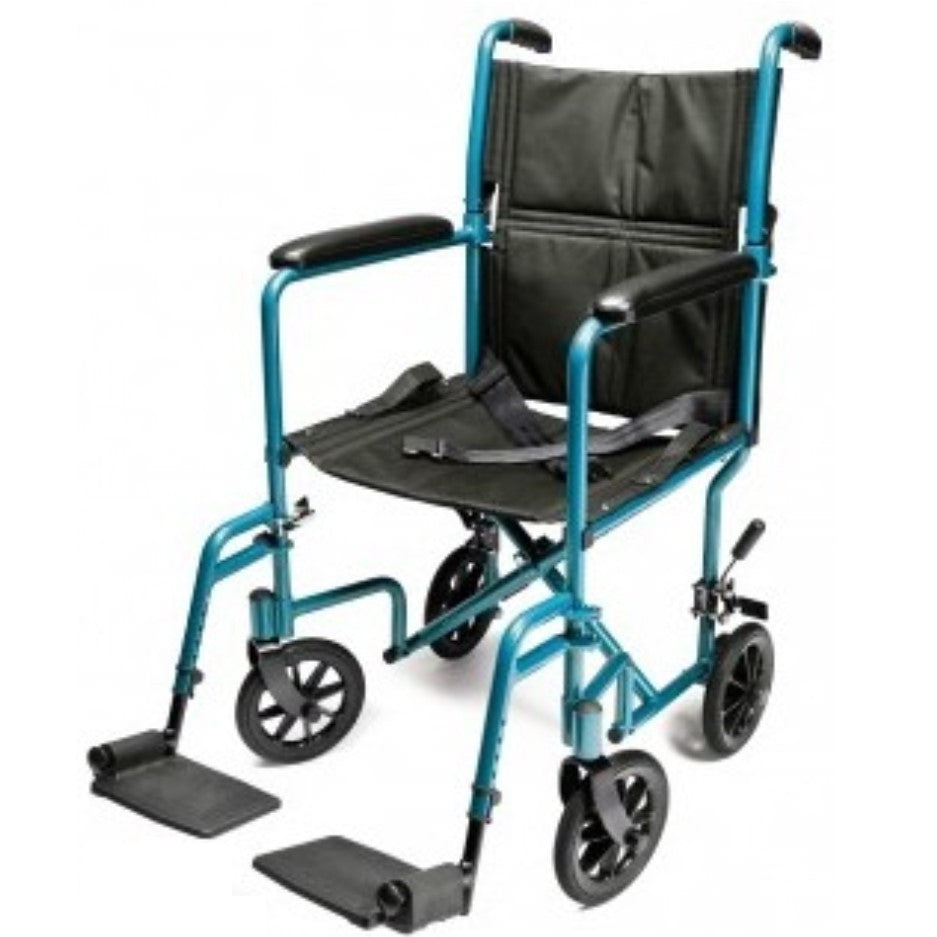
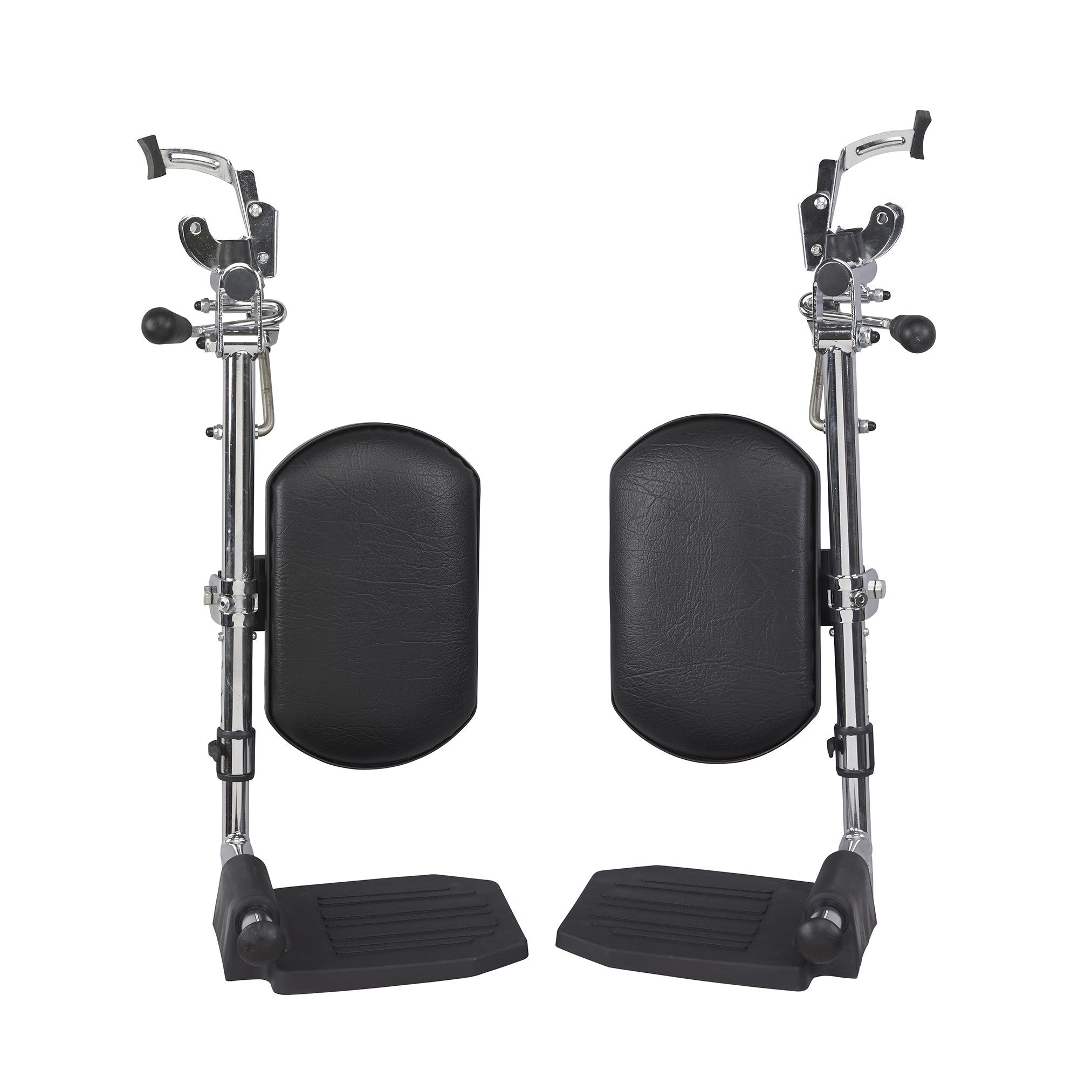
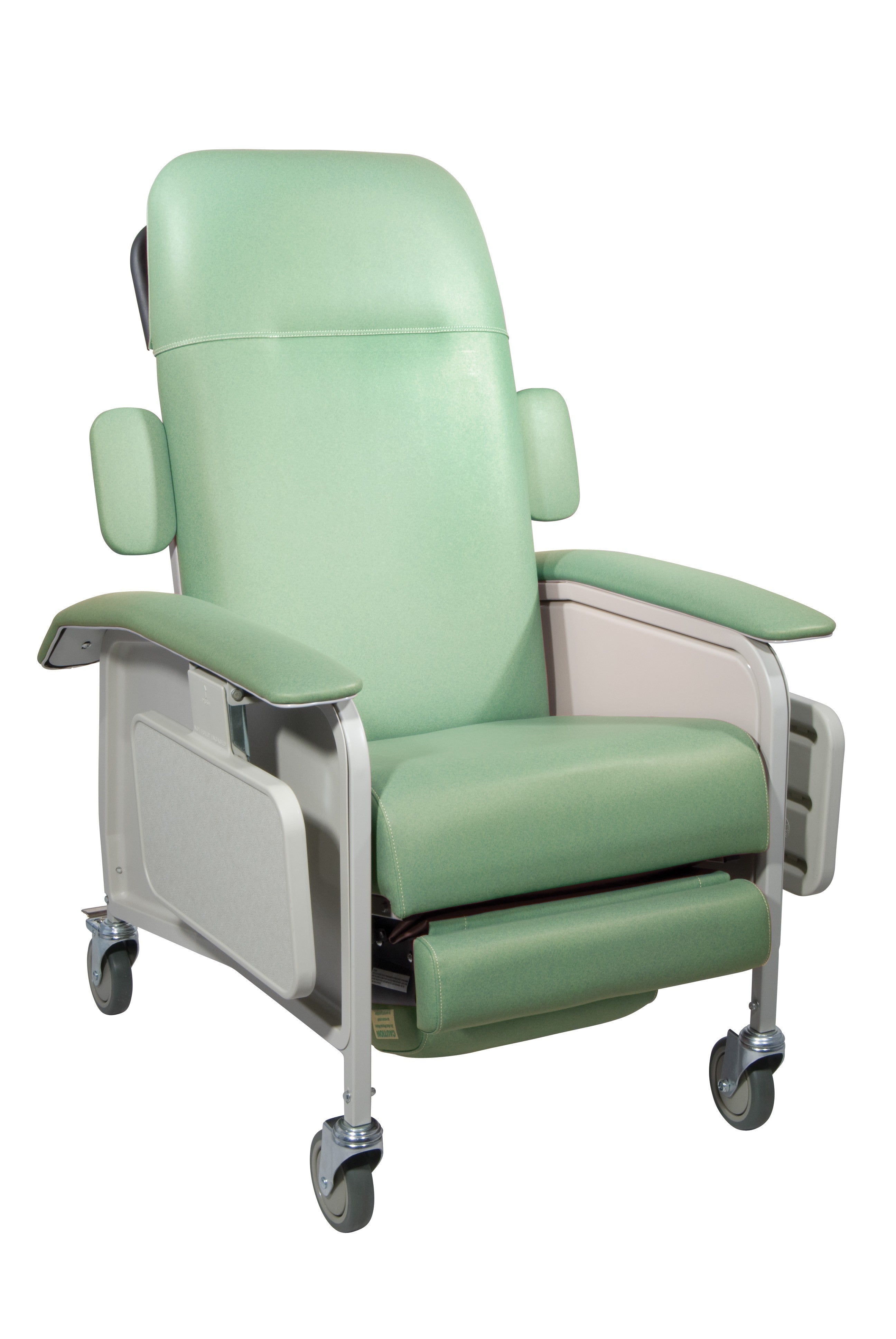
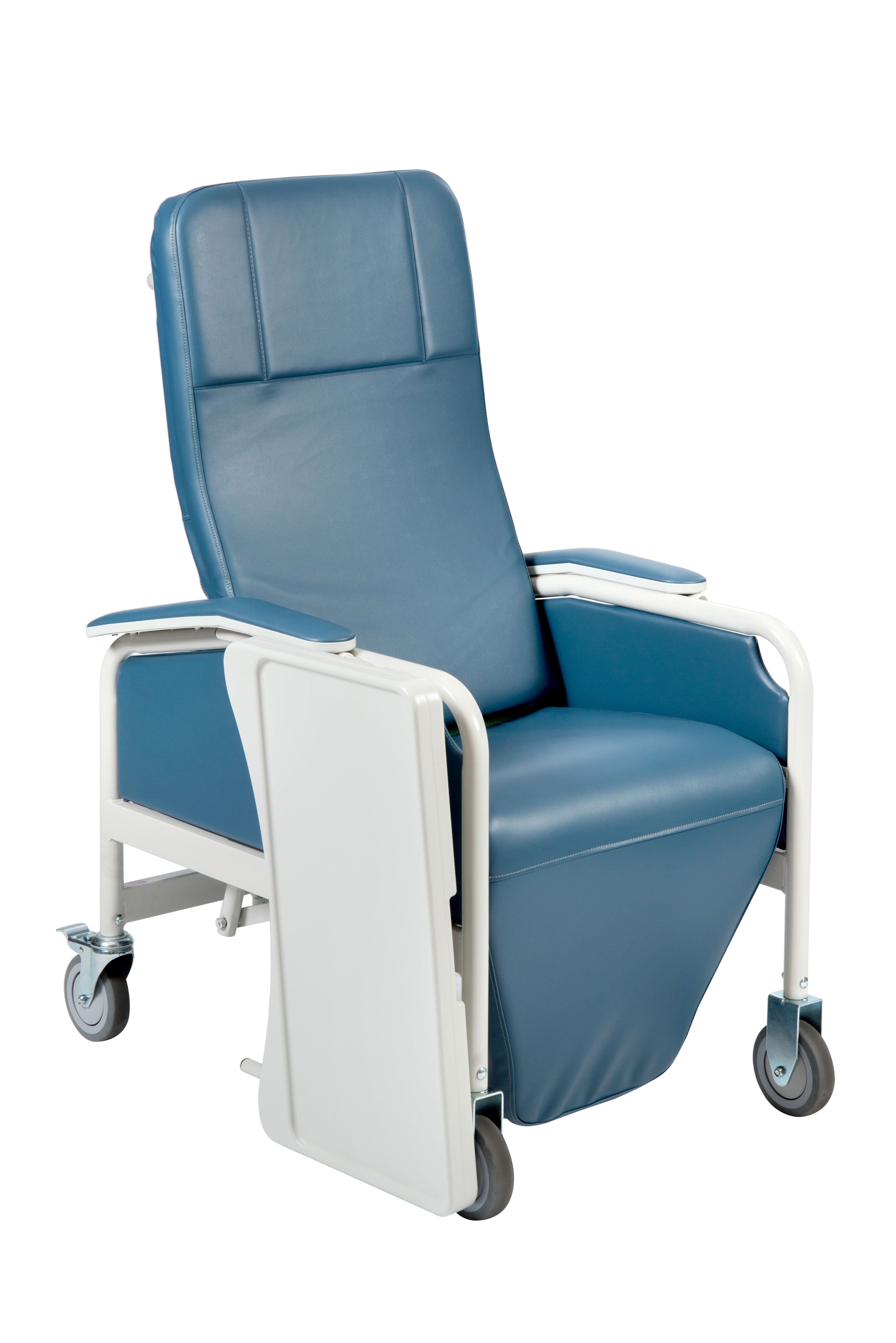
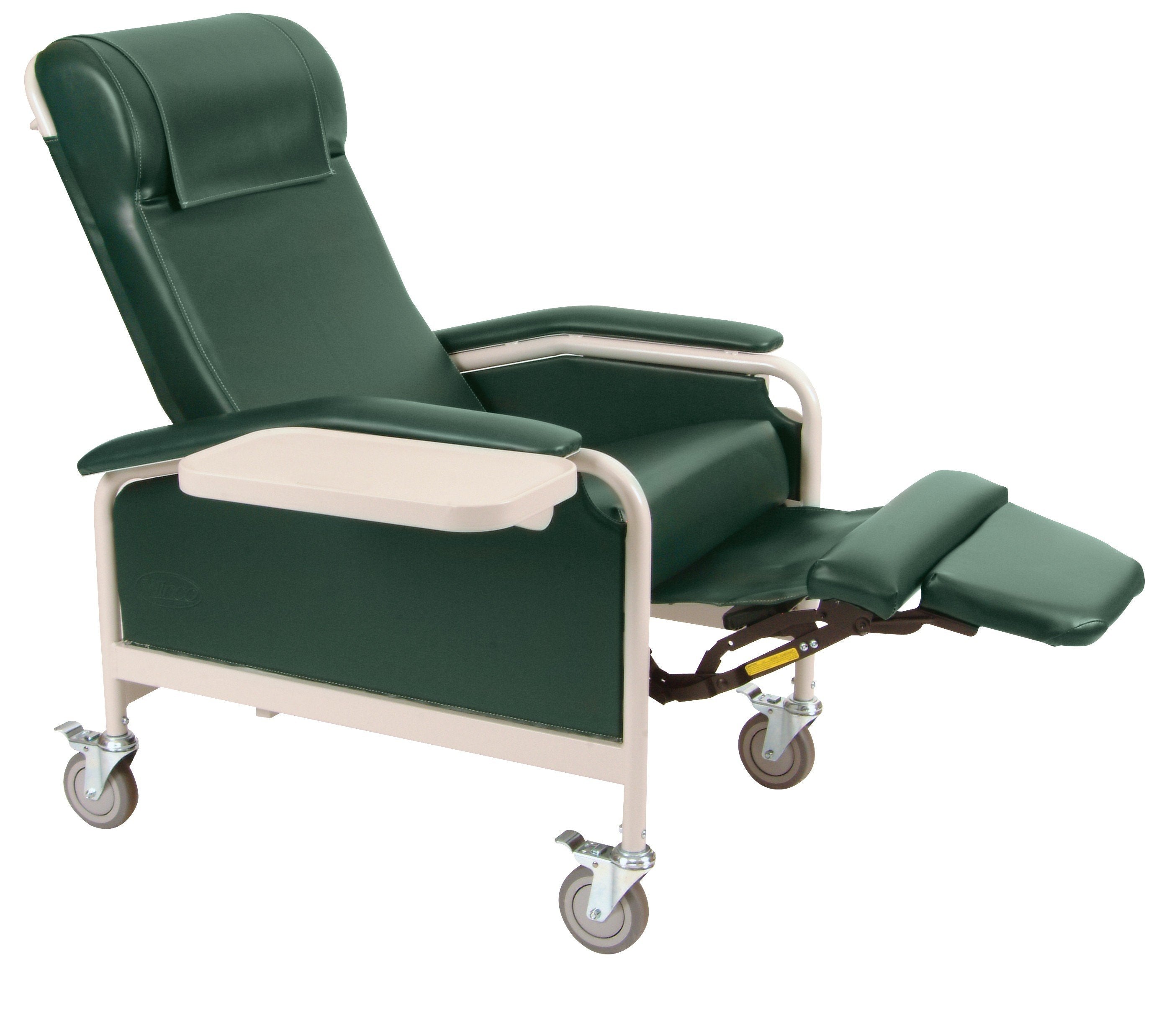
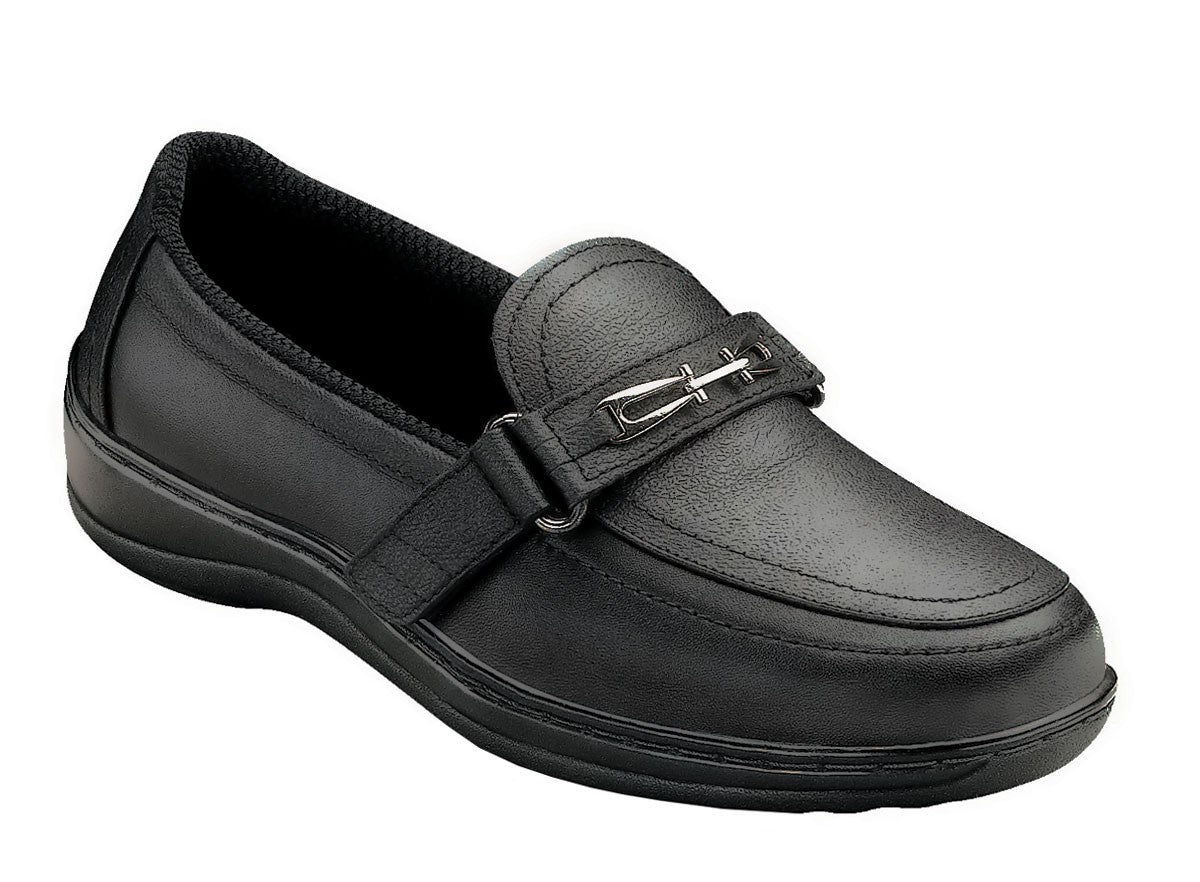


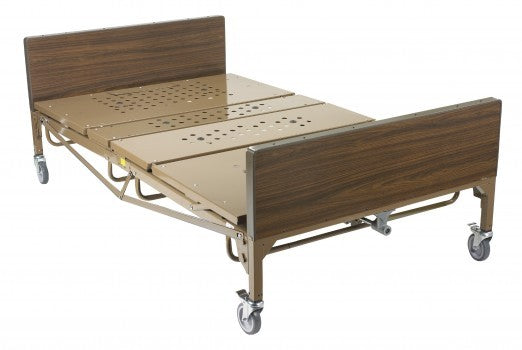
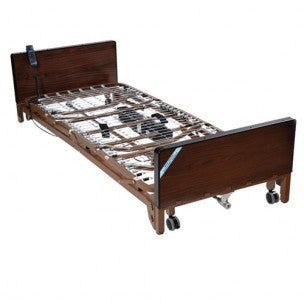
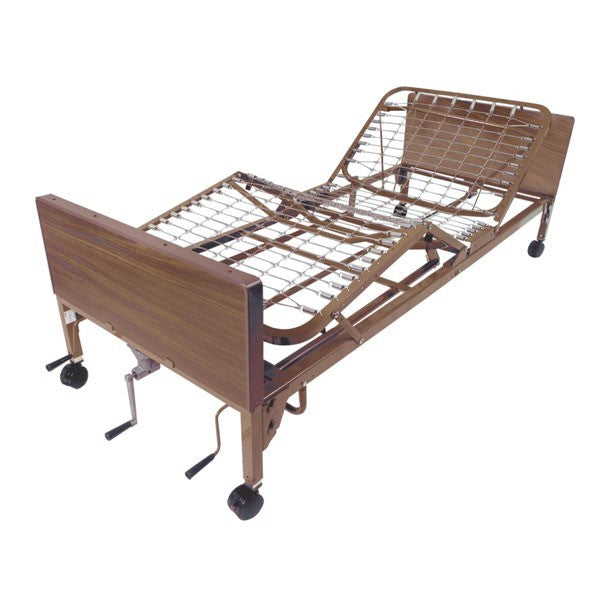
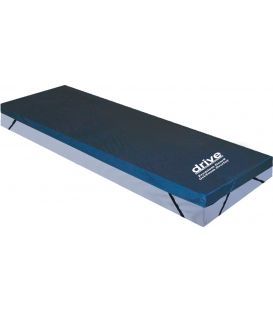

A power wheelchair, hospital bed, lift chair, or mobility scooter can change how safely and comfortably someone lives at home. When the right item is needed now, knowing how to finance medical equipment can help you move forward without compromising on the fit, features, or support your family needs.
Financing is not one-size-fits-all. The best path depends on the type of equipment, whether it is medically necessary, your insurance coverage, your budget, and how quickly you need the product. The goal is not simply to find a payment option. It is to choose equipment that supports independence while keeping the purchase manageable.
Start With the Equipment You Actually Need
Before comparing payment options, confirm the product is right for the person who will use it. A lower monthly payment does not make a poorly matched chair, bed, or scooter a good value.
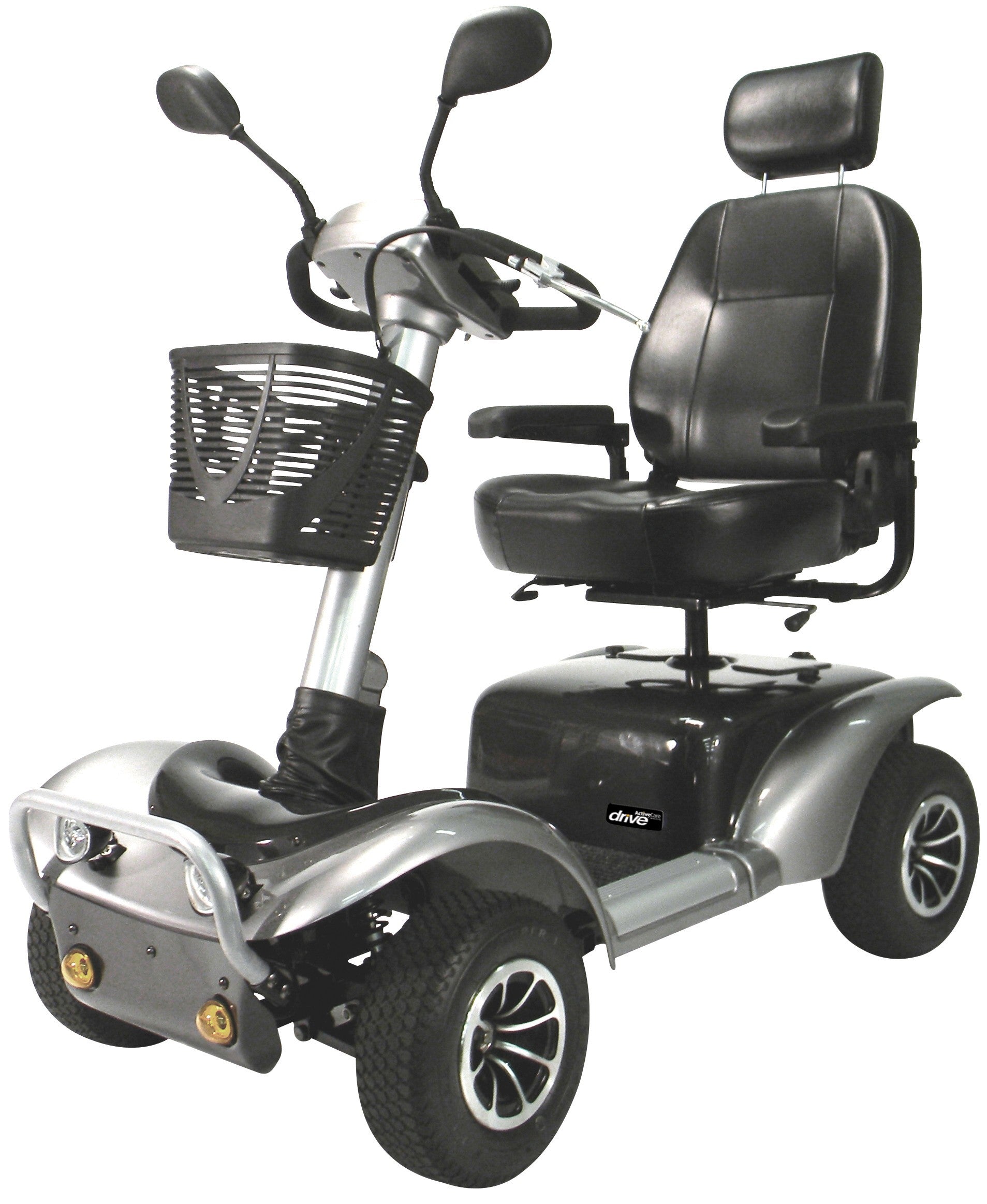
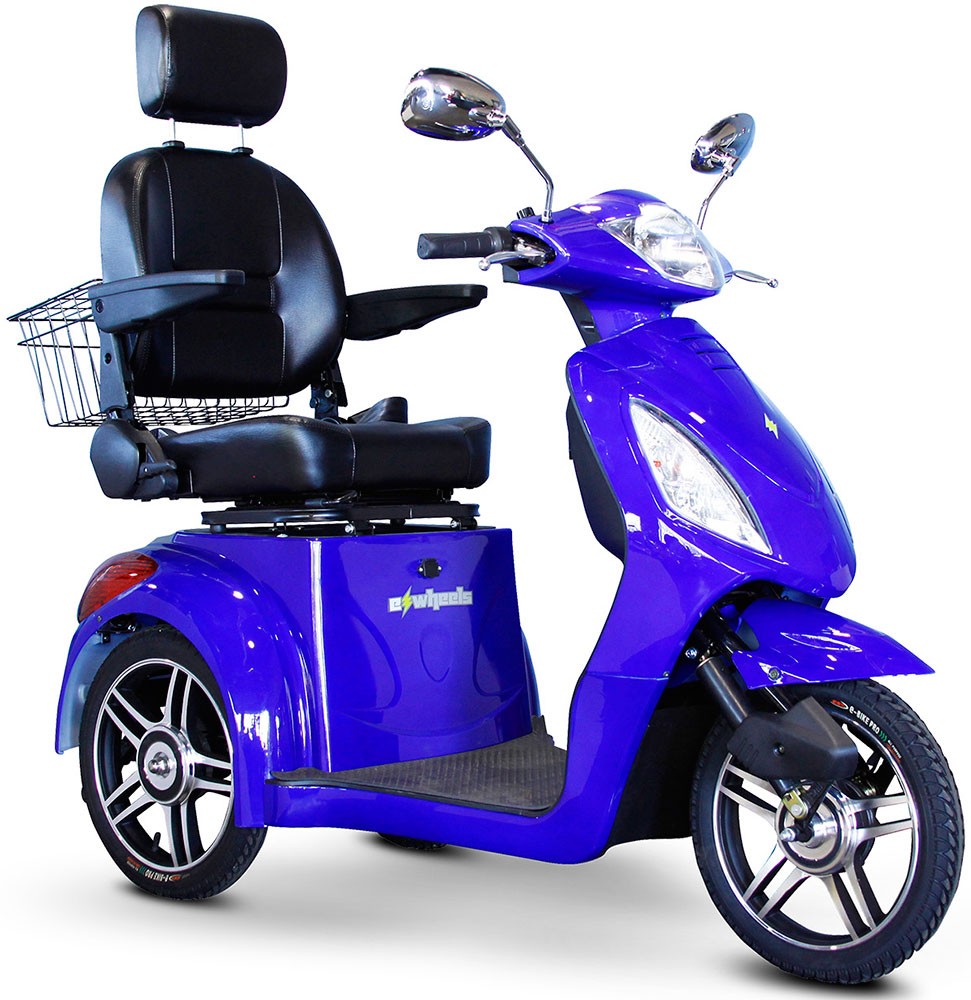
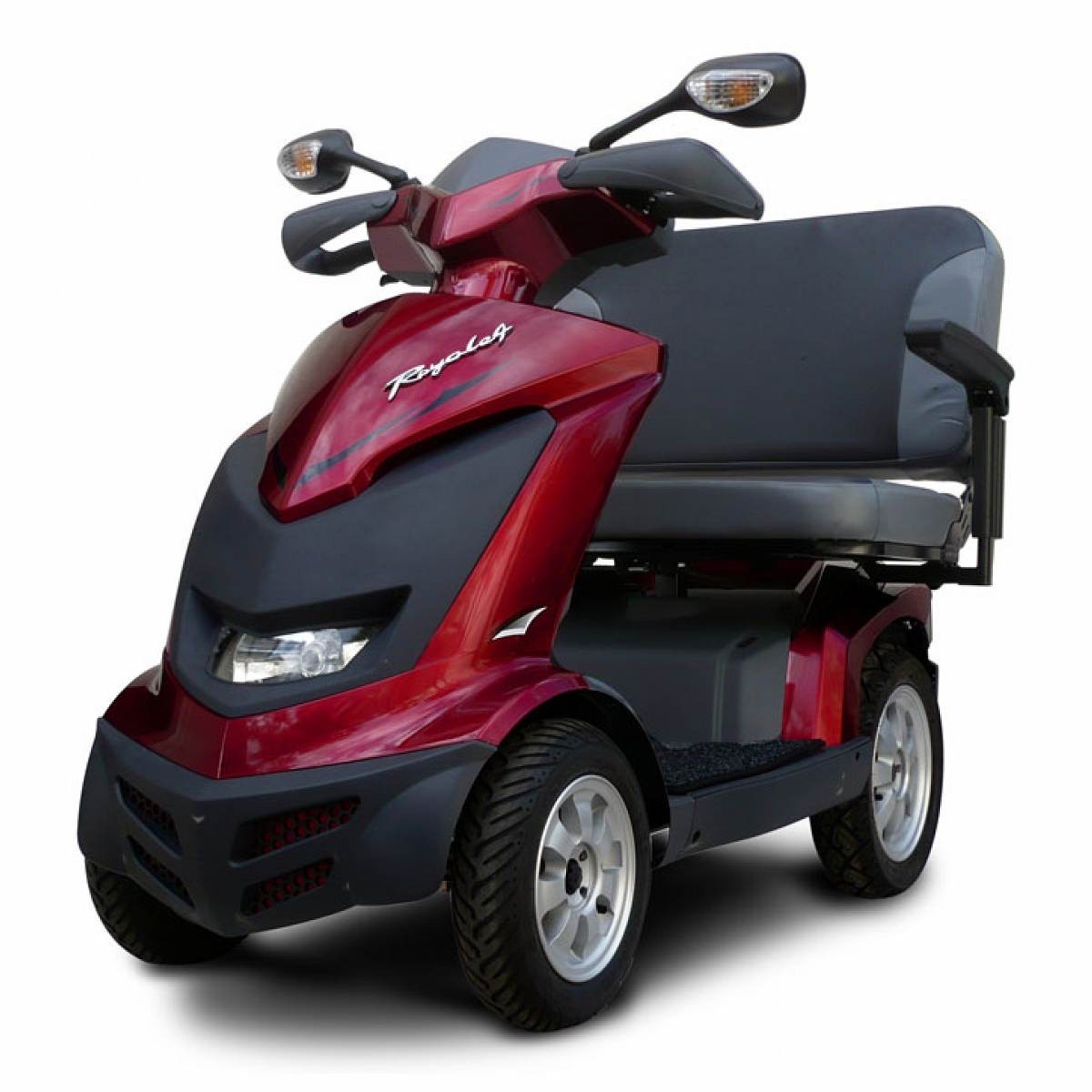
For mobility equipment, consider the user's height, weight, hand strength, posture, travel needs, and the surfaces they will cross. A power wheelchair may be the better choice for someone who needs regular indoor maneuverability and supportive seating, while a mobility scooter can be ideal for those who can transfer safely and want more independence outdoors or around larger spaces.
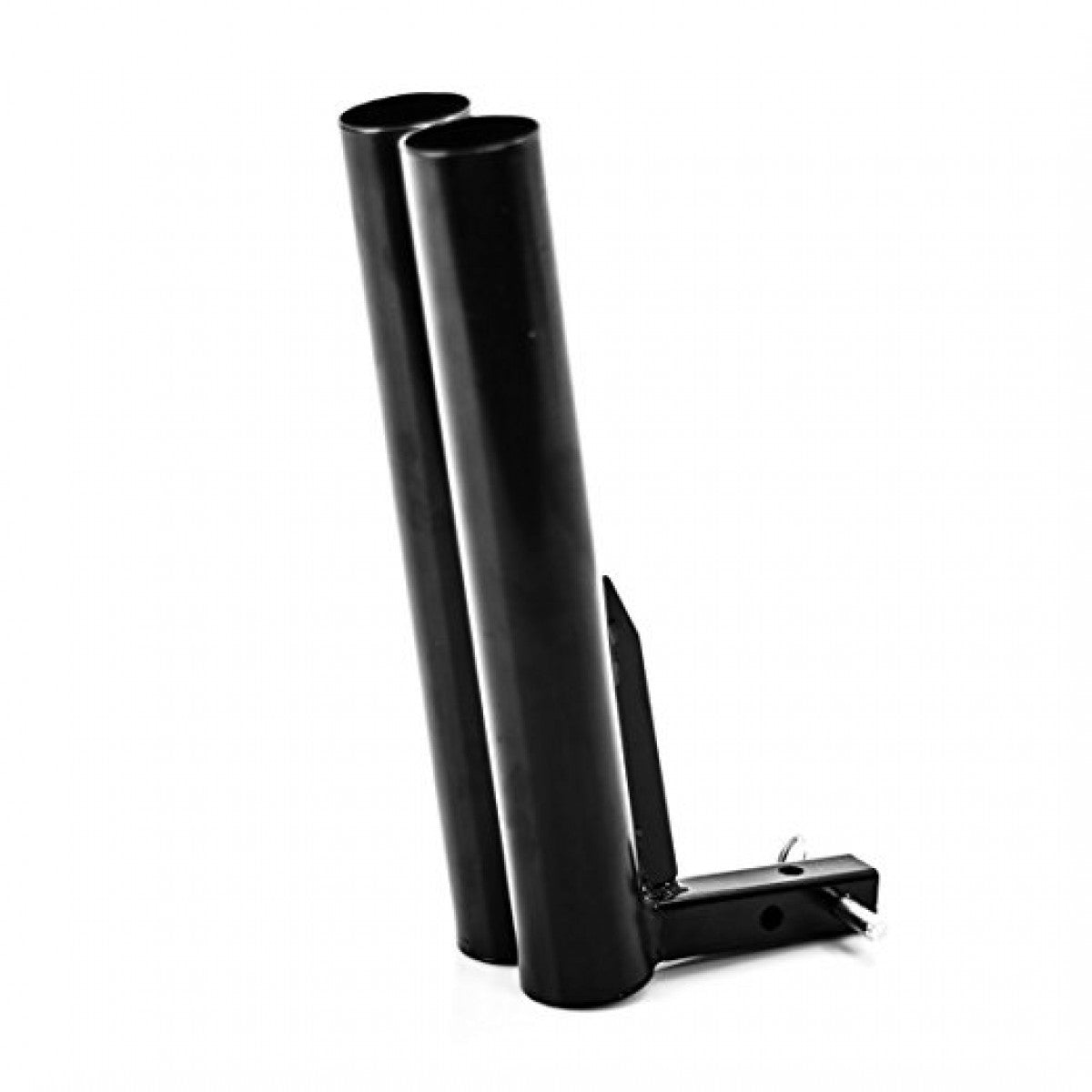
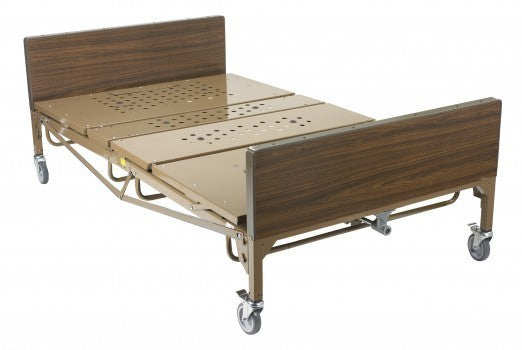
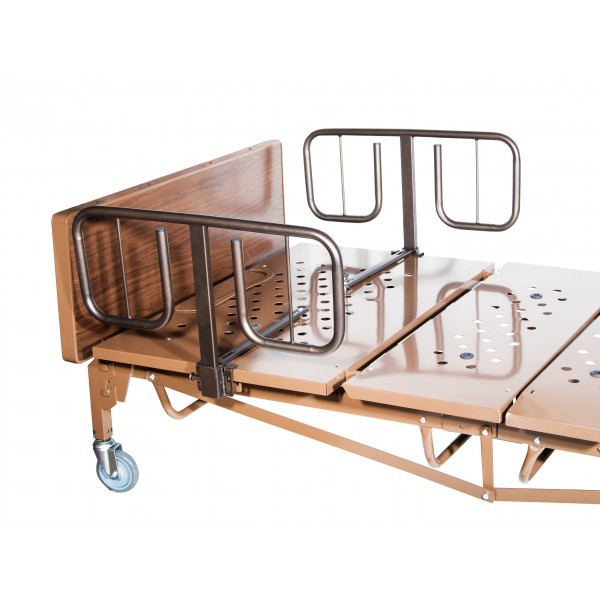
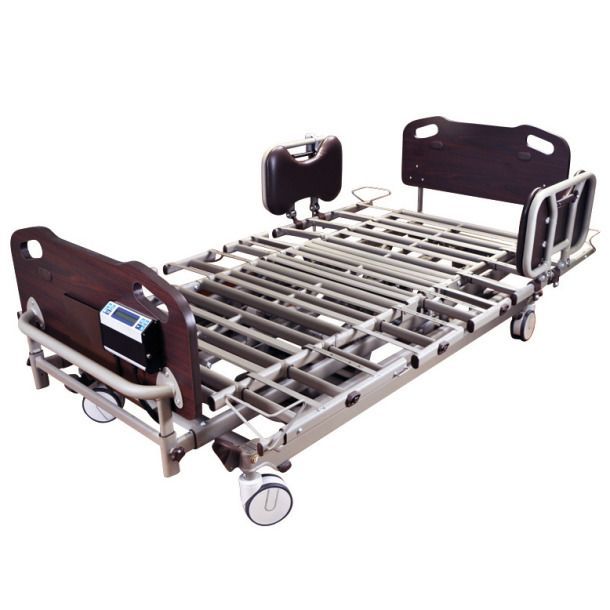
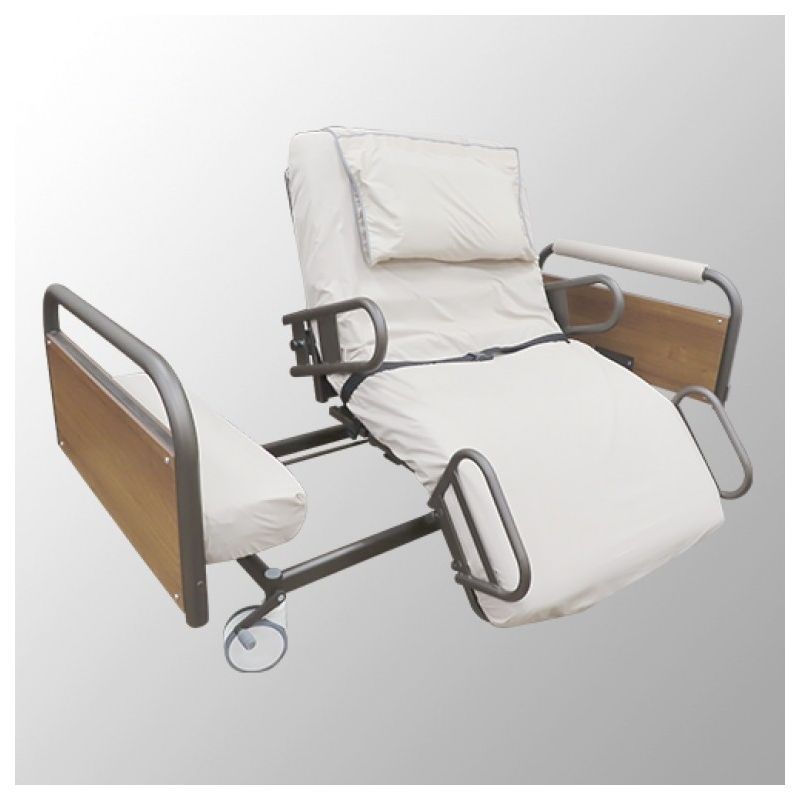
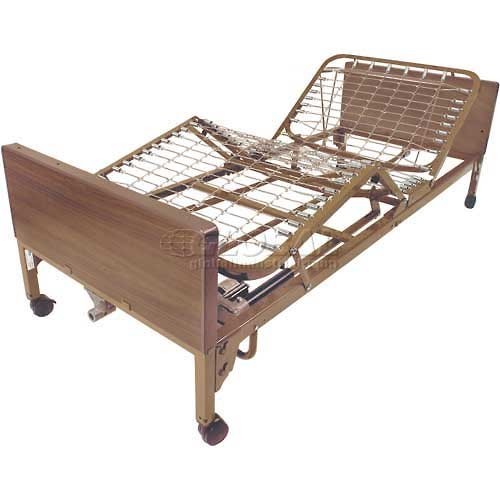
For home care beds and lift chairs, think about transfer needs, caregiver access, sleep position, pressure relief, and room dimensions. Measure doorways, hallways, turns, and the intended placement area before ordering. If ramps or vehicle accessories are needed, include them in the total plan from the start.
A knowledgeable product specialist can help narrow the options before you apply for financing. That extra conversation can prevent the expensive problem of receiving equipment that does not suit the home or the user's day-to-day needs.
Common Ways to Finance Medical Equipment
There are several practical ways to pay for home medical and mobility equipment. Some buyers use one source, while others combine options depending on their circumstances.
Retail Financing at Checkout
Many shoppers choose a financing application offered during the online or phone ordering process. This can break a larger purchase into scheduled payments, making it easier to obtain a hospital bed, power chair, lift chair, or scooter without waiting to save the full amount.
Approval, payment terms, and any available promotional offers vary by applicant and provider. Read the agreement carefully before accepting it. Pay particular attention to the payment schedule, interest charges that may apply, late-payment terms, and what happens when a promotional period ends. Choose a payment amount that still leaves room in the household budget for prescriptions, caregiving, transportation, and other recurring needs.
Health Insurance or Medical Coverage
Depending on the plan and the equipment, health insurance may contribute to eligible durable medical equipment. Coverage often requires that the item be medically necessary and supported by a prescription or clinical documentation. Plans may also have specific rules about approved suppliers, prior authorization, replacement timing, rental versus purchase, and patient responsibility.
Do not assume that every item used for comfort, mobility, or aging in place will be covered. Accessories, upgraded features, and equipment selected for convenience may fall outside plan benefits. Contact the insurer directly and ask what documentation is required before placing an order. If coverage applies only to part of the purchase, financing may still help cover the remaining balance.
Medicare, Medicaid, and Other Public Benefits
Some people may qualify for assistance through Medicare, Medicaid, or state and local programs. Eligibility and covered items depend on individual circumstances, location, medical need, and program requirements. These programs can involve documentation and processing time, so they may not be the fastest option when equipment is needed immediately after a hospital discharge or a sudden change in mobility.
A physician, discharge planner, case manager, or benefits coordinator may be able to explain which programs are worth exploring. Keep copies of prescriptions, visit notes, diagnoses, and any written equipment recommendations. Organized documentation can make the process easier if you pursue reimbursement or benefit approval.
Savings, Family Support, or Flexible Spending Funds
For a smaller purchase or a modest gap after insurance, personal savings may be the simplest choice. Some families share the cost when equipment will help a loved one remain safely at home and reduce caregiver strain.
If you have a health savings account or flexible spending account, check the rules for the specific item before using those funds. Eligible expenses can vary, and some purchases may require a letter of medical necessity. Verify the requirements with your account administrator rather than relying on a general assumption.
What Lenders and Finance Providers May Review
When you apply for medical equipment financing, the provider may evaluate information such as credit history, income, existing debt, identity verification, and the amount being financed. Requirements differ, so an approval decision is never guaranteed.
Prepare before you apply. Review your monthly income and essential expenses, then decide what payment you can comfortably make. Avoid setting the target payment based only on the shortest-term offer or a promotional message. A longer term may lower the monthly payment but can increase the total cost over time. A shorter term may reduce the total financing cost but place more pressure on monthly cash flow.
The right answer depends on your household. If a caregiver's work hours are changing, retirement income is fixed, or future medical expenses are uncertain, leave room in the budget. Equipment should bring peace of mind, not create another source of stress.
Compare the Full Purchase, Not Just the Monthly Payment
A monthly payment is easy to focus on, but it is only one part of the decision. Compare the equipment itself, the financing terms, and the services that support a successful purchase.
Ask whether the product has the capacity, features, and adjustability needed for the user now and in the near future. For example, a person recovering from surgery may have different needs than someone managing long-term mobility limitations. A bed's positioning functions, a chair's seat width, or a scooter's battery range can matter more than a small difference in payment.
Also confirm practical details such as shipping arrangements, assembly needs, warranty coverage, and whether the product can be returned under the seller's policy. Certain medical and personal-use products may have return restrictions, especially after use or setup. Understanding these details before financing helps avoid surprises.
A Simple Process for Financing Home Medical Equipment
A clear process keeps a high-consideration purchase from becoming overwhelming:
1. Identify the user's physical needs, home layout, and must-have features.
2. Gather any prescription, insurance, or benefit information that could affect payment.
3. Calculate the full order needs, including essential accessories such as ramps, cushions, or batteries when appropriate.
4. Compare financing terms based on total responsibility, not just the scheduled payment.
5. Confirm product specifications, delivery expectations, and return policies before completing the order.
6. Keep all order records, financing documents, and medical paperwork in one place.
This approach is especially helpful for family members buying on behalf of a parent or spouse. It turns a rushed, emotional purchase into a practical decision centered on safety and comfort.
When Financing Makes Sense and When to Pause
Financing can make sense when the equipment is needed promptly, has been carefully matched to the user, and the payment fits the budget. It can also be useful when keeping savings available for other health-related needs is a priority.
Pause if the equipment choice is still uncertain, the payment would strain essential expenses, or you have not checked potential insurance or benefit eligibility. A brief conversation with a mobility specialist or care professional may save you from financing the wrong product.
American Quality Health Products has served customers since 2001 with hands-on assistance for home medical and mobility purchases. Whether you are considering a compact travel scooter, a supportive lift chair, or a full hospital bed setup, getting clear answers before you buy helps you choose with greater confidence.
The best financing decision is the one that puts safe, appropriate equipment within reach while respecting your budget. Take the time to match the product to the person, review the terms in plain language, and ask for help when a detail is unclear. That care at the beginning can make daily life at home more comfortable for a long time to come.


