

A difficult transfer from bed to chair, a loved one struggling to stand after sitting, or a narrow hallway that makes a wheelchair hard to turn can change the care plan overnight. The right home medical equipment for caregivers can reduce physical strain, make routines more predictable, and help the person receiving care stay comfortable and involved in daily life.
The goal is not to fill a home with equipment. It is to choose practical products that solve the specific challenges happening now while allowing room for changing needs. A well-matched bed, mobility aid, or lift chair can support safer care without making the home feel clinical.
Start With the Daily Care Routine
Before comparing models, look closely at the moments that require the most help. Is getting out of bed difficult? Does the person tire quickly while walking through the house? Are caregivers lifting, pulling, or steadying someone several times a day? The answers point toward the equipment category that will make the greatest difference.
It also helps to separate occasional needs from daily needs. A transport wheelchair may be a smart choice for appointments and outings, while a power wheelchair or mobility scooter may better support someone who wants to move independently around a larger home or neighborhood. A hospital bed may be essential for a person who spends extended time in bed, but an adjustable bed can be a more natural fit for someone who still prefers a traditional bedroom setting.
Care needs can change after surgery, during rehabilitation, or as a long-term condition progresses. Choosing equipment with adjustable features, appropriate weight capacity, and room for future support can prevent an expensive replacement later.
Beds That Support Safer Care at Home
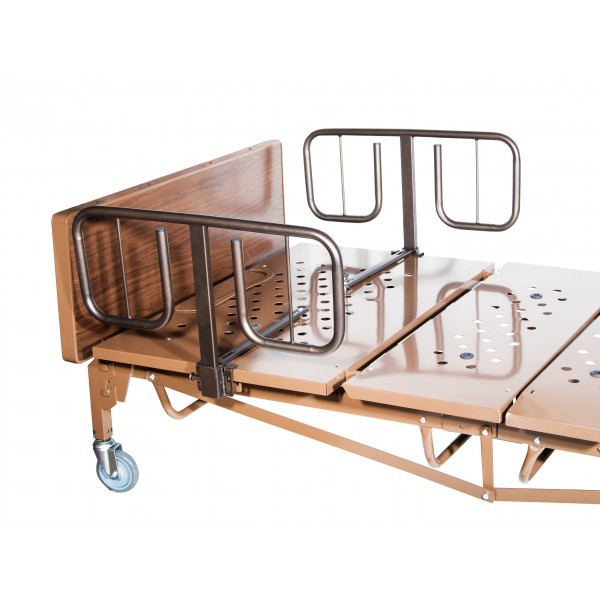
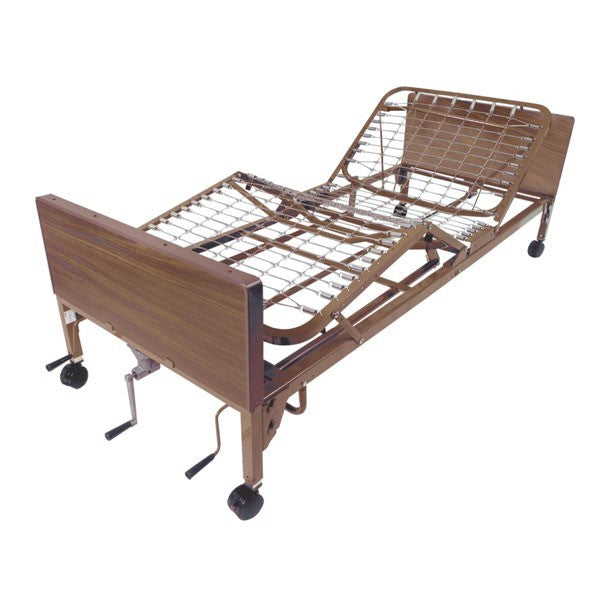
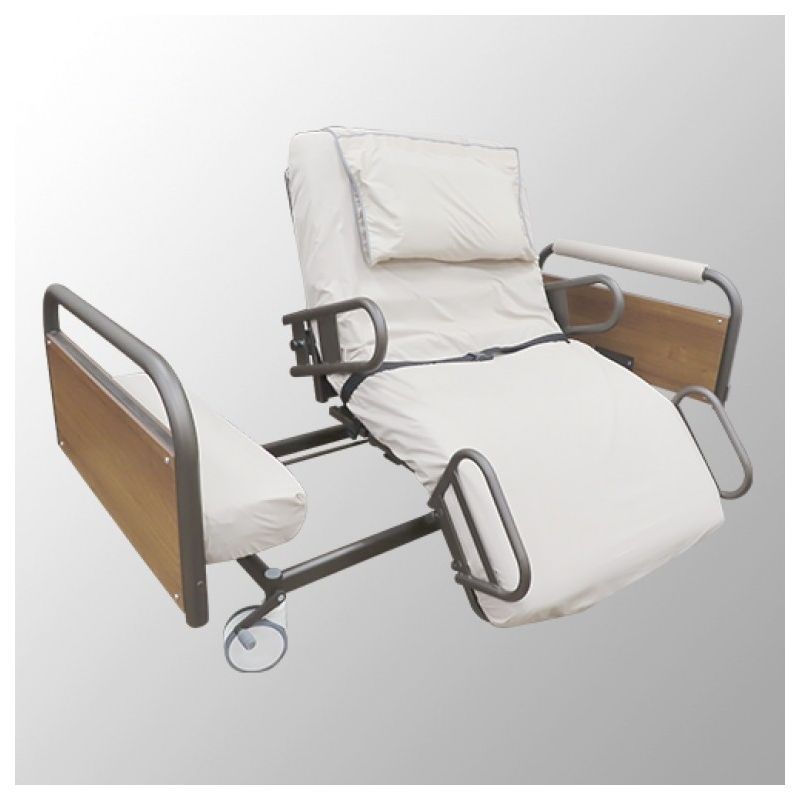
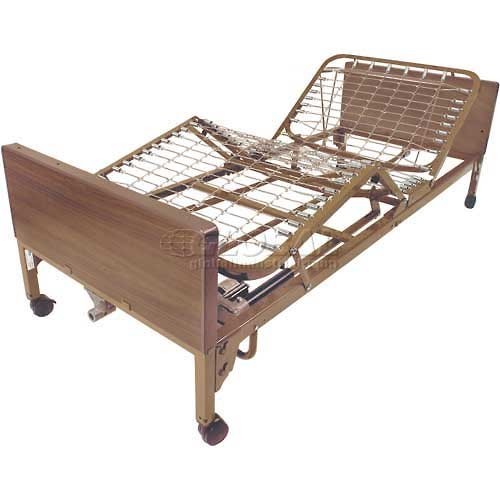
A home care bed does far more than provide a place to sleep. It can make repositioning, transfers, personal care, eating, and recovery easier for both the user and caregiver. Adjustable head and foot sections allow a person to find a more comfortable position without relying on pillows alone. Height adjustment can bring the bed closer to a safe transfer height, reducing bending and lifting for caregivers.
Hospital Beds vs. Adjustable Beds
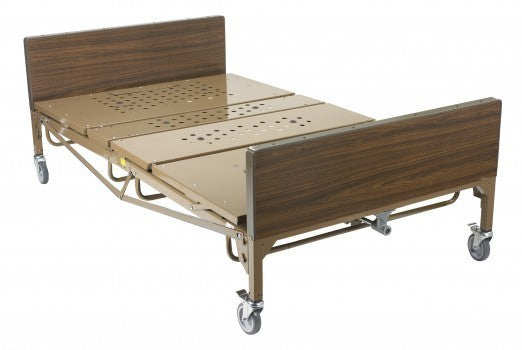
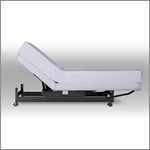
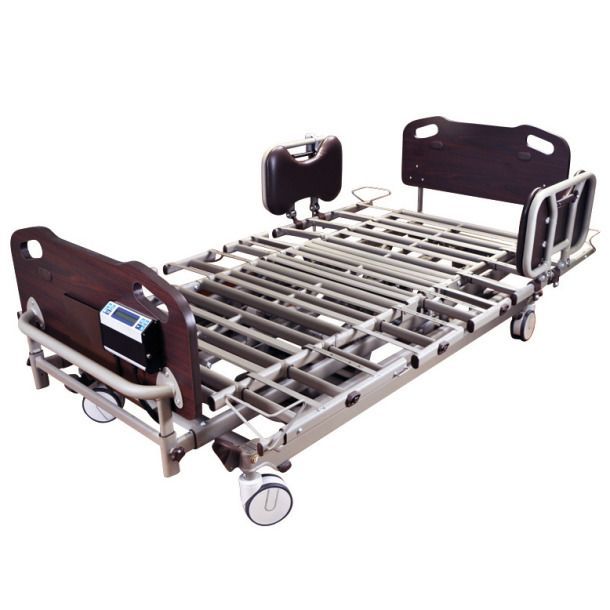
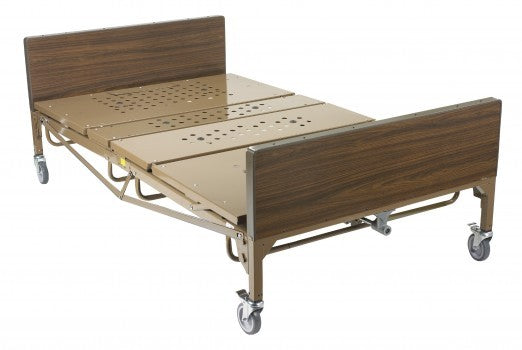
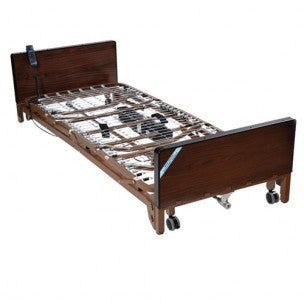
Hospital beds are often the better choice when the person needs frequent care in bed, regular position changes, side rails, or a lower transfer height. They are designed around caregiving access and can accommodate specialized mattresses and bed accessories.
Adjustable beds may be a better fit when comfort and bedroom appearance are top priorities. Many offer head and foot articulation with familiar styling, but they may not provide the full height range or caregiving access of a hospital bed. The best option depends on whether the primary need is comfort, recovery, or hands-on daily care.
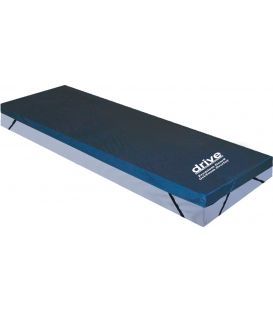
Mattress selection matters just as much as the frame. Consider the person’s time spent in bed, body weight, comfort preferences, and whether pressure redistribution is needed. A mattress that is too soft can make transfers harder, while one that is too firm may not provide enough comfort for extended use.
Mobility Equipment That Preserves Independence
Mobility equipment should fit the person, the home, and the way they want to move through their day. A product with the wrong seat width, turning radius, or weight capacity can create new barriers instead of solving existing ones.
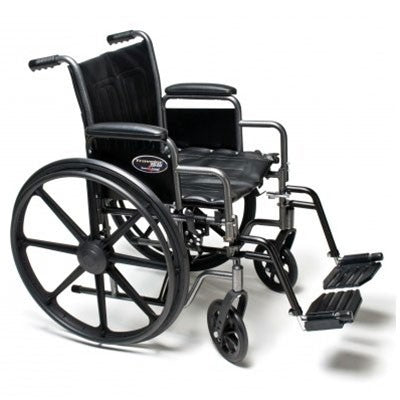
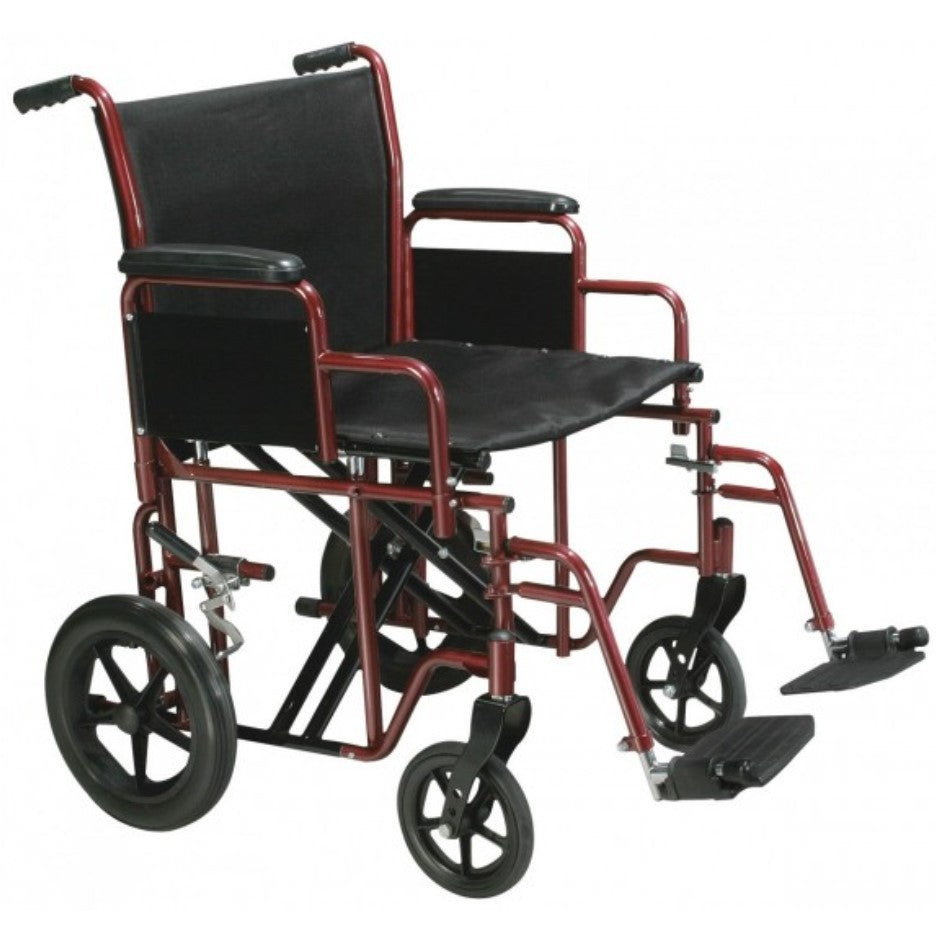
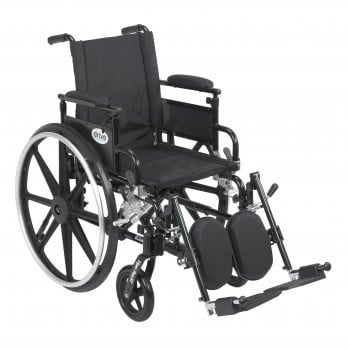
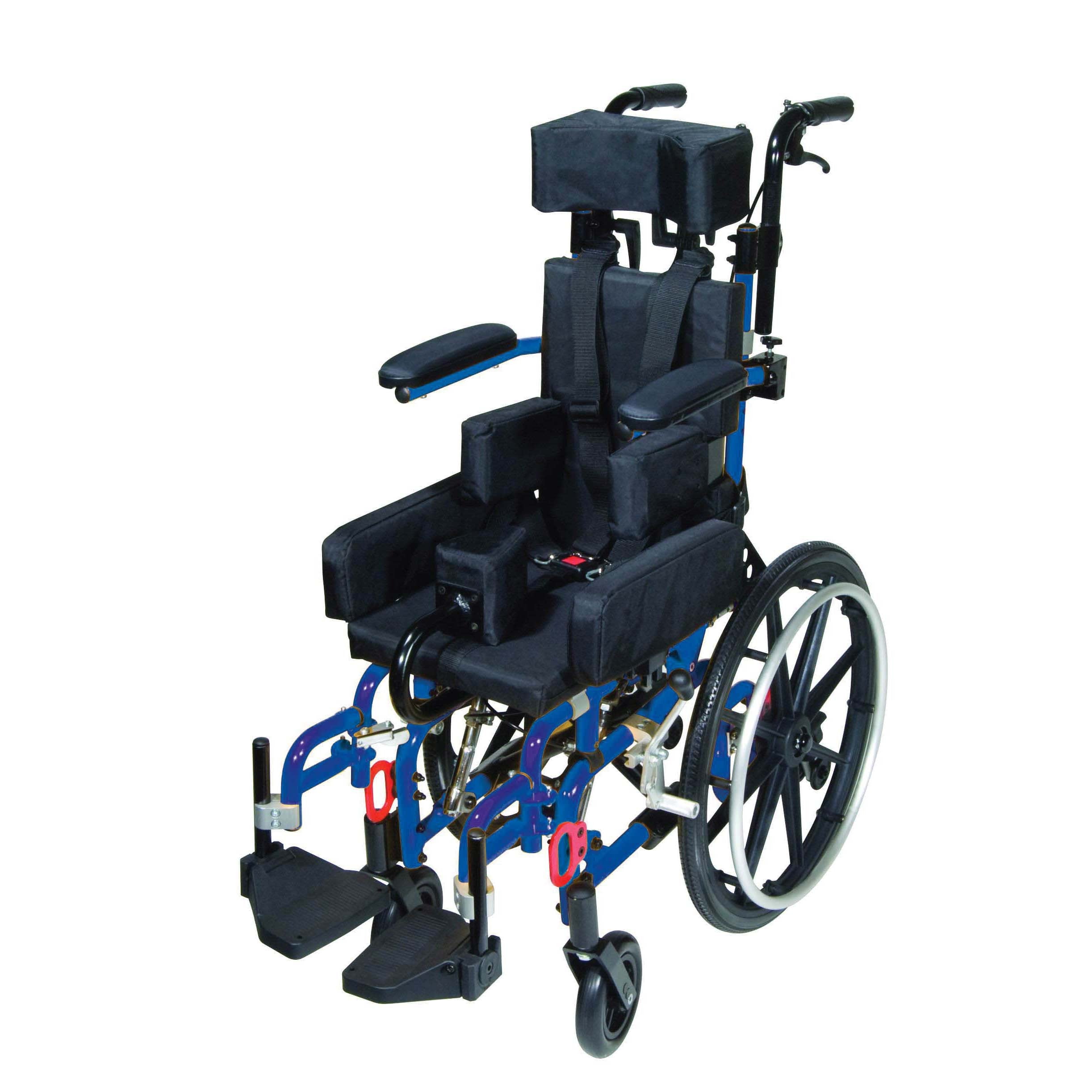
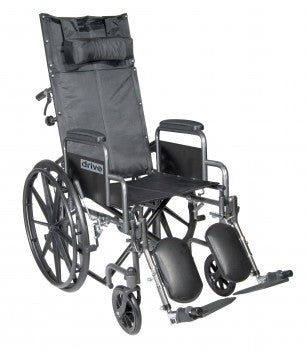
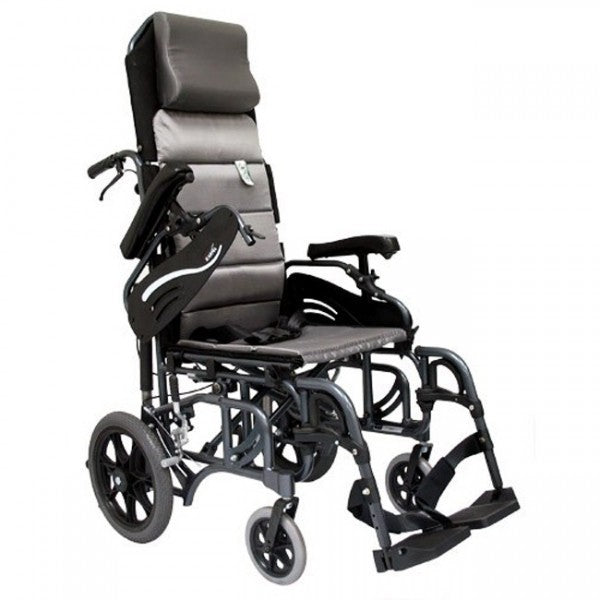
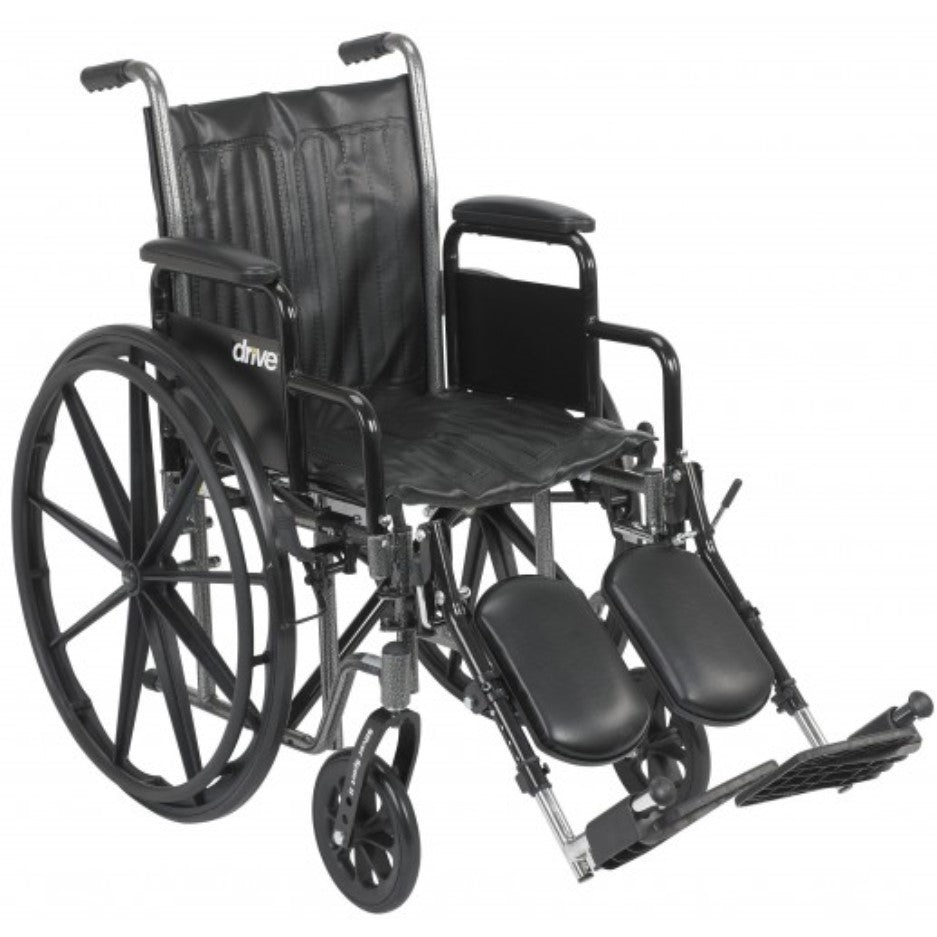
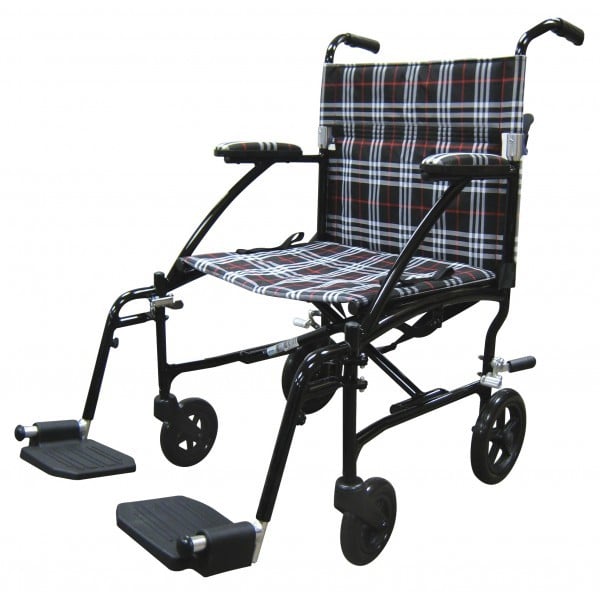
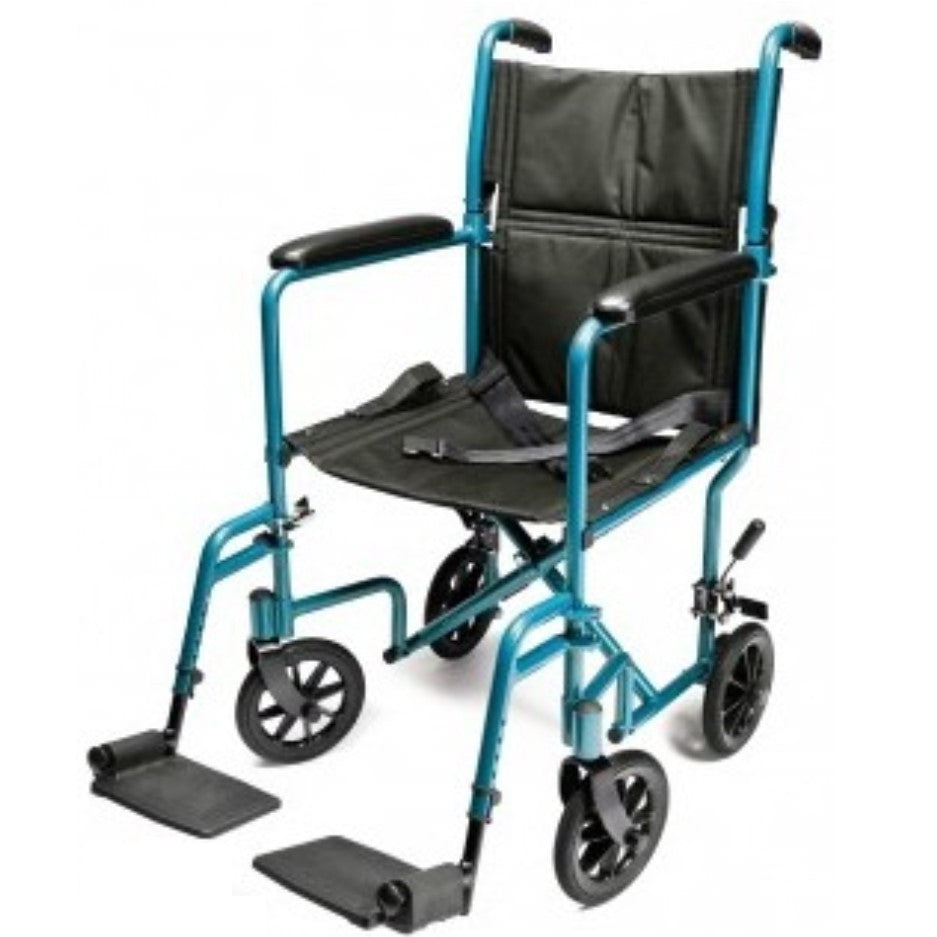
Manual wheelchairs are dependable for caregiver-assisted mobility and may work well in tighter spaces. Lightweight or transport-style chairs can be especially useful for travel, medical appointments, and short trips where a caregiver is available to push.
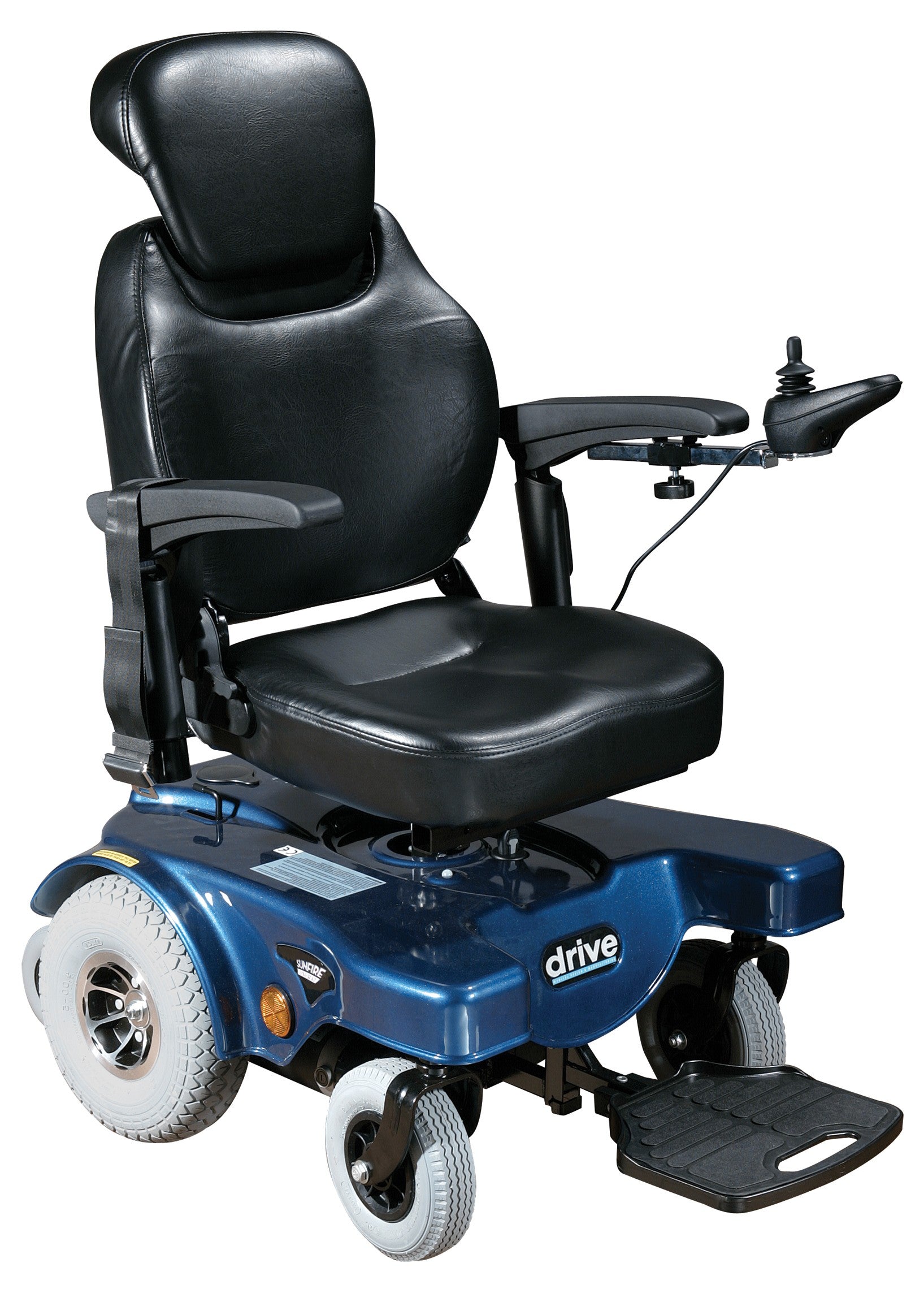
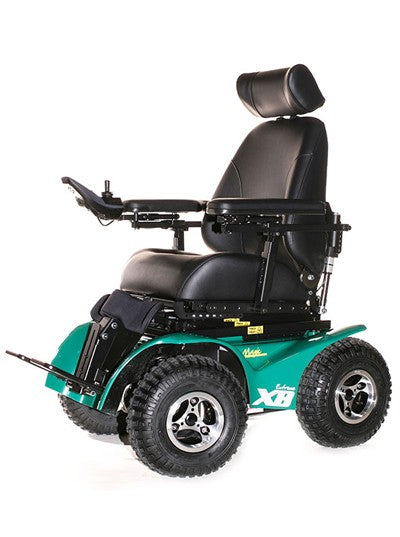
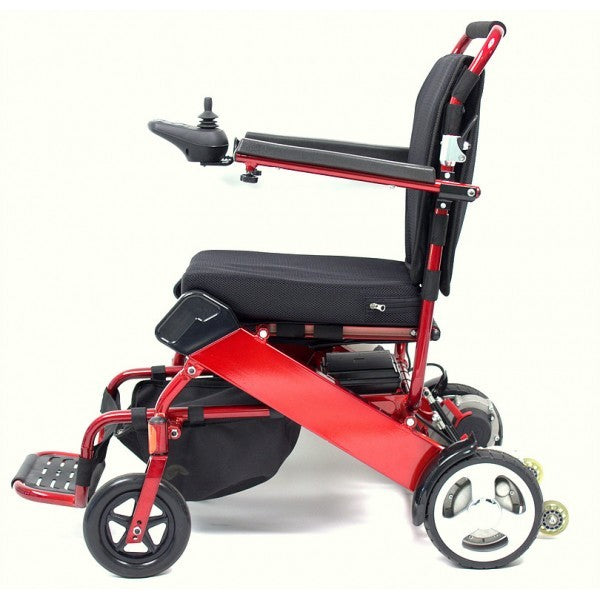
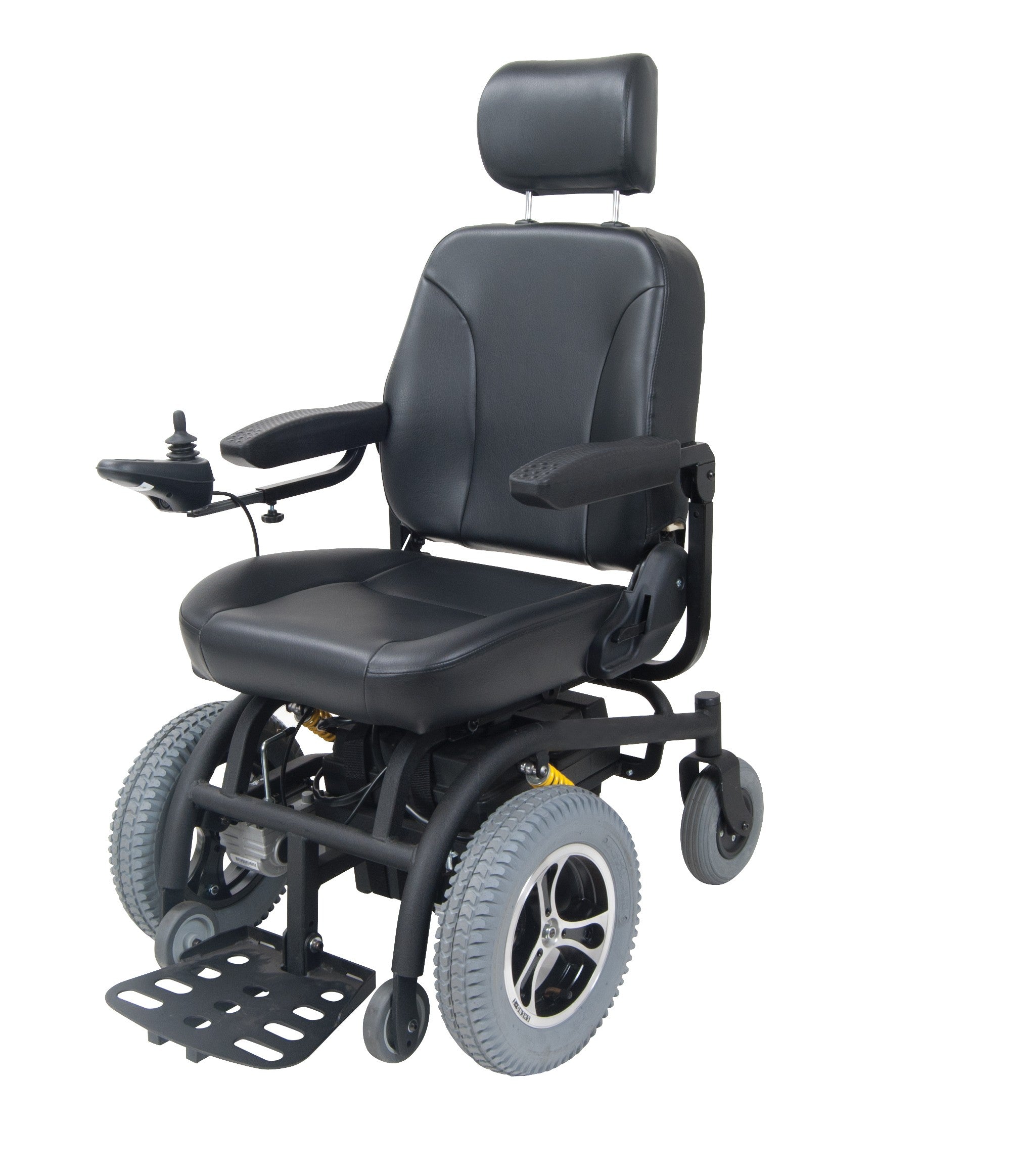
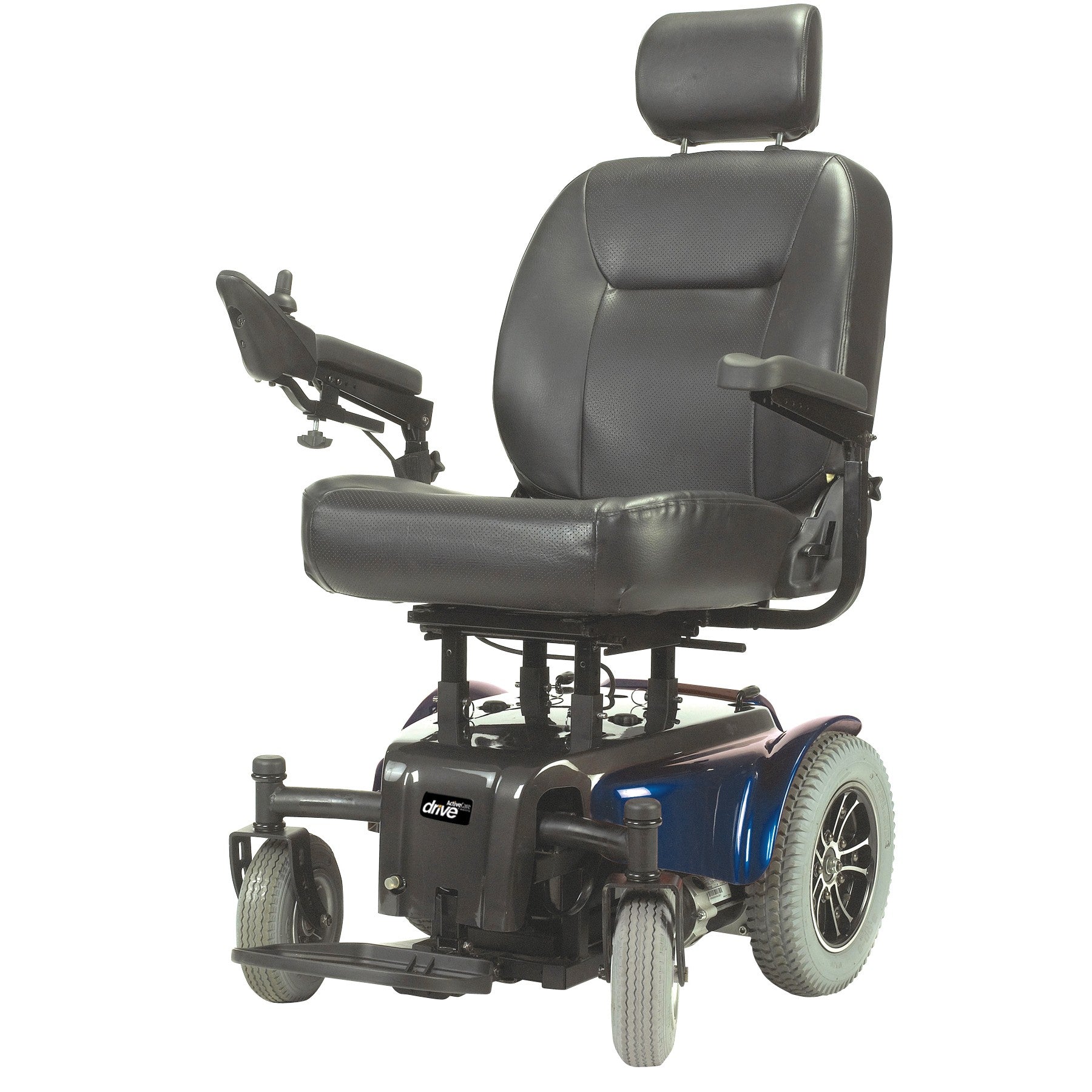
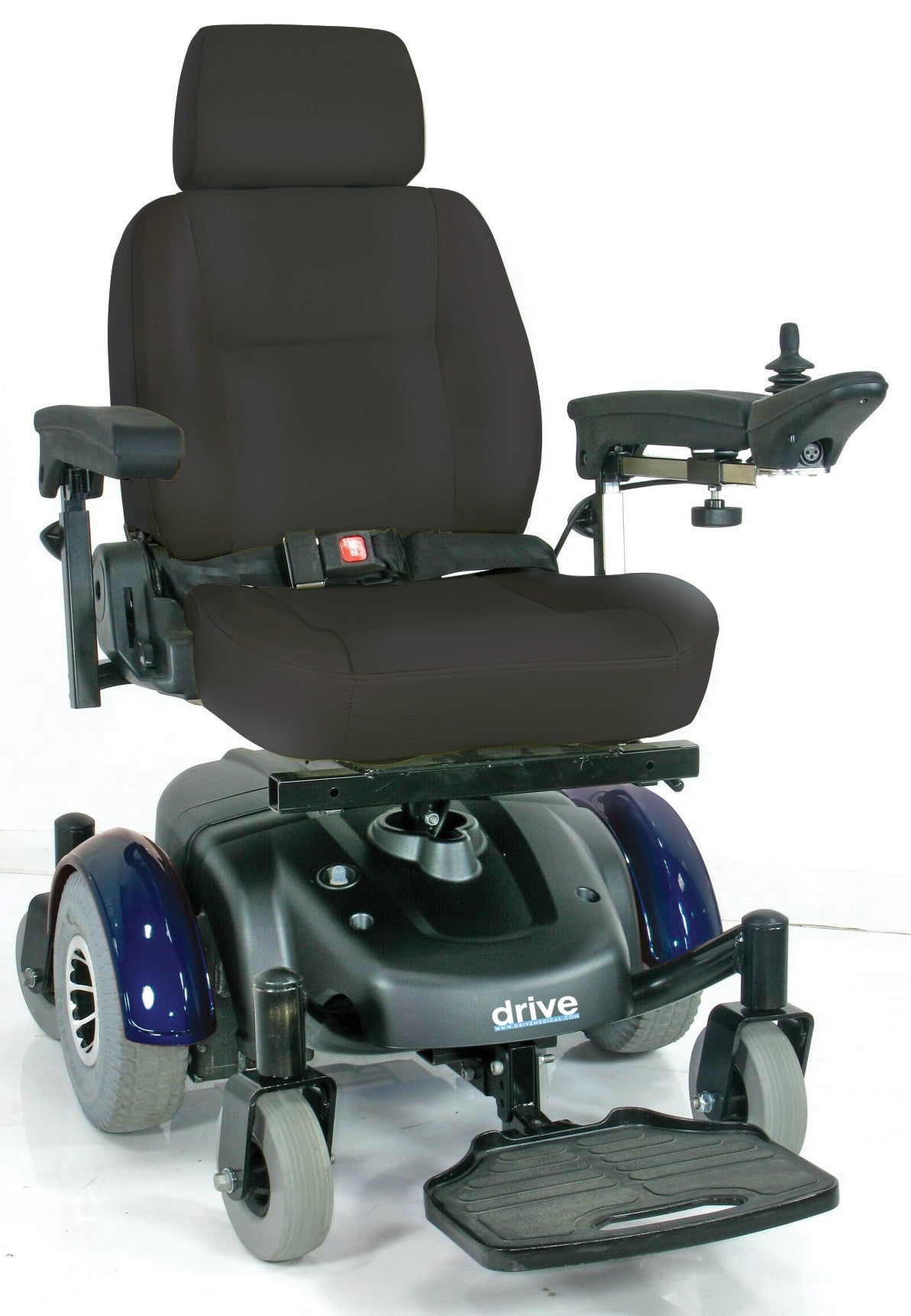
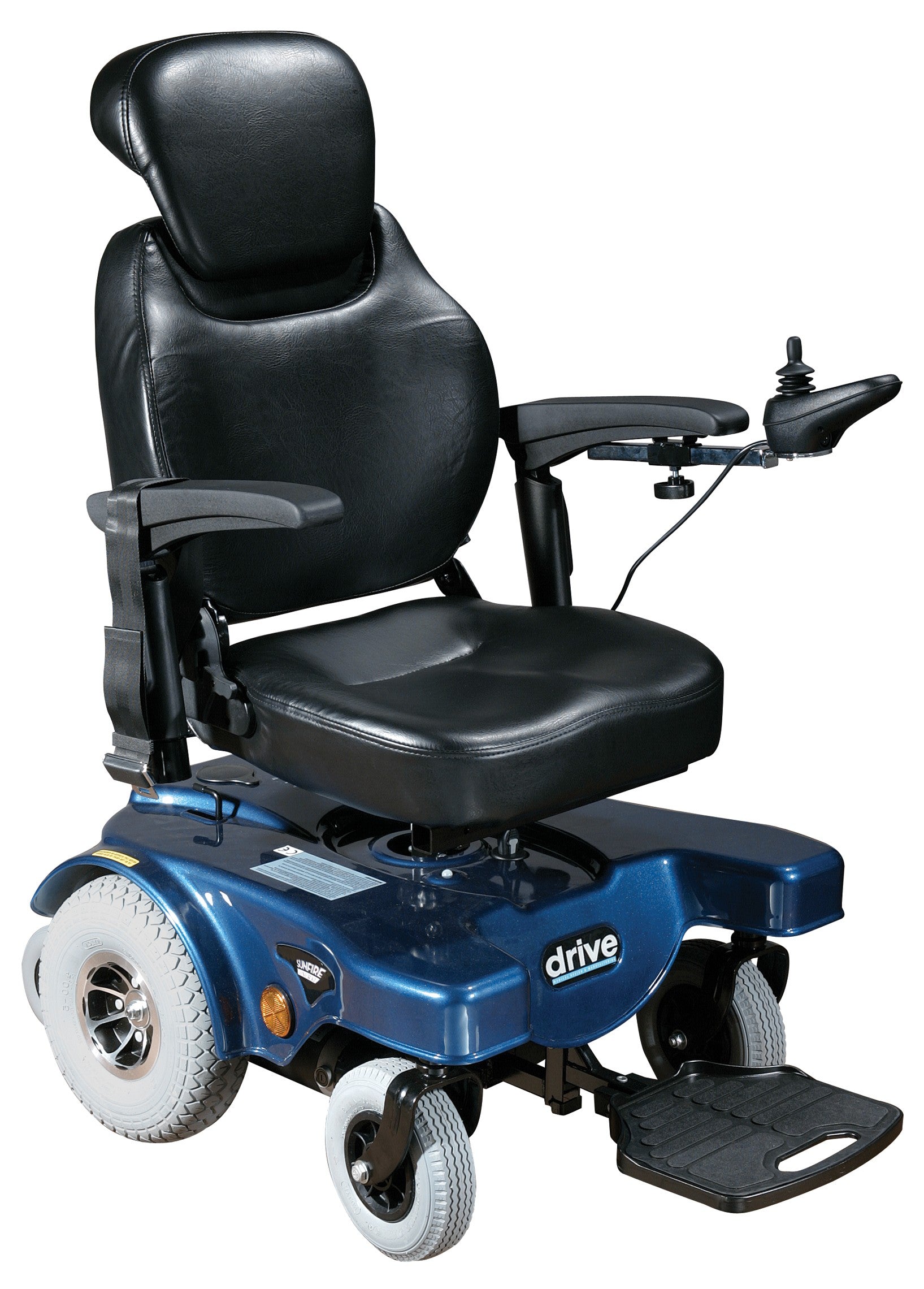
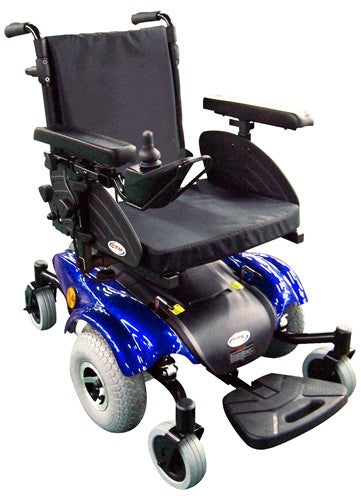
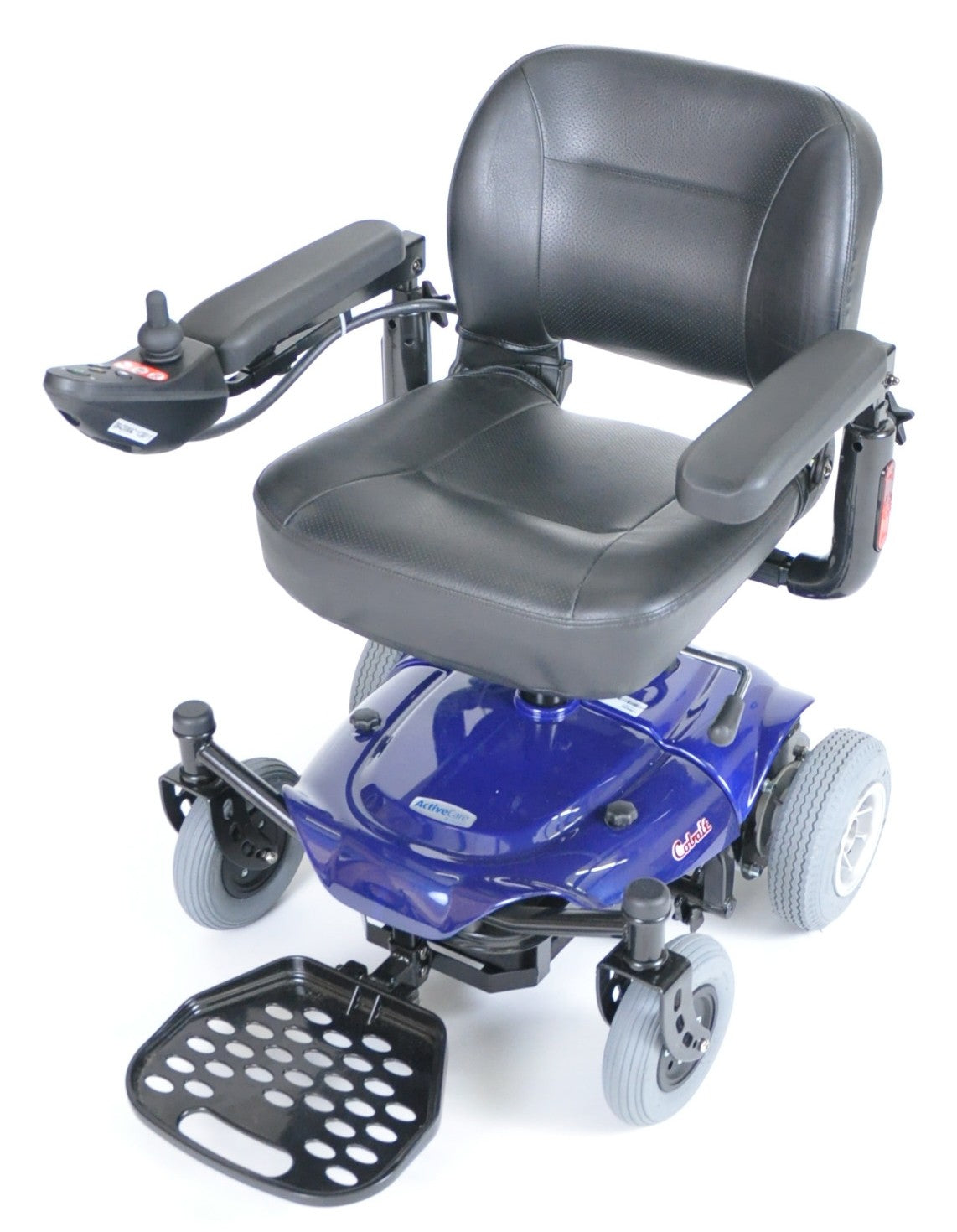
Power wheelchairs offer independent movement for people with limited upper-body strength or endurance. Their tighter turning capability can be useful indoors, though buyers should measure doorways, hallways, and the space around beds and dining tables before ordering.
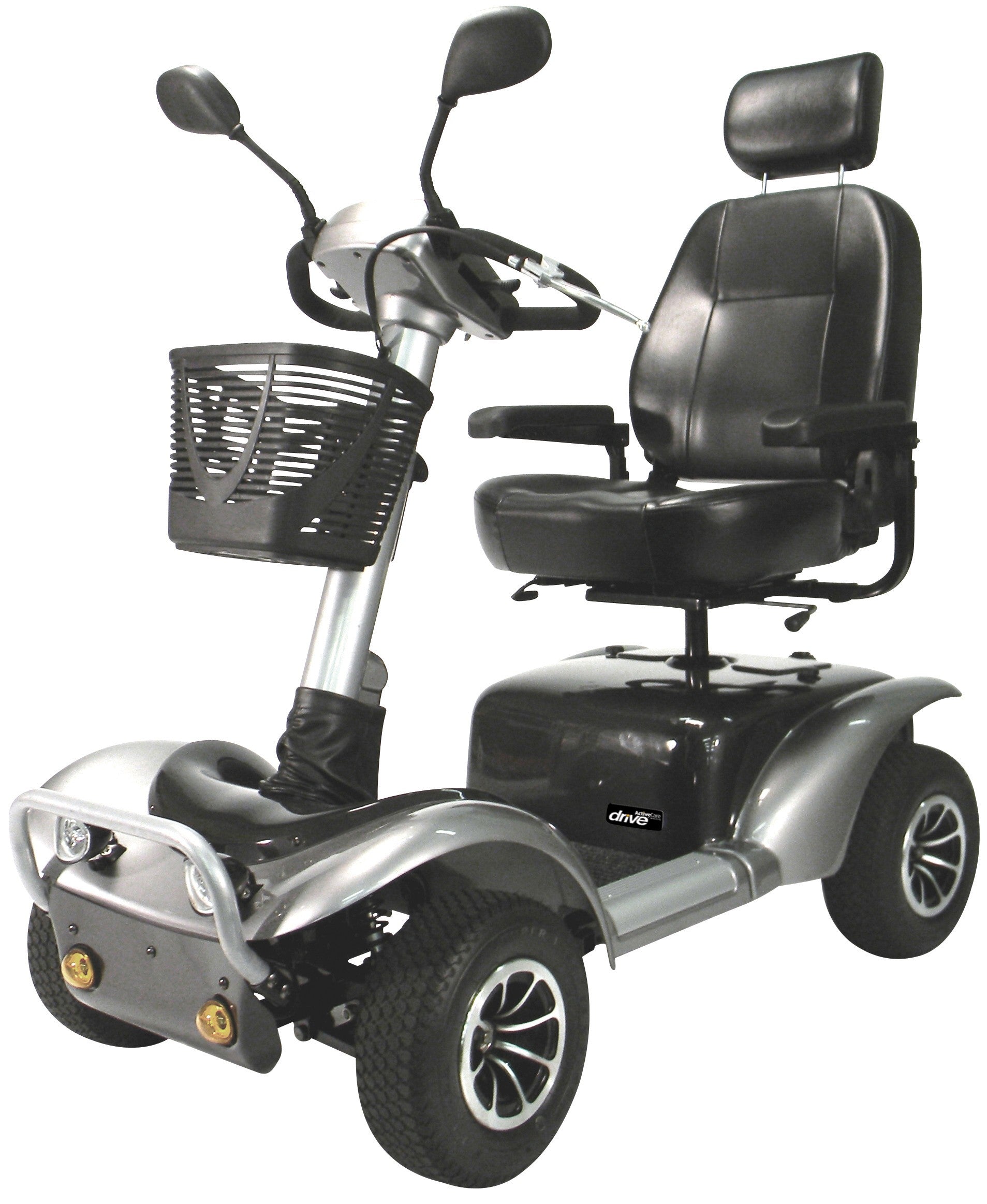
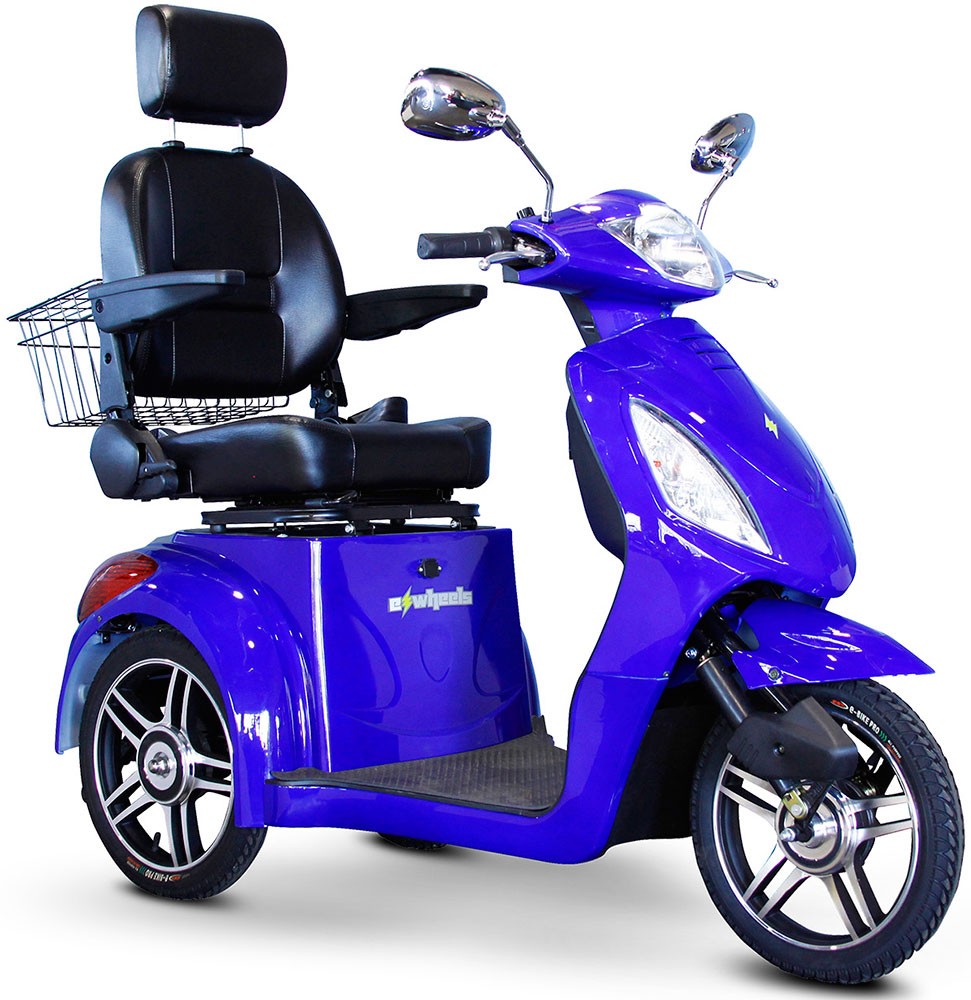
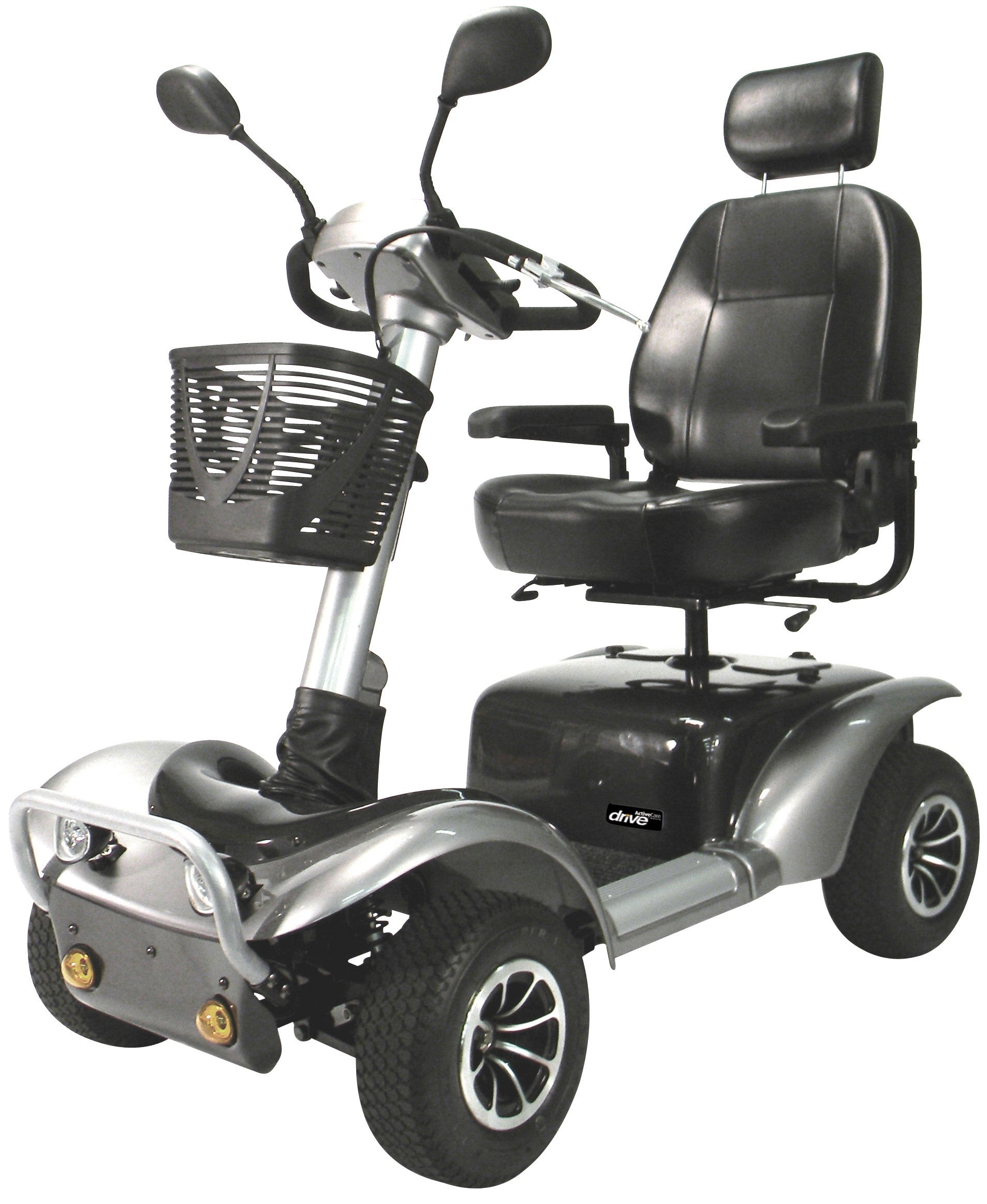
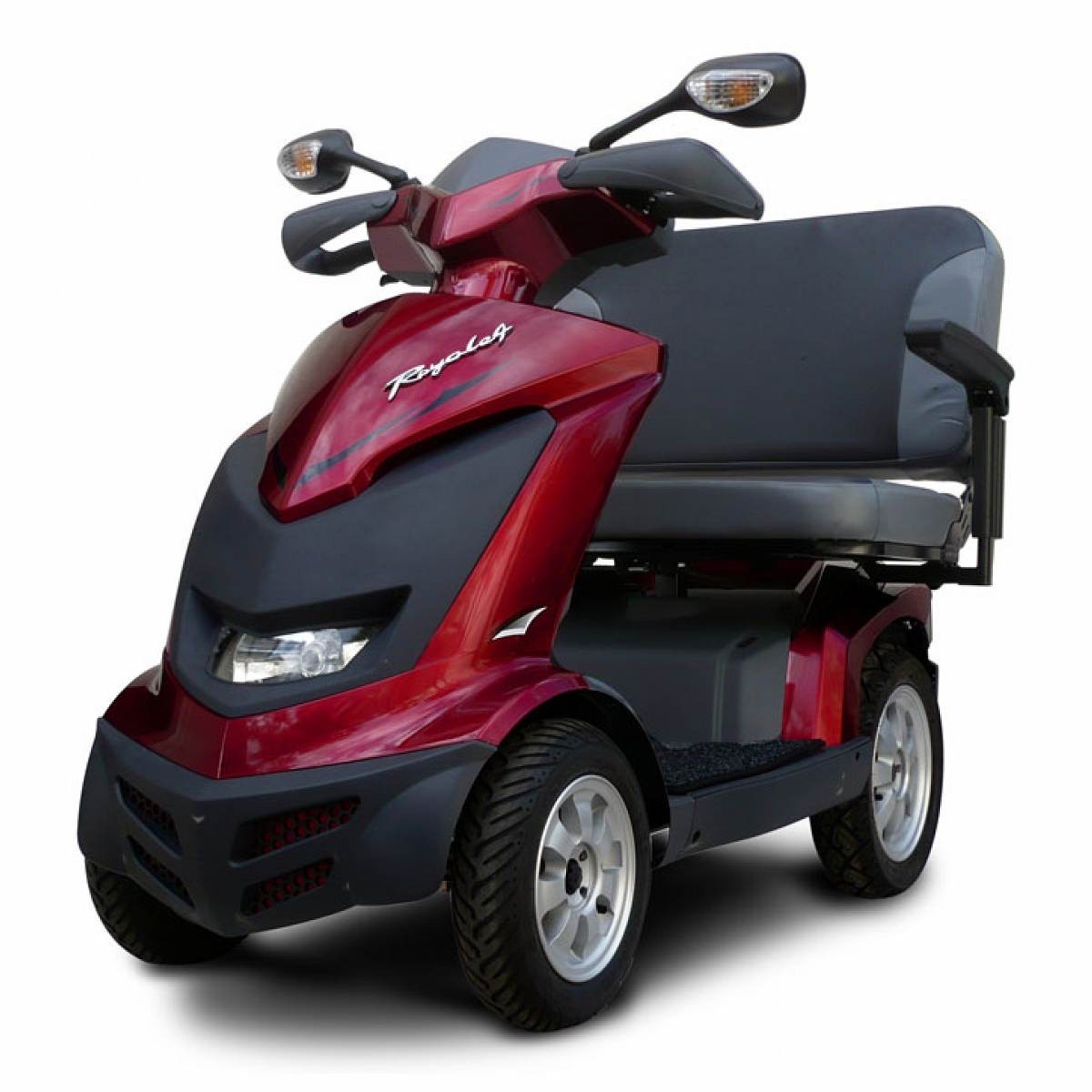
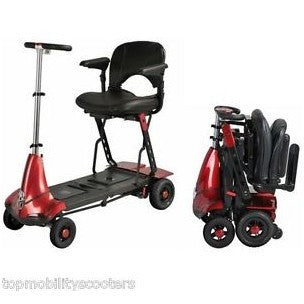
Mobility scooters can be an excellent choice for people who can transfer safely and want more freedom for errands, outdoor use, or navigating larger areas. Portable scooters are easier to transport, while heavier-duty models typically provide more range, stability, and seating support. Consider where the scooter will be stored and charged, along with the entry path into the home.
Measure the Home Before Choosing Mobility Equipment
Measurements are not a minor detail. Check doorway widths, hallway turns, thresholds, ramps, elevator dimensions if applicable, and the available space beside the bed or favorite chair. For outdoor mobility, consider driveway grade, sidewalk conditions, and whether the terrain is smooth or uneven.
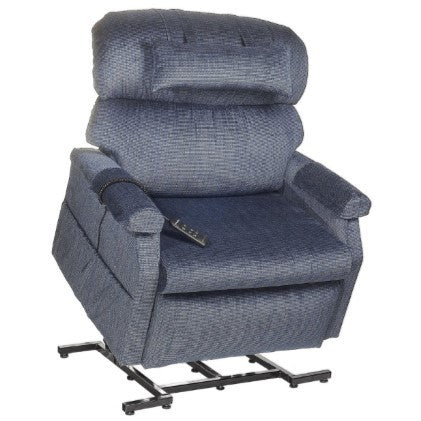
Weight capacity deserves the same attention. It should comfortably support the user and any items commonly carried, such as an oxygen unit, personal bag, or groceries. Bariatric equipment may offer a wider seat, reinforced frame, and greater stability for users who need added support.
Lift Chairs and Recliners for Everyday Transfers
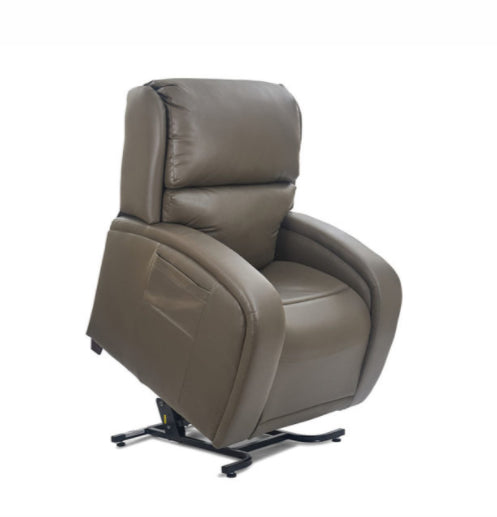
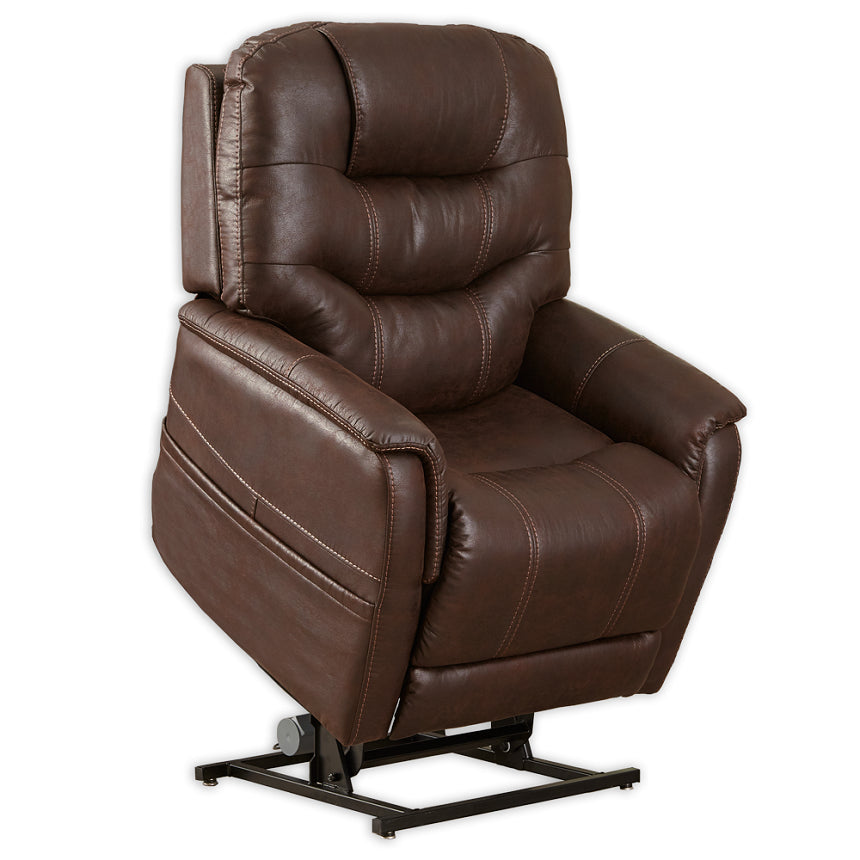
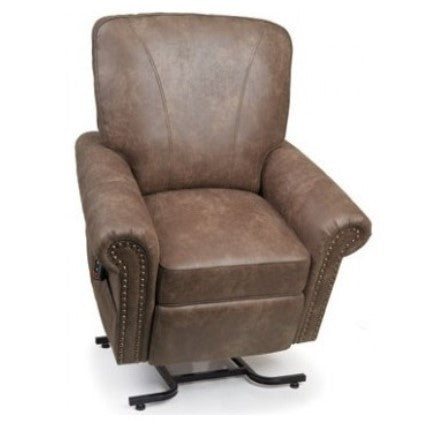
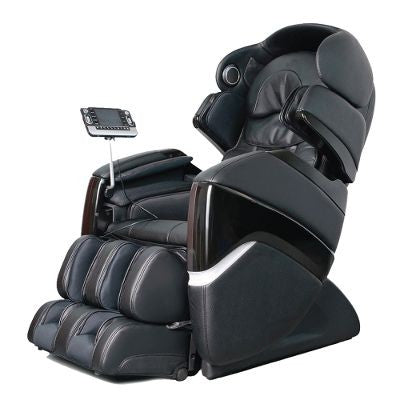
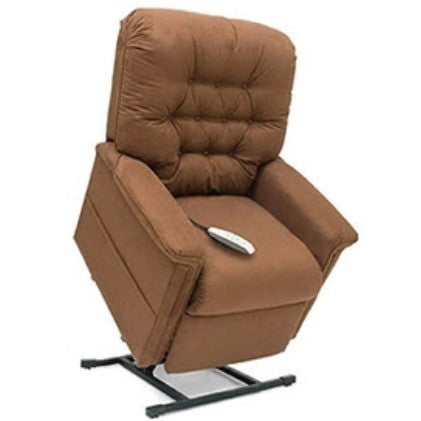
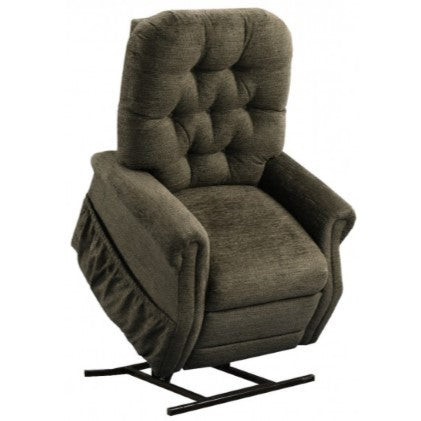
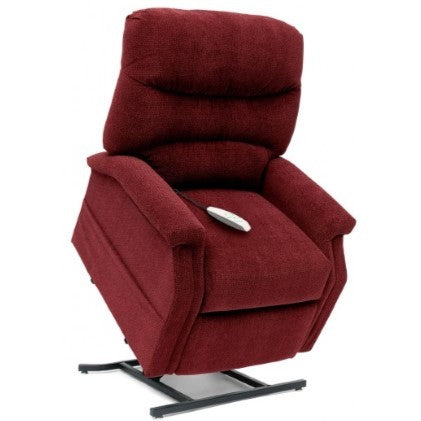
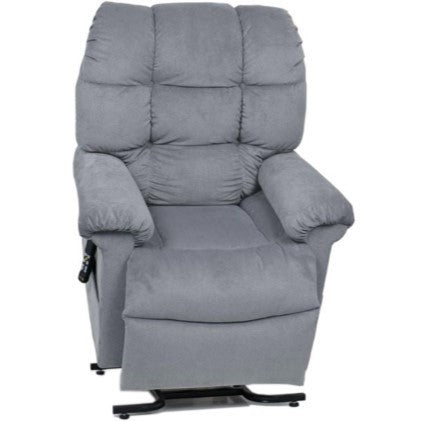
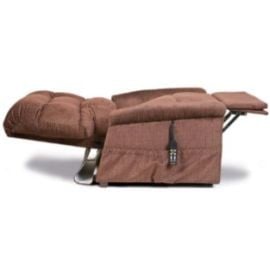
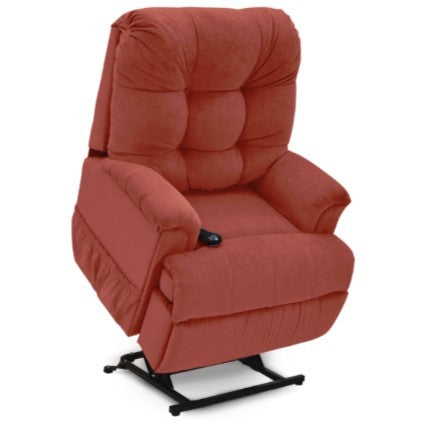
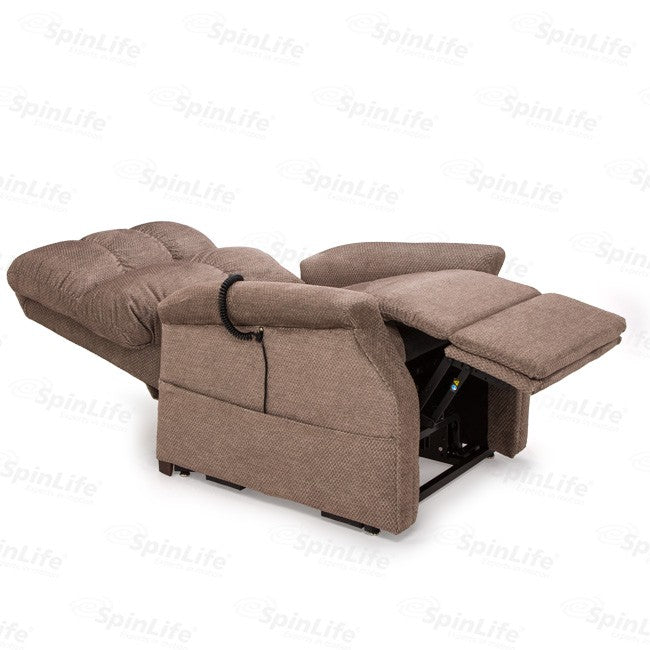
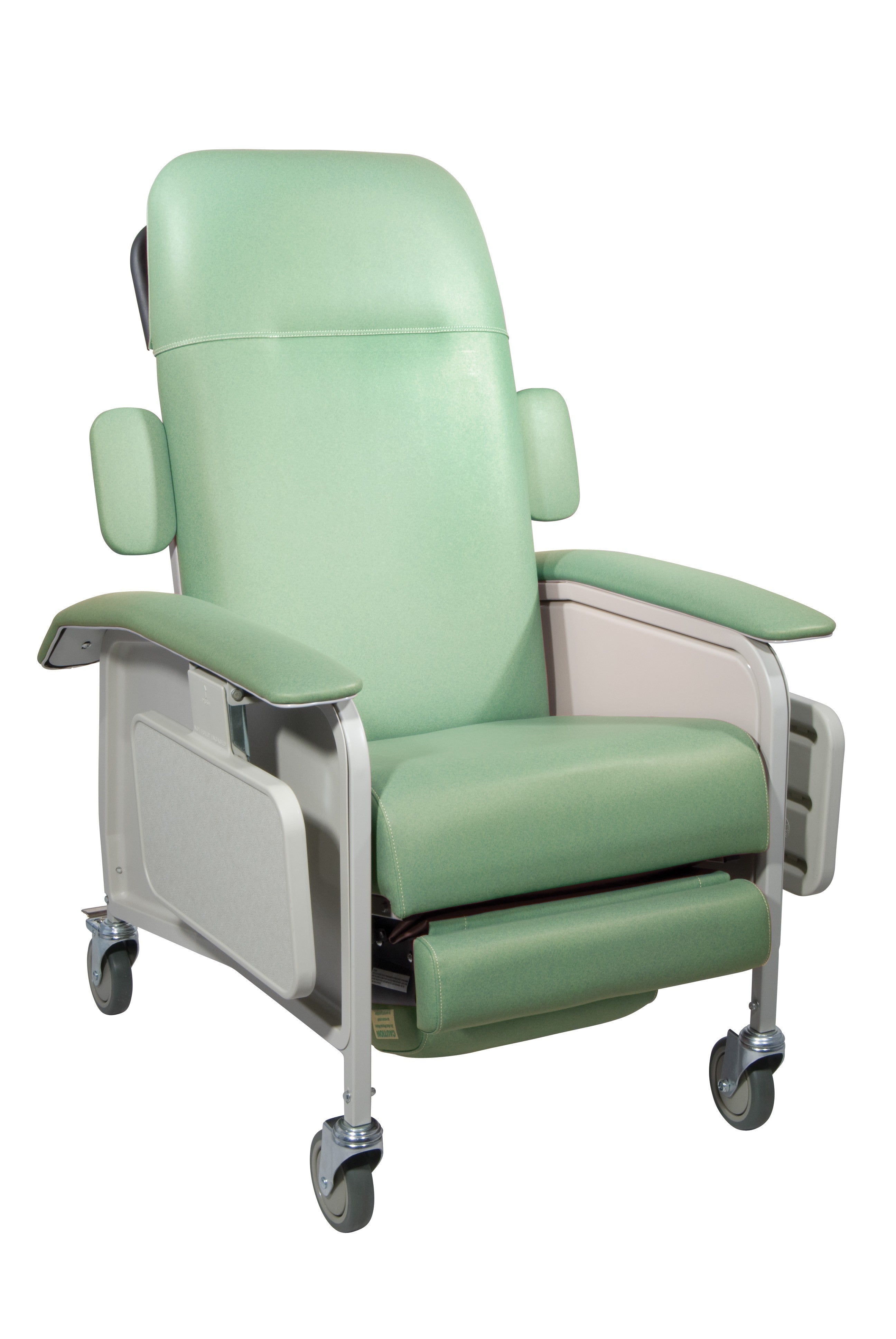
Standing up from a standard sofa or recliner can become one of the most frustrating parts of the day. A power lift chair raises the seat gradually to help the user move toward a standing position with less strain. This can reduce the amount of lifting required from a caregiver and help the user maintain confidence during transfers.
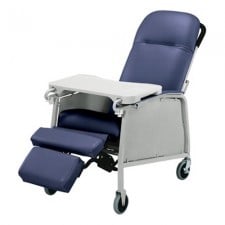
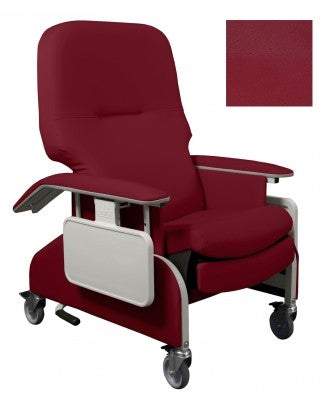
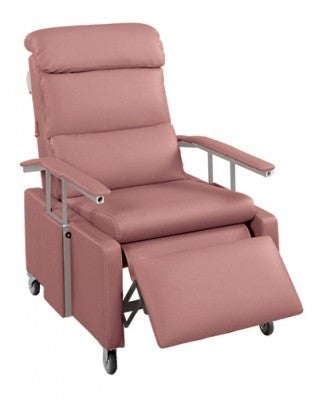
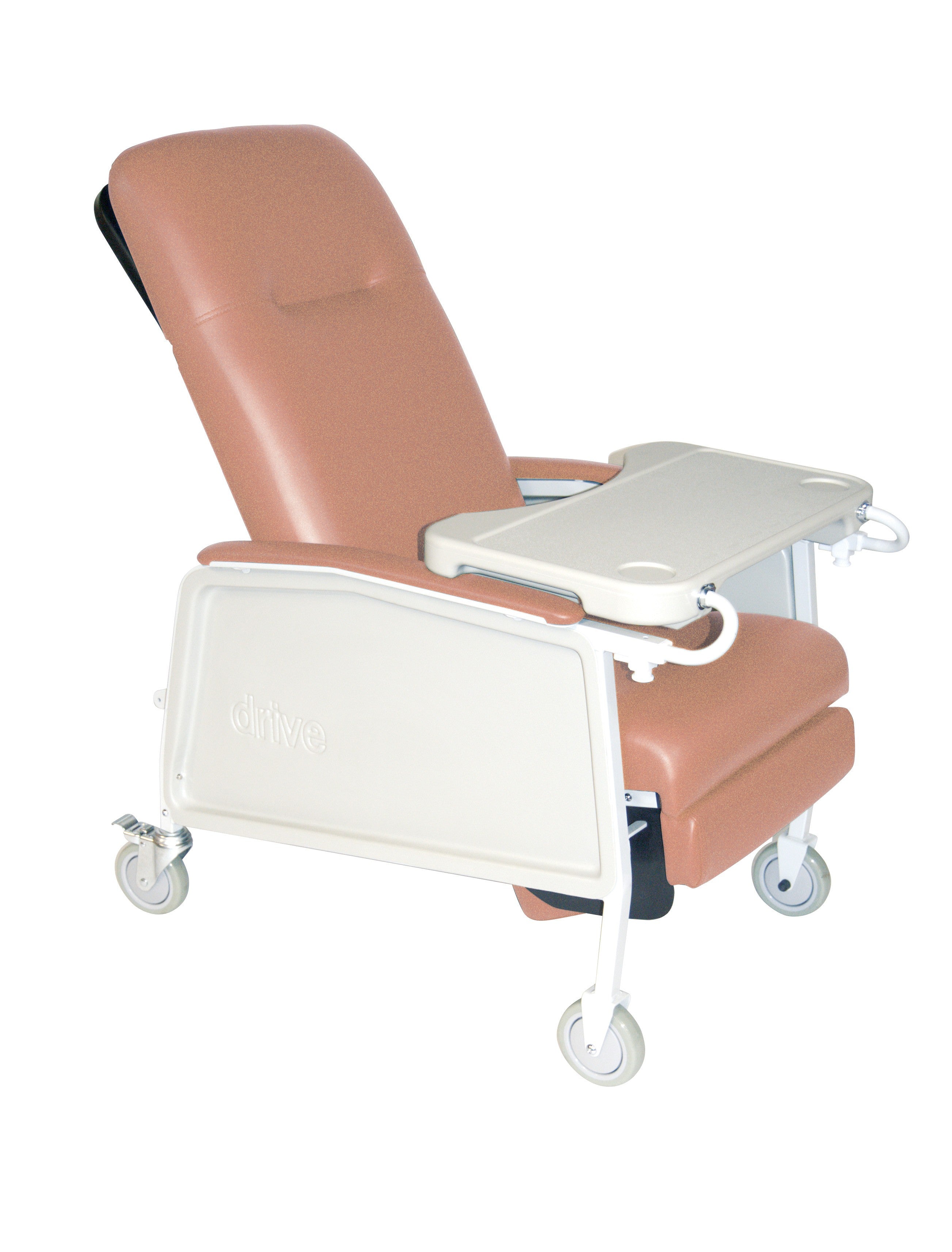
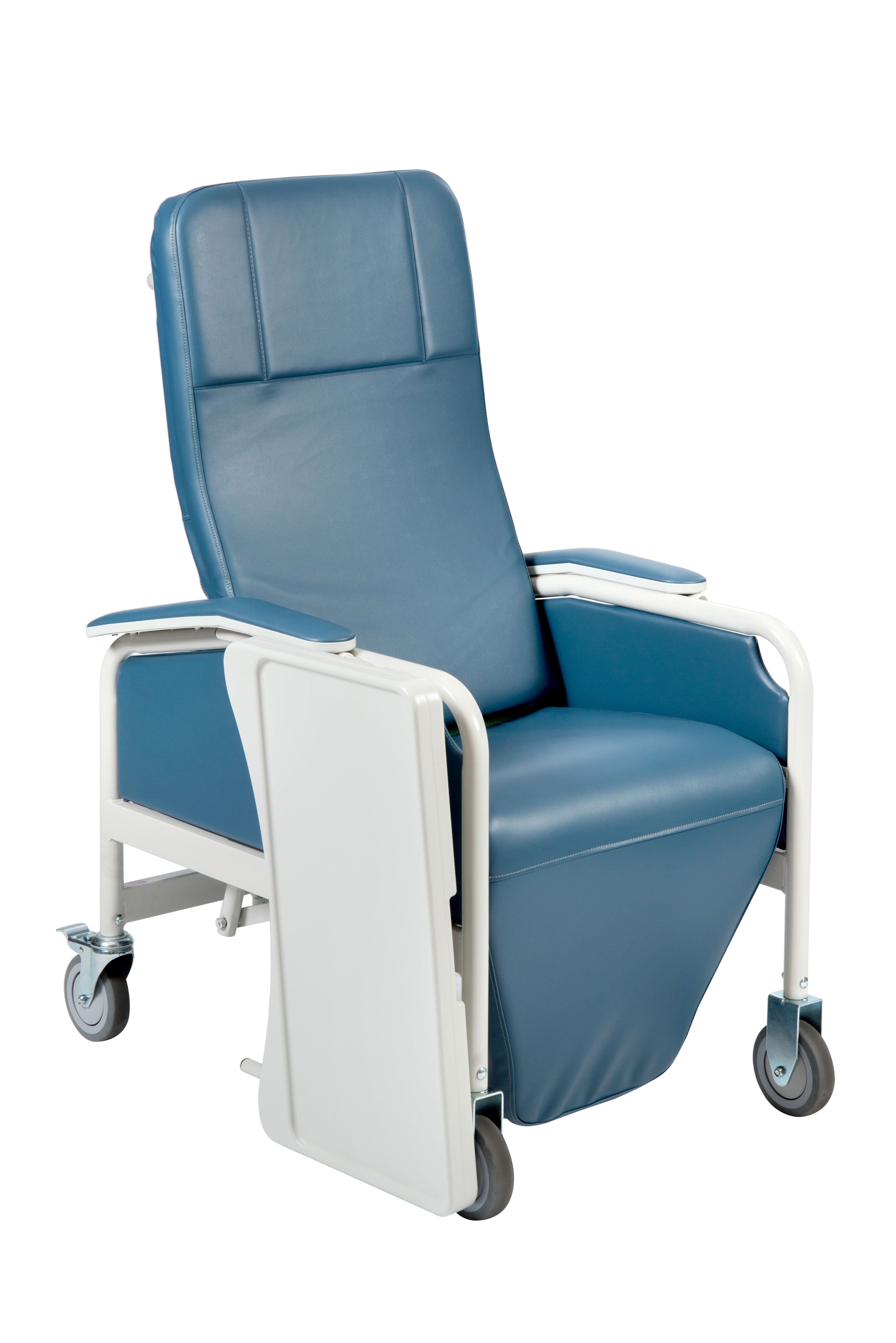
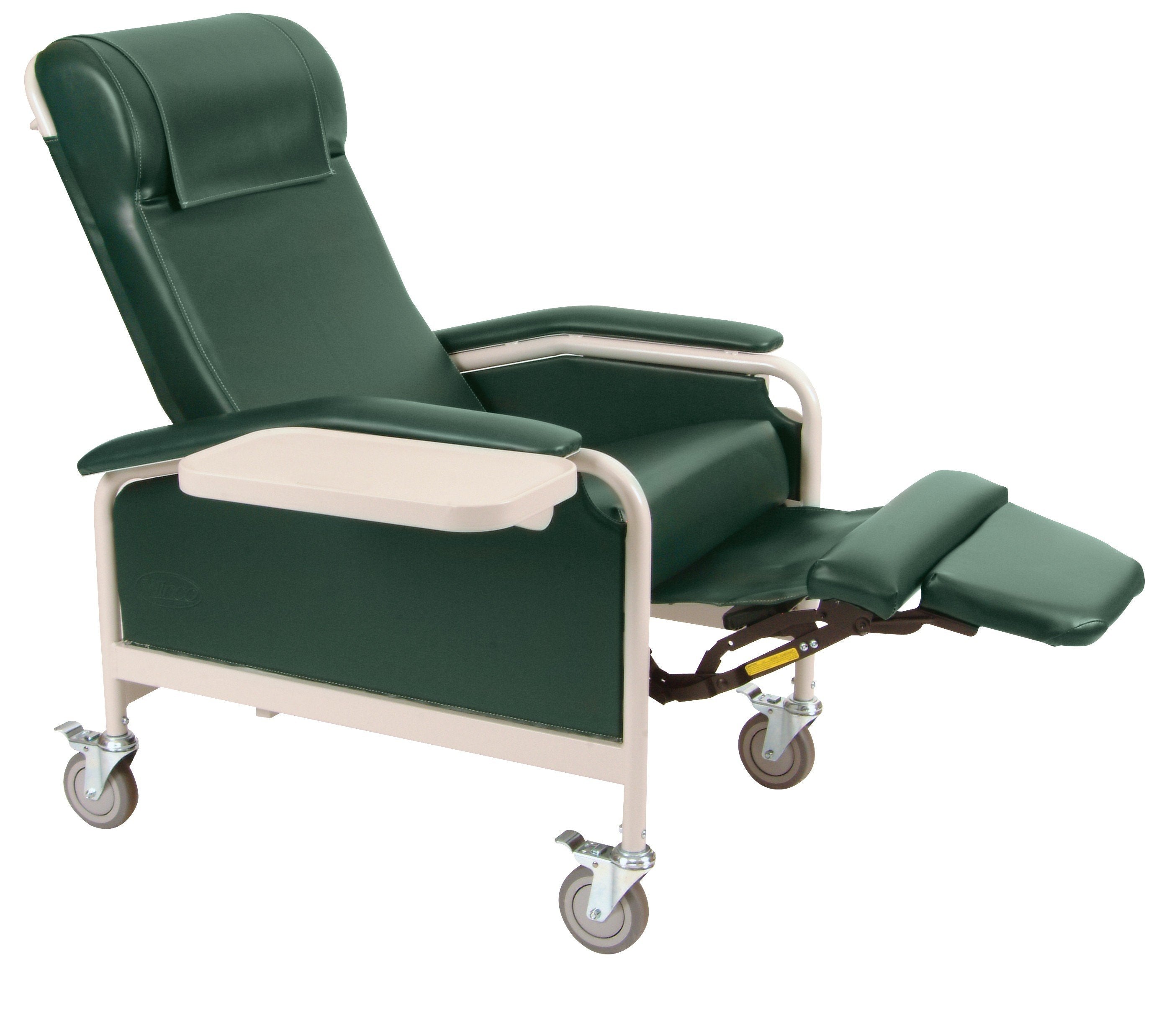
Fit is the deciding factor. Seat width, seat depth, back height, and footrest length should match the user’s body. A chair that is oversized may be difficult to get out of, while one that is too small can cause discomfort and poor support. Geriatric recliners may be appropriate when a person needs long periods of seated comfort, easy positioning, or a more supportive place to rest during the day.
Look at the chair’s location as well. It needs enough clearance to recline and lift without hitting a wall, table, or other furniture. Place it near a stable walking path, ideally with room for a walker or wheelchair alongside it.
Small Equipment Can Prevent Big Problems
Not every caregiving improvement requires a major purchase. The most useful home medical equipment for caregivers often includes accessories that address a repeated safety issue or eliminate an awkward movement.
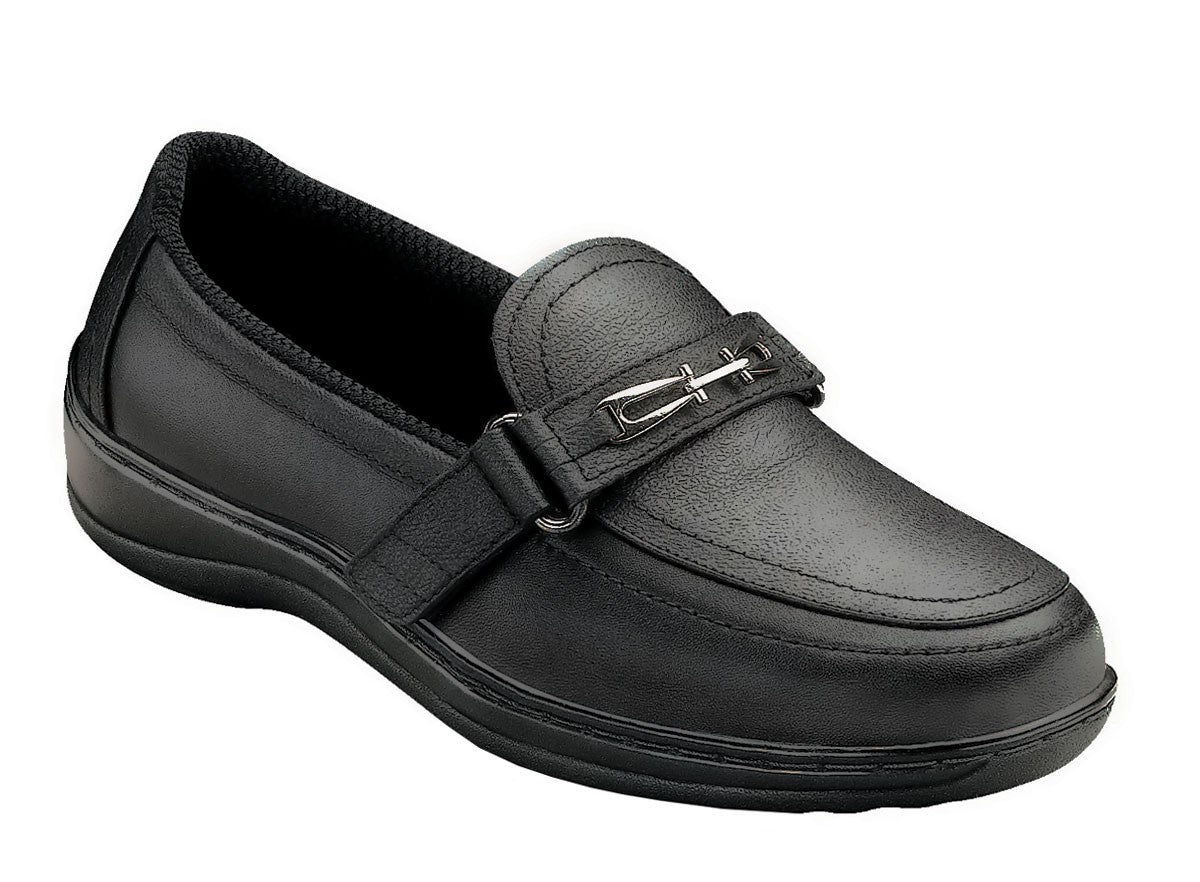
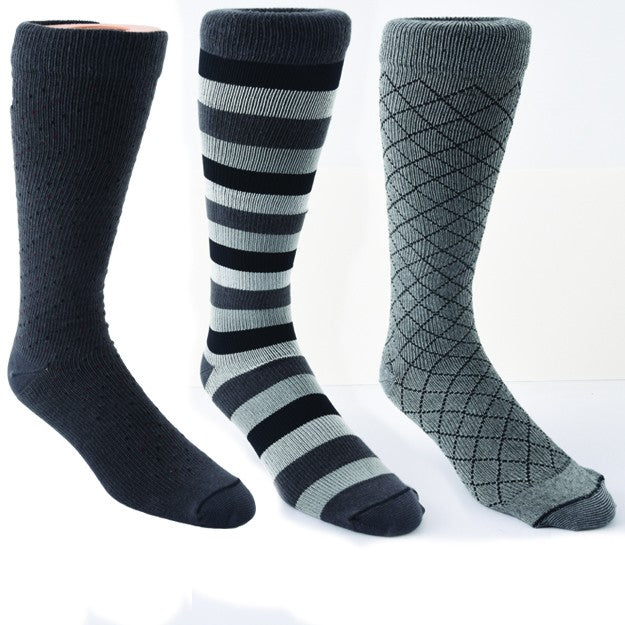
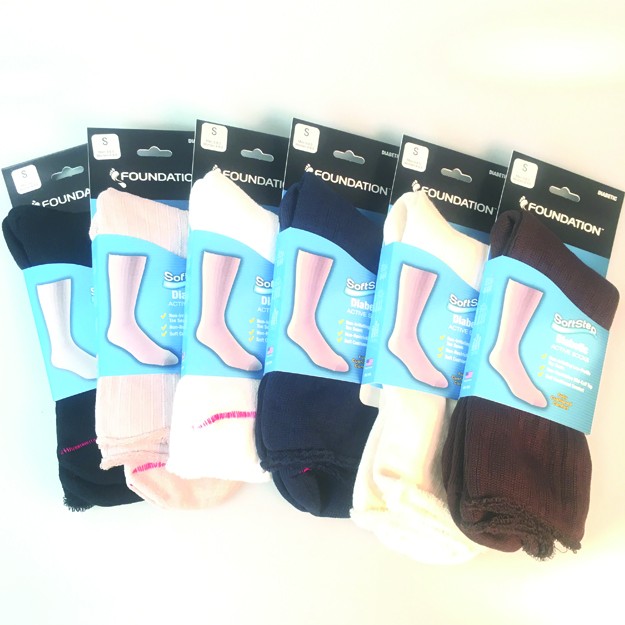
For example, ramps can improve access over thresholds, porches, and small steps for wheelchairs, scooters, and walkers. Compression socks may support certain users who need leg compression as part of their care plan, but proper sizing and medical guidance are important. Diabetic shoes can provide protective comfort for people managing foot sensitivity or diabetes-related concerns.
Other practical considerations include bedside organization, stable seating, and equipment that makes it easier to keep commonly used items within reach. The key is to avoid adding products simply because they seem helpful. Each item should improve safety, comfort, independence, or caregiver efficiency in a clear way.
Choose for the User and the Caregiver
The best equipment serves two people at once: the person using it and the person helping them. A chair may feel comfortable but be impossible for a caregiver to maneuver around. A bed may have the right features but be too large for the room. A scooter may offer excellent range but be impractical if it cannot be transported or stored securely.
Involve the user in the decision whenever possible. Ask what feels uncomfortable, what activities they miss, and where they want more independence. Then balance those preferences with the realities of strength, mobility, home layout, and caregiving support.
For higher-consideration purchases such as power wheelchairs, lift chairs, hospital beds, and mobility scooters, expert product guidance can help narrow the options. American Quality Health Products has supported customers since 2001 with a broad selection of recognized mobility and home care brands, along with knowledgeable assistance for matching equipment to real home-use needs.
The right choice is often the one that makes tomorrow’s routine feel less demanding: a safer transfer, a more comfortable night, or the ability to move through the home with less help and more confidence.


