

Why Gifting Home Medical Equipment Is One of the Most Meaningful Things You Can Do
More than 1 in 4 adults aged 65 and older fall every year in the United States, according to the CDC. Most families wait until after the fall to act. This guide is for families who don't want to wait.
Over 55% of senior falls happen inside the home, the exact environment where the right equipment makes the biggest difference. AARP's 2024 survey found that 75% of adults 50 and older want to stay in their current homes as they age. Home medical equipment isn't a clinical purchase. It's a practical investment in that goal.
The real gift is independence and continued activity, not a reminder of limitation. The conversation can feel awkward, but it's manageable, and this guide walks you through both product selection and the words to say.
Understanding Why Your Loved One Might Push Back (And How to Expect It)
If you're expecting some resistance, you're right to. Research published in PerCursos confirms that older adults are often reluctant to accept mobility aids until forced by physical need or medical orders. This isn't stubbornness. It's deeply human.
Resistance typically falls into three patterns. Stigma: "I don't want to look old." Denial: "I don't need it yet." Pride: "I've managed this long on my own." Each is valid, and each requires patience rather than argument.
The encouraging news: research from the National Institutes of Health shows that attitudes toward mobility devices generally shift from negative to positive over time. What starts as "a sign of decline" often becomes "a part of my daily routine" once the benefits are felt firsthand.
The most effective strategy for reducing resistance is framing the gift around independence and continued activity, not limitation or fear. When possible, loop in a trusted professional. A physician's or physical therapist's recommendation often carries more weight than a family member's suggestion. It removes the dynamic of "my child thinks I'm getting old" and replaces it with professional guidance.
How to Have the Conversation Before (or Instead of) a Surprise
For most home medical equipment gifts, a pure surprise isn't the best approach. When the recipient has buy-in from the start, they're far more likely to use the equipment long-term. The goal is acceptance, not just delivery.
Look for natural, lower-pressure moments to bring it up: a milestone birthday, recovery after surgery, a hospital discharge, or a holiday visit where you observe a need firsthand. These moments create openings that feel organic rather than forced.
When you start the conversation, lead with love and observation. "I noticed you've been having trouble with the stairs" works. Leading with statistics or worst-case scenarios does not. Keep it personal and specific to what you've seen.
One of the most effective strategies is involving your loved one in the selection process. Let them choose the color, the style, or the features they care about. This turns a gift into a collaborative decision they feel ownership over, not something imposed on them.
When pushback comes, don't argue. Acknowledge their feelings. "I understand. Can we just look at some options together?" keeps the door open without creating a power struggle.
For adult children who live far away, a phone or video call with a product specialist can help assess needs remotely before purchasing. Our US-based team has helped thousands of families navigate exactly this situation, often working with the gift-buyer alone to identify the right product before the recipient is even involved.
Matching the Right Product to the Right Need
Choosing the right category matters more than choosing the right brand. Here's a practical starting point:
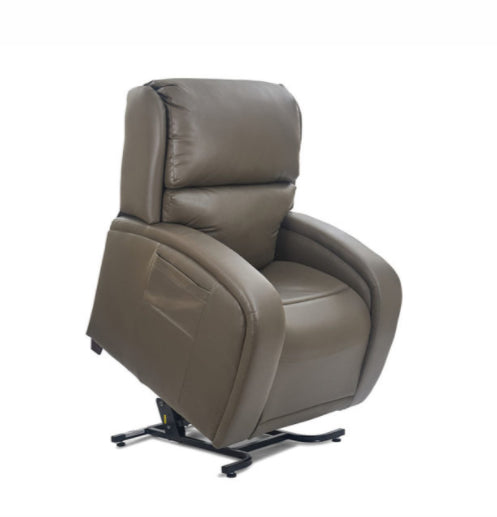
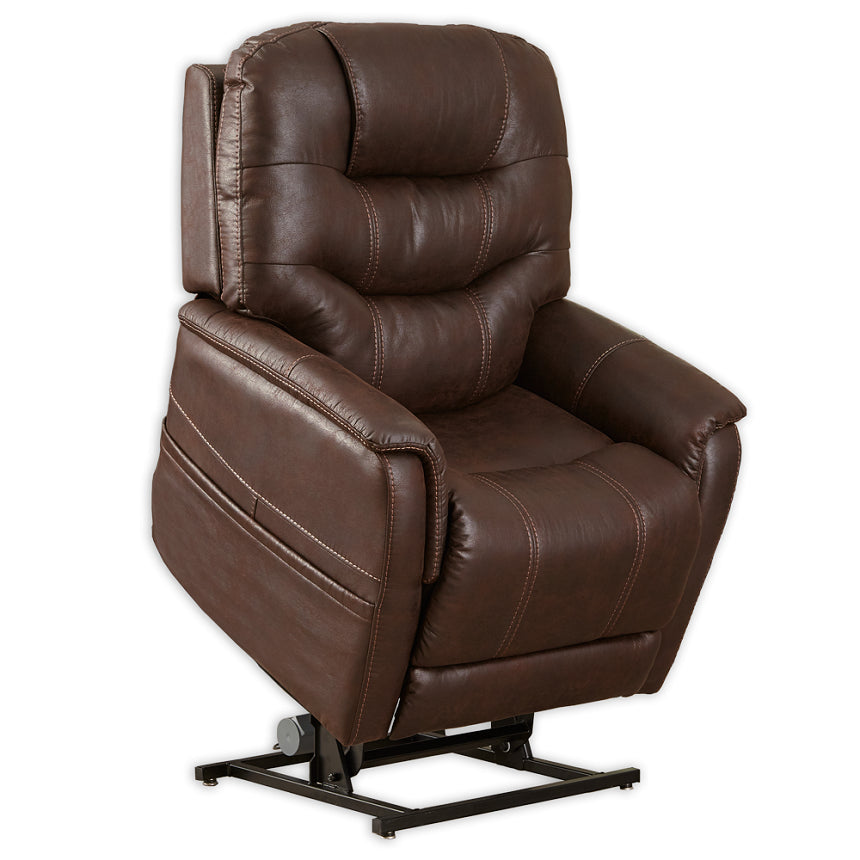
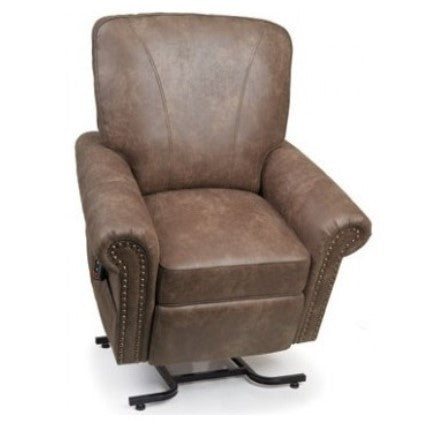
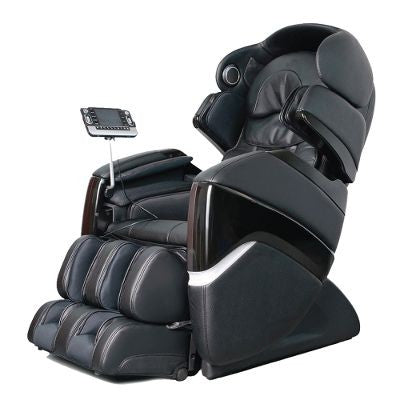
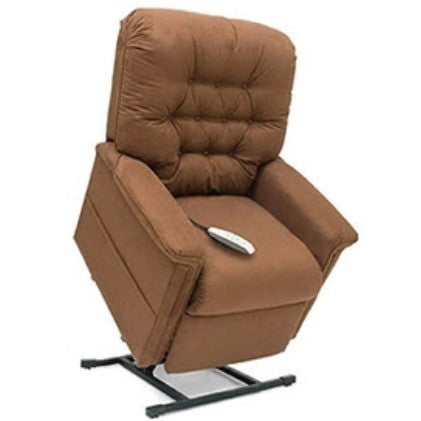
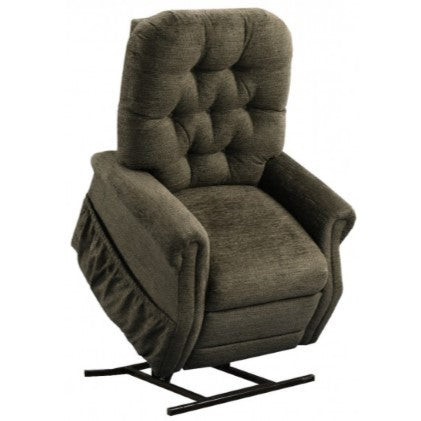
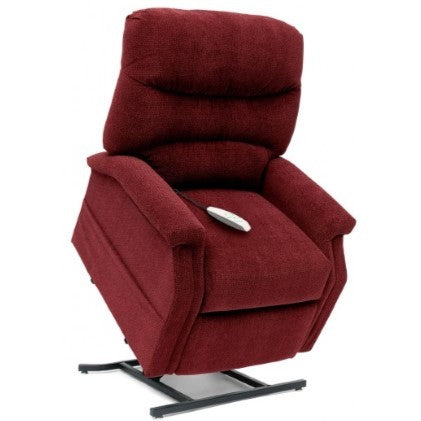
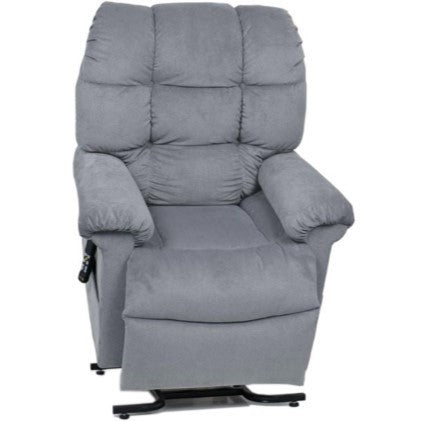
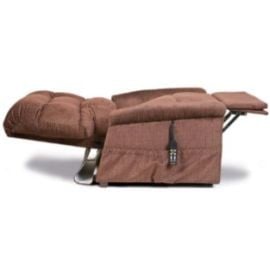
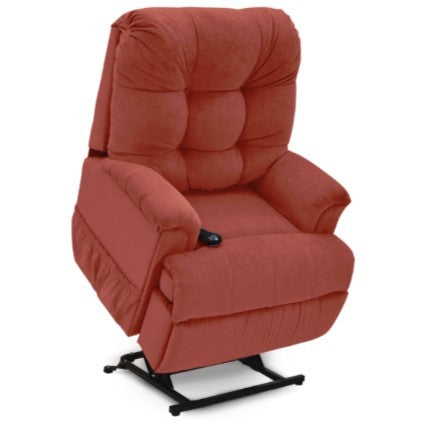
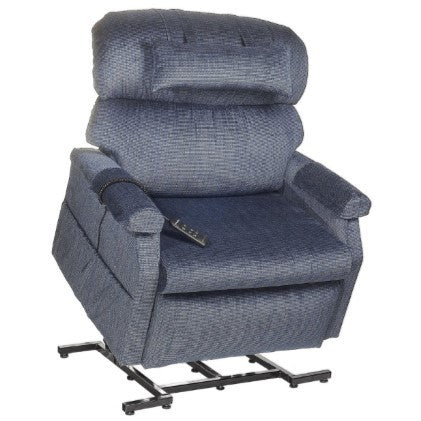
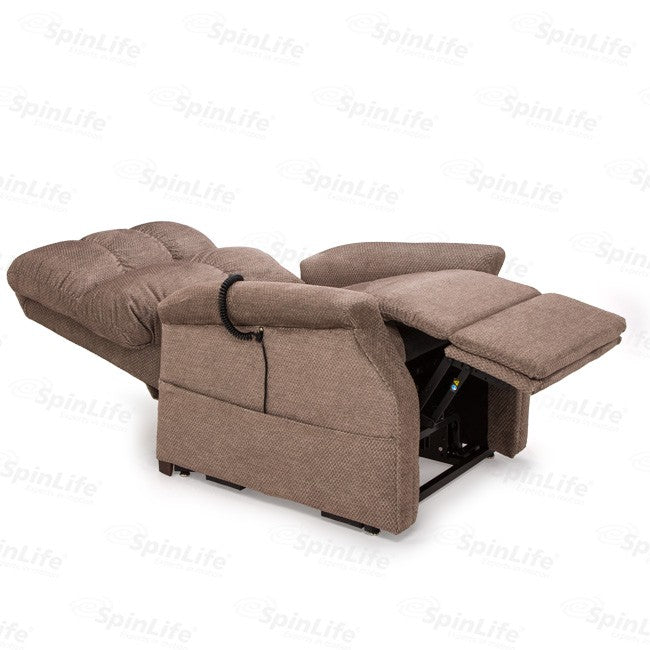
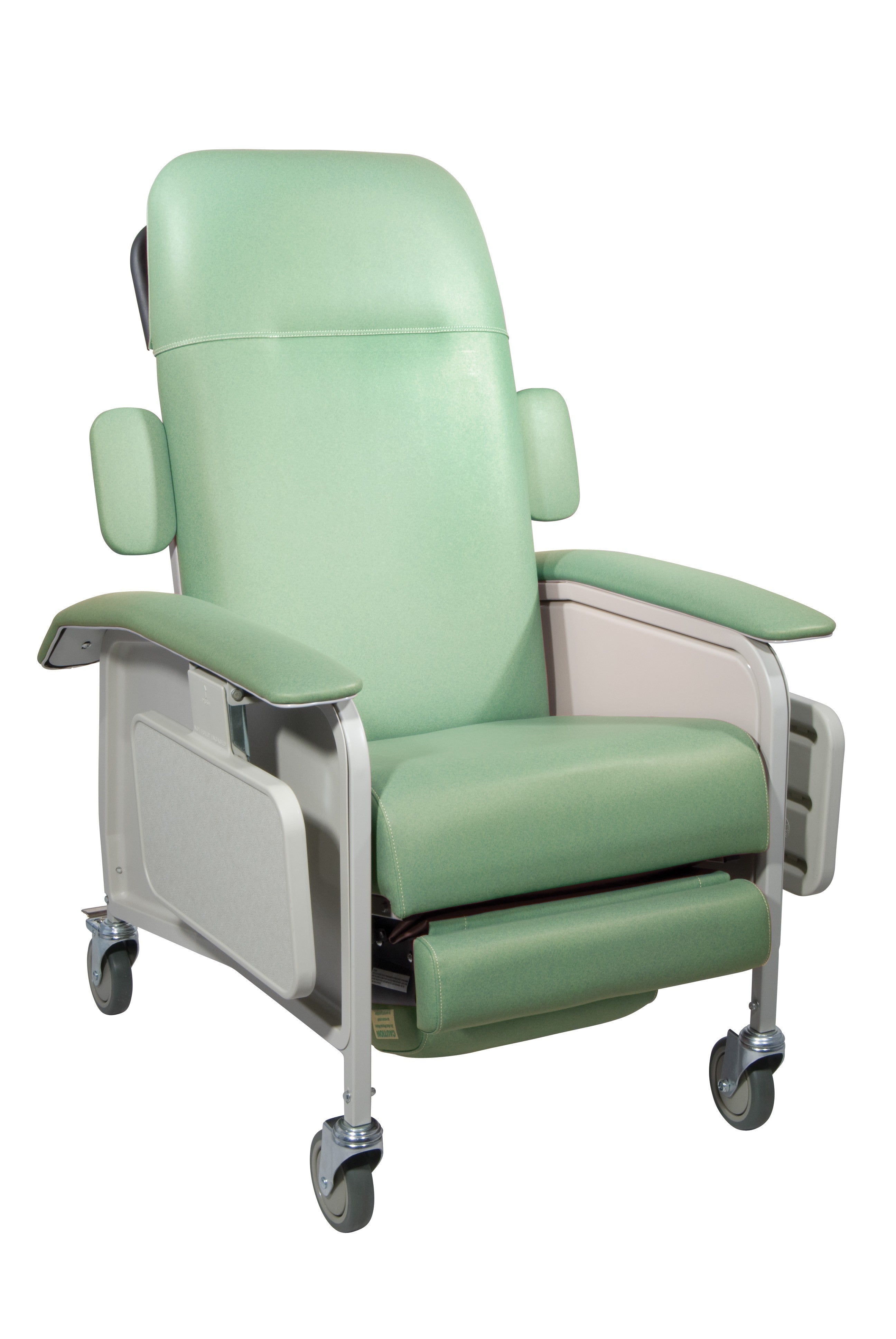
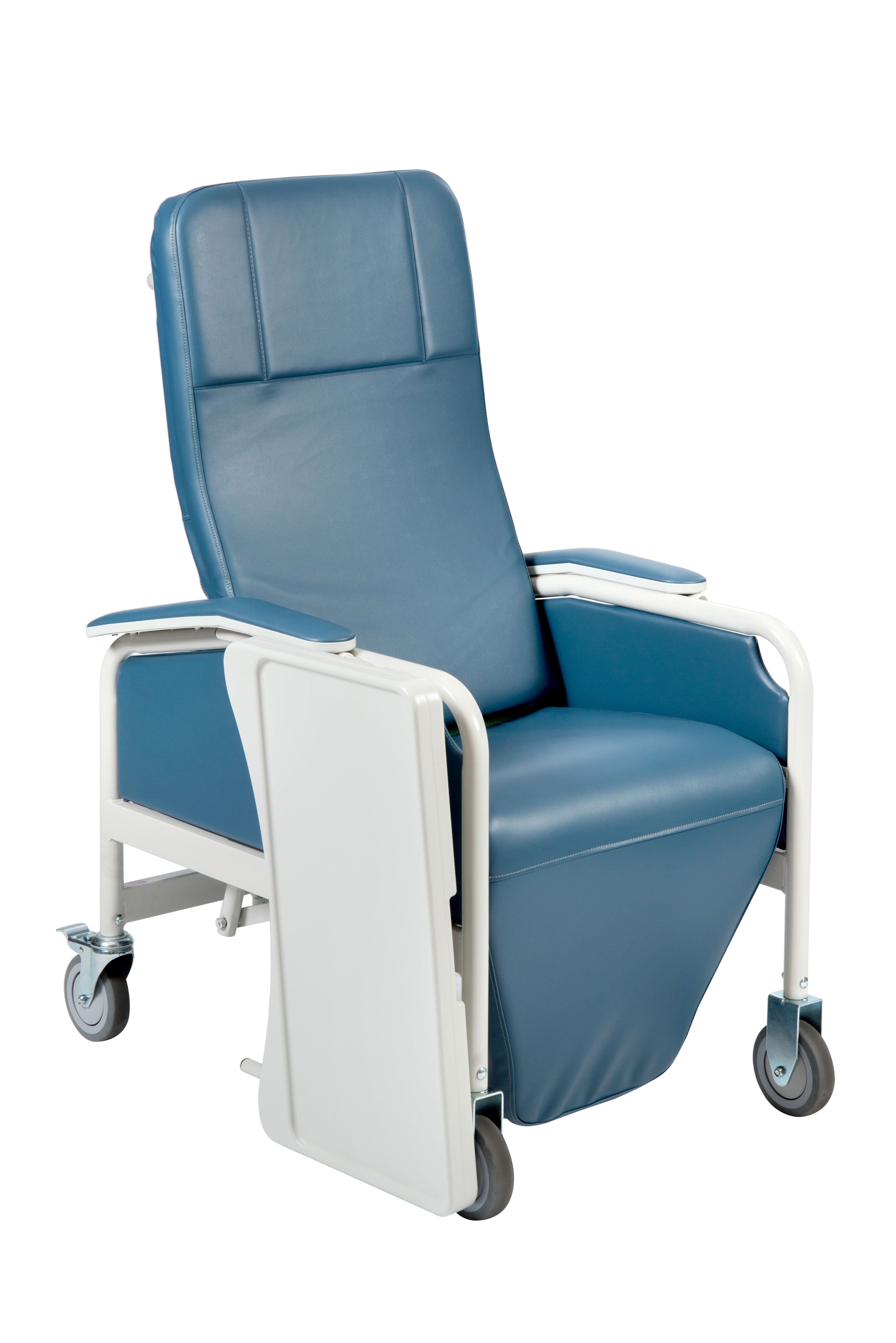
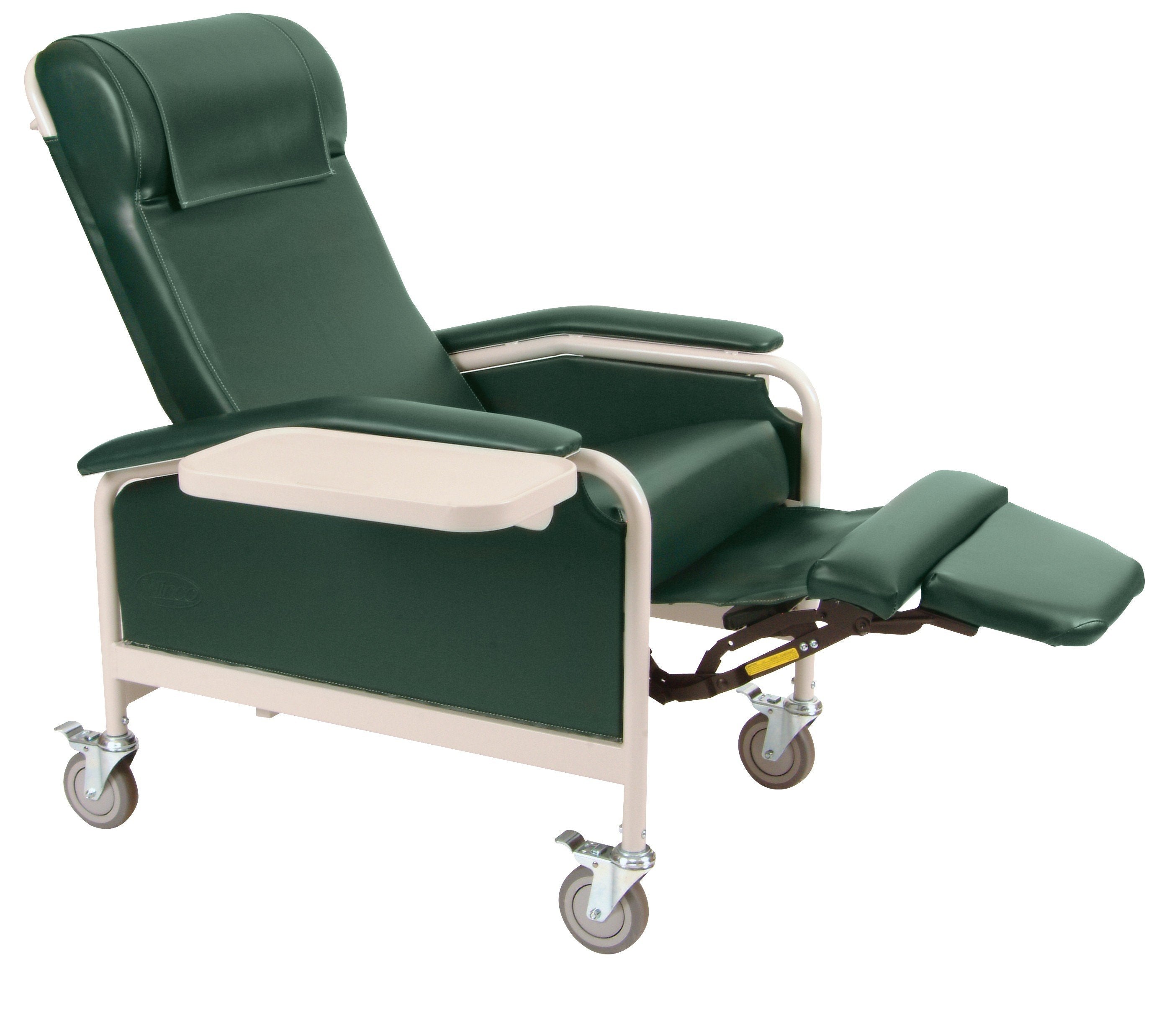
- Lift chairs are ideal for anyone who struggles to rise from a seated position. They're one of the most popular gifts we see because the need is visible and the relief is immediate.
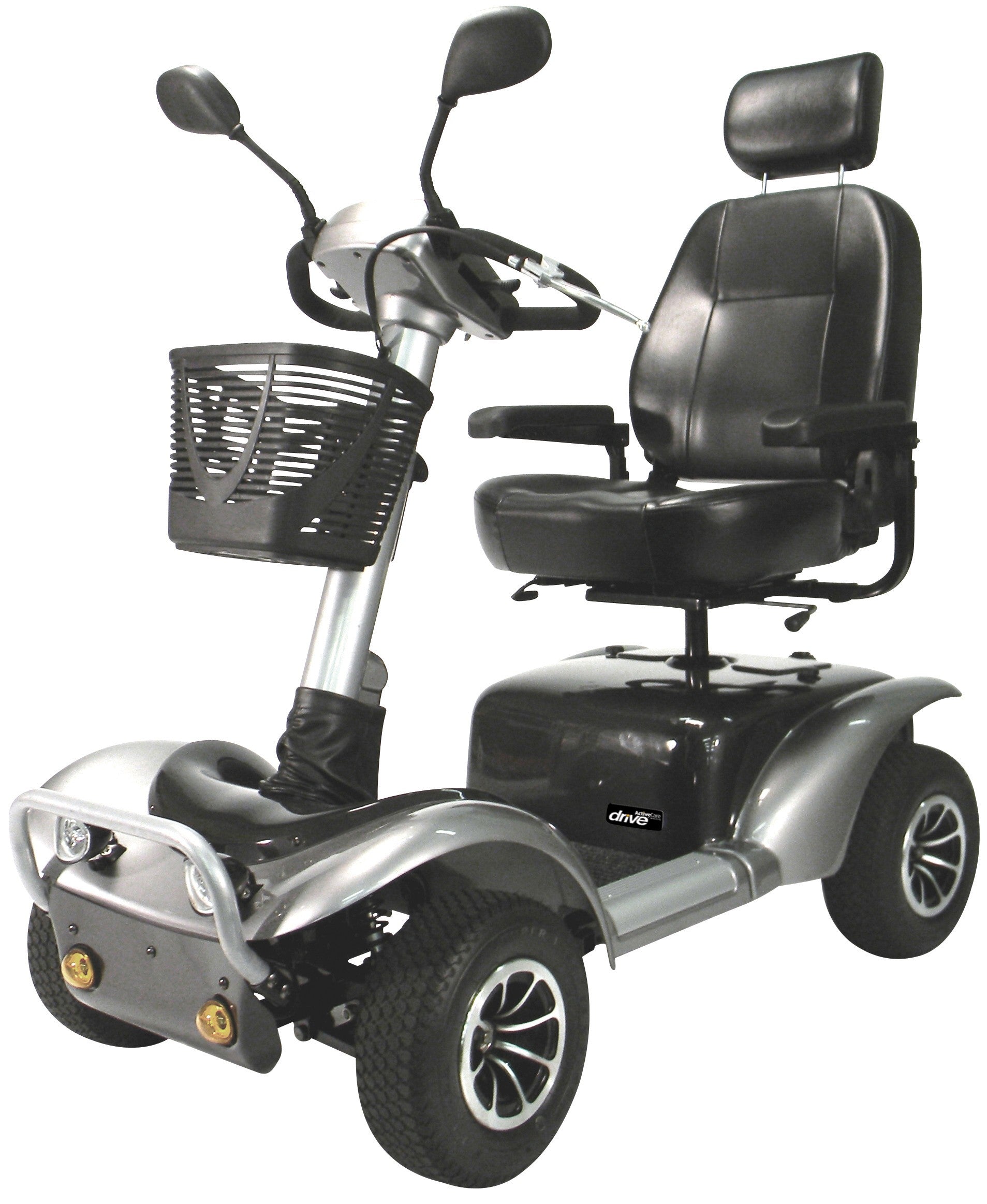
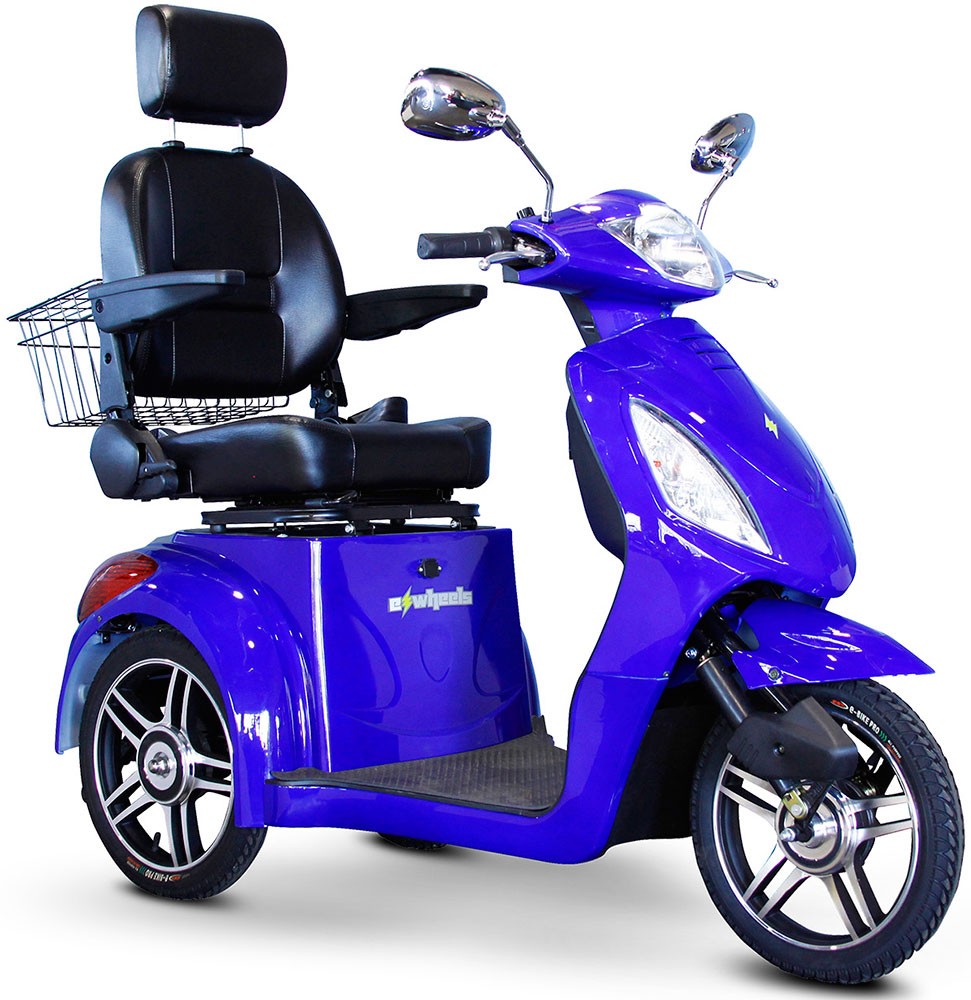
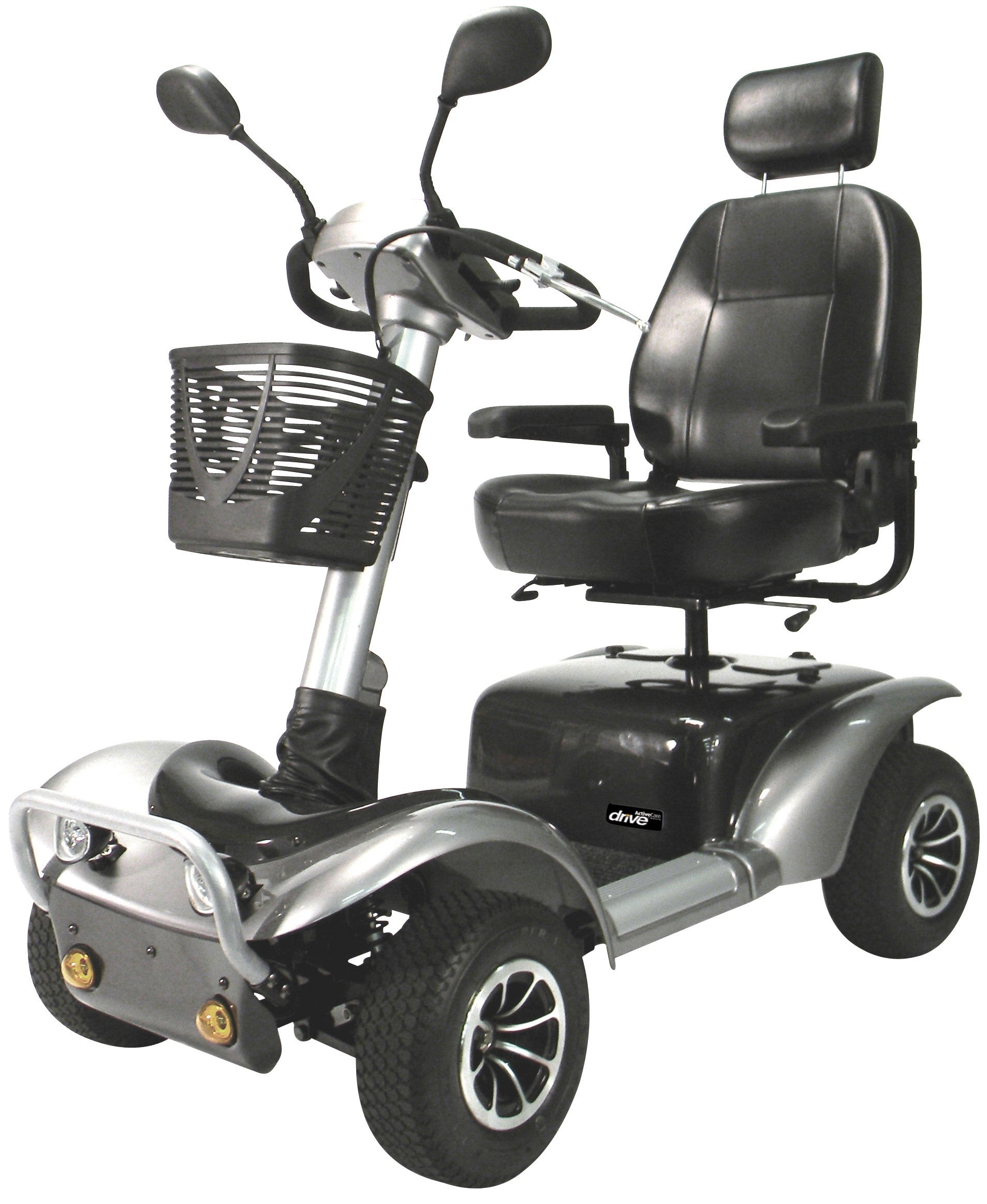
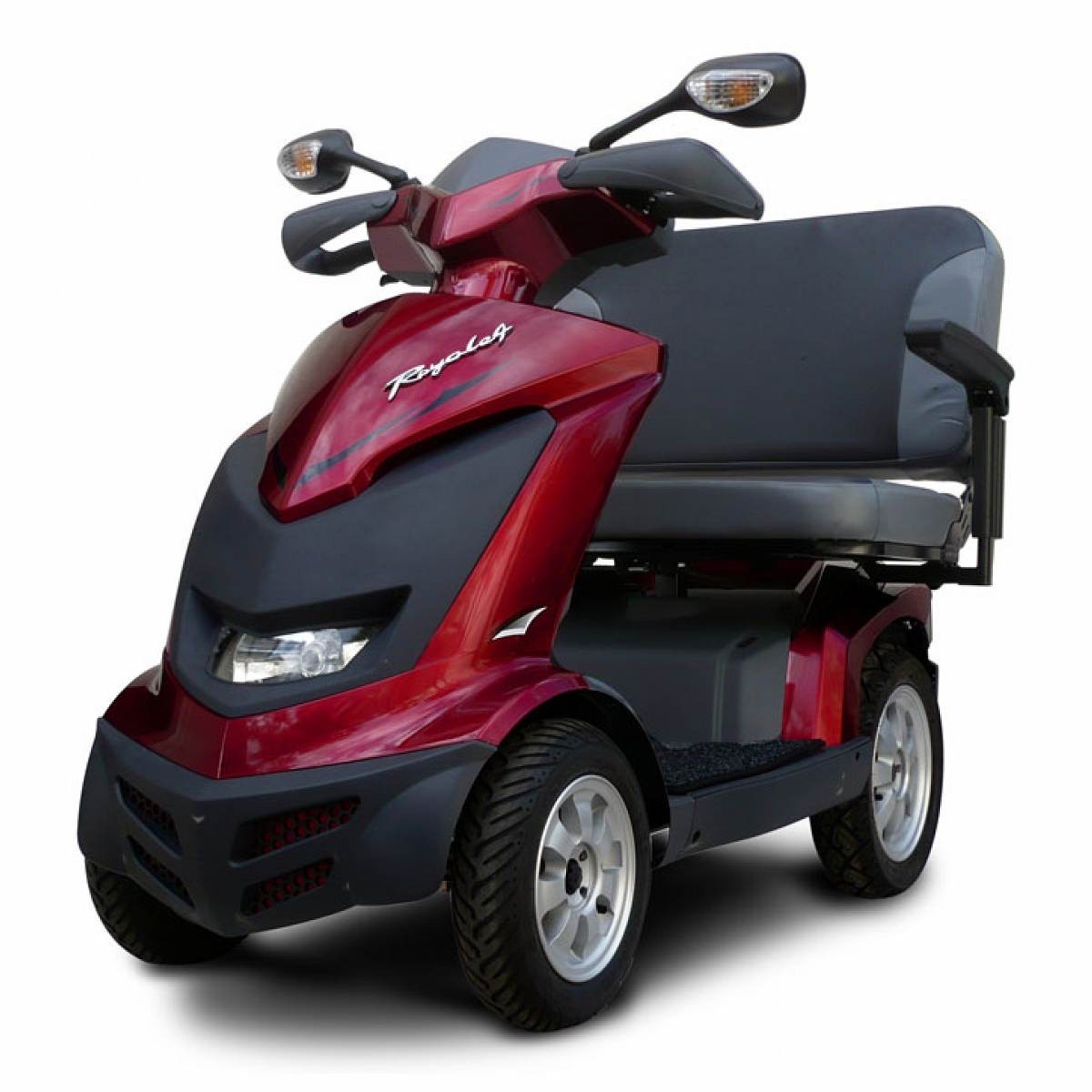
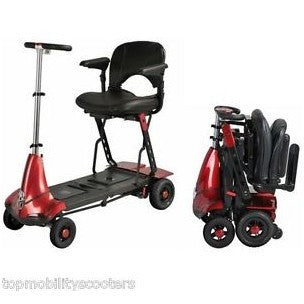
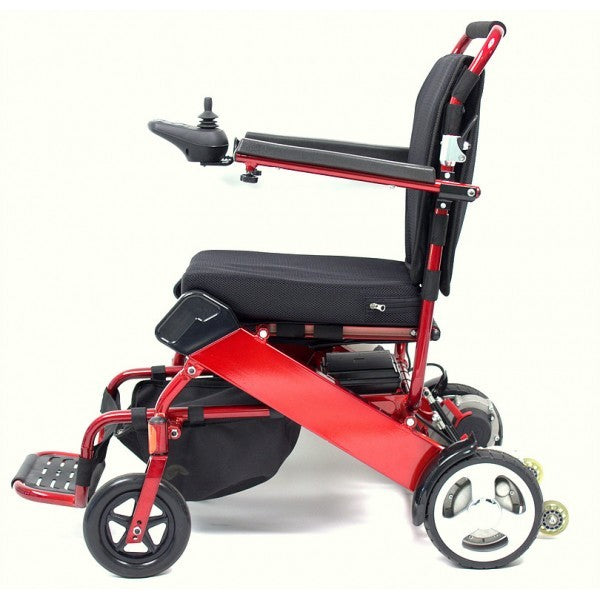
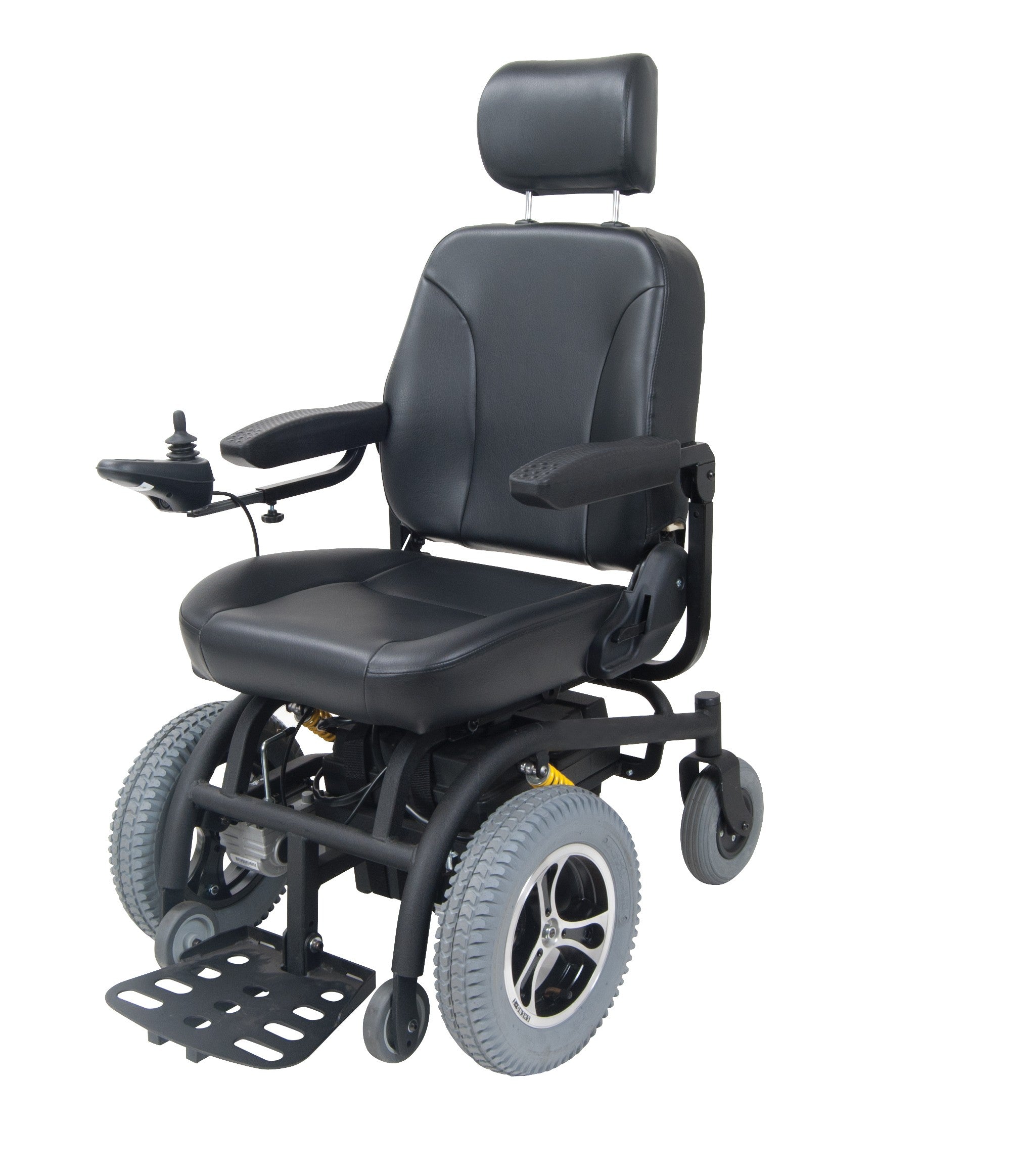
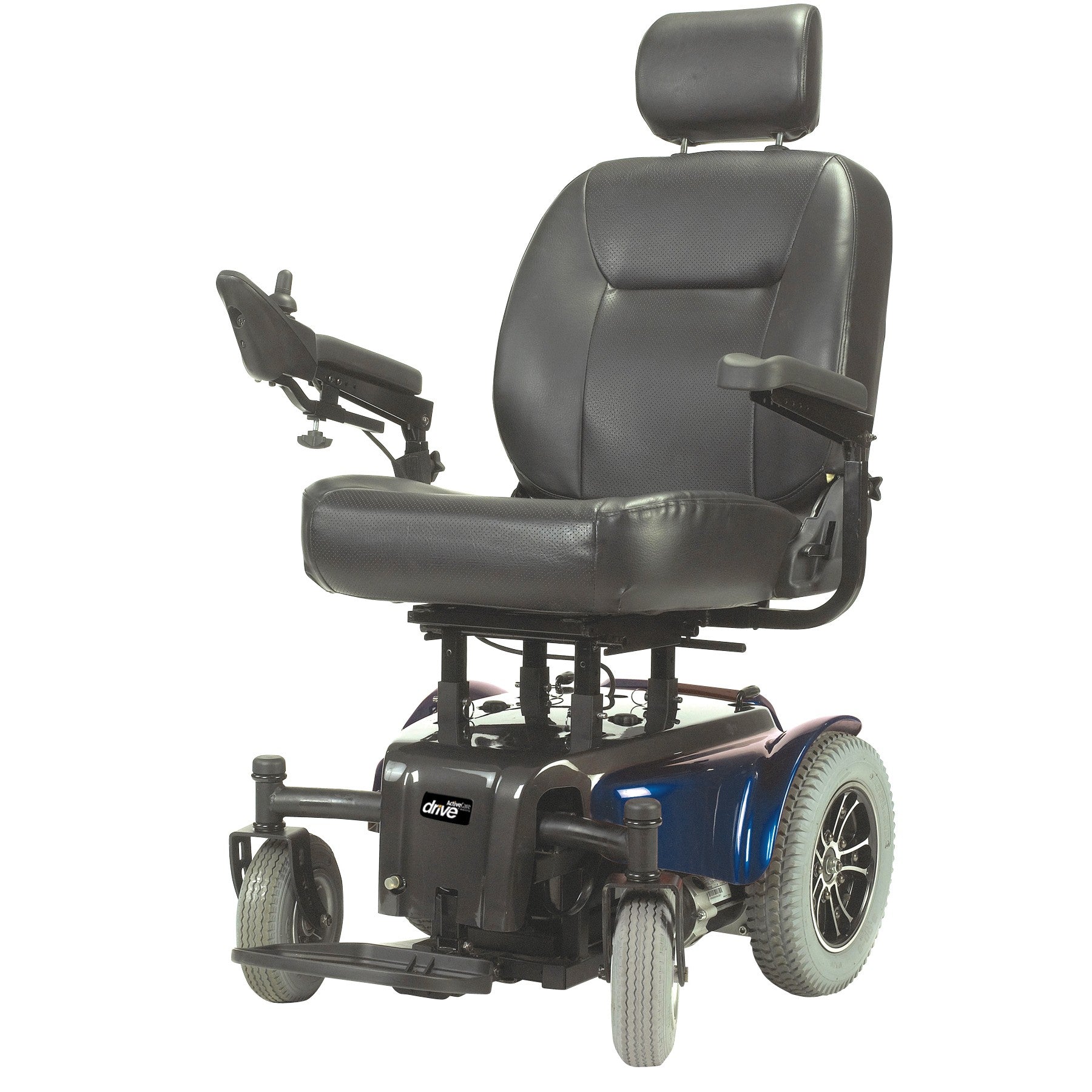
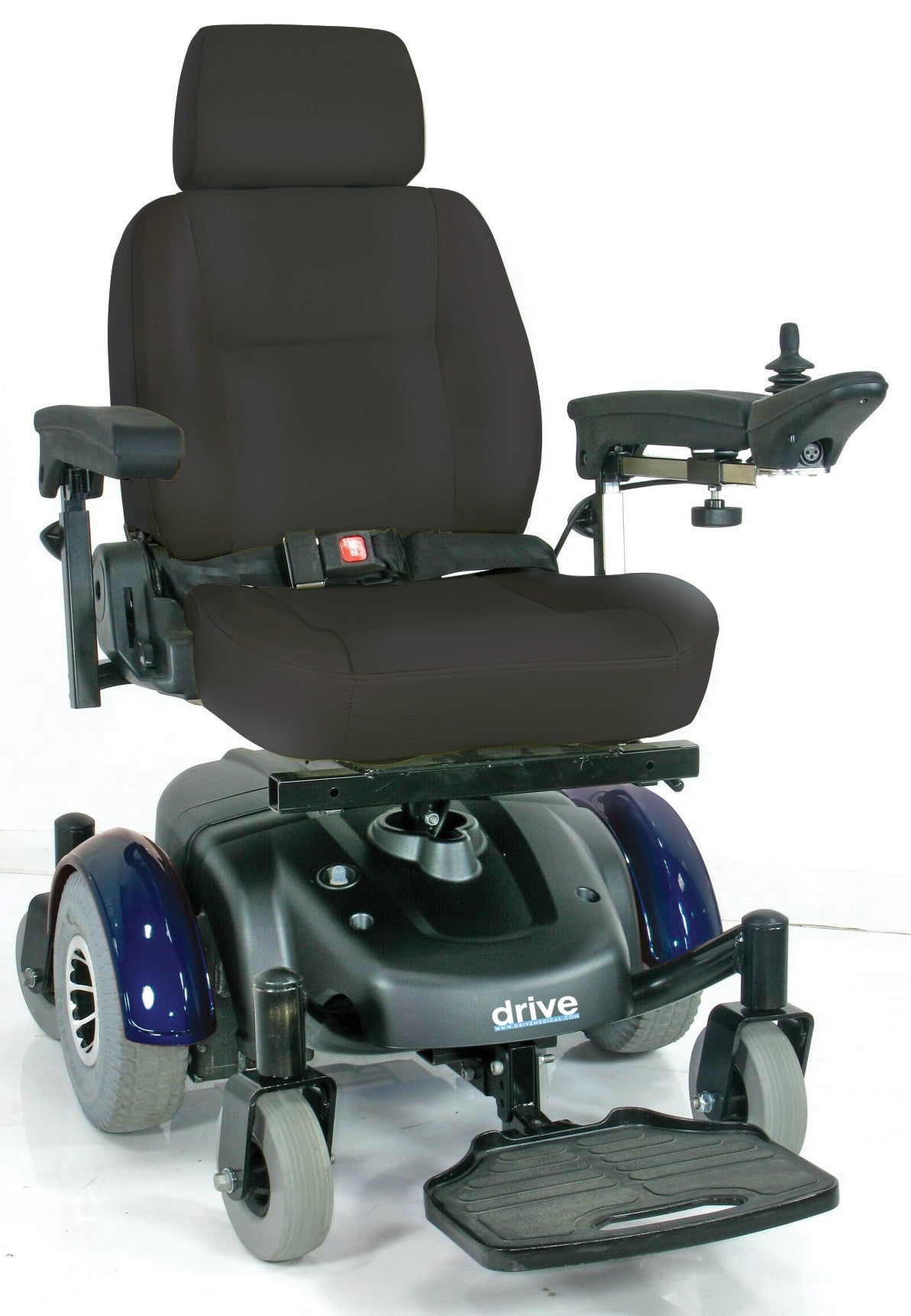
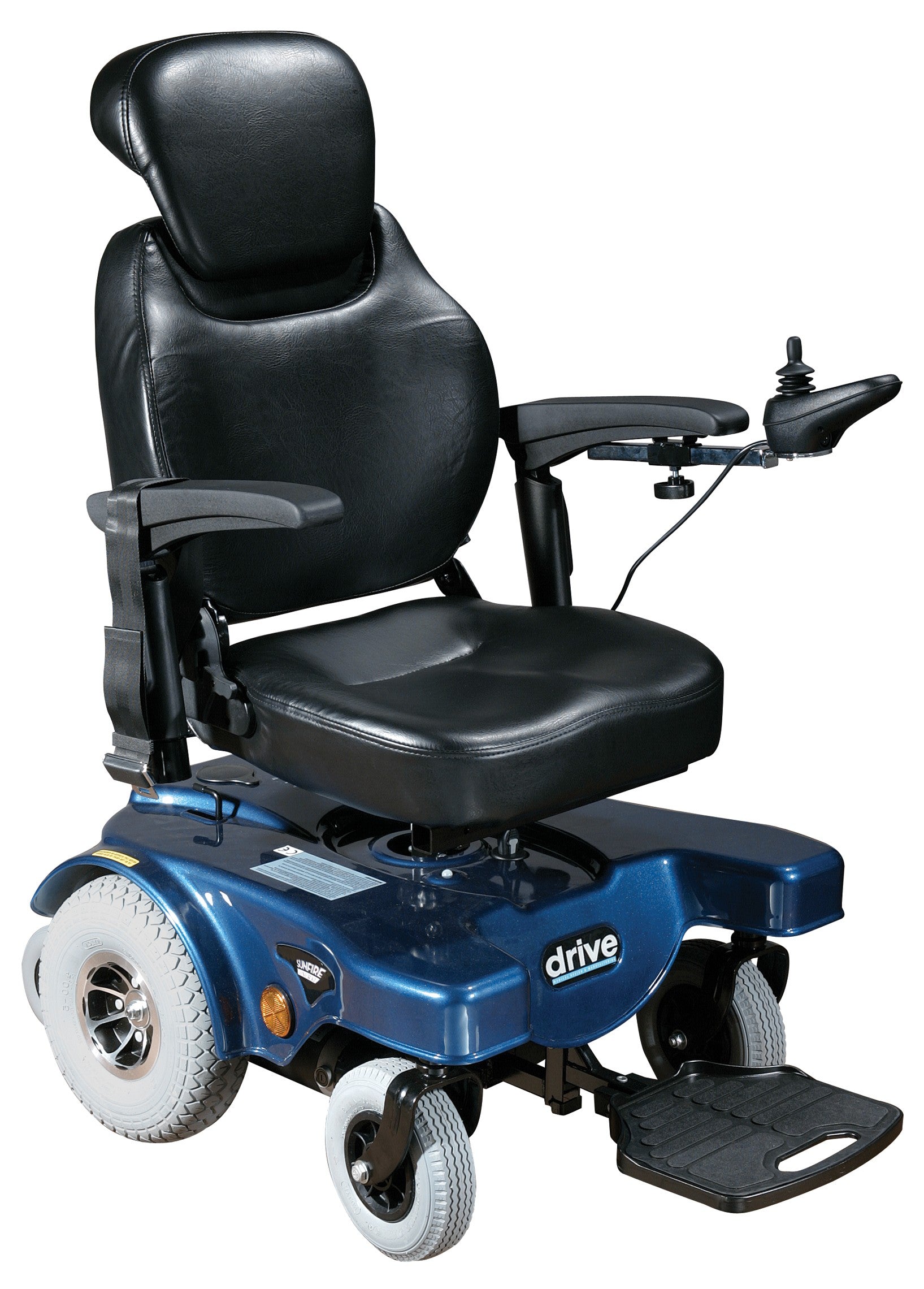
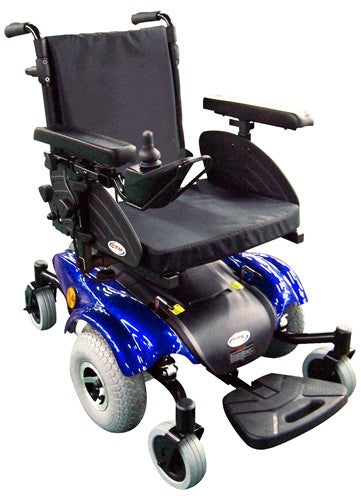
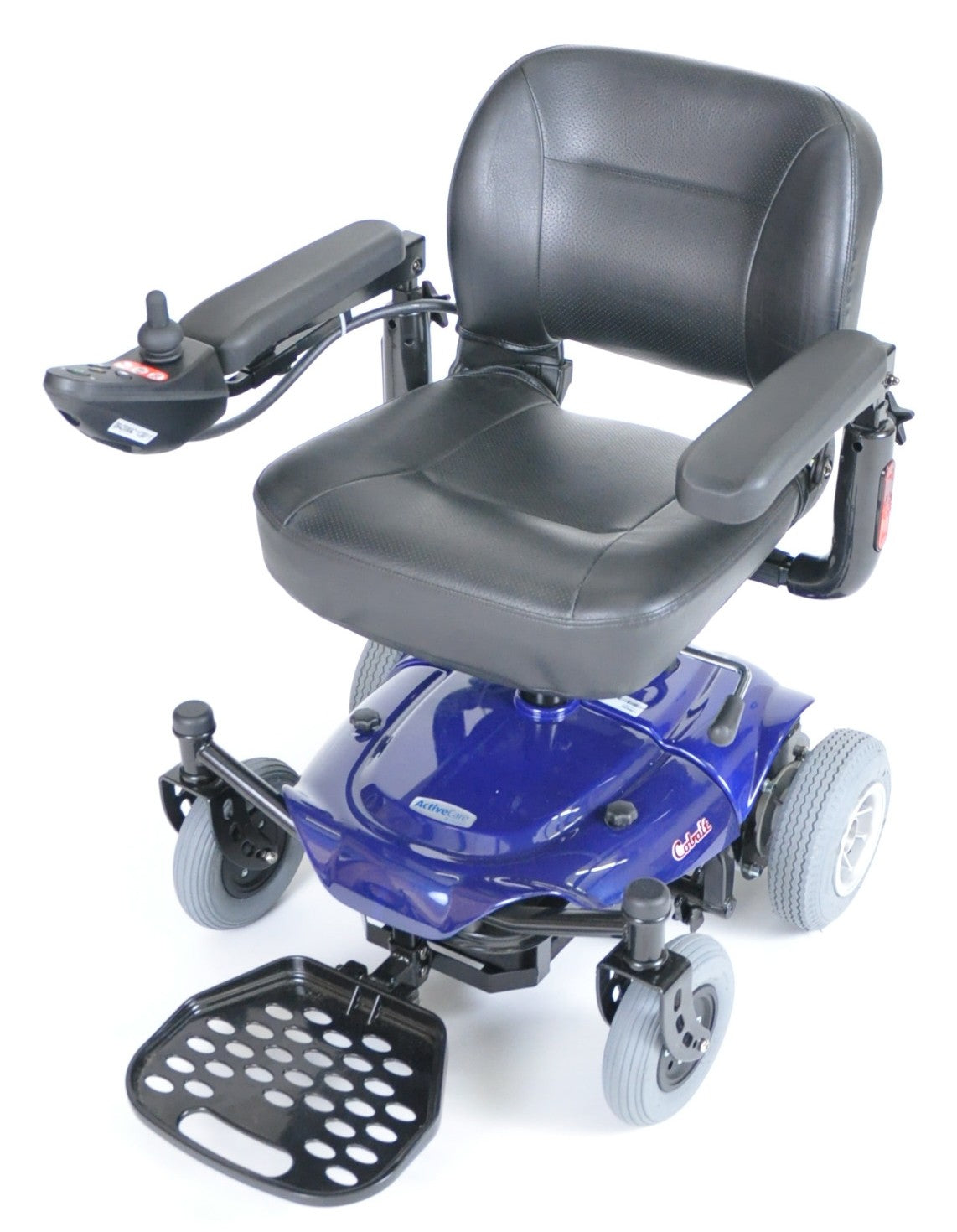
- Power scooters restore outdoor independence and cover longer distances, making them a strong fit for someone who has stopped going to the store or visiting neighbors because walking has become too tiring.
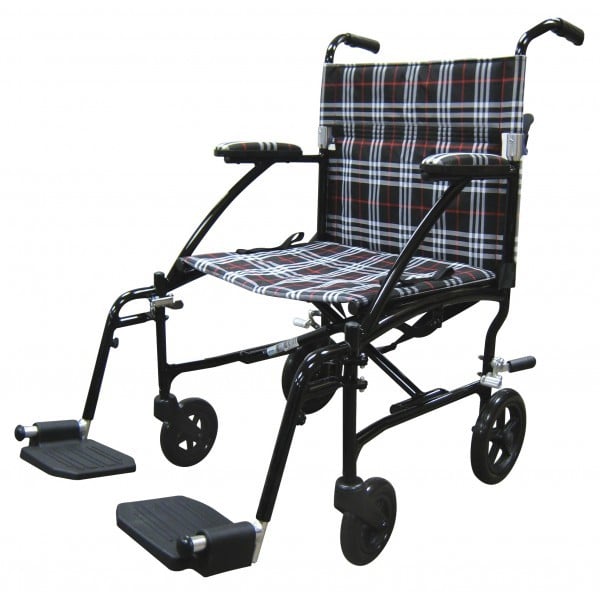
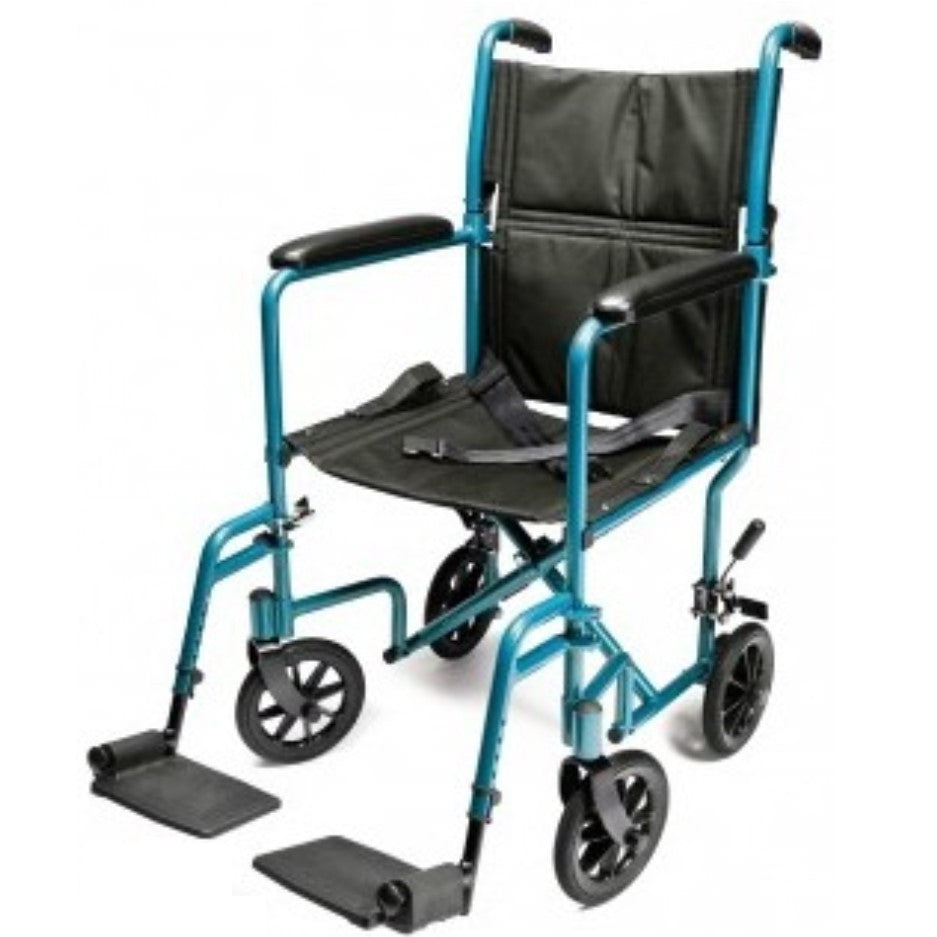
- Rollators and walkers provide everyday stability for getting around the house and running errands.
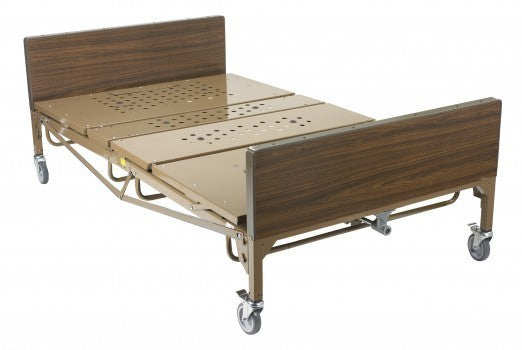
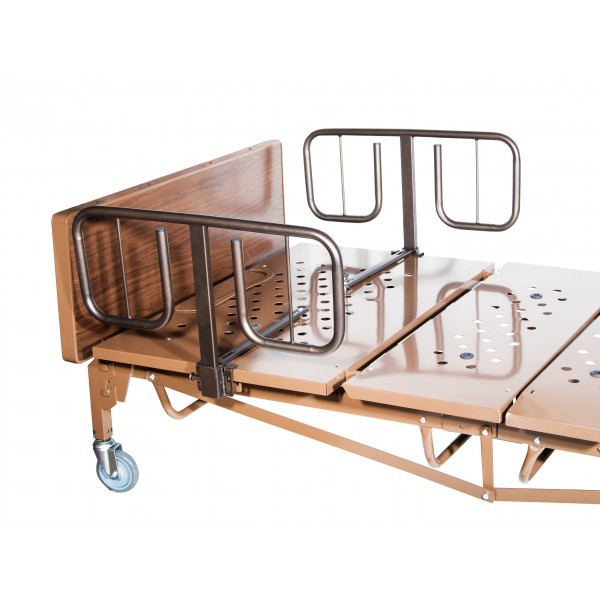
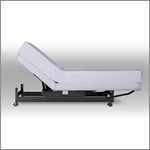
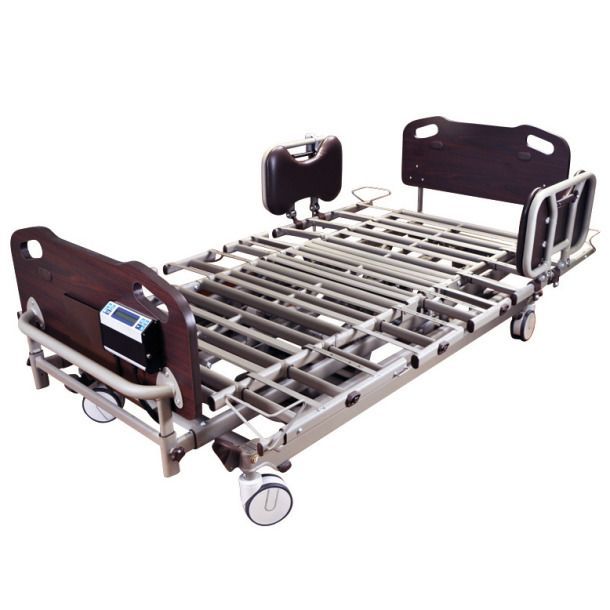
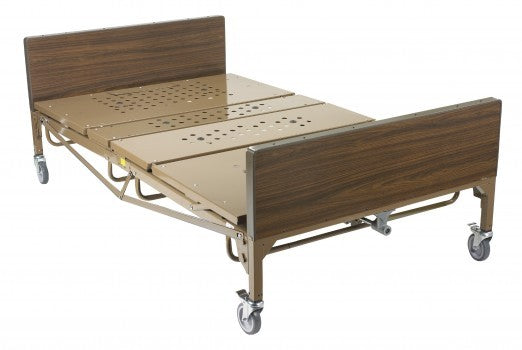
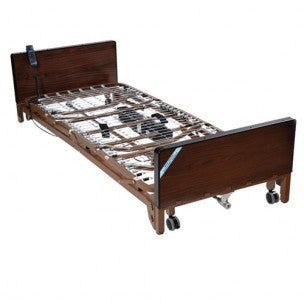
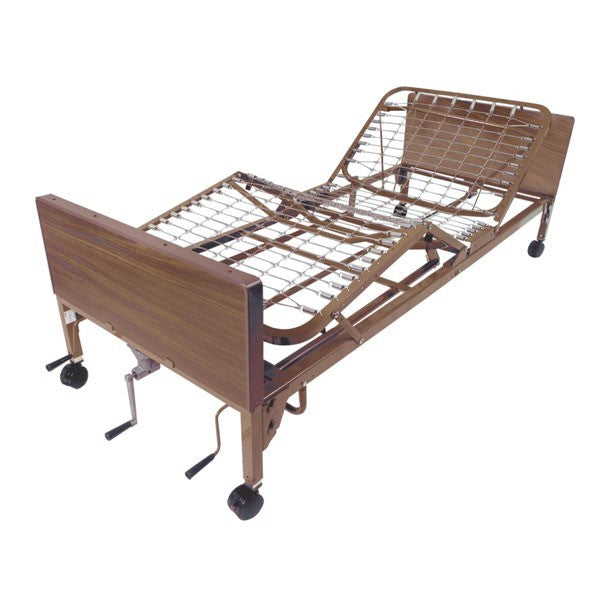
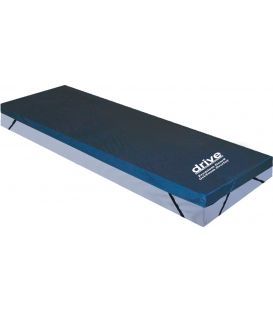
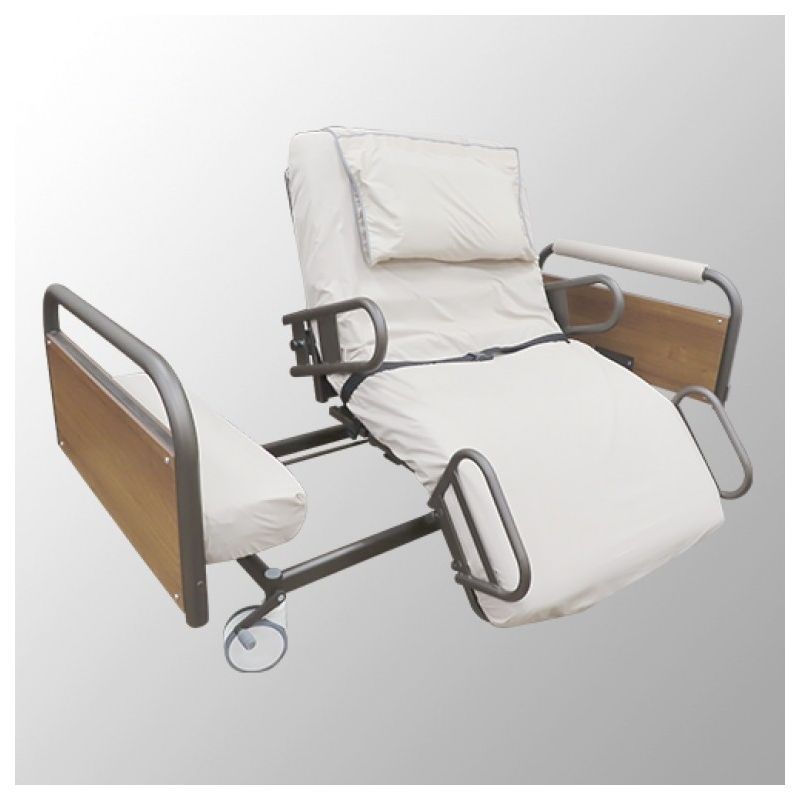
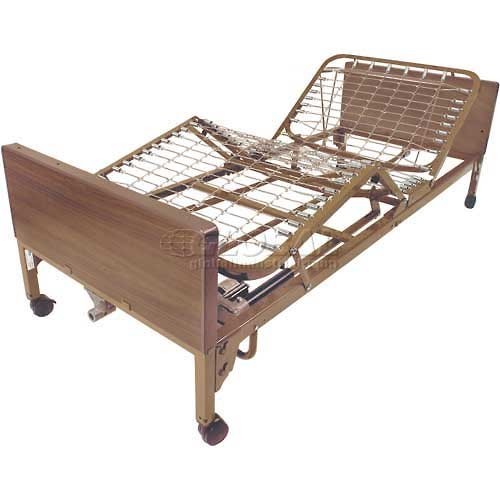
- Adjustable beds address sleep comfort, positioning for breathing issues, and the ability to get in and out of bed more easily.
- Grab bars and bath safety equipment protect against falls in the bathroom. According to AARP's data, 72% of adults 50 and older planning home modifications start with bathroom upgrades.
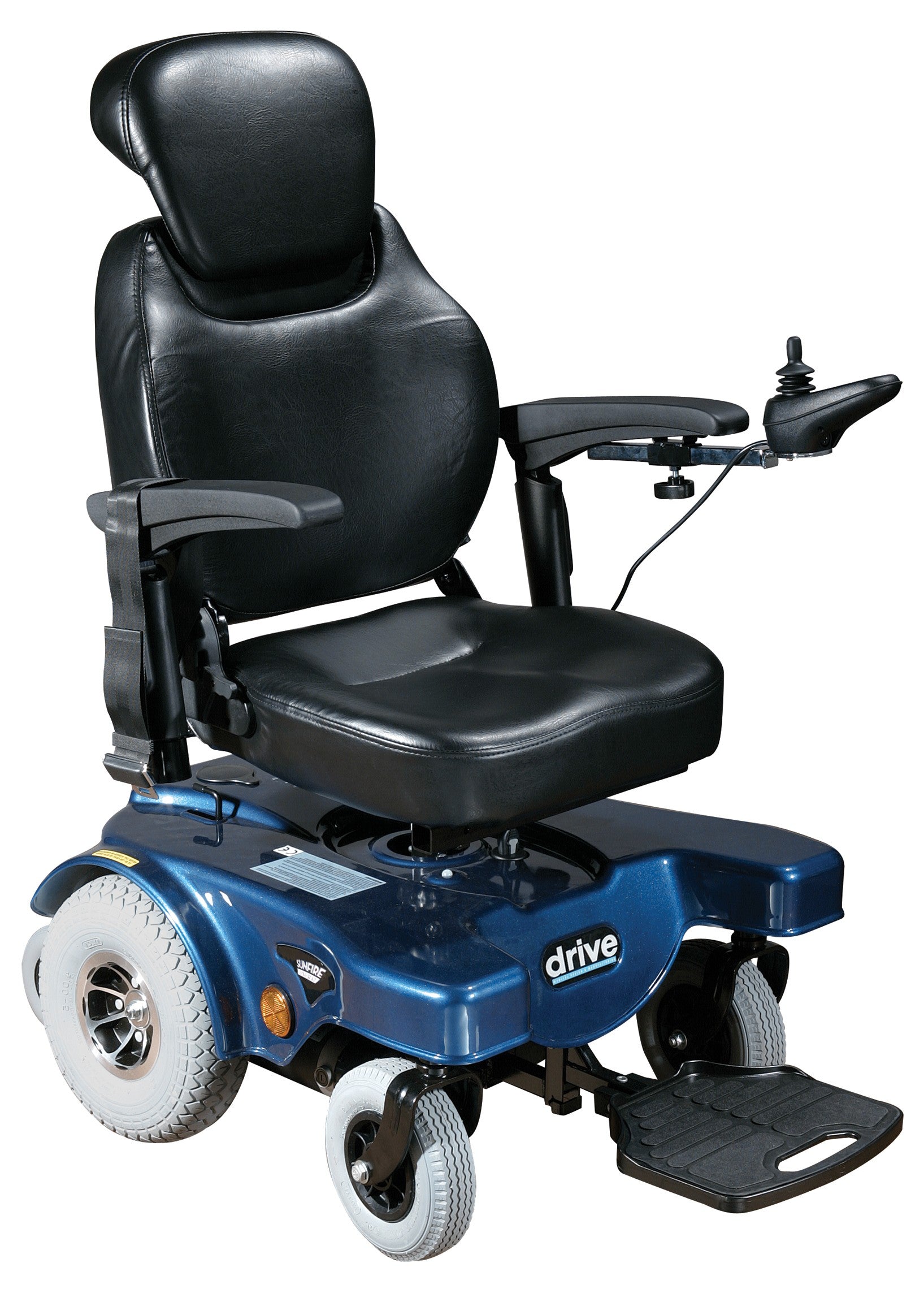
Modern home medical equipment looks nothing like the clinical devices of 20 years ago. Lift chairs come in contemporary fabrics and styles. Scooters are compact and sleek. Current designs combine smart features with user-friendly interfaces that feel far less stigmatizing.
Nearly 44% of adults over 65 report at least one disability, most commonly difficulty walking or climbing stairs, according to Caring Senior Service. The need is often more widespread than families realize.
If you're not sure which category fits, our product specialists can help. Our US-based team has been serving customers since 2001 and is available six days a week by phone. Describe your loved one's daily challenges, and they'll point you toward the right solution.
Getting the Fit Right Without the Recipient in the Room
Here's the practical challenge most gift-buyers don't consider until after they've ordered: sizing. The wrong dimensions can mean a product that doesn't fit through a doorway, doesn't support the user's weight, or simply doesn't work in the home.
Before you buy, gather a few key measurements:
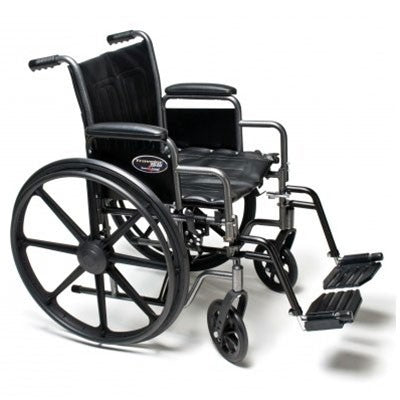
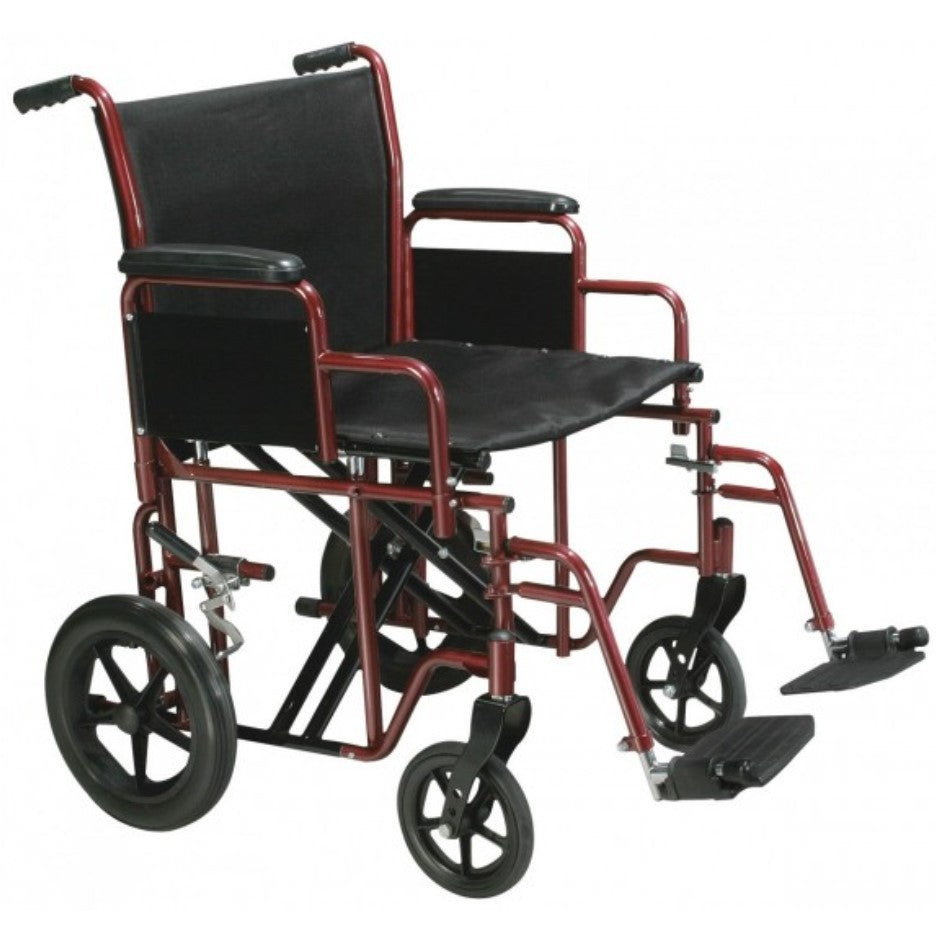
- Doorway widths for wheelchairs and scooters (standard interior doors are 32 inches, but older homes can be narrower)
- The recipient's weight and height for lift chairs and adjustable beds
- Ceiling height and staircase dimensions for stair lifts
- Home layout (single-story vs. multi-story) for overall mobility planning
Weight capacity is a non-negotiable specification. If you're uncertain, always size up. Exceeding a product's weight capacity is a safety issue, not a comfort preference.
Check the return, exchange, and upgrade policy before purchasing, and consider including that information with the gift. Your loved one will feel empowered to make adjustments without any awkwardness. With over 5,000 verified customer reviews, we've helped countless families navigate exchanges as a normal part of the gifting process.
Free shipping on orders over $100 and 100% financing options through third-party providers make it easier to order the right product without financial hesitation. Getting it right sometimes takes a second try, and that's perfectly fine.
Presenting the Gift So It Feels Celebratory, Not Clinical
How you present the gift matters as much as what you give. Pair it with a card that emphasizes what the equipment enables: "So you can keep hosting Sunday dinners" or "So you can get back to your garden." Focus on what it makes possible, not what it compensates for.
Offer to be there for the first use. Set it up together. Schedule a follow-up call to see how it's going. Turning the gift into a shared experience removes the feeling of being handed a medical device and replaces it with connection.
If the gift is rejected outright, don't force it. Leave the door open, and consider storing or returning the item while keeping the conversation alive. Attitudes toward mobility aids shift positively over time. A rejected gift today may become a welcomed one after a health event or a friend's positive experience.
The World Health Organization recognizes assistive technology as enabling people to live healthy, productive, independent, and dignified lives. That's exactly what you're giving: dignity, not dependency.
Start Before the Crisis: Why Timing Is Everything
Falling once doubles a senior's chances of falling again. Waiting for a crisis is the most common mistake families make, and the most costly one. Over the past decade, fall-related deaths among older adults have increased by 51%, according to the National Safety Council.
Fewer than 5% of U.S. homes are currently modified to meet basic accessibility standards, despite 56 million Americans aged 65 or older in 2026. The gap between need and action is enormous.
The most meaningful gift doesn't have to wait for a holiday. A birthday, a recovery period, or an honest conversation is enough of an opening. If you're unsure where to start, reach out to one of our product specialists. With over two decades of experience, they can help you identify the right product for your loved one's specific situation, reducing buyer regret and making sure the right equipment reaches the right person.
The conversation may feel hard. But the gift of safety and independence is worth starting it. We're here to help you move forward.
Sources
- CDC Older Adult Falls Data (February 2026)
- AARP 2024 Home and Community Preferences Survey
- PerCursos — Design and Stigma: The Relation Between Mobility Aid and Stigmatization of Older People (2023)
- PMC/NIH — Incidence and Dynamics of Mobility Device Use Among Community-Dwelling Older Adults
- MobilityWithEase.com — How to Talk to a Parent About Using Mobility Aids (May 2026)
- AARP Data Stories: Creating Homes and Communities for Aging Well
- Caring Senior Service — Mobility and Medical Equipment for Seniors (August 2025)
- CDC Facts About Falls (January 2026)
- National Safety Council — Older Adult Falls, Injury Facts (March 2026)


