


The Silent Danger in Your Shoe Closet
Every 3.5 minutes, someone in the United States loses a limb due to diabetic foot complications. Many of those tragedies begin with something as simple as the wrong pair of shoes.
Here's the core problem: diabetic neuropathy destroys the pain signals that would normally tell you a shoe is too tight, too rough, or causing damage. Approximately 50% of people with long-term diabetes develop neuropathy, and about half of those experience no symptoms at all. That means millions of people are walking around in shoes that are quietly injuring their feet without any awareness of it.
This article is not a product roundup. It is a clinical explanation of why wrong shoes are so dangerous when you have nerve damage, and what you can do about it. The good news: this is a largely preventable problem with clear, actionable solutions.
How Neuropathy Changes the Way Your Feet Experience Shoes
Peripheral neuropathy diminishes your ability to perceive pressure, temperature, and surface irregularities. These are the exact sensations you rely on to detect a bad shoe fit. Without them, a shoe that is rubbing a blister or pressing into a bony area feels perfectly fine.
What makes this even more dangerous is a paradox that most people have never heard of. According to the Insulin Dependent Diabetes Trust, people with neuropathy often actively seek out tighter shoes because the increased pressure is the only way they can feel anything at all. The shoes feel like they fit because the squeeze registers where lighter contact does not.
The result: shoes that are too tight create friction, pressure sores, and further nerve damage, all without triggering a single pain warning. Foot ulcers typically develop in areas where the foot repeatedly rubs or presses against shoes, as the Cleveland Clinic notes. That makes shoe fit a direct driver of ulcer formation.
A study at Dundee University examined 100 people with diabetes and found that 63 had badly fitting shoes, primarily the wrong width. Not length. Width. This detail matters because most people only check length when buying shoes.
Roughly 75% of diabetic foot ulcers may be preventable. Understanding this tight-shoe paradox is one of the most important steps toward that prevention.
Why Seniors Face a Higher Risk Than Most
Feet change with age. They get longer, broader, and flatter as ligaments stretch and arches drop. Reduced skin elasticity and fat pad thinning make the bones of the foot more prominent and more vulnerable to pressure injuries. Yet many seniors continue buying the same shoe size they wore 20 or 30 years ago.
When you layer diabetic neuropathy on top of these age-related changes, the risk compounds significantly. Neuropathy impairs your ability to sense surface irregularities underfoot, which directly affects balance and gait. According to research published in PMC, over one in three older adults with diabetes sustain a fall each year, with postural instability identified as an independent risk factor in those with diabetic peripheral neuropathy.
Unsupportive or poorly fitting shoes make this worse. A 2026 evidence-based review in the Journal of the American Geriatrics Society found that older adults frequently struggle to find footwear suitable for their clinical needs. The review specifically recommends against slippers and excessively elevated heels for seniors with diabetic neuropathy.
Standard off-the-shelf shoe sizing was never designed for feet that have changed shape over decades. For seniors with neuropathy, relying on old sizing habits is not just uncomfortable. It is medically risky.
Shoe Features That Harm vs. Features That Heal
Features that cause harm:
- Narrow toe boxes: Compress toes, create friction hotspots, and accelerate ulcer formation. This is especially dangerous for seniors with structural changes like hammer toes.
- Interior seams: Even small seams can create repetitive pressure wounds that go completely unfelt due to neuropathy.
- Thin or flat soles: Offer no shock absorption and increase plantar pressure on vulnerable areas of the foot.
- Slip-on styles and loose slippers: Eliminate ankle support and dramatically increase fall risk. The 2026 geriatrics review specifically flags these as inappropriate for seniors with neuropathy.
- Elevated heels: Shift weight forward onto the ball of the foot, concentrating pressure on the most ulcer-prone areas.
Features that protect:
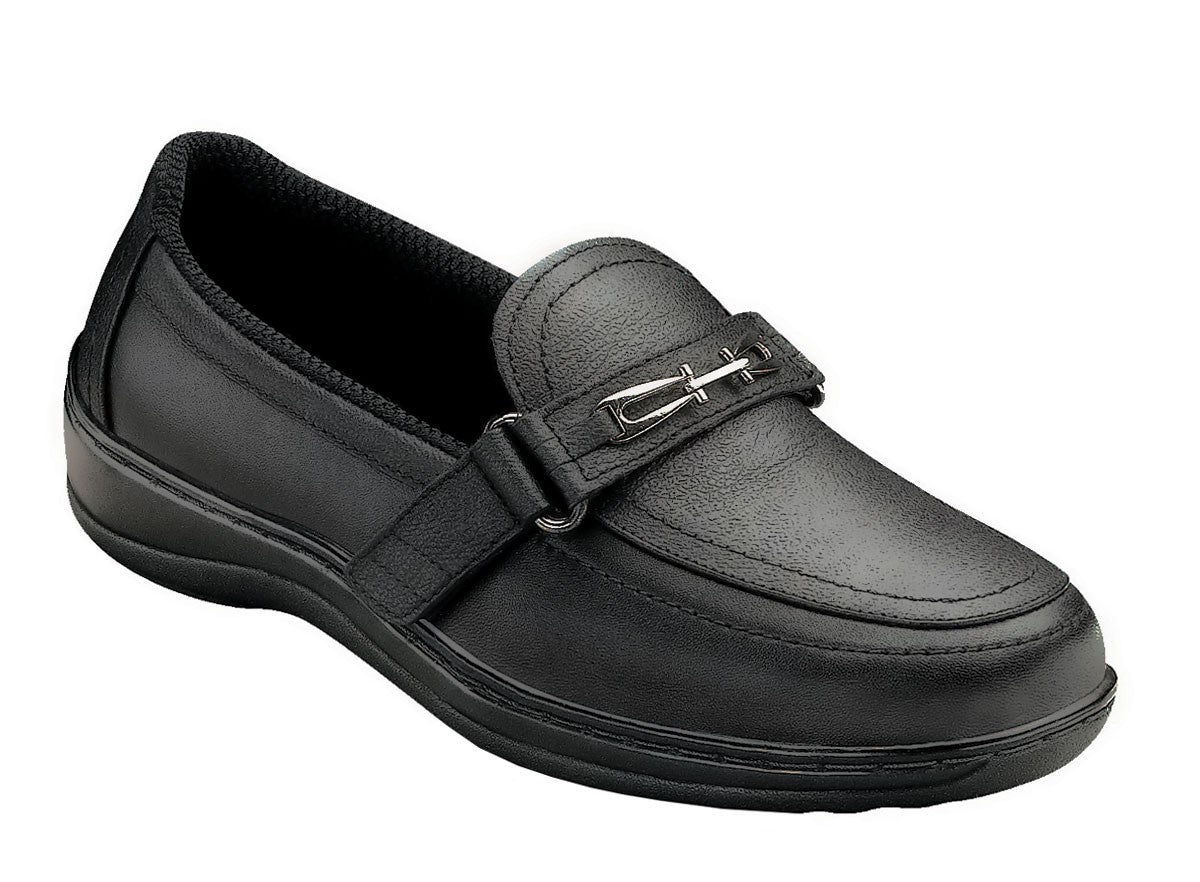
- Wide, deep toe box that gives toes room to spread naturally
- Seamless interior lining to eliminate friction points
- Extra depth to accommodate custom insoles or orthotics
- Adjustable closures (Velcro straps or laces) for a secure, customizable fit
- Firm heel counter for stability and fall prevention
- Rigid rocker sole design, which clinical evidence shows reduces plantar pressure and ulcer recurrence
One more consideration: worn-out shoes lose their protective properties over time. Seniors should regularly inspect soles and cushioning for compression and wear. A shoe that was therapeutic six months ago may no longer be doing its job.
The Worst-Case Outcome: Charcot Foot and Amputation Risk
Repeated, unfelt pressure from wrong shoes can contribute to Charcot neuroarthropathy, a severe and often irreversible foot deformity caused by bone and joint collapse. The ADA's 2025 Standards of Care recommend special footwear consideration for individuals with neuropathy who present with warm, swollen, or red feet, as these may indicate Charcot.
Nerve damage from diabetes can also cause muscle imbalances that lead to structural foot changes like hammer toes and flat feet. As noted by the Center for Foot and Ankle Orthopaedics, these changes make standard shoes progressively more dangerous over time.
The amputation statistics are sobering. Of people with diabetes who develop foot ulcers, 14 to 24% will require amputation. Approximately 120,000 to 130,000 lower-limb amputations are performed annually in the U.S. on people with diabetes, and about 15% of people with diabetes will develop a foot ulcer at some point.
These outcomes are largely preventable. The right therapeutic footwear, combined with proactive foot care, is one of the most powerful tools available to break this chain before it starts.
Medicare Coverage for Therapeutic Diabetic Shoes: What Seniors Need to Know
Many seniors do not realize they may qualify for Medicare-covered therapeutic diabetic shoes. This is not a luxury purchase. It is a covered medical benefit.
Medicare Part B covers one pair of therapeutic diabetic shoes and up to three pairs of custom inserts per calendar year for qualifying seniors with diabetes and documented foot complications, including peripheral neuropathy with callus formation. For 2025, Medicare covers 80% of the approved amount after the $257 annual deductible. The approved amount for a pair of therapeutic shoes is approximately $177.70.
There is an important catch. The improper payment rate for diabetic shoes under Medicare was 47.1% in the 2024 reporting period, with 85.5% of those errors caused by insufficient documentation. Nearly half of all claims had problems, and the vast majority were paperwork issues rather than medical ones.
Work with your physician to ensure your foot complications are properly documented before ordering. If you need help navigating the coverage process, American Quality Health Products' US-based product specialists are available by phone six days a week to walk you through your options.
Practical Steps to Protect Your Feet Starting Today
- Get your feet professionally measured. Measure both length and width. Do not assume your longtime shoe size is still correct. Feet change shape with age, and an accurate measurement is the foundation of proper fit.
- Inspect your current shoes. Check for worn soles, compressed cushioning, tight toe boxes, and interior seams that could create pressure wounds.
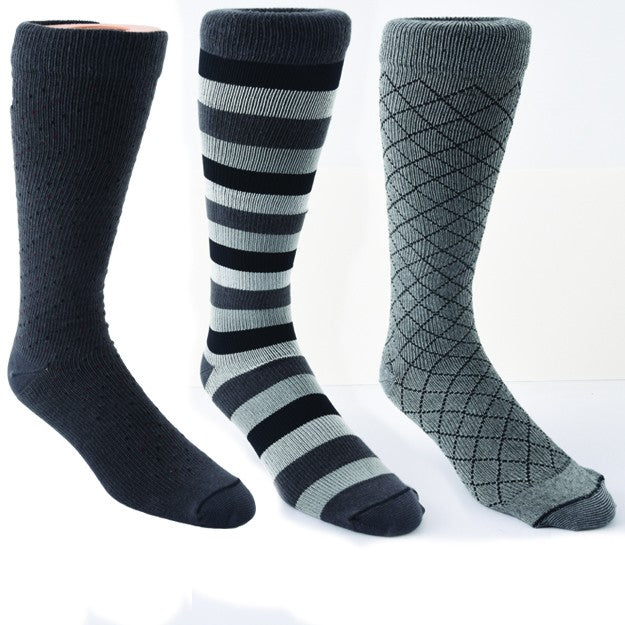
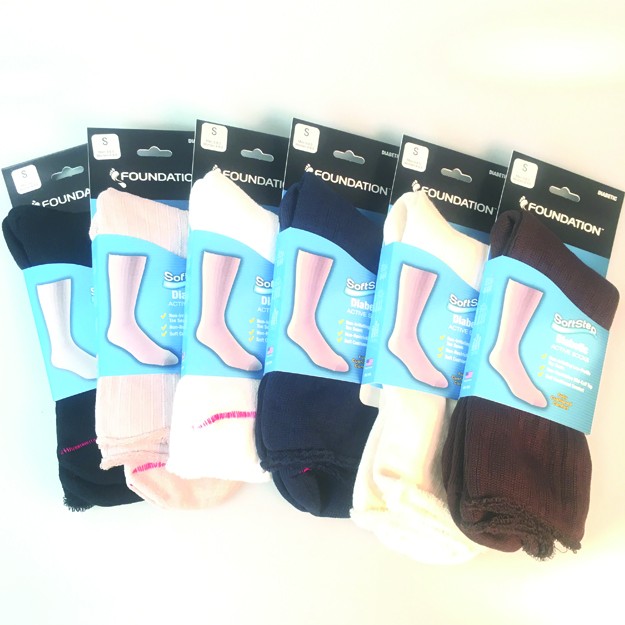
- Pair therapeutic shoes with the right socks. Seamless, non-binding, moisture-wicking diabetic socks are essential. Wearing the wrong socks with even the best shoes can create friction and moisture-related skin breakdown.
- Perform a daily visual foot inspection. Because neuropathy means you cannot rely on pain to detect injuries, check your feet every day. Use a mirror or ask a caregiver to examine the bottoms of your feet for redness, blisters, cuts, or swelling.
- Talk to your doctor. Ask about a referral for therapeutic diabetic footwear and make sure your foot complications are properly documented for Medicare eligibility.
- Contact a trusted home medical equipment specialist. With over 22 years in business, the team at American Quality Health Products can provide personalized guidance on therapeutic footwear options that fit your clinical needs and budget. Call our US-based specialists six days a week for live, one-on-one help.
The Right Shoes Are a Medical Decision, Not Just a Comfort Choice
For seniors living with diabetic neuropathy, footwear is a clinical tool. The chain of risk is clear: neuropathy eliminates pain signals, wrong shoes cause unfelt damage, ulcers form, infection risk rises, and amputation becomes possible. Each link in that chain is a point where the right intervention can change the outcome.
Remember: approximately 75% of diabetic foot ulcers are preventable, and shoe choice is one of the most controllable factors in that prevention.
Take action today. Get measured. Review your Medicare eligibility. Talk to your doctor. For personalized guidance from specialists who understand both the products and the clinical needs behind them, call American Quality Health Products. Our US-based team is available six days a week to help you find the right therapeutic footwear.
Protecting your feet means protecting your independence. You do not have to figure it out alone.
Sources
- Feetsee — Diabetic Foot Amputations Statistics
- Insulin Dependent Diabetes Trust — Wrong Sized Shoes and Diabetic Neuropathy
- Cleveland Clinic — Diabetes-Related Foot Conditions
- USA Vascular Centers — Diabetic Foot Ulcer Prevention
- PMC — Falls Risk and Balance in Diabetic Peripheral Neuropathy
- Journal of the American Geriatrics Society — Evidence-Based Footwear Recommendations for Older Adults (2026)
- ADA Standards of Care in Diabetes — 2025 (Foot Care)
- Center for Foot and Ankle Orthopaedics — Diabetic Neuropathy and Foot Pain
- CMS — Therapeutic Shoes for Persons with Diabetes Policy Article
- CMS — Medicare Therapeutic Footwear Compliance


