



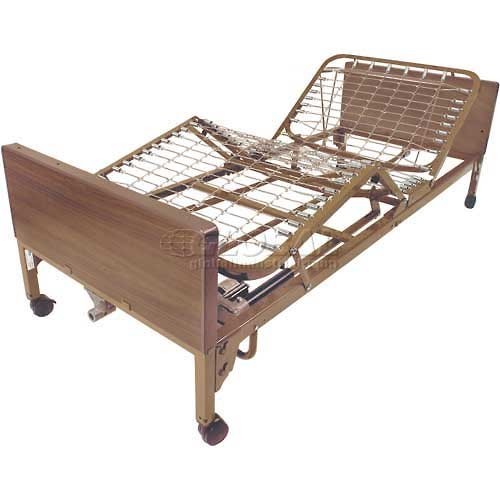

Every Year, 320,000 Older Adults End Up in the ER After a Bed-Related Fall
An estimated 320,751 bed-related fall injuries present to U.S. emergency departments each year among older adults. Of those, 56.8% result from falling out of bed, and 34.4% happen during transitions in or out of bed. More alarming: 34.1% of these cases require hospitalization, an outcome that is preventable in many situations.
A hospital bed at home is not a sign of giving up. It is one of the most protective steps a family can take. This article helps caregivers recognize eight specific signs that it is time to consider a home hospital bed, ideally before a crisis forces the decision.
Sign #1: Your Loved One Has Fallen Getting In or Out of Bed
Falls are the leading cause of injury-related death among adults 65 and older. According to the CDC, the age-adjusted fall death rate rose 21% from 2018 to 2024, reaching 78.4 per 100,000 older adults. More than 1 in 4 adults aged 65 and older experience a fall each year, and bed transitions rank among the highest-risk moments.
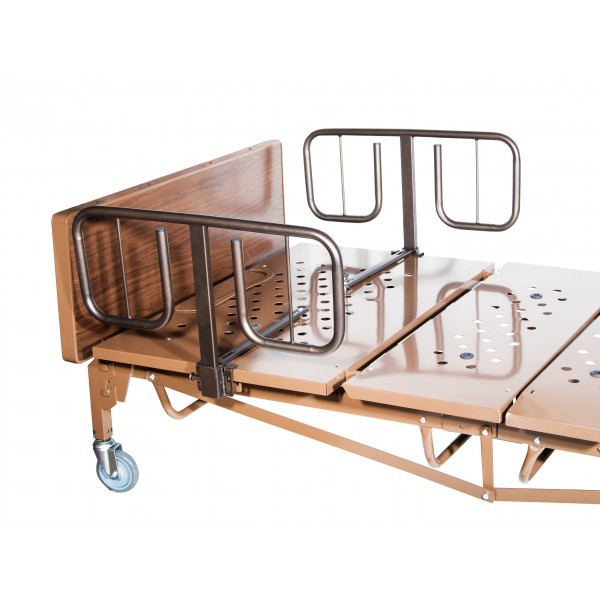
The Consumer Product Safety Commission (CPSC) links approximately 450 deaths per year directly to falling out of bed, most of them among seniors. A variable-height hospital bed lets patients lower the sleeping surface to foot level for safe transfers, and adjustable side rails add another layer of protection.
One fall is a warning sign. It deserves immediate action, not a wait-and-see approach.
Sign #2: Nighttime Restlessness or Disorientation Is Causing Dangerous Moments
Nighttime falls deserve their own category. Research from rehabilitation settings shows that the majority of falls occur during attempts to get out of bed, and many happen after dark. Getting up to use the bathroom is one of the most common triggers for bed-related falls in older adults.
For patients living with dementia, Alzheimer's, or other forms of cognitive decline, the risk multiplies. Disorientation in the dark can lead to dangerous attempts to stand or walk without assistance. A hospital bed with adjustable height and full-length side rails creates a critical safety barrier during these vulnerable hours.
If nighttime incidents are happening, even occasionally, the current sleep setup is no longer safe enough.
Sign #3: A Chronic Condition Is Making Comfort and Positioning Difficult
Nearly 95% of people over age 60 have at least one chronic health condition, and nearly 80% manage two or more, according to Boost Home Healthcare citing the National Council on Aging. Conditions like COPD, severe arthritis, ALS, spinal cord injuries, and heart failure often require specific body positioning to manage symptoms effectively.
Medicare National Coverage Determination (NCD) 280.7 recognizes medical necessity when a patient's condition requires positioning to alleviate pain, promote proper body alignment, prevent contractures, or avoid respiratory infections. A standard flat mattress cannot replicate the head-of-bed elevation a COPD patient needs or the leg elevation required for edema management.
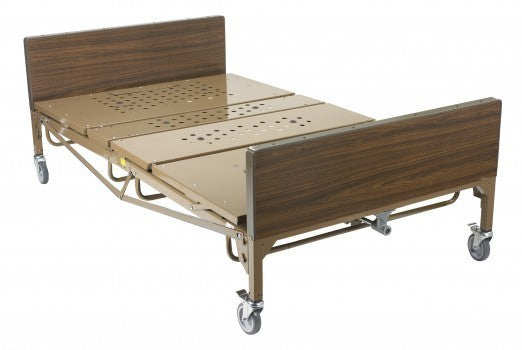
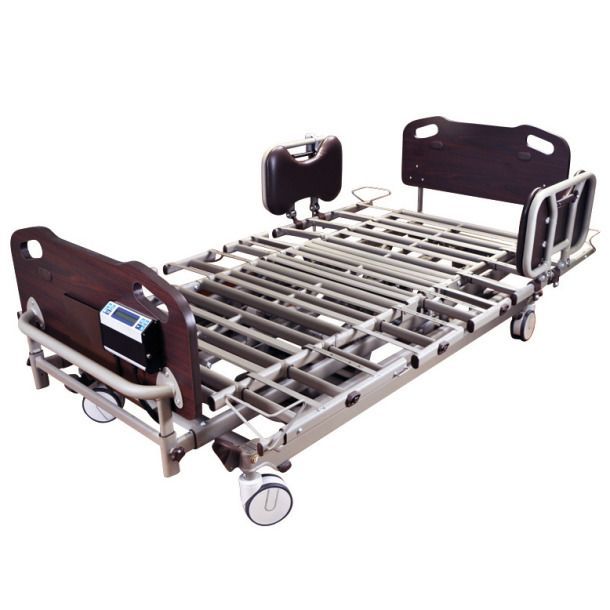
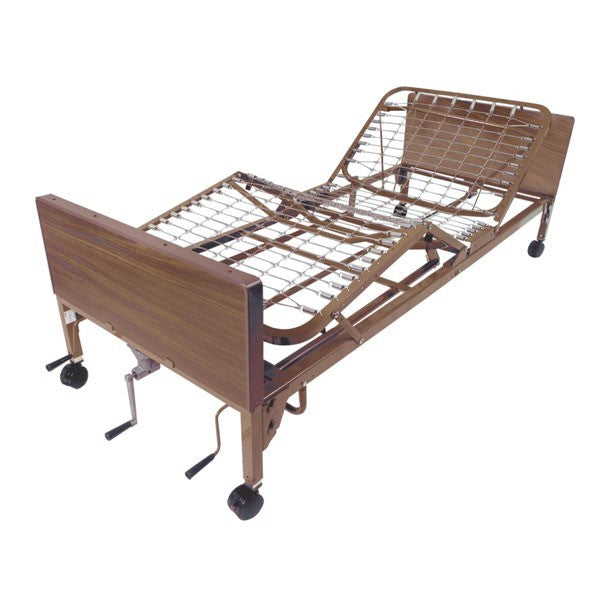
Home hospital beds come in three main types: manual, semi-electric, and full-electric. Patients with complex positioning needs typically benefit most from full-electric models, which allow precise adjustments at the push of a button. This is a clinical sign, not just a comfort preference.
Sign #4: Your Loved One Was Recently Discharged From the Hospital
Post-hospitalization discharge is one of the most common, and most overlooked, triggers for needing a home hospital bed. Physicians often recommend continued positioning support after surgery, stroke, or serious illness, but families are not always prepared before the patient arrives home.
Clinical guidelines establish that stroke patients who need height adjustment to safely transfer from bed to chair meet the medical necessity criteria for a variable-height hospital bed. Conditions qualifying for Medicare-covered home hospital beds include spinal cord injuries, severe arthritis, COPD, ALS, and post-surgical recovery requiring continued positioning support.
The best time to arrange a hospital bed is before your loved one comes home, not after. Our US-based product specialists can help caregivers navigate this transition quickly, including guidance on Medicare documentation. Think of it as discharge planning, not an afterthought.
Sign #5: You're Noticing Early Signs of Skin Breakdown or Pressure Injuries
Approximately 2.5 to 3 million U.S. adults develop pressure injuries each year, with immobile and bed-bound individuals at the highest risk. A hospital bed is a proactive tool, not a last resort after a wound has already developed.
Adjustable positioning allows caregivers to regularly reposition patients without heavy manual lifting, reducing sustained pressure on vulnerable skin areas like the sacrum, heels, and shoulder blades. Standard home mattresses do not allow the frequent, precise repositioning that immobile patients require.
Watch for early warning signs: redness, skin discoloration, or complaints of discomfort over bony areas. These are signals to act now. Specialty pressure-relief mattresses are also available as accessories for home hospital beds, adding another layer of protection.
Sign #6: Caregiving Is Causing You Physical Pain or Exhaustion
This sign is about the caregiver, not just the patient. According to the U.S. Department of Labor Statistics, healthcare workers sustain musculoskeletal injuries at higher rates than workers in almost any other industry. Family caregivers face similar risks: about half of caregivers of stroke survivors experience low back pain as a direct result of lifting and transferring patients, according to a systematic review published in PMC.
A hospital bed raised to working height eliminates the need to bend over a low standard bed for bathing, dressing, wound care, and repositioning. If a person spends more than 15 hours daily in bed or requires long-term care, a full-electric bed reduces physical strain on caregivers significantly.
Caregiver burnout and injury are clear signs the current setup is unsustainable. The right hospital bed protects both the patient and the person caring for them.
Sign #7: Your Loved One's Weight Exceeds the Capacity of a Standard Bed
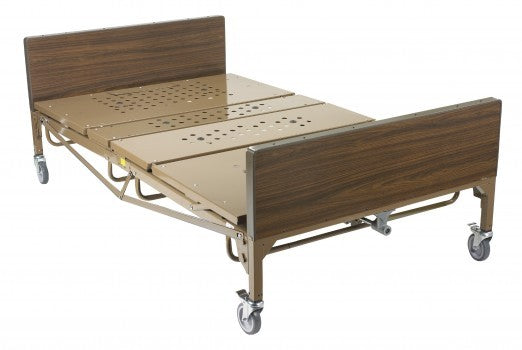
Bariatric hospital bed use has increased 27% due to growing obesity-related care needs at home. Standard beds are typically rated for 250 to 350 lbs. Bariatric hospital beds are engineered for 600 lbs or more, with wider frames designed for safe transfers.
Attempting to care for a larger patient on an undersized bed creates serious fall and injury risk for both patient and caregiver. Watch for these specific signs: difficulty repositioning, stress sounds from the bed frame, patient discomfort near bed edges, or an inability to safely assist with transfers.
Bariatric hospital beds come in wider widths with reinforced side rails built for higher-weight patients. Weight-rated equipment is a clinical necessity, not a judgment. The right bed makes home care safer and more dignified for everyone involved.
Sign #8: Your Loved One Wants to Stay Home, and the Current Setup Is Making That Harder
Nearly 9 out of 10 seniors say they want to age in place rather than move into institutional settings. A hospital bed is one of the most impactful tools for making that possible safely and comfortably.
If the current bed setup is limiting independence, increasing fall risk, or making daily care routines harder, it is working against your loved one's goal of staying home. A hospital bed is an aging-in-place enabler, not a clinical last resort or a sign of decline.
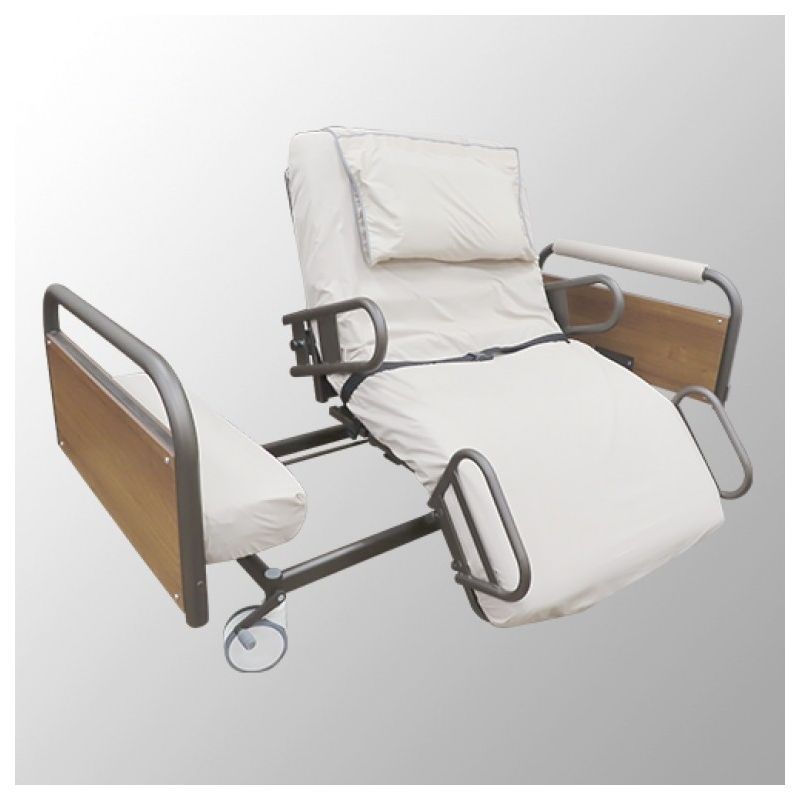
Modern adjustable hospital beds are available with furniture-grade aesthetics that blend into a home environment, reducing the emotional resistance that caregivers and patients often feel. The 53 million Americans now providing caregiving deserve tools that make home-based care sustainable for the long term.
What to Do After Recognizing the Signs: A Simple Next-Step Guide
Step 1: Talk to the patient's physician. A written prescription documenting medical necessity is required for Medicare coverage. Medicare NCD 280.7 outlines the specific criteria, so ask the doctor to reference the patient's qualifying condition in the order.
Step 2: Understand Medicare Part B coverage. Medicare pays 80% of the approved cost of a semi-electric bedafter the annual deductible is met. The bed must be sourced through a Medicare-approved DME supplier.
Step 3: Choose the right bed type. Manual beds work for occasional positioning needs. Semi-electric beds suit moderate needs. Full-electric beds are best for patients spending 15 or more hours daily in bed or requiring frequent repositioning.
Step 4: Contact American Quality Health Products who has served customers since 2001, with live US-based product specialists available by phone six days a week to guide you through selection and Medicare paperwork. We also offer a Lowest Price Guarantee on mobility and home medical products, free shipping on orders over $100, and 100% financing options through third-party providers to reduce financial barriers.
The process is more straightforward than most families expect, and expert help is available every step of the way.
Don't Wait for a Crisis to Make This Decision
The eight signs above exist on a spectrum, from early warnings to urgent situations. Acting early protects both the patient and the caregiver. Waiting until a fall, a pressure wound, or a caregiver injury forces the decision only makes the transition harder.
Choosing a hospital bed for home is an act of care, not surrender. It is one of the most meaningful steps a family can take to keep a loved one safe, comfortable, and home.
With over 22 years of experience, American Quality Health Products has helped thousands of families navigate exactly this decision. Our US-based specialists are ready to help you find the right bed, understand your coverage options, and get everything set up with confidence. Call us six days a week, or browse our hospital bed selection online. We are here when you are ready.
Sources
- Bed-Related Falls Among Older Adults: National Database Analysis (PMC, 2025)
- CDC Older Adult Falls Data (Updated 2026)
- Forbes Health: When To Get A Hospital Bed For Home Use (Sept 2025)
- Boost Home Healthcare: 52 Home Health Statistics You Need to Know in 2025
- CMS LCD L33820: Hospital Beds and Accessories
- ScienceInsights: Pressure Ulcer Statistics (Nov 2025)
- PMC: Prevalence and Risk Factors of Caregiving-Related Low Back Pain Among Caregivers of Stroke Survivors
- Business Research Insights: Hospital Bed Market Trends, Growth & Forecast 2035
- North American Community Hub: U.S. Home Care Industry Stats for 2025 (March 2026)
- Medicare.org: Will Medicare Cover Hospital Beds? (Updated 2026)


