

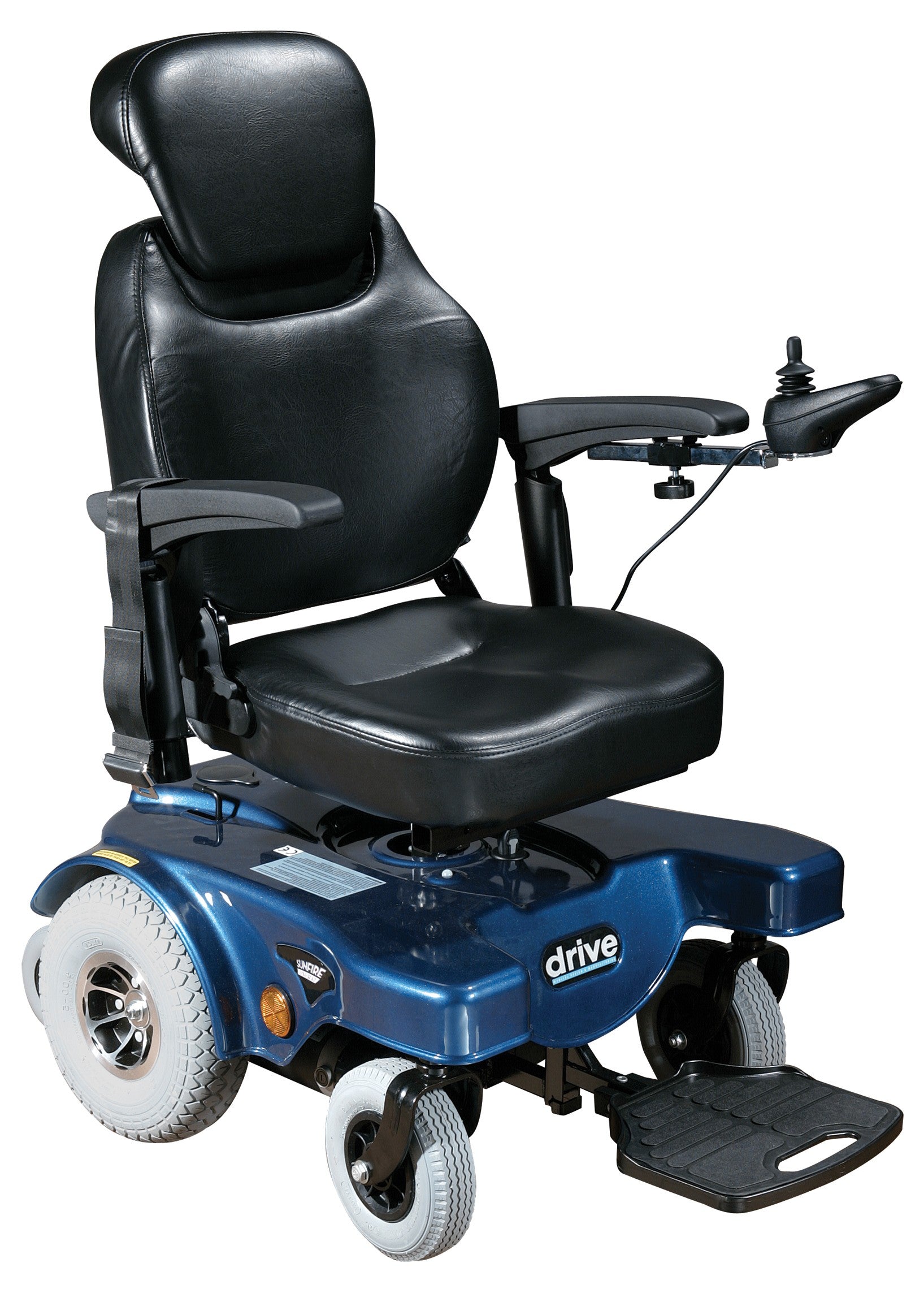
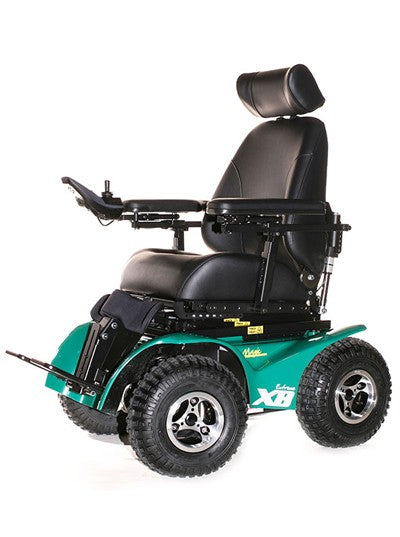
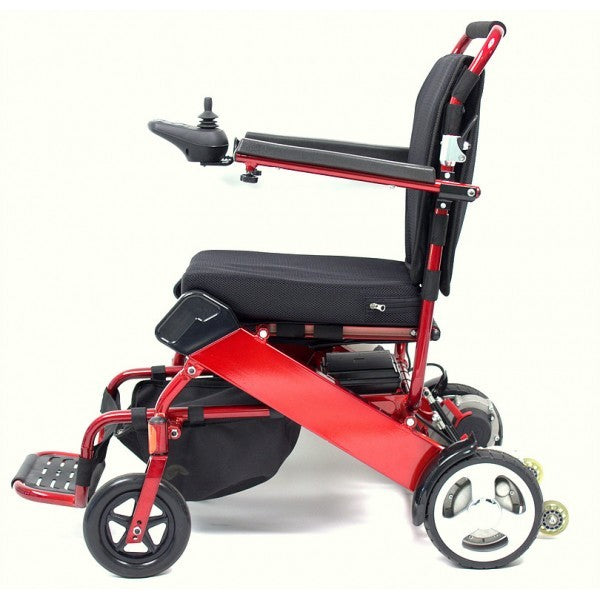
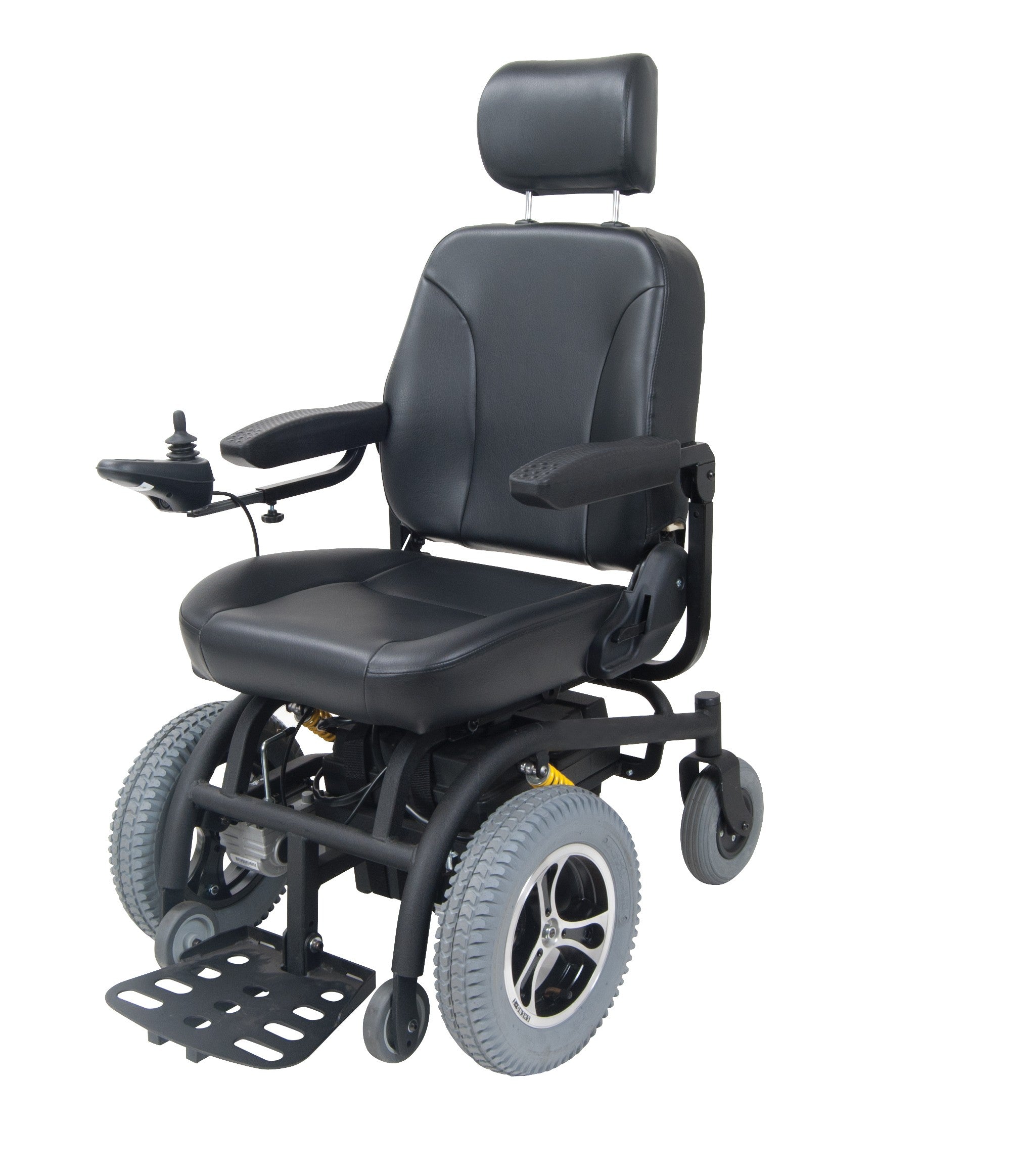
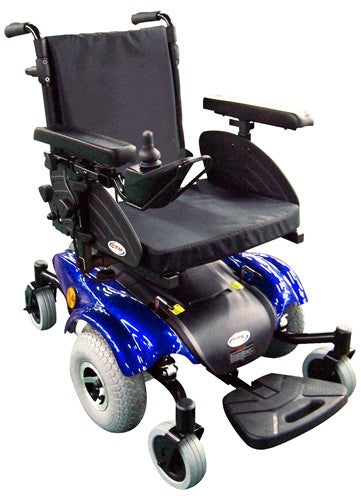
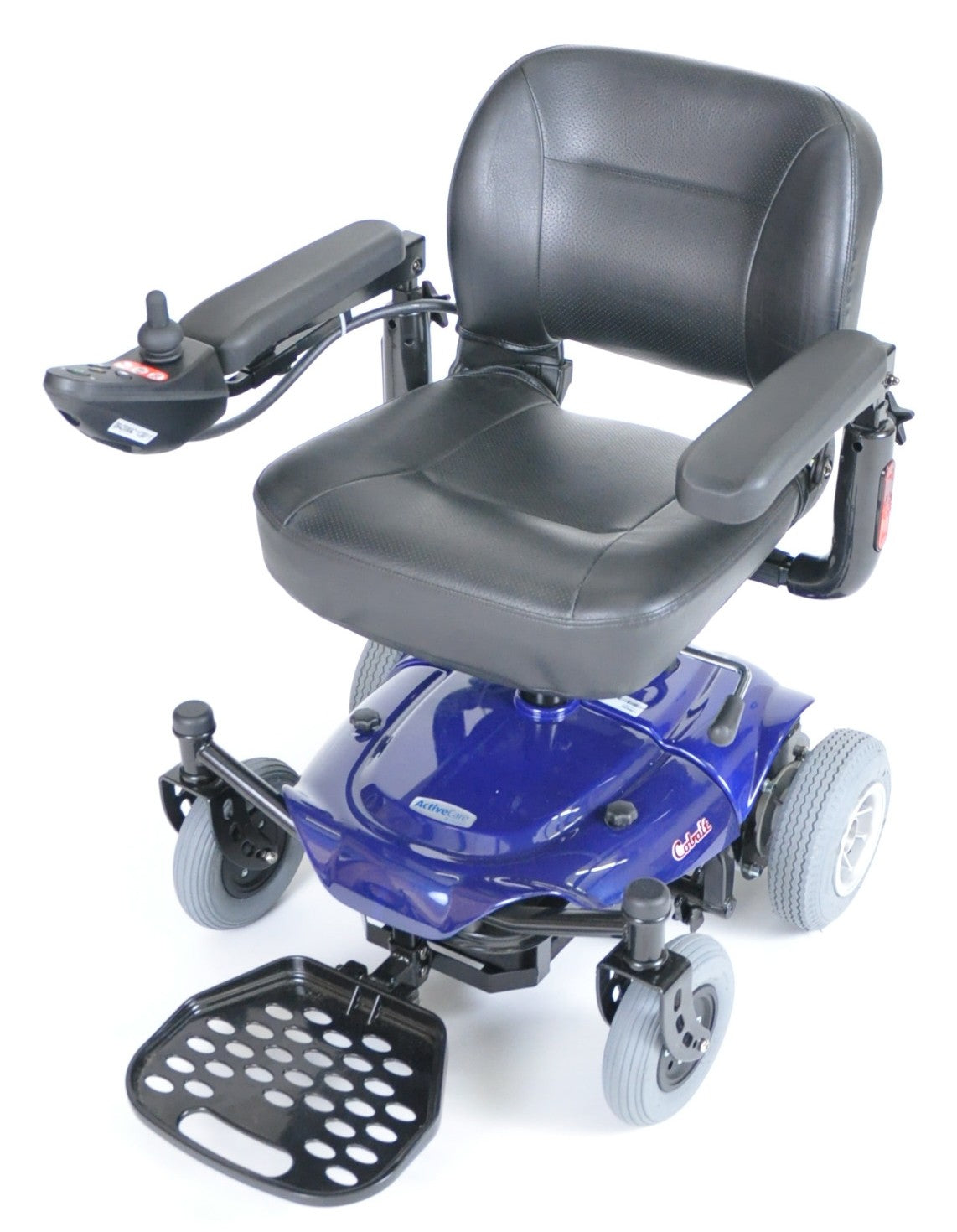



The Hard Truth About Medicare and Electric Wheelchairs
Our product specialists have spent over 22 years helping customers navigate home medical equipment, and one of the most common questions we hear is: "How long does it take Medicare to approve a power wheelchair?" The honest answer, based on everything we've seen: Medicare approval for an electric wheelchair is unlikely, complicated, and can take months to years.
You may have seen the statistic from a January 2025 CMS report claiming the average approval time is just 4.4 days. That number is misleading. It only measures the prior authorization decision window, not the full process. The real end-to-end timeline, from your first doctor's visit to equipment delivery, runs 8 to 19 weeks under the best conditions, and only if you're approved on the first try.
Even a successful approval doesn't mean you walk away with a wheelchair. Medicare typically rents the equipment on the patient's behalf rather than purchasing it, and the selection of approved models is extremely limited. You finally got your doctor's prescription. Now the real process begins, and it has nothing to do with your medical need.
The 5-Step Medicare Power Wheelchair Approval Process
Medicare's power wheelchair approval process involves five mandatory phases, each of which must be completed in sequence. A delay at any phase can restart the clock on the entire timeline.
- Face-to-face physician mobility evaluation: Your doctor must conduct an in-person mobility assessment within 45 days of writing the prescription. This isn't a routine checkup. It must specifically evaluate your functional limitations related to mobility inside your home.
- Documentation proving manual alternatives are insufficient: Before Medicare will consider a power wheelchair, your medical records must demonstrate that canes, walkers, and manual wheelchairs have all been tried or considered and found inadequate for your in-home mobility needs.
- A seven-element written prescription: The prescription must contain seven specific components, including diagnosis, a description of the item, the length of need, and the physician's signature with the date. Missing any element results in an automatic denial.
- Selection of a Medicare-approved DME supplier: You cannot purchase from just any dealer. The supplier must be enrolled in Medicare's durable medical equipment program, which limits your options significantly.
- Prior authorization submission: The supplier submits the prior authorization request to Medicare. This is the step where that 4.4-day average applies. It's the narrowest slice of a very long process.
For higher-complexity power wheelchairs classified as Group 2 or Group 3, there's an additional requirement: an evaluation by a certified Assistive Technology Professional (ATP) on top of all physician documentation. The full process spans 8 to 19 weeks under best-case conditions, before any appeals enter the picture.
The "Ladder of Mobility" Requirement Most Patients Don't Know About
One of the biggest surprises for patients is what's known as the "ladder of mobility." Before Medicare will consider covering a power wheelchair, you must prove that every less expensive alternative, including canes, walkers, and manual wheelchairs, is insufficient for your in-home mobility needs. Each rung of the ladder must be addressed in your medical documentation.
This requirement is one of the most common reasons claims are denied, and the denial often has nothing to do with whether you actually need the chair. It comes down to whether the paperwork uses the specific functional language tied to Mobility-Related Activities of Daily Living (MRADLs). Generic phrases like "patient has trouble getting around" won't cut it.
It's also critical to understand that Medicare Part B covers power wheelchairs only when medically necessary for use inside the home. Outdoor use, shopping trips, and even getting to medical appointments are explicitly excluded from coverage. Approximately 50% of Medicare power wheelchair denials are caused by incomplete or improperly worded paperwork, not because the patient doesn't clinically qualify.
Why 43% of Medicare Power Wheelchair Claims Are Denied
The denial rate for Medicare power wheelchair claims is staggering. Approximately 43% of claims are denied, according to industry reporting. That's nearly half of all applicants being told "no" after weeks or months of effort.
The majority of these denials are documentation failures, not clinical decisions. Medicare reviewers reject claims when physician notes say "difficulty walking" instead of the specific MRADL-linked functional language required by the Local Coverage Determination (LCD). The distinction between a successful claim and a denied one often comes down to a few carefully chosen words in a doctor's notes.
To put this in concrete terms: in New York alone, Medicare denied 2,701 out of 23,161 power wheelchair billing lines submitted from 2022 through July 2025, representing $5.4 million in denied allowed amounts. The DREDF Mobility Device User Survey found that 43.3% of wheelchair users reported a device-related insurance denial within the past five years, with denial rates ranging from 32% among Medicare Advantage users to 45.7% among dual Medicare-Medicaid beneficiaries.
The human cost is real. Research shows that 90% of physicians say prior authorizations negatively impact patient health outcomes. Even more concerning, 78% of physicians report that patients abandon necessary care entirely because of the prior authorization burden. These aren't abstract statistics. They represent real people going without mobility equipment they need.
What Happens After a Denial: The Multi-Level Appeals Process
A denial doesn't necessarily mean you're ineligible. In many cases, it means the documentation needs to be rewritten with more precise clinical language. The appeals process itself, however, adds significant time to an already lengthy journey.
- Redetermination: Must be filed within 120 days of the denial. This is your first opportunity to submit corrected or additional documentation.
- Reconsideration: If the redetermination is denied, a Qualified Independent Contractor (QIC) reviews the case from scratch.
- Administrative Law Judge hearing: A formal hearing before a judge who evaluates the medical evidence.
- Federal court review: The final level of appeal, reserved for cases denied at every prior stage.
Each level adds weeks or months to the timeline. This is where the "months to years" framing becomes very real for denied applicants. Throughout the entire appeals process, patients must continue without the equipment unless they can access an alternative on their own. The physical and emotional toll of waiting, sometimes in pain or with severely limited independence, drives many people to abandon their claims altogether.
The Rental Model, Coverage Limits, and the 2025 Rule Update
Even when Medicare approves a power wheelchair, they don't buy it for you. Medicare defaults to renting power wheelchairs under a capped rental model. You enter a 13-month rental cycle, and ownership transfers to you only after all 13 months of rental payments are complete.
During that rental period, Medicare pays 80% of the monthly rental fee. You're responsible for the remaining 20% coinsurance. On a power wheelchair costing between $2,000 and $8,000, your out-of-pocket share ranges from $400 to $1,600, even after full approval. This requirement was established under ACA Section 3136 for standard (non-complex rehabilitative) power wheelchairs.
There's also the five-year "reasonable useful lifetime" rule. Medicare covers only one piece of durable medical equipment every five years. Historically, when that period ended, patients had to restart the entire approval process from scratch, including a new face-to-face evaluation. A summer 2025 rule update improved this slightly: same-model replacements after the five-year period no longer require a new face-to-face evaluation. It's a meaningful but narrow improvement.
The selection itself is also limited. Medicare-approved power wheelchairs are classified into Groups 1 through 3, with escalating documentation requirements for each tier. You cannot simply choose the chair that best fits your needs. You're restricted to what Medicare's approved categories allow.
When Buying Direct Is the Smarter, Faster Option
For many patients, purchasing a power wheelchair directly is a legitimate and often faster path to mobility. This is especially true if you need outdoor mobility, can't afford to wait five or more months, or want access to a specific brand or model that Medicare's limited catalog doesn't include.
Buying directly bypasses the ladder of mobility requirement, the prior authorization process, the limited supplier network, and the rental model entirely. You choose the chair that fits your life, not the one that fits a coverage category.
Mid-range power wheelchairs are available at price points that may be comparable to what you'd pay in 20% coinsurance over a 13-month Medicare rental cycle. At American Quality Health Products, we offer 100% financing through third-party providers and a Lowest Price Guarantee on all our mobility equipment. With over 5,000 verified customer reviews, our customers consistently tell us that working with a knowledgeable specialist makes the difference. Our US-based product specialists are available six days a week by phone to help you identify the right chair for your specific mobility needs, whether indoor, outdoor, or both.
What to Do If You're Navigating the Medicare Process Right Now
If you're currently working through Medicare's power wheelchair approval process, three steps can meaningfully improve your chances:
- Work with a physician who understands MRADL-specific documentation language. A general practitioner may not know the precise functional terminology that Medicare reviewers require. Ask your doctor if they've successfully documented power wheelchair claims before, or consider requesting a referral to a specialist familiar with the process.
- Verify your DME supplier is Medicare-approved before any paperwork is submitted. Using a non-enrolled supplier is a guaranteed denial, and it wastes weeks of effort.
- Request an Assistive Technology Professional (ATP) evaluation proactively if your needs may qualify for Group 2 or Group 3 equipment. Getting this evaluation early prevents delays later in the process.
Keep in mind that the 2025 prior authorization standard review window is now capped at 7 calendar days. But again, this only covers the authorization decision itself, not the full process leading up to it or following it.
If your claim has been denied, don't give up. Most denials are documentation issues that can be corrected on appeal. A denial is not a final answer.
Navigating Medicare or exploring a direct purchase, getting the right mobility equipment is achievable, and expert guidance makes the process significantly less overwhelming. If you'd like help finding the right power wheelchair for your situation, our product specialists are here six days a week. Call us and we'll walk you through your options.


