

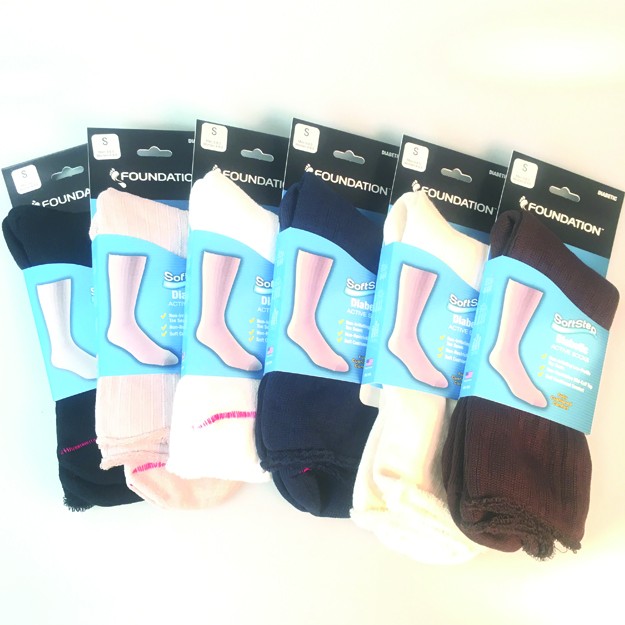
Diabetic shoes are one of the most important, and most overlooked, pieces of medical equipment for anyone managing diabetes. After evaluating their design, clinical evidence, Medicare coverage options, and real-world performance, we're giving diabetic shoes a solid 4.5 out of 5. They deliver proven protection against foot ulcers and amputations, and most people with diabetes can access them at little to no out-of-pocket cost through Medicare. The only reason they don't earn a perfect score is the learning curve around insurance documentation and the fact that style options, while improving, still lag behind mainstream footwear.
What Are Diabetic Shoes?
Diabetic shoes, also called therapeutic shoes or depth shoes, are specially engineered footwear built to protect feet that have lost some or all sensation due to diabetic peripheral neuropathy. About 30% of people with diabetes develop neuropathy affecting their feet, which means they can't feel friction, pressure, or heat that would normally signal tissue damage. A blister or hot spot that a healthy foot would notice immediately can go undetected for days, leading to ulcers, infections, and in the worst cases, amputation.
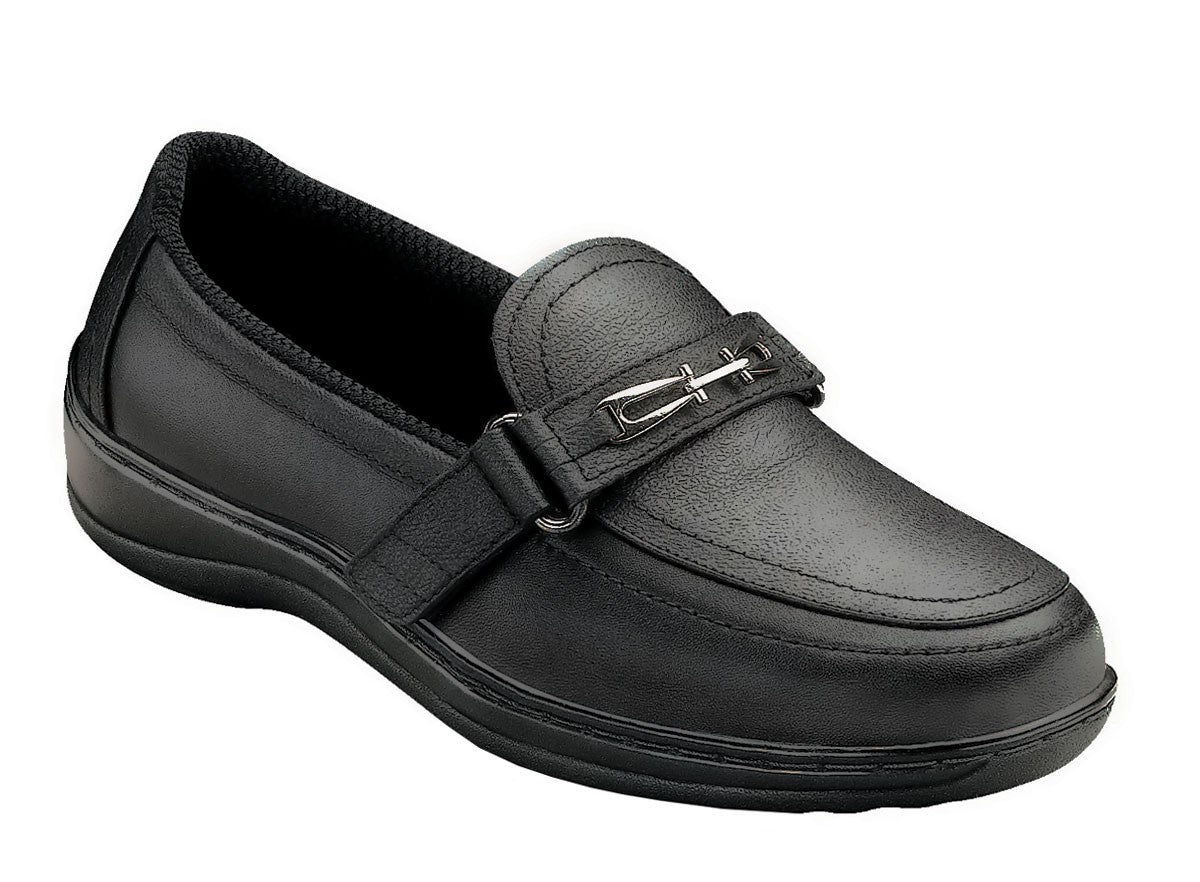
These shoes address that risk through a combination of features: extra depth and width, a wide toe box, smooth interior linings with no raised seams, removable cushioned insoles that accommodate custom orthotics, adjustable closures (Velcro straps or laces), breathable materials like leather or mesh, shock-absorbing soles, and non-binding collars that avoid compressing the ankle. Every design choice serves a specific clinical purpose: reducing pressure, minimizing friction, and giving the foot room to function without injury.
Who Are They For?
Diabetic shoes are designed for anyone diagnosed with diabetes who has peripheral neuropathy, a history of foot ulcers, foot deformities (such as bunions or hammertoes), poor circulation, or previous partial foot amputation. If your doctor has flagged any of these conditions, therapeutic footwear moves from "nice to have" to medically necessary.
Family members shopping on behalf of a loved one with diabetes should also pay close attention. Many seniors and individuals with mobility limitations don't realize how much risk standard shoes pose to compromised feet. A conversation with a podiatrist or primary care physician can determine if therapeutic footwear is appropriate.
How They Perform: The Clinical Case
The numbers behind diabetic shoes are hard to argue with. Diabetic foot ulcers affect roughly 1.6 million people in the United States each year, and they precede 80% of lower extremity amputations among people with diabetes. The five-year mortality rate for individuals who develop a foot ulcer is approximately 30%, and it exceeds 70% for those who undergo a major amputation. Direct treatment costs in the U.S. alone run between $9 billion and $13 billion annually.
Pressure-relieving footwear has been shown to cut ulcer recurrence rates nearly in half, from 25.4% down to 13.3%. Early prescription of protective shoes or insoles can prevent up to 85% of potential amputations. These are not marginal improvements. For a product that costs a fraction of a single wound-care visit, the return on investment is enormous, both financially and in terms of quality of life.
Pros
- Clinically proven protection: Reduces ulcer recurrence by roughly 49% compared to standard footwear, according to published research.
- Medicare coverage available: Medicare Part B covers one pair of extra-depth shoes and up to three pairs of specialized inserts per calendar year for eligible beneficiaries. After the 2026 Part B deductible of $283, Medicare pays 80% of the approved amount.
- Accommodates custom orthotics: Removable insoles mean you can swap in custom-milled or prefabricated inserts prescribed by your doctor.
- Comfortable for all-day wear: Extra depth, wide toe boxes, and shock-absorbing soles make these shoes genuinely comfortable, not just functional.
- FSA/HSA eligible: With a Letter of Medical Necessity from a podiatrist, diabetic shoes can be purchased using FSA or HSA funds.
- Growing variety: The market has expanded significantly, with options now available in athletic, casual, and dress styles for both men and women.
Cons
- Insurance documentation can be frustrating: Medicare's improper payment rate for therapeutic shoes hit 47.1% across 2024 and 2025, with 85.5% of denials caused by insufficient documentation. Getting claims approved requires careful coordination between your doctor, podiatrist, and supplier.
- Style limitations: While options have improved, diabetic shoes still tend to look more clinical than fashionable. If aesthetics matter to you, expect to spend more time shopping.
- Fit requires professional guidance: Because neuropathy reduces your ability to judge fit by feel, you really need a trained fitter or product specialist to help you select the right size and width. Ordering online without guidance carries risk.
- Not all brands are equal: Quality varies widely across manufacturers. Cheaper options may lack the interior construction or sole cushioning that makes therapeutic footwear effective.
- Upfront cost without insurance: The Medicare-approved amount for extra-depth shoes is approximately $181, and prefabricated inserts run about $74 per pair. Without coverage, costs can add up, especially if custom-milled inserts (roughly $110 per pair) are needed.
Medicare Coverage: What You Need to Know
Medicare Part B covers therapeutic shoes under HCPCS codes A5500 through A5507. To qualify, you need a diabetes diagnosis, a certifying physician (your primary care doctor or endocrinologist) who confirms you meet at least one qualifying condition, and a prescribing podiatrist or other qualified provider who writes the detailed prescription. The shoes must be fitted and furnished by a Medicare-enrolled supplier.
Here's where it gets tricky. The documentation requirements are specific, and as the HHS Office of Inspector General has noted, nearly half of all claims were paid improperly in recent years due to paperwork gaps. Pending legislation, the Diabetes Foot Health Access and Modernization Act, aims to simplify these requirements, but for now, make sure your provider submits complete records. Our product specialists can walk you through the process and help you understand what paperwork your doctor needs to provide.
Why Buy from American Quality Health Products?
We've been helping customers find the right home medical equipment since 2001, and diabetic footwear is one of the categories where expert guidance matters most. Our US-based product specialists are available six days a week by phone to help you navigate sizing, features, and insurance questions. We offer free shipping on orders over $100, a Lowest Price Guarantee, and 100% financing options through third-party providers for those who need to spread out costs.
With over 5,000 verified customer reviews, our track record speaks for itself. We understand that buying diabetic shoes can feel overwhelming, especially if it's your first pair. That's exactly why we staff real people who know these products inside and out.
The Verdict
Rating: 4.5 out of 5
Diabetic shoes are not optional accessories. They are a frontline medical intervention that can prevent ulcers, infections, and amputations. The clinical evidence is strong, Medicare coverage makes them accessible for most eligible beneficiaries, and the comfort level has improved dramatically over the past decade. The documentation hurdles and limited style options keep this from a perfect score, but those are minor trade-offs when weighed against the alternative. If you or a loved one has diabetes with any foot-related complications, therapeutic footwear should be at the top of your list. Call our product specialists to find the right pair and get help sorting out your coverage options. Your feet, and your long-term health, are worth it.


