


What Is the Zero Gravity Position — and Where Did It Come From?
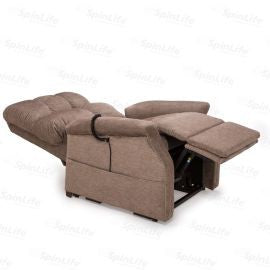
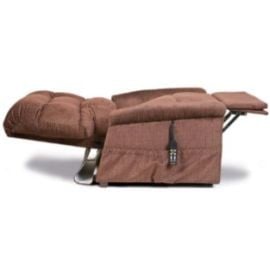
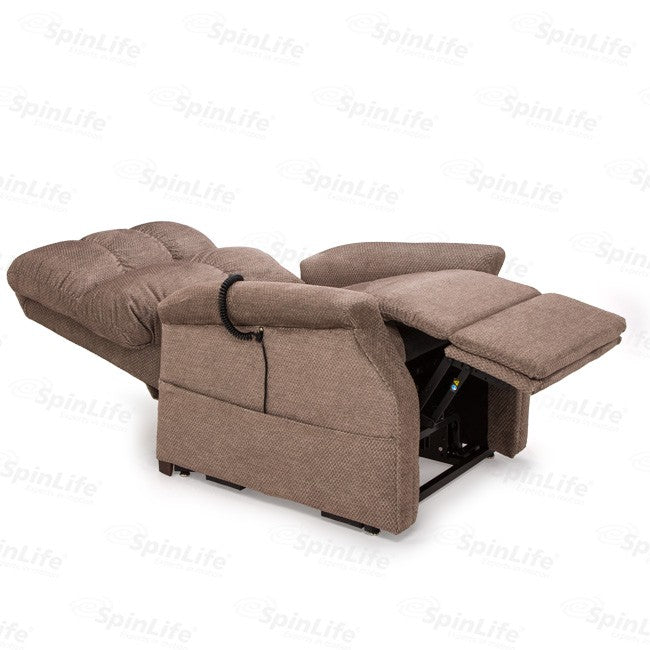
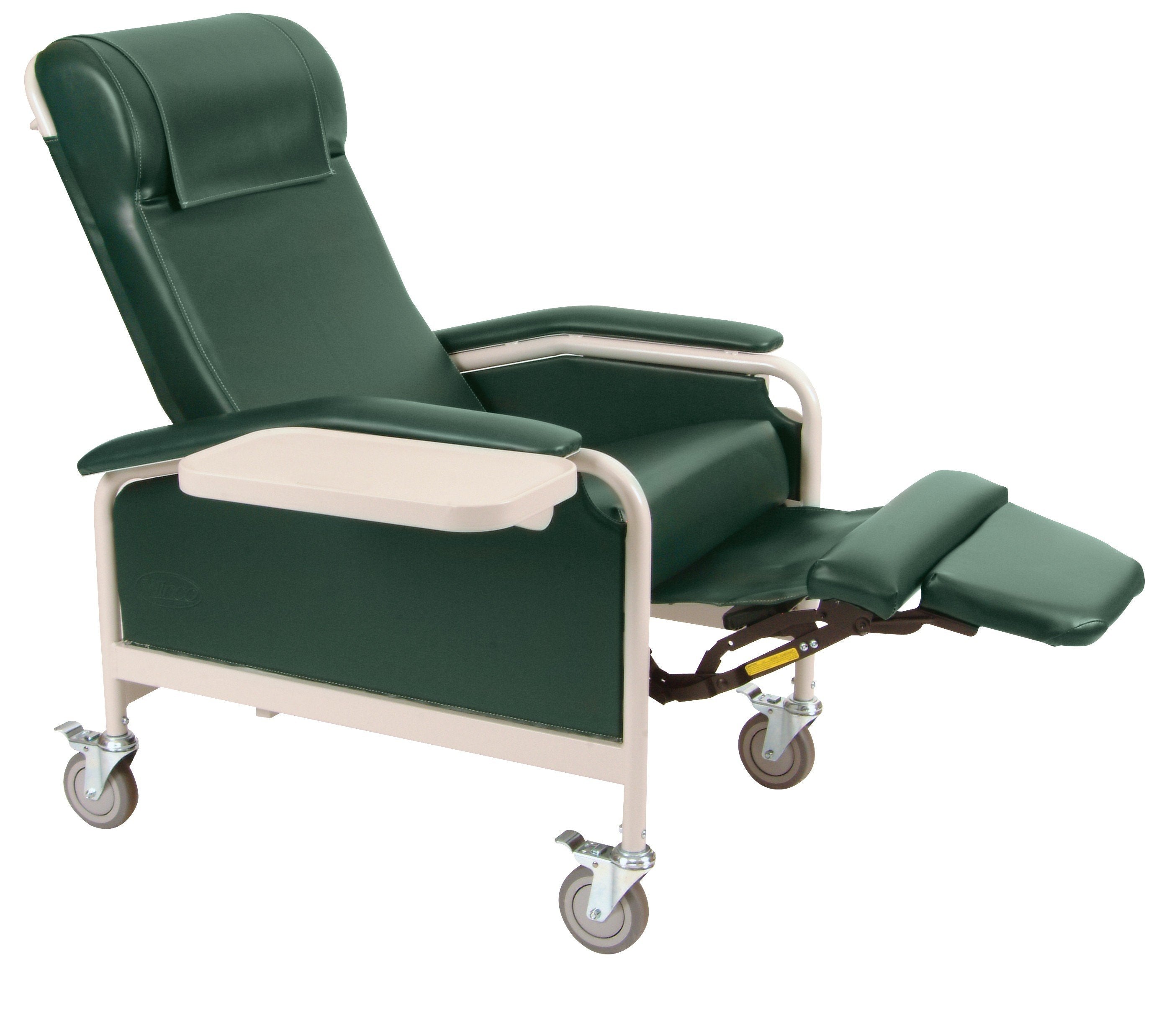
The zero gravity position was not invented by a furniture company. It was developed by NASA engineers as the "Neutral Body Posture" (NBP), the position astronauts assume during launch to minimize musculoskeletal strain under extreme G-forces. The specific geometry places the torso and thighs at a 120 to 128 degree angle, with the legs elevated to approximately heart level. Body weight is distributed evenly, reducing pressure on any single area.
Standard reclining does not come close to replicating this. In a typical recliner, the torso stays too upright and the legs remain well below heart level, limiting any real circulatory or spinal benefit. Zero gravity lift chairs are engineered to reproduce the exact NASA-developed posture in your living room, delivering therapeutic benefits grounded in decades of aerospace research. This is not a marketing buzzword. It is space science applied to home health.
How Zero Gravity Positioning Helps Seniors with CHF and Leg Swelling
To understand why zero gravity positioning matters for circulation, you need to understand venous return. When your legs are elevated to heart level or slightly above, gravity stops working against your cardiovascular system. Blood no longer has to be pumped uphill from the lower extremities. Instead, gravity assists the return flow back toward the heart.
For seniors with congestive heart failure (CHF), this gravitational assistance is especially important. CHF reduces the heart's pumping efficiency, making venous return sluggish and allowing fluid to pool in the legs and ankles. According to the Heart Failure Society of America, approximately 6.7 million Americans over age 20 currently live with heart failure, and about 9.1% of people older than 80 have CHF. These are not rare cases.
Chronic peripheral edema is similarly widespread. A nationally representative study published in PLOS ONE found that 19 to 20% of older U.S. adults have persistent swelling in their feet or ankles. The University of Washington's clinical guidance confirms that leg elevation assists fluid drainage back toward the heart, reducing edema. Forbes Health has also cited a clinical operations VP at BrightStar Care confirming that lift chairs' reclining positions help elevate legs to reduce excess fluid buildup and improve circulation.
Edema creates a vicious cycle. Swelling reduces mobility. Reduced mobility leads to more time sitting or lying in non-therapeutic positions, which worsens swelling further and increases fall risk. Zero gravity positioning interrupts this cycle by providing consistent, effective leg elevation without requiring the person to move.
It is critical to distinguish true zero gravity from standard reclining here. Only sufficient elevation height, with legs at or above heart level, creates meaningful gravitational assistance for venous return. A recliner that kicks out a footrest a few inches does not produce the same effect.
There is a respiratory benefit as well. Raising the chest in the zero gravity position reduces pressure on the lungs and helps open airways. For CHF patients who struggle to breathe when lying flat (a condition called orthopnea), this can make a real difference in comfort and oxygen intake.
Zero Gravity Positioning and Back Pain Relief for Seniors
Back pain is one of the most common health complaints in the United States. According to the CDC's National Health Interview Survey, 39% of U.S. adults reported experiencing back pain in the past three months. Adults 65 and older are disproportionately affected due to age-related spinal degeneration, disc thinning, and conditions like spinal stenosis.
The zero gravity position addresses back pain through spinal decompression. When the body is reclined at the proper angle with legs elevated, the intervertebral discs (IVDs) are decompressed, reducing nerve impingement and chronic lower back pain. A 2020 study published in the Journal of Physical Therapy Science found that zero gravity positioning can reduce spinal compression pressure by up to 30% in the lumbar region. Research published in the journal Spine confirmed that reclining at an angle similar to the zero gravity position decreases lumbar disc pressure.
Standard recliners do not achieve the precise torso-to-thigh angle needed for meaningful spinal decompression. Chair geometry matters. If the angle is off by even 10 to 15 degrees, the therapeutic benefit drops significantly.
The connection between back pain relief and fall prevention is worth noting. Reduced pain improves mobility and confidence, which lowers fall risk. According to the National Council on Aging, 1 in 4 Americans age 65 and older falls each year. Anything that helps a senior move more comfortably and confidently is a meaningful safety intervention.
True Zero Gravity vs. Standard Lift Chairs: Why the Difference Matters
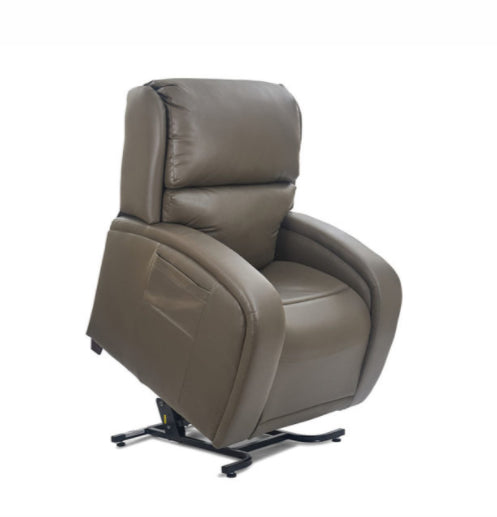
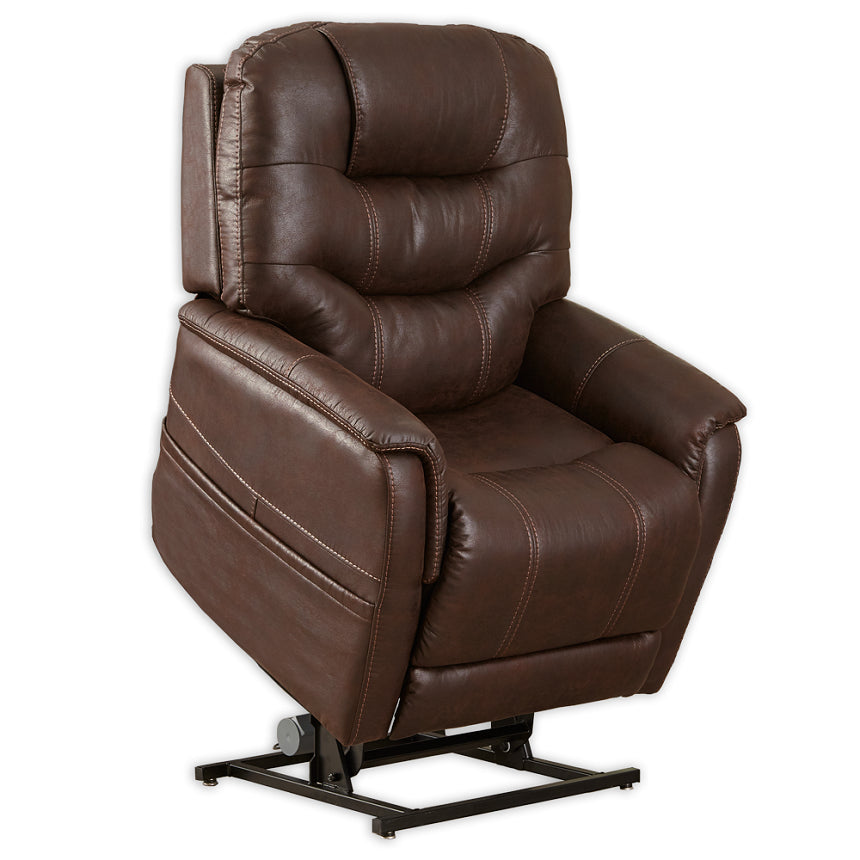
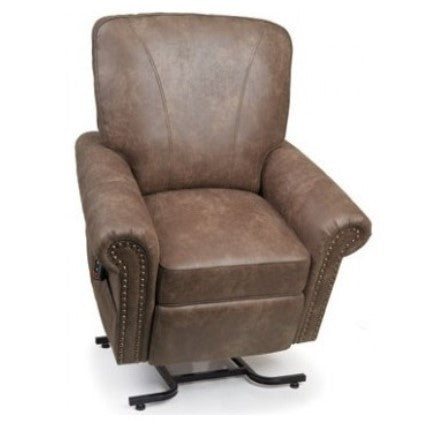
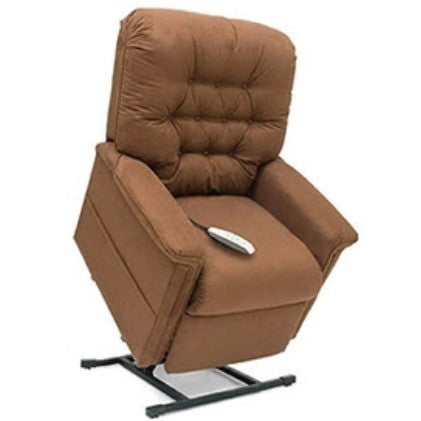
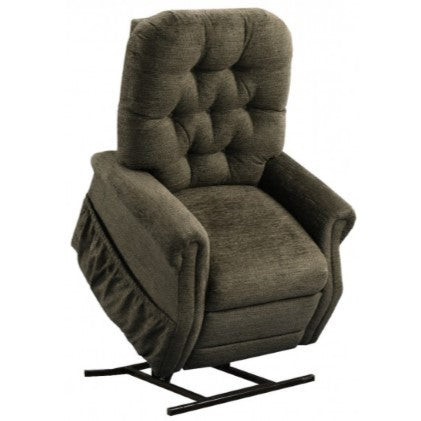
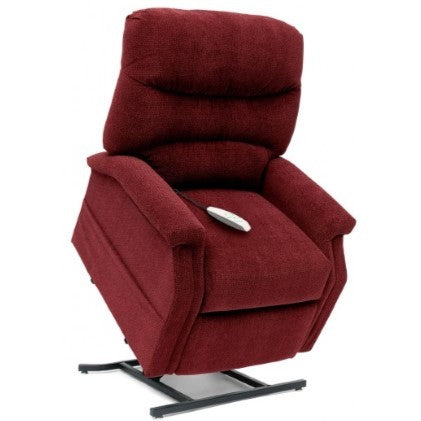
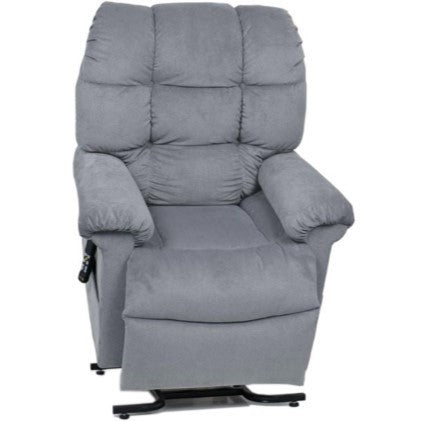
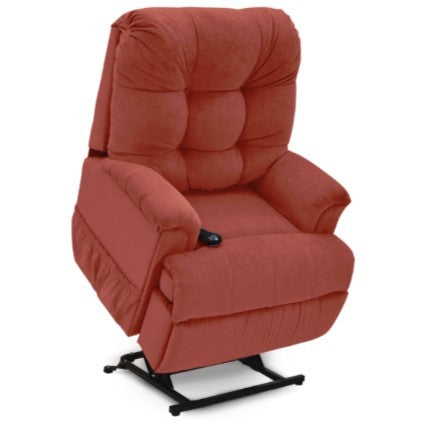
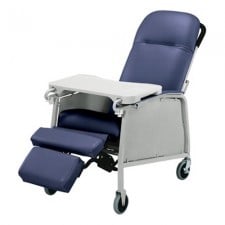
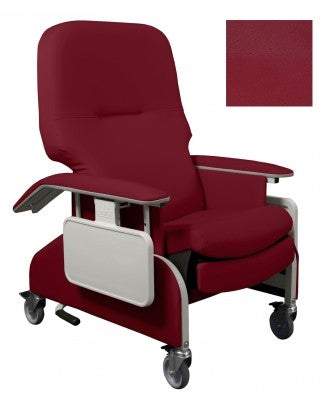
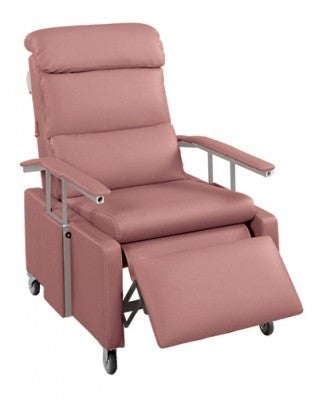
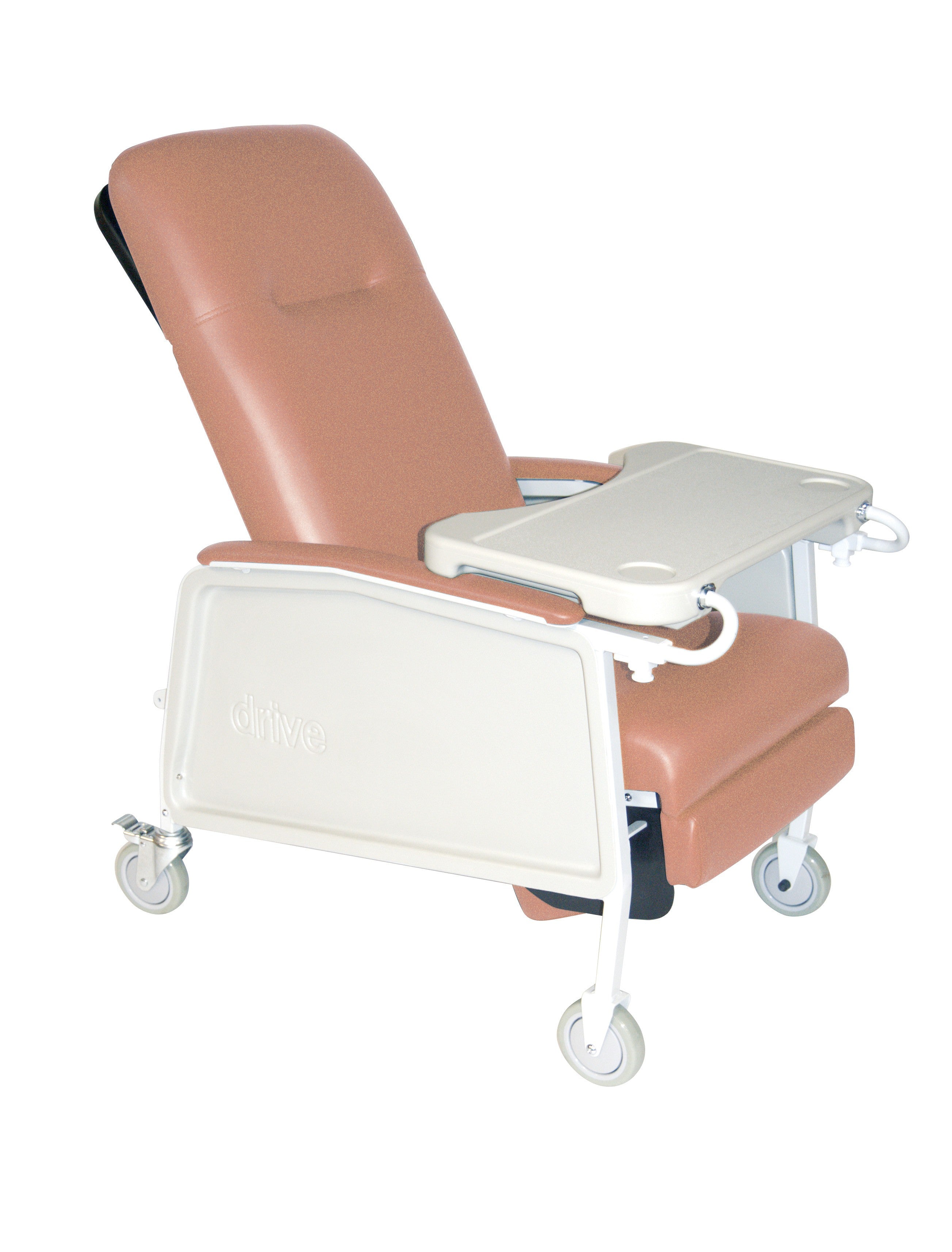
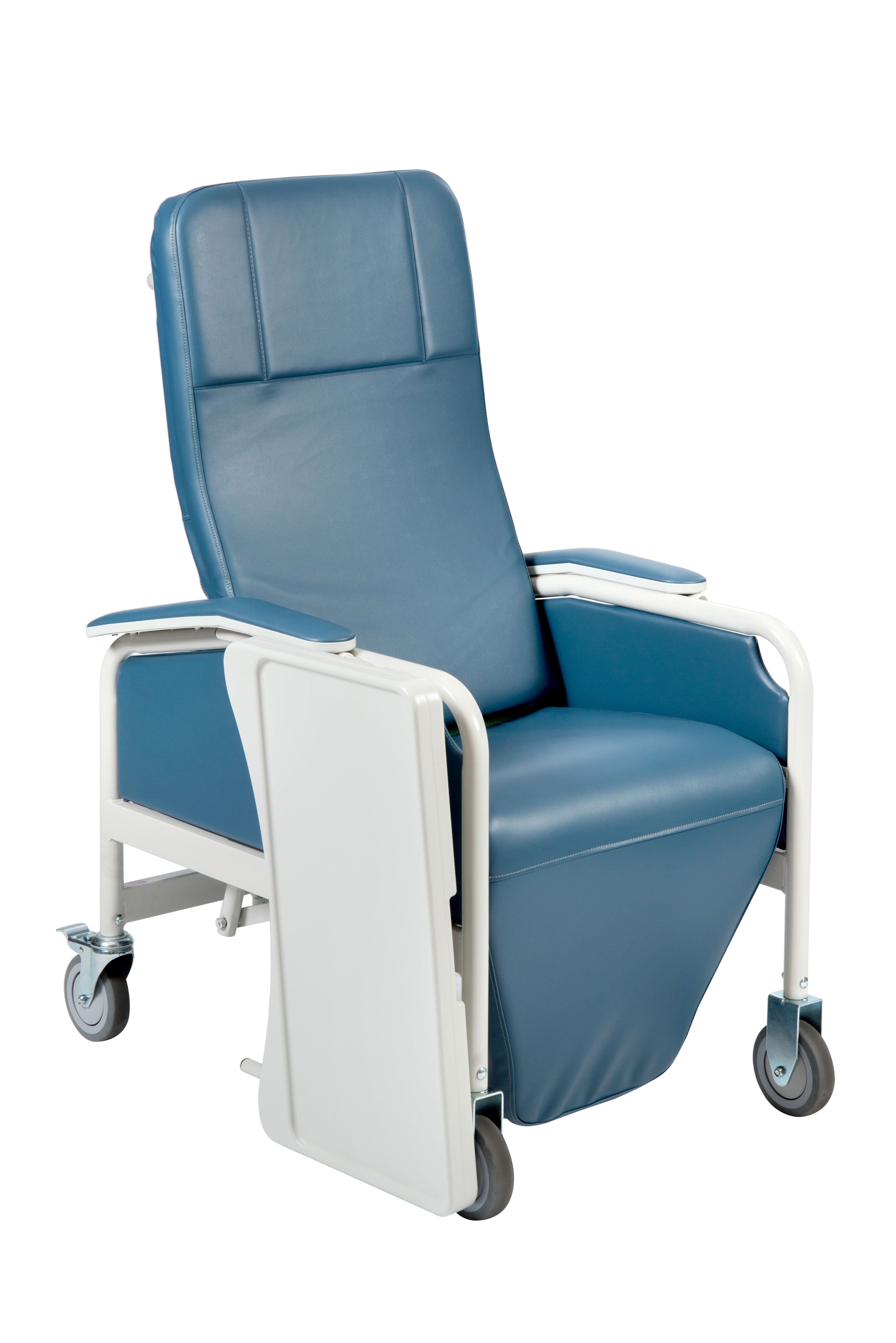
Not all lift chairs are created equal, and the differences are clinically significant. There are four main types: 2-position, 3-position, infinite-position, and true zero gravity. Only the last two can achieve the therapeutic leg elevation needed for meaningful circulatory and spinal benefits.
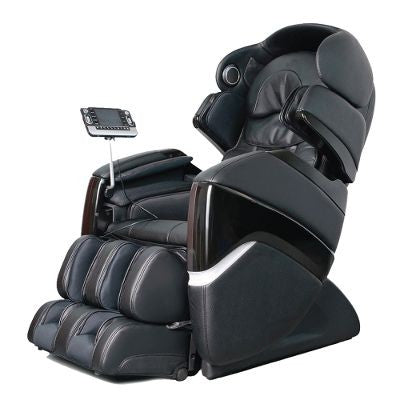
Infinite-position and zero gravity lift chairs use dual or multiple motors to independently control the backrest and footrest. This means you can recline the back while raising the legs to heart level or above, dialing in the exact angle your body needs. Single-motor chairs move the backrest and footrest together, making it impossible to achieve the legs-above-heart-level positioning that defines true zero gravity.
Golden Technologies' patented MaxiComfort and Twilight Technology systems are specifically engineered to achieve true zero gravity positioning, and some of their models are FDA-approved as medical devices. That classification reflects the clinical seriousness of what these chairs are designed to do.
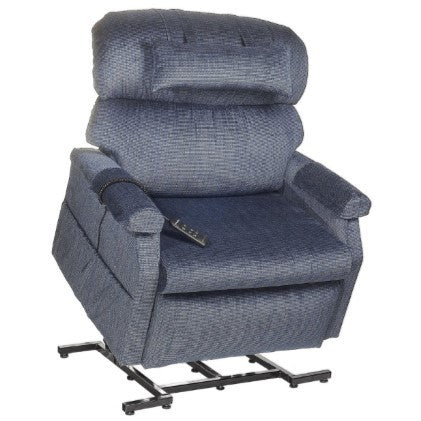
For seniors managing CHF, edema, or chronic back pain, selecting the right chair type is a medical decision, not just a comfort preference. Bariatric-rated zero gravity lift chairs with 500 to 600 lb weight capacities are also available. Bariatric seniors with circulatory conditions represent a growing population that has been largely underserved, and these chairs address their specific needs directly.
Heat, Massage, and Other Features That Enhance Circulation Benefits
Many zero gravity lift chairs include built-in heat and massage features, and these are more than comfort upgrades. Heat promotes vasodilation, widening blood vessels and improving blood flow. This complements the positional therapy of leg elevation by actively encouraging circulation through the lower extremities.
Massage features support lymphatic movement, helping the body clear excess fluid that contributes to edema. For seniors with CHF or chronic venous insufficiency, the combination of zero gravity positioning plus heat and massage creates a multi-mechanism approach to circulation support. Stacking pillows under your feet cannot replicate this kind of coordinated therapeutic effect.
How to Use a Zero Gravity Lift Chair Therapeutically: Practical Guidance
One of the biggest gaps in available information is practical guidance on how to use a zero gravity lift chair for therapeutic benefit. Caregivers and seniors are often left guessing about session duration and frequency.
As a general starting point, we suggest beginning with 20 to 30 minute sessions in the zero gravity position, two to three times per day, for edema and circulation support. This gives the body consistent periods of gravitational assistance without overdoing it.
Important: seniors with CHF, DVT risk, post-surgical recovery needs, or severe edema should consult their physician before using zero gravity positioning therapeutically. Individual medical circumstances vary, and a doctor's guidance ensures safe, effective use.
Caregivers should monitor for changes in swelling, breathing comfort, and pain levels over the first week or two. These indicators help determine whether the positioning is providing the expected benefit.
The lift assist feature itself deserves attention. Powered lift reduces the need for manual transfers, meaning less physical strain on family members and home caregivers. A zero gravity lift chair is home health infrastructure for aging in place, supporting both the person using it and the people caring for them.
Finding the Right Zero Gravity Lift Chair for Your Needs
The right chair depends on the specific conditions being managed. CHF, edema, back pain, or a combination of all three will influence whether you need an infinite-position model, a true zero gravity chair with Twilight Technology, or a bariatric-rated option.
At American Quality Health Products, we have been helping customers make these decisions since 2001. With over 22 years of experience in home medical equipment and more than 5,000 verified customer reviews, we understand how to match the right chair to the right person. Our live US-based product specialists are available by phone six days a week to walk you through your options based on your specific medical needs.
We carry trusted manufacturers including Golden Technologies (including the MaxiComfort line), Pride Mobility, and more. Every order over $100 ships free, we offer a Lowest Price Guarantee, and 100% financing is available to make therapeutic lift chairs accessible. Call us or browse our selection online. Our goal is to help you or your loved one find the safest, most effective solution for your situation.
Conclusion: A Smarter Way to Sit — and a Better Way to Feel
Zero gravity lift chairs deliver three core benefits that matter deeply to seniors and their families: improved circulation and edema reduction for those managing CHF, spinal decompression for chronic back pain relief, and respiratory comfort from reduced lung pressure.
True zero gravity positioning is clinically distinct from standard reclining. The difference is not subtle; it is measurable and physiologically meaningful. For seniors managing multiple chronic conditions, a zero gravity lift chair is one of the most practical tools available for maintaining comfort, independence, and quality of life at home.
If you are ready to explore your options, our product specialists are here to help. Give us a call and we will find the right chair for your needs.
Sources
- Heart Failure Society of America — HF Stats 2024
- PLOS ONE — Peripheral Edema: A Common and Persistent Health Problem for Older Americans
- Forbes Health — Best Lift Chairs For Seniors
- CDC National Health Interview Survey — Back Pain Statistics
- Ultimate Back Blog — Benefits of Zero Gravity Chairs (citing Journal of Physical Therapy Science)
- National Council on Aging — Get the Facts on Falls Prevention


