
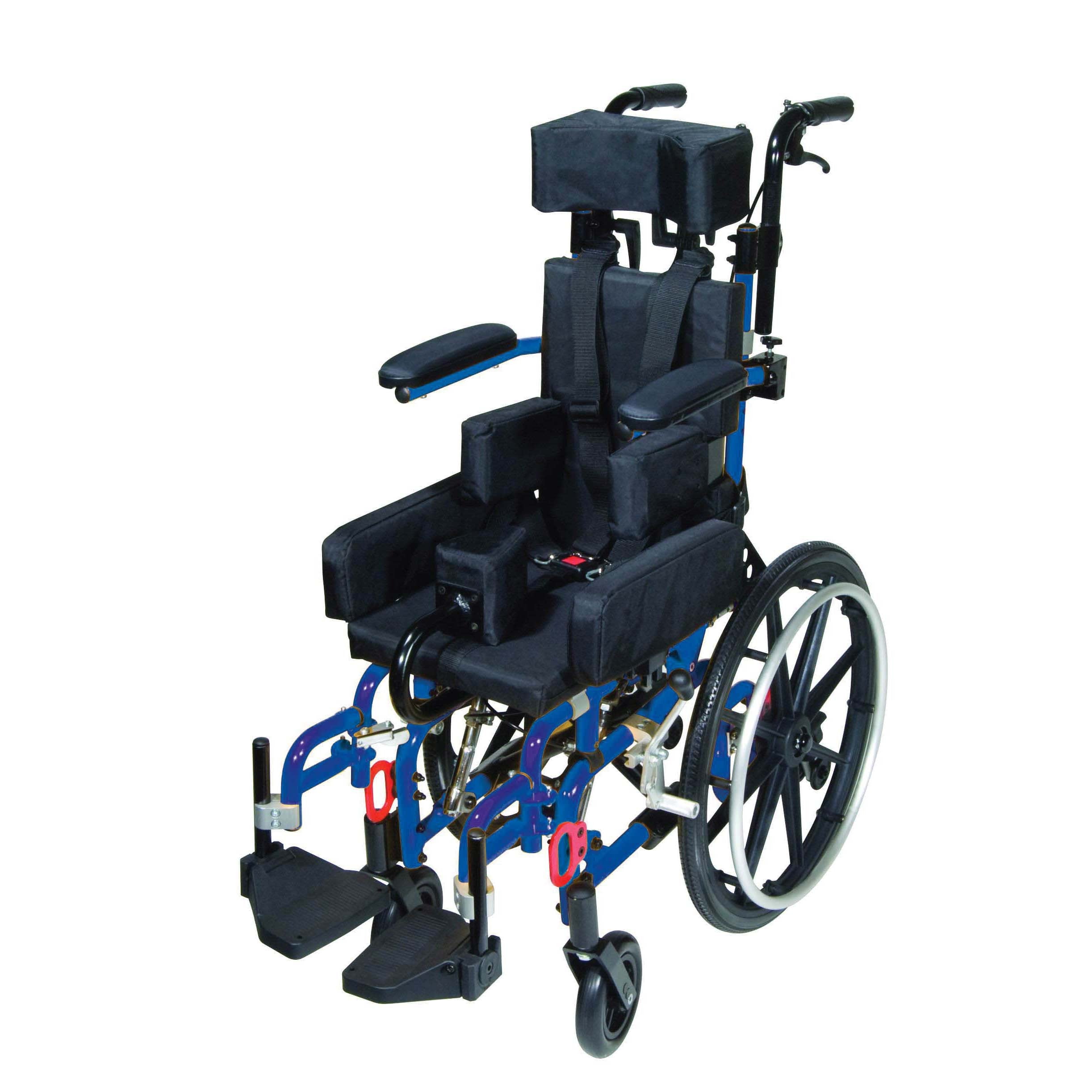
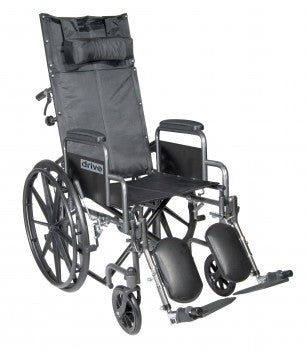
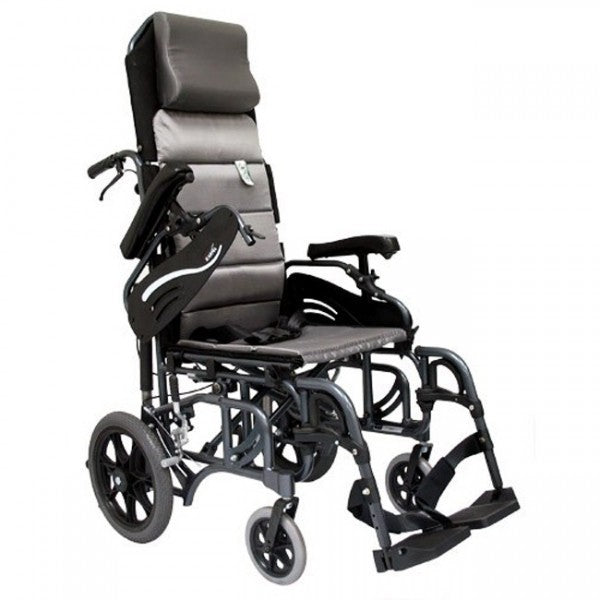
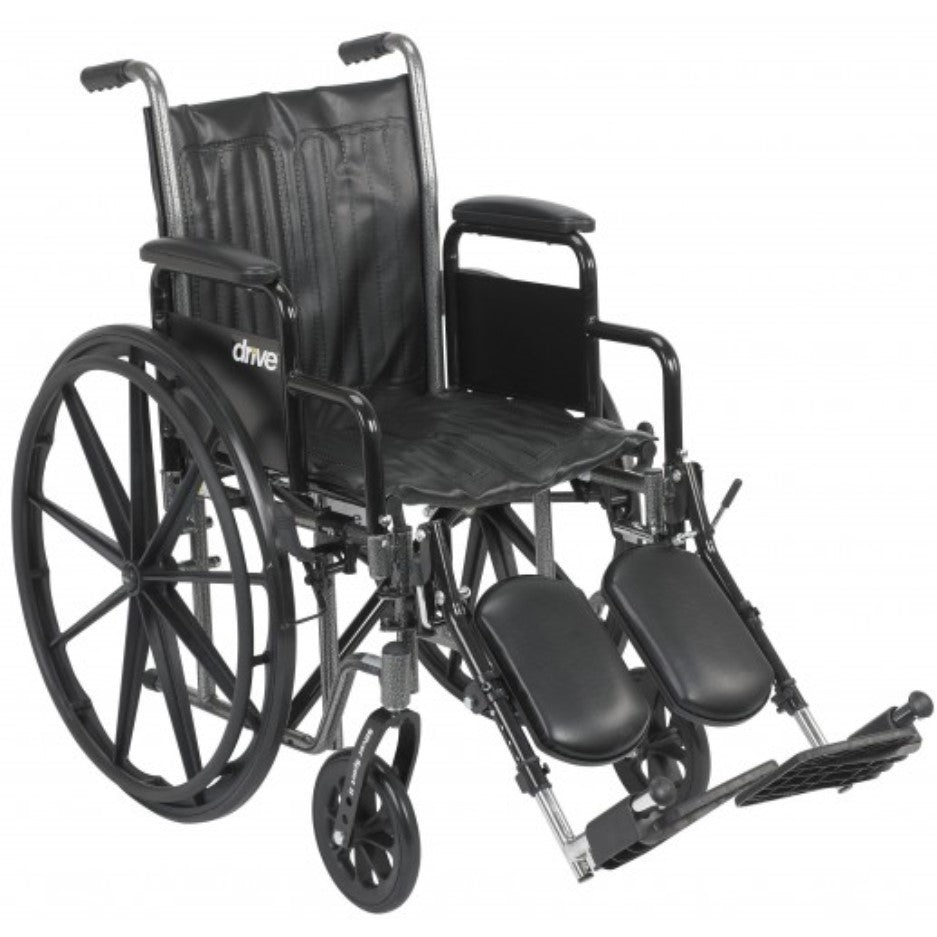
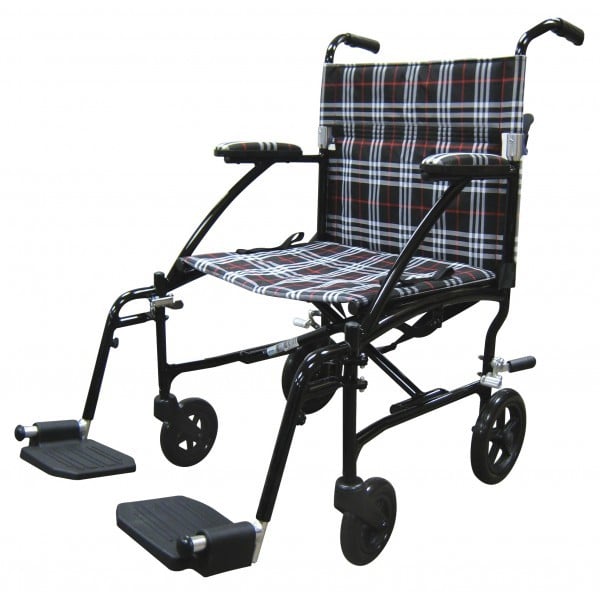
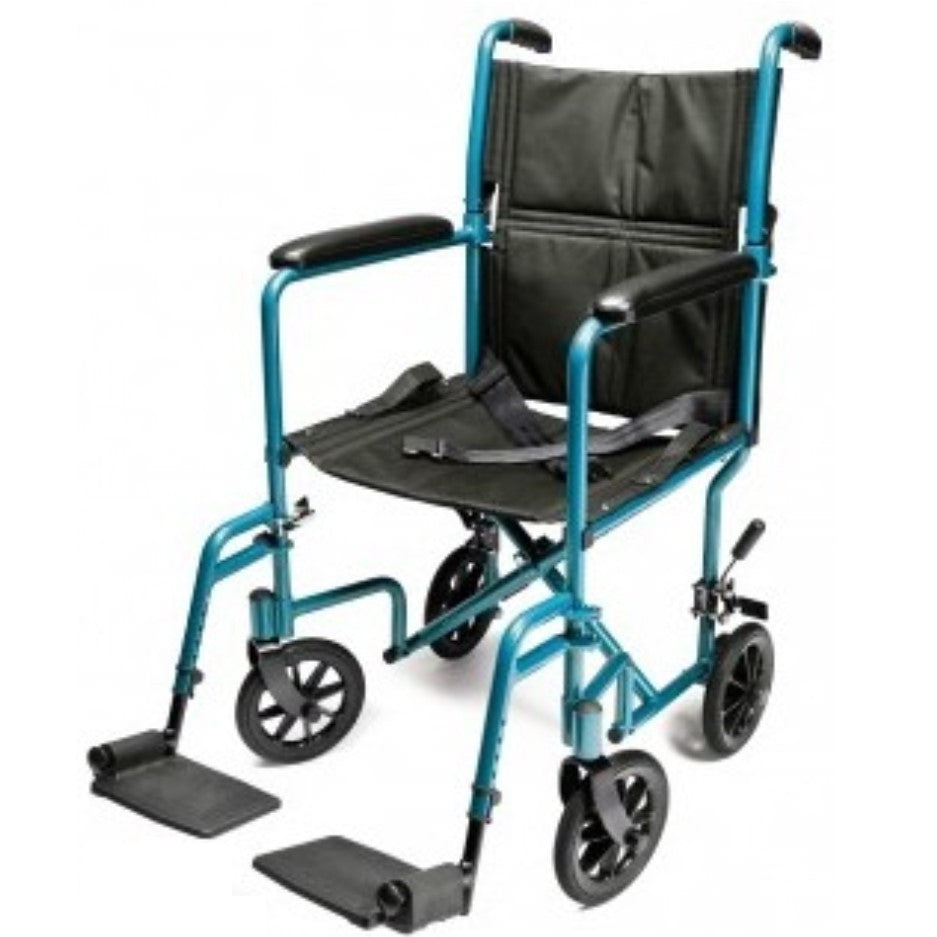
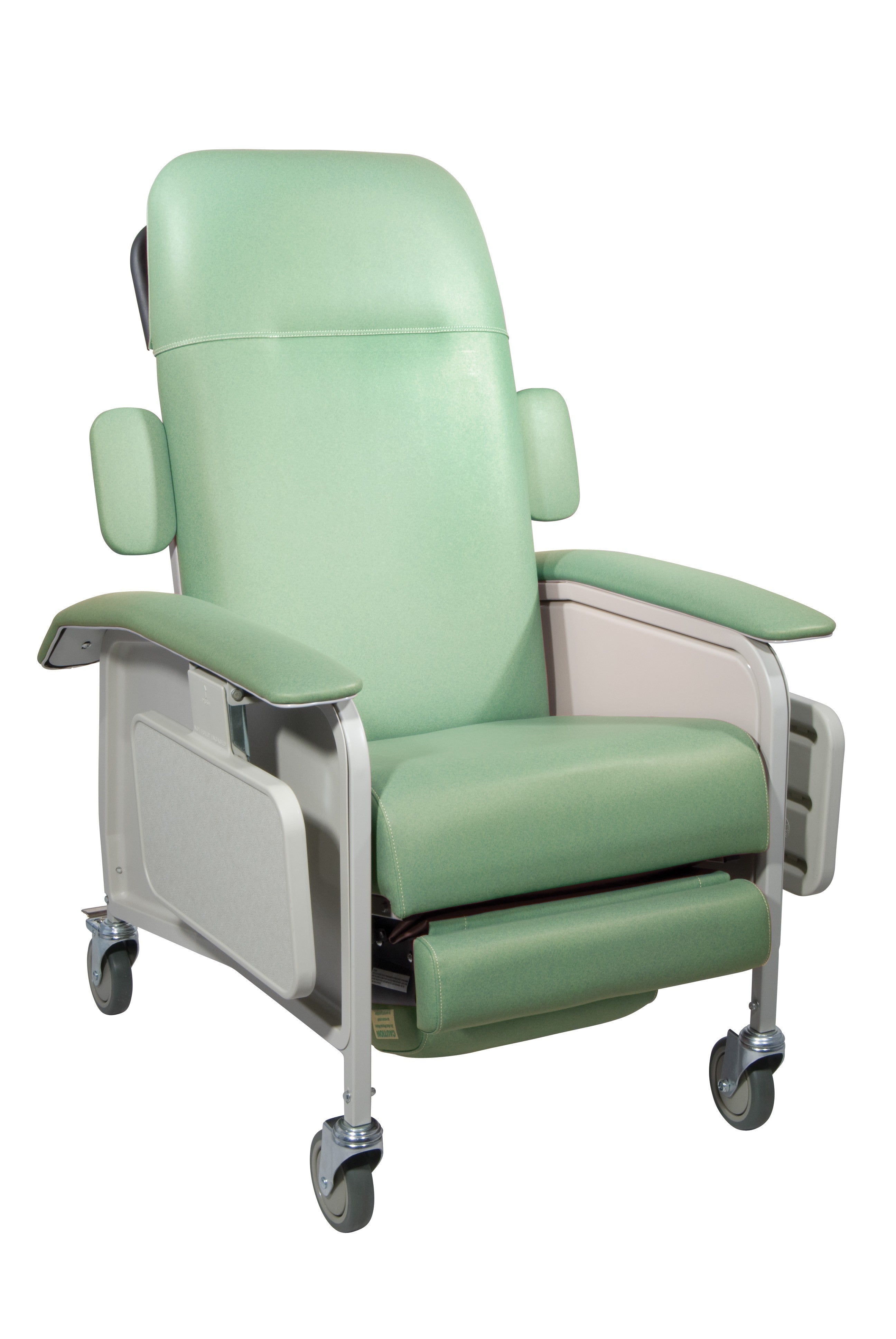
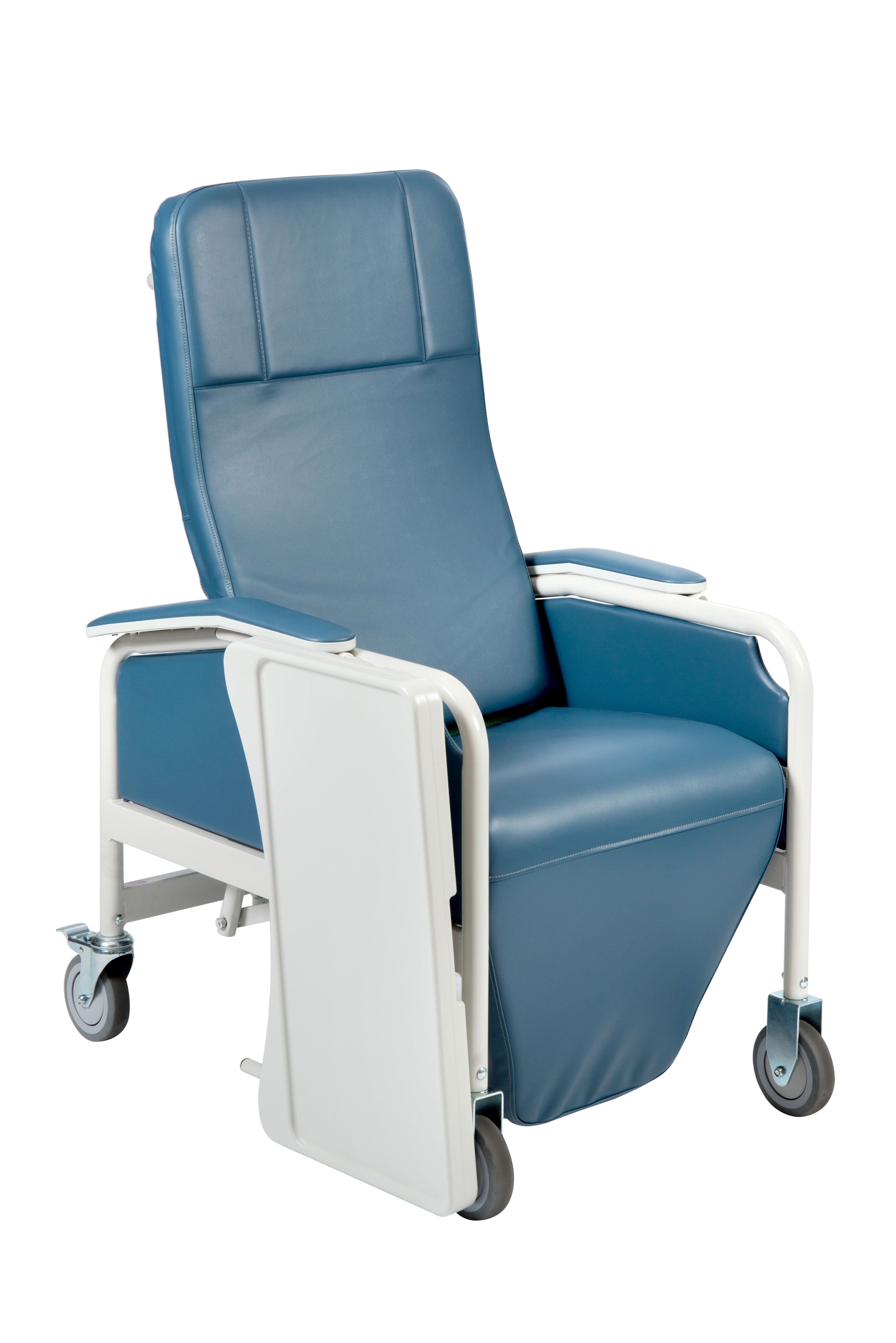
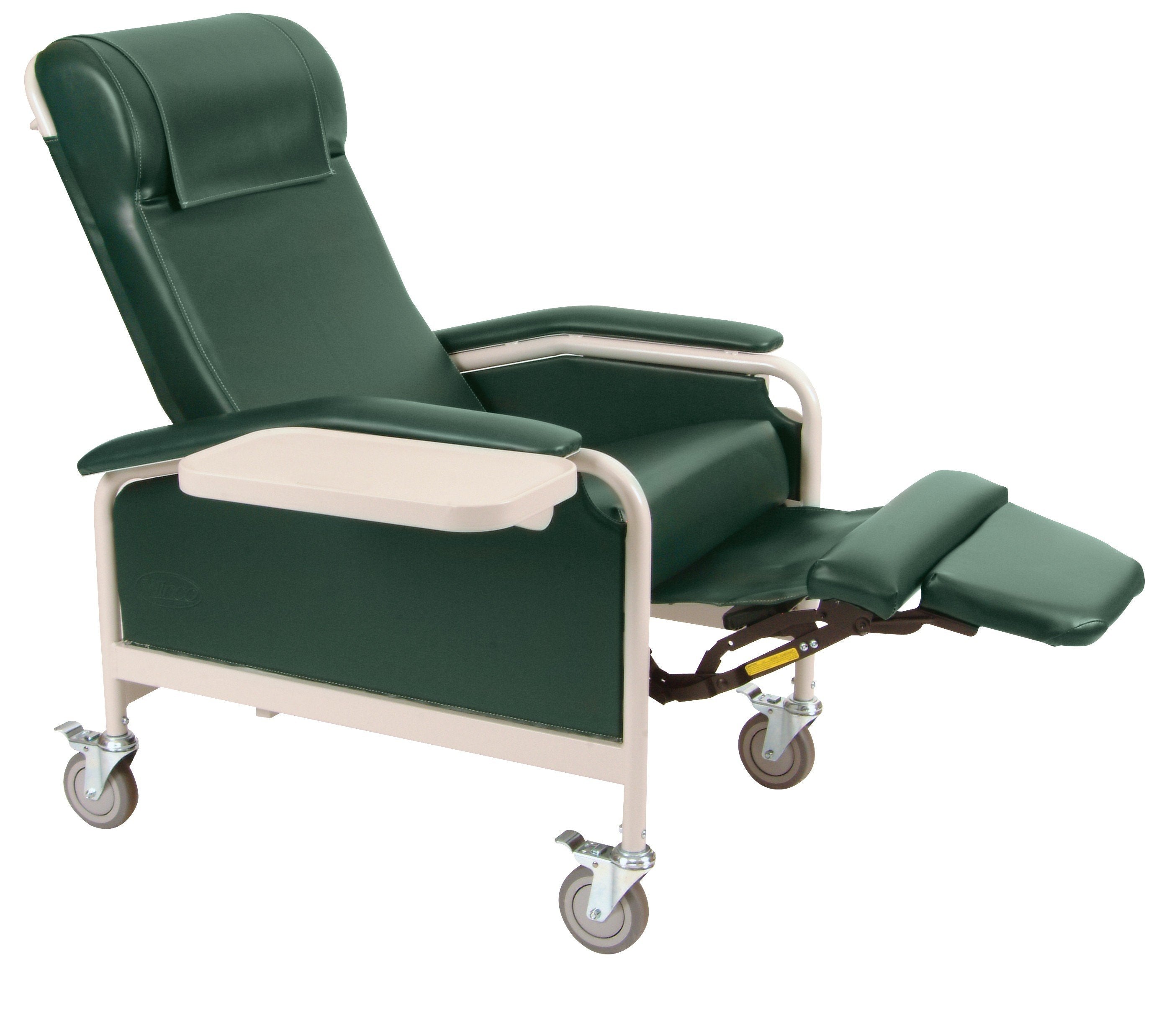


The Future Mobility Orion II is a manual tilt-in-space reclining wheelchair that delivers one of the widest tilt ranges available, spanning 3 to 48 degrees, paired with a 350 lb weight capacity and a durable steel frame backed by a lifetime warranty. It is a strong choice for users who need serious pressure relief and postural support without stepping up to a power chair. There are a few trade-offs worth knowing, but overall this is a well-built, highly configurable wheelchair that earns its reputation as Future Mobility's best seller.
What It Is
The Orion II is a manual tilt-in-space wheelchair manufactured by Future Mobility Healthcare Inc. in North America. "Tilt-in-space" means the entire seat and backrest tilt rearward together, maintaining the angle between the seat and back. This preserves the user's posture while redistributing pressure away from vulnerable areas like the ischial tuberosities (sit bones). The Orion II adds an optional recline function (6 to 36 degrees), so caregivers and users can combine tilt and recline for precise positioning tailored to clinical needs.
The chair weighs 65 lbs with its seating system installed. Its steel frame is built to handle a standard 350 lb weight capacity at no upcharge, and a bariatric variant (the Orion II 500) supports users up to 500 lbs. Seat widths range from 15 to 24 inches, seat depths from 15 to 24 inches, and the seat-to-floor height adjusts from an ultra-low 13.25 inches up to 20 inches. That low floor height is particularly useful for users who self-propel with their feet.
Who It's For
This wheelchair is designed for individuals who spend extended periods seated and face risks of pressure injury, chronic pain, or postural fatigue. That includes people with spinal cord injuries, muscular dystrophy, multiple sclerosis, cerebral palsy, and age-related conditions that limit trunk control. It also suits users recovering from surgery or managing chronic wounds where pressure redistribution is critical.
Family caregivers and home health aides will appreciate the attendant-propelled configuration options, while more independent users can opt for 22- or 24-inch rear wheels for self-propulsion. The ultra-low seat height makes it accessible for shorter individuals or pediatric-to-adult transitional users.
How It Performs
The standout feature is the tilt range. At 3 to 48 degrees, the Orion II covers every clinical threshold researchers have identified. Studies show that tilting past 25 degrees for one to two minutes every 30 minutes can reduce pressure injury occurrence by up to 42%. For optimal pressure relief, research suggests 45 degrees of posterior tilt is needed. The Orion II clears that mark with room to spare, while also covering the 15-to-25-degree range that supports fatigue management and general comfort throughout the day.
The gas cylinder and Posi-Lock system underneath the seat provide a smooth, controlled tilt that locks at infinite angles. This is not a ratchet system with fixed stops; you can fine-tune the exact position and lock it securely. In practice, this means a caregiver can make small adjustments without jolting the user or fumbling with release levers.
Back angle is adjustable between +7 and -21 degrees in 3.5-degree increments using adjustable back canes. This level of postural customization is typically found on chairs costing significantly more. Combined with the optional recline, clinicians and therapists can dial in a seating prescription that addresses individual spinal curvatures and support needs.
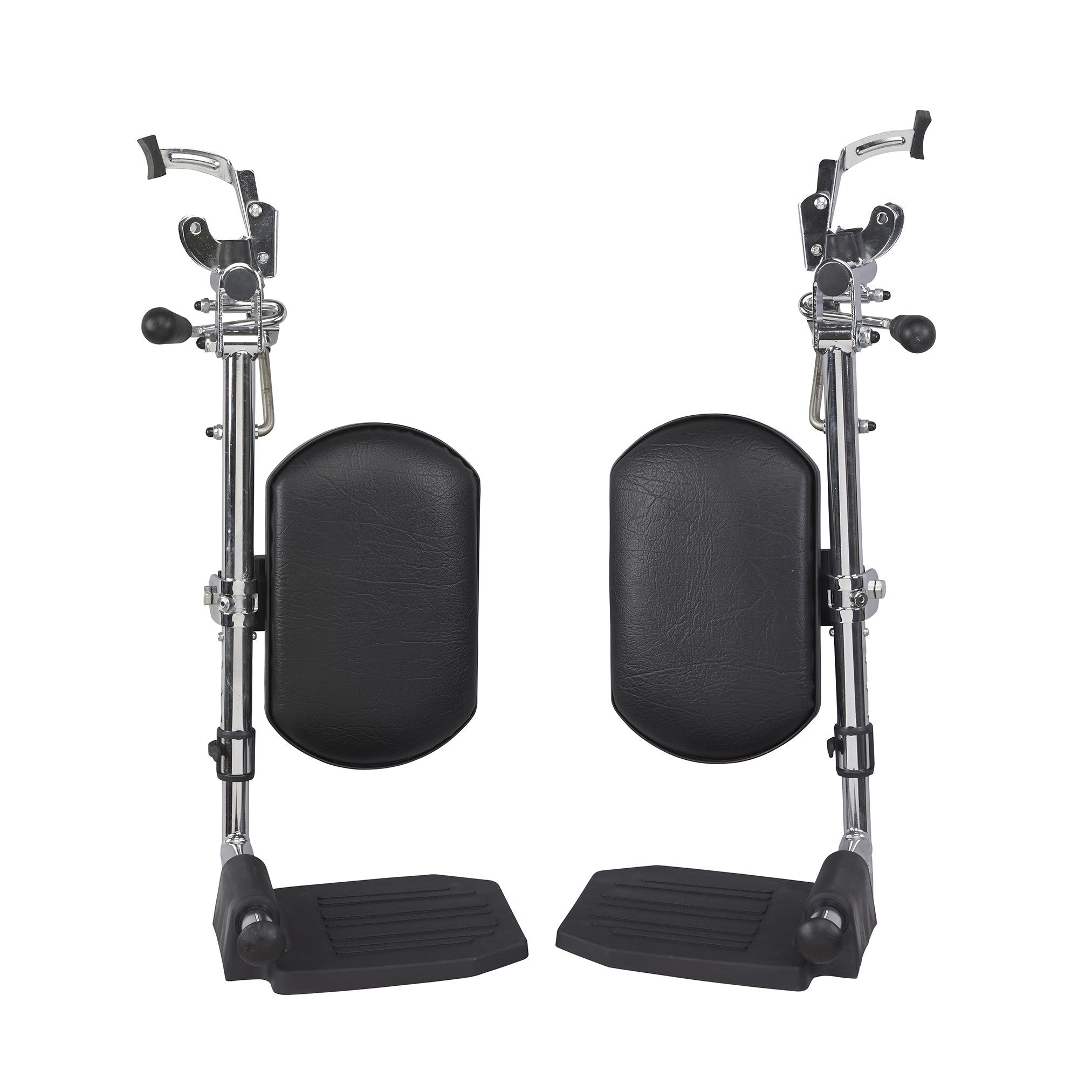
Standard features include a contoured padded headrest, gel-padded adjustable armrests, swing-away front riggings, adjustable rear anti-tippers, and heel loops. Caster sizes range from 4 to 8 inches, and rear wheels come in 12-, 20-, 22-, or 24-inch options. Eight color choices round out the customization. For users who cannot operate the tilt manually, a Power Tilt option is available, offering approximately 42 degrees of tilt with a 250 lb capacity.
North American manufacturing is a practical advantage here. Replacement parts are readily available, which matters when a wheelchair is a daily-use medical device. Downtime waiting for overseas parts can be a real problem with other brands.
Pros
- Industry-leading 3-to-48-degree tilt range covers all clinical pressure relief and comfort thresholds
- 350 lb standard weight capacity at no additional cost, with a 500 lb bariatric option available
- Lifetime frame warranty on a durable steel construction
- Ultra-low 13.25-inch seat-to-floor height accommodates foot-propelling users and shorter individuals
- Gas cylinder Posi-Lock system provides smooth, infinite-angle tilt locking
- Extensive size and component customization (seat width, depth, casters, rear wheels, colors)
- North American manufacturing ensures accessible replacement parts
- Optional Power Tilt and recline for users with limited upper body strength
Cons
- At 65 lbs, it is heavier than many folding manual wheelchairs, making transport and vehicle loading more challenging
- The steel frame, while durable, adds weight compared to aluminum alternatives in the tilt-in-space category
- Power Tilt option reduces the weight capacity to 250 lbs, which may exclude some users who need both power tilt and higher capacity
- The 1-year warranty on materials and workmanship (outside the frame) is shorter than what some competitors offer
- The wide range of configuration options can feel overwhelming without guidance from a seating specialist or product expert
Value and Support
We carry the Orion II with our Lowest Price Guarantee, and orders over $100 ship free. If you need help sorting through the configuration options, our US-based product specialists are available by phone six days a week. They can walk you through seat sizing, wheel selection, and accessory choices so you get the right fit the first time. We also offer 100% financing through third-party providers for those who need to spread the cost over time.
Given that an estimated $1.35 billion is spent annually on pressure sore care in the U.S., investing in a properly configured tilt-in-space wheelchair is not just a comfort decision; it is a preventive health measure that can reduce long-term medical costs significantly.
The Verdict
The Future Mobility Orion II is a clinically capable, highly customizable tilt-in-space wheelchair that punches above its weight class in terms of features and adjustability. Its 3-to-48-degree tilt range is hard to match, and the 350 lb standard capacity makes it accessible to a wide range of users without costly upgrades. The weight is a legitimate drawback for anyone who needs to load it into a vehicle frequently, and the Power Tilt capacity limitation is worth noting. But for users and caregivers focused on pressure management, postural support, and long-term durability, the Orion II delivers where it counts. It has earned its place as Future Mobility's flagship for good reason.


