









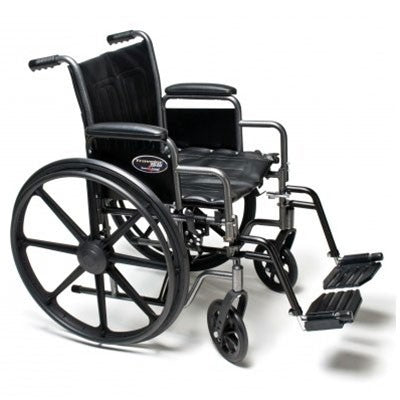
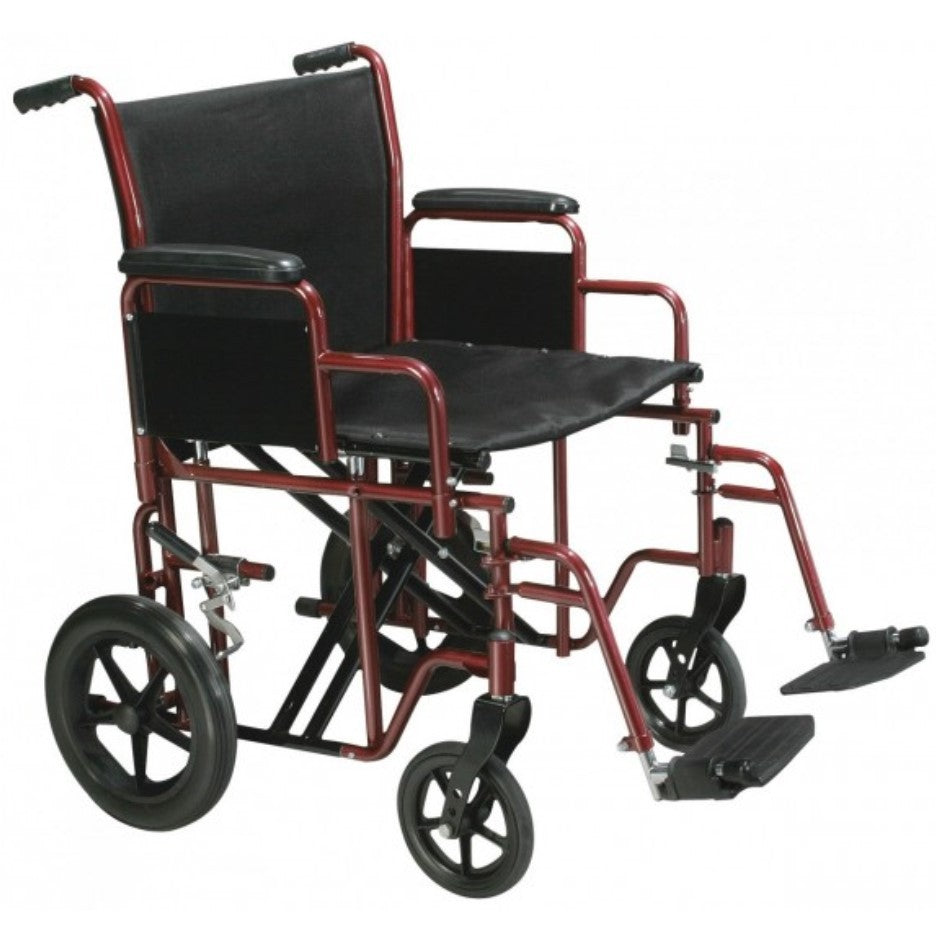
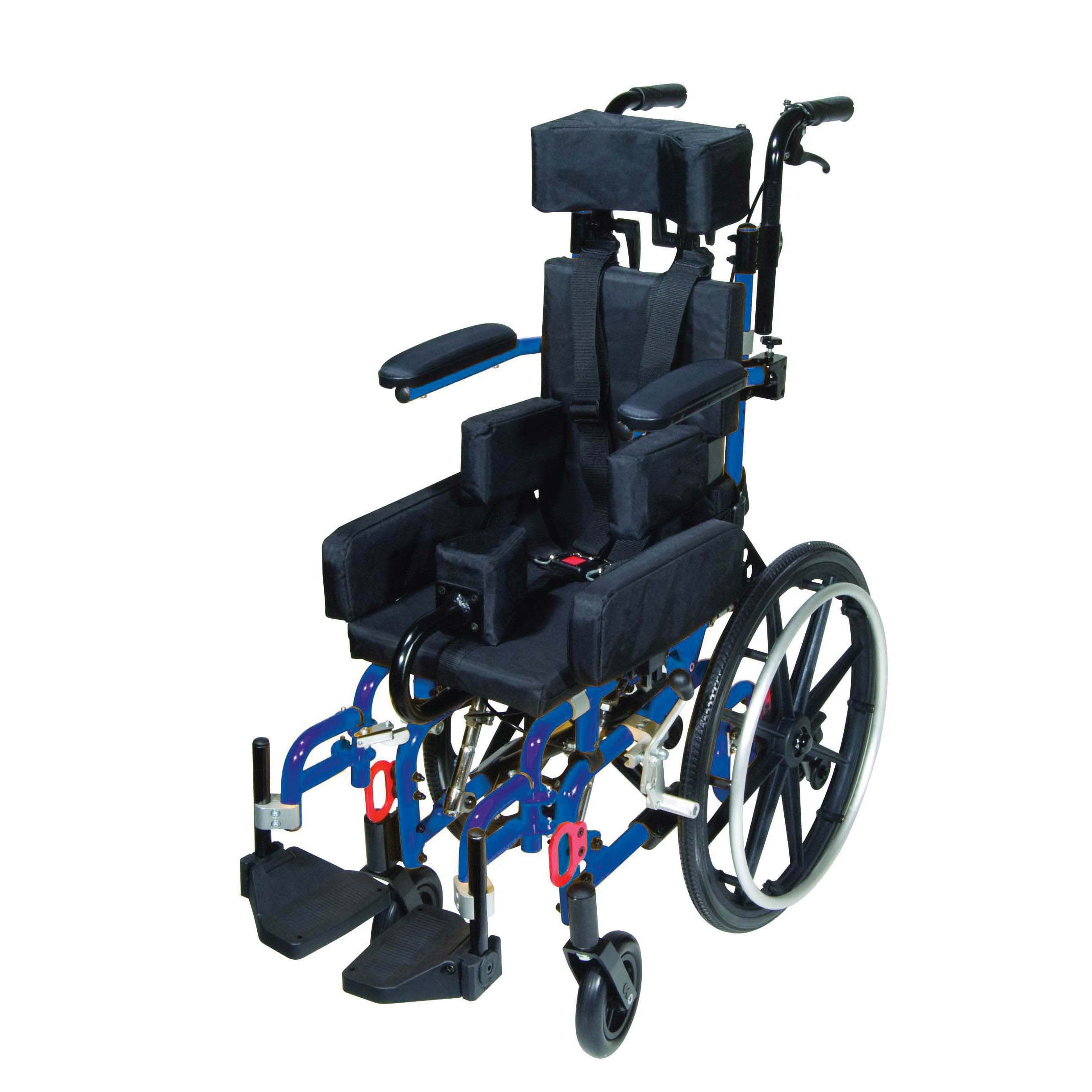
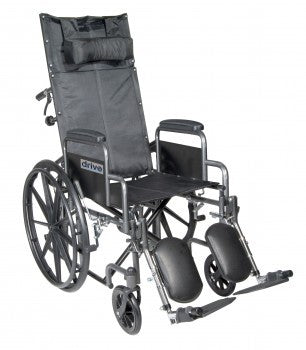
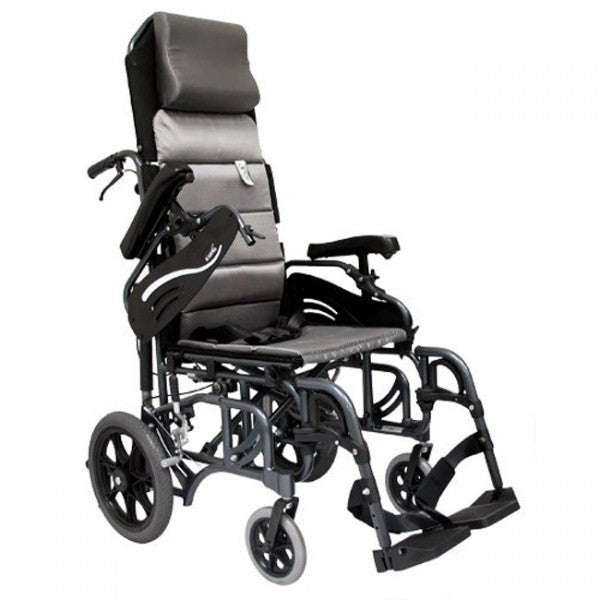
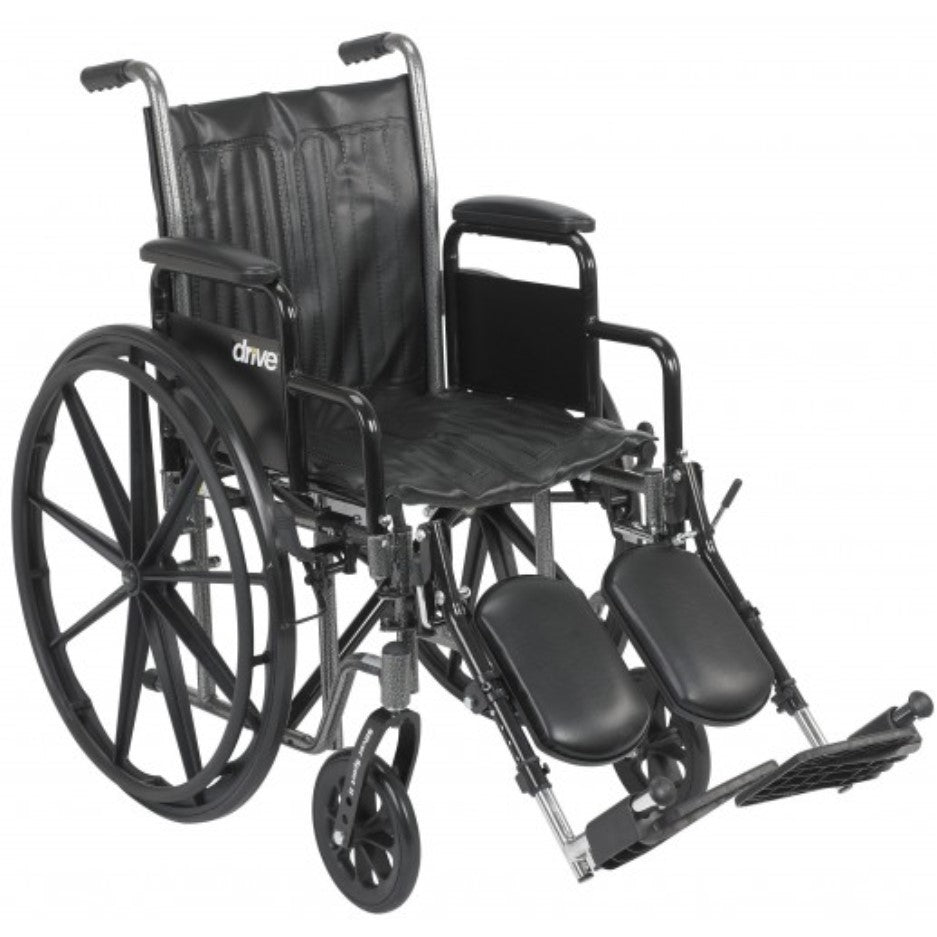
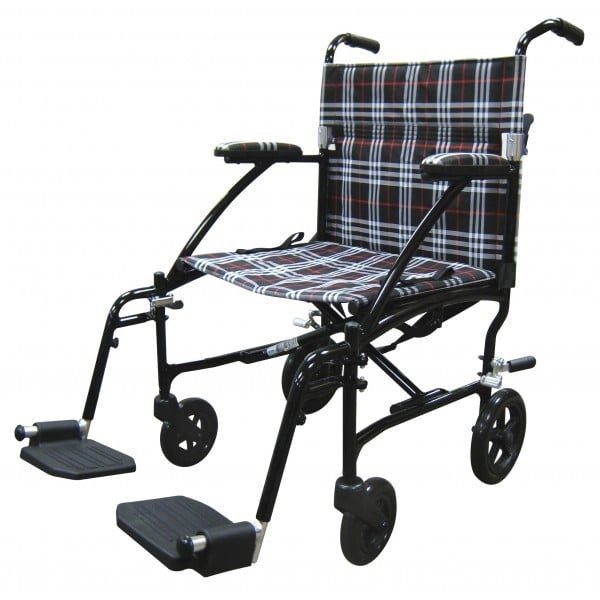
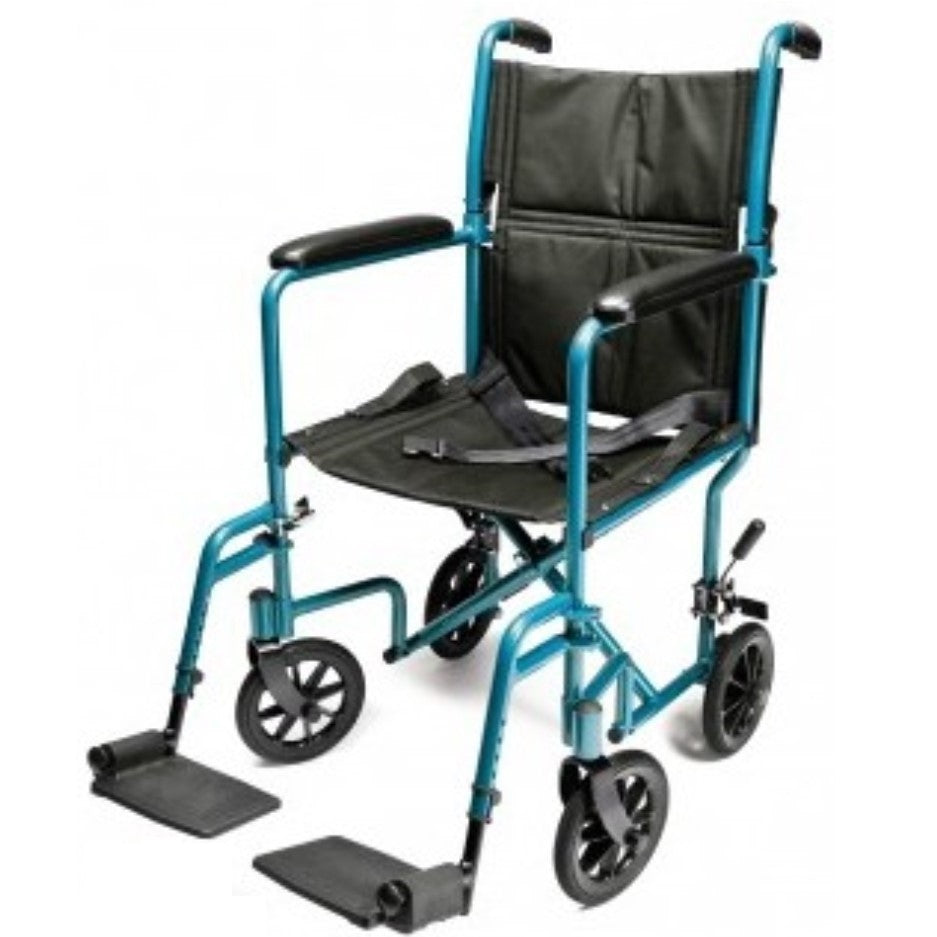










A transport wheelchair is meant to make outings, appointments, and transfers easier - but only when it can be packed away safely and without a struggle. Learning how to fold a transport wheelchair correctly protects the chair’s frame, prevents pinched fingers, and helps it fit more easily into a vehicle, closet, or storage area.
Most transport wheelchairs fold at the seat, bringing the sides of the frame together. However, details vary by model. Some chairs have removable footrests, fold-down back handles, or special release straps. Always use your owner’s manual as the final authority for your particular chair.
Before You Fold the Chair
Start on a level, dry surface with enough room around the wheelchair to move comfortably. Remove bags, blankets, cup holders, oxygen holders, and other accessories that could catch on the frame or add unnecessary weight. If someone has just been using the chair, make sure they have safely transferred to another seat or are standing securely with assistance.
Apply the wheel locks if your chair has them. This keeps the chair from rolling as you prepare it for folding. Keep hands clear of the cross-braces under the seat and the area where the frame comes together. Those are common pinch points, especially when a caregiver is folding a chair quickly between errands.
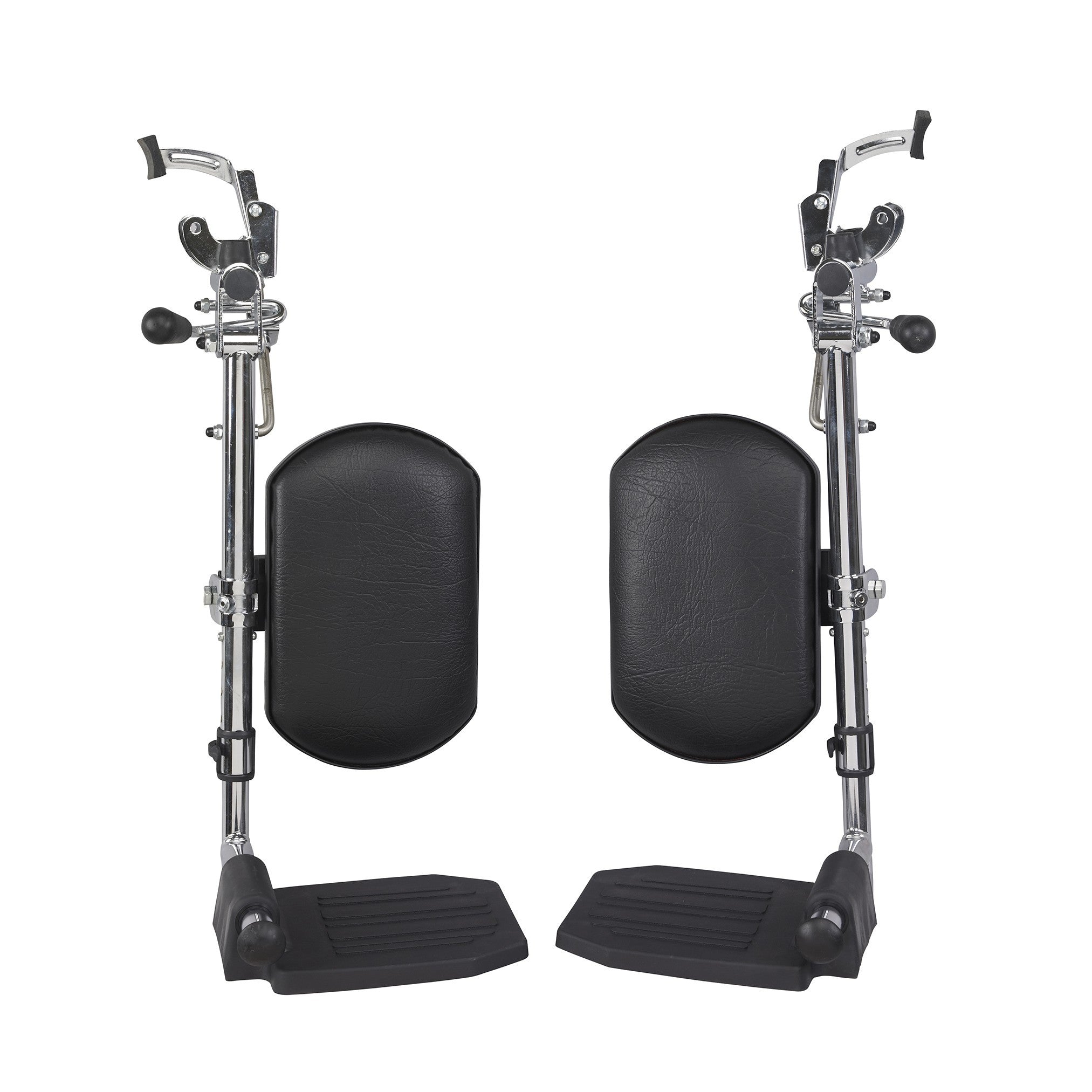
If the wheelchair has leg rests or footplates, flip the footplates up first. On many transport models, the leg rests can also swing outward or be removed entirely. This makes the folded chair more compact and prevents the footrests from bumping into the floor, car bumper, or door frame.
How to Fold a Transport Wheelchair in 6 Steps
The following process works for many standard folding transport wheelchairs. Move slowly the first few times, particularly if you are folding a new chair or one with a lightweight aluminum frame.
1. Park the wheelchair on level ground. Engage the wheel locks and position yourself beside the chair, rather than directly in front of it. This gives you room to lift the seat without leaning over the footrests.
2. Clear the seat and fold up the footplates. Remove cushions or personal items. Swing away or remove detachable leg rests if your model allows it. A seat cushion may stay in place on some chairs, but taking it off can make folding easier and reduce wear.
3. Locate the center of the seat upholstery. Many transport wheelchairs have a fabric seat with a lift strap in the middle. If there is no strap, grasp the center of the seat upholstery with both hands. Do not pull on the armrests, brake handles, or back handles to fold the chair.
4. Lift straight upward. Raise the center of the seat in one smooth motion. The two sides of the frame should move inward toward each other as the cross-braces close. Keep your fingers above the seat fabric and away from the folding mechanism underneath.
5. Fold the backrest if your model includes that feature. Some travel-friendly transport chairs have push buttons, release levers, or flexible back canes that allow the backrest to fold down. Use only the designated release points. Forcing the backrest can bend hardware or damage the locking mechanism.
6. Check that the chair is compact and secure. The wheels should be close together, the footrests should not be dragging, and no loose accessories should be hanging from the frame. Lift the chair using the manufacturer-designated frame areas or handles, not the armrests or upholstery.
For a lightweight chair, the whole process may take less than a minute once you are familiar with it. If the seat will not lift easily, stop rather than pulling harder. Something may be caught in the cross-brace, a brake may be interfering, or the chair may have a different folding design.
Folding Chairs With a Pull Strap
A pull strap is one of the simplest folding features on a transport wheelchair. It is usually centered on the seat and may be tucked between the seat cushions. Hold the strap firmly and pull upward until the frame draws together.
The strap should guide the folding motion, not carry the entire weight of the chair. If it feels unusually tight, inspect the seat area and frame before continuing. Dirt, a twisted seat panel, or an accessory mounted near the frame can make folding more difficult.
Folding Chairs With Removable Components
Some transport wheelchairs become much easier to store when you remove the leg rests, arm pads, or seat cushion first. Keep detachable components together in a labeled storage bag or the vehicle’s cargo area so they do not get left behind after an appointment.
For frequent travel, it may be worth practicing the same packing sequence each time: remove the leg rests, fold the chair, secure loose parts, then load the chair. A consistent routine reduces the chance of losing an important component when you are in a hurry.
Common Mistakes to Avoid
The most common mistake is forcing a wheelchair that does not want to fold. A transport chair should close with steady, moderate pressure. Resistance usually means something needs attention, not more force. Check for a seat cushion caught in the frame, a brake handle pressing against a wheel, or debris around the cross-braces.
Avoid carrying a folded wheelchair by a single armrest or by the footrests. These parts are not designed to support the chair’s full weight and can loosen over time. Instead, use the frame or built-in transport handles, following the instructions for your specific model.
It is also wise not to store a folded wheelchair in a damp garage, uncovered outdoor area, or vehicle for extended periods. Moisture can contribute to rust on metal hardware and may shorten the life of seat upholstery, tires, and wheel locks.
Transport Wheelchair Folding Can Vary by Design
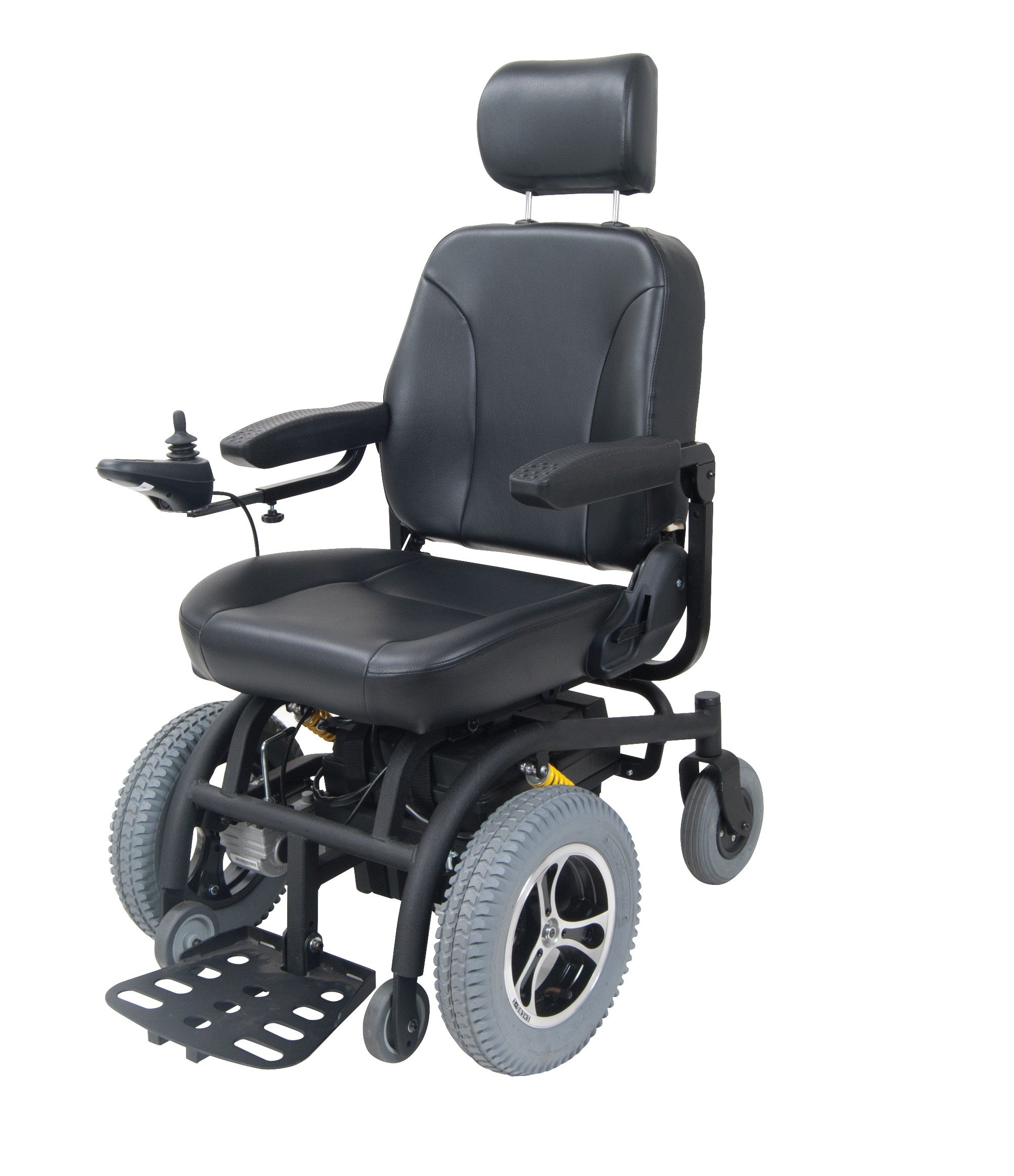
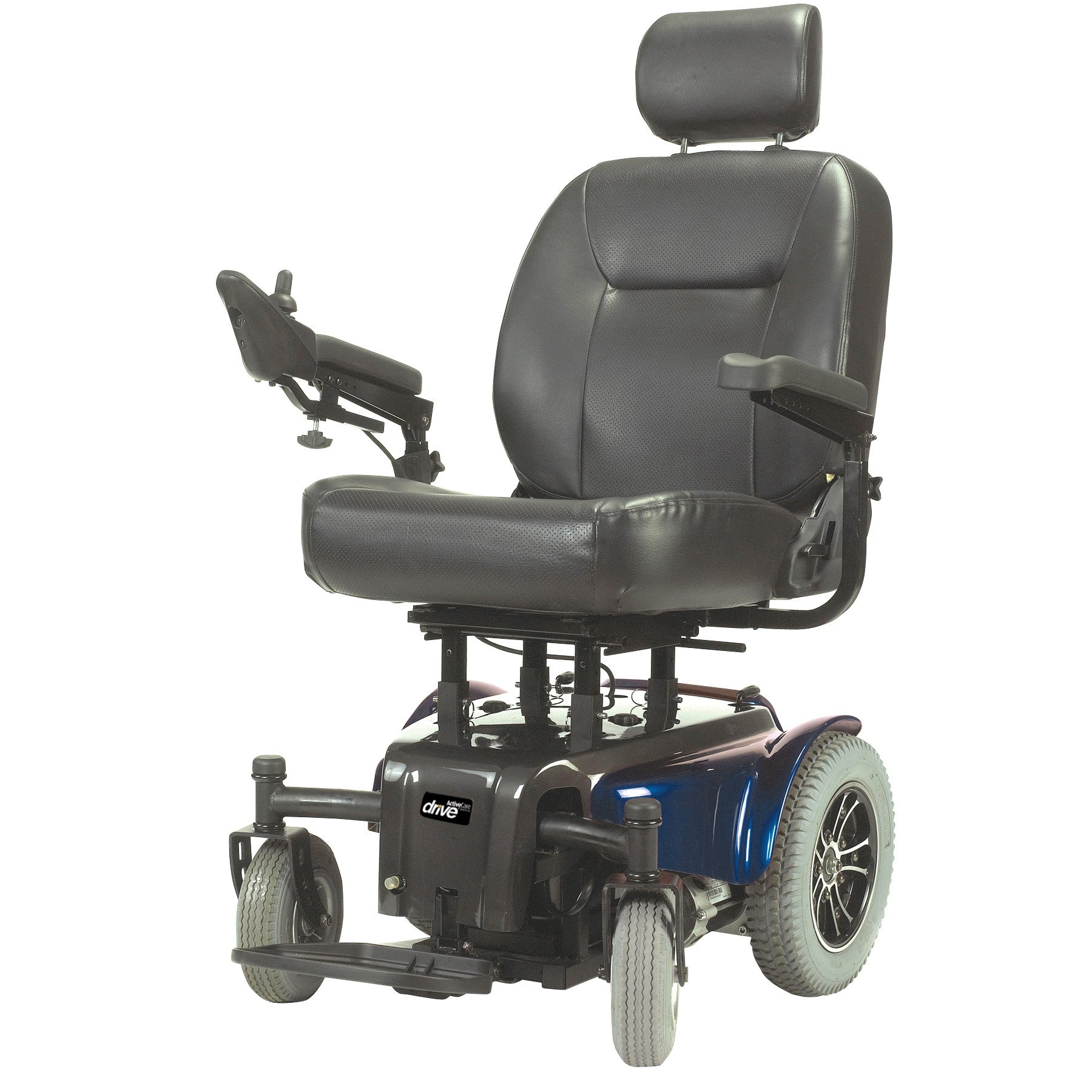
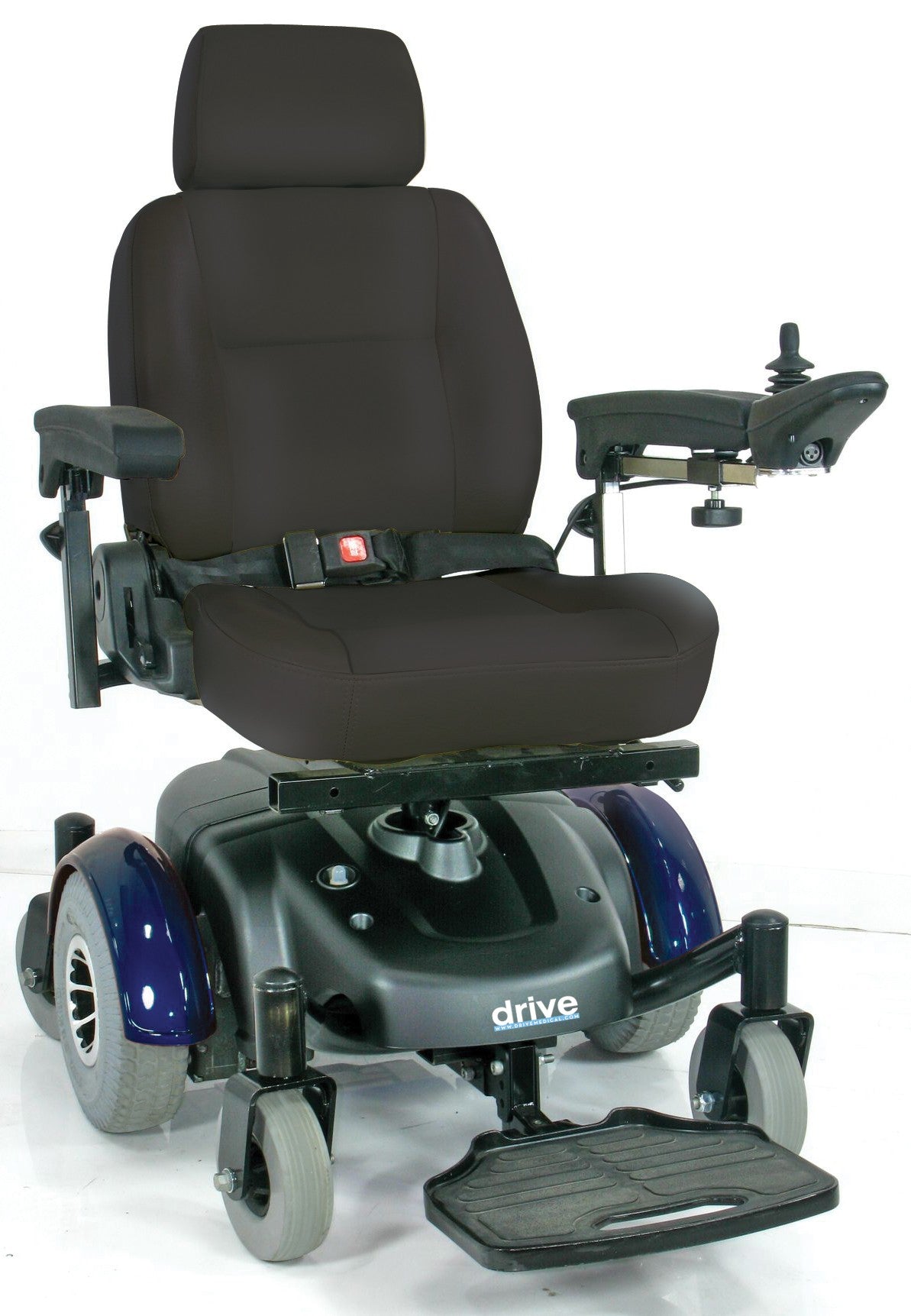
Not every chair folds in the same direction. Standard transport chairs generally fold inward at the seat. Compact travel models may also have a folding backrest, while rigid-frame chairs may not fold at all. Bariatric transport wheelchairs can be wider and heavier, requiring more room and a more deliberate lifting technique.
If you are shopping for a chair that will be loaded into a car often, look beyond the chair’s overall weight. Consider the folded width, whether leg rests are removable, the height of your vehicle’s cargo opening, and who will be lifting it. A chair that is light on paper may still be awkward for a caregiver if it has a bulky folded shape.
Loading and Storing a Folded Wheelchair
Before loading the chair, make sure the vehicle cargo space is clear and dry. Lift with your legs, hold the frame close to your body, and ask for help if the chair feels unstable or exceeds what you can safely handle. Never twist while lifting a wheelchair into a trunk or SUV.
Place the folded chair flat or upright according to the available space and the manufacturer’s guidance. Avoid stacking heavy items on the seat or wheel locks. For longer drives, prevent the chair from shifting by securing it with appropriate cargo restraints. A loose wheelchair can damage both the chair and the vehicle during a sudden stop.
At home, store the chair where it is easy to reach but not blocking a walkway or emergency exit. If it will sit unused for a while, wipe down the frame, check the tires and wheel locks, and keep removable leg rests nearby.
Frequently Asked Questions
Can I fold a transport wheelchair with the brakes on?
In most cases, yes. Engaging the wheel locks helps keep the chair steady while you lift the seat. If the brakes interfere with your model’s folding motion, consult the owner’s manual rather than forcing the frame closed.
Why will my transport wheelchair not fold?
Look for an obstruction first. A cushion, bag strap, footrest, or piece of debris may be blocking the cross-braces. If the chair still will not fold after clearing the area, inspect it for bent parts or contact a qualified mobility equipment specialist before using force.
A transport wheelchair should support independence, not create another difficult task for you or your caregiver. If you need help choosing a chair with the right folded size, weight capacity, and portability features, American Quality Health Products can help you compare options with confidence.


