

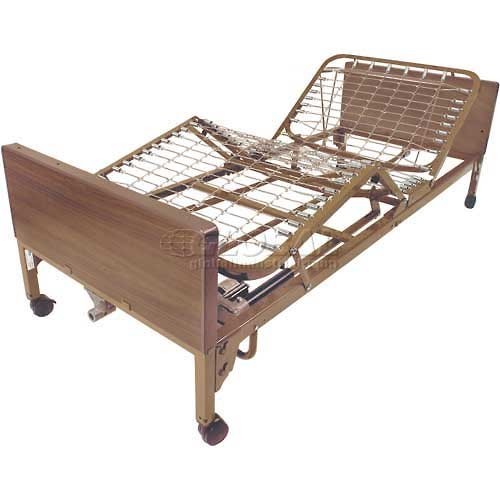
Best Bed for Someone Who Has Trouble Getting In and Out of Bed
Quick Answer: What Type of Bed Makes Getting In and Out Easier?
The best bed for someone who has trouble getting in and out of bed depends on which part of the movement is difficult.
If the person can sit at the edge of the bed but has difficulty standing, a Sit-to-Stand bed may deserve consideration.
If the person has difficulty turning in bed, bringing their legs over the side or positioning themselves to exit, a rotating or easy-exit bed approaches the problem differently.
If the primary problem is that the mattress is too high or too low for a comfortable transfer, a hi-low bed may provide the adjustable height needed.
And if the person transfers between the bed and a wheelchair, the appropriate solution may depend on transfer height, mobility and whether assistance is available.
The important point is that “difficulty getting out of bed” can describe several very different problems.
Identify the difficult movement first. Then choose the bed technology designed to address that problem.
American Quality Health Products offers home care beds from multiple manufacturers and across several different mobility and positioning technologies. Rather than beginning with a particular brand, we recommend starting with what the person can and cannot comfortably do.
First Identify Which Part of Getting Out of Bed Is Difficult
Getting out of bed isn't one movement.
A person typically needs to move from lying down toward sitting, turn or move toward the side of the bed, bring the legs into position, sit securely at the edge and then stand or transfer to another surface.
Difficulty can occur at any one of those stages.
Before comparing beds, ask:
- Can the person move from lying down to a seated position?
- Can they turn toward the side of the bed?
- Can they bring their legs over the edge?
- Can they sit securely at the edge of the mattress?
- Can they stand from that position?
- Do they transfer directly to a wheelchair?
- Does another person normally assist?
- Is the current bed too high or too low?
- Would changing the height of the bed make the transfer easier?
The answers help determine whether the person primarily needs positioning assistance, rotational assistance, standing assistance, adjustable height—or a combination of these functions.
AQHP Tip: Describe the Problem, Not the Bed
When talking with American Quality Health Products, you don't need to know which bed you want before you call.
Instead, describe what happens when the person tries to get into or out of their current bed.
For example:
- “They can sit up but have trouble standing.”
- “They can stand once seated, but getting their legs over the side is difficult.”
- “They transfer to a wheelchair, but the bed height isn't right.”
- “A caregiver has to physically help reposition them before every transfer.”
Those descriptions can be much more useful than simply asking for “the best hospital bed.”
Start with what the person has difficulty doing. Then compare the technologies that may help address that particular problem.
If Standing Is the Problem: Consider a Sit-to-Stand Bed
Some people can move from lying down toward a seated position but have significant difficulty completing the next step: rising from the bed to a standing position.
A conventional adjustable bed can raise the head and upper body. A hi-low bed can also change the height of the entire sleeping surface.
But neither function is the same as a bed specifically designed to assist with the transition toward standing.
That's where Sit-to-Stand bed technology is different.
What Does a Sit-to-Stand Bed Do?
A Sit-to-Stand bed changes the configuration of the sleeping surface to help move the user from a lying position toward a seated, chair-like position and then toward standing.
Instead of requiring the person to perform the entire sequence from a conventional flat or articulated mattress, the bed itself helps change the person's orientation.
This can make Sit-to-Stand technology worth investigating when standing from the bedside is the primary problem you're trying to address.
It is important, however, not to assume that everyone who has difficulty getting out of bed needs this technology.
The person's mobility, ability to bear weight, balance, strength and assistance requirements should all be considered when determining whether a Sit-to-Stand design is appropriate.
Independence Sit-to-Stand Adjustable Bed
The Independence Sit-to-Stand Adjustable Bed is designed specifically around bed entry, exit and the transition toward standing.
During normal use, it functions as an adjustable sleeping surface.
When the user wants to exit, the bed can transition toward a chair-like orientation, changing the user's position before the standing portion of the movement.
That makes it fundamentally different from simply raising the head section of a conventional adjustable bed.
For someone whose biggest challenge occurs after sitting up but before successfully standing, this type of design may deserve serious consideration.
When Sit-to-Stand May Be Worth Considering
Sit-to-Stand technology may be worth investigating when:
- The person can participate in the transfer but has difficulty rising from a conventional bed.
- Getting from sitting toward standing is a recurring problem.
- A conventional adjustable bed doesn't adequately address the person's exit difficulty.
- Maintaining as much independence as practical with bed entry and exit is important.
- A caregiver currently provides substantial assistance during the transition from sitting toward standing.
The objective isn't to eliminate appropriate assistance or replace professional recommendations. It is to determine whether changing the way the bed positions the person could make the existing transfer process more manageable.
When Sit-to-Stand May Be More Technology Than You Need
A specialized Sit-to-Stand bed can cost considerably more than a conventional full-electric or hi-low bed.
If the person stands comfortably once seated at the edge of the mattress and the real problem is simply that the current bed is too high or too low, a powered hi-low bed may be the more appropriate technology to investigate.
Likewise, if the primary difficulty is turning and bringing the legs over the side of the bed, a rotating/easy-exit design may address that problem more directly.
Choose the technology based on where the person's movement becomes difficult—not on which bed has the most impressive feature list.
Questions to Ask Before Choosing a Sit-to-Stand Bed
Consider:
- Can the person sit securely when appropriately positioned?
- Where in the exit process do they currently need assistance?
- Can the person participate in standing or transferring?
- Will another person normally be present?
- Does the person use a walker, wheelchair or other mobility equipment?
- Is the bed also expected to provide everyday adjustable positioning and comfort?
- What mattress size and sleeping width are required?
- Will the bed fit comfortably in the bedroom?
- How will the bed be delivered and set up?
Answering these questions can help determine whether Sit-to-Stand technology deserves further consideration or whether another type of home care bed may be more appropriate.
Talk With AQHP Before You Choose
A Sit-to-Stand bed is a substantial purchase, and this is a category where we particularly encourage customers to talk with American Quality Health Products before ordering.
Describe exactly what happens when the person tries to get out of the current bed and where assistance becomes necessary.
AQHP can help you compare the Sit-to-Stand approach with hi-low, rotating/easy-exit and conventional full-electric alternatives so you can better understand the differences before making your decision.
If Turning and Moving the Legs Is the Problem: Consider a Rotating Bed
Not everyone who has trouble getting out of bed has difficulty standing.
For some people, the hardest part happens before they ever reach a standing position.
They may have difficulty turning toward the side of the bed, moving their legs over the edge or getting themselves into a stable seated position before attempting to stand or transfer.
In that situation, a rotating or easy-exit bed may deserve consideration.
How Is a Rotating Bed Different?
A rotating bed approaches bed exit differently from a conventional adjustable or Sit-to-Stand bed.
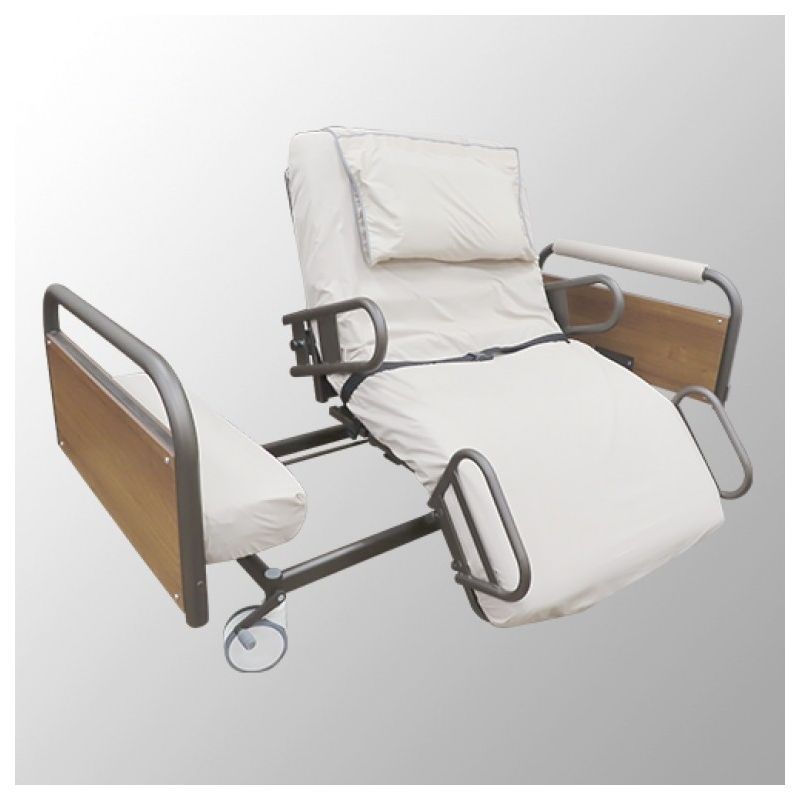
Rather than relying on the person to turn their body and move their legs toward the edge of a stationary mattress, the bed's sleeping surface can rotate toward the side.
The objective is to help reposition the person toward an orientation that can make bed entry or exit more manageable.
This distinction matters.
A Sit-to-Stand bed primarily addresses the transition toward standing.
A rotating/easy-exit bed primarily addresses positioning the person toward the side of the bed for entry or exit.
Depending on the person's mobility, either approach—or neither—may be appropriate.
Powered Rotor Assist Bed
The Powered Rotor Assist Bed is designed to help change the user's orientation during the bed-entry and exit process.
The sleeping surface can transition from a conventional bed position toward the side, helping bring the user into a position from which they may be better prepared to stand or transfer with appropriate assistance.
During normal use, the bed also provides powered adjustability for sleeping and positioning.
For someone who can potentially stand or transfer once properly positioned but has substantial difficulty turning, moving the legs and reaching the bedside position, this approach may deserve consideration.
When a Rotating Bed May Be Worth Considering
Rotating/easy-exit technology may be worth investigating when:
- The person has difficulty turning toward the edge of the bed.
- Moving the legs over the side is a significant challenge.
- A caregiver currently provides substantial assistance repositioning the person before a transfer.
- The person can potentially stand or transfer once properly positioned.
- Bed entry is also difficult because of the movements required to get onto and into a conventional bed.
- Reducing the amount of repositioning required before the transfer is an important goal.
The important issue is where the difficulty occurs.
If the person can already turn, bring their legs over the edge and sit comfortably but cannot rise from that position, Sit-to-Stand technology may address the problem more directly.
Rotating Bed vs. Sit-to-Stand Bed
The easiest way to understand the difference is to ask:
Where does the person get stuck?
If the answer is:
“Getting turned and positioned at the side of the bed”
→ Investigate rotating/easy-exit technology.
If the answer is:
“Getting from sitting toward standing”
→ Investigate Sit-to-Stand technology.
If the answer is:
“The bed is simply at the wrong height for the transfer”
→ A hi-low bed may be sufficient.
And if several of these movements are difficult, the decision requires a closer look at the person's complete transfer process.
Don't Assume Specialized Technology Eliminates the Need for Assistance
A rotating bed can change how a person is positioned, but that doesn't mean every user will be able to enter or exit independently.
Some people may still require assistance, mobility equipment or a transfer method recommended by their care team.
The purpose of comparing specialized bed technology is to determine whether the bed's movement addresses a meaningful part of the person's difficulty.
The bed should support the transfer strategy appropriate for the person—not substitute for one.
Questions to Ask Before Choosing a Rotating Bed
Consider:
- Can the person turn toward the side of the current bed?
- Can they move their legs over the edge independently?
- Can they sit securely once positioned?
- Can they stand once seated at the bedside?
- Do they transfer to a wheelchair?
- Does a caregiver normally assist?
- What mobility equipment is used during transfers?
- Is sufficient space available beside the bed for the rotating movement and transfer?
- Will the bed fit the room and delivery route?
The answers help determine whether rotating technology addresses the actual problem or whether another type of bed may make more sense.
Talk With AQHP About the Actual Transfer
When discussing a rotating bed with American Quality Health Products, describe the person's current bed-entry and exit process step by step.
Tell us what the person can do independently, where they begin having difficulty and what the caregiver currently does to assist.
That information can help us compare rotating/easy-exit technology with Sit-to-Stand, hi-low and conventional full-electric alternatives.
The goal is not simply to make the bed move more. The goal is to determine whether the bed moves in a way that addresses the person's actual difficulty.
If Bed Height Is the Problem: Consider a Hi-Low Bed
Sometimes the difficulty getting into or out of bed isn't primarily about standing, turning or moving the legs.
The problem may simply be that the sleeping surface is at the wrong height for the person or transfer.
A bed that is too high can make it difficult for a shorter person to position their feet securely before standing. A bed that is too low may make rising more difficult for someone who can otherwise stand and transfer.
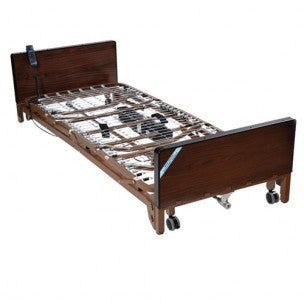
A hi-low bed addresses this problem by allowing the entire sleeping platform to be raised or lowered electrically.
How Is a Hi-Low Bed Different From an Adjustable Bed?
A conventional adjustable bed typically raises and lowers the head and foot sections.
That can make sleeping, resting and moving toward a seated position easier, but the overall height of the sleeping surface may remain relatively fixed.
A hi-low bed adds powered vertical adjustment of the entire bed.
That means the bed can be positioned at one height for getting into or out of bed and another height for sleeping, positioning or caregiver assistance.
For some users, adjustable height—not specialized exit technology—is the feature that actually solves the problem.
Transfer Height Matters
There isn't one ideal transfer height for everyone.
The appropriate height depends on factors such as:
- The person's height
- Leg length
- Ability to stand
- Strength and balance
- Wheelchair or chair height
- Transfer method
- Whether assistance is provided
- Mattress thickness
This is why looking only at a bed's minimum height can be misleading.
The goal isn't necessarily to find the bed that goes lowest.
The goal is to find a bed with a useful height range for the person's actual transfers and caregiving needs.
Hi-Low Beds and Wheelchair Transfers
For someone who transfers between a bed and wheelchair, the ability to change the bed height may be particularly useful.
Depending on the person's transfer method, being able to position the mattress surface relative to the wheelchair seat can be an important consideration.
But wheelchair transfers vary considerably.
Some people transfer independently. Others use transfer equipment or receive hands-on assistance.
For that reason, choose the bed based on the person's established transfer needs rather than assuming that a particular bed height works for everyone.
Hi-Low Beds Can Also Help the Caregiver
Adjustable height isn't only about getting into and out of bed.
After a transfer, the bed can be raised to a more practical working height when a caregiver assists with positioning, dressing, bedding changes or other bedside activities.
The bed can then be returned to the height appropriate for the user.
This combination of user transfer height + caregiver working height is one of the reasons hi-low beds can be particularly useful for long-term home care.
Residential-Style Hi-Low Options
Needing powered height adjustment doesn't necessarily mean choosing a traditional-looking hospital bed.
American Quality Health Products offers residential-style hi-low beds from several manufacturers, including options such as:
- Flexabed Hi-Low SL
- Transfer Master Supernal Hi-Low
- Transfer Master Valiant
- Golden Passport Hi-Low
These beds approach height adjustment, positioning, appearance and comfort differently.
For someone who expects to use the bed for years in a primary bedroom, those differences may matter as much as the basic fact that the bed raises and lowers.
When a Hi-Low Bed May Be Enough
A hi-low bed may deserve consideration instead of more specialized mobility-assistance technology when:
- The person can turn and bring their legs over the side independently.
- The person can stand when the mattress is positioned at an appropriate height.
- The primary problem with the current bed is that it is too high or too low.
- A caregiver would also benefit from adjustable working height.
- The person doesn't require the rotational movement of an easy-exit bed.
- The person doesn't require the standing-assistance sequence of a Sit-to-Stand bed.
In those circumstances, a good hi-low bed may provide the functionality needed without paying for specialized technology the person won't use.
Questions to Ask About Height
Before choosing a hi-low bed, determine:
- What is the bed's minimum deck height?
- What is the maximum deck height?
- How thick will the mattress be?
- What will the actual top-of-mattress height be?
- At what height does the person currently transfer most comfortably?
- What is the height of the wheelchair or other transfer surface?
- Does a caregiver need the bed to rise substantially higher for bedside care?
Remember:
The published bed height and the person's actual sleeping or transfer height may not be the same measurement once the mattress is added.
Ask AQHP to Compare the Height Ranges
If you're uncertain whether adjustable height is enough to address the person's difficulty, American Quality Health Products can help you compare hi-low beds with Sit-to-Stand, rotating/easy-exit and conventional full-electric alternatives.
Have information about the person's current bed height, mattress thickness, transfer method and wheelchair height available if possible.
Those details can make the comparison much more useful.
Don't pay for a more complicated bed until you've determined whether the real problem is simply bed height.
If Wheelchair Transfers Are the Problem
For someone who regularly transfers between a wheelchair and bed, choosing the right home care bed requires more than simply finding the lowest possible mattress height.
The important question is how the person actually transfers.
Some people transfer independently between surfaces. Others use a transfer board, lift or other equipment. Some can stand briefly during the transfer, while others require caregiver assistance.
Those differences can affect which bed features are most useful.
Start With the Current Transfer Method
Before comparing beds, look at what happens during the person's current transfer.
Ask:
- Can the person transfer independently?
- Can they stand during any part of the transfer?
- Do they use a transfer board or other transfer equipment?
- Does a caregiver provide physical assistance?
- Does the person have difficulty getting properly positioned at the edge of the bed?
- Is the current mattress substantially higher or lower than the wheelchair seat?
- Would adjustable bed height improve the existing transfer setup?
- Does the person have difficulty moving their legs onto or off the bed?
The answers help identify whether the primary issue is height, positioning, standing, rotation or another part of the transfer process.
When Adjustable Height May Be the Key Feature
If the person can perform the transfer once the two surfaces are appropriately positioned, a hi-low bed may deserve particular consideration.
Powered height adjustment allows the bed's sleeping surface to be changed relative to the wheelchair or other transfer surface.
The relevant measurement isn't simply the manufacturer's minimum bed height.
Consider the height of the top of the mattress compared with the wheelchair seat or other transfer surface.
Mattress thickness therefore matters when comparing beds.
When Getting Positioned at the Edge Is the Problem
Some wheelchair users can complete a transfer once seated securely at the edge of the bed but have difficulty getting into that position.
They may struggle with turning, moving their legs or repositioning themselves across the mattress.
In that situation, a rotating/easy-exit bed may be worth investigating because it approaches the positioning portion of the transfer differently.
The question is whether rotational movement addresses the particular difficulty the person experiences before the actual wheelchair transfer begins.
When Standing Is Part of the Transfer
Some people use a transfer method that involves standing or partially standing before moving between the wheelchair and bed.
If the difficult portion occurs when rising from the bedside, Sit-to-Stand technology may deserve consideration.
Again, this doesn't mean every wheelchair user who can stand needs a Sit-to-Stand bed.
If adjusting the mattress height adequately addresses the problem, a hi-low bed may be sufficient.
Don't Forget Space Beside the Bed
The bedroom must accommodate more than the bed itself.
For wheelchair transfers, consider space for:
- The wheelchair
- Caregiver access
- Transfer equipment
- Positioning beside the mattress
- Approaching or turning the wheelchair
- Rails or assist devices
- Any movement required by a rotating or specialized bed
A bed that technically fits the bedroom may still leave insufficient space for the person's established transfer process.
Mattress Choice Affects Transfer Height
Mattress thickness can substantially change the actual height of the transfer surface.
For example, two beds with identical deck heights can produce different transfer heights if one uses a significantly thicker mattress.
When transfer height is important, compare:
- Bed deck height
- Mattress thickness
- Top-of-mattress height
- Wheelchair seat height
- The person's preferred transfer height
Looking at those measurements together provides a much more useful picture than comparing bed-frame specifications alone.
Measure the Existing Setup Before Shopping
If the person currently has a transfer arrangement that works reasonably well, measure it before replacing the bed.
Useful measurements include:
- Current top-of-mattress height
- Wheelchair seat height
- Current mattress thickness
- Space available beside the bed
- Doorway and room dimensions
These measurements give you a reference point when comparing a new bed.
If the current transfer doesn't work well, note specifically what makes it difficult in addition to taking the measurements.
Talk With AQHP About How the Person Transfers
When discussing beds with American Quality Health Products, describe the person's transfer process rather than simply saying that the person uses a wheelchair.
Tell us whether the person transfers independently, stands during the transfer, uses equipment, requires caregiver assistance or has difficulty getting positioned at the edge of the mattress.
That information can help narrow the comparison among hi-low, rotating/easy-exit, Sit-to-Stand and other home care beds.
The best bed for a wheelchair user is not determined by the wheelchair alone. It is determined by how the person moves between the wheelchair and the bed.
Sit-to-Stand vs. Rotating vs. Hi-Low: What's the Difference?
Sit-to-Stand, rotating/easy-exit and hi-low beds can all be useful for someone who has difficulty getting into or out of bed, but they address different parts of the movement.
The easiest way to compare them is to identify where the person's difficulty occurs.
Choose Sit-to-Stand When Standing Is the Primary Problem
A Sit-to-Stand bed is designed to help change the person's position from lying toward sitting and then toward a position intended to assist with the transition to standing.
Consider investigating Sit-to-Stand technology when the person can participate in the transfer but has substantial difficulty rising from the bedside toward standing.
The Independence Sit-to-Stand Adjustable Bed is an example of this approach.
Choose a Rotating Bed When Turning and Positioning Are the Primary Problem
A rotating/easy-exit bed approaches the problem differently.
Rather than focusing primarily on the standing movement, it helps change the orientation of the sleeping surface toward the side of the bed.
Consider investigating rotating technology when the person has substantial difficulty turning, moving the legs over the edge or getting properly positioned at the bedside before standing or transferring.
The Powered Rotor Assist Bed is an example of this approach.
Choose Hi-Low When Transfer Height Is the Primary Problem
A hi-low bed raises and lowers the entire sleeping platform.
Consider a hi-low bed when the person can otherwise perform the transfer but the mattress is at an unsuitable height, or when different heights are useful for the user and caregiver.
For these customers, adjustable height may solve the problem without specialized exit technology.
Quick Comparison
Sit-to-Stand
Primary problem addressed: Difficulty moving from sitting toward standing.
What the bed changes: The person's orientation toward a chair-like/standing transition.
Best question to ask: “Can the person get properly seated but then struggle to stand?”
Rotating/Easy-Exit
Primary problem addressed: Difficulty turning and getting positioned at the side of the bed.
What the bed changes: The orientation of the sleeping surface toward the bedside.
Best question to ask: “Can the person stand or transfer once positioned, but struggle to get into that position?”
Hi-Low
Primary problem addressed: Unsuitable bed or transfer height.
What the bed changes: The vertical height of the entire sleeping platform.
Best question to ask: “Would the transfer work better if the mattress could be raised or lowered?”
What If More Than One Part of the Transfer Is Difficult?
Real-world mobility doesn't always fit neatly into one category.
A person may have difficulty turning and standing. Another may require adjustable height as well as caregiver assistance. Someone else may use a wheelchair and have several challenges during the transfer sequence.
In those situations, don't simply choose whichever bed has the longest feature list.
Look at the complete sequence:
- Moving from lying toward sitting
- Turning toward the bedside
- Moving the legs
- Sitting securely
- Standing or transferring
- Moving to a wheelchair or other surface
- Returning to bed
Then identify where assistance is currently required.
The most sophisticated bed isn't automatically the right bed. The right bed is the one whose functions address the movements that are actually difficult.
When a Conventional Full-Electric Bed May Be Enough
Not everyone who has difficulty getting out of bed needs Sit-to-Stand, rotating or even hi-low technology.
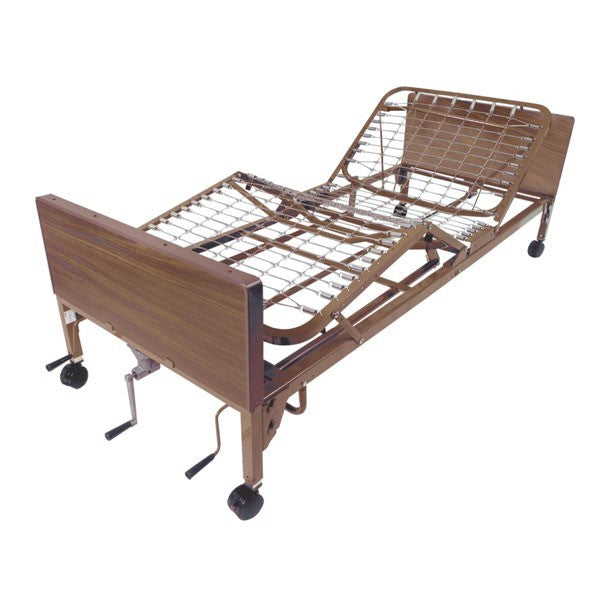
A conventional full-electric bed may be sufficient when powered head and foot positioning provides the assistance the person needs and overall bed height isn't a significant problem.
This is particularly worth considering when the person can independently complete the remaining portions of the bed-entry and exit process.
Buying more technology than the person needs increases cost without necessarily improving the result.
Compare the Technologies Before You Buy
If you're uncertain which approach best matches the person's difficulty, American Quality Health Products can help you compare the differences among Sit-to-Stand, rotating/easy-exit, hi-low and conventional full-electric beds.
Describe the person's current bed-entry and exit process step by step.
Where the person begins having difficulty is often the most important clue to which technology deserves consideration.
Important Measurements Before Choosing a Bed
When difficulty getting into or out of bed is the reason for replacing the current bed, measurements can be just as important as features.
A bed may have impressive mobility or positioning technology but still be a poor choice if the actual mattress height, room dimensions or transfer space don't work for the person.
Before ordering, take a few measurements of the person's current setup.
Measure the Current Sleeping and Transfer Height
Start by measuring from the floor to the top of the current mattress.
Don't measure only the bed frame.
If the person can transfer reasonably well from the current bed, this measurement provides a useful reference when comparing a replacement.
If the current height creates difficulty, note whether the person would benefit from the mattress surface being higher, lower or adjustable.
For someone who uses a wheelchair, also measure the height from the floor to the wheelchair seat.
Useful measurements include:
- Current top-of-mattress height
- Current mattress thickness
- Wheelchair seat height, if applicable
- Chair or other transfer-surface height, if applicable
- Height at which the person can sit with their feet securely positioned
These numbers can help you evaluate the usable height range of a new bed.
Deck Height Is Not the Same as Mattress Height
Manufacturers often publish a bed's minimum and maximum deck height.
But the person doesn't sit on the bed deck. They sit on the mattress.
If a bed has a 10-inch minimum deck height and you add a 6-inch mattress, the top of the sleeping surface will be approximately 16 inches from the floor.
That's why mattress thickness must be included when evaluating transfer height.
When comparing two beds, don't simply ask:
“Which bed goes lower?”
Ask:
“What will the actual top-of-mattress height be with the mattress I plan to use?”
That is the more useful measurement.
Measure the Space Beside the Bed
For someone who has difficulty entering or exiting, the space around the bed can matter as much as the bed dimensions themselves.
Measure the available space for:
- Wheelchair positioning
- Walker placement
- Caregiver assistance
- Transfer equipment
- Approaching the side of the mattress
- Any movement required by a rotating bed
- Rails or assist devices
A rotating/easy-exit bed in particular may require sufficient clearance for its movement and for the person to transfer once the bed has changed position.
Measure the Room and Delivery Route
Also check:
- Bedroom doorway width
- Hallway width
- Tight turns
- Stairs, if applicable
- Elevator dimensions, if applicable
- Overall bedroom dimensions
- Space at the intended bed location
This becomes increasingly important with larger, heavier or more sophisticated home care beds.
A bed that fits in the bedroom still has to reach the bedroom.
Consider the Person's Body Dimensions Too
Bed dimensions should also fit the person.
Consider:
Height
Weight
Preferred sleeping width
Ability to place the feet securely when seated
Space needed to turn or reposition
Any mobility equipment used during bed entry or exit
For larger users, sleeping width and weight capacity should be evaluated separately rather than assuming that one automatically determines the other.
Write the Measurements Down Before You Call
If you plan to ask American Quality Health Products for help comparing beds, having these measurements available can make the conversation much more productive.
You don't need to know which model you want.
Tell us the current bed height, mattress thickness, wheelchair or transfer-surface height, room dimensions and what part of getting into or out of bed is difficult.
We can then help you compare those requirements with the specifications of appropriate bed types.
Measure the current situation first. It gives you something meaningful to compare against when evaluating a new bed.
Questions to Ask Before Buying a Bed for Someone Who Has Trouble Getting In and Out
Before choosing a bed, focus on the person's actual movement rather than beginning with a particular brand or model.
The following questions can help identify which bed technology deserves consideration.
1. Where Does the Person First Have Difficulty?
Watch or think through the complete bed-entry and exit process.
Does the difficulty begin when the person:
- Moves from lying toward sitting?
- Turns toward the side of the bed?
- Moves their legs over the edge?
- Sits at the bedside?
- Attempts to stand?
- Transfers to a wheelchair?
The point where difficulty begins can help distinguish between positioning, rotating, Sit-to-Stand and hi-low technologies.
2. Can the Person Stand Once Properly Seated?
If the person can stand or transfer once securely positioned at the edge of the mattress, the primary problem may occur before standing.
A rotating/easy-exit bed may therefore deserve consideration if turning and positioning are the difficult movements.
If the person reaches the seated position comfortably but then struggles to rise, Sit-to-Stand technology may address the problem more directly.
3. Is the Current Bed Simply Too High or Too Low?
Don't overlook this possibility.
If the person can otherwise complete the transfer but the mattress is at an unsuitable height, a hi-low bed may provide the functionality needed without more specialized exit technology.
Measure the current top-of-mattress height and determine whether a higher, lower or adjustable transfer surface would improve the situation.
4. Does the Person Transfer to a Wheelchair?
If so, consider the complete transfer method rather than the wheelchair alone.
Compare:
- Top-of-mattress height
- Wheelchair seat height
- Ability to stand during the transfer
- Ability to position at the edge of the mattress
- Caregiver assistance
- Transfer equipment
- Available space beside the bed
These factors can influence whether adjustable height, rotating assistance, Sit-to-Stand technology or another solution is most appropriate.
5. How Much Can the Person Do Independently?
Determine which portions of the movement the person can perform and where assistance begins.
This is more useful than simply describing someone as “independent” or “dependent.”
For example, a person may independently sit up but need help turning. Another may reach the edge of the bed without assistance but require help standing.
The more precisely you identify the difficult movement, the more useful the bed comparison becomes.
6. Will a Caregiver Regularly Assist?
If another person regularly assists with transfers, positioning, dressing or other bedside activities, consider the caregiver's needs as well.
Powered hi-low adjustment may be useful because the bed can be positioned differently for the user's transfer and for caregiver access.
Also consider whether specialized bed movement could reduce the amount of repositioning required before the established transfer process begins.
7. Does the Bed Need to Look Residential?
If the bed will remain in a primary bedroom for years, appearance may be important.
Some residential-style hi-low beds combine powered height adjustment and positioning with designs that fit more naturally into a home environment.
If specialized Sit-to-Stand or rotating technology isn't required, these premium residential options may deserve consideration.
8. Will the Bed and Transfer Space Fit the Room?
Measure more than the footprint of the bed.
Make sure there is adequate space for:
- Wheelchair access
- Caregiver assistance
- Walker placement
- Transfer equipment
- Bedside positioning
- Specialized bed movement
- Normal movement around the room
Also measure the delivery route before ordering a large or sophisticated bed.
9. Who Will Receive and Set Up the Bed?
Consider how the bed will get from delivery to ready-to-use.
Large home care beds may be heavy and may arrive in multiple components.
Determine whether capable help is available or whether White Glove delivery/setup should be considered when available for the particular bed and destination.
10. What Problem Does the New Bed Need to Solve?
Bring the decision back to one question:
“What do we want the new bed to make easier than the current bed?”
- Standing?
- Turning?
- Moving the legs?
- Sitting at the edge?
- Wheelchair transfers?
- Caregiver assistance?
- Bed entry?
- Returning to bed?
If you can answer that clearly, comparing bed technologies becomes much easier.
Don't begin by asking which bed has the most features. Begin by identifying which movement needs the most help.
Why Buy a Mobility-Assistance Bed From American Quality Health Products?
When someone has difficulty getting into or out of bed, choosing the right product can be more complicated than comparing prices or specifications.
A Sit-to-Stand bed, rotating/easy-exit bed and hi-low bed approach mobility in very different ways. The most important question is not which technology sounds most advanced—it is which technology addresses the part of the movement that is actually difficult.
That's one reason buying from a company that offers more than one type of bed can be valuable.
Compare Different Technologies, Not Just Different Models
American Quality Health Products offers home care beds from multiple manufacturers and across several different technologies.
That allows customers to compare:
- Sit-to-Stand beds
- Rotating/easy-exit beds
- Hi-low beds
- Full-electric beds
- Residential-style adjustable beds
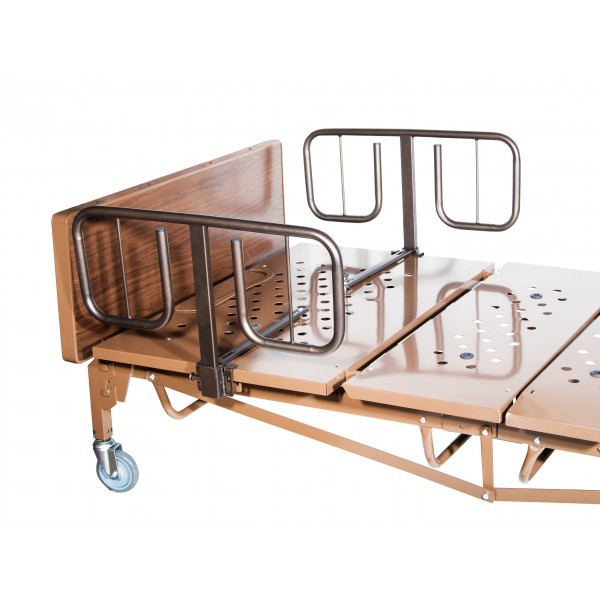
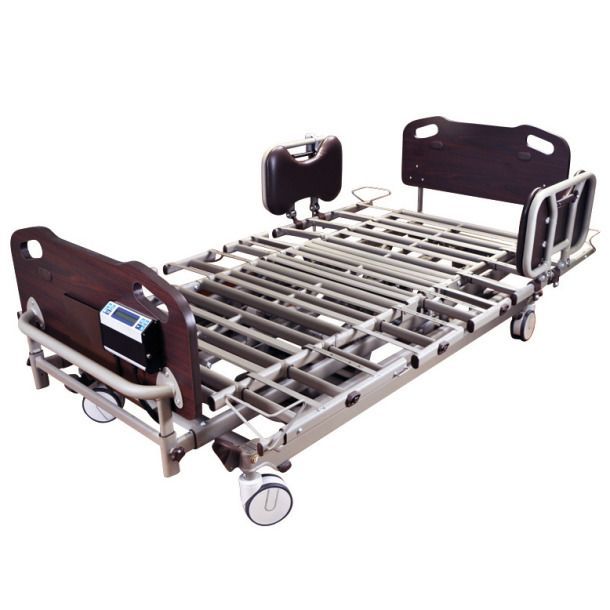
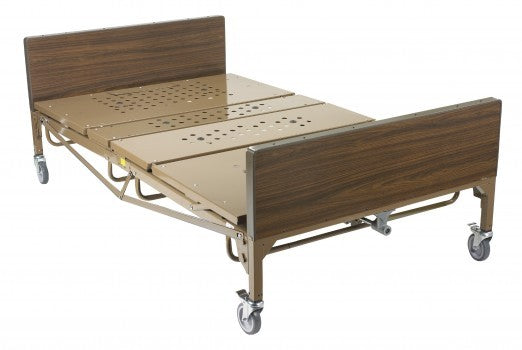
- Extra-wide and bariatric options
Instead of beginning with one manufacturer's product line, we can begin with the person's mobility and transfer needs and then compare the types of beds that may be appropriate.
Established Since 2001
American Quality Health Products has been helping customers purchase home medical and mobility equipment since 2001.
Over the years, we've seen that customers shopping for specialized beds often know what the person is struggling with, but don't necessarily know what the appropriate bed technology is called.
That's perfectly reasonable.
You shouldn't need to become an expert in home care beds before asking for help choosing one.
Tell Us What Happens During the Transfer
When you contact AQHP, describe the person's current bed-entry and exit process.
Tell us:
- What the person can do independently
- Where the movement becomes difficult
- Whether the person can stand
- Whether a wheelchair is involved
- Whether a caregiver assists
- Whether the current bed is too high or too low
- What mobility or transfer equipment is currently used
- How much space is available around the bed
Those details can be more useful than beginning with a particular model number.
We Can Help You Compare Before You Order
Specialized home care beds can represent a substantial purchase.
Before ordering, it makes sense to understand why one type of bed may be more appropriate than another.
American Quality Health Products can help you compare the differences among Sit-to-Stand, rotating/easy-exit, hi-low and conventional full-electric beds based on the information you provide about the person's needs.
If a simpler bed appears to address the requirement, there is little reason to purchase specialized technology simply because it exists.
Likewise, if a specific part of the transfer is consistently difficult, understanding the technologies designed around that movement may help narrow the choices.
The objective is not to find the bed with the most technology. It is to find the technology that best matches the person's actual needs.
Frequently Asked Questions About Beds for Easier Entry and Exit
What Type of Bed Is Best for Someone Who Has Trouble Getting Out of Bed?
The best type depends on which part of getting out of bed is difficult.
If standing from a seated position is the primary problem, a Sit-to-Stand bed may deserve consideration.
If turning, moving the legs or getting positioned at the side of the bed is difficult, a rotating/easy-exit bed may be more relevant.
If the person can otherwise transfer but the mattress is at the wrong height, a hi-low bed may provide the functionality needed.
What Is a Sit-to-Stand Bed?
A Sit-to-Stand bed is designed to change the user's position from lying toward sitting and then toward a position intended to assist with the transition to standing.
It differs from a conventional adjustable bed because it is designed specifically around the bed-entry and exit sequence, rather than simply raising the head and feet for positioning and comfort.
What Is a Rotating or Easy-Exit Bed?
A rotating/easy-exit bed changes the orientation of the sleeping surface toward the side of the bed.
This may be useful when the difficult part of getting out of bed is turning, moving the legs and getting properly positioned at the bedside.
It addresses a different part of the movement than Sit-to-Stand technology.
What Is the Difference Between a Hi-Low Bed and a Sit-to-Stand Bed?
A hi-low bed raises and lowers the entire sleeping platform, allowing the mattress surface to be positioned at different heights.
A Sit-to-Stand bed changes the person's orientation to assist with the transition from lying or sitting toward standing.
If the primary problem is simply transfer height, a hi-low bed may be sufficient. If the person reaches a seated position but has substantial difficulty rising, Sit-to-Stand technology may deserve consideration.
Can a Hi-Low Bed Make It Easier to Get Out of Bed?
It can be useful when bed height is an important part of the person's transfer difficulty.
The ability to raise or lower the entire sleeping surface allows the transfer height to be adjusted rather than remaining fixed.
The appropriate height depends on the person's size, mobility, transfer method, mattress thickness and any wheelchair or other transfer surface involved.
What Type of Bed Is Best for Wheelchair Transfers?
There isn't one bed type that is best for every wheelchair user.
The appropriate choice depends on how the person transfers between the wheelchair and bed.
For some people, adjustable height is the most important feature. Others may have difficulty getting positioned at the edge of the bed or may use a transfer method involving standing.
Consider the complete transfer process rather than choosing a bed simply because the person uses a wheelchair.
Does Mattress Thickness Affect How Easy It Is to Get Out of Bed?
Yes. Mattress thickness changes the actual height of the surface from which the person sits, stands or transfers.
When comparing bed heights, add the mattress thickness to the bed's deck height to estimate the actual top-of-mattress height.
Don't compare bed-frame height alone when transfer height matters.
Do I Need a Specialized Bed or Just an Adjustable Bed?
Not everyone who has difficulty getting out of bed needs specialized mobility-assistance technology.
If powered head and foot positioning provides enough assistance and overall bed height is appropriate, a conventional full-electric or adjustable bed may be sufficient.
Specialized technology becomes more relevant when a particular movement—such as turning, positioning, standing or transfer height—remains a significant problem.
Where Can I Get Help Comparing Sit-to-Stand, Rotating and Hi-Low Beds?
American Quality Health Products offers several types of home care beds from multiple manufacturers.
If you're uncertain which technology deserves consideration, describe what happens when the person tries to get into or out of their current bed.
Tell us where the movement becomes difficult, whether the person can stand, whether a wheelchair is involved and whether another person assists.
That information gives us a much better starting point for comparing the available options.
Start With the Movement That's Difficult
When someone has trouble getting into or out of bed, it can be tempting to begin by searching for the bed with the most advanced features.
A better approach is to begin with the person.
Determine exactly where the bed-entry or exit process becomes difficult.
Is it:
- Turning in bed?
- Moving the legs over the side?
- Getting securely seated at the edge?
- Standing from the bedside?
- Transferring to or from a wheelchair?
- The height of the current mattress?
Once the difficult movement is identified, it becomes much easier to determine whether a Sit-to-Stand, rotating/easy-exit, hi-low or conventional full-electric bed deserves consideration.
The best solution isn't necessarily the bed that does the most. It's the bed whose functions best address the movements the person finds difficult.
Get Help Comparing Your Options
American Quality Health Products has been helping customers purchase home medical and mobility equipment since 2001.
Because we offer beds from multiple manufacturers and across different technologies, we can help you compare the available approaches rather than limiting the discussion to one particular manufacturer's bed.
Before you call, it can be helpful to know:
- What the person can do independently
- Where assistance becomes necessary
- Whether the person can stand
- Whether a wheelchair is involved
- Current top-of-mattress height
- Wheelchair seat height, if applicable
- Whether a caregiver assists
- Available bedroom and transfer space
You don't need to know which bed you want.
Tell us what the person has difficulty doing. We'll help you compare the types of beds designed to address those needs.
Talk With American Quality Health Products
Explore our selection of home care and hospital beds, including Sit-to-Stand, rotating/easy-exit, hi-low, full-electric, residential-style, extra-wide and bariatric options.
Or call American Quality Health Products:
1-855-563-9900
Our knowledgeable staff can help you compare the available options before you order.
If you're still trying to determine which overall type of home care bed is appropriate, our Complete Buyer's Guide to Choosing a Home Care Bed provides a broader comparison of bed types, features, sizing, delivery and other considerations.
Start with the person. Identify the difficult movement. Then choose the technology that best addresses it.


